
Publications

INSIGHT REPORT

Pioneering the Future: Space

Technologies Poised to Revolutionize

Exploration and Economy by 2035

September 2026

FACTSHEETS

Pioneering the Future: Space

Technologies Poised to Revolutionize Exploration and Economy by 2035

June 2026

WHITE PAPER

Future of Space Law:

Operationalizing Space Governance

March 2026

REPORT

Clear Orbit, Secure Future:

 A Call to Action on Space Debris

Jan 2026

WHITE PAPER

The Future of Space Law

Insights from the ATS, UNCLOS, and ITU Frameworks

December 2025

WHITE PAPER

The Future of Space Law: 

The Evolving Dynamics of Air and Space Regulation

 September  2025

The Future Of Space Law

News

Centre for Space Futures, Novaspace and SpaceTech Gulf  Sign Agreement to Develop Global Space Capability Mapping Dashboard

Riyadh, Saudi Arabia , 23 Jun 2026|  Press Release

Clear Orbit, Secure Future: A Call to Action on Space Debris

Riyadh, Saudi Arabia, 26 Jan 2026 | Press Release

Centre for Space Futures Holds Workshop with Participation of 40 Global Experts

Riyadh, Saudi Arabia, 05 Dec 2025 | Press Release

Centre for Space Futures Releases White Paper on 'The Future of Space Law'

Riyadh, Saudi Arabia, 12 Sep 2025 | Press Release

The Board of Directors of the Centre for Space Futures Endorses Its Strategic Direction

Riyadh, Saudi Arabia, 26 May 2025 | Press Release

Saudi Space Agency to Launch the Centre for Space Futures with the World Economic Forum

Riyadh, Saudi Arabia, 29 April | Press Release

5 ways we can tackle growing risks from rocket bodies in orbit

Dec 09, 2025 | Economic Growth, Stories

Read More

Forum Agenda

Forum Videos

VIDEO

Press Conference: Centre for Space Futures in Riyadh

The World Economic Forum's Special Meeting, April 29, 2024

VIDEO

The Purpose of Astronauts at Davos 2024

World Economic Forum , March 9, 2024

VIDEO

PortWatch: Monitoring Trade Disruptions from Space

World Economic Forum , Dec 18, 2023

VIDEO

India's Moon Mission Triumph: Ambassador Ruchira Kamboj's Insights

World Economic Forum , Aug 23, 2023

VIDEO

Space Exploration is Back at Davos 2023

World Economic Forum , Feb 16, 2023

Forum Publications

Strategic Intelligence Insights

The 2026 Global Risks Report outlines an 'age of competition' marked by escalating global risks related to technology, society, geoeconomics, economy, and the environment. Key findings include a heightened urgency regarding geoeconomic confrontation, which has shifted from a long-term concern to a top risk in the next two years. Societal polarization remains a stable and significant risk, threatening social cohesion and trust. Environmental risks, while still a concern, show a decline in priority for the short term. Overall, the findings highlight changing perceptions of risk and the need for collaborative strategies in a fragmented global landscape.
Georgia, Guinea, Haiti, Nigeria, Qatar, Russian Federation, Singapore, Sweden, United Kingdom | Financial services, Health
Global risks in 2026 and over the past 5 years: What’s changed and what hasn’t?

Collaboration is essential for industrial leaders navigating the challenges of a VUCA (volatile, uncertain, complex, ambiguous) world. With a $94 trillion infrastructure gap projected by 2040 and intensified supply chain vulnerabilities, strategic partnerships are critical for balancing resilience and economic growth. Key areas necessitating cooperation include geopolitical tensions, energy transition, and rapid digital transformation. Effective cooperation models include ecosystem collaborations that foster innovation, cross-border supply chain partnerships for stability, and public-private alliances to scale sustainable solutions. Together, these strategies are vital for turning challenges into competitive advantages and driving responsible innovation.
Belgium, Bolivia, Bulgaria, Colombia, Ethiopia, Finland, Germany, Ghana, Indonesia, Japan, Kenya, Mozambique, Paraguay, Peru, Philippines, Republic of Korea, Russian Federation, Rwanda, Senegal, Sweden, Switzerland, Tanzania, Uganda, Ukraine, United Arab Emirates, United Kingdom, Uruguay, Venezuela, Viet Nam | Financial services, ICT, Health, Education
Cooperation as a competitive edge: Thriving in a VUCA world

Electrification and automation are pivotal for enhancing competitiveness and sustainability in industry amidst rising energy costs and shifting supply chains. These technologies can significantly reduce energy consumption and costs, aiding in decarbonization and energy independence. Upgrading electric motors with drives can cut global energy use by 10%, while automation enhances productivity and reduces downtime. The transition to locally generated electricity addresses concerns over energy security and volatility, with advances in energy storage and digital controls mitigating challenges in integrating renewables. Embracing these innovations positions businesses to thrive in a more efficient, resilient industrial future.
Egypt, Ethiopia, Germany, India, Indonesia, Kenya, Republic of Korea, Rwanda, Senegal, Tanzania, Uganda, Ukraine, United Arab Emirates, United Kingdom | Financial services, ICT, Education
Electrification and automation for a more competitive and sustainable industrial future

CEOs face pressure to adapt strategies swiftly due to geopolitical changes and supply chain issues, particularly in commercial real estate. Companies can succeed by treating real estate decisions with the same strategic foresight as other major investments. The availability of high-quality office spaces is dwindling, complicating timely decisions. Real estate teams should be integrated into early strategic discussions rather than being brought in post-factum. By investing in analytics and flexible lease structures during initial planning phases, organizations can enhance their agility and better align real estate commitments with evolving business needs.
How companies can make real estate decisions at the speed of business

Insufficient data on modern labor markets, particularly regarding self-employment and informal income, threatens the accuracy of economic reporting and monetary policy. The rise of side hustles and technology-driven businesses complicates traditional labor force measurements, leading to underreported household incomes. This distortion risks misjudging inflation and fiscal strategies, as policymakers may perceive consumer spending power inaccurately. Furthermore, the aging population contributes to measurement challenges, as economic contributions from retirees are often overlooked. The gap in accurate data could lead to misguided economic policies and a misunderstanding of income distribution dynamics.
Latin America | Financial services
The labour-market data hole that threatens to skew monetary policy
Healthcare systems must undergo a fundamental redesign to address challenges posed by demographic shifts, STEM talent scarcity, and rapid technological advancements. This requires moving beyond mere upskilling to a comprehensive overhaul of operational models. Key strategies include developing a shared skills taxonomy, rethinking work structures, and fostering collaboration across sectors to enhance talent mobility. Supporting organizational resilience and employee engagement through purpose and passion is crucial for navigating ongoing changes. A collective approach to workforce design is essential to sustain innovation and meet the evolving demands of healthcare.
ICT, Health, Education
The science of workforce design: how to build the talent engine for healthcare
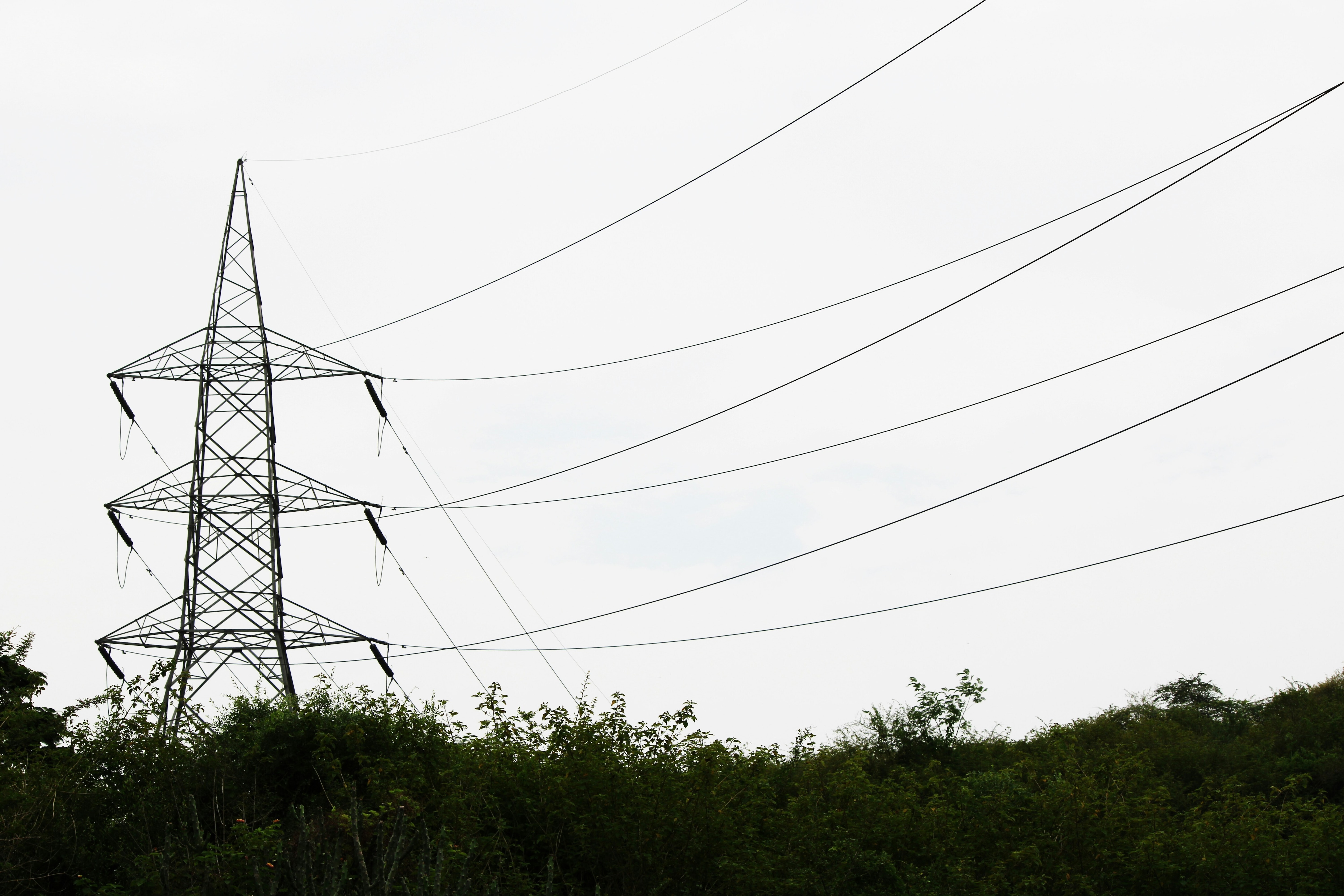
Surging electrification necessitates a doubling of global grid capacity within the next two decades, driven by a 4% increase in electricity demand in 2024 and significant growth in renewable energy. Current slow investment, planning delays, and connection bottlenecks hinder progress. Strategic long-term planning, anticipatory investments, streamlined permitting, and a programmatic approach to grid development are vital for timely infrastructure updates. Enhanced investment is crucial, with projections indicating a need for $650 billion per year by 2035. Shifting perceptions to view electricity networks as strategic assets rather than costs is essential for achieving sustainable and affordable energy access globally.
Financial services, ICT, Education
How to accelerate grid infrastructure deployment for an electrified future
The Asia and Pacific region is at a pivotal moment as it embraces artificial intelligence (AI) amidst rapid development and urbanization. AI has the potential to enhance productivity in critical sectors like agriculture, healthcare, and MSMEs while addressing challenges posed by youthful labor markets and climate change. However, if mishandled, it could deepen inequality and disrupt job markets. Proactive policies focusing on retraining and skill development are essential to harness AI effectively. Varied readiness across countries—from China's strategic innovation to India's digital infrastructure—highlights the need for tailored approaches and robust governance to integrate AI in ways that promote shared prosperity.
Indonesia, Japan, Philippines, Singapore | ICT, Health, Education
Artificial Intelligence as a Development Choice for Asia and the Pacific

Europe's military space capabilities are insufficient, heavily relying on the US, particularly for intelligence, navigation, and early warning systems. The Ukraine conflict has highlighted the necessity for autonomous space capabilities, as US support is not guaranteed. Key areas for development include space situational awareness, military reconnaissance, navigation resilience, and missile early warning. Europe must enhance its launch capabilities, currently reliant on US providers, and progress towards a more independent space strategy that balances immediate needs against long-term autonomy.
Germany, Poland
European Autonomy in Space
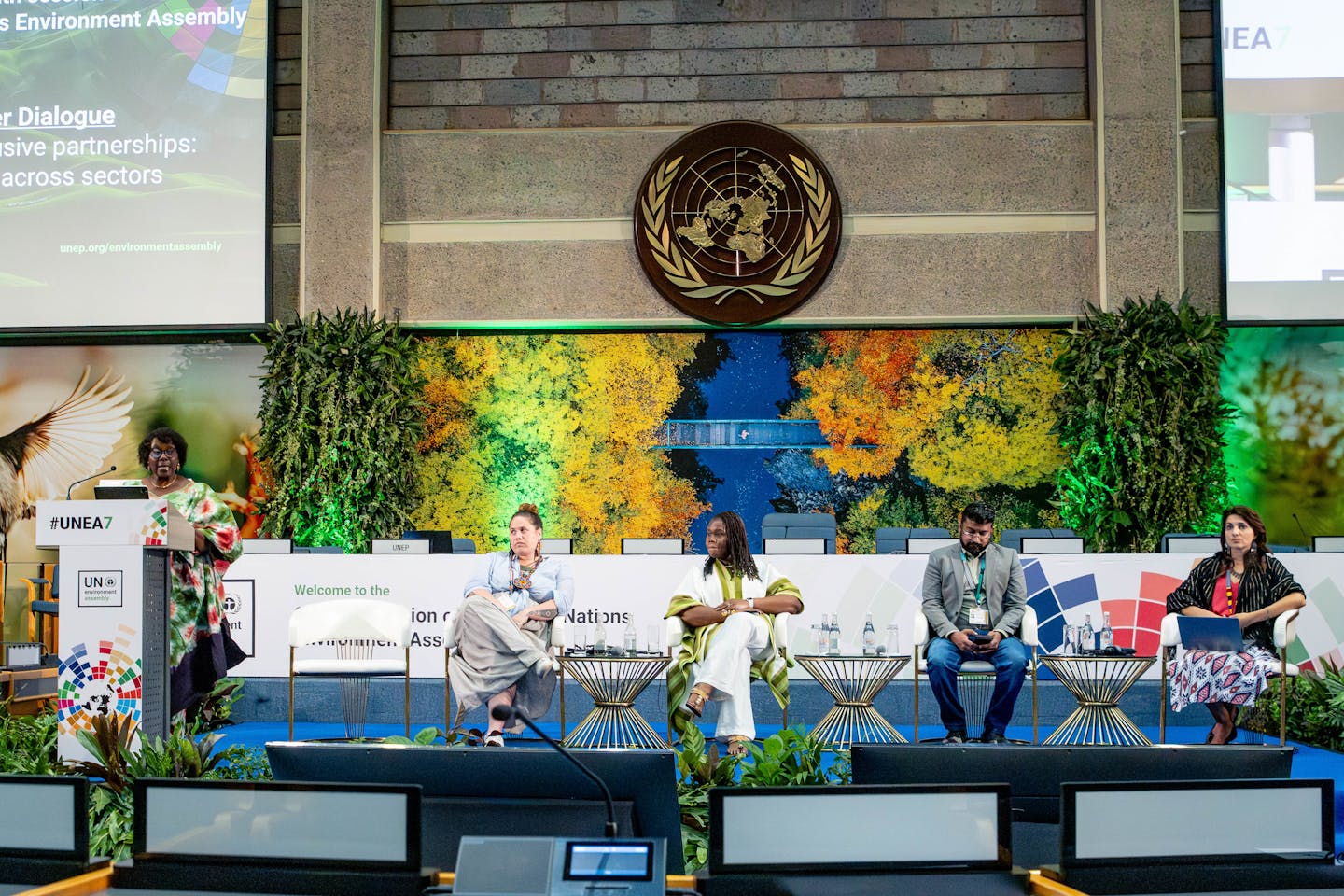
Delegates from Africa and Latin America hailed the agreements reached at the recent UN Environment Assembly (UNEA7) as a victory, despite facing challenges like resistance from certain countries and the absence of the US. Eleven resolutions were adopted, focusing on coral reef protection, mineral management, and addressing sargassum seaweed influx. The assembly established UNEP's 2026-2029 strategy, with a budget increase to $1.1 billion. The meeting emphasized international environmental governance, particularly regarding a plastics treaty, amid geopolitical tensions that may complicate future negotiations. The declaration included a commitment to a clean, healthy environment, though constraints on recognizing human rights were noted.
Africa
How the Global South tried to steer the recent UN Environment Assembly

The Youth Pulse 2026 report highlights urgent concerns of today's youth regarding jobs, education, AI, and climate action. With over half the global population under 30, youth priorities are crucial for stability and growth. Key demands include quality jobs, relevant education, responsible AI adoption, transparency, and climate action. Economic survival dominates their worries, with 57% prioritizing employment amid rising inflation. Many face precarious work conditions, fueling interest in entrepreneurship, particularly in regions with limited opportunities. Solutions involve creating job pathways, reforming education to meet market demands, and ensuring young people are prepared for a rapidly changing economy.
Africa, Latin America | ICT, Education
Why world leaders need to heed youth voices at Davos

Russia's war has caused extensive environmental damage in Ukraine, affecting 2.4 million hectares of agricultural land and releasing toxic substances into ecosystems. The destruction of the Kakhovka dam flooded 600 sq km, while emissions related to the war are equivalent to 230 million tonnes of CO₂. Despite these challenges, Ukraine has the potential to establish a carbon market to facilitate postwar recovery. This market could generate revenue to finance reforestation and renewable energy projects, enhancing resilience against future conflicts. A law mandating an emissions trading system is set to be implemented by 2026, supporting Ukraine’s sustainable recovery.
Russian Federation, Ukraine
How Ukraine is fighting environmental damage and building its resilience amid war

Governance of artificial intelligence (AI) should transition from static compliance to agile, real-time oversight to adapt to rapidly evolving technologies. Continuous monitoring mechanisms, such as automated assessments and real-time anomaly detection, are essential for early risk detection and maintaining public trust. Collaboration between public and private sectors can enhance responsible innovation while addressing operational risks that emerge post-deployment. Successful models include Singapore’s AI Verify toolkit and shared national safety infrastructures, highlighting the importance of adaptive policies and sector-wide assurance to ensure AI governance keeps pace with technological advancements.
Education
Agile AI governance: How can we ensure regulation catches up with technology
Innovative partnerships can drive economic growth and foster creativity by combining diverse perspectives. Collaborations, like that of Snoop Dogg and Martha Stewart, showcase how different backgrounds can lead to successful ventures. Similarly, the partnership between Salt & Straw, Taco Bell, and Ice Group produced the Tacolate, merging distinct strengths—artisan vision, engineering expertise, and mass-market reach to create a unique product. Additionally, the alignment of a waste startup, the California state, and the oil and gas sector illustrates how diverse partnerships can innovate in renewable energy, leveraging established infrastructures to support new growth.
Education
What Snoop Dogg and ice cream tacos can teach us about innovation and partnership

Tech sovereignty includes multiple dimensions: data, operational, technical, and legal. Organizations must balance these aspects to navigate strategic trade-offs while fostering innovation. The global landscape is marked by geopolitical tensions and digital interdependencies, particularly in Europe, which relies heavily on imports for digital products. A shift is occurring from pursuing full autonomy to resilient interdependence, emphasizing strategic partnerships. Effective sovereignty strategies should be pragmatic, addressing industry-specific needs and regulatory frameworks that encourage innovation over over-regulation. Achieving tech sovereignty involves assessing critical dependencies and establishing clear strategies for strategic control without isolationism.
Albania, Algeria, Angola, Austria, Belgium, Bolivia, Botswana, Chad, Denmark, Estonia, Ethiopia, Finland, Georgia, Germany, Hungary, Iceland, Indonesia, Ireland, Japan, Jordan, Kuwait, Latvia, Lesotho, Luxembourg, Mali, Moldova, Mongolia, Montenegro, Paraguay, Poland, Qatar, Republic of Korea, Russian Federation, Rwanda, Senegal, Singapore, Slovakia, Slovenia, Sweden, Switzerland, Taiwan, China, Tanzania, Ukraine, United Arab Emirates, United Kingdom | ICT, Financial services, Health, Education
Why the race for tech sovereignty is a balancing act

Multilateralism is increasingly challenged by rising trade barriers and geopolitical tensions, as indicated by the Global Cooperation Barometer 2026, which shows a 20% decline in multilateral cooperation metrics since 2019. However, smaller, flexible groupings, termed "minilateralism," are emerging to effectively advance cooperation in areas like digital services, climate finance, and innovation. Notably, solar capacity installations surged, particularly in China and India. While sectors like health and wellness maintain relative stability, peace and security metrics have drastically declined. Leaders are urged to adapt by proactively engaging in minilateral groups, enhancing organizational resilience, and matching cooperation strategies to specific challenges.
Albania, Algeria, Bahrain, Barbados, Belgium, Benin, Bolivia, Bosnia and Herzegovina, Botswana, Bulgaria, Burkina Faso, Colombia, Denmark, Egypt, Estonia, Ethiopia, Finland, Gabon, Georgia, Germany, Ghana, Guatemala, Guinea, Haiti, Hungary, Indonesia, Ireland, Japan, Jordan, Kenya, Kyrgyz Republic, Latvia, Lebanon, Lesotho, Lithuania, Luxembourg, Malawi, Malaysia, Mali, Malta, Mauritania, Moldova, Mongolia, Montenegro, Morocco, Mozambique, Namibia, Netherlands, New Zealand, Oman, Panama, Paraguay, Peru, Philippines, Poland, Portugal, Qatar, Republic of Korea, Russian Federation, Rwanda, Senegal, Singapore, Slovakia, Slovenia, Sweden, Switzerland, Taiwan, China, Tanzania, Thailand, Uganda, Ukraine, United Arab Emirates, United Kingdom, Uruguay, Zambia, Zimbabwe | ICT, Financial services, Health
The new shape of global cooperation
Industrial transformation aimed at decarbonizing hard-to-abate sectors requires an estimated $30 trillion in investment by 2050. The industrial cluster model, where multiple sectors co-locate under coordinated governance, facilitates rapid deployment of low-carbon technologies by pooling resources and sharing infrastructure, ultimately accelerating innovation. Effective clusters attract government support, streamline governance, and enable economies of scale, thereby enhancing investment appeal. Case studies from the UK and Europe illustrate how shared risks and strategic policy frameworks enable successful financing and implementation of clean energy projects, offering insights into three operational models that enhance bankability and project delivery.
Netherlands
The clean energy fast lane: how clusters speed up the industrial transformation

Global climate finance reached $2 trillion in 2024, yet a significant gap persists between financial commitments and their execution, particularly in adaptation and nature-positive investments in emerging economies. AI can bridge this gap by transforming fragmented data into actionable insights, thereby facilitating the mobilization of capital toward impactful projects. It enhances the efficiency of financing decisions, crucial for vulnerable communities facing climate risks. The use of AI in areas like energy transition and ESG priorities helps optimize financing and improve resource management, supporting initiatives such as renewable energy and nature conservation while ensuring inclusivity for underserved groups.
Financial services, Education
How AI can help close the finance gap between climate ambition and action

In 2026, cybersecurity is increasingly defined by rising threats, geopolitical fragmentation, and a widening technology gap. The need for enhanced collective cyber resilience is both an economic and societal imperative. As artificial intelligence rapidly transforms the cybersecurity landscape, it both aids in threat detection and facilitates sophisticated attacks. Trust and cooperation among nations are eroding due to geopolitical tensions, heightening cybersecurity risks, especially for small and medium-sized organizations. Executives emphasize the necessity of collaborative efforts, intelligence sharing, and skill development to bolster defenses against evolving cyber challenges.
Africa | Financial services, Health, Education, ICT
As cybersecurity risks grow, here are the priorities of executives and cyber leaders

Southeast Asia's energy demand is projected to double by 2050, necessitating a shift toward diverse, clean energy solutions to maintain economic resilience and competitiveness. Industrial clusters in the region, such as those in Indonesia, Malaysia, Singapore, and Thailand, are pivotal in driving the energy transition by fostering collaboration among companies. These clusters facilitate partnerships, support clear policy frameworks, scale innovative low-carbon technologies, and attract investment through blended finance. Initiatives like the Indo-Pacific Net-Zero Battery Materials Consortium and Sarawak’s energy policies exemplify strategies that enhance low-carbon industrial transformation and position ASEAN in the global clean-tech supply chain.
India, Indonesia, Philippines, Singapore, Thailand | Financial services, ICT
How industrial clusters can power ASEAN’s low-carbon future