
Publications

INSIGHT REPORT

Pioneering the Future: Space

Technologies Poised to Revolutionize

Exploration and Economy by 2035

September 2026

FACTSHEETS

Pioneering the Future: Space

Technologies Poised to Revolutionize Exploration and Economy by 2035

June 2026

WHITE PAPER

Future of Space Law:

Operationalizing Space Governance

March 2026

REPORT

Clear Orbit, Secure Future:

 A Call to Action on Space Debris

Jan 2026

WHITE PAPER

The Future of Space Law

Insights from the ATS, UNCLOS, and ITU Frameworks

December 2025

WHITE PAPER

The Future of Space Law: 

The Evolving Dynamics of Air and Space Regulation

 September  2025

The Future Of Space Law

News

Centre for Space Futures, Novaspace and SpaceTech Gulf  Sign Agreement to Develop Global Space Capability Mapping Dashboard

Riyadh, Saudi Arabia , 23 Jun 2026|  Press Release

Clear Orbit, Secure Future: A Call to Action on Space Debris

Riyadh, Saudi Arabia, 26 Jan 2026 | Press Release

Centre for Space Futures Holds Workshop with Participation of 40 Global Experts

Riyadh, Saudi Arabia, 05 Dec 2025 | Press Release

Centre for Space Futures Releases White Paper on 'The Future of Space Law'

Riyadh, Saudi Arabia, 12 Sep 2025 | Press Release

The Board of Directors of the Centre for Space Futures Endorses Its Strategic Direction

Riyadh, Saudi Arabia, 26 May 2025 | Press Release

Saudi Space Agency to Launch the Centre for Space Futures with the World Economic Forum

Riyadh, Saudi Arabia, 29 April | Press Release

5 ways we can tackle growing risks from rocket bodies in orbit

Dec 09, 2025 | Economic Growth, Stories

Read More

Forum Agenda

Forum Videos

VIDEO

Press Conference: Centre for Space Futures in Riyadh

The World Economic Forum's Special Meeting, April 29, 2024

VIDEO

The Purpose of Astronauts at Davos 2024

World Economic Forum , March 9, 2024

VIDEO

PortWatch: Monitoring Trade Disruptions from Space

World Economic Forum , Dec 18, 2023

VIDEO

India's Moon Mission Triumph: Ambassador Ruchira Kamboj's Insights

World Economic Forum , Aug 23, 2023

VIDEO

Space Exploration is Back at Davos 2023

World Economic Forum , Feb 16, 2023

Forum Publications

Strategic Intelligence Insights

Advances in optical systems, photonics, cloud computing, and artificial intelligence have significantly improved the quality and accessibility of satellite Earth observation data, democratizing its use. However, this technological convergence also introduces risks related to national security, privacy, and trust. Addressing emerging challenges in commercial space-based Earth observation requires thoughtful government policies and frameworks to balance innovation benefits with protection needs.
Education, ICT
Expanding access to satellite Earth observation data: What it means for privacy, security and trust
The growing demand for responsibly sourced minerals like lithium, cobalt, and nickel, driven by the global energy transition, has made robust ESG data practices essential for mining companies. These practices support transparency, satisfy stakeholder expectations, and ensure alignment with sustainability goals. According to PWC’s 2021 Global Investor ESG Survey, 83% of investors consider detailed, evidence-based ESG reporting crucial for attracting investment. Additionally, regulations such as the European Sustainability Reporting Standards under the CSRD mandate companies to perform double materiality assessments, further emphasizing the importance of accurate ESG data in evaluating financial and environmental impacts.
Financial services
ESG Data Stewardship: An IFC Good Practice Note for Mining

An analysis of 338 Singapore-based websites reveals most are energy inefficient and highly carbon-intensive, falling short of global sustainability standards. Large enterprises, including financial services, media, and government, scored lowest due to heavy page weights, limited renewable hosting options, and high emissions per page view—up to 50 grams of CO2. SMEs using SaaS platforms scored better by leveraging renewable-powered infrastructure. B Corp-certified companies performed above average but still faced a digital sustainability credibility gap, with 43% relying on fossil-fueled servers. Optimizing website design and switching to green hosting could reduce over 500 tonnes of CO2 annually.
Singapore websites failing global climate metrics, study finds
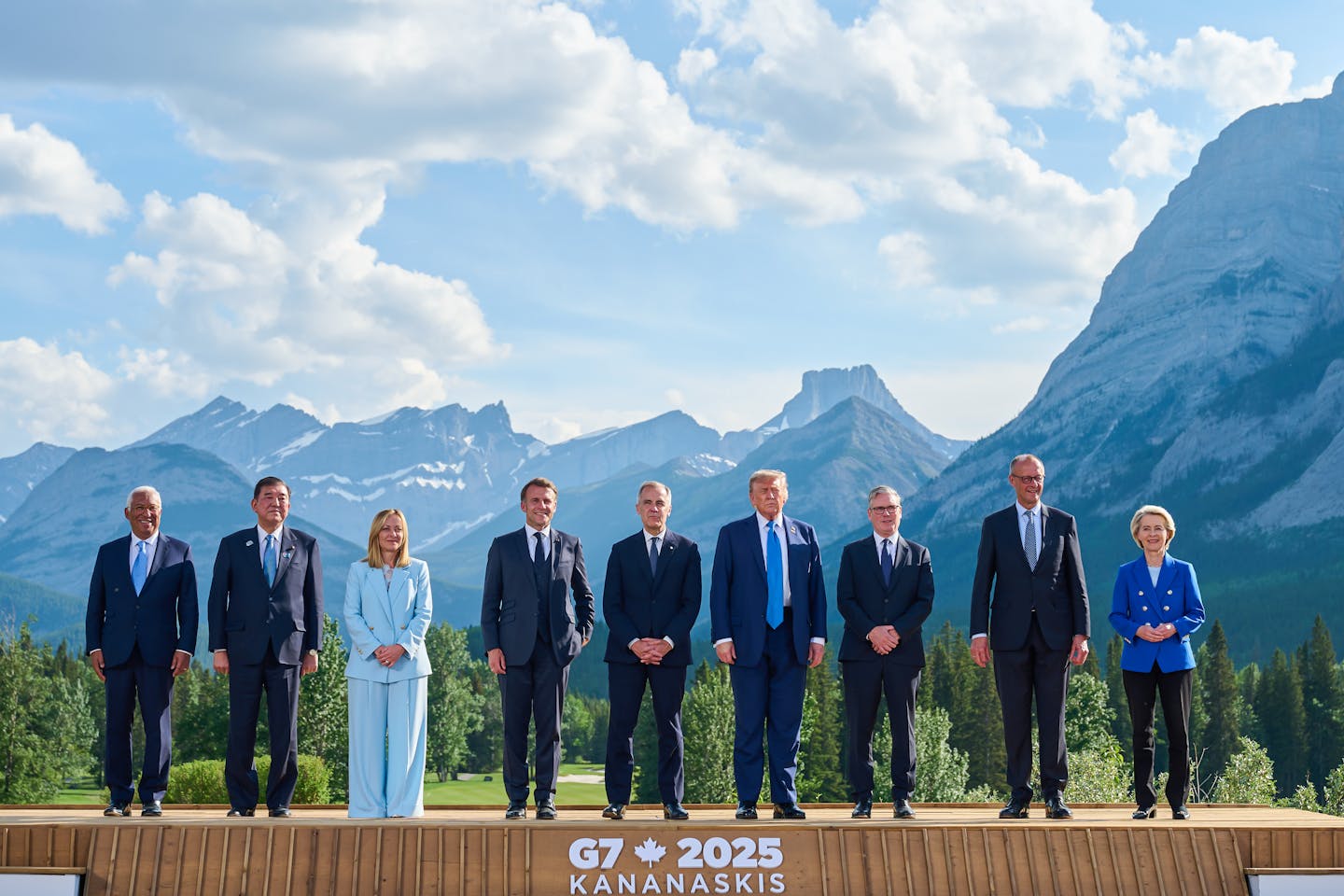
Global wind and large-scale solar capacity planned or under construction reached a record 4,900 GW in 2025, growing by 11% since 2024, primarily driven by developing countries. China leads with over 1,500 GW, far surpassing other nations, while G7 countries account for just 520 GW despite representing half of global wealth. The G7's wind and solar plans have stalled since 2023, risking a loss of leadership in clean energy, as political challenges slowed project expansion globally. Meeting COP28 goals requires tripling renewable capacity by 2030, with China and India leading reductions in coal-generated electricity alongside rapid renewable growth.
G7 ‘falling behind’ China as world’s wind and solar plans reach new high in 2025
The EU and India finalized a long-pending Free Trade Agreement (FTA) in January 2026, marking a significant advance in their relations alongside agreements on Security and Defence Partnership, Mobility Cooperation, Innovation Hubs, and a Startup Partnership. This comprehensive partnership aims to deepen strategic alignment amid great power rivalry, driven by India's economic development goals and the EU’s desire to diversify alliances and reduce dependency on China. Recent diplomatic efforts, including the EU Commission's 2025 India visit, catalyzed progress. Concurrently, India is actively pursuing multiple trade agreements globally, using economic diplomacy as a tool to hedge geopolitical risks and boost industrial and technological modernization.
Belgium, France, India, Italy, Mauritius, Nepal, Netherlands, Sri Lanka | Financial services
Leapfrogging in EU-India relations: From Free Trade to Strategic Defence and Tech
The EU Emissions Trading System (EU ETS) has been central to Europe's climate strategy since 2005, achieving a ~47% emissions reduction in power and heavy industry by 2023 through a cap-and-trade mechanism that incentivizes cost-effective decarbonization and innovation. Recent reforms tightened supply, raising carbon prices sharply, which strengthens the decarbonization signal but raises competitiveness concerns for European industries facing higher costs than global rivals. The paper explores three reform scenarios, noting that weakening the ETS or the Carbon Border Adjustment Mechanism (CBAM) risks undermining climate goals and investment certainty. The recommended path maintains ETS tightening and CBAM while increasing industrial support by recycling ETS revenues into decarbonization tools, shifting competitiveness towards leadership in low-carbon technologies.
Estonia | Financial services
The EU ETS at a Crossroads: Competitiveness Concerns and Policy Scenarios

Quantum technology is rapidly advancing from theory to practical use, impacting multiple aspects of daily life. Quantum computing utilizes qubits that exist in multiple states simultaneously, enabling the simulation of complex molecular interactions for faster drug discovery and material innovation. Quantum sensors offer unprecedented precision for navigation without GPS, medical imaging, and environmental monitoring. Optimization problems in logistics, finance, and energy management could be solved more efficiently with quantum algorithms. Quantum communication ensures ultra-secure data transmission, addressing cybersecurity threats posed by quantum computers themselves. Additionally, quantum technology promises to accelerate artificial intelligence developments by processing information in fundamentally new ways.
Financial services, ICT, Education
Five ways quantum technology could shape everyday life

Nature loss is a major threat to global economies, with businesses both depending on and harming biodiversity. IPBES highlights that over $7 trillion in finance flows in 2023 negatively impacted nature, driven largely by sectors like agriculture, energy, and mining. A key challenge is businesses' lack of awareness and data to assess their environmental impact, compounded by short-term financial priorities that overlook longer ecological cycles. Current political and economic practices often undervalue biodiversity, inhibiting transformative changes needed to halt biodiversity decline, which risks economic stability, human wellbeing, and disproportionately affects developing countries.
Financial services
IPBES: Four key takeaways on how nature loss threatens the global economy
The India-EU Free Trade Agreement, hailed as a major commercial milestone, features strong, enforceable trade commitments but notably weaker climate and environmental provisions. Environmental clauses, primarily within the Trade and Sustainable Development (TSD) chapter, emphasize dialogue, cooperation, and consultation rather than sanctions or binding targets. Unlike trade rules subject to dispute resolution, environmental commitments lack enforceable penalties, reflecting a broader tendency to treat economic obligations as legally binding while positioning environmental goals as aspirational. This limits the deal's effectiveness as a climate governance tool, highlighting a persistent imbalance in trade agreements between enforceable trade measures and softer sustainability commitments.
India
Climate enforcement weak in India-EU ‘mother of all deals’, experts say
Asia’s transition to high-income status is challenged by slowing productivity, demographic shifts, environmental limits, and geopolitical risks. Traditional growth methods like capital deepening and export-led expansion are insufficient, prompting a need for new development strategies focused on institutions, innovation, and resilience. Key themes include managing social and environmental pressures, strengthening institutional quality, adapting to technological disruptions, navigating geopolitical tensions, enhancing productivity through finance, addressing aging populations, and pursuing green transitions. Aligning institutional reform, innovation, macroeconomic stability, and climate goals offers viable pathways for Asia to escape the middle-income trap while promoting sustainability and social inclusion.
Cambodia, Indonesia, Japan, Mongolia, Philippines, Singapore | ICT, Health, Financial services
Navigating Asia’s Path to a High-Income and Sustainable Future

Pairing scientists with artists effectively counters "ecofatigue" by transforming environmental data on plastic pollution into emotionally compelling art, which inspires people to change their habits. The Trace-P project demonstrated that art-based communication enhances public understanding and motivates positive action more than factual campaigns alone. Exhibitions and workshops featuring evocative seascapes by artist Susannah Pal educated visitors about plastic waste sources and impacts, prompting emotional engagement and behavioral intentions like reducing plastic use. While Europe and the world struggle to improve plastic recycling rates, integrating art into local waste strategies and education can boost public support for circular economy initiatives, refill schemes, and reuse programs, fostering sustained environmental change.
How scientists and artists can collaborate to cut through ‘ecofatigue’ and inspire positive action
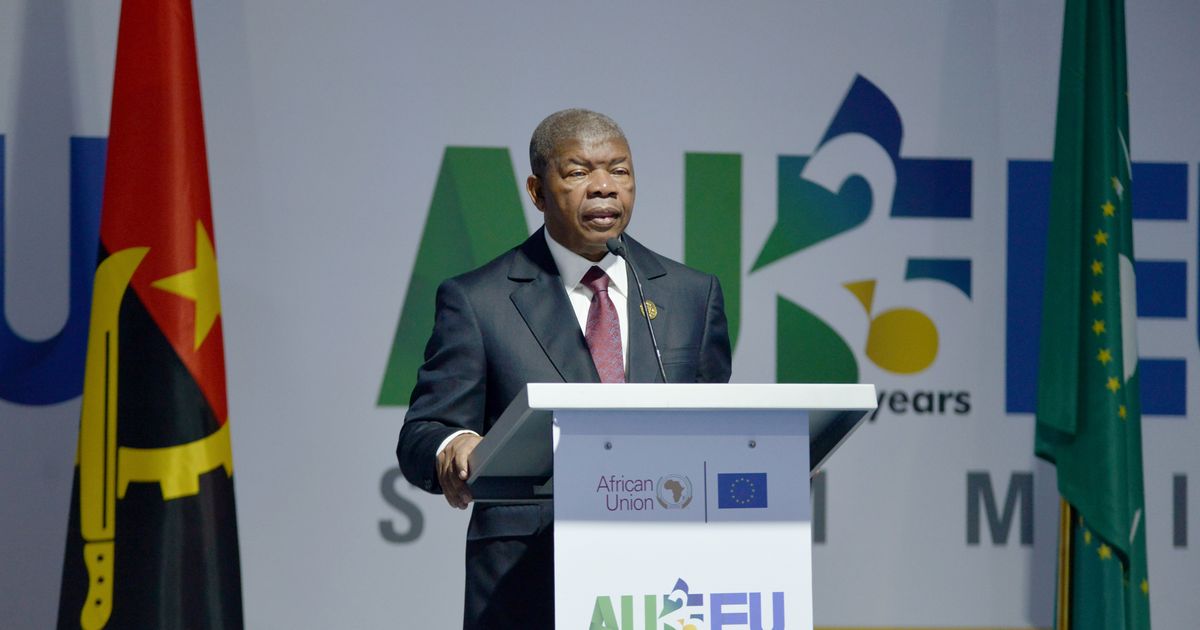
African governments are asserting greater strategic confidence in the geopolitical competition for critical raw materials, aligning resource policies with industrial goals and seeking deeper value chain integration. The African Union’s 2025 African Green Minerals Strategy promotes local value creation, regional supply-chain integration, and sustainable mineral development. After the 2025 AU-EU Summit reaffirmed commitments, the EU’s Critical Raw Materials Act expanded diplomatic efforts but faces challenges due to limited project pipelines and fragmented funding under the Global Gateway, hindering its ability to compete with China, Gulf States, and the US. Strengthening internal coordination and financing within the EU’s next Multiannual Financial Framework is essential to enhance cooperation with Africa’s industrial ambitions and ensure European resilience.
Benin, Eswatini, Ghana, Malawi, Mauritania, Mozambique, Namibia, Senegal, South Africa | Financial services
Strategic Raw Material Cooperation between Africa and Europe

Taiwan will delay its goal of generating 20% of electricity from renewable sources beyond 2026 due to new environmental regulations restricting ground-mounted solar projects. While the target remains unchanged, the constraints necessitate a revised timeline. The government will emphasize rooftop solar installations, which are expected to contribute up to 1.43 GW annually through 2028. Additionally, Taiwan is expanding offshore wind capacity and accelerating developments in geothermal, small hydropower, and hydrogen energy. The government is also considering the restart of certain nuclear reactors to enhance power stability amidst ongoing efforts for nuclear waste disposal and safety.
Taiwan delays 20 per cent renewables target beyond 2026 as tighter solar rules slow rollout

Clean energy sectors contributed 15.4 trillion yuan (US$2.1 trillion) in 2025, equivalent to 11.4% of China’s GDP, playing a critical role in driving the country’s economic growth. Without this sector, GDP growth would have been just 3.5% instead of the targeted 5%. The clean energy industry saw rapid growth, nearly doubling from 2022 to 2025, with electric vehicles (EVs) and batteries being the primary contributors, accounting for 44% of the economic impact. Investments in clean energy reached 7.2 trillion yuan, significantly outperforming fossil fuel investments. However, concerns about potential slowdowns and overcapacity remain.
Canada, India
Analysis: Clean energy drove more than a third of China’s GDP growth in 2025

Research indicates that experiences in dark environments, such as the North York Moors National Park, promote greater public awareness of light pollution and foster behavioral changes regarding residential lighting. Participants in events like guided night walks reported increased comfort in darkness and a commitment to reducing artificial light at home. These activities not only connect people to the natural world but also encourage understanding of environmental issues, as visitors left equipped with new skills and motivated to engage in conservation efforts. However, challenges like transportation, safety concerns, and costs limit participation.
Why walking in a national park in the dark prompts people to turn off lights at home

Diverse voices are playing a crucial role in reshaping the UN's climate reports, particularly as the Intergovernmental Panel on Climate Change (IPCC) prepares for its seventh assessment report (AR7) set for 2028. Workshops in the UK focus on integrating artificial intelligence in analyzing climate data and incorporating Indigenous and local knowledge alongside traditional scientific methods. This shift aims to enhance inclusivity and ensure comprehensive insights in climate science, particularly in light of the US's recent withdrawal from the IPCC process. Diverse perspectives are critical for producing credible and effective climate assessments.
Africa | Education, Health
How diverse voices are transforming the UN’s climate science

India's 2026 budget highlights significant climate and energy priorities amid international geopolitical challenges. Key announcements include $2.2 billion for carbon capture, utilization, and storage (CCUS) aimed at decarbonizing high-emission industries, alongside support for mining critical minerals and rare earths. The budget proposes establishing dedicated rare-earth corridors in coastal states to boost mining and processing. Additionally, it offers import duty exemptions for nuclear power equipment and emphasizes renewables, especially rooftop solar. However, it lacks specific climate adaptation measures compared to previous budgets.
India
Five key climate and energy announcements in India’s budget for 2026

The concept of utopia, introduced by Sir Thomas More in 1516 as both a "good place" and "no-place," carries inherent ambiguity, blending ideal society visions with political satire. Today, this utopian imagination is resurging among tech billionaires and royalty, exemplified by projects like Saudi Arabia’s NEOM and Elon Musk’s Mars colonies. These initiatives envision futuristic, highly organized cities promising new governance and freedom. This revival contrasts with the post-Cold War era dominated by Fukuyama’s “end of history” thesis, signaling a fractured consensus and renewed interest in shaping radically different futures through utopian projects.
The Ambiguity of Utopia
In February 2025, China ended a mandate requiring new wind and solar projects to include energy storage, pushing storage providers to compete in the open market. Despite this shift, energy storage growth remained stable, with exports rising 24% year-on-year in 2025. The industry faces challenges such as establishing a sustainable profit model and overcoming trade barriers. The removal of the mandate prompted both a rush for installations and a transition from policy-driven to market-driven growth, resulting in a total of 100 gigawatts of new energy storage systems installed by September 2025, representing over 40% of global capacity.
After the mandate: China’s energy storage sector one year on
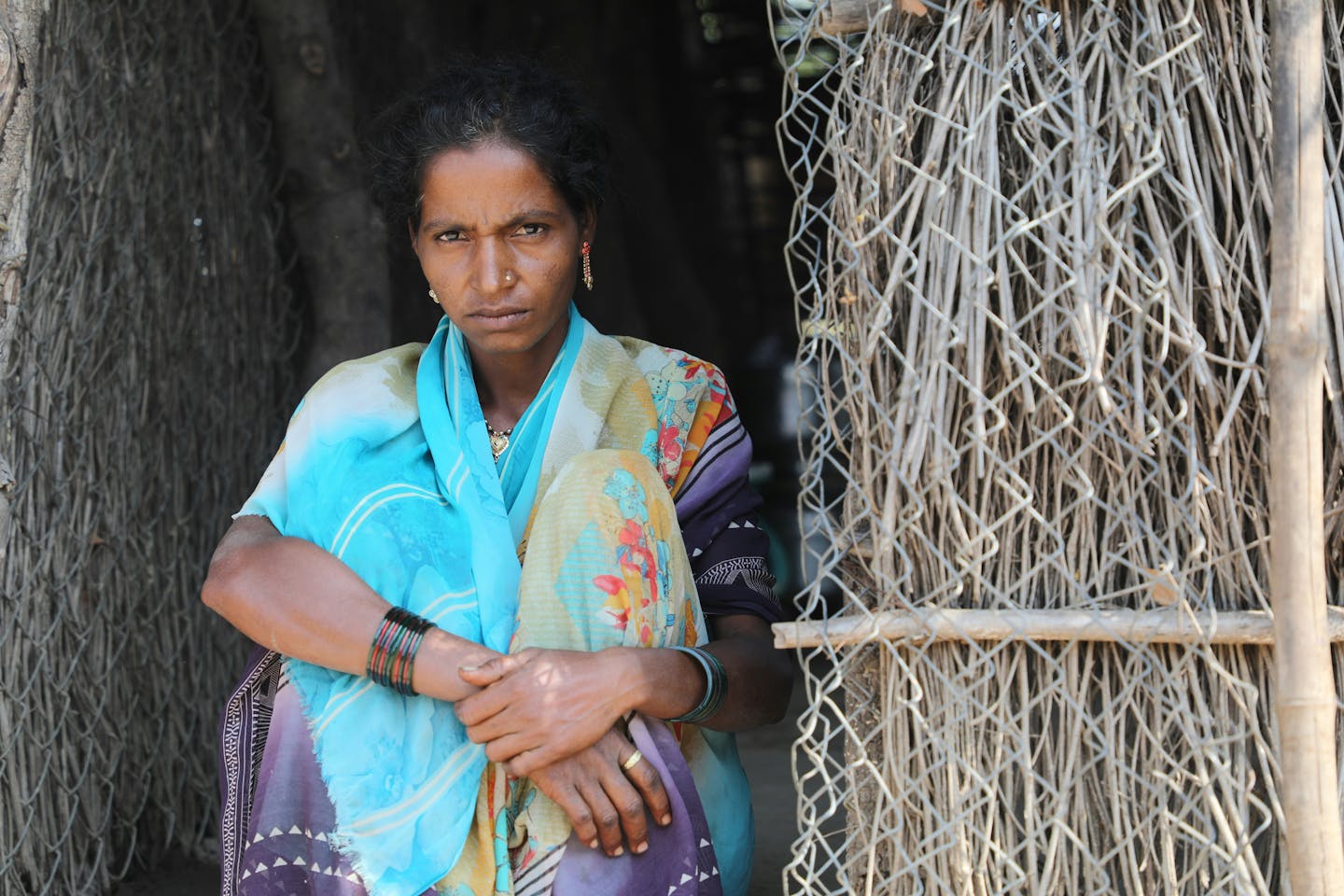
Unseasonal rains in India, particularly in Kerala, have led to significant crop losses for farmers due to delayed harvesting and spoilage, exacerbated by climate variability, pests, and land degradation. Research indicates that up to 30% of crops in India are lost annually, with contamination from mycotoxins posing serious health risks. Advanced technologies like AI and remote sensing are being utilized to improve early warning systems and protective agricultural practices. Addressing the unequal impacts of these losses, particularly from a gender perspective, is essential for fostering resilient and sustainable farming systems.
Financial services
Climate, pests and pollution fuel crop losses across India