Publications

INSIGHT REPORT

Pioneering the Future: Space

Technologies Poised to Revolutionize

Exploration and Economy by 2035

September 2026

FACTSHEETS

Pioneering the Future: Space

Technologies Poised to Revolutionize Exploration and Economy by 2035

June 2026

WHITE PAPER

Future of Space Law:

Operationalizing Space Governance

March 2026

REPORT

Clear Orbit, Secure Future:

 A Call to Action on Space Debris

Jan 2026

WHITE PAPER

The Future of Space Law

Insights from the ATS, UNCLOS, and ITU Frameworks

December 2025

WHITE PAPER

The Future of Space Law: 

The Evolving Dynamics of Air and Space Regulation

 September  2025

The Future Of Space Law

News

Centre for Space Futures, Novaspace and SpaceTech Gulf  Sign Agreement to Develop Global Space Capability Mapping Dashboard

Riyadh, Saudi Arabia , 23 Jun 2026|  Press Release

Clear Orbit, Secure Future: A Call to Action on Space Debris

Riyadh, Saudi Arabia, 26 Jan 2026 | Press Release

Centre for Space Futures Holds Workshop with Participation of 40 Global Experts

Riyadh, Saudi Arabia, 05 Dec 2025 | Press Release

Centre for Space Futures Releases White Paper on 'The Future of Space Law'

Riyadh, Saudi Arabia, 12 Sep 2025 | Press Release

The Board of Directors of the Centre for Space Futures Endorses Its Strategic Direction

Riyadh, Saudi Arabia, 26 May 2025 | Press Release

Saudi Space Agency to Launch the Centre for Space Futures with the World Economic Forum

Riyadh, Saudi Arabia, 29 April | Press Release

5 ways we can tackle growing risks from rocket bodies in orbit

Dec 09, 2025 | Economic Growth, Stories

Read More

Forum Agenda

Forum Videos

VIDEO

Press Conference: Centre for Space Futures in Riyadh

The World Economic Forum's Special Meeting, April 29, 2024

VIDEO

The Purpose of Astronauts at Davos 2024

World Economic Forum , March 9, 2024

VIDEO

PortWatch: Monitoring Trade Disruptions from Space

World Economic Forum , Dec 18, 2023

VIDEO

India's Moon Mission Triumph: Ambassador Ruchira Kamboj's Insights

World Economic Forum , Aug 23, 2023

VIDEO

Space Exploration is Back at Davos 2023

World Economic Forum , Feb 16, 2023

Forum Publications

Strategic Intelligence Insights

Global leaders aim to reverse nature's degradation by encouraging private investment through nature markets, which trade credits representing ecological improvements. A new study outlines a checklist to assess the credibility of these nature credits. Key factors for success include ensuring that credits genuinely measure environmental improvements, establishing verifiable project additionality, and maintaining public data transparency. Historical evaluations show significant variation in effectiveness among different nature markets. Laws and regulations are also crucial for long-term accountability, ensuring that these systems can attract sustained investment while delivering real ecological benefits.
Financial services
How to make sure the nature credits you buy are real – new research

Social media age bans are inadequate solutions to the crisis caused by platforms exploiting users for profit. The core issue lies in toxic business models that drive polarization and undermine trust in information. Age-related bans focus on symptoms rather than addressing these exploitative practices, failing to protect both young and adult users. Current regulatory efforts may mitigate some issues but will not solve the underlying problems. A complete overhaul of social media is necessary, including banning harmful business models and fostering non-profit platforms to create a healthier digital environment.
Social media age bans will fail because they are not radical enough
The United Nations treaty for the protection of the high seas, effective January 17, focuses on enhancing transparency and knowledge diversity regarding biodiversity beyond national jurisdiction (BBNJ). Central to this is the BBNJ Clearing-House Mechanism (CHM), which aims to facilitate information sharing among stakeholders. However, its design remains contentious, with debates over the inclusion of various knowledge systems in decision-making processes and environmental assessments. Political conflicts may hinder effective implementation, particularly regarding the composition of bodies like the Scientific and Technical Body (STB). Ensuring diverse representation is crucial to prevent the domination of certain knowledge forms and promote equitable access to information.
UN High Seas Treaty: Who Controls Knowledge about the High Seas?

Space infrastructure is critical for the 21st-century economy, supporting navigation, finance, and climate monitoring. However, increasing congestion from space debris poses significant threats, creating strategic vulnerabilities. A report by the World Economic Forum and the Centre for Space Futures forecasts that space debris could cost up to $42.3 billion over the next decade, considered a "hidden tax" on the space economy. A single major collision could escalate costs even further. Adopting a proactive strategy with preventative measures, economic incentives, and international collaboration is essential to protect space infrastructure for future generations.
Clear Orbit, Secure Future: A Call to Action on Space Debris

Satellites are essential for navigation, finance, and climate monitoring, but increasing space debris threatens this crucial infrastructure. A report from the World Economic Forum and the Centre for Space Futures forecasts a potential direct cost of up to $42.3 billion over the next decade due to space debris, viewing this as a "hidden tax" on the economy. The risk of a major collision could escalate costs even further. Transitioning to a proactive approach with preventative measures and international collaboration is vital for safeguarding this infrastructure for the future.
Clear Orbit, Secure Future: A Call to Action on Space Debris
Research by Sándor Juhász, Johannes Wachs, Jermain Kaminski, and César A. Hidalgo introduces the software economic complexity index (ECIsoftware), utilizing data on programming languages from open-source software to enhance understanding of the digital economy. The study highlights that traditional measures based on exports, patents, and employment often overlook the digital sector. The findings indicate that ECIsoftware effectively correlates with GDP per capita, income inequality, and emissions, revealing the interconnectedness of programming language dynamics with a country's economic specialization.
Armenia, Australia, Austria, Barbados, Belgium, Benin, Bolivia, Bosnia and Herzegovina, Bulgaria, Burkina Faso, Cambodia, Cameroon, Canada, Chad, Chile, Colombia, Costa Rica, Croatia, Cyprus, Czech Republic, Democratic Republic of the Congo, Denmark, Djibouti, Dominican Republic, Ecuador, Egypt, El Salvador, Estonia, Eswatini, Ethiopia, Finland, Gabon, Georgia, Germany, Ghana, Greece, Guatemala, Honduras, Hungary, Iceland, India, Indonesia, Ireland, Israel, Italy, Jamaica, Japan, Jordan, Kazakhstan, Kenya, Kyrgyz Republic, Latvia, Lebanon, Lesotho, Lithuania, Luxembourg, Madagascar, Malawi, Malaysia, Malta, Mauritania, Mauritius, Mexico, Moldova, Morocco, Mozambique, Namibia, Netherlands, New Zealand, Nicaragua, Norway, Oman, Pakistan, Panama, Paraguay, Peru, Philippines, Poland, Portugal, Republic of Korea, Romania, Russian Federation, Saudi Arabia, Senegal, Singapore, Slovakia, Slovenia, South Africa, Spain, Sweden, Switzerland, Taiwan, China, Tajikistan, Tanzania, Thailand, Tunisia, Türkiye, Uganda, Ukraine, United Arab Emirates, United Kingdom, Uruguay, Venezuela, Viet Nam, Yemen, Zambia, Zimbabwe | Financial services, Education, ICT
The software complexity of nations
An international team is proposing the Mesom mission, designed to create artificial solar eclipses in space to better study solar storms and the Sun’s outer atmosphere, the corona. Current solar storm forecasting methods are inadequate, as evidenced by past events, like the 1989 blackout in Quebec and disruptions in 2024. Total solar eclipses, which allow for detailed observations of the corona, are rare and short-lived. The mission aims to enhance understanding of solar phenomena critical for predicting space weather and protecting technology-dependent societies from severe solar events.
Proposed new mission will create artificial solar eclipses in space
The European Commission has revitalized its project to strengthen the continent’s economic security, updating its 2023 strategy amid ongoing geopolitical tensions and economic challenges from Russia and China. The initiative emphasizes a comprehensive approach that transcends traditional policy silos, integrating defense, diplomacy, health, and economic sectors. Key proposals include creating a European economic security network supported by a central Economic Security Information Centre to consolidate data and risk assessments, and enhanced collaboration with the private sector. Digital governance and cybersecurity are now central to the doctrine, reflecting their critical role in Europe’s resilience and economic stability.
Austria, Belgium, Czech Republic, Denmark, Estonia, France, Germany, Hungary, Italy, Lithuania, Luxembourg, Netherlands, Peru, Poland, Spain, Sweden, Switzerland, Ukraine | Financial services
The EU Economic Security Doctrine: Just Hot Air?
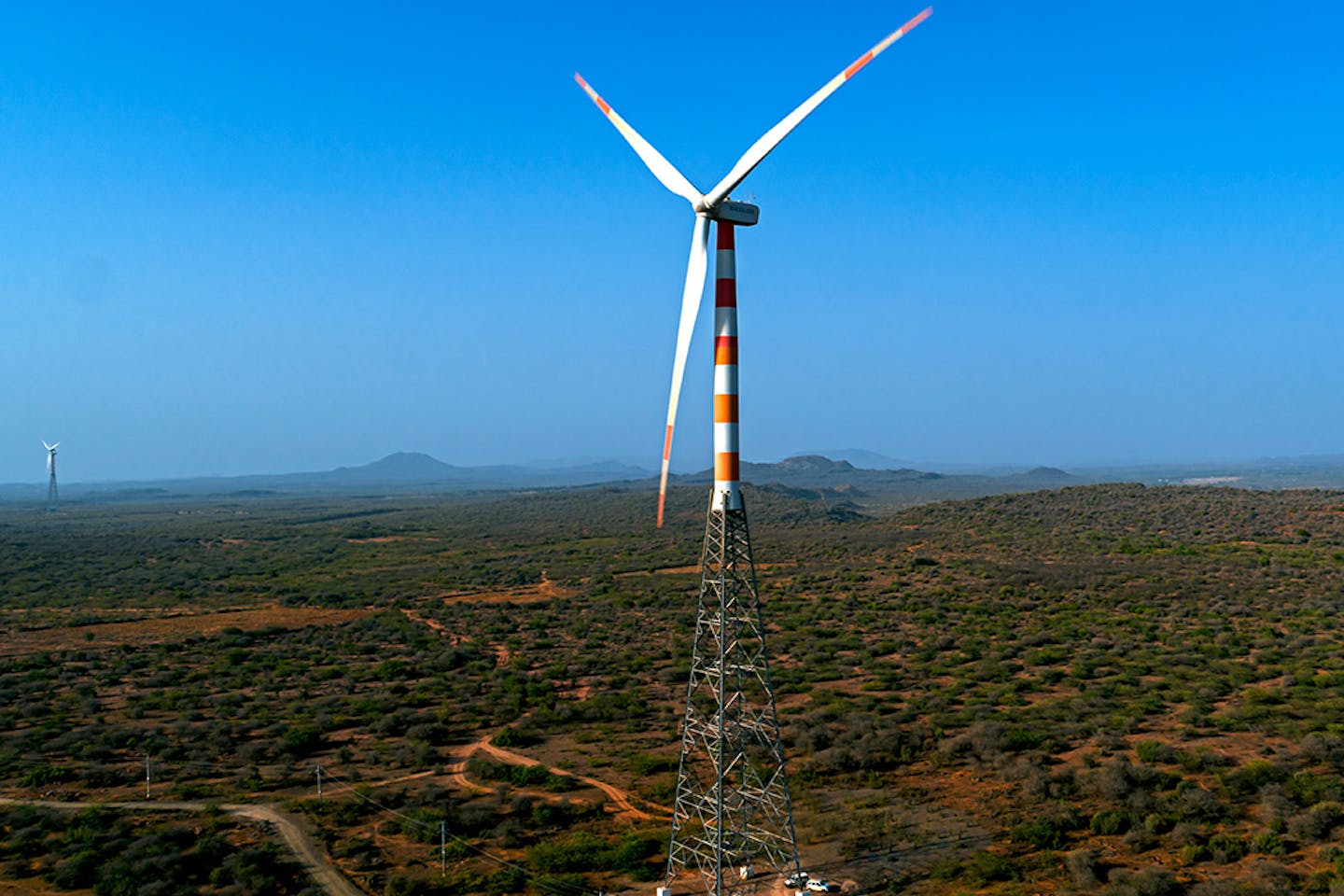
Suzlon Energy Ltd has ranked as the second most sustainable company in the Asia Pacific, debuting in Corporate Knights' Global 100 Index. The Pune-based firm, which shifted from wind to solar energy in 2016, reported a substantial increase in sustainable revenue growth, reaching INR 108.5 billion (US$1.2 billion). Taiwan High Speed Rail Corp retains the top position for sustainability in the region. The index evaluated 8,359 companies based on 25 sustainability indicators, showing a growing trend of Asian companies prioritizing sustainable practices.
Eswatini, India, Singapore, Sweden
Indian wind and solar firm emerges in ranking of world’s greenest corporates

Asia leads the world in spending on nature-based solutions, investing US$93 billion in 2023, primarily driven by China. However, to meet global biodiversity and climate targets by 2030, annual investment must triple to US$571 billion. Southeast Asia requires a sevenfold increase in nature financing from US$8 billion to US$54 billion. Currently, for every US$1 spent on nature, US$20 is expended on destructive activities, totaling US$7.3 trillion globally. The UN Environment Programme emphasizes the need for reforms to redirect finances towards protecting nature.
Financial services
Asia is the world’s biggest spender on nature, but it must invest billions more: UNEP

Strong, digitally enabled institutions rooted in fairness enhance resilience, foster growth, reduce inequality, and build citizen trust. The review analyzes governance in education, healthcare, infrastructure, intellectual property, climate change, and digital transformation, identifying obstacles like corruption and weak accountability. It advocates for context-specific governance models that prioritize transparency and participation over Western frameworks. The study concludes with policy recommendations aimed at creating inclusive and resilient institutions to meet the challenges of the 21st century and achieve the 2030 Sustainable Development Goals.
Burkina Faso, Ethiopia, Ghana, Guinea, Paraguay | Financial services, Health, Education, ICT
From Field to Future: A Critical Review of Good Governance for Sustainable Development in Developing Countries
Real estate markets are experiencing significant structural transformations influenced by various factors. Climate risk is being factored into pricing, regulations are altering return expectations, and the rise of digital job density is changing location desirability. Key insights for real estate leaders include the importance of climate data, the use of AI, the need for diversified financing, and understanding behavioral biases, all essential for maintaining a competitive edge in the evolving market.
Strategic trends in the real estate market you need to know about

Greenland plays a crucial role in climate change research due to its rapidly melting ice sheet, which is disintegrating and contributing to accelerated sea-level rise. Studies reveal that crevasses are forming, channeling meltwater and increasing the ice sheet's instability. The geopolitical stability needed for research is under threat, as opposed to Antarctica's protections under international treaties. Concerns over U.S. control and potential resource extraction, while formidable, are complicated by logistical challenges. Greenland is positioned strategically for military development due to climate change opening new shipping routes, raising the potential for increased conflict.
Antarctica
Why Greenland plays an outsized role in climate change science

Space agencies are planning permanent lunar habitats by the 2030s, but energy storage in extreme conditions presents significant challenges. Current lithium-ion batteries, modified for space, face degradation from harsh temperatures and intense radiation. Research efforts focus on understanding battery failures through simulations and experiments, highlighting vulnerabilities that standard batteries cannot withstand. Promising alternatives, such as magnesium–air and lithium titanate batteries, offer improved stability and reliability for space missions. As lunar and Martian bases develop, innovative energy storage solutions will be critical for sustainable living beyond Earth.
From lunar nights to Martian dust storms: why batteries struggle in space
The World Summit on the Information Society (WSIS) 20-year Review raises questions about the effectiveness of the final outcome document adopted on December 17, 2025. Negotiations prioritized pragmatism over ambition, struggling to address crucial issues, leaving implementation as the true measure of success. The review stresses that delivering on commitments requires active participation, accountability, and rights-anchoring throughout the process. Despite the continued relevance of WSIS principles, the operational mechanisms need adaptation to the current digital landscape characterized by rapid technological changes and concentrated digital power.
Health, Education, ICT
WSIS at 20: From Declaration to Delivery
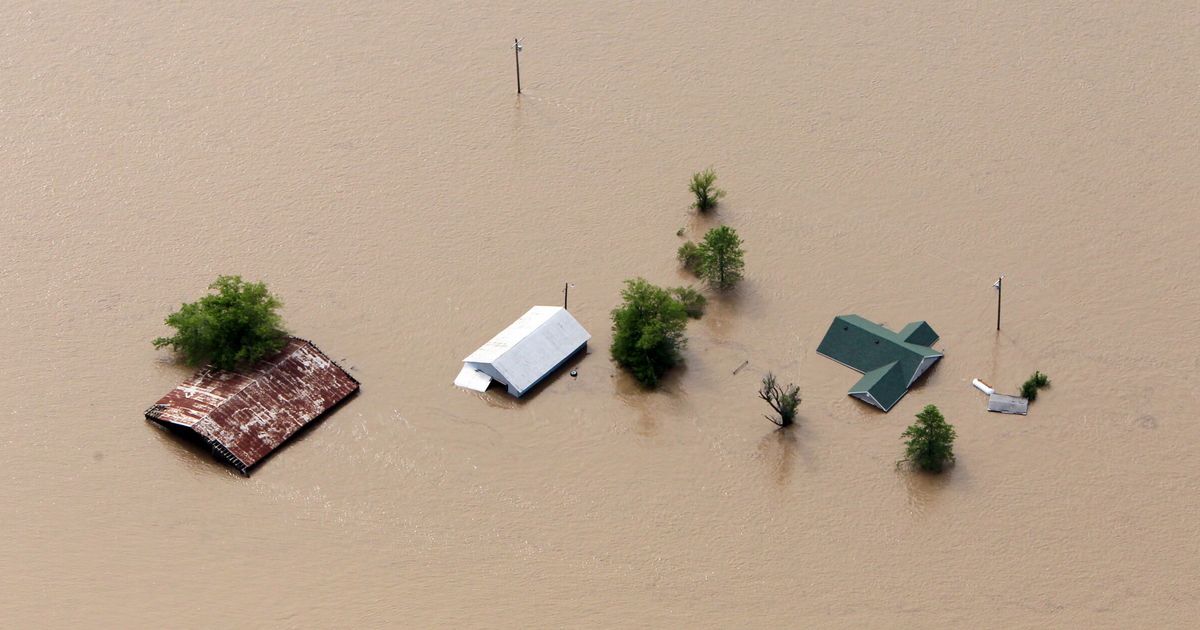
Planned relocation of communities from high-risk areas is increasingly essential due to climate change impacts, seen globally as an adaptation and disaster risk reduction measure. While effective in saving lives, relocation is costly and deeply affects livelihoods and social structures, often considered a "last resort." Effective strategies must be participatory and human rights-based, addressing structural inequalities. Low-income countries, lacking resources and political will, rely on fragmented international support, risking human security and stability. The German government should enhance international frameworks and support community-driven relocation initiatives in vulnerable regions.
Africa | Financial services, Health
When Home Becomes Uninhabitable

Singapore has enhanced its national emissions factors database, adding 94 local metrics to improve corporate carbon reporting ahead of mandatory Scope 3 disclosures for large listed companies. The Singapore Emission Factors Registry (SEFR) now includes 319 factors, encompassing all Scope 1, 2, and selected Scope 3 emissions. This update focuses on cleaning, security, and professional services, along with enhancements for information and communications technology (ICT) and industrial processes. These initiatives aim to boost accuracy in emissions reporting, identify decarbonisation opportunities, and support Singapore's goal of achieving net zero emissions by 2050. Smaller companies have until 2030 to comply with new climate reporting standards.
Singapore
Singapore expands emissions registry to boost corporate carbon reporting
Data is essential for modern economies, driving decisions, economic growth, and scientific advancements. However, significant inequalities exist in data access and utilization, leading to outdated and inaccessible public finance data. This results in a weak link from data to actionable insights, causing reliance on incomplete or anecdotal evidence. Emerging initiatives advocate for a dynamic evidence infrastructure that promotes shared data, reusable analytical workflows, and policy-focused applications, exemplified by the ONE Data initiative.
Africa | Financial services, Health, Education, ICT
Reimagining how evidence drives change
Since early 2025, and culminating in January 2026, the U.S. under President Trump has withdrawn from 66 international bodies, including 31 UN agencies and 35 non-UN institutions, marking the largest retreat from multilateralism since 1945. These withdrawals mainly impact climate governance, humanitarian aid, and peacebuilding, while engagement in security and global economics largely continues. Cuts in U.S. funding and conditionality have weakened UN humanitarian efforts, reducing aid effectiveness and reach in crises. This shift disrupts global cooperation, undermines peacekeeping and humanitarian response, and challenges EU and French funding as these actors face fiscal pressures amid rising defense priorities. The moves signal a redefinition of U.S. sovereignty and international cooperation roles, with broad ramifications for global governance.
Financial services, Health
The U.S. Withdrawal from Multilateral Commitments: Implications for Global Governance, Europe, and France
Europe aims to reduce its dependence on US internet technology due to concerns over vulnerability from geopolitical disputes and technical failures. Currently, US firms control about 70% of the European cloud computing market, which heightens risks for both public and private sectors. Initiatives for digital independence are emerging, such as a project in Helsingborg testing responses to digital blackouts and Schleswig-Holstein's shift to open-source technology. The EU is promoting digital sovereignty through frameworks that prioritize European control over data, emphasizing the importance of treating digital infrastructure with the same significance as physical infrastructure.
Africa | Financial services, ICT
Europe wants to end its dangerous reliance on US internet technology