
Publications

INSIGHT REPORT

Pioneering the Future: Space

Technologies Poised to Revolutionize

Exploration and Economy by 2035

September 2026

FACTSHEETS

Pioneering the Future: Space

Technologies Poised to Revolutionize Exploration and Economy by 2035

June 2026

WHITE PAPER

Future of Space Law:

Operationalizing Space Governance

March 2026

REPORT

Clear Orbit, Secure Future:

 A Call to Action on Space Debris

Jan 2026

WHITE PAPER

The Future of Space Law

Insights from the ATS, UNCLOS, and ITU Frameworks

December 2025

WHITE PAPER

The Future of Space Law: 

The Evolving Dynamics of Air and Space Regulation

 September  2025

The Future Of Space Law

News

Centre for Space Futures, Novaspace and SpaceTech Gulf  Sign Agreement to Develop Global Space Capability Mapping Dashboard

Riyadh, Saudi Arabia , 23 Jun 2026|  Press Release

Clear Orbit, Secure Future: A Call to Action on Space Debris

Riyadh, Saudi Arabia, 26 Jan 2026 | Press Release

Centre for Space Futures Holds Workshop with Participation of 40 Global Experts

Riyadh, Saudi Arabia, 05 Dec 2025 | Press Release

Centre for Space Futures Releases White Paper on 'The Future of Space Law'

Riyadh, Saudi Arabia, 12 Sep 2025 | Press Release

The Board of Directors of the Centre for Space Futures Endorses Its Strategic Direction

Riyadh, Saudi Arabia, 26 May 2025 | Press Release

Saudi Space Agency to Launch the Centre for Space Futures with the World Economic Forum

Riyadh, Saudi Arabia, 29 April | Press Release

5 ways we can tackle growing risks from rocket bodies in orbit

Dec 09, 2025 | Economic Growth, Stories

Read More

Forum Agenda

Forum Videos

VIDEO

Press Conference: Centre for Space Futures in Riyadh

The World Economic Forum's Special Meeting, April 29, 2024

VIDEO

The Purpose of Astronauts at Davos 2024

World Economic Forum , March 9, 2024

VIDEO

PortWatch: Monitoring Trade Disruptions from Space

World Economic Forum , Dec 18, 2023

VIDEO

India's Moon Mission Triumph: Ambassador Ruchira Kamboj's Insights

World Economic Forum , Aug 23, 2023

VIDEO

Space Exploration is Back at Davos 2023

World Economic Forum , Feb 16, 2023

Forum Publications

Strategic Intelligence Insights

Chinese farmers are facing increased challenges due to climate change, causing disruptions in traditional agricultural practices tied to the 24 solar seasons. Abnormal weather patterns, such as dry springs and excessive rainfall, have forced farmers like Mr. Hong to adapt by changing crops and planting schedules. Despite government policies aimed at improving climate resilience, gaps remain between top-level strategies and grassroots implementation. Many farmers lack awareness of these policies and face obstacles in adapting to extreme weather, often opting to do nothing due to a lack of concrete agricultural guidance and local government support.
Financial services, Health
How to improve Chinese farmers’ resilience to climate change

The real estate market in 2026 is expected to exhibit stability, with national house prices remaining relatively flat and facing ongoing challenges in both residential and commercial sectors. An affordability crisis persists due to a significant imbalance in housing supply and demand, with many households struggling to manage high housing costs. Solutions hinge on increasing construction, making financing accessible, and prioritizing affordable homeownership. The decline in starter homes exacerbates accessibility issues, as rising construction costs and regulatory barriers push developers toward higher-end properties, limiting affordable options for first-time buyers.
Financial services
Real Estate and Housing Market Outlook | Benjamin Keys
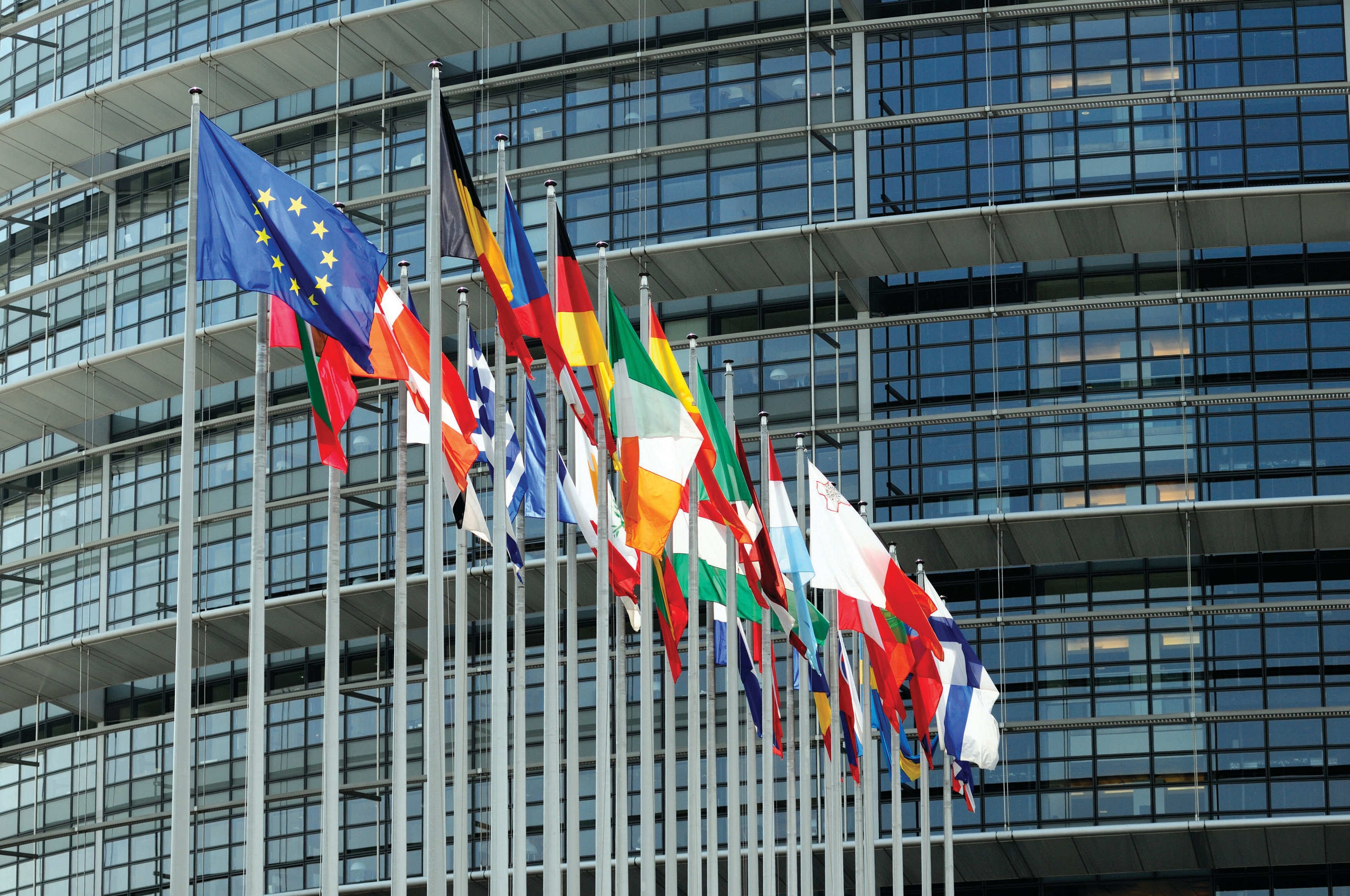
Europe requires €1.2 trillion annually to address investment challenges related to energy transition, digital transformation, and defense. Despite having substantial capital reserves, such as €37 trillion in household savings, Europe struggles with inefficient channels for deploying these funds towards long-term infrastructure. Key issues include reliance on bank lending, high barriers for SMEs in accessing debt markets, fragmented equity markets, and regulatory constraints on private credit and equity. To enhance competitiveness, Europe must improve its financing continuum, increase retail market participation, and reduce market fragmentation, enabling effective capital flow and supporting strategic aims.
Estonia, Germany, Poland, Sweden, United Kingdom | Financial services
Europe has the capital to compete – it just needs to fix its financial plumbing

Artificial intelligence (AI) for structural integrity enhances infrastructure monitoring, assessment, and prediction. It provides real-time insights into asset health, improving performance and safety while reducing unnecessary maintenance costs. This technology is essential during the energy transition, as it allows for flexible operations of facilities amidst changing demands, such as feedstock variations. The World Economic Forum highlights AI for its capacity to optimize existing infrastructure, enabling industries to manage a $6 trillion infrastructure gap while supporting decarbonization efforts without compromising industrial capabilities. Examples show significant financial benefits from adopting this technology across various industrial sites.
Netherlands | Financial services, ICT, Education
3 things leaders must know about AI for structural integrity and how it will help the energy transition
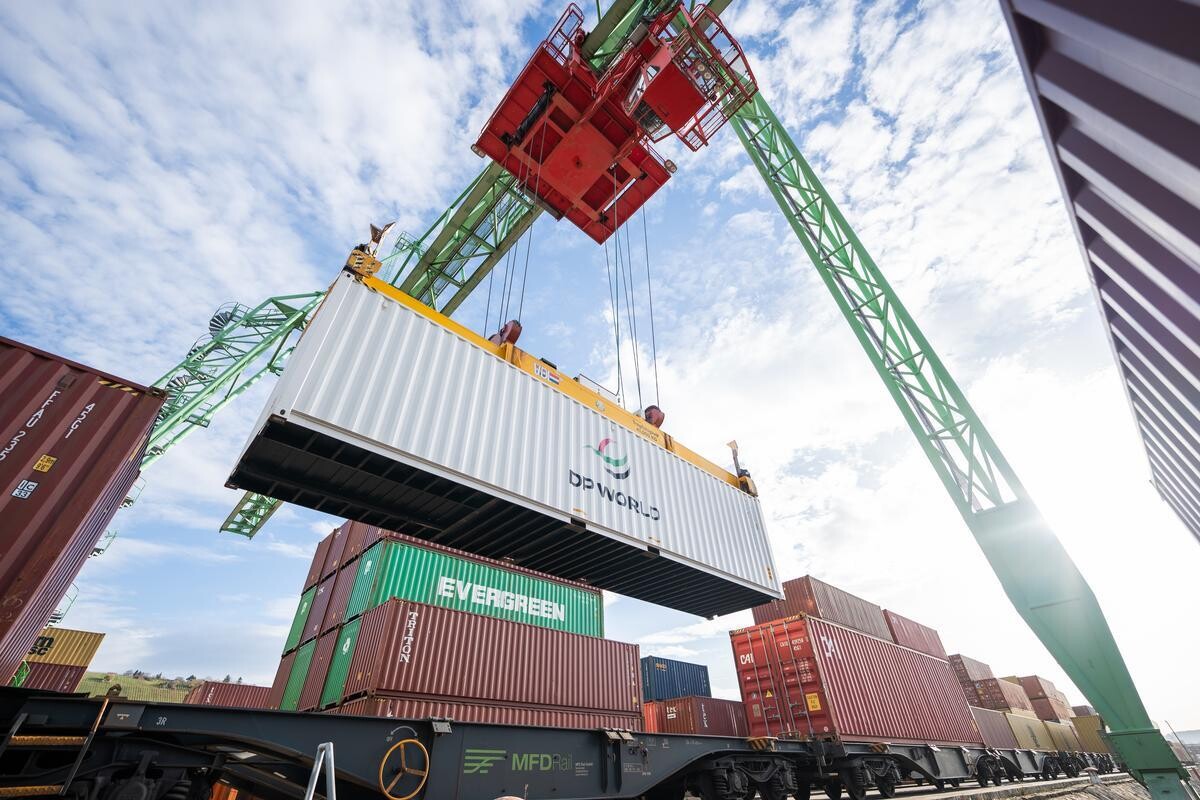
Logistics has evolved into a strategic enabler of growth rather than just a support function, highlighting its competitive advantage in global trade. The Global Trade Observatory Annual Outlook Report 2026 indicates that 54% of supply chain executives anticipate faster trade growth this year, with key priorities including supplier diversification, new market entry, and investment in technology. Warehousing and logistics hubs are recognized as critical infrastructure investments for enhancing trade capacity, with a focus on strategic locations that improve distribution networks. Furthermore, addressing customs inefficiencies is essential for minimizing delays and enhancing business operations.
Barbados, Belgium, Benin, Burkina Faso, Cambodia, Canada, Chile, Colombia, Democratic Republic of the Congo, Denmark, Djibouti, Dominican Republic, Egypt, Estonia, Eswatini, Ethiopia, Finland, Gabon, Georgia, Germany, Ghana, Guatemala, Honduras, Hungary, India, Indonesia, Israel, Jamaica, Japan, Jordan, Kenya, Lebanon, Lesotho, Luxembourg, Malaysia, Morocco, Mozambique, Namibia, Netherlands, New Zealand, Norway, Oman, Pakistan, Panama, Paraguay, Peru, Philippines, Poland, Portugal, Republic of Korea, Russian Federation, Saudi Arabia, Senegal, Singapore, South Africa, Sudan, Sweden, Switzerland, Taiwan, China, Tanzania, Thailand, Togo, Trinidad and Tobago, Tunisia, Uganda, Ukraine, United Arab Emirates, United Kingdom, Zambia, Zimbabwe | ICT
Logistics is no longer merely a support function but a strategic enabler of growth

Women’s health receives only 6% of private healthcare investment, despite representing nearly half of the global population and facing unique health challenges. The World Economic Forum, in collaboration with Boston Consulting Group, is launching the Women’s Health Investment Outlook to highlight investment gaps and attract private capital. Key areas for potential investment include women's cancer therapeutics, virtual healthcare, and women's mental health platforms. Structural barriers such as insufficient research, fragmented financing, and regulatory hurdles hinder growth in this sector. Addressing these issues is crucial for improving health outcomes and economic resilience.
Financial services, ICT, Health
Women’s health is vastly underfunded. Here’s a plan to change that
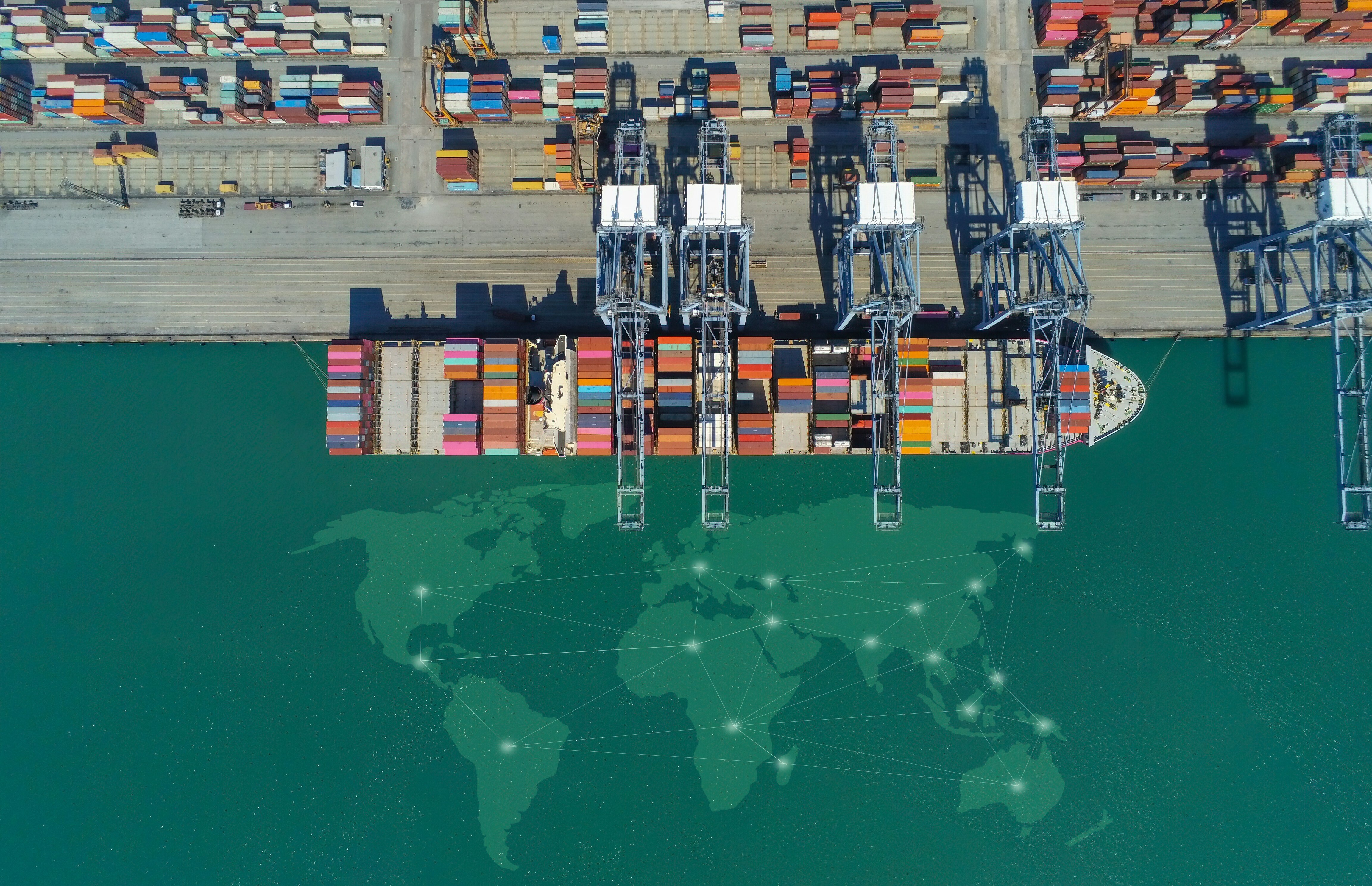
Invisible collateral refers to leveraging trade data generated by firms to establish trust and improve access to financing for small and medium-sized enterprises (SMEs), particularly in emerging markets. Despite SMEs demonstrating reliability through consistent shipping and compliance, they are often excluded from the trade-finance system due to a lack of visible, standardized data. Enhancing visibility of reliable trade data through better regulatory frameworks, standardized data, transparent AI governance, and digitization support for SMEs is crucial. Successful examples like Singapore and Dubai show that integrating trade data can foster confidence among lenders and narrow the $2.5 trillion trade finance gap.
Afghanistan, Armenia, Bahrain, Barbados, Belgium, Benin, Bolivia, Bosnia and Herzegovina, Bulgaria, Burkina Faso, Burundi, Cambodia, Cameroon, Canada, Chile, Colombia, Czech Republic, Denmark, Djibouti, Dominican Republic, Ecuador, Egypt, El Salvador, Estonia, Eswatini, Ethiopia, Finland, France, Gabon, Georgia, Germany, Ghana, Greece, Guatemala, Honduras, Hungary, Iceland, India, Indonesia, Ireland, Israel, Jamaica, Japan, Jordan, Kazakhstan, Kenya, Kyrgyz Republic, Latvia, Lebanon, Lesotho, Luxembourg, Madagascar, Malawi, Malaysia, Malta, Mauritania, Mauritius, Moldova, Morocco, Mozambique, Myanmar, Namibia, Nepal, Netherlands, New Zealand, Norway, Oman, Pakistan, Panama, Paraguay, Peru, Philippines, Poland, Portugal, Republic of Korea, Romania, Russian Federation, Rwanda, Saudi Arabia, Senegal, Singapore, Slovakia, Slovenia, South Africa, Spain, Sudan, Sweden, Switzerland, Taiwan, China, Tajikistan, Tanzania, Thailand, Togo, Trinidad and Tobago, Tunisia, Türkiye, Uganda, Ukraine, United Arab Emirates, United Kingdom, Uruguay, Venezuela, Viet Nam, Yemen, Zambia, Zimbabwe | ICT, Health, Financial services, Education
‘Invisible collateral’: how data can build the trust in global trade

Over 7,000 languages exist globally, but only 100 are significantly represented in AI systems, leaving a third of humanity offline. Inclusive AI aligns social innovation and investment to drive transformative growth, particularly in the Global South, where 85% of the population resides. It emphasizes the importance of collaboration among governments, businesses, and philanthropy to democratize access and address pressing challenges such as health and climate risks. Successful models, like the UAE's national AI strategy, illustrate that forming partnerships and investing in inclusive AI can generate significant economic potential and innovative solutions for underserved communities.
United Arab Emirates | ICT, Education
The AI impact flywheel: How inclusive AI can catalyze transformative growth

SMEs play a crucial role in the green transition, representing 90% of businesses and contributing significantly to global employment and pollution. However, they face challenges in climate reporting due to fragmented requirements and high costs associated with data collection and reporting. Many SMEs lack the resources and expertise needed for effective sustainability measures, with only half communicating carbon footprint data. The World Economic Forum is working to simplify environmental data requests from larger companies to aid SMEs in addressing sustainability and achieving net-zero targets.
Estonia, Luxembourg, Moldova, Singapore, Slovakia, Sweden, United Kingdom | Financial services
Swapping spreadsheets for solutions: Building smarter climate reporting for SMEs
Global investment in AI is projected to reach $1.5 billion for applications and $400 billion for infrastructure by 2030. Many economies risk lagging behind as AI sovereignty becomes linked to infrastructure ownership. The World Economic Forum and Bain & Company emphasize the need for strategic investments, resilient infrastructure, and international partnerships to enhance competitiveness. The report outlines five pathways for nations to optimize their AI systems, using case studies from Singapore and India to demonstrate effective strategies. It advocates for viewing AI sovereignty as strategic interdependence for sustained competitiveness in the intelligent economy.
Singapore | Education
Rethinking AI Sovereignty: Pathways to Competitiveness through Strategic Investments
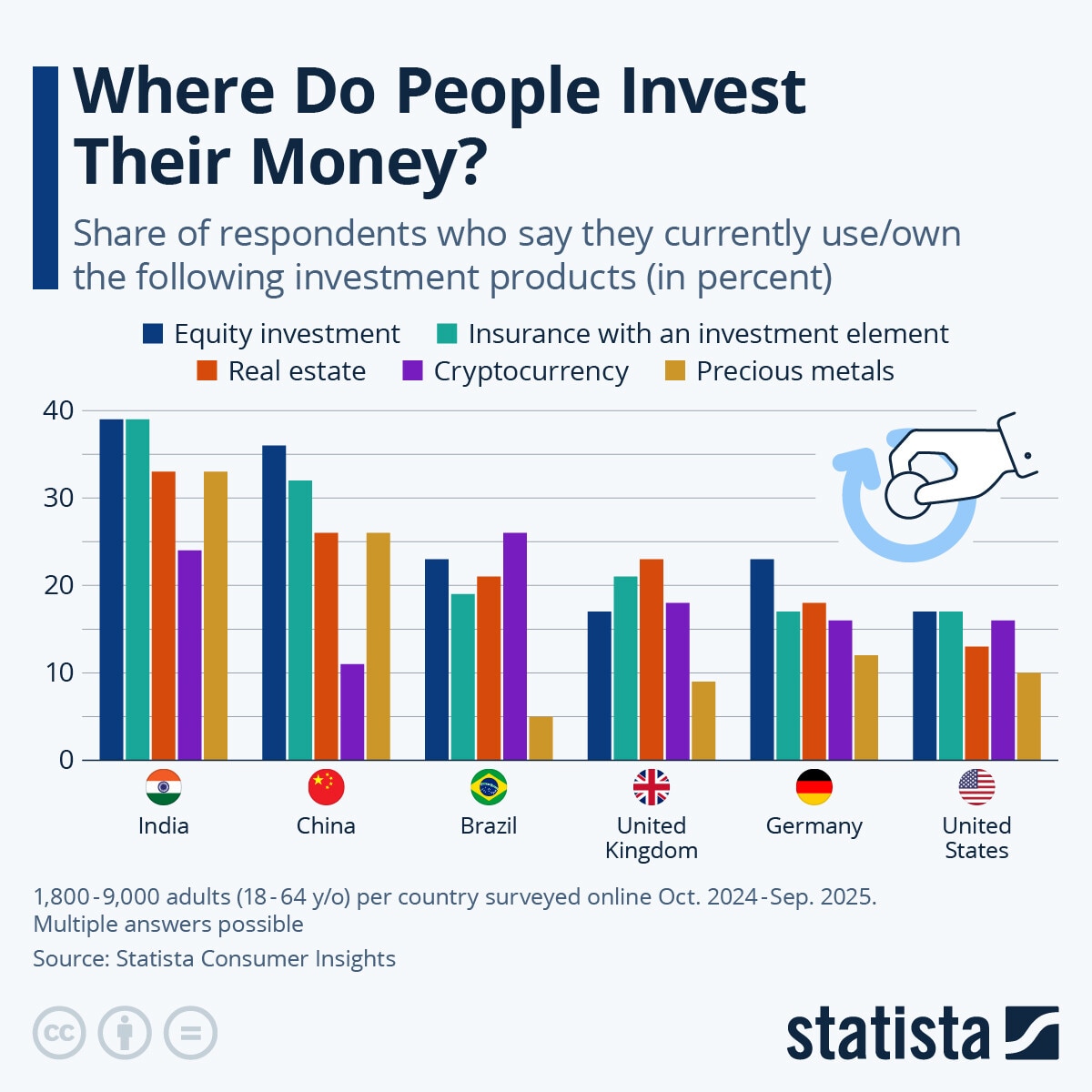
Global annual AI investment is projected to reach $1.5 billion for applications and $400 billion for infrastructure by 2030, yet many countries risk lagging as AI sovereignty is often equated with owning infrastructure. The World Economic Forum and Bain & Company highlight that strengthening AI competitiveness requires strategic investments, resilient infrastructure, and trusted international partnerships. They identify five archetypes guiding economies to leverage comparative advantages, focus on impactful applications, and develop interoperable AI systems. Case studies from Singapore and India demonstrate that coordinated public-private efforts and strategic planning can successfully build national AI ecosystems. The report advocates viewing AI sovereignty as strategic interdependence to secure long-term competitiveness in the AI-driven economy.
Rethinking AI Sovereignty: Pathways to Competitiveness through Strategic Investments
The democratization of finance is transforming private markets, allowing individual investors access to alternatives like private equity, real estate, and private credit through regulatory reforms and digital platforms. New frameworks, such as the EU's ELTIF 2.0 and changes by the SEC, support broader participation while enhancing investor protections. Despite their potential for superior returns, private markets present different risks, necessitating financial education for retail investors. This shift can channel more capital into the real economy, fostering growth in critical sectors. Technology will be essential in facilitating this evolution, shaping the future landscape of private market investing.
Education, Financial services
The rise of the retail investor: how private markets are being transformed

The High Seas Treaty, adopted in March 2023 after nearly two decades of negotiations, aims to protect biodiversity and marine resources in areas beyond national jurisdiction. It becomes effective on January 17, 2026, after 60 countries ratify it, a milestone achieved in September 2023. The treaty seeks to establish coordinated conservation measures and mechanisms for creating marine protected areas (MPAs) and sharing benefits from marine life. As the structure and processes are developed in upcoming meetings, there will be a focus on enhancing cooperation among existing governing bodies and addressing threats like pollution and climate change.
Antarctica
What next for the High Seas Treaty as it enters into force?
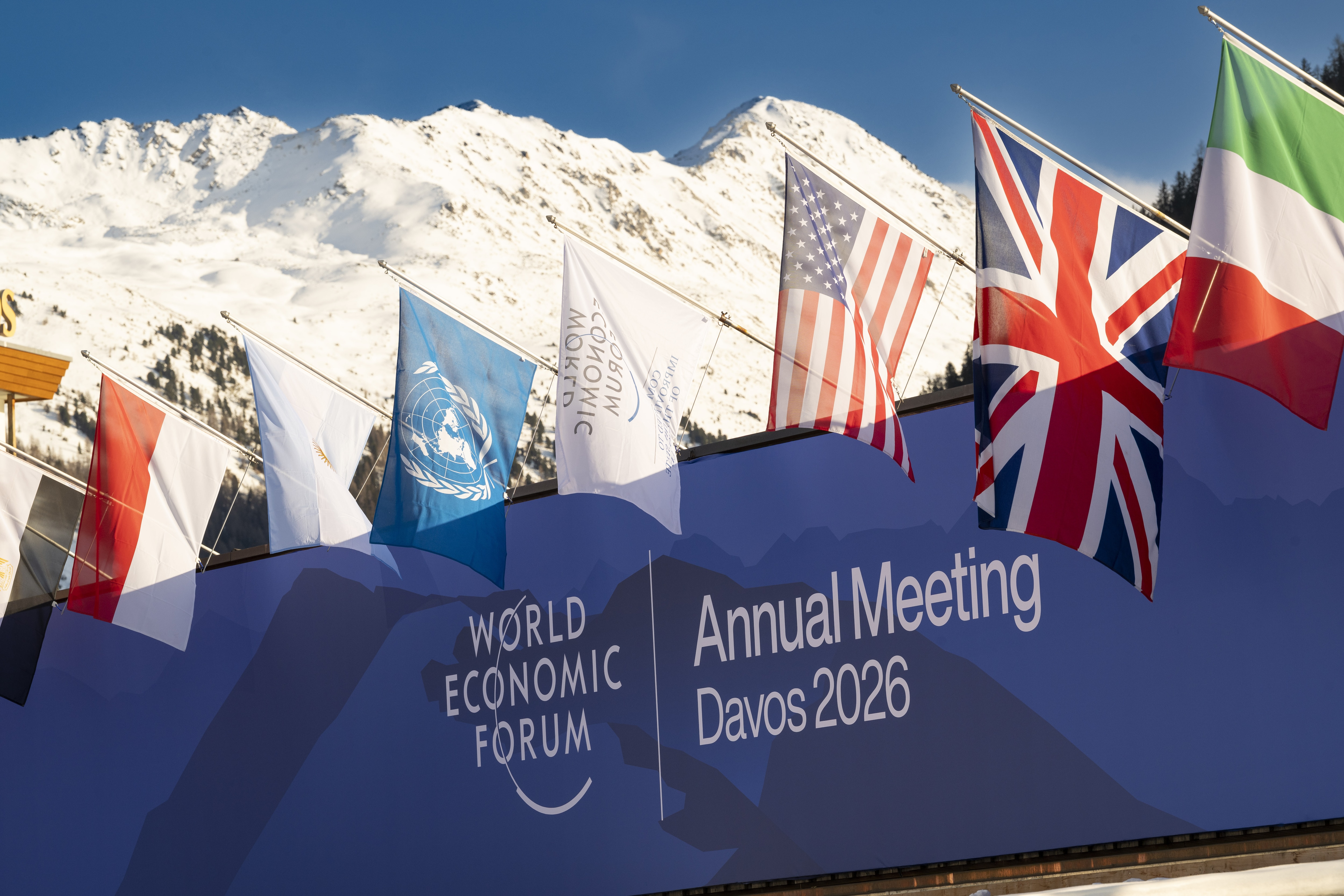
Day 2 of Davos 2026 features discussions on artificial intelligence (AI), the U.S. economy, and global cooperation. Key sessions include a conversation on the societal impact of AI with Yuval Noah Harari and Irene Tracey, and a discussion on the path to artificial general intelligence (AGI) led by Demis Hassabis and Dario Amodei. Special addresses from leaders like French President Emmanuel Macron, China's Vice-Premier He Lifeng, and European Commission President Ursula von der Leyen focus on economic challenges, globalization, and energy security strategies. China emphasizes cooperation and market expansion, while the EU addresses geopolitical challenges and trade relations.
Egypt, Ghana, India, Kenya, Russian Federation, Ukraine, United Arab Emirates, United Kingdom | ICT, Health, Financial services, Education
Live from Davos 2026: What to know on Day 2
Artificial intelligence (AI) can effectively tackle critical global challenges such as climate change, humanitarian crises, and food insecurity, according to a UNU report. Highlighting robotics, geospatial AI, and communications networks, the report illustrates AI's applications in healthcare, disaster response, and biodiversity conservation. However, it warns that the benefits of AI require proper governance and investment to avoid exacerbating inequalities. Five key pathways for fostering an enabling environment for AI include improving data governance, enhancing digital infrastructure, expanding AI literacy, developing responsible AI policies, and building collaborative digital ecosystems. These pathways aim to ensure AI contributes meaningfully to human and planetary well-being in line with Sustainable Development Goals.
Health, Education
Unlocking AI’s Potential to Serve Humanity: Robotics, Geospatial AI and Communications Networks

The High Seas Treaty, approved in 2023 after two decades of negotiations, establishes a comprehensive legal framework for governing the high seas, which constitute over two-thirds of the ocean. It addresses critical challenges such as the equitable distribution of marine genetic resources, the establishment of marine protected areas, and enhanced environmental impact assessments. The treaty aims to foster collaboration among governments, civil society, and the private sector to achieve Sustainable Development Goal 14, protecting marine biodiversity and supporting global economic resilience. It also opens avenues for ocean industries to promote sustainable practices while contributing to ocean conservation efforts.
Health
Why the High Seas Treaty entering into force matters for public-private action

CEOs face the challenge of balancing short-term pressures with long-term reinvention in a rapidly changing global economy influenced by fragmented digital ecosystems, AI adoption, and talent shifts. Investment is reshaping global competitiveness, with many CEOs planning international investments, particularly in India and the Middle East. The intertwining of technology and geopolitics necessitates strategic public-private collaborations to ensure secure and trustworthy infrastructures. While AI investments grow, extensive application remains limited, with many organizations still early in AI integration. The evolving landscape signals a new talent economy, driven by AI's potential to enhance productivity and create new job opportunities.
Financial services, ICT, Health, Education
Reinvention in a fragmenting world: What CEOs are saying (and need to know) in 2026

Employees support their companies' green transitions, yet they experience significant stress related to economic instability and job security, especially due to advancements in AI. While 70% of white-collar and 57% of blue-collar workers are ready for this shift, leaders face challenges such as rising energy costs and unequal access to green technologies. The World Economic Forum emphasizes the need for strategies that center around socioeconomic impacts, enhance internal capabilities, and foster collaboration across various stakeholders. Ultimately, creating roles that align with sustainability goals is crucial, as many organizations struggle with a shortage of skilled talent in this area.
Education
Employees value the green transition, but leaders must balance cost, capability and impact

Food systems are essential for health and wellbeing in urban areas, but they face significant challenges such as diet-related diseases, food insecurity, and environmental impact. Innovation in food systems is necessary to address these issues, focusing on local solutions that enhance resilience and access to nutritious food. Cities like Boston are testing strategies such as mobile markets and climate-resilient storage to improve food access. Successful transformation requires collaboration between innovators, local governments, and communities to align priorities and secure funding for sustainable solutions. Without systemic innovation, urban growth may exacerbate inequality.
Financial services, ICT, Education, Health
How food systems innovation can enable healthier, more resilient cities
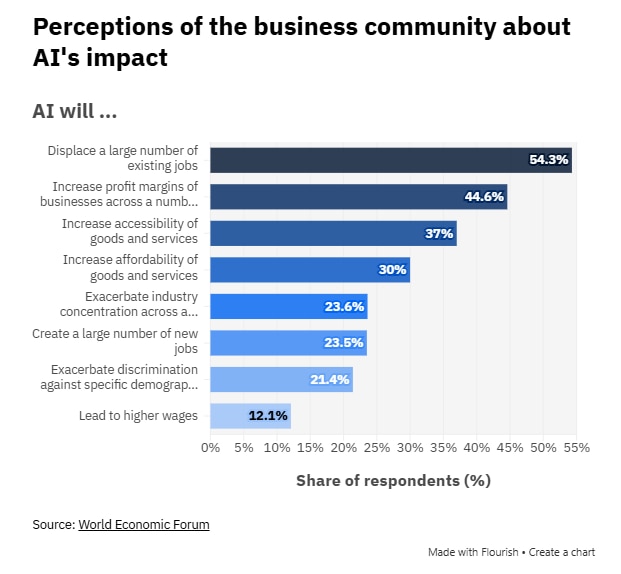
AI is fundamentally transforming jobs and skills, which will be a central topic at the World Economic Forum's Annual Meeting in Davos 2026. Businesses are facing geoeconomic volatility, influencing talent management and strategies. Four potential future scenarios for AI's impact on jobs include: "supercharged progress," where AI enhances productivity but ethical considerations lag; "age of displacement," highlighting reskilling challenges; "co-pilot economy," showcasing gradual AI integration; and "stalled progress," marked by uneven growth. Emphasis on human-centric skills is increasing, with a significant rise in demand for AI technical skills, creating recruitment challenges.
ICT, Education
Jobs and skills transformation: What to know at Davos 2026