Publications

INSIGHT REPORT

Pioneering the Future: Space

Technologies Poised to Revolutionize

Exploration and Economy by 2035

September 2026

FACTSHEETS

Pioneering the Future: Space

Technologies Poised to Revolutionize Exploration and Economy by 2035

June 2026

WHITE PAPER

Future of Space Law:

Operationalizing Space Governance

March 2026

REPORT

Clear Orbit, Secure Future:

 A Call to Action on Space Debris

Jan 2026

WHITE PAPER

The Future of Space Law

Insights from the ATS, UNCLOS, and ITU Frameworks

December 2025

WHITE PAPER

The Future of Space Law: 

The Evolving Dynamics of Air and Space Regulation

 September  2025

The Future Of Space Law

News

Centre for Space Futures, Novaspace and SpaceTech Gulf  Sign Agreement to Develop Global Space Capability Mapping Dashboard

Riyadh, Saudi Arabia , 23 Jun 2026|  Press Release

Clear Orbit, Secure Future: A Call to Action on Space Debris

Riyadh, Saudi Arabia, 26 Jan 2026 | Press Release

Centre for Space Futures Holds Workshop with Participation of 40 Global Experts

Riyadh, Saudi Arabia, 05 Dec 2025 | Press Release

Centre for Space Futures Releases White Paper on 'The Future of Space Law'

Riyadh, Saudi Arabia, 12 Sep 2025 | Press Release

The Board of Directors of the Centre for Space Futures Endorses Its Strategic Direction

Riyadh, Saudi Arabia, 26 May 2025 | Press Release

Saudi Space Agency to Launch the Centre for Space Futures with the World Economic Forum

Riyadh, Saudi Arabia, 29 April | Press Release

5 ways we can tackle growing risks from rocket bodies in orbit

Dec 09, 2025 | Economic Growth, Stories

Read More

Forum Agenda

Forum Videos

VIDEO

Press Conference: Centre for Space Futures in Riyadh

The World Economic Forum's Special Meeting, April 29, 2024

VIDEO

The Purpose of Astronauts at Davos 2024

World Economic Forum , March 9, 2024

VIDEO

PortWatch: Monitoring Trade Disruptions from Space

World Economic Forum , Dec 18, 2023

VIDEO

India's Moon Mission Triumph: Ambassador Ruchira Kamboj's Insights

World Economic Forum , Aug 23, 2023

VIDEO

Space Exploration is Back at Davos 2023

World Economic Forum , Feb 16, 2023

Forum Publications

Strategic Intelligence Insights

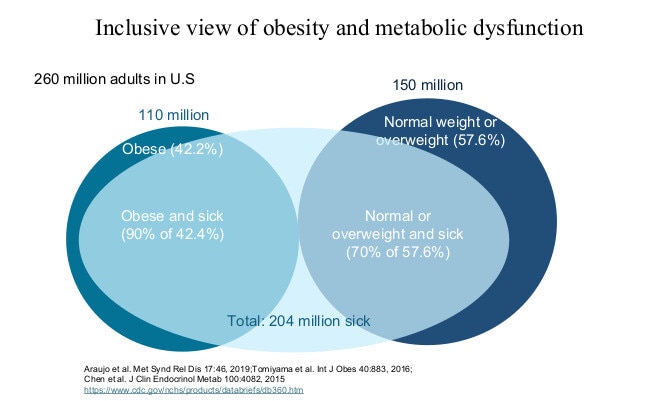
Metabolic health, crucial to tackling the obesity epidemic, affects many individuals of normal weight who are still at risk. Poor metabolic health arises from various factors including diet, physical activity, and environmental influences, leading to chronic conditions like cardiovascular disease and diabetes. Obesity serves as a visible marker of metabolic dysfunction, but not all at-risk individuals are overweight. A range of fat types, especially visceral and ectopic fat, can indicate health issues without corresponding weight gain. Structural issues in healthcare and food industries hinder prevention efforts. There is a growing public demand for solutions to improve metabolic health.
ICT, Health
Beyond obesity: what is metabolic health and why does it matter?

Intelligent infrastructure transcends traditional digital frameworks by enabling cognitive and adaptive functionalities, thus facilitating the movement of data and intelligence. Unlike digital infrastructure, which connects systems, intelligent infrastructure incorporates AI-driven insights, allowing assets to learn and optimize in real time. This evolution is essential for industrial transformation, as seen in China’s rise in manufacturing value added, driven by government-led strategies and frameworks such as the national integrated computing network. Collaborating within a "3C ecosystem" (country, company, cluster) enhances competitiveness and fosters innovation across sectors, vital for navigating today's global industrial landscape.
Education, ICT
What is intelligent infrastructure and how is it redefining industrial competitiveness?

5G is essential for the modern digital economy, providing the reliable connectivity necessary for successful digital transformations. It enables enterprises to operate agentic AI systems without interruptions, crucial for real-time data processing and decision-making. Examples like Sunswift Racing illustrate how 5G supports constant communication and data flow in high-stakes environments. Private 5G solutions, as seen with Airbus, foster industrial agility through enhanced automation and predictive maintenance. As cyber threats increase, the necessity for secure, sovereign data practices becomes critical to protect operations and meet regulatory demands.
Georgia, Singapore | Financial services, Education, ICT
From speed to strategy: 5G as the catalyst for the intelligent economy

Stablecoins are becoming essential in expanding financial access for underserved populations by enabling quicker, cost-effective, and transparent transactions. With their emergence, humanitarian organizations have utilized stablecoins, like USDC, to provide critical aid in crisis situations, exemplified by their use in Ukraine. The growth of stablecoins, now valued over $300 billion, indicates their increasing role in global commerce and small business financing. Public-private partnerships can help realize the full potential of these digital currencies, promoting financial resilience and inclusion while leveraging existing systems to bridge access gaps.
Financial services
How stablecoins can expand financial access to the most underserved and unbanked

Governments face three critical choices that will shape humanity's future: prioritizing wealth or wellbeing, fostering trust or accepting fragility, and promoting cooperation or allowing fragmentation. The economic expansion of recent decades has not equated to improvements in societal wellbeing, with rising rates of mental health issues and a significant economic cost due to lost productivity. Trust remains an essential asset for governance, yet it has eroded in many societies, leading to a need for strategic rebuilding. Lastly, cooperation is crucial to avoid the economic consequences of fragmentation and to sustain global progress.
Austria, Barbados, Belgium, Benin, Bolivia, Burkina Faso, Denmark, Egypt, Estonia, Eswatini, Ethiopia, France, Gabon, Georgia, Germany, Ghana, Greece, Guatemala, Hungary, Iceland, India, Indonesia, Ireland, Israel, Japan, Jordan, Kenya, Latvia, Luxembourg, Malaysia, Moldova, Morocco, Namibia, Netherlands, New Zealand, Norway, Philippines, Poland, Republic of Korea, Russian Federation, Senegal, Singapore, Sweden, Switzerland, Taiwan, China, Tanzania, Thailand, Tunisia, Uganda, Ukraine, United Arab Emirates, United Kingdom, Zimbabwe | ICT, Financial services, Education, Health
Three choices for governments that will define our future

Supply chains have evolved from traditional models based on cost efficiency and predictability to structures that emphasize agility and resilience in response to structural volatility. The Global Value Chains Outlook 2026 highlights five key factors reshaping these supply chains: subdued growth, fragmented networks, geopolitical instability, rapid technological advancements, and the importance of trust. Businesses must adapt to uncertainty by creating flexible systems capable of navigating multiple scenarios. Leadership is shifting from a focus on efficiency to prioritizing resilience and agility as fundamental drivers of competitive advantage, emphasizing the need for collaboration across organizations.
Ethiopia, Ghana, Japan, Senegal, Uganda, Ukraine, United Arab Emirates, United Kingdom | Financial services, ICT, Education
Supply unchained: How to best enable the new era of supply chains

AI's potential to contribute $15 trillion to global GDP hinges on effectively integrating human and AI capabilities. Current enterprise productivity gains remain limited, with organizations facing a critical learning gap rather than merely implementing technology. Continuous, embedded learning within workflows is vital for enhancing human judgment alongside AI. New research emphasizes the necessity of rethinking upskilling approaches using the DEEP framework, which includes embedding learning into work, evaluating skills, and prioritizing capability development. By addressing this learning gap and fostering collaboration, substantial economic benefits can be realized through AI-augmented workforces.
ICT, Education
AI’s $15 trillion prize will be won by learning, not just technology

Space diplomacy is critical for managing the burgeoning reliance on satellites, which underpin essential services like navigation and communications. With over 10,000 satellites currently in orbit and projections for tens of thousands more, existing governance frameworks are outdated, posing significant risks. Space diplomacy fosters cooperation among a diverse range of stakeholders, including emerging nations and commercial entities, to establish shared standards and traffic management. The UAE exemplifies this diplomatic approach through partnerships and initiatives that promote transparency and collaboration, aiming to address challenges like orbital congestion and debris before they escalate into geopolitical crises.
United Arab Emirates | Health, ICT
The future of space governance: How space diplomacy secures critical orbital infrastructure
Governments are increasingly acting as economic super actors, implementing assertive industrial strategies to enhance competitiveness, resilience, and national security. Amidst global pressures like supply chain disruptions and geopolitical uncertainty, state interventions have surged, particularly post-COVID-19, with a 262% increase in new interventions by 2025 compared to 2019. Contemporary industrial policies focus on strategic sector targeting, securing supply chain resilience, and controlling technological dependencies. This shift has resulted in mixed effects on trade and investment, reshaping global economic dynamics and highlighting the importance of security-driven policymaking in a digitally interconnected world.
Afghanistan, Argentina, Armenia, Australia, Austria, Bahrain, Barbados, Belarus, Belgium, Benin, Bolivia, Bosnia and Herzegovina, Bulgaria, Burkina Faso, Burundi, Cambodia, Cameroon, Canada, Chile, Colombia, Costa Rica, Cyprus, Czech Republic, Democratic Republic of the Congo, Denmark, Djibouti, Dominican Republic, Ecuador, Egypt, El Salvador, Estonia, Eswatini, Ethiopia, Finland, France, Gabon, Georgia, Germany, Ghana, Greece, Guatemala, Honduras, Hungary, Iceland, India, Indonesia, Ireland, Israel, Italy, Jamaica, Japan, Jordan, Kazakhstan, Kenya, Kyrgyz Republic, Latvia, Lebanon, Lesotho, Lithuania, Luxembourg, Madagascar, Malawi, Malaysia, Malta, Mauritania, Mauritius, Mexico, Moldova, Morocco, Mozambique, Myanmar, Namibia, Netherlands, New Zealand, Nicaragua, Norway, Oman, Pakistan, Panama, Paraguay, Peru, Philippines, Poland, Portugal, Republic of Korea, Romania, Russian Federation, Saudi Arabia, Senegal, Singapore, Slovakia, Slovenia, South Africa, Spain, Sudan, Sweden, Switzerland, Taiwan, China, Tajikistan, Tanzania, Thailand, Trinidad and Tobago, Tunisia, Türkiye, Uganda, Ukraine, United Arab Emirates, United Kingdom, Uruguay, Uzbekistan, Venezuela, Viet Nam, Yemen, Zambia, Zimbabwe | ICT, Health, Financial services, Education
Governments are now economic super actors. What does this mean for business?
The traditional aid model is collapsing as official development assistance declines due to persistent political and fiscal pressures in donor countries. Development finance institutions, multilateral banks, private capital, and philanthropy are increasingly influencing development outcomes. Key shifts include the dismantling of the US Agency for International Development and the empowerment of the US International Development Finance Corporation, which may challenge China's Belt and Road Initiative. Upcoming discussions at the World Economic Forum will focus on fostering open dialogue in this evolving landscape.
Africa | ICT, Financial services, Education, Health
The old aid model is dead. Now comes the fight over what replaces it
Trustworthy AI is now a global priority, shifting focus from ethical principles to their practical application in various sectors like health and finance. Universities play a crucial role in this movement by incorporating fairness, privacy, and accountability into AI systems through ethics-by-design practices and interdisciplinary governance. Global collaboration is emphasized, with initiatives like the AI Alliance, which promotes responsible AI development. Notably, the United Nations adopted a resolution in 2024 advocating for safe AI that respects human rights. Educational efforts in academia aim to prepare future leaders to address the societal impacts of AI.
Education
Scaling trustworthy AI: How to turn ethical principles into global practice

In 2026, chief sustainability officers (CSOs) face heightened fragility in their roles amid market volatility, geopolitical issues, and budget constraints. Many companies are folding sustainability into other departments, raising concerns that the function may become compliance-focused rather than strategic. CSOs are pressured to demonstrate business value and ensure sustainability principles are integrated organization-wide, even as they encounter policy delays and increased scrutiny. The challenge lies in transferring responsibility for sustainability without losing direction or integrity, particularly as traditional ownership of these initiatives shifts to other business units.
Singapore
What chief sustainability officers fear in 2026
Global supply chains are characterized by persistent volatility and structural disruptions. Leaders must design resilient, competitive, and investable supply chains amid this uncertainty. A collaboration between the World Economic Forum and Kearney, informed by over 100 expert consultations and insights from 300 global executives, provides a practical playbook for navigating this shift. For industries, it emphasizes redesigning supply chains through orchestration, distributed scale, and optionality to enhance agility and growth. For governments, it presents a policy blueprint to improve industrial readiness and attract investment in advanced manufacturing, along with the Manufacturing and Supply Chain Readiness Navigator as a decision-support tool.
Chile, Denmark, Ethiopia, Finland, Germany, Ghana, Indonesia, Japan, Jordan, Kenya, Kyrgyz Republic, Luxembourg, New Zealand, Paraguay, Peru, Philippines, Poland, Republic of Korea, Russian Federation, Saudi Arabia, Senegal, Singapore, Sweden, Switzerland, Tanzania, Uganda, Ukraine, United Arab Emirates, United Kingdom | Financial services, ICT, Health, Education
Global Value Chains Outlook 2026: Orchestrating Corporate and National Agility

Global supply chains are increasingly defined by persistent volatility and disruptions, presenting challenges for leaders in maintaining resilience and competitiveness. A collaborative report from the World Economic Forum and Kearney outlines strategies for redesigning supply chains to enhance structural agility, focusing on orchestration, distributed scale, and optionality. It provides a policy framework for governments to bolster industrial readiness and attract investment, alongside a data-driven tool, the Manufacturing and Supply Chain Readiness Navigator, to assist in decision-making and policy implementation.
Cambodia, Chile, Colombia, Costa Rica, Egypt, Ethiopia, Finland, Georgia, Germany, Ghana, Indonesia, Japan, Jordan, Kenya, Kyrgyz Republic, Luxembourg, Mozambique, New Zealand, Norway, Oman, Paraguay, Peru, Philippines, Poland, Republic of Korea, Russian Federation, Senegal, Singapore, Sweden, Switzerland, Taiwan, China, Tanzania, Uganda, Ukraine, United Arab Emirates, United Kingdom, Uruguay, Venezuela | Financial services, ICT, Health, Education
Global Value Chains Outlook 2026: Orchestrating Corporate and National Agility

The blue foods sector represents a significant opportunity for economic growth, improved nutrition, and climate resilience. In Africa, blue foods contribute 18% of total animal protein and could generate an additional $17 billion in GDP if production doubles, while also reducing the protein gap by 25% and creating millions of sustainable jobs. The World Economic Forum's Food Innovation Hubs Initiative supports this by identifying opportunities, energizing local ecosystems, and mobilizing investment, fostering collaboration to develop a robust blue food sector that benefits people and economies.
Ethiopia, Senegal | Health
Investing in Blue Foods: Innovation and Partnerships for Impact
The Normandy Index 2025 reveals that threats to peace, security, and democracy are at their highest level since the index's inception in 2019. The findings, based on data from 2024 and 2025, indicate significant declines in global security due to conflict, geopolitical rivalry, militarization, and hybrid threats. The index compares country performance against predetermined threats and includes 63 individual country case studies to illustrate the current state of global peace. This research is produced by the European Parliamentary Research Service in partnership with the Institute for Economics and Peace and the Region of Normandy.
Algeria, Belgium, Chad, Denmark, Egypt, Estonia, Georgia, Guinea, Hungary, Iceland, Ireland, Israel, Latvia, Lithuania, Luxembourg, Mali, Moldova, Mongolia, Namibia, Netherlands, Norway, Poland, Russian Federation, Sweden, Thailand, Ukraine, United Kingdom
Mapping threats to peace and democracy worldwide: Normandy Index 2025

Advancements in neuroscience, materials science, and AI are poised to revolutionize brain-computer interfaces (BCIs), addressing neurological disorders that affect over one in three people globally. To achieve responsible BCI development, key ethical considerations must be prioritized, including purposeful design to meet medical needs, data privacy safeguards, and equitable access for all. Collaborations across multiple stakeholders—scientists, engineers, clinicians, and policymakers—are vital to ensure that BCIs are effective, accessible, and ethically governed. The convergence of AI with neurotechnology aims to create personalized therapeutic solutions, marking a shift from reactive management to proactive interventions in neurology.
ICT, Education
How we can achieve the responsible development of brain-computer interfaces

Physical AI, particularly in the form of autonomous vehicles, is emerging as a significant presence in public spaces, necessitating the establishment of trust between humans and these intelligent systems. Self-driving cars are among the earliest large-scale applications of physical AI, designed to address issues like road safety, congestion, and accessibility. 

Building trust involves two key dialogues: between humans, which ensures alignment with social norms through engagement among stakeholders, and between people and AI, where systems can explain their actions, enhancing transparency. Effective communication and demonstration of real-world benefits are essential for fostering this trust, which is crucial for the advance of physical AI across various domains.
Education
Physical AI: Lessons in building trust from self-driving cars
Europe's AI landscape is largely dominated by proprietary systems controlled by a few non-European entities, leading to concentrated power and diminished European sovereignty in a transformative technology. While the European Union has initiated ambitious strategies, these may inadvertently reinforce dependencies without establishing a clear sovereign framework for AI development. Public AI is proposed as an alternative, emphasizing transparent governance, public accountability, equitable access to essential components, and a focus on public-purpose functions.
Education
European Public AI
Planetary intelligence integrates large-scale AI models with satellite sensing capabilities to enhance real-time understanding of the Earth. This approach aims to address critical global challenges such as climate adaptation and security by enabling AI systems to interpret data directly from space. The development of Planetary Intelligence Models (PIM) allows for continuous monitoring and predictive analysis of environmental changes, improving applications in disaster response, agriculture, and urban planning. By processing data in orbit, this model advances AI from mere observation to active, informed decision-making about the physical world.
What is planetary intelligence and how could it move AI from the internet to the real world?