Publications

INSIGHT REPORT

Pioneering the Future: Space

Technologies Poised to Revolutionize

Exploration and Economy by 2035

September 2026

FACTSHEETS

Pioneering the Future: Space

Technologies Poised to Revolutionize Exploration and Economy by 2035

June 2026

WHITE PAPER

Future of Space Law:

Operationalizing Space Governance

March 2026

REPORT

Clear Orbit, Secure Future:

 A Call to Action on Space Debris

Jan 2026

WHITE PAPER

The Future of Space Law

Insights from the ATS, UNCLOS, and ITU Frameworks

December 2025

WHITE PAPER

The Future of Space Law: 

The Evolving Dynamics of Air and Space Regulation

 September  2025

The Future Of Space Law

News

Centre for Space Futures, Novaspace and SpaceTech Gulf  Sign Agreement to Develop Global Space Capability Mapping Dashboard

Riyadh, Saudi Arabia , 23 Jun 2026|  Press Release

Clear Orbit, Secure Future: A Call to Action on Space Debris

Riyadh, Saudi Arabia, 26 Jan 2026 | Press Release

Centre for Space Futures Holds Workshop with Participation of 40 Global Experts

Riyadh, Saudi Arabia, 05 Dec 2025 | Press Release

Centre for Space Futures Releases White Paper on 'The Future of Space Law'

Riyadh, Saudi Arabia, 12 Sep 2025 | Press Release

The Board of Directors of the Centre for Space Futures Endorses Its Strategic Direction

Riyadh, Saudi Arabia, 26 May 2025 | Press Release

Saudi Space Agency to Launch the Centre for Space Futures with the World Economic Forum

Riyadh, Saudi Arabia, 29 April | Press Release

5 ways we can tackle growing risks from rocket bodies in orbit

Dec 09, 2025 | Economic Growth, Stories

Read More

Forum Agenda

Forum Videos

VIDEO

Press Conference: Centre for Space Futures in Riyadh

The World Economic Forum's Special Meeting, April 29, 2024

VIDEO

The Purpose of Astronauts at Davos 2024

World Economic Forum , March 9, 2024

VIDEO

PortWatch: Monitoring Trade Disruptions from Space

World Economic Forum , Dec 18, 2023

VIDEO

India's Moon Mission Triumph: Ambassador Ruchira Kamboj's Insights

World Economic Forum , Aug 23, 2023

VIDEO

Space Exploration is Back at Davos 2023

World Economic Forum , Feb 16, 2023

Forum Publications

Strategic Intelligence Insights

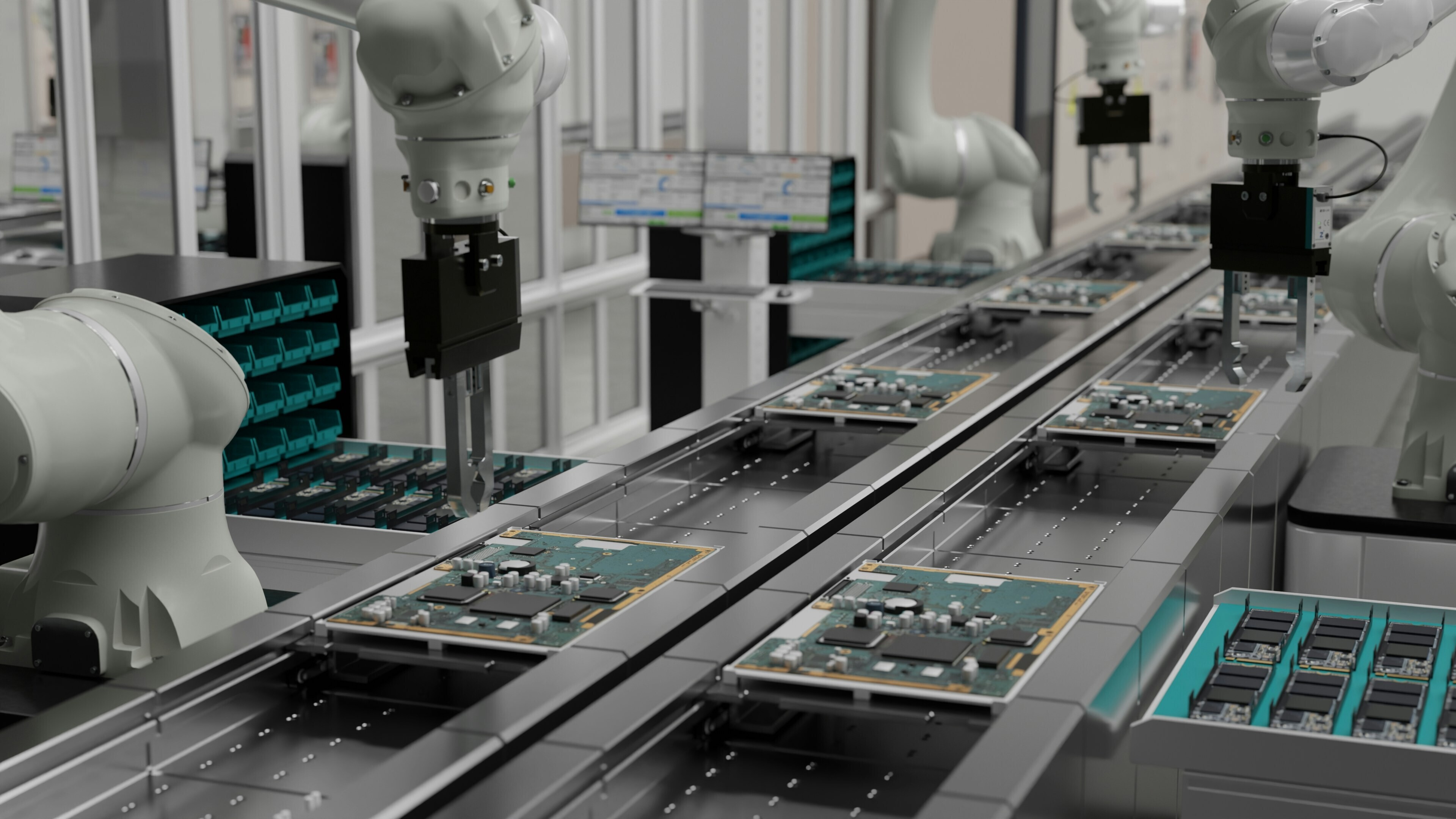
Physical AI integrates AI into machines, enabling them to adapt to their environments, revolutionizing supply chains by enhancing automation in warehouses. Current advancements allow for automated systems to learn from human inputs and operate cohesively, turning warehouses into intelligent hubs. Key benefits include optimizing storage space with automated systems, predictive analytics for inventory management, increased worker safety and efficiency, and streamlined communication throughout the supply chain. Transitioning to this advanced infrastructure is feasible through modular implementations without disrupting ongoing operations.
Physical AI in the supply chain: How its promise can be realized
The value derived from AI is fundamentally linked to human adoption and workforce readiness, rather than solely on technical capabilities. Organizations need to embrace modular, skills-based structures and foster continuous learning to enhance productivity. The ongoing demographic shifts, including an aging workforce and slower population growth, necessitate technological advancements to sustain economic productivity. As work becomes increasingly modular, organizations must adapt their models to prioritize flexibility, internal mobility, and reskilling. Data indicates that while AI usage is rising, confidence in its application is declining, highlighting that organizational readiness and employee support are critical for successful AI integration.
ICT, Education
Why human behaviour and workforce adoption will determine the value we derive from AI

The evolution toward a distributed, hybrid architecture in AI is essential for balancing economic competitiveness and digital sovereignty. Current market trends show a concentration of AI development among a few large providers, leading to potential sovereign vulnerability. By processing data closer to its source and utilizing “agentic AI,” organizations can safeguard proprietary information while enhancing operational efficiency. This model allows for improved latency and energy sustainability, facilitating a localized approach to AI that supports diversity in regional capabilities. Thus, countries and businesses can align competitiveness with sovereignty, fostering a more resilient AI ecosystem.
Barbados, Colombia, Costa Rica, Denmark, Egypt, Estonia, Ethiopia, Finland, Georgia, Germany, Ghana, India, Indonesia, Ireland, Israel, Jamaica, Japan, Jordan, Kenya, Luxembourg, Malaysia, Mozambique, New Zealand, Paraguay, Peru, Philippines, Republic of Korea, Russian Federation, Senegal, Singapore, Sweden, Switzerland, Taiwan, China, Tanzania, Tunisia, Uganda, Ukraine, United Arab Emirates, United Kingdom, Uruguay, Zimbabwe | Financial services, ICT, Health, Education
AI’s future: Plotting a path to competitiveness and digital sovereignty
Investment in health, particularly in innovation-led digital health, is essential for economic growth and social stability. India exemplifies this with initiatives like the Ayushman Bharat Digital Mission, leading to significant healthcare improvements and economic benefits. Evidence shows that investing in digital tools for non-communicable diseases could save millions of lives and generate substantial economic gains. Collaborations in the public and private sectors can enhance health outcomes and productivity, while reducing system waste. However, disparities remain, with billions lacking essential services and significant financing gaps in poorer regions.
Africa | Financial services, ICT, Health
How India proves health and digital health are the world’s best investments

The latest Chief Economists’ Outlook reveals a cautiously optimistic view of the global economy, with over half of chief economists indicating a view of weakened conditions, a decrease from 72% in the previous report. Strong market performance is attributed to an AI-driven investment boom, promising productivity gains primarily in the US and China, although concerns about job losses and a potential AI stock bubble persist. While many economists anticipate increased bilateral and regional trade agreements, there are fears of rising global debt levels, with nearly half predicting a sovereign debt crisis in emerging markets.
Austria, Bahrain, Barbados, Belgium, Benin, Bolivia, Bulgaria, Chile, Czech Republic, Denmark, Egypt, Estonia, Georgia, Germany, Ghana, Greece, Hungary, Iceland, India, Indonesia, Ireland, Japan, Kenya, Luxembourg, Malaysia, Namibia, New Zealand, Poland, Republic of Korea, Singapore, Slovakia, South Africa, Sweden, Switzerland, Taiwan, China, Tanzania, Tunisia, Ukraine, United Arab Emirates, United Kingdom, Viet Nam, Zimbabwe | Financial services
Vigilant anticipation and a ‘good’ bubble: Chief economists read the global economy’s mixed signals

Design choices in emerging technologies significantly influence children's development, often prioritizing profit over well-being. The unchecked growth of social media has already led to rising mental health issues among children, including addiction-like behaviors linked to excessive screen time. The advent of generative AI introduces further risks, as devices produce personalized content that can distort children's perceptions and erode essential human interactions. It is critical to embed child-centered safeguards in AI to prevent these outcomes and foster responsible innovation, ensuring that technological advancements support rather than harm children's development.
ICT, Health, Education
How can we centre children’s best interests with safe and responsible innovation

The AI supercycle requires robust infrastructure to effectively support its growth, transitioning intelligence from devices to real-world applications. Current AI technologies have demonstrated significant productivity gains, but they are not the final development. To address escalating compute and power needs, a shift to distributed AI architectures is essential, allowing for efficient movement of intelligence across various locations. This necessitates AI-native networks that prioritize reliability and low latency, transforming how critical systems like factories and energy grids operate. Ultimately, network integrity will become integral to safety and security as AI evolves.
ICT, Education
Power, connectivity and the next phase of the AI supercycle

Egypt's general budget debt decreased from nearly 96% of GDP in June 2023 to approximately 85.6% by June 2025 through innovative debt management strategies. External debt reached around $156 billion in 2024, highlighting ongoing fiscal pressure. Proposed measures for addressing debt issues include reshaping debt profiles through conversions and swaps, aimed at lowering repayment burdens. Successful examples, such as debt-for-climate initiatives, link debt management to social outcomes. Egypt's experience could serve as a valuable model for other developing economies grappling with high debt levels.
Bahrain, Bangladesh, Barbados, Benin, Burkina Faso, Egypt, Eswatini, Ethiopia, Ghana, Honduras, Hungary, Indonesia, Jordan, Lebanon, Lesotho, Luxembourg, Namibia, Philippines, Senegal, Singapore, South Africa, Sweden, Tanzania, Thailand, Tunisia, Uganda, United Arab Emirates, Zimbabwe | Health, Financial services
How Egypt tackles its debt could be an example to other debt laden economies
Social entrepreneurs are transforming economic systems to enhance sustainability and inclusivity, compensating for anticipated declines in development funding of $67 billion by 2026. Enterprises like Drinkwell in Bangladesh, which provides safe drinking water, exemplify this movement. There are approximately 10 million social enterprises globally, generating $2 trillion in revenue and creating nearly 200 million jobs. These enterprises promote social procurement, improve government services, and encourage collaboration. With increased corporate interest in ethical sourcing, social enterprises like VEJA demonstrate the potential for combining social impact with profitability, thus redefining market dynamics amidst rapid change.
Financial services, ICT, Education, Health
The business of impact in a changing world
Securing an escalating supply of critical minerals is essential to achieve net zero emissions by 2050, as demand for these minerals—used in clean energy technologies—is projected to surge more than 3.4 times by 2040. The mining industry must collaborate with governments and technology leaders to mine these resources responsibly. Innovations in AI and advanced processing can increase efficiency and reduce environmental impact in mineral production. As reliance on critical minerals grows, so do expectations for environmental stewardship and social impact, making trust paramount in the minerals economy.
Education
Critical minerals: Why innovation begins beneath the Earth’s surface

An astronaut was medically evacuated from the International Space Station (ISS) for the first time in 25 years during the Crew-11 mission due to a medical incident. NASA ensures astronaut health through rigorous pre-selection screenings and continuous monitoring, with a designated Crew Medical Officer onboard. Common medical issues include skin irritation, congestion, sleep disruption, and musculoskeletal injuries, largely due to the microgravity environment. Notably, Spaceflight Associated Neuro-ocular Syndrome affects many astronauts, and telemedicine plays a crucial role in managing health issues in space. The evacuation underscores the focus on crew safety as missions evolve toward deeper space exploration.
What the first medical evacuation from the International Space Station tells us about healthcare in space
Space-based data centres are emerging as a solution to the energy and infrastructure demands of the AI revolution, which is straining Earth's resources. Traditional data centres consume about 1.5% of global power, a figure expected to rise, leading to an impending energy crunch. Space offers a sustainable alternative, leveraging uninterrupted solar power and natural cooling without consuming fresh water. Orbital data centres can be efficiently scaled in modular designs, enabling rapid deployment. This approach presents a viable means to support the future of AI while minimizing environmental impact, necessitating discussions at major forums like the World Economic Forum.
How data centres in space sustainably enable the AI revolution
The discovery economy is fueled by technology platforms enabling users, particularly small creators and businesses, to showcase their skills and fill critical workforce gaps. Trust, equitable access to resources, and investment in digital education are essential for these platforms to operate responsibly. MSMEs play a pivotal role, utilizing platforms like TikTok to reach broader audiences and inspire new skills in others, contributing to economic growth. For example, creators have generated significant revenue and community engagement through innovative content sharing. Technology companies must prioritize trust-building and resource accessibility to harness the full potential of the discovery economy.
ICT, Education
The discovery economy: How small creators could be driving economic growth

Power plants in Ukraine have faced hundreds of attacks due to the ongoing conflict, emphasizing the need for enhanced energy security. Distributed renewable energy sources, such as wind and solar, provide a resilient alternative to centralized fossil fuel systems, which have proven vulnerable. Significant investments are being made into decentralized energy resources and battery storage to bolster infrastructure resilience. Collaboration among governments, financial institutions, and private entities is driving the revitalization of Ukraine's energy system, transforming energy into a strategic asset in the face of threats.
Russian Federation, Ukraine | Financial services
Energy is the new frontline of security: Lessons from Ukraine’s battle-tested system

Power systems are evolving into dynamic, decentralized networks driven by digital intelligence and AI, transitioning from centralized structures. This shift is prompted by a soaring global electricity demand, which is rising twice as fast as overall energy demand, necessitating a doubling of grid capacity by 2040. Effective innovation in technology, market dynamics, and financing is essential to integrate renewable energy and manage complex power flows. Addressing the energy trilemma of security, affordability, and sustainability is critical. Uruguay exemplifies successful energy transformation with 98% renewable generation, reducing costs and enhancing economic resilience.
Egypt, Estonia, Ghana, Iceland, Ireland, United Kingdom, Uruguay | Financial services, ICT, Education
As power systems enter their ‘internet moment’, how is innovation redefining the future of energy?
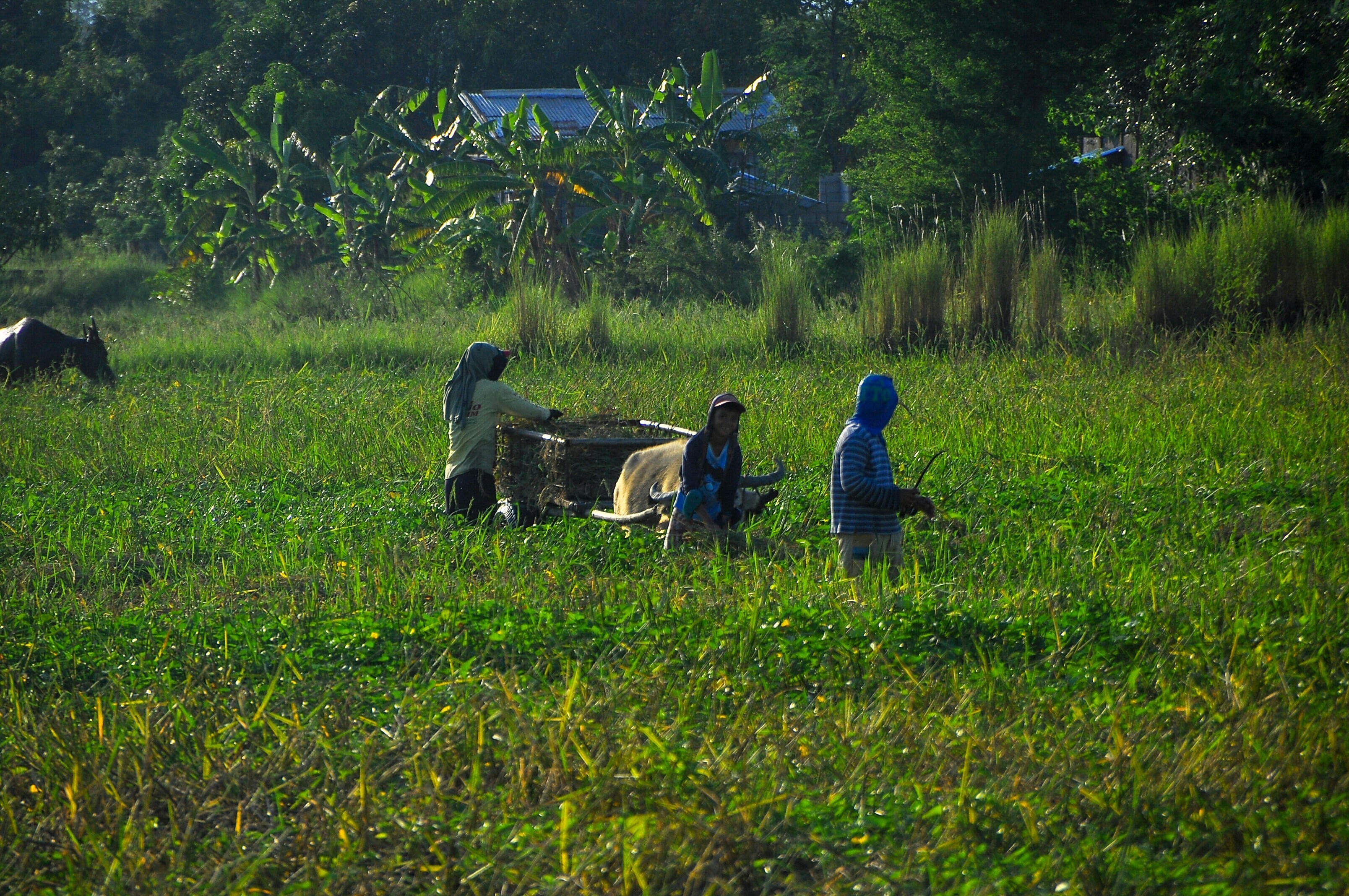
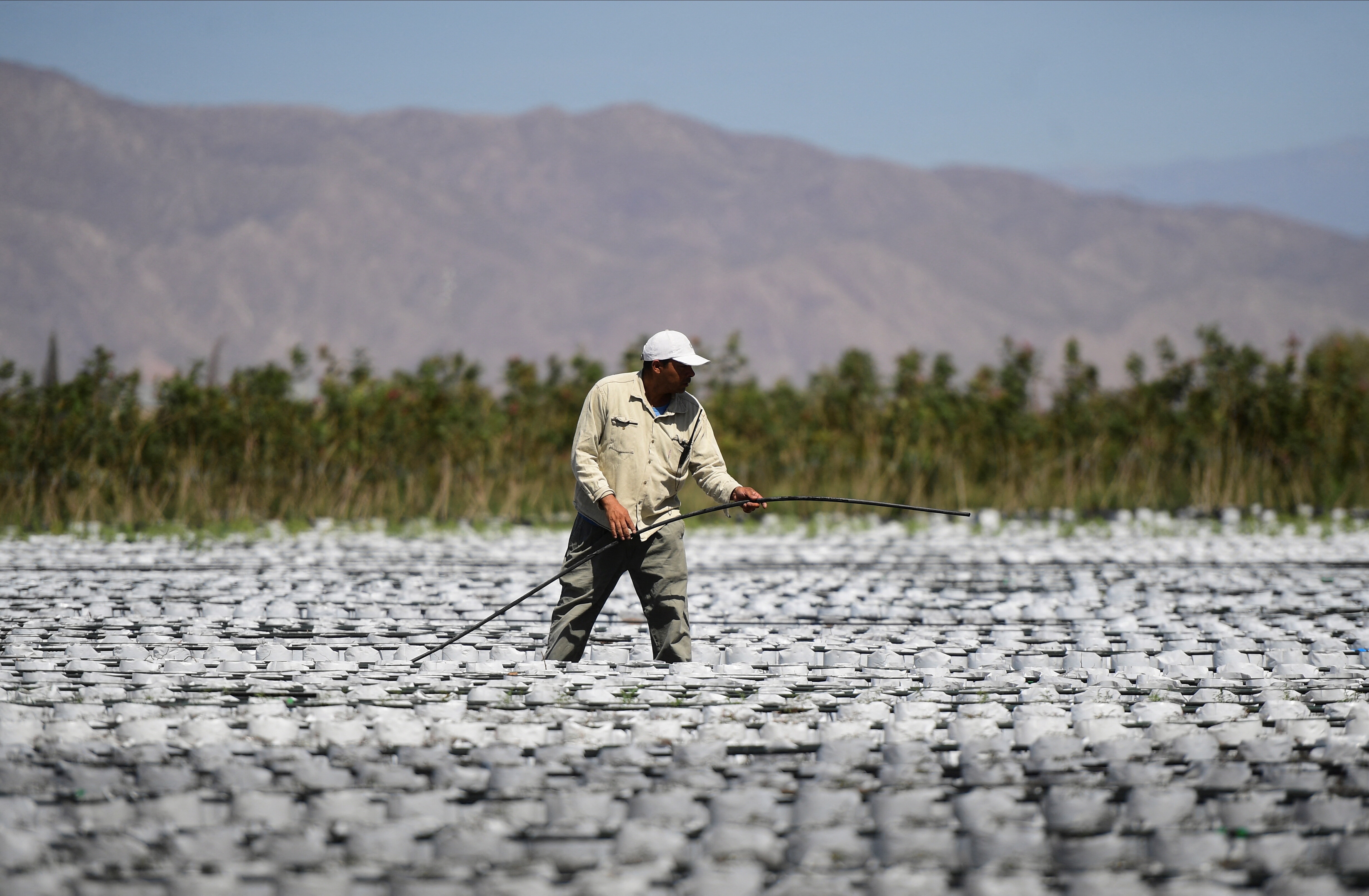
Farmers are vital in combating climate change through sustainable practices, yet their role is often overlooked in global discussions. Recent events like COP30 and the G20 have begun to integrate farmers and food systems into these conversations. Effective climate action requires new strategies, particularly in the Global South, where smallholder farmers enhance food security. Innovative agricultural methods could significantly reduce greenhouse gas emissions, with potential for carbon sequestration and water conservation. Supporting farmers with training, market access, and incentives is crucial for widespread adoption of sustainable practices. The #AFarmerCan campaign seeks to promote actionable policies to empower farmers in this effort.
Farmers are key to fighting climate change – it’s time we gave them the support they deserve
AI is set to enhance productivity notably in various sectors, particularly financial and professional services, where gains are expected within one to three years. Chief economists anticipate that AI adoption will lift overall labor productivity by 1.5% to 3% over the next decade, with significant contributions from technology, finance, and consulting. While AI-related job losses may persist, productivity improvements in software development have already been significant, with some developers reporting doubled output. The expectation is that initial gains will arise in industries highly exposed to AI, with ongoing advancements dependent on implementation, skills, and organizational changes.
Education
Chief economists have clear ideas about where AI will boost productivity, and when

The global financial system is increasingly fragmenting, driven by national interests rather than multilateral cooperation. This trend significantly complicates international business operations and poses risks to efficient fund intermediation, potentially increasing credit and currency risks. A report estimates the costs of fragmentation could range from $0.6 trillion to $5.7 trillion. Key events in 2025, including major powers implementing strict trade policies and increasing tariffs, have further emphasized this shift. The evolving landscape indicates a long-term impact on international finance, necessitating that businesses and policymakers adapt to these changes and potential intra-West restrictions.
Ghana, Russian Federation, Taiwan, China, Ukraine, United Kingdom, Zimbabwe | Health, Financial services
Yesterday’s risk, today’s reality: a fragmented financial system

Resilience is evolving from a defensive stance to a strategic element essential for sustainable value creation and risk management. Effective resilience in investment portfolios demands strategic clarity, adaptability, disciplined preparation, and a defined risk appetite. Long-term capital investment is crucial for nations to enhance their resilience amidst various global disruptions such as pandemics and economic volatility. Key characteristics of resilient institutions include strategic clarity, robust governance, and proactive risk management. Nations are increasingly focusing on strengthening economic resilience through investments in critical infrastructure, energy systems, and technology to thrive in a complex and uncertain environment.
Burkina Faso, Colombia, Egypt, Ethiopia, Germany, Ghana, India, Indonesia, Jordan, Kenya, Luxembourg, Nigeria, Philippines, Russian Federation, Rwanda, Senegal, Singapore, South Africa, Switzerland, Tanzania, Uganda, Ukraine, United Arab Emirates, United Kingdom | ICT, Financial services, Health, Education
From shocks to strength: how resilience drives value creation
The January 2026 Chief Economists' Outlook indicates a cautiously improved sentiment compared to late 2025, despite remaining largely negative. The report, based on insights from the World Economic Forum's Chief Economists, discusses the mixed economic trajectories across regions. The US shows improved growth prospects due to strong AI investments, while Europe faces weak growth and geopolitical issues. China deals with deflation and trade rebalancing, and South Asia emerges with the most favorable growth outlook. Key themes include rising public debt, asset valuation concerns, and the uneven impacts of artificial intelligence on productivity and employment.
Chief Economists' Outlook: January 2026