Publications

INSIGHT REPORT

Pioneering the Future: Space

Technologies Poised to Revolutionize

Exploration and Economy by 2035

September 2026

FACTSHEETS

Pioneering the Future: Space

Technologies Poised to Revolutionize Exploration and Economy by 2035

June 2026

WHITE PAPER

Future of Space Law:

Operationalizing Space Governance

March 2026

REPORT

Clear Orbit, Secure Future:

 A Call to Action on Space Debris

Jan 2026

WHITE PAPER

The Future of Space Law

Insights from the ATS, UNCLOS, and ITU Frameworks

December 2025

WHITE PAPER

The Future of Space Law: 

The Evolving Dynamics of Air and Space Regulation

 September  2025

The Future Of Space Law

News

Centre for Space Futures, Novaspace and SpaceTech Gulf  Sign Agreement to Develop Global Space Capability Mapping Dashboard

Riyadh, Saudi Arabia , 23 Jun 2026|  Press Release

Clear Orbit, Secure Future: A Call to Action on Space Debris

Riyadh, Saudi Arabia, 26 Jan 2026 | Press Release

Centre for Space Futures Holds Workshop with Participation of 40 Global Experts

Riyadh, Saudi Arabia, 05 Dec 2025 | Press Release

Centre for Space Futures Releases White Paper on 'The Future of Space Law'

Riyadh, Saudi Arabia, 12 Sep 2025 | Press Release

The Board of Directors of the Centre for Space Futures Endorses Its Strategic Direction

Riyadh, Saudi Arabia, 26 May 2025 | Press Release

Saudi Space Agency to Launch the Centre for Space Futures with the World Economic Forum

Riyadh, Saudi Arabia, 29 April | Press Release

5 ways we can tackle growing risks from rocket bodies in orbit

Dec 09, 2025 | Economic Growth, Stories

Read More

Forum Agenda

Forum Videos

VIDEO

Press Conference: Centre for Space Futures in Riyadh

The World Economic Forum's Special Meeting, April 29, 2024

VIDEO

The Purpose of Astronauts at Davos 2024

World Economic Forum , March 9, 2024

VIDEO

PortWatch: Monitoring Trade Disruptions from Space

World Economic Forum , Dec 18, 2023

VIDEO

India's Moon Mission Triumph: Ambassador Ruchira Kamboj's Insights

World Economic Forum , Aug 23, 2023

VIDEO

Space Exploration is Back at Davos 2023

World Economic Forum , Feb 16, 2023

Forum Publications

Strategic Intelligence Insights

THE BUS is a groundbreaking project by artist Marina Abramović debuting at the World Economic Forum Annual Meeting 2026 in Davos. It promotes intentional slowing down amidst constant digital connectivity, inviting participants to disconnect and explore their presence through silence and reflection. By fostering a shared experience, THE BUS aims to cultivate empathy and unity in a polarized world. Following its launch, the initiative will travel to Zurich and other regions, transforming public spaces into sanctuaries for contemplation and connection, thereby encouraging communities to embrace stillness and meaningful engagement.
The radical power of slowing down in a world that never stops
The revival of Nalanda's spirit emphasizes knowledge’s role in promoting the common good through AI. Addressing challenges similar to those faced in the 5th century, initiatives like India's AI Mission and the UNDP's AI Hub aim to create inclusive knowledge systems that serve historically marginalized communities. These programs focus on equity in access, integrating cultural contexts, and fostering accountability. Efforts include providing low-cost GPU access and developing voice-first applications for the underserved. Global collaborations seek to harness AI for sustainable development, affirming the principle that inclusive knowledge systems foster generative outcomes rather than dominance.
Africa | ICT, Education
AI that serves all: Reviving the spirit of Nalanda for a planetary commons

Trust in automotive AI is crucial for the widespread adoption of AI-enabled mobility solutions. While advanced AI systems are ready, public confidence in their safety and reliability remains low. The societal benefits of automotive AI, including improved road safety and reduced traffic fatalities, necessitate closing the trust gap. Digital trust, defined by explainability, continuous monitoring, and clear accountability for failures, is essential. This requires adherence to safety standards and lifecycle monitoring, as well as evolving regulatory frameworks to ensure reliable, secure, and responsible AI operations in mobility.
ICT, Education
Why trust in automotive AI will determine the future of mobility

Nearly 4 billion people live in urban areas, posing challenges like aging infrastructure and rising energy demands. Integrated smart cities, built through collaboration and innovation, are essential for sustainable urban living. The construction industry must evolve from traditional models to focus on long-term service provision, integrating various urban systems efficiently. This transformation is crucial as the sector accounts for a significant portion of global energy consumption and CO₂ emissions. GS E&C's Life Weaver strategy promotes a holistic urban ecosystem that harmonizes energy, mobility, and data while enhancing sustainability and quality of life.
Africa | Financial services, ICT, Health, Education
Why smart cities must become integrated urban ecosystems
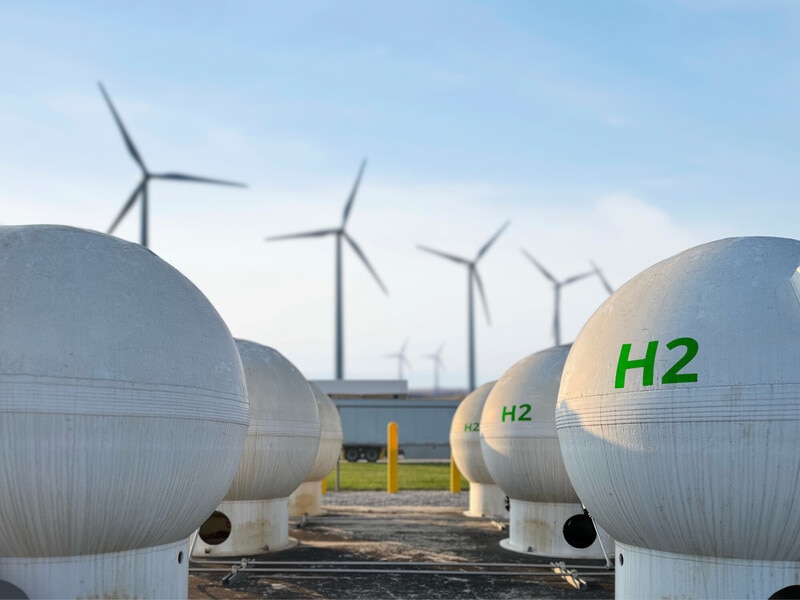
Global partnerships are essential for the effective scaling of hydrogen and its derivatives, which are crucial for decarbonizing hard-to-abate sectors and achieving net-zero goals. Japan is positioned as a leader in this transition, albeit facing challenges like incomplete infrastructure and cost premiums. Recent policy initiatives, such as the Basic Hydrogen Strategy and the Hydrogen Society Promotion Act, aim to mobilize private capital and foster international collaboration. The Japan Hydrogen Fund (JHF) is a key development that channels investment into hydrogen technologies and projects, supporting the maturation of hydrogen ecosystems while enhancing global partnerships.
Japan | Health
Why global partnerships matter for scaling hydrogen
Many industries vital for daily life depend on Earth system and socioeconomic datasets, with NOAA associating its data with trillions of dollars in economic activity annually. Reference quality datasets (RQDs) are crucial for hazard prediction, safety standards, and financial risk assessments. However, several federally supported RQDs are being decommissioned or neglected due to funding cuts and staffing losses. The deterioration of these datasets could significantly increase uncertainties in risk assessments and complicate emergency planning, leading to greater harm to people, property, and economies.
The Looming Data Loss That Threatens Public Safety and Prosperity

Greenland plays a crucial role in global climate science due to its extensive ice sheet, which, if completely melted, could rise sea levels by about 7 meters. The melting ice is also releasing freshwater that may disrupt ocean circulation, affecting Northern Hemisphere climates. Unilateral US control over Greenland, as suggested by Trump, could jeopardize cooperative scientific research that benefits from international access to its resources. The region contains valuable minerals essential for renewable technologies, but such actions could undermine existing agreements and limit global climate research, contrasting with the collaborative model seen in Antarctica.
Antarctica
Why Greenland is indispensable to global climate science

Astronomers aim to detect signs of alien life by analyzing the atmospheres of over 6,000 known exoplanets. Key methods include examining the gases present in these atmospheres, using quantum mechanics to identify unique molecular patterns. The James Webb Space Telescope has successfully detected molecules like methane and carbon dioxide, although challenges persist in achieving reliable results. Significant claims, such as the detection of dimethyl sulphide on the planet K2-18b, face scrutiny due to the influence of data analysis choices. Future missions like the European Space Agency's Plato and NASA's Nancy Grace Roman telescope aim to enhance the search for Earth-like planets and their potential habitability.
How astronomers plan to detect the signatures of alien life in the atmospheres of distant planets
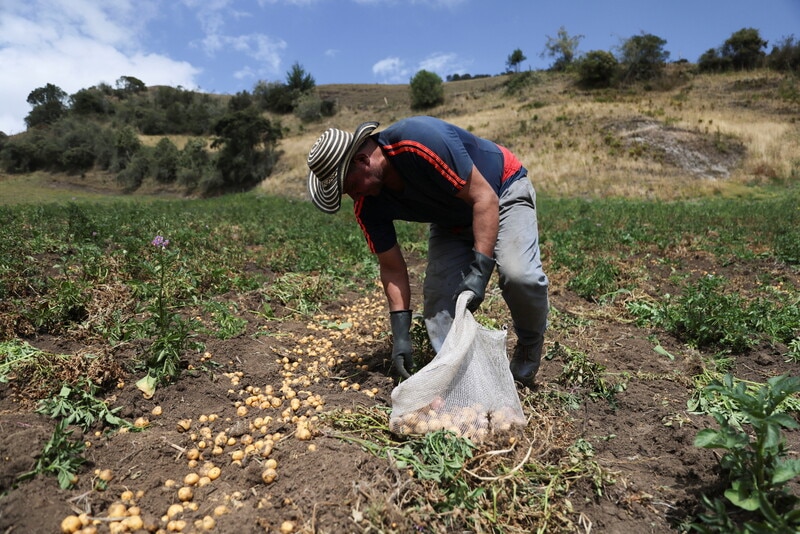
The food system significantly contributes to global greenhouse gas emissions, necessitating collaborative efforts to meet rising nutritional demands while reducing environmental impact. A partnership between Yara and PepsiCo exemplifies effective collaboration to cut emissions through improved fertilizer practices without compromising yields. By employing lower-carbon fertilizers and data-driven nutrient management, this initiative aims to enhance farm efficiency and support sustainability. The model is expanding into Latin America, showing potential for significant emissions reductions and replicability. Integrating procurement commitments and agronomic support is crucial for driving substantial changes in the food value chain.
How partnerships can help decarbonize food value chains
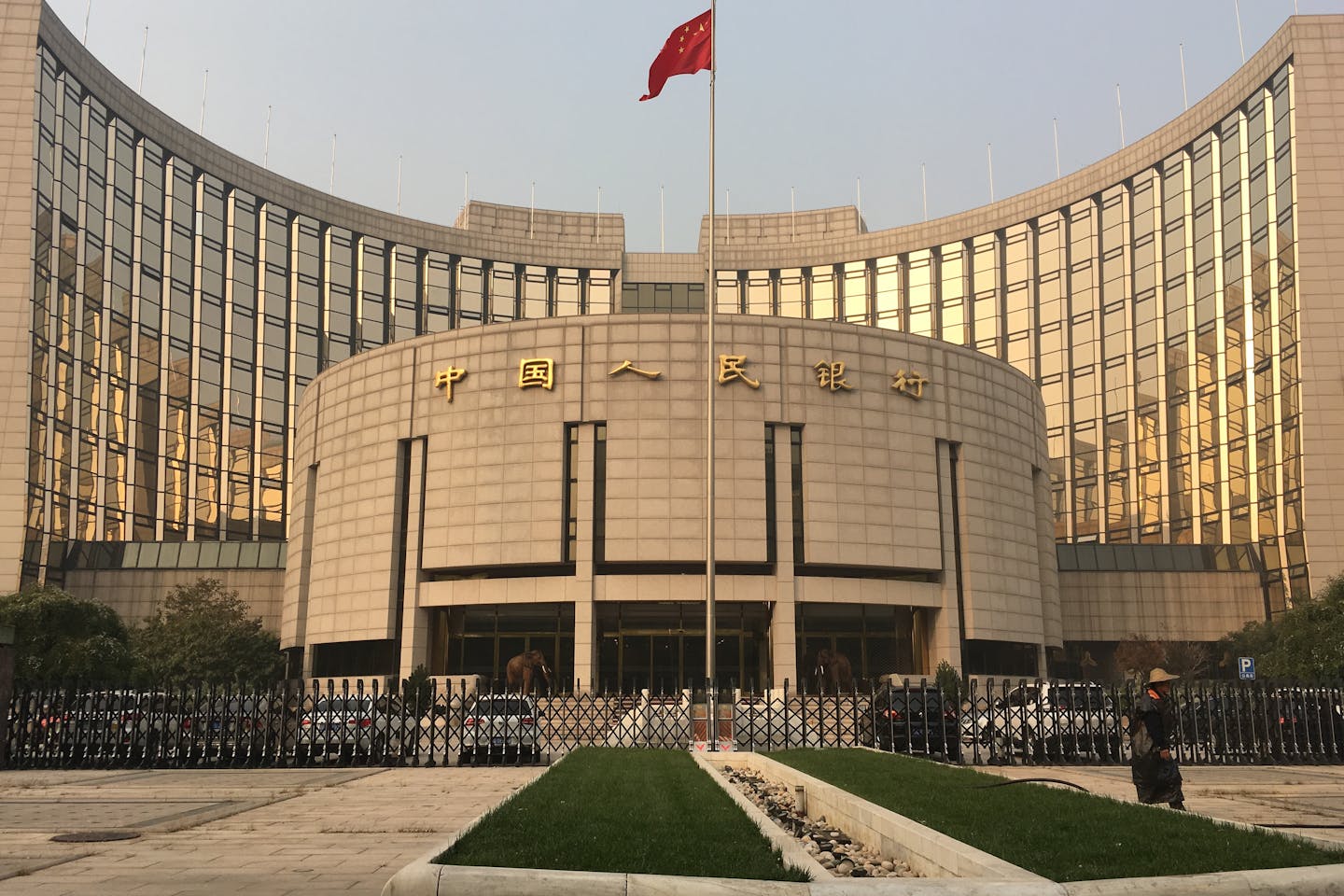
China's new corporate climate disclosure standards, published by the Ministry of Finance and central bank, offer a voluntary framework for companies to prepare for future reporting requirements. Aligned with international standards, these guidelines emphasize accountability in emissions reporting and climate targets. The standards particularly focus on governance and qualitative reporting aspects, while requiring disclosures on emissions reduction pathways. Experts advise companies to conduct a gap analysis to prepare for challenges in measuring indirect emissions and ensuring compliance with upcoming regulatory mandates. This initiative is part of China's broader strategy to embed sustainability in national development plans.
Financial services
Companies should start preparing to adopt China's latest climate disclosure standards, say experts
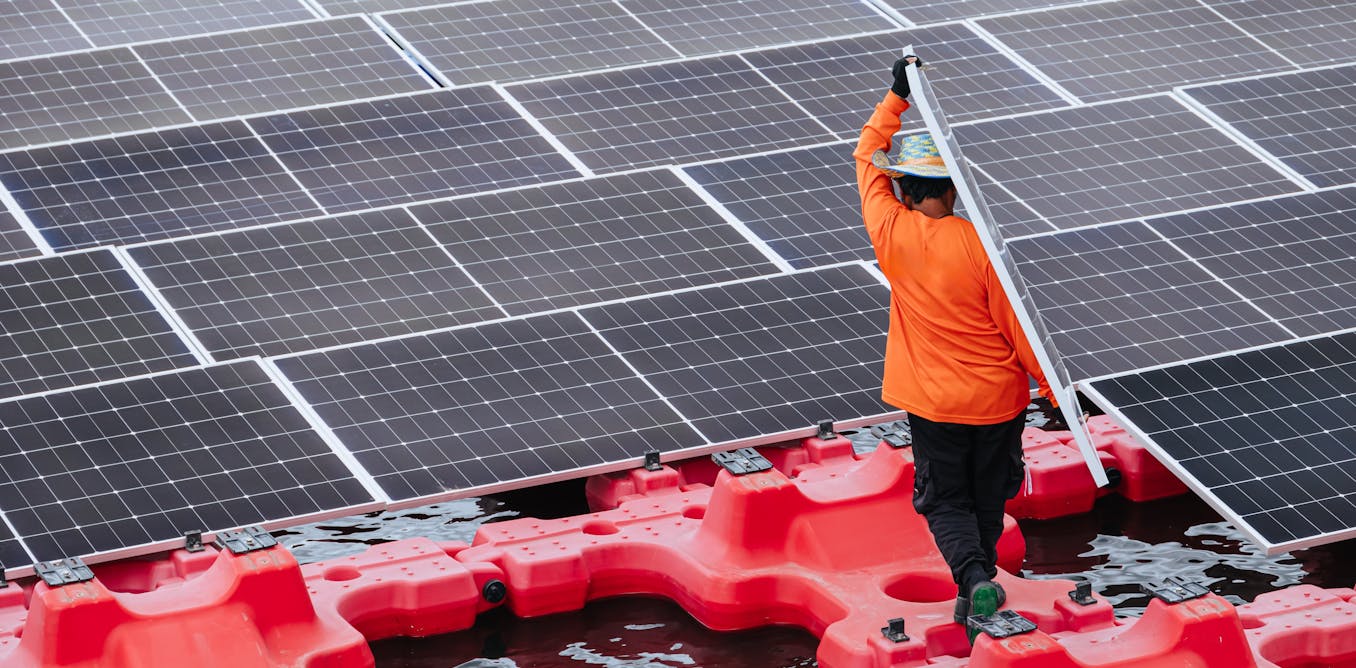
2025 saw severe climate challenges with record temperatures and extreme weather. However, signs of progress are emerging, including the UK nearing a positive tipping point in electric vehicle adoption, with sales increasing significantly. Innovations in solar energy are taking root in Pakistan and South Asia, driven by economic necessity rather than climate pledges. Globally, renewables have surpassed coal as the primary electricity source, with notable advancements in developing regions. Despite facing hurdles, China is intensifying its green economy efforts, aiming for carbon neutrality by 2060. Additionally, climate-change refugia have been identified, highlighting resilient ecosystems that can withstand warming impacts.
A few reasons to feel hopeful about the climate in 2026
Informal science spaces, such as The MagnifiScience Centre in Karachi, address the educational exclusion of over 250 million children globally by offering hands-on science experiences that traditional classrooms often lack. These centers foster curiosity, creativity, and critical thinking, serving as hubs for community engagement and learning outside conventional curriculum limits. They support inclusivity, particularly for girls and women, while strengthening local talent through community-driven innovation. By creating a dynamic learning environment, informal science spaces enhance civic participation and resilience, preparing young individuals for a rapidly changing world.
Education
How informal science spaces unlock learning for the world’s most excluded children
Global cooperation remains steady but is evolving due to geopolitical tensions and fragmentation. The Global Cooperation Barometer 2026 assesses collaboration across five pillars: trade and capital, innovation and technology, climate and natural capital, health and wellness, and peace and security. Key findings indicate that while multilateralism is weakening, more targeted, interest-based, and regional cooperation is growing. Cooperation metrics in trade, innovation, climate, health, and security vary, with increases in technology partnerships and climate financing, though challenges persist in health and peace sectors. Proactive adaptation to these changes is essential for leaders in business and government.
Albania, Algeria, Angola, Bahrain, Barbados, Belgium, Benin, Bolivia, Bosnia and Herzegovina, Botswana, Bulgaria, Burkina Faso, Cambodia, Chad, Colombia, Denmark, Estonia, Ethiopia, Gabon, Georgia, Germany, Ghana, Greece, Guatemala, Guinea, Haiti, Hungary, Iceland, Indonesia, Jamaica, Japan, Jordan, Kazakhstan, Kenya, Kuwait, Latvia, Lebanon, Lesotho, Luxembourg, Malawi, Malaysia, Mali, Malta, Moldova, Mongolia, Montenegro, Morocco, Mozambique, Namibia, Netherlands, New Zealand, Oman, Paraguay, Peru, Philippines, Poland, Qatar, Republic of Korea, Russian Federation, Rwanda, Senegal, Singapore, Slovakia, Sweden, Taiwan, China, Tanzania, Thailand, Uganda, Ukraine, United Arab Emirates, United Kingdom, Zambia, Zimbabwe | Financial services, Health
The Global Cooperation Barometer 2026 – Third Edition
Gulf nations are transforming amid global economic volatility by establishing centers of excellence in innovation, technology, and the energy transition. They are investing heavily in infrastructure, such as Saudi Arabia's Landbridge railway and the UAE's advanced digital networks, enhancing their roles in global trade. As leaders in energy, these nations are shifting from hydrocarbons to renewable sources, with initiatives aimed at achieving substantial economic growth through sustainable models. Furthermore, they are fostering talent and innovation via education and R&D investments while diversifying industrial capabilities to strengthen their economies.
Afghanistan, Algeria, Australia, Austria, Bahrain, Bangladesh, Barbados, Belgium, Benin, Bermuda, Bolivia, Bulgaria, Burkina Faso, Burundi, Cambodia, Canada, Chad, Chile, Colombia, Denmark, Djibouti, Dominican Republic, Ecuador, Egypt, Estonia, Eswatini, Ethiopia, Finland, Gabon, Georgia, Germany, Ghana, Greece, Guatemala, Guinea, Haiti, Hungary, Iceland, India, Indonesia, Ireland, Israel, Jamaica, Japan, Jordan, Kazakhstan, Kenya, Kuwait, Kyrgyz Republic, Lebanon, Lesotho, Luxembourg, Malaysia, Malta, Mauritania, Mauritius, Moldova, Morocco, Mozambique, Myanmar, Namibia, Nepal, Netherlands, New Zealand, Nigeria, Norway, Oman, Pakistan, Paraguay, Peru, Philippines, Portugal, Qatar, Republic of Korea, Russian Federation, Rwanda, Saudi Arabia, Senegal, Singapore, South Africa, Spain, Sri Lanka, Sudan, Sweden, Switzerland, Syria, Taiwan, China, Tajikistan, Tanzania, Thailand, Trinidad and Tobago, Tunisia, Türkiye, Uganda, Ukraine, United Arab Emirates, United Kingdom, Uruguay, Uzbekistan, Venezuela, Viet Nam, Yemen, Zambia, Zimbabwe | Financial services, ICT, Health, Education
How Gulf nations are building an advantage in an age of global volatility
Greenland contains substantial natural resources, including critical raw materials like lithium and rare earth elements (REEs), along with significant hydrocarbons such as oil and gas. The region's unique geological history, characterized by mountain-building and volcanic activity, has led to the formation of large REE deposits and other minerals. The US Geological Survey estimates substantial oil reserves in the northeast, similar to the US's proven reserves. However, exploration costs and the impact of climate change on ice coverage pose challenges for resource extraction. Greenland's deposits could significantly influence the global REE market due to their scarcity.
Antarctica, Denmark, Iceland, Nigeria, Norway
Greenland is rich in natural resources – a geologist explains why
Sylvia Earle emphasizes the critical need for current generations to protect the environment and humanity's future, discussing her experiences as a pioneer in deep ocean research. As the World Economic Forum prepares for its 'Blue Davos' meeting, which will focus on aquatic ecosystems' importance, Earle reflects on the severe destruction of nature she has witnessed. Despite her concerns, she expresses hope, urging sustainable resource use in oceans and a collective effort to address environmental challenges. Earle advocates leveraging technology for positive change, promoting exploration and understanding to ensure Earth remains habitable.
'Choose now!': Ocean explorer Sylvia Earle's message of hope ahead of 'Blue Davos'

A successful AI strategy for businesses hinges on three critical elements: the right tools, internal partnerships, and trusted data. Most organizations fail to implement AI effectively, with 95% of generative AI pilots not yielding measurable returns. Companies often treat AI as a technical upgrade rather than a holistic rethinking of strategy. To achieve meaningful impact, businesses should adopt purpose-built tools that integrate seamlessly into workflows, cultivate partnerships among key executives to align strategy with technology and capital, and ensure data is connected, trusted, and accessible. This approach enables continuous adaptation and better decision-making.
Education
The right AI strategy for businesses means doing these three things

Japan’s cabinet approved a JPY122.31 trillion (US$780 billion) budget for fiscal year 2026, focusing on green transformation and nuclear energy. Key allocations include JPY605 billion for renewable energy initiatives, JPY84 billion for energy efficiency improvements, and significant support for next-generation solar and offshore wind technologies. The government will invest JPY2.1 trillion over five years in corporate projects using nuclear or renewable power. Funding for advanced nuclear reactors and recycling rare materials is also increased, alongside initiatives for data center emissions and human-wildlife conflict management. This budget aims to support Japan's target of achieving net-zero emissions by 2050.
Jamaica, Japan, New Zealand
Japan approves record $780 billion draft budget for 2026, ramps up green transition and nuclear spending

The Philippines has mandated large publicly-listed companies and significant non-listed entities to adopt sustainability reporting standards based on the International Sustainability Standards Board (ISSB) guidelines. Effective from January 1, 2026, these firms must measure and disclose sustainability performance, covering general sustainability and climate-specific issues. The rollout will occur in phases, starting with entities with a market cap exceeding P50 billion, followed by smaller firms by 2029. The new regulations aim to enhance understanding of sustainability risks and opportunities while promoting long-term value creation.
Philippines
Philippines adopts mandatory ISSB-based sustainability reporting standards
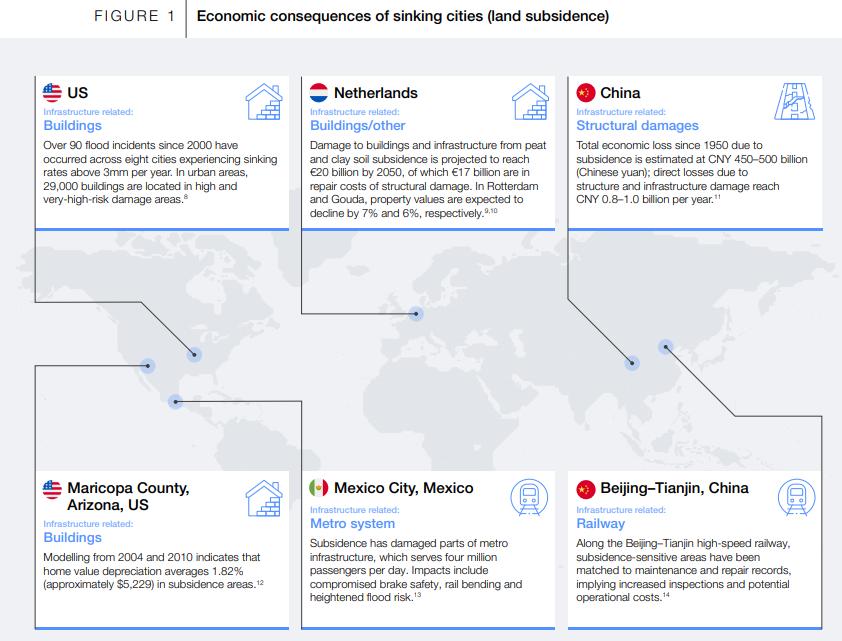
In 2025, urban transformation focused on actionable solutions to climate change, inequality, and economic challenges. Key developments included the establishment of innovation ecosystems prioritizing sustainable growth, a re-evaluation of the night-time economy highlighting its importance beyond nightlife, and initiatives for nature-positive urban planning. Cities like San Francisco and Durban demonstrated leadership in integrating green solutions into infrastructure. Additionally, reports emphasized the risks of land subsidence, threatening $8 trillion of global GDP. These themes reflect a shift towards resilient, inclusive urban environments that prioritize sustainability and community wellbeing.
Haiti, Nigeria, United Kingdom | Financial services, ICT, Health, Education
The top 5 urban transformation stories of 2025