
Publications

INSIGHT REPORT

Pioneering the Future: Space

Technologies Poised to Revolutionize

Exploration and Economy by 2035

September 2026

FACTSHEETS

Pioneering the Future: Space

Technologies Poised to Revolutionize Exploration and Economy by 2035

June 2026

WHITE PAPER

Future of Space Law:

Operationalizing Space Governance

March 2026

REPORT

Clear Orbit, Secure Future:

 A Call to Action on Space Debris

Jan 2026

WHITE PAPER

The Future of Space Law

Insights from the ATS, UNCLOS, and ITU Frameworks

December 2025

WHITE PAPER

The Future of Space Law: 

The Evolving Dynamics of Air and Space Regulation

 September  2025

The Future Of Space Law

News

Centre for Space Futures, Novaspace and SpaceTech Gulf  Sign Agreement to Develop Global Space Capability Mapping Dashboard

Riyadh, Saudi Arabia , 23 Jun 2026|  Press Release

Clear Orbit, Secure Future: A Call to Action on Space Debris

Riyadh, Saudi Arabia, 26 Jan 2026 | Press Release

Centre for Space Futures Holds Workshop with Participation of 40 Global Experts

Riyadh, Saudi Arabia, 05 Dec 2025 | Press Release

Centre for Space Futures Releases White Paper on 'The Future of Space Law'

Riyadh, Saudi Arabia, 12 Sep 2025 | Press Release

The Board of Directors of the Centre for Space Futures Endorses Its Strategic Direction

Riyadh, Saudi Arabia, 26 May 2025 | Press Release

Saudi Space Agency to Launch the Centre for Space Futures with the World Economic Forum

Riyadh, Saudi Arabia, 29 April | Press Release

5 ways we can tackle growing risks from rocket bodies in orbit

Dec 09, 2025 | Economic Growth, Stories

Read More

Forum Agenda

Forum Videos

VIDEO

Press Conference: Centre for Space Futures in Riyadh

The World Economic Forum's Special Meeting, April 29, 2024

VIDEO

The Purpose of Astronauts at Davos 2024

World Economic Forum , March 9, 2024

VIDEO

PortWatch: Monitoring Trade Disruptions from Space

World Economic Forum , Dec 18, 2023

VIDEO

India's Moon Mission Triumph: Ambassador Ruchira Kamboj's Insights

World Economic Forum , Aug 23, 2023

VIDEO

Space Exploration is Back at Davos 2023

World Economic Forum , Feb 16, 2023

Forum Publications

Strategic Intelligence Insights

Leadership models need to evolve from stability and hierarchy towards adaptability to constant transformation. The World Economic Forum’s Global Future Council on Leadership underscores the importance of redefining leader selection, training, decision-making, and succession management to develop leaders capable of addressing complex, interdependent challenges. Key proposals include broadening selection criteria to reduce biases and enhancing effective listening skills among leaders. Engaging in dialogue fosters understanding and community building, which are essential for creating a sustainable leadership future that benefits people and the planet.
Africa, Latin America | Financial services, Health, Education
How to rethink leadership in 2026, according to young leaders from around the world
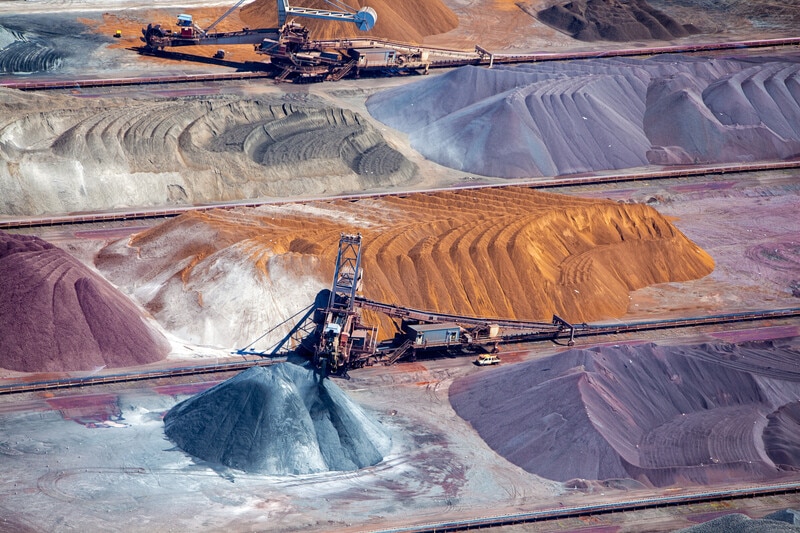
A circular economy can enhance the clean energy supply chain by reducing reliance on mining and addressing critical mineral shortages essential for technologies like batteries and solar panels. With the increasing demand for these minerals, the circular economy offers a stable supply through recycling and recovery, minimizing greenhouse gas emissions and lowering geopolitical risks. Successful implementation will require collaboration between governments and industries to establish efficient collection systems, invest in recycling infrastructure, and create regulatory frameworks that foster market confidence. This approach aims to bolster industrial competitiveness and ensure a sustainable energy transition.
Financial services, ICT, Education
How a circular economy could strengthen the clean energy supply chain of the future

Regulation is emerging as a crucial component of economic competitiveness, akin to physical infrastructure, especially as technologies like AI, digital finance, and biotech evolve. Effective regulatory frameworks, which are interoperable, open, and iterative, play a significant role in determining which innovations thrive. Examples from countries such as Brazil, India, the UAE, and across Africa illustrate the importance of regulation in fostering innovation and inclusivity. The whitepaper "The Regulatory Frontier" emphasizes that well-designed regulation not only shapes markets but also drives economic participation and societal trust, positioning it as a vital infrastructure investment of the digital age.
Germany, Luxembourg, Sweden, United Kingdom | Financial services, Health, ICT, Education
Regulation now shapes innovation as much as technology - here's why it's an infrastructure investment
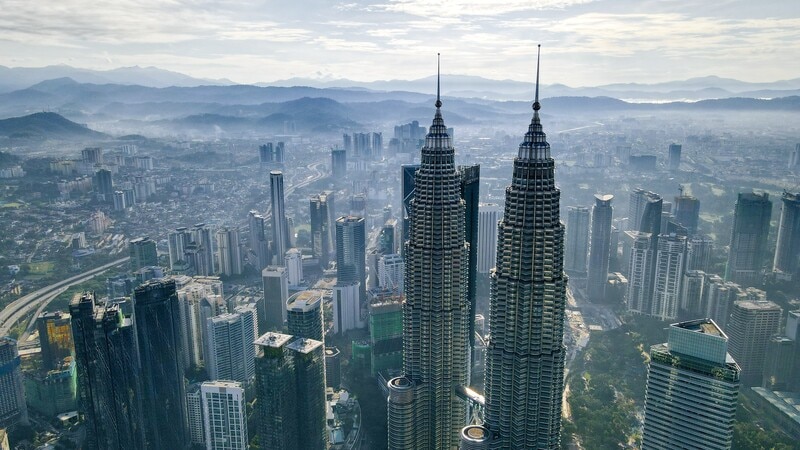
Malaysia has adopted the Transitioning Industrial Clusters (TIC) framework as a national agenda aimed at fostering green economic growth, enhancing job opportunities, and reducing carbon emissions. The TIC initiative, launched globally by the World Economic Forum at COP26, unifies industrial clusters to promote economic, social, and environmental value through collaborative efforts. Malaysia's Prime Minister emphasized the framework's role in aligning companies and public institutions for strategic industrial development. Key priorities include developing state-level strategies, formalizing governance structures, and launching cluster projects, particularly in Sarawak, Johor, and Selangor, focused on sustainable industries and technologies.
Barbados, Belgium, Cambodia, Colombia, Ethiopia, Germany, Haiti, Hungary, India, Indonesia, Jamaica, Kenya, Malawi, Malaysia, Mali, Mauritius, Mozambique, Philippines, Poland, Republic of Korea, Rwanda, Senegal, Singapore, Sweden, Taiwan, China, Tajikistan, Tanzania, Thailand, Trinidad and Tobago, Tunisia, Türkiye, Uganda, United Arab Emirates, United Kingdom, Zimbabwe | Education, ICT
Malaysia adopts the Transitioning Industrial Clusters framework – here's what that means
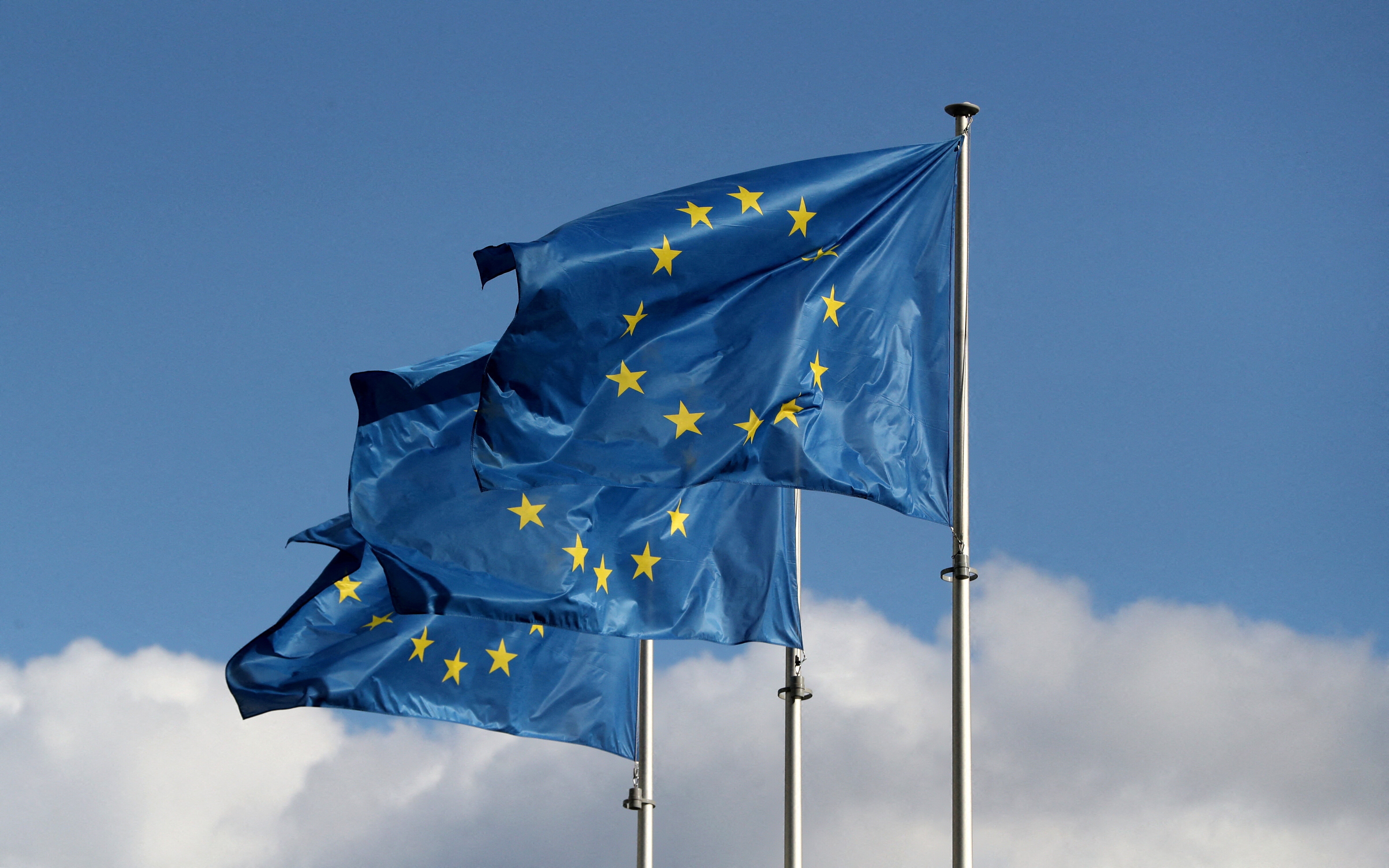
Europe's economy has shown resilience in 2025, avoiding recession while benefiting from increased tech investment and expanding defense budgets. However, geopolitical tensions are imposing significant costs, impacting trade, reducing foreign investment, and heightening uncertainty, which together stifle productivity and aggregate demand. Corporations face growing expenses as they adjust for resilience, with many still not taking necessary actions. Governments are likely to impose regulations for corporate resilience, diverting focus away from growth. Amidst these challenges, corporations have a vital role in advocating for open markets and mitigating the costs of geopolitical fragmentation.
Belgium, Bulgaria, Czech Republic, Denmark, Estonia, Ethiopia, Georgia, Germany, Hungary, Indonesia, Japan, Luxembourg, Philippines, Poland, Portugal, Republic of Korea, Russian Federation, Singapore, Sweden, Switzerland, Tanzania, Ukraine, United Kingdom | ICT, Financial services, Health
Europe's economy isn't collapsing – but let's not downplay the cost of geopolitics
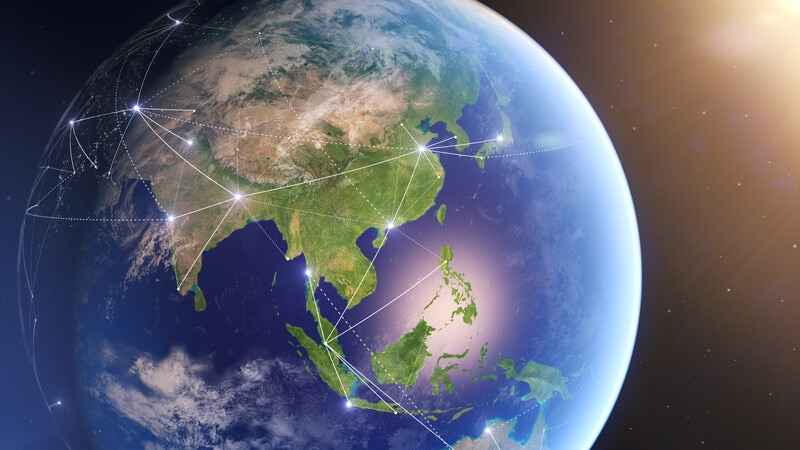
Recent trade and investment deals are transforming the global business landscape, emphasizing a shift from multilateralism to more transactional international relations. Factors such as Brexit, the COVID pandemic, and geopolitical tensions are driving corporations to adapt by engaging in public-private dialogues and diversifying trade partners to mitigate risks. Bilateral trade agreements, like those between the UK and India, are gaining prominence and enhancing M&A activities, which surged to $4.3 trillion in 2022. Companies are increasingly prioritizing regulatory agility and geopolitical alignment to navigate the new multipolar trade environment, focusing on emerging markets for growth.
Afghanistan, Argentina, Armenia, Australia, Austria, Bahrain, Barbados, Belarus, Belgium, Benin, Bermuda, Bolivia, Bosnia and Herzegovina, Brazil, Bulgaria, Burkina Faso, Burundi, Cambodia, Cameroon, Canada, Chad, Chile, Colombia, Costa Rica, Croatia, Cyprus, Czech Republic, Democratic Republic of the Congo, Denmark, Djibouti, Dominican Republic, Ecuador, Egypt, El Salvador, Estonia, Eswatini, Ethiopia, Finland, France, Gabon, Georgia, Germany, Ghana, Greece, Guatemala, Haiti, Honduras, Hungary, Iceland, India, Indonesia, Ireland, Israel, Italy, Jamaica, Japan, Jordan, Kazakhstan, Kenya, Kyrgyz Republic, Latvia, Lebanon, Lesotho, Lithuania, Luxembourg, Madagascar, Malawi, Malaysia, Malta, Mauritania, Mauritius, Mexico, Moldova, Mongolia, Montenegro, Morocco, Mozambique, Myanmar, Namibia, Nepal, Netherlands, New Zealand, Nicaragua, Nigeria, Norway, Oman, Pakistan, Panama, Paraguay, Peru, Philippines, Poland, Portugal, Qatar, Republic of Korea, Romania, Russian Federation, Rwanda, Saudi Arabia, Senegal, Singapore, Slovakia, Slovenia, South Africa, Spain, Sri Lanka, Sudan, Sweden, Switzerland, Syria, Taiwan, China, Tajikistan, Tanzania, Thailand, Togo, Trinidad and Tobago, Tunisia, Türkiye, Uganda, Ukraine, United Arab Emirates, United Kingdom, Uruguay, Uzbekistan, Venezuela, Viet Nam, Yemen, Zambia, Zimbabwe | ICT, Financial services, Education, Health
Beyond borders: how new trade and investment corridors are reshaping global business

Global temperatures reached record highs in 2023 and 2024, surpassing pre-industrial levels by 1.5°C. Several factors contributed to this acceleration in warming: a strong El Niño event in late 2023, rapid declines in sulphur dioxide emissions from shipping and China, an unusual volcanic eruption in Tonga, and a stronger solar cycle. These factors collectively explain significant warmth observed in recent years, alongside potential natural climate fluctuations. The past three years showed a marked increase in temperatures, with 2024 breaking records set in 2023 by 0.25°C.
Analysis: What are the causes of recent record-high global temperatures?

Azerbaijan's transition to a green energy future requires the active involvement of traditional energy producers. The country is implementing renewable energy projects and transforming its state oil company to establish an integrated energy model. Azerbaijan aims for nearly 40% of power generation from renewables by 2030, supported by significant infrastructure investments like the Garadagh Solar Power Plant and hydropower facilities. As a key player in the regional energy landscape, Azerbaijan is developing major green energy corridors to facilitate decarbonization efforts, highlighting its commitment to both energy security and environmental sustainability.
Armenia, Bolivia, Bosnia and Herzegovina, Egypt, Georgia, Hungary, Kazakhstan, Kyrgyz Republic, Poland, Romania, Slovakia, Ukraine
Why traditional energy producers must be part of Azerbaijan’s green transition
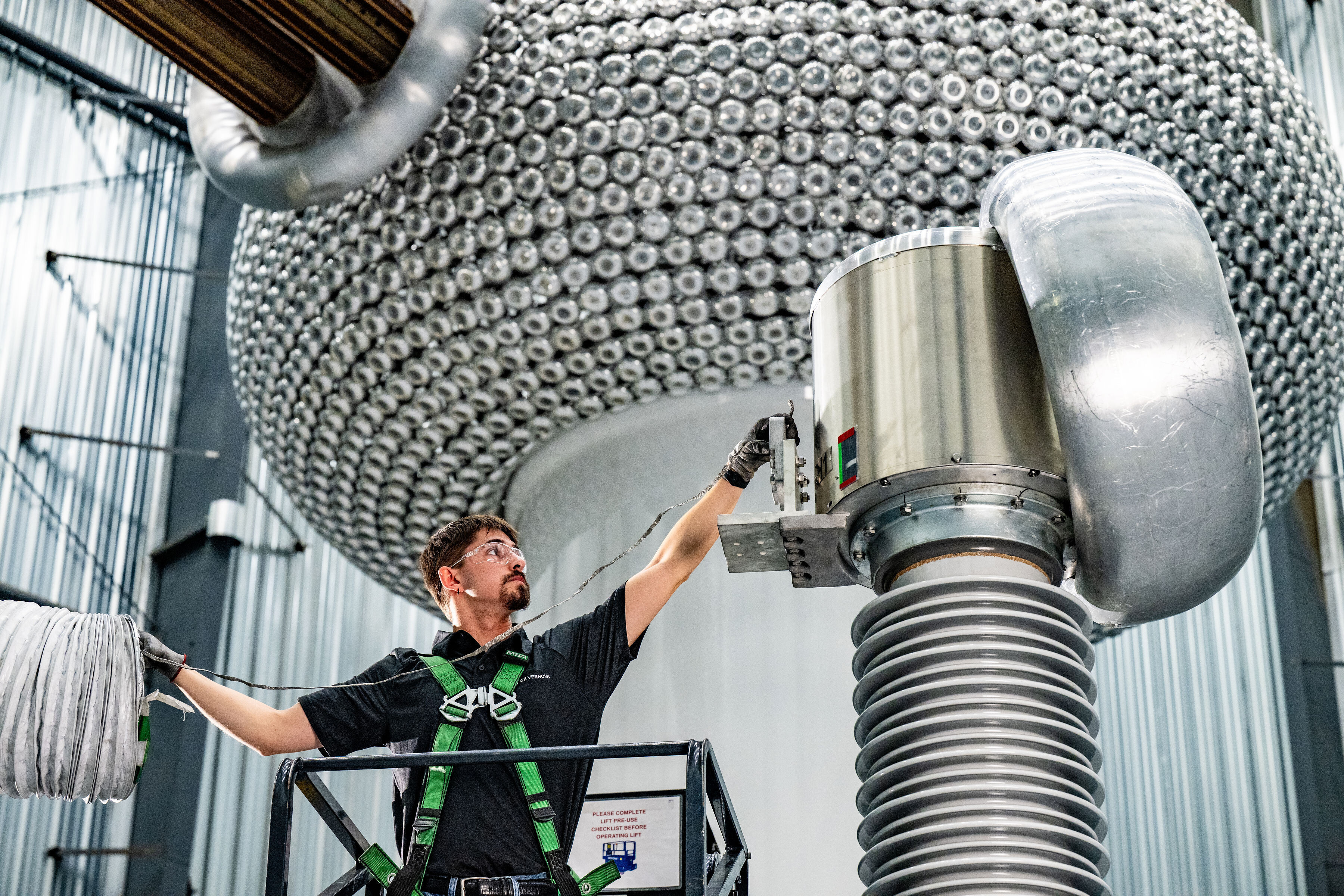
Rising global electricity demand, projected to increase by 40-50% by 2035, is expected to drive significant economic growth and accelerate decarbonization efforts. Countries securing reliable and sustainable electricity will gain a competitive advantage, as economic growth can align with climate goals. Enhanced technologies, including small modular nuclear reactors and improved grid systems, will facilitate this transition. The focus on innovation and investment in lower carbon technologies is crucial. Meeting the demand while cutting emissions presents a pragmatic route to achieve climate objectives without sacrificing economic progress.
ICT, Education
How rising electricity demand will drive decarbonization and global economic growth

Tourism serves as a crucial catalyst for cultural exchange and shared prosperity, fostering peace and understanding among nations. Despite increased global interconnectedness, many remain unable to experience diverse cultures. The World Economic Forum emphasizes the need to ensure inclusive tourism benefits all communities, particularly those with rich heritage yet lacking visibility. Education and youth mobility programs cultivate globally minded leaders, enhancing cultural awareness. Furthermore, technology enhances cultural immersion through innovative tools, enabling deeper connections between travelers and local communities, ultimately enriching travel experiences and promoting mutual understanding.
Africa | Financial services, Health, ICT, Education
How tourism can be a catalyst for cultural exchange and shared prosperity
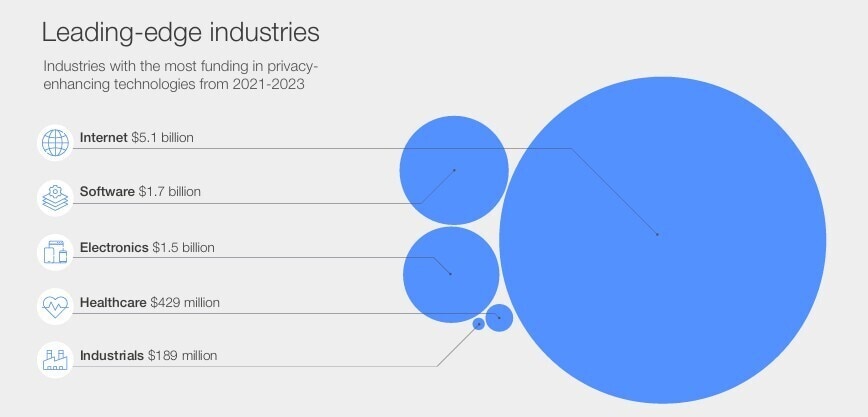
Global finance in 2025 was marked by heightened geopolitical tensions, tariffs, and regulatory changes, leading to a shift towards safe-haven assets. Despite volatility, technological innovations and private capital played crucial roles in market resilience, with private equity assets rising to $9.9 trillion. Geoeconomic fragmentation posed significant risks, potentially costing the global economy $5.7 trillion. AI became integral in financial systems, enhancing credit assessments and expanding access in emerging markets. Additionally, regulatory clarity around the tokenization of financial instruments evolved, paving the way for automated, democratized asset ownership.
United Kingdom | ICT, Health, Education, Financial services
The top finance stories of 2025

Artificial intelligence is transforming the nature of economic goods by collapsing the marginal cost of intelligence and detaching production from human time. AI enables the creation of goods that are abundant and non-rival, disrupting traditional economic classifications of private, public, and club goods. This shift affects business models, public administration, and tax systems, as outputs become infinitely replicable without exhausting resources. The transformation is evident across various sectors, from consulting to policy analysis, reshaping the economy and posing challenges for existing value and taxation frameworks. Governments are unprepared to navigate these significant changes.
Luxembourg, Singapore | Financial services, Education
AI is changing the nature of economic goods
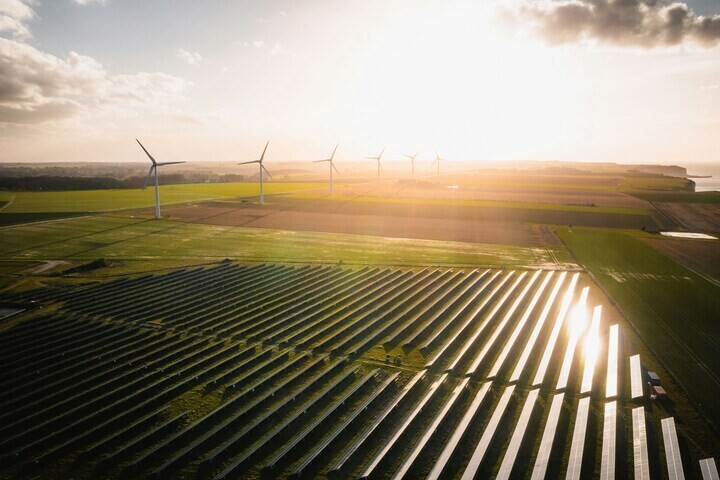
Global growth will increasingly hinge on the integration of digital expansion and energy system transformation, requiring clear governance, smart financing, and enhanced human capabilities. Aligning digital and energy planning can reduce bottlenecks, lower costs, and improve productivity as AI integrates into operations. About $30 trillion is estimated to be needed for infrastructure by 2050, with a focus on emerging markets. Successful initiatives in Türkiye, such as tailored power purchase agreements and joint site planning, highlight effective strategies for scaling renewable energy and digital infrastructure while fostering community engagement.
Albania, Egypt, Estonia, Ethiopia, Georgia, Germany, Ghana, Indonesia, Mali, Qatar, United Arab Emirates, United Kingdom | ICT, Financial services, Health, Education
Scaling innovation at the intersection of the digital and energy transitions

The Davos 2026 arts and culture programme will focus on engaging global leaders through creativity, promoting understanding of shared humanity amid global challenges. Featuring a range of cultural leaders, the programme emphasizes the arts as tools for empathy and meaningful action. Key themes include Human Presence in the Digital Age, Tradition and Innovation, and Connection and Collaboration. Highlights include a concert merging classical music with AI-generated visuals, interactive installations reflecting global issues like forest loss, and works that challenge perceptions of technology and memory. The initiative underscores the arts' role in fostering genuine dialogue and connection.
Art at the Edge of Change: The Davos 2026 arts and culture programme
Mobilizing resources through green finance is essential for achieving sustainable development and advancing decarbonization efforts in the Asia Pacific region. The Unlocking Capital for Sustainability 2025 summit convened key decision-makers from finance, business, government, and civil society across six Asian countries. Now in its eighth year and organized by Eco-Business in partnership with the UN Environment Programme (UNEP), the event focuses on mechanisms to unlock capital for a low-carbon future, enhancing financial effectiveness for hard-to-abate sectors, and establishing pathways to a just, net-zero future.
Australia, Bangladesh, Cambodia, Egypt, Ghana, Haiti, Hungary, India, Indonesia, Japan, Kenya, Luxembourg, Malaysia, Nepal, Nigeria, Pakistan, Philippines, Qatar, Republic of Korea, Rwanda, Saudi Arabia, Senegal, Singapore, South Africa, Taiwan, China, Thailand, Uganda, Ukraine, United Arab Emirates, United Kingdom, Viet Nam | Financial services, Health
Unlocking capital for sustainability: Insights Report 2025
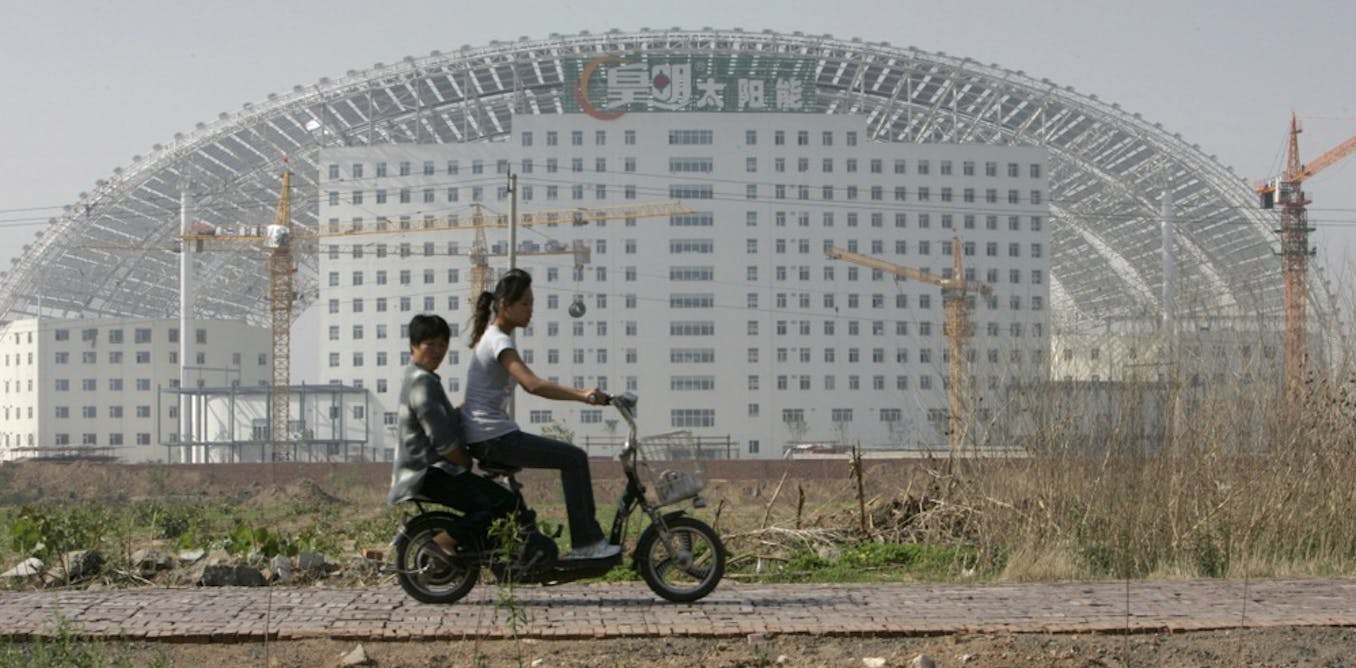
China's 15th five-year plan (2026-2030) focuses on achieving carbon peaking by 2030 and carbon neutrality by 2060, despite coal accounting for 51% of its electricity. Key challenges include inefficiencies in energy transmission leading to wastage, the need to cut coal reliance without causing blackouts, managing overcapacity in green technologies, and facing trade tensions related to surplus clean tech. Local governments must implement national climate policies amidst these challenges, which include preparing for the EU's Carbon Border Adjustment Mechanism starting in 2026, potentially impacting China's green tech competitiveness.
Taiwan, China | Financial services
China’s five green economy challenges in 2026

The rise of artificial intelligence was a key theme in 2025, highlighted in the year’s most popular technology posts. Topics included the backlash against the UK’s mandatory digital ID scheme, the need for responsible freedom of expression on social media, the dominance of hybrid remote work across Europe, and the role of data protection laws in regulating AI. Additionally, an interview with Lauren Sukin examined the evolution of cyber warfare and its implications for global power dynamics.
United Kingdom | Financial services, Health, Education, ICT
Our most popular technology posts of 2025
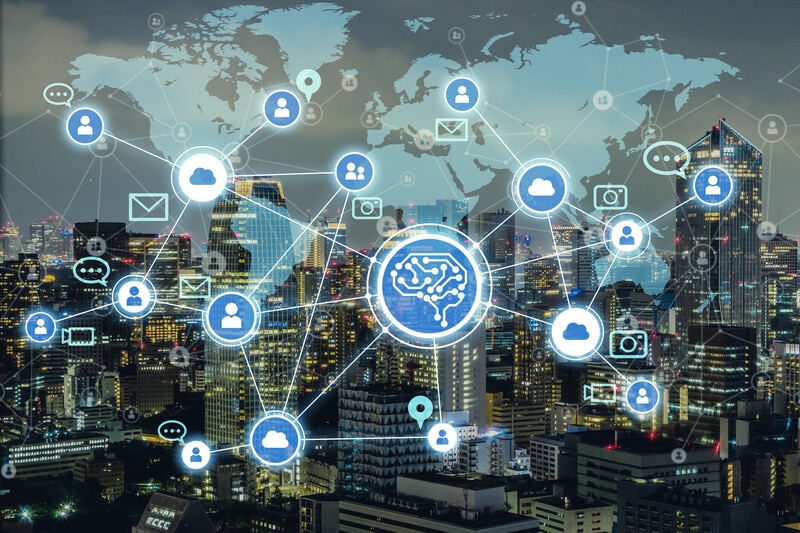
Neurosymbolic AI (NSAI) combines statistical and symbolic AI, enabling actionable decision-making grounded in real-world outcomes without the hallucinations common in generative AI. It integrates logic and causal structures, facilitating complex analyses that reveal insights across various sectors, such as finance, consumer products, and drug development. NSAI generates transparent, auditable outputs and adheres to ethical guidelines, making it suitable for understanding complex data relationships. Its capability to uncover deep causal links enhances growth opportunities and elevates efficiency, ultimately contributing to personalized experiences and accelerated medical treatments.
No hallucinations, auditable workings, real-world outcomes: the power of neurosymbolic AI
The book "Citizen Sensing for Risk Response" by Anna Berti Suman examines how 'sensing citizens' can impact risk governance by addressing informational gaps in official sources. It highlights grassroots environmental monitoring through personal observations or sensor technology, emphasizing citizen sensing as a proactive approach to crises. This method allows individuals to visualize and report environmental health risks, thereby enriching institutional governance. It reveals concerns about perceived legitimacy in current risk governance, suggesting citizen sensing promotes a more inclusive and transparent governmental response to local challenges.
Health
Citizen Sensing for Risk Response

Davos 2026 will focus on five defining questions: 

1. How can global cooperation be enhanced in a contested world?
2. What are new sources of economic growth?
3. How can investment in people be improved?
4. How can innovation be scaled and used responsibly?
5. How can prosperity be achieved within planetary limits?

Discussions will address humanitarian aid, regional alliances, emerging economic trends, skill development for the new economy, technology in healthcare, and strategies for climate finance.
Financial services, Health
5 defining questions for 2026