Publications

INSIGHT REPORT

Pioneering the Future: Space

Technologies Poised to Revolutionize

Exploration and Economy by 2035

September 2026

FACTSHEETS

Pioneering the Future: Space

Technologies Poised to Revolutionize Exploration and Economy by 2035

June 2026

WHITE PAPER

Future of Space Law:

Operationalizing Space Governance

March 2026

REPORT

Clear Orbit, Secure Future:

 A Call to Action on Space Debris

Jan 2026

WHITE PAPER

The Future of Space Law

Insights from the ATS, UNCLOS, and ITU Frameworks

December 2025

WHITE PAPER

The Future of Space Law: 

The Evolving Dynamics of Air and Space Regulation

 September  2025

The Future Of Space Law

News

Centre for Space Futures, Novaspace and SpaceTech Gulf  Sign Agreement to Develop Global Space Capability Mapping Dashboard

Riyadh, Saudi Arabia , 23 Jun 2026|  Press Release

Clear Orbit, Secure Future: A Call to Action on Space Debris

Riyadh, Saudi Arabia, 26 Jan 2026 | Press Release

Centre for Space Futures Holds Workshop with Participation of 40 Global Experts

Riyadh, Saudi Arabia, 05 Dec 2025 | Press Release

Centre for Space Futures Releases White Paper on 'The Future of Space Law'

Riyadh, Saudi Arabia, 12 Sep 2025 | Press Release

The Board of Directors of the Centre for Space Futures Endorses Its Strategic Direction

Riyadh, Saudi Arabia, 26 May 2025 | Press Release

Saudi Space Agency to Launch the Centre for Space Futures with the World Economic Forum

Riyadh, Saudi Arabia, 29 April | Press Release

5 ways we can tackle growing risks from rocket bodies in orbit

Dec 09, 2025 | Economic Growth, Stories

Read More

Forum Agenda

Forum Videos

VIDEO

Press Conference: Centre for Space Futures in Riyadh

The World Economic Forum's Special Meeting, April 29, 2024

VIDEO

The Purpose of Astronauts at Davos 2024

World Economic Forum , March 9, 2024

VIDEO

PortWatch: Monitoring Trade Disruptions from Space

World Economic Forum , Dec 18, 2023

VIDEO

India's Moon Mission Triumph: Ambassador Ruchira Kamboj's Insights

World Economic Forum , Aug 23, 2023

VIDEO

Space Exploration is Back at Davos 2023

World Economic Forum , Feb 16, 2023

Forum Publications

Strategic Intelligence Insights

In Japan, traditional employment models are increasingly misaligned with modern social and economic realities, leading to significant shifts in work practices. Key changes include a growing emphasis on reskilling, with 76% of managers supporting skills-based approaches to boost productivity. Workers prioritize personal growth, with 35.1% seeking it in new roles. The government has introduced financial support for individuals to take sabbaticals for training, alongside expanding four-day workweeks and hybrid models to enhance work-life balance. These reforms reflect a broader transformation in perceptions of work, emphasizing purpose, balance, and flexibility.
Japan, Qatar, Singapore, Sweden | Financial services, Education
Navigating work transformation in Japan
A €6.5 trillion water infrastructure gap by 2040 threatens billions with inadequate systems despite advances in circular solutions, technology, and finance. Developed with Acea and the University of Cambridge, this playbook quantifies the gap, highlights socio-economic benefits of addressing it, and presents 27 scalable best practices to enhance equitable access, resilience, circularity, and innovation. It emphasizes the need for coordinated leadership and renewed global commitment to water stewardship to modernize and secure water infrastructure worldwide.
Financial services
Bridging the €6.5 Trillion Water Infrastructure Gap: A Playbook

In 2025, global health faced significant challenges, including a downturn in financing and rising health risks from climate change. The World Health Organization reported a decline in global life expectancy, reversing a decade of gains, and emphasized the need for urgent action. Climate-related health impacts could lead to millions of deaths and substantial economic losses unless strategic investments are made. The rise of artificial intelligence in healthcare shows promise for improving outcomes, but trust and infrastructure are vital for its success. Women's health disparities persisted, prompting new initiatives to address these gaps.
Africa | Financial services, Health
The top global health stories from 2025
In 2025, global trade underwent significant transformations, marked by tariff shocks and a surge in protectionism following the 2024 US elections. Despite these challenges, the trading system reached a record value of $35 trillion, highlighting its resilience. Middle powers in the Global South thrived by enhancing their connectivity amidst traditional trade frictions. Key themes included navigating a fragmented trade landscape through strategies like supply chain diversification and advocating for regional agreements, as well as recognizing the intersection of climate and trade policies. The adoption of AI in trade activities emerged as a critical tool for efficiency while addressing the risks of digitalization.
Angola, Argentina, Armenia, Australia, Austria, Bangladesh, Barbados, Belgium, Benin, Bolivia, Brazil, Bulgaria, Burkina Faso, Burundi, Cambodia, Cameroon, Canada, Chad, Chile, Colombia, Democratic Republic of the Congo, Denmark, Ecuador, Egypt, Estonia, Eswatini, Ethiopia, Finland, France, Gabon, Georgia, Germany, Ghana, Guinea, Haiti, Honduras, Hungary, India, Indonesia, Ireland, Jamaica, Japan, Jordan, Kenya, Lesotho, Liberia, Madagascar, Malawi, Malaysia, Mali, Malta, Mauritania, Mauritius, Moldova, Morocco, Mozambique, Myanmar, Namibia, Nepal, Netherlands, New Zealand, Niger, Nigeria, Pakistan, Paraguay, Peru, Philippines, Republic of Korea, Russian Federation, Rwanda, Saudi Arabia, Senegal, Singapore, South Africa, Sri Lanka, Sweden, Switzerland, Taiwan, China, Tajikistan, Tanzania, Thailand, Trinidad and Tobago, Tunisia, Türkiye, Uganda, Ukraine, United Arab Emirates, United Kingdom, Viet Nam, Zambia, Zimbabwe | Financial services, Health, Education
Tariff shock, protectionism and the rise of the Global South: The top international trade stories of 2025
The final outcome document of the WSIS 20-year Review, adopted on December 17, emphasizes reaffirming core principles, clarifying institutional roles, and establishing implementation expectations amid a changing digital policy environment. However, it does not address all issues raised during the review. The Global Partnership for Digital Development (GPD) highlighted that legitimacy in digital governance relies on ongoing participation, human rights, and accountability, rather than just consensus.
Health, Education, ICT
WSIS+20: What the Final Outcome Delivers – and What It Leaves Unresolved
In 2025, the energy landscape saw unprecedented growth in renewable energy, particularly solar and wind, as renewables surpassed coal for the first time in electricity generation. Investment in clean energy rose over $2 trillion, yet remains below the required $5.6 trillion annually to meet climate goals. Notably, China’s clean power generation helped reduce its CO2 emissions despite rising demand, showcasing progress due to significant investments in renewables. The World Economic Forum reported a 1.1% year-on-year increase in global energy system performance, underlining the need for targeted investment and infrastructure improvements to sustain energy transition momentum.
Egypt, India, Taiwan, China, United Arab Emirates, United Kingdom
The top energy stories of 2025
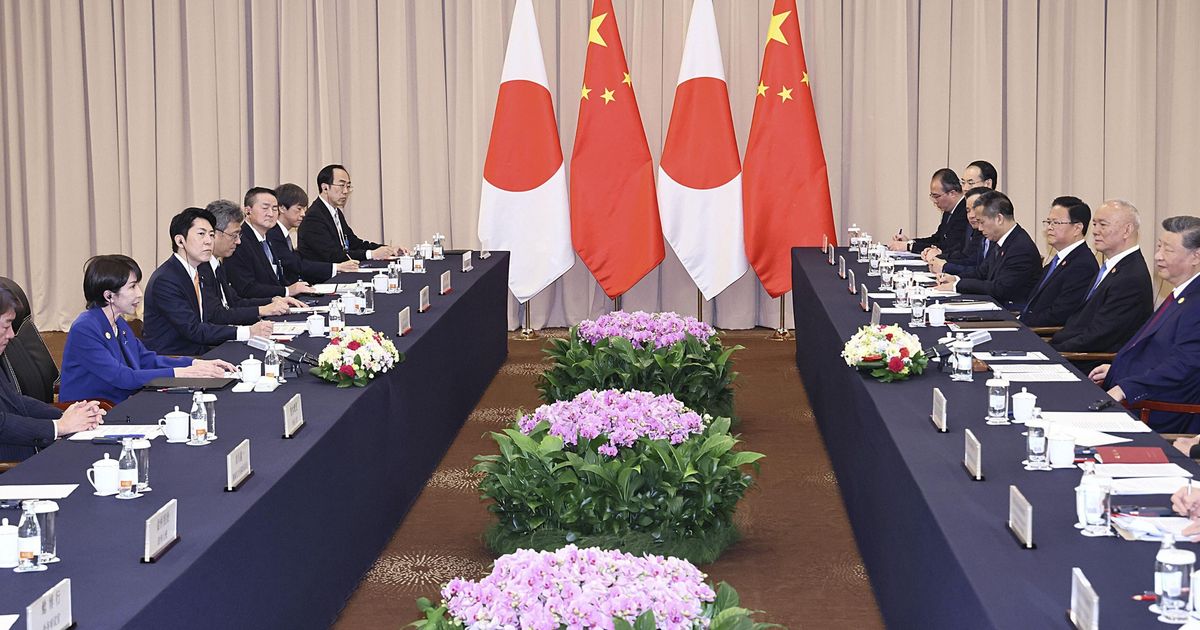
The relationship between Japan and China, crucial for Indo-Pacific stability, has seen a modest thaw during Japanese Prime Minister Ishiba Shigeru's tenure from October 2024 to October 2025. Despite some diplomatic exchanges and Beijing lifting import restrictions on Japanese products, tensions escalated again following new Prime Minister Takaichi Sanae's comments on Taiwan. Limited high-level political engagement has characterized the relationship, with significant visits occurring infrequently, and underlying economic ties remain strong despite geopolitical rivalry. The relationship continues to be fragile due to deep mutual distrust and unresolved historical issues.
Israel, Japan, Kenya, Singapore, Taiwan, China, Tajikistan, Tanzania
The End of the Diplomatic Thaw between Japan and China
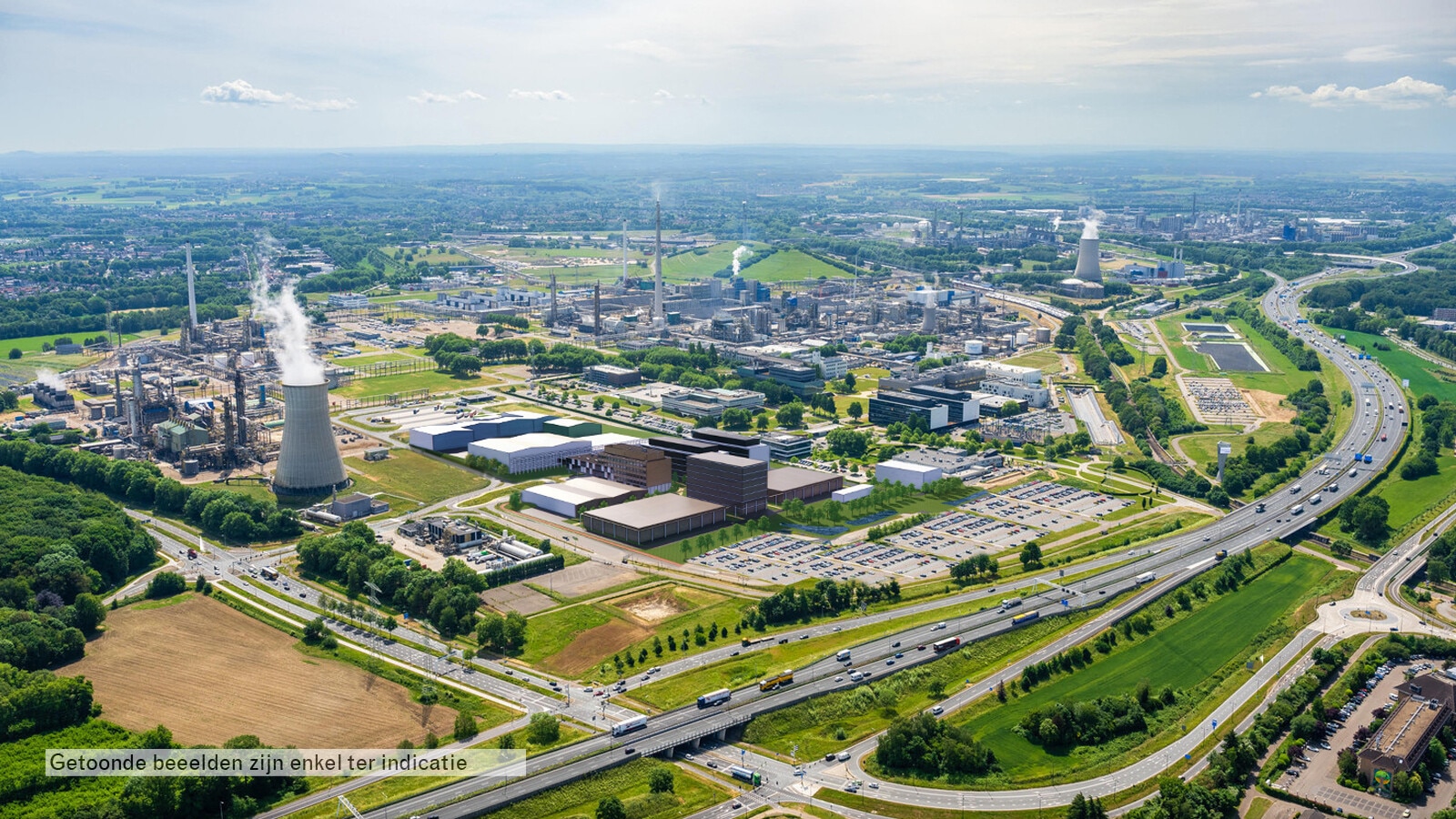
Industrial clusters facilitate the transition to circular business models through effective regulations, shared infrastructure, and digital tools, offering economic, social, and environmental benefits. These clusters, found in countries like China, Spain, and the Netherlands, enhance resource exchange and efficiency, crucial for implementing circular strategies that can reduce emissions significantly. Successful clusters require regulatory support, collaboration, and innovation ecosystems, as demonstrated by projects like the chemical recycling plant in Rotterdam. Initiatives like the Brightlands Circular Space also aid in overcoming infrastructure challenges, proving that proximity and shared resources can drive sustainability and economic growth.
Belgium, Netherlands
How industrial clusters are helping the circular economy go mainstream
Blockchain technology can create a new economic operating system for the internet, enabling ownership rights and value exchange to be designed as native digital principles. This development addresses the historical gap in the internet's architecture, allowing money, assets, and contracts to function as programmable internet-native software. Blockchain networks promise a neutral and tamper-resistant infrastructure governed by diverse stakeholders, facilitating global economic participation without reliance on central authorities. The resulting increase in economic velocity could radically transform various sectors, allowing seamless transactions and access to global markets, thereby reshaping economic organization.
Financial services, Education
How blockchain can build a new economic OS for the internet

More than 50 scientists warn that climate change impacts from Earth's frozen regions are escalating, with Greenland and Antarctica losing approximately 370 billion tonnes of ice and global mountain glaciers shedding 270 billion tonnes in one year. This melting is accelerating sea-level rise, currently at 4.5mm per year, and threatens coastal communities. The Paris climate agreement aims to limit global warming to 1.5°C, yet recent negotiations have seen dilution of scientific findings, particularly concerning the cryosphere. Without urgent action against emissions from fossil fuels, the world is projected to exceed 2.6°C of warming by 2100, risking significant loss of glaciers and rising sea levels.
Antarctica
Earth’s frozen regions are sending a clear warning about climate change – but politicians are ignoring it
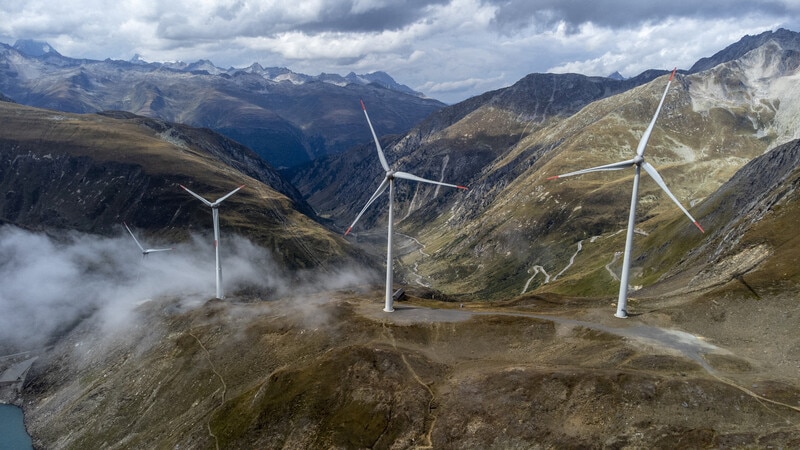
A $2.2 trillion annual investment gap exists in financing the global energy transition, crucial for reducing reliance on fossil fuels and enhancing renewable energy systems. Clean energy investments have doubled since 2020, supporting over 16 million jobs. Innovative financing mechanisms, such as tax incentives for clean technology and power purchase agreements, are essential for mobilizing necessary funds. The modernization of existing infrastructure is critical, needing an estimated $14.3 trillion by 2050. Additionally, addressing perceived risks in emerging markets will facilitate investments in renewable projects, aided by multilateral development banks offering financial guarantees.
Poland | Financial services, Health
How will we pay for the energy transition? Here's a quick guide
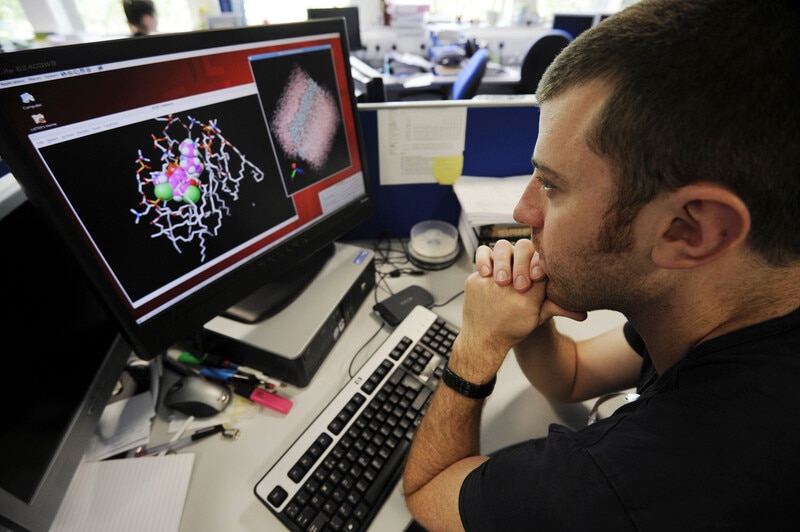
Large quantitative models utilizing artificial intelligence are revolutionizing drug discovery by significantly reducing time, costs, and risks associated with developing new therapies in the biopharma industry. Collaborations, such as that between UCSF and SandboxAQ, have accelerated neurodegenerative disease research from years to months. These models are expected to save billions in R&D, lessen the reliance on animal testing, and enable faster access to treatments for challenging diseases. AI advances promise to enhance discovery processes, catering to a broader range of disorders and making drug development more sustainable.
Health
Large quantitative models: How AI is accelerating drug discovery

The intersection of geoeconomics and technology, particularly AI, is reshaping strategies for growth and resilience in various industries. The World Economic Forum's Dialogue Series explores future scenarios reflecting these dynamics. Executives from Siemens and ING highlight the necessity of leveraging digitalization and AI to enhance productivity and customer engagement while emphasizing the importance of robust regional strategies amid geopolitical shifts. Key trends include prioritizing data-driven insights, advancing decarbonization efforts, and transforming governance frameworks to ensure ethical AI use. Organizations will need to adapt to increased complexity and volatility to thrive in the evolving economy.
Bolivia, Egypt, Ethiopia, Georgia, Germany, Indonesia, Japan, Jordan, Kenya, Kyrgyz Republic, Mozambique, Nigeria, Paraguay, Philippines, Russian Federation, Rwanda, Senegal, Singapore, Switzerland, Tanzania, Uganda, Ukraine, United Arab Emirates, United Kingdom | Financial services, Health, Education
Navigating the new economy: 6 decision-makers reveal their strategies for growth and resilience
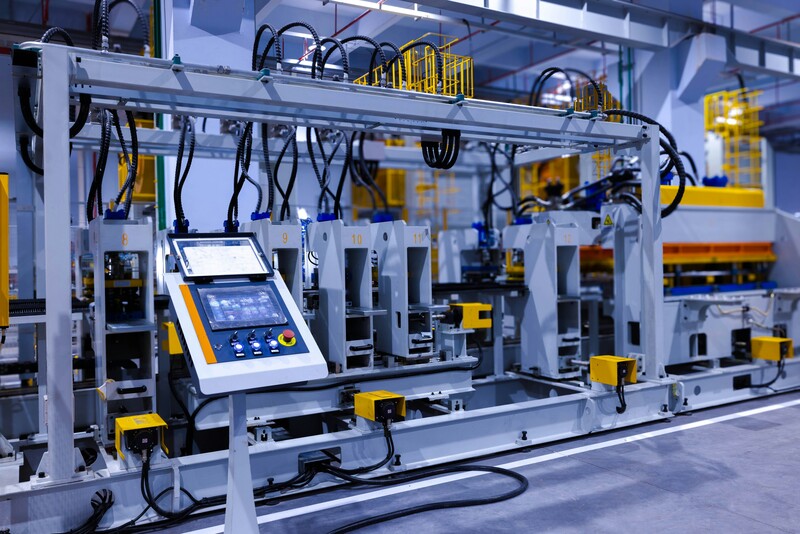
AI is transforming manufacturing by enhancing productivity and posing unique challenges. While advanced manufacturers have long utilized AI for optimizing production and process automation, the technology's potential to combine human skills with machine efficiency remains under exploration. Current projects include using AI to analyze welding practices and improve product inspections. However, trust in AI outcomes is a concern, particularly with third-party data reliability. Companies must balance sharing knowledge with protecting proprietary information, posing challenges for building secure AI-driven supply chains.
Education
Protecting jobs and boosting productivity when deploying AI in manufacturing
South Korea is investing KRW 5.5 trillion (US$4.0 billion) in a nationwide "Sunlight Income Village" program to implement community-led solar power projects aimed at increasing rural income, reducing emissions, and enhancing energy self-sufficiency. The government plans to establish over 500 solar projects annually by 2026, targeting 38,000 rural villages by 2030. The initiative includes streamlined permitting, significant financial incentives, and legal amendments for easier power grid access. Successful models, such as a solar cooperative in Guyang-ri, illustrate community benefits, including enhanced local services and stable income through renewable energy.
South Korea bets on community solar to drive rural energy transition, cut emissions

2025 witnessed significant collective action to prioritize the care agenda in global development discussions, driven by increasing demands from conflicts, climate disasters, migration, and aging populations. While progress was noted with policy advancements in the Global South and international recognition of care’s importance, investment in care systems remains inadequate. Key events such as the 4th International Financing for Development Conference and the G20 highlighted the urgency of adequate financing for care work. Advocates underscored care's foundational role in sustainable development, emphasizing the necessity for sustained public investment amidst rising economic challenges.
Africa | Financial services, Health
Centering Care through Collective Action: A Look Back at 2025
Agentic AI is poised to transform productivity and innovation, but three primary obstacles hinder its effective adoption: infrastructure constraints, a trust deficit, and data challenges. Infrastructure must evolve to support the massive computational and networking demands of agentic AI, necessitating new data centers and networks. Trust is essential; without it, adoption stalls risk due to AI's unpredictable nature. Finally, data, particularly machine-generated and synthetic data, serves as critical fuel for AI; organizations need to unlock its potential while adhering to privacy regulations. Addressing these issues requires proactive leadership and strategic investment to realize agentic AI's full capabilities.
Education
3 obstacles to agentic AI adoption and how to overcome them

Leaders are increasingly collaborating to compete in a turbulent economy marked by uncertainty and rapid change. This shift from isolated competition to collaborative ecosystems is necessary for growth, adaptability, and innovation. Organizations are finding that partnerships, even with competitors, enhance capabilities and speed up response to market demands. Research indicates that 64% of organizations are investing in such ecosystems, which drive revenue growth. Effective collaboration requires trust, transparency, and a clear framework for communication and conflict resolution. The focus should be on leveraging partnerships that fill critical capability gaps for sustainable success.
Costa Rica, Estonia, Ethiopia, Finland, Germany, Indonesia, Japan, Jordan, Kenya, Paraguay, Peru, Philippines, Portugal, Republic of Korea, Russian Federation, Rwanda, Senegal, Spain, Sweden, Tanzania, United Arab Emirates, United Kingdom | Financial services, Health, Education
To go fast and far, go together: Why leaders are collaborating to compete

The World Economic Forum's Annual Meeting 2026, themed ‘A Spirit of Dialogue’, will convene leaders from various sectors in Davos, Switzerland, from January 19-23. Key topics include green growth, resilience economics, and minilateralism, highlighting global challenges that necessitate collaboration. Emerging terms anticipated at the forum include "AI slop," referring to low-quality AI-generated content, "electron gap," which describes the disparity in electricity production between the US and China crucial for AI development, and "inclusive AI," emphasizing equitable participation in AI’s growth. The event will also address transformative technologies like quantum computing and suptech for a more resilient financial system.
Bolivia, Egypt, Ethiopia, Finland, Georgia, Germany, Ghana, Indonesia, Japan, Jordan, Kenya, Malaysia, Nigeria, Qatar, Republic of Korea, Russian Federation, Rwanda, Senegal, Singapore, Sweden, Switzerland, Taiwan, China, Tanzania, Ukraine, United Arab Emirates, United Kingdom | Financial services, Health, Education
Some of the trending terms you might hear at Davos 2026

Delivering growth while ensuring resilience amid geopolitical turbulence is a major challenge for CEOs. With the rise of sophisticated, AI-driven cyber threats, such as deepfakes and ransomware, companies face increased risks that must be addressed through comprehensive strategies for risk identification and mitigation. The solution lies in platformization and radical collaboration, moving away from fragmented cybersecurity tools. Effective management of both growth and resilience is essential, requiring organizations to adopt a military-like strategy of broad visibility and data collection to preempt risks and capitalize on opportunities.
Belgium, Bulgaria, Estonia, Ethiopia, Georgia, Germany, Ghana, Indonesia, Japan, Jordan, Kenya, Luxembourg, Paraguay, Philippines, Poland, Russian Federation, Rwanda, Senegal, Sweden, Switzerland, Tanzania, Uganda, Ukraine, United Arab Emirates, United Kingdom | Financial services, Health, Education
CEO paradox: How to drive growth, ensure resilience during geopolitical turbulence