Publications

INSIGHT REPORT

Pioneering the Future: Space

Technologies Poised to Revolutionize

Exploration and Economy by 2035

September 2026

FACTSHEETS

Pioneering the Future: Space

Technologies Poised to Revolutionize Exploration and Economy by 2035

June 2026

WHITE PAPER

Future of Space Law:

Operationalizing Space Governance

March 2026

REPORT

Clear Orbit, Secure Future:

 A Call to Action on Space Debris

Jan 2026

WHITE PAPER

The Future of Space Law

Insights from the ATS, UNCLOS, and ITU Frameworks

December 2025

WHITE PAPER

The Future of Space Law: 

The Evolving Dynamics of Air and Space Regulation

 September  2025

The Future Of Space Law

News

Centre for Space Futures, Novaspace and SpaceTech Gulf  Sign Agreement to Develop Global Space Capability Mapping Dashboard

Riyadh, Saudi Arabia , 23 Jun 2026|  Press Release

Clear Orbit, Secure Future: A Call to Action on Space Debris

Riyadh, Saudi Arabia, 26 Jan 2026 | Press Release

Centre for Space Futures Holds Workshop with Participation of 40 Global Experts

Riyadh, Saudi Arabia, 05 Dec 2025 | Press Release

Centre for Space Futures Releases White Paper on 'The Future of Space Law'

Riyadh, Saudi Arabia, 12 Sep 2025 | Press Release

The Board of Directors of the Centre for Space Futures Endorses Its Strategic Direction

Riyadh, Saudi Arabia, 26 May 2025 | Press Release

Saudi Space Agency to Launch the Centre for Space Futures with the World Economic Forum

Riyadh, Saudi Arabia, 29 April | Press Release

5 ways we can tackle growing risks from rocket bodies in orbit

Dec 09, 2025 | Economic Growth, Stories

Read More

Forum Agenda

Forum Videos

VIDEO

Press Conference: Centre for Space Futures in Riyadh

The World Economic Forum's Special Meeting, April 29, 2024

VIDEO

The Purpose of Astronauts at Davos 2024

World Economic Forum , March 9, 2024

VIDEO

PortWatch: Monitoring Trade Disruptions from Space

World Economic Forum , Dec 18, 2023

VIDEO

India's Moon Mission Triumph: Ambassador Ruchira Kamboj's Insights

World Economic Forum , Aug 23, 2023

VIDEO

Space Exploration is Back at Davos 2023

World Economic Forum , Feb 16, 2023

Forum Publications

Strategic Intelligence Insights

The paper discusses the European Union's strategic position regarding semiconductor production and its implications for economic security. It explores the balance between achieving technological autonomy and recognizing the importance of global interdependencies. Key authors emphasize the need for the EU to navigate its role in semiconductor supply chains effectively, advocating for policies that enhance both self-sufficiency and collaboration within the global market.
Autonomy or Indispensability? Identifying the EU’s Semiconductor Lodestar
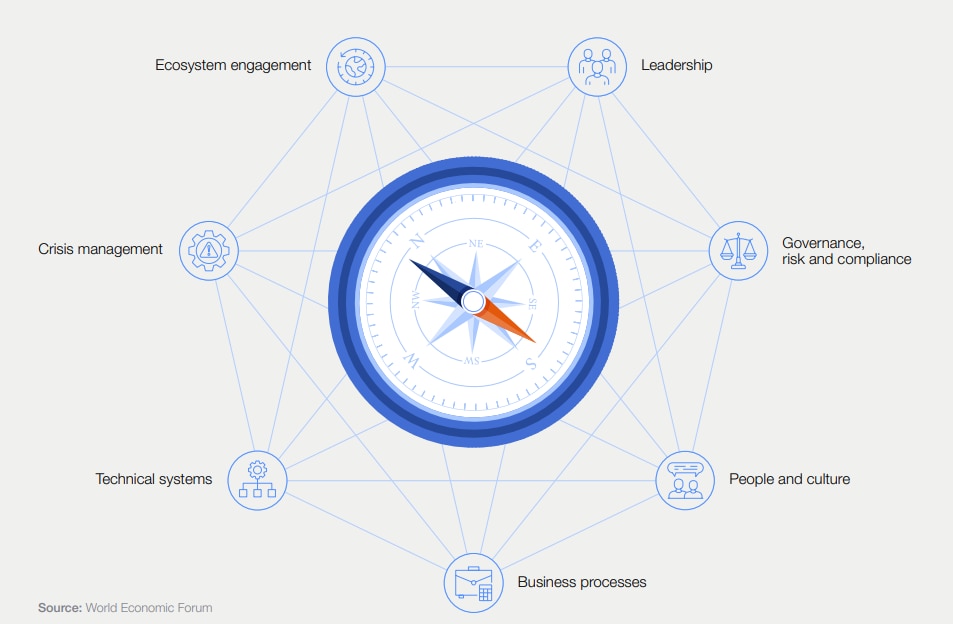
Cybersecurity in 2025 has been marked by significant challenges and advancements. Artificial intelligence has emerged as a double-edged sword, leading to a 1,200% rise in phishing attacks, while also providing improved tools for threat detection. The focus has shifted from mere defense to "cyber resilience," emphasizing organizational culture over technical solutions. Key topics included the vulnerabilities of satellite infrastructure as the space economy expands, and the growing skills gap in cybersecurity personnel, with only 14% of organizations possessing adequate talent. The conversation now emphasizes diversifying skills and creating a proactive resilience culture within organizations.
Africa | Financial services, Health, Education, ICT
5 must-read cybersecurity stories of 2025
Uncertainty is a fundamental aspect of the modern business environment, necessitating resilience as a key to success. Organizations that integrate resilience into their operations are better equipped to innovate and create value amid challenges such as financial crises, climate change, pandemics, and geopolitical tensions. Leaders must shift from defensive to strategic resilience, employing proactive scenario analyses, stakeholder engagement, and data capabilities to navigate uncertainties. Additionally, the strategic integration of artificial intelligence can enhance competitiveness and operational efficiency. Ultimately, resilience should be intentionally woven into organizational structure and culture to thrive in an unpredictable future.
Barbados, Benin, Burkina Faso, Chad, Denmark, Egypt, Eswatini, Ethiopia, Finland, Georgia, Germany, Ghana, Guinea, Haiti, India, Indonesia, Japan, Jordan, Kenya, Malawi, Mali, Peru, Philippines, Qatar, Russian Federation, Rwanda, Senegal, Singapore, Sweden, Switzerland, Taiwan, China, Tanzania, Thailand, Tunisia, Uganda, Ukraine, United Arab Emirates, United Kingdom, Viet Nam, Zimbabwe | Financial services, Education, ICT
How business leaders can adapt and thrive when uncertainty is a certainty
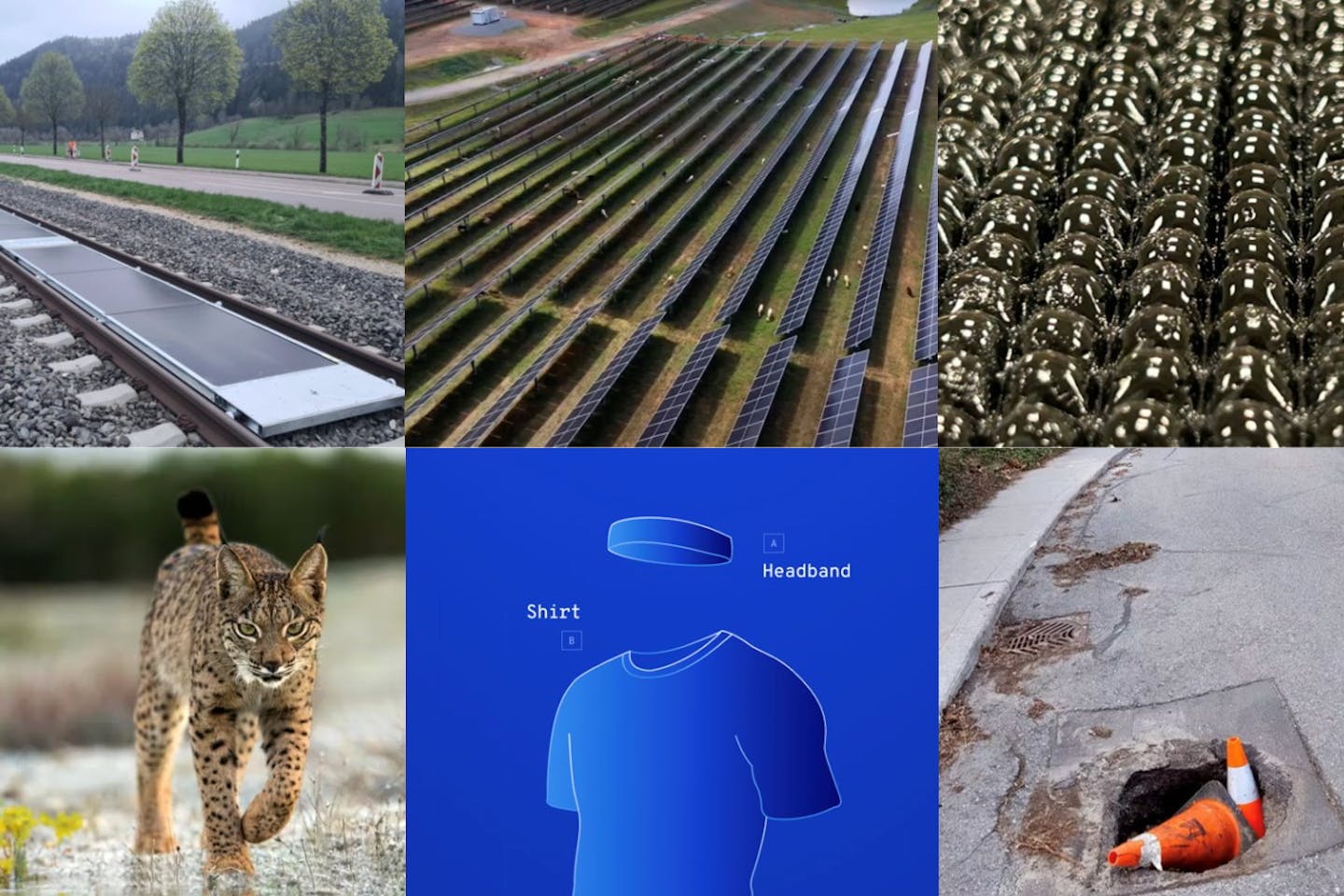
In 2025, global energy investment reached a record US$3.3 trillion, with US$2.2 trillion directed toward clean technologies. Investment in climate tech, although fluctuating, showed a recovery towards the end of the year. Key innovations included Snowcap Compute’s superconducting chips, which reduce energy use in data centers; Clic Recycle’s repurposing of human hair into eco-friendly products; Literal Labs' energy-efficient AI; and Eztia Materials' heat-absorbing gel for clothing. Additionally, Yokohama implemented "SDGs lockers" to combat food waste in train stations, demonstrating diverse advancements in sustainability and technology.
Nigeria | Financial services, Education
14 sustainable innovations that gave us hope in 2025
The EU aims to assert digital sovereignty while fostering global collaboration, defined as exercising strategic independence in data governance, infrastructure control, and innovation. This initiative seeks to mitigate economic, security, and technological vulnerabilities without resorting to isolationism. A multi-layered framework is proposed, encompassing Digital Governance, secure Digital Infrastructures, competitive Digital Products and Markets, and citizen empowerment through digital literacy. The brief highlights both initiatives, like the Digital Services Act, and risks, including dependencies on non-EU providers and fragmented strategies.
Denmark, Estonia, Georgia, Indonesia, Ireland, Jordan, Luxembourg, Russian Federation, Senegal, Sweden, United Kingdom | Financial services, Health, ICT, Education
Open but Not Powerless: Towards a Common Understanding of EU Digital Sovereignty
Suppliers in heavy-emitting sectors face significant barriers to scaling low-carbon solutions, primarily influenced by policy, finance, and market challenges. The First Movers Coalition (FMC) emphasizes the importance of coordinated action between demand and supply to enable decarbonization. A report, "Turning Challenge into Opportunity," highlights insights from over 30 interviews with executives, showcasing shared challenges like inconsistent policy and financing hurdles that inhibit investment in low-carbon projects. Collaborative platforms like the FMC’s First Suppliers Hub are essential for connecting supply with demand, ultimately driving the transition toward sustainable industrial practices.
Ethiopia, Germany, India, Indonesia, Senegal, United Arab Emirates, United Kingdom
How suppliers in heavy-emitting sectors are turning barriers into breakthroughs

GlobeScan's 2025 Healthy & Sustainable Living consumer research reveals a notable decline in sustainability messaging from brands, leading to decreased trust, especially among younger consumers. Despite this, 58% of Asia-Pacific consumers report purchasing environmentally friendly products, an increase from 53% in 2024. Key motivators for sustainable purchasing now include personal health and affordability, rather than solely environmental concerns. For instance, 42% of Singaporean consumers are influenced by cost-effectiveness. The findings suggest a need for brands to reframe sustainability as accessible and beneficial, creating new opportunities for engagement.
Health
Healthy and sustainable living in Asia-Pacific: consumer study

Skills development is crucial to addressing the global digital talent gap, which is growing as demand for skills like AI and data literacy significantly outpaces supply. The World Economic Forum and Cognizant highlight that business leaders increasingly struggle to find qualified talent. The shortfall could lead to substantial economic losses and limited job growth, particularly in regions such as the UK and sub-Saharan Africa. Bridging this gap requires collaborative efforts among businesses, governments, and educational institutions to provide accessible learning opportunities and practical experience in digital skills. Programs like Cognizant Synapse aim to train millions and foster inclusive pathways to the digital economy.
Africa | Financial services, ICT, Education
Skills development is critical to bridging the global digital talent gap

In 2025, water innovation became integral to climate and sustainability discussions, driven by rising water stress and the need for corporate water stewardship across various sectors. Investor confidence in water-focused ventures grew, although traditional infrastructure financing remained inadequate, with an estimated $6.7 trillion needed by 2030. Regulatory scrutiny increased, particularly towards PFAS contamination, prompting innovation and funding in detection technologies. Public sector initiatives and university collaborations also highlighted the importance of integrated water resilience solutions, positioning water management as a critical component of business strategy and regulatory frameworks.
Africa | Financial services, Health, Education
3 trends defining water innovation in 2025 and what they mean for the global water agenda in 2026
Geoeconomic and technological trends are reshaping business strategies, as identified by chief strategy officers. The World Economic Forum's report outlines four potential scenarios for the global economy by 2030: 

1. **Digitalized Order** - Growth driven by geopolitical stability and technological adoption, but increased inequality risks.
2. **Cautious Stability** - Predictable environment with stagnant growth and limited tech benefits.
3. **Tech-based Survival** - High-risk world with rapid tech adoption amid geopolitical tensions, leading to operational complexities.
4. **Geotech Spheres** - Geopolitical volatility with diminished tech adoption, resulting in isolationism and local job creation challenges.

Strategic foresight is essential for navigating this evolving business landscape.
Egypt, Ethiopia, Georgia, Germany, Indonesia, Japan, Jordan, Kenya, Republic of Korea, Russian Federation, Singapore, Tanzania, Ukraine, United Arab Emirates, United Kingdom, Viet Nam | Financial services, Health, Education
The new economy will not be 'back to normal'. Here is why
Singapore leads Southeast Asia's green startup ecosystem, hosting approximately 45% of the region's 1,089 mapped green economy companies. Despite facing infrastructure and financing challenges, Singapore excels in urban systems and sustainable finance, aided by early carbon pricing and supportive regulations. The report highlights significant innovation priorities, including industrial decarbonization and low-carbon fuels. While regional emissions rise, the integration of efforts across sectors like renewables, transport, and industry is crucial for progress. Other countries demonstrate unique capabilities, with startups playing a vital role in advancing the green transition amidst calls for improved coordination and deployment.
Bangladesh, Cambodia, Indonesia, Malaysia, Philippines, Republic of Korea, Senegal, Singapore, Taiwan, China, Thailand, Viet Nam
Singapore dominates Southeast Asia’s green startup landscape, report finds

Four Futures for the New Economy: Geoeconomics and Technology in 2030 analyzes the impact of geopolitical shifts and technological advancements on the global economy. The white paper outlines four potential scenarios for 2030 based on varying degrees of geopolitical stability and technology adoption, focusing on factors like AI commercialization, supply chain changes, regulatory fragmentation, and increasing volatility. It also gathers insights from experts to identify cross-cutting risks and "no-regret" strategies, providing decision-makers with tools to enhance resilience and adapt to a dynamic global environment.
Angola, Australia, Belgium, Bolivia, Chile, Costa Rica, Egypt, Estonia, Ethiopia, Finland, Georgia, Germany, Ghana, Guinea, Haiti, Hungary, Iceland, India, Indonesia, Ireland, Jamaica, Japan, Jordan, Kenya, Kyrgyz Republic, Mongolia, Morocco, Mozambique, Namibia, New Zealand, Pakistan, Peru, Philippines, Portugal, Qatar, Republic of Korea, Russian Federation, Rwanda, Saudi Arabia, Senegal, Singapore, South Africa, Sweden, Switzerland, Taiwan, China, Tanzania, Thailand, Tunisia, Uganda, Ukraine, United Arab Emirates, United Kingdom, Viet Nam, Zimbabwe | Financial services, Health, Education
Four Futures for the New Economy: Geoeconomics and Technology in 2030

A report by the Poseidon Principles indicates that 36 international banks, representing 80% of global shipping finance, are aligning their lending practices with the International Maritime Organization's (IMO) decarbonization goals. The banks' climate alignment misalignment score improved from 19% to 11.7% over the past year, tracking toward targets of 20% emission reduction by 2030 and net zero by 2050. Notably, Japan's MUFG and Singapore's OCBC reported significant engagement in financing low-carbon technologies, underscoring the banking sector's role in promoting sustainable maritime operations amid increased maritime trade and emissions from the shipping industry.
Global shipping’s top lenders are getting increasingly aligned to IMO’s net zero target: study

The European security order is currently dysfunctional, heavily influenced by a crisis in multilateralism. The OSCE, intended as a platform for cooperative security, reveals the fragility of traditional multilateral institutions amid rising geopolitical tensions, particularly due to Russia's aggression in Ukraine and U.S. disengagement from international commitments. The consensus on multilateral principles is eroding, leading to competing alliances rather than cohesive cooperation. Despite this, technical-military agreements within the OSCE continue to function effectively, highlighting both opportunities and risks that the 57 participating States must navigate amidst growing discord and calls for reform.
Bosnia and Herzegovina, Cyprus, Hungary, Poland, Russian Federation, Sweden, Ukraine | Financial services
The OSCE as a Yardstick for Multilateral Security
Foundation models, which are AI systems trained on large datasets, hold significant potential for transforming scientific discovery and innovation. A study by the National Academies, requested by the U.S. Department of Energy (DOE), examines the capabilities and challenges of these models. The report discusses how foundation models can enhance traditional computational methods, showcases successful applications, and suggests strategic investments to align with DOE's mission.
Education
Foundation Models for Scientific Discovery and Innovation: Opportunities Across the Department of Energy and the Scientific Enterprise
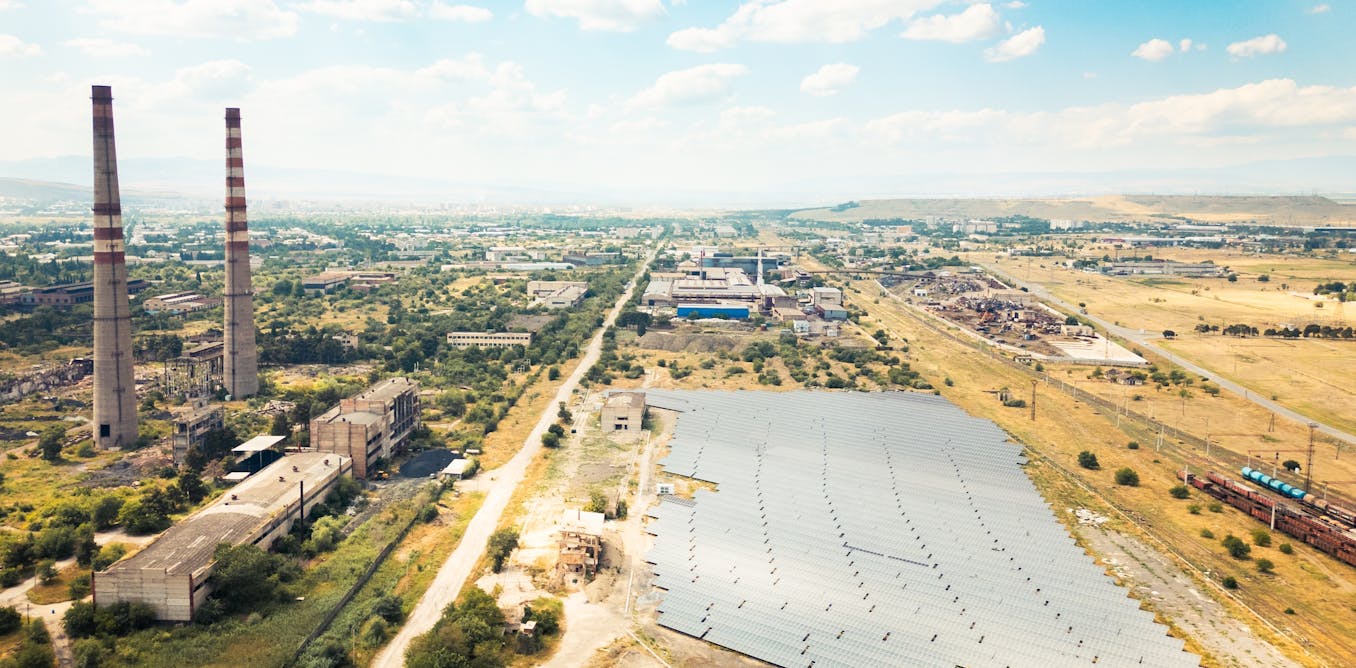
Millions of UK households face energy poverty, with around 6 million unable to afford adequate heating. Simultaneously, the country aims for net zero by 2050, necessitating 70GW of solar power by 2035. Repurposing over 37,000 brownfield sites—abandoned lands often in deprived areas—for community-based renewable energy projects like solar farms and wind turbines could alleviate energy poverty and enhance renewable energy uptake. Community-owned renewables offer affordable rates, reduce reliance on fossil fuels, and empower local residents through inclusive energy decision-making. However, challenges like contamination and financing issues need targeted policy support for successful implementation.
How abandoned land can power a fair energy transition

City accessibility significantly impacts tourism experiences during the Christmas season. Effective public transport, including bus stops and bike lanes, influences tourist satisfaction and spending. Poor connectivity not only frustrates travelers but also marginalizes communities, resulting in lost economic opportunities and increased transport poverty. GIS mapping helps identify areas needing improved transport infrastructure, promoting sustainable travel options. Encouraging bus and bike usage can create seamless journeys between accommodations and attractions, fostering inclusive and environmentally-friendly tourism. Prioritizing the needs of diverse mobility users is critical for future transport planning.
How bus stops and bike lanes can make or break your festive city trip
Inclusive regulatory sandboxing is crucial for ensuring that digital innovations yield equitable and impactful outcomes. The JRC policy brief highlights risks such as biases and exclusion due to improper sandbox design and provides a practical guide to promote inclusion. Key recommendations are categorized into six themes: scoping, regulations and safeguards, stakeholder engagement, data and technology, governance, and reach and impact. The brief emphasizes that while inclusive approaches may require more resources, they ultimately enhance the value by promoting equitable innovation that benefits all stakeholders.
Financial services, Health, Education
Innovating Together – A Guide to Inclusive Regulatory Sandboxing
International collaboration is essential to enhance the resilience and sustainability of material systems critical for the global economy. Experts highlight the challenge of ensuring equitable material access amid rising demand, supply constraints, and increased geo-economic fragmentation, exemplified by a significant rise in trade restrictions on critical minerals. Effective solutions include regional cooperation to align standards and policies, improve data transparency, and establish digital product passports for traceability. Additionally, coherent global governance and standardized measurement frameworks are crucial for managing material flow and fostering sustainable practices across industries.
Belgium, Benin, Bolivia, Denmark, Finland, Germany, Indonesia, Ireland, Japan, Lesotho, Luxembourg, Malawi, Malaysia, Mauritania, Morocco, Poland, Republic of Korea, Russian Federation, Singapore, Sweden, Taiwan, China, Uganda, United Kingdom, Zambia, Zimbabwe | Financial services, Education, Health
Materials: Is this the new frontier for international collaboration?
Organisational silos contribute significantly to failures across various sectors, such as aerospace and finance, by trapping information, responsibility, and authority within separate units. This fragmentation creates blind spots where local issues can escalate into major crises, as seen in the NASA Challenger and Columbia disasters. Additionally, competitive internal dynamics exacerbate siloed behavior, eroding trust and collective resilience. When early warning signs remain isolated, they can trigger a cascade of failures, revealing the critical need for organizations to enhance visibility, trust, and collaboration to mitigate these risks effectively.
Financial services
Silo cascade risk: how hidden barriers trigger organisational failure