
Publications

INSIGHT REPORT

Pioneering the Future: Space

Technologies Poised to Revolutionize

Exploration and Economy by 2035

September 2026

FACTSHEETS

Pioneering the Future: Space

Technologies Poised to Revolutionize Exploration and Economy by 2035

June 2026

WHITE PAPER

Future of Space Law:

Operationalizing Space Governance

March 2026

REPORT

Clear Orbit, Secure Future:

 A Call to Action on Space Debris

Jan 2026

WHITE PAPER

The Future of Space Law

Insights from the ATS, UNCLOS, and ITU Frameworks

December 2025

WHITE PAPER

The Future of Space Law: 

The Evolving Dynamics of Air and Space Regulation

 September  2025

The Future Of Space Law

News

Centre for Space Futures, Novaspace and SpaceTech Gulf  Sign Agreement to Develop Global Space Capability Mapping Dashboard

Riyadh, Saudi Arabia , 23 Jun 2026|  Press Release

Clear Orbit, Secure Future: A Call to Action on Space Debris

Riyadh, Saudi Arabia, 26 Jan 2026 | Press Release

Centre for Space Futures Holds Workshop with Participation of 40 Global Experts

Riyadh, Saudi Arabia, 05 Dec 2025 | Press Release

Centre for Space Futures Releases White Paper on 'The Future of Space Law'

Riyadh, Saudi Arabia, 12 Sep 2025 | Press Release

The Board of Directors of the Centre for Space Futures Endorses Its Strategic Direction

Riyadh, Saudi Arabia, 26 May 2025 | Press Release

Saudi Space Agency to Launch the Centre for Space Futures with the World Economic Forum

Riyadh, Saudi Arabia, 29 April | Press Release

5 ways we can tackle growing risks from rocket bodies in orbit

Dec 09, 2025 | Economic Growth, Stories

Read More

Forum Agenda

Forum Videos

VIDEO

Press Conference: Centre for Space Futures in Riyadh

The World Economic Forum's Special Meeting, April 29, 2024

VIDEO

The Purpose of Astronauts at Davos 2024

World Economic Forum , March 9, 2024

VIDEO

PortWatch: Monitoring Trade Disruptions from Space

World Economic Forum , Dec 18, 2023

VIDEO

India's Moon Mission Triumph: Ambassador Ruchira Kamboj's Insights

World Economic Forum , Aug 23, 2023

VIDEO

Space Exploration is Back at Davos 2023

World Economic Forum , Feb 16, 2023

Forum Publications

Strategic Intelligence Insights

Innovative insurance products are essential for boards aiming to enhance business resilience amid increasing climate risks. Traditional insurance methods are inadequate; hence, new models like parametric policies and resilience bonds empower businesses to proactively manage climate-related challenges. Advances in geospatial analytics and AI facilitate accurate risk assessments, leading to the emergence of sophisticated insurance mechanisms. Notable examples include the Global Index Insurance Facility, which helps stabilize incomes for small farmers, and parametric insurance initiatives, offering rapid payouts based on predefined indices, thus promoting economic stability and recovery in affected areas.
Financial services
How innovative insurance products help boards ensure business resilience amidst climate uncertainty

The global labor market is undergoing profound changes due to demographic shifts, deglobalization, and accelerated AI adoption, creating systemic weaknesses and redefining skilled labor. Organizations face significant talent shortages, even as AI modifies job requirements and introduces a need for continuous reskilling. The Skills Economy Report indicates that roles increasingly merge technical and interpersonal skills, emphasizing the importance of lifelong learning. Education systems must adapt to align with modern workforce needs, ensuring curricula incorporate AI literacy and problem-solving abilities. Leaders must invest in skills development and design resilient frameworks to navigate these transformations.
Africa | Financial services, Education
Beyond the inflection point: The new forces shaping the transformation of work
Malaysia's semiconductor sector is projected to double its global market share from 7% to 14% by 2029, leading to increased electricity use and Scope 2 emissions unless significant changes are made in energy sourcing and consumption methods. As the sixth-largest chip exporter, Malaysia faces pressures from rising global demand, with purchased-electricity emissions representing 77% of the sector's carbon footprint. Experts emphasize the need for immediate action on energy consumption reduction and optimizing water systems, which account for up to 30% of fab energy use, to address both energy and emission challenges in this capital-intensive industry.
Malaysia, Singapore, Taiwan, China
Malaysia’s chip boom risks soaring Scope 2 emissions, experts warn
Starlink, launched by SpaceX in 2019, is a satellite internet service now available in over 150 markets, serving 8 million users. Its expansion has faced regulatory challenges but gained traction during Elon Musk's association with the Trump administration, leading to approvals in 13 countries, including India and Vietnam. The service's appeal lies in providing internet access to areas lacking traditional infrastructure, contributing to a growing satellite internet sector, with frequent SpaceX rocket launches for satellite deployment.
How Starlink became the world’s internet alternative
Global energy in 2026 will emphasize growth, resilience, and competition, with investments likely exceeding $3.3 trillion in 2025, including $2.2 trillion in clean energy technologies. Governments are shifting focus from environmental pledges to energy security and economic competitiveness. China leads in clean energy investment and manufacturing, with significant developments in India and Europe as well. Geopolitical tensions are heightening the need for resilient energy infrastructures, while AI's impact on energy demand is reshaping site selection for data centers. The next phase prioritizes practical execution of energy projects that deliver immediate economic and environmental benefits.
Algeria, Denmark, Estonia, Germany, India, Sweden, United Kingdom | Financial services
Global energy in 2026 will be marked by growth, resilience and competition
Fusion energy could start contributing to national grids by the 2030s, transitioning from experimental stages to deployment. Google DeepMind is collaborating with Commonwealth Fusion Systems to utilize AI in addressing complex fusion physics challenges, enhancing the path to practical fusion energy. A new US government fusion roadmap emphasizes the strategic importance of this technology. Multiple countries are involved in fusion research, and the IAEA reports significant global investment and development in fusion facilities. AI is expected to facilitate advancements in plasma physics, essential for controlling fusion reactions effectively.
How AI will help get fusion from lab to grid by the 2030s
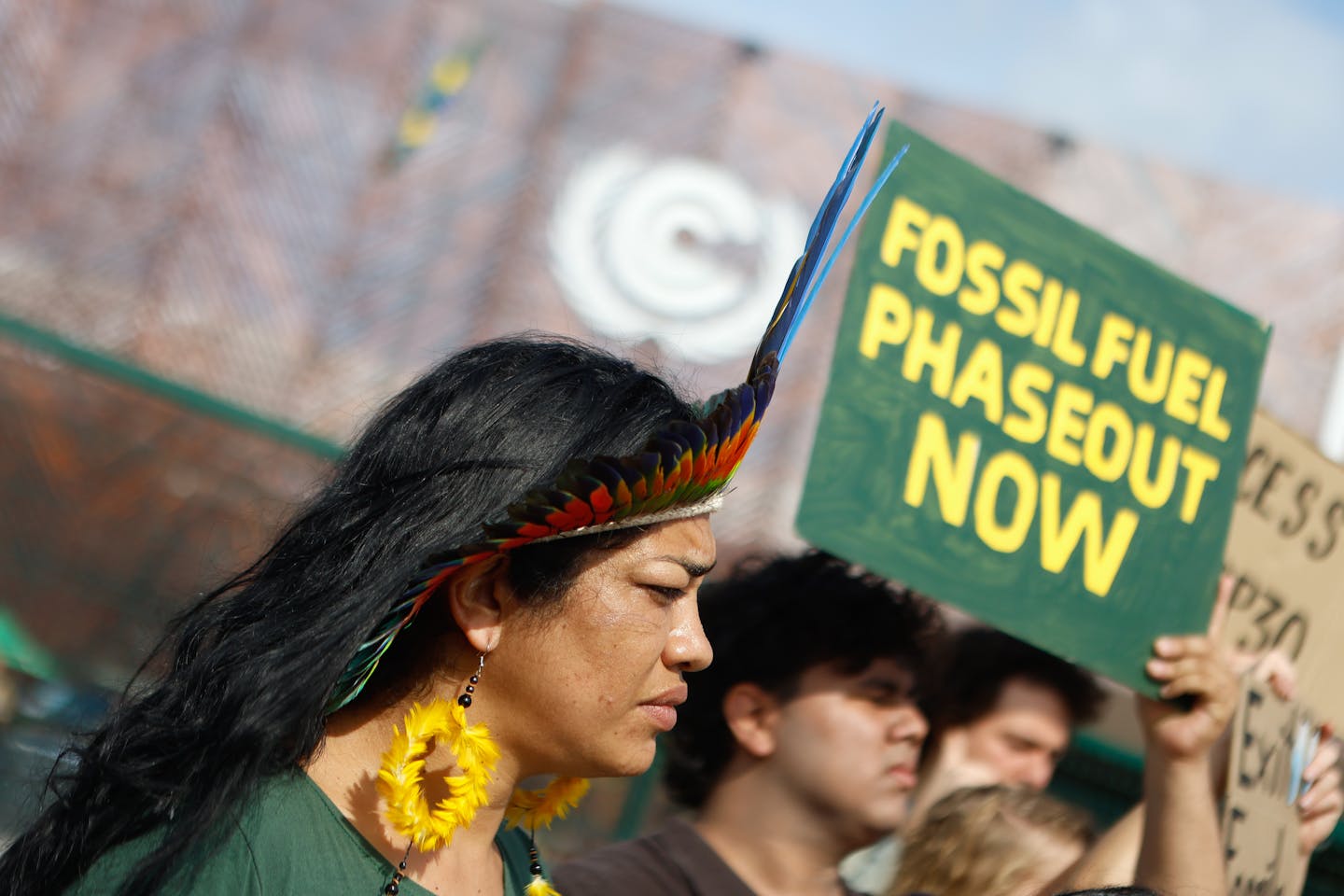
In 2025, global dependence on fossil fuels remained high, driving record carbon dioxide emissions despite agreements to transition away from them. However, renewable energy, particularly solar power, saw significant growth, surpassing coal's share in the electricity mix for the first time. Major increases occurred in China, the U.S., and the EU. Geopolitical factors and rising energy demands, partly due to AI, complicated the clean energy transition. The U.S. and Europe experienced setbacks in renewable energy policies, while fossil fuel discussions were sidelined at COP30. The energy sector faces a skilled labor shortage as demand for clean energy jobs grows.
Renewable energy boomed in 2025, but so did fossil fuels
Geopolitical tensions have heightened competition for scientific leadership among the U.S., China, and other major powers in fields like AI and biotechnology, which are crucial for military and economic security. The U.S. has shifted from a proactive, investment-focused Cold War strategy to a defensive posture characterized by export controls and immigration restrictions. This change risks undermining U.S. scientific leadership as it alienates foreign talent, who comprise a significant portion of the STEM workforce. In contrast, China is adopting similar Cold War strategies by investing heavily in basic science and attracting foreign researchers, posing a growing challenge to U.S. dominance.
Russian Federation | Financial services, Education
Can America Win the New Race for Scientific Leadership?

Africa's energy landscape is characterized by isolated and underfunded national grids, resulting in high electricity costs and unreliable supply for over 600 million people. Despite hosting 60% of the world's prime solar resources, the continent attracts less than 3% of global clean energy investment. Regional energy interconnectivity can transform this scenario, enabling electricity trade, enhancing energy security, and fostering investment in renewable projects. Initiatives like the Africa Single Electricity Market and the Continental Power Systems Master Plan aim to create a unified electricity network, with a focus on implementing cross-border transmission projects to meet future energy demands.
Ghana, Malawi, Rwanda, South Africa, Zambia | Financial services
How grid integration can power Africa’s future
Bahrain is leveraging artificial intelligence (AI) to transform its public sector and drive sustainable development. The Ministry of Sustainable Development, in partnership with Bain & Company and the World Economic Forum, has initiated AI applications to enhance national sustainability efforts. Key developments include the SME SMART tool, which aids small and medium-sized enterprises (SMEs) in assessing and improving sustainability practices, potentially generating a cumulative valuation increase of $17 million by 2030. Bahrain's strategic initiatives in AI governance and workforce training aim to foster a responsible digital economy and mobilize up to $370 billion in sustainable investments across the MENA region by 2030.
Bahrain | Education
AI for sustainable development: how Bahrain is driving public-sector transformation through tech

Rising AI adoption is driving significant economic changes while increasing energy demands that threaten grid stability, raise costs, and hinder climate goals. Global data center electricity usage may reach 1,200 terawatt-hours by 2035, nearly tripling from 2024 levels. The "Net-Positive AI Energy Framework" proposes three action drivers—design for efficiency, deploy for impact, and shape demand wisely—to ensure AI supports rather than burdens energy systems. The framework emphasizes education, collaboration, and transparency, drawing from over 130 real-world use cases demonstrating AI’s potential for resilience and climate-positive outcomes.
Education
From Paradox to Progress: A Net-Positive AI Energy Framework
Achieving net-positive AI energy by 2030 requires aligning AI growth with energy-transition goals to balance the increasing electricity demand from data centers, projected to double. Key strategies involve designing AI systems for efficiency, deploying AI solutions that enhance energy efficiency, and shaping demand by prioritizing impactful applications. Strategic enablers include workforce upskilling, cross-sector collaboration, and transparent measurement of energy performance. Real-world applications demonstrate that high-performance AI can be achieved with lower emissions, and coordinated AI deployments can significantly reduce energy consumption and improve grid management.
Education
What will it take to achieve net-positive AI energy by 2030?

Health systems face significant challenges, including rising chronic diseases, cost increases, workforce shortages, and complex data risks. Quantum technologies, now maturing, present opportunities to alleviate these issues. A report by the World Economic Forum and Accenture highlights four value pillars: discovery acceleration, precision diagnostics, operational optimization, and trusted data infrastructure. It showcases case studies from institutions like Moderna and Mayo Clinic, illustrating successful pilot projects in R&D, diagnostics, and data protection. Strategic actions are necessary to leverage these technologies for safer, more efficient, and personalized healthcare.
Education, Health
Quantum Technologies: Strategic Imperatives for Health and Healthcare Leaders

Utility resilience is essential for business continuity amid increasing climate risks. Disruptions from extreme weather impact profitability, necessitating strategic public-private partnerships and investments in technology, financing, and community support. There is a significant financial risk associated with utility failures, illustrated by the $1.8 billion loss during the 2021 Texas winter storm. The private sector is urged to adopt an investment mindset, focusing on four core pillars: strategic public-private partnerships, investment in resilient technologies, and innovative financing. Expansion in market opportunities for climate-smart solutions is crucial as climate adaptation investments significantly grow.
Financial services, Health, Education
4 ways the private sector can empower utility resilience amid severe climate risks
Global environmental negotiations have faced significant failures, evidenced by the collapse of talks on plastic pollution, the IPCC report timeline, and other major frameworks. Key issues include a breakdown in consensus-based decision-making, allowing a few nations to block progress, and the politicization of scientific findings that erodes trust and delays action. Power imbalances persist among countries, with smaller nations often sidelined, and gender disparities remain prevalent. Rising nationalism complicates cooperation, impacting climate pledges and biodiversity targets. Rethinking negotiation strategies, enhancing scientific input, and modernizing approaches could improve outcomes and foster more effective global environmental action.
Latin America | Financial services, Education, Health
Why global environmental negotiations keep failing – and what we can do about it
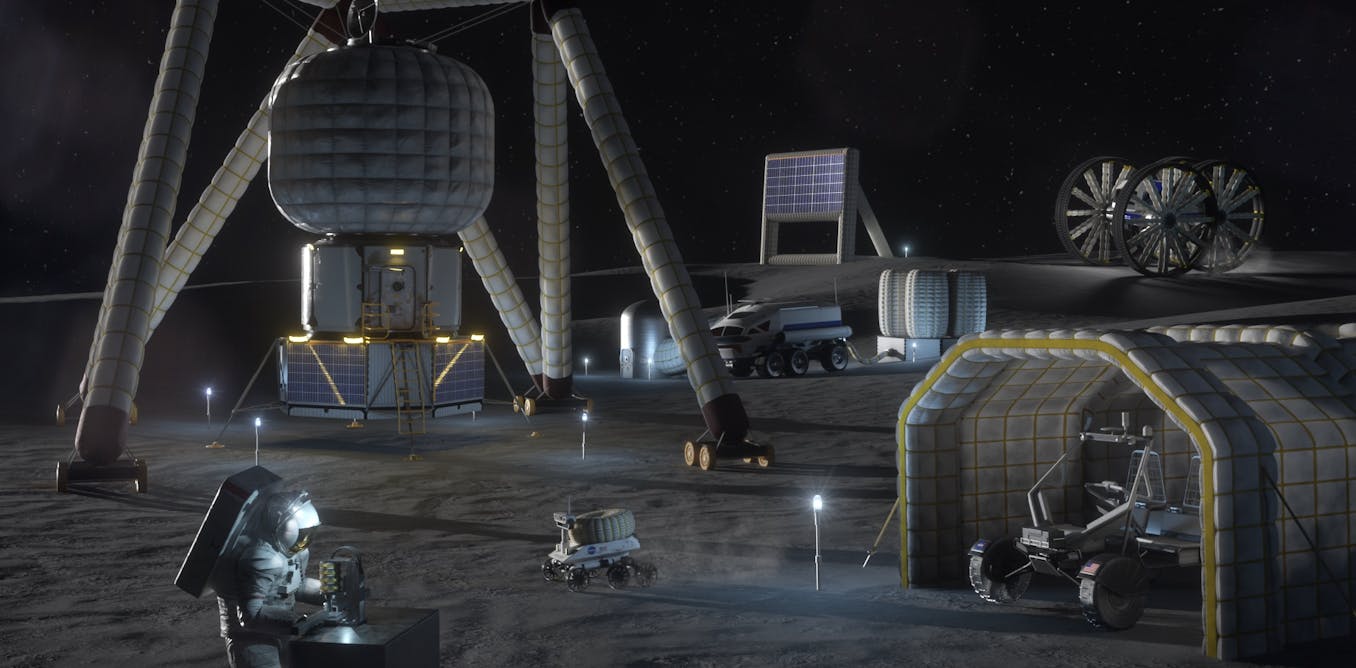
The Moon's abundant resources, including helium-3, platinum group metals, and water ice, are attracting companies and nations to initiate mining operations. Seattle's Interlune, for example, is developing a lunar excavator targeting helium-3 extraction by 2029, while NASA and other countries are conducting various exploratory missions. However, current international laws governing lunar resource exploitation, established in the 1967 Outer Space Treaty, are outdated and vague, particularly regarding private entity rights. There is a pressing need for clear international regulations to address property rights and ensure equitable benefit-sharing, amid concerns over environmental impacts and scientific disruption from mining activities.
The race to mine the Moon is on – and it urgently needs some clear international rules
In 2025, significant challenges and advancements emerged in nature and climate issues. Seven of the nine planetary boundaries have been breached, with ocean acidity reaching critical levels. Extreme weather is projected to incur $145 billion in insured losses, while early warning systems have been implemented in 60% of countries, though gaps remain in small island states. Negotiations for a global plastics treaty failed, but efforts continue, particularly in Vietnam. Notably, renewable energy surpassed coal in electricity production for the first time, primarily driven by a surge in solar energy generation.
Africa | Health
The top nature and climate stories of 2025
Danish climate activism emphasizes joy, creativity, and community engagement over traditional protest methods. Grassroots movements in Denmark, such as Arternes Ambassadører and Den Grønne Ungdomsbevægelse, focus on imaginative actions like repair cafes, community gardens, and storytelling to promote sustainable living. This approach fosters local resilience and combats burnout among activists, reshaping perceptions of ecological living as fulfilling rather than sacrificial. Historical cooperative traditions influence these movements, suggesting that collaborative efforts can facilitate meaningful change, which may serve as a model for activism worldwide.
Denmark
What these Danish activists can teach the rest of the world about fighting climate crisis
Data centres are increasingly reliant on critical metals and minerals, particularly as AI technologies drive higher material demands. By 2030, data centre capacity is projected to nearly double, with significant quantities of metals such as copper and steel essential for power and cooling systems. Challenges include unpredictable access to minerals, long equipment lead times due to supply chain bottlenecks, and a systemic concentration of demand for a limited set of metals. Building resilience requires coordinated efforts across the value chain, emphasizing enhanced transparency, planning, and collaboration among all stakeholders.
United Kingdom | Financial services, Education, ICT
Metals at scale for AI at scale: securing the data centre materials backbone
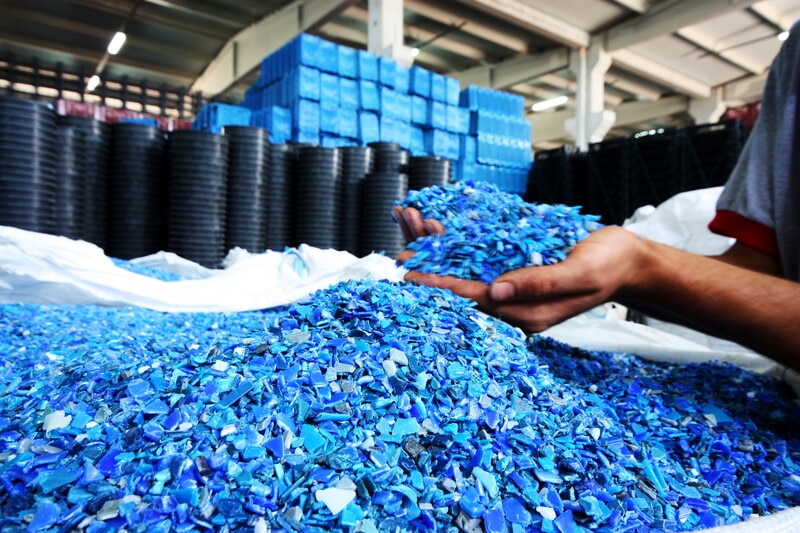
Global environmental efforts are shifting focus from stalled treaty negotiations to enhancing infrastructure for a circular economy. Despite the setbacks at the Global Plastics Treaty talks, there is increasing recognition of the need for harmonized data systems to connect various regulations and facilitate material flow across regions. The divide between the Global North, focused on data integration, and the Global South, facing infrastructure and inclusion challenges, highlights the necessity for a unified approach. Overcoming systemic hurdles such as data deficits, capital gaps, and informal sector participation is crucial for realizing circularity, with emphasis on interoperable frameworks and inclusive financing strategies.
Latin America | Financial services, Education
Building the circular economy after global negotiations stall