
Publications

INSIGHT REPORT

Pioneering the Future: Space

Technologies Poised to Revolutionize

Exploration and Economy by 2035

September 2026

FACTSHEETS

Pioneering the Future: Space

Technologies Poised to Revolutionize Exploration and Economy by 2035

June 2026

WHITE PAPER

Future of Space Law:

Operationalizing Space Governance

March 2026

REPORT

Clear Orbit, Secure Future:

 A Call to Action on Space Debris

Jan 2026

WHITE PAPER

The Future of Space Law

Insights from the ATS, UNCLOS, and ITU Frameworks

December 2025

WHITE PAPER

The Future of Space Law: 

The Evolving Dynamics of Air and Space Regulation

 September  2025

The Future Of Space Law

News

Centre for Space Futures, Novaspace and SpaceTech Gulf  Sign Agreement to Develop Global Space Capability Mapping Dashboard

Riyadh, Saudi Arabia , 23 Jun 2026|  Press Release

Clear Orbit, Secure Future: A Call to Action on Space Debris

Riyadh, Saudi Arabia, 26 Jan 2026 | Press Release

Centre for Space Futures Holds Workshop with Participation of 40 Global Experts

Riyadh, Saudi Arabia, 05 Dec 2025 | Press Release

Centre for Space Futures Releases White Paper on 'The Future of Space Law'

Riyadh, Saudi Arabia, 12 Sep 2025 | Press Release

The Board of Directors of the Centre for Space Futures Endorses Its Strategic Direction

Riyadh, Saudi Arabia, 26 May 2025 | Press Release

Saudi Space Agency to Launch the Centre for Space Futures with the World Economic Forum

Riyadh, Saudi Arabia, 29 April | Press Release

5 ways we can tackle growing risks from rocket bodies in orbit

Dec 09, 2025 | Economic Growth, Stories

Read More

Forum Agenda

Forum Videos

VIDEO

Press Conference: Centre for Space Futures in Riyadh

The World Economic Forum's Special Meeting, April 29, 2024

VIDEO

The Purpose of Astronauts at Davos 2024

World Economic Forum , March 9, 2024

VIDEO

PortWatch: Monitoring Trade Disruptions from Space

World Economic Forum , Dec 18, 2023

VIDEO

India's Moon Mission Triumph: Ambassador Ruchira Kamboj's Insights

World Economic Forum , Aug 23, 2023

VIDEO

Space Exploration is Back at Davos 2023

World Economic Forum , Feb 16, 2023

Forum Publications

Strategic Intelligence Insights

Current global development trends could lead to catastrophic climate change, biodiversity loss, and significant economic losses, according to a UNEP report. Investments in key areas—climate change, biodiversity, pollution, and land degradation—could generate trillions for the global economy while alleviating hunger and poverty. An estimated annual investment of $8 trillion is necessary to achieve net-zero emissions by 2050, contrasting with potential losses from ecosystem degradation which could reach $44 trillion annually. The report also calls for moving beyond GDP as a measure of economic health to incorporate other metrics reflecting environmental sustainability.
Nigeria, United Kingdom | Financial services, Health
The world is closer than ever to climate tipping points, but better investments can change that: UNEP

Next-generation medicines require evolved healthcare systems to ensure equitable access for patients. Despite significant advances in medical science and technology, many healthcare systems lag behind, hindering rapid treatment availability. Investment is essential for developing robust frameworks that accommodate complex therapies based on genetic data and digital tools. Recommendations include adopting a 'single dossier' approach for expedited regulatory approvals and evolving pricing models to reflect comprehensive value, encompassing long-term benefits. Integrating patient insights into healthcare processes is crucial for ensuring better outcomes and a more patient-centered system.
Africa | Financial services, ICT, Education, Health
Why next-generation medicines need more evolved healthcare systems to reach patients

China's overseas clean energy investments have surged to over $180 billion since early 2023, marking an 80% increase within a year. This growth is reshaping global power dynamics as developing nations seek energy security and alternatives to U.S. influence. Countries worldwide are implementing green industrial policies to attract Chinese capital, resulting in joint ventures and significant infrastructure projects across various regions. While these partnerships promise cheaper power and technology upgrades, there are concerns over dependence on China and the need to balance foreign investment with local industry protection.
Canada, India, Malaysia, Taiwan, China, United Kingdom | Financial services
China’s $180bn cleantech push shifts global alliances as nations hedge against US uncertainty: report

Developing economies are increasingly leveraging the growing space economy, projected to exceed $1.8 trillion by 2035. Access to satellite technology is enhancing connectivity, climate resilience, and data-driven decision-making. Initiatives like CubeSats are enabling countries without extensive space programs to capture value, as seen with Kenya and Brazil's advancements in satellite deployment. Low Earth orbit constellations are providing critical broadband access and supporting essential services. However, challenges such as orbital congestion and unequal access persist, necessitating fair practices to ensure all economies benefit from space resources.
Egypt, Ethiopia, India, Republic of Korea, South Africa | Financial services, Health, Education, ICT
Developing economies are making space and the orbital economy work for them
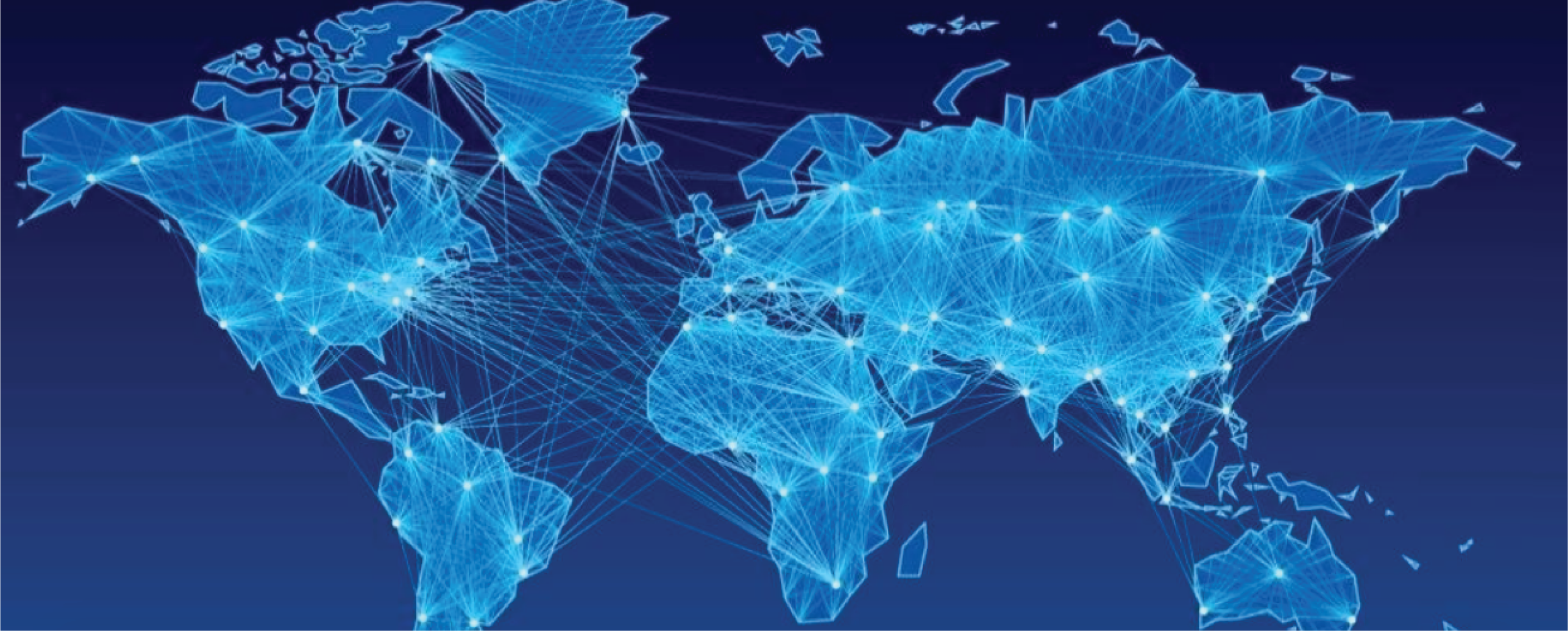
MENA diaspora entrepreneurs are leveraging their unique position to enhance innovation and cooperation in their home countries. They transfer knowledge and drive economic growth, with a potential engagement of just 1% of the global MENA diaspora significantly boosting the region’s technological capabilities. Examples include Morocco's UM6P Ventures supporting startups like Chari, Tunisia's InstaDeep gaining international success, and Egypt's fintech growth through global network investments. These entrepreneurs create context-sensitive solutions, maintain cross-border relationships, and provide resilience amid crises, although their contributions often go unrecognized in formal strategies.
Ethiopia | Financial services, Health, ICT, Education
Innovation beyond borders: how MENA diaspora entrepreneurs are reshaping systems
King Faisal Specialist Hospital and Research Centre in Saudi Arabia presents a model for implementing sustainable AI in healthcare through a comprehensive approach that includes embedding AI into workflows, fostering governance, and aligning with national priorities. Key strategies involve starting with problem-solving, establishing rigorous governance processes, and creating a strong innovation team. The hospital emphasizes a structured seven-stage governance process for evaluating new AI solutions and has developed a Digital Innovation Hub to manage AI product life cycles effectively. This model aims to drive real value and measurable outcomes in patient care.
Health, Education
Sustainable AI in healthcare: A model from Saudi Arabia
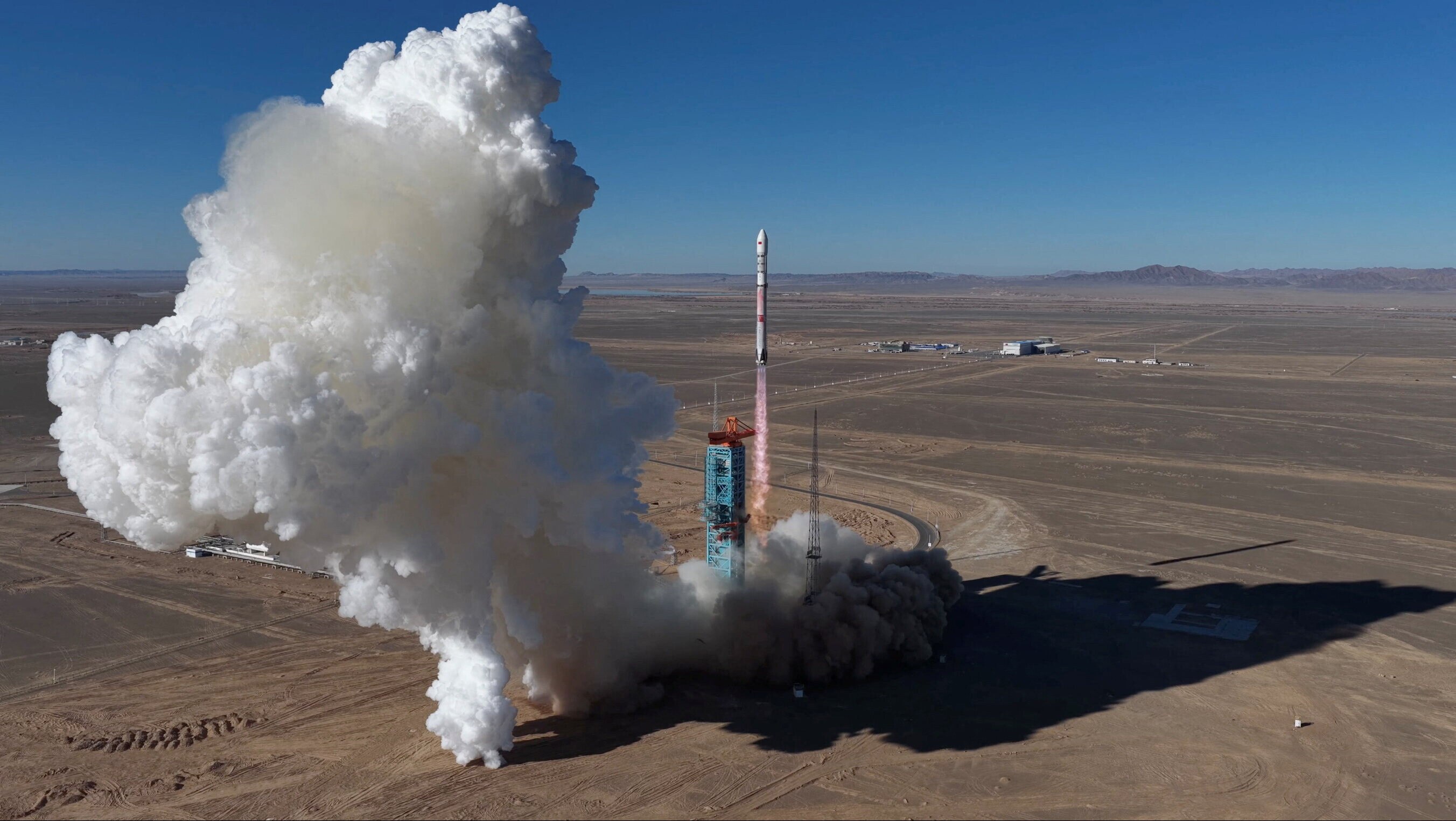
Derelict rocket bodies in orbit pose significant risks to satellite infrastructure crucial for global services. As launches increase, these heavy objects contribute to potential collisions and debris, complicating governance and liability due to their multi-national aspects. To enhance orbital safety, it is recommended to: design rockets to minimize explosion risks; establish clear disposal plans for timely removal; pre-approve debris clean-up; improve data sharing for traffic safety; and link insurance incentives to safer disposal practices. Addressing these issues is vital for sustaining the space environment amid rising satellite activity.
5 ways we can tackle growing risks from rocket bodies in orbit

The integration of AI in everyday devices is contributing to environmental harm through both direct and indirect emissions. Data centers and AI queries consume excessive energy, while AI applications promote hyperconsumption by defaulting to shopping-oriented results rather than sustainable alternatives. Research highlights the term “algorithmically facilitated emissions” to describe these indirect impacts, as AI tools like Microsoft’s Copilot prioritize consumerism without acknowledging environmental costs. Tech companies largely neglect environmental considerations in their policies, prompting calls for accountability among platform owners regarding their ecological footprint.
ICT, Education
How ‘everyday AI’ encourages overconsumption

Regenerative medicine is poised to address the rising healthcare challenges posed by an aging global population, projected to reach 2.1 billion individuals over 60 by 2050. As healthspan and lifespan improve, the need for innovative solutions to manage age-related diseases becomes critical. Healthcare spending is on the rise, particularly in OECD countries, with significant disparities in per capita investment. Regenerative medicine, focusing on restoring cellular function rather than merely managing symptoms, is essential for sustaining health in aging populations. Initiatives like Cellino’s AI-powered manufacturing of induced pluripotent stem cells (iPSCs) represent the future of personalized therapies, making regenerative treatments more accessible globally.
Education, Health
Why regenerative medicine infrastructure must be the next global economic priority
Traditional decision-making frameworks are increasingly inadequate, driving the need for enhanced knowledge, tools, and processes that support effective long-term foresight. Leveraging over 50 years of combined global experience across public, private, academic, and civic sectors, efforts focus on improving decision-making by integrating future-oriented thinking to address complex challenges more sustainably and strategically.
Education
Using the Future: Contributions to the Field of Foresight
The G20 South Africa Summit highlighted the need for fairer global finance, particularly for African countries facing disproportionately high borrowing costs due to distorted perceptions. The 2025 Leaders’ Declaration acknowledged Africa's mounting debt burden and proposed mobilizing concessional financing to address financing constraints. However, it fell short of addressing the core issue: the high cost of capital driven by biased risk perceptions and structural distortions. The proposed Africa Credit Rating Agency aims to improve credit assessments by focusing on local realities, but comprehensive reforms are necessary to ensure equitable borrowing conditions.
Angola, Burkina Faso, Egypt, Ethiopia, Ghana, Guinea, Namibia, Nigeria, Rwanda, Senegal, South Africa, Tanzania | Health, Financial services
Fairer global finance starts with the G20
Sinking cities are facing potential economic losses of $8.17 trillion, with urgent action needed to mitigate flooding and land subsidence risks. Jakarta is sinking by up to 200mm annually, prompting a capital relocation. London ranks as the world's best city, excelling in liveability, lovability, and prosperity as highlighted in the 2026 World’s Best Cities Report. Notable developments include Manchester's £1 billion investment fund for housing and transport, Spain's high-speed rail enhancements, and Waymo's expansion of autonomous vehicle services across California.
Australia, Bangladesh, Germany, Indonesia, Japan, Kuwait, Nigeria, Peru, Republic of Korea, Rwanda, Saudi Arabia, Sweden, Tanzania, United Kingdom | ICT, Education, Financial services
Sinking cities, the world's best cities – and other urban transformation stories to read
Public-private partnerships (PPPs) can enhance global development despite challenges. The TRANSFORM initiative, started in 2015 by Unilever, the UK's FCDO, and EY, has positively impacted over 19 million lives across Africa and Asia. Key lessons for successful PPPs include understanding each organization’s values, ensuring mutual benefits, embracing differences, activating local leadership, sharing knowledge, offering more than just funding, and resetting power dynamics. These strategies foster collaboration and innovation, leading to sustainable solutions for complex social and environmental issues.
Health
10 ways to turbocharge public-private partnerships in global development
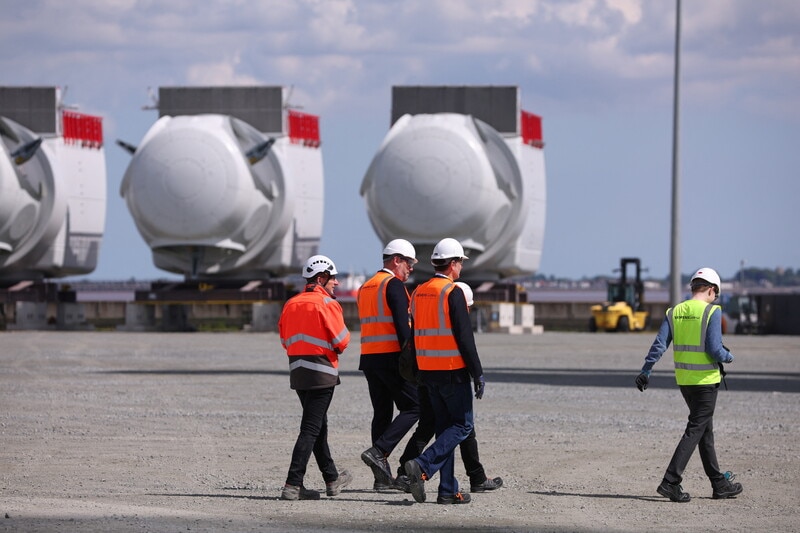
The industrial energy transition is critical as hard-to-abate sectors, which account for nearly 40% of global emissions, face increasing pressure to reduce carbon footprints. Key strategies for advancing this transition include: 

1. Creating stronger demand for low-carbon fuels and materials through clear signals and standards.
2. Developing necessary infrastructure, such as reliable energy access and transportation systems, to support scaling.
3. Reducing capital costs for clean industrial projects to enhance economic viability.

Despite technological advancements, high financing barriers and fragmented demand hinder progress, necessitating coordinated actions from governments, industries, and consumers.
Germany, India, United Arab Emirates, United Kingdom | Financial services, Health, Education, ICT
Five ways to push progress on the industrial energy transition

The United Nations Environment Assembly (UNEA-7) commenced in Nairobi, addressing critical environmental issues amid significant geopolitical divisions. With rising global emissions and stagnation in plastic pollution negotiations, officials emphasized the necessity of multilateral cooperation to tackle climate change, biodiversity loss, and pollution. Despite the challenges, UNEA president Abdullah Bin Ali Al-Amri and UNEP executive director Inger Andersen urged for ambitious, science-based actions and integration across sectors. Kenya's environment cabinet secretary highlighted the urgent need for bold action. The assembly brings together nearly 6,000 participants from over 170 countries, reflecting a continued commitment to global environmental engagement.
Health
Global leaders press for environmental action even as divisions widen
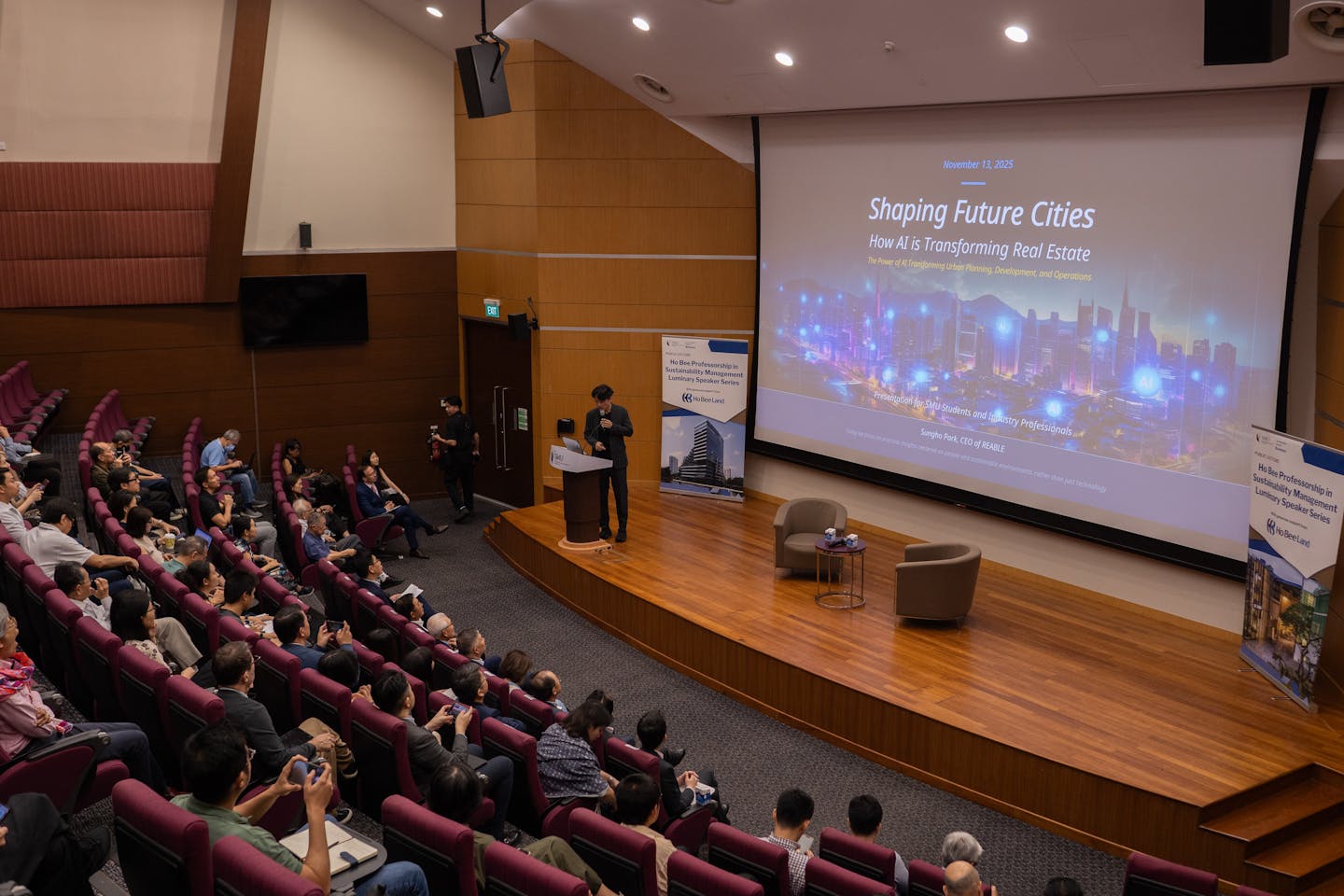
37% of real estate tasks are currently automatable, with AI essential for efficiency and sustainability in the industry. Digital innovations, such as predictive maintenance and digital twins, are transforming real estate operations in Singapore, similar to advances seen in South Korea, where these technologies have reduced costs and increased rental revenues. However, the growing energy demands of AI pose challenges, as data centers account for significant electricity usage in Singapore. Proper governance and integration of real estate data are necessary to mitigate potential biases and ensure effective AI application. Collaboration between technology and a trained workforce is crucial for successful implementation.
Singapore | Education
Asia’s AI real estate boom reaches Singapore, bringing efficiency and new risks

Global food prices are partially driven by a significant decline in public and private investment in agricultural research over the past four decades. Between 1980 and 2021, while population growth surged by 80%, the annual growth of spending on agrifood research and development slowed dramatically, particularly since 2015. Currently, middle-income countries and the private sector have surpassed high-income countries and public funding in terms of investment. This trend poses challenges for meeting future food demand and could lead to sustained higher food prices if not reversed quickly.
Health
Food will be more affordable — if we double funds for agriculture research now

Digital tools are transforming circular economy initiatives across Asia and the Pacific by enhancing waste reduction and resource management. Technologies such as sensors, AI, and modeling software enable data-driven decision making, fostering practical solutions for sustainable growth. While many developing nations have circular economy strategies, their implementation often lags. Digital platforms can bridge this gap, providing real-time insights into resource flows and efficacy of policies. Case studies in cities like Taipei showcase that integrated approaches yield optimal outcomes. Overall, these digital approaches enhance efficiency, inclusivity, and accountability in circular economy transitions.
Bangladesh | Financial services, Education, ICT
How Digital Tools Accelerate Circular Economy Transitions in Asia and the Pacific

The global consumer environment entering 2026 is marked by increased frugality and heightened financial discipline, with anticipated net intent for reduced spending at -18 percentage points, significantly greater than the previous year's figure. Economic uncertainty, driven by inflation and stagnant wage growth, is impacting disposable income across demographics, including a potential spending pullback among high-income earners. Insights from a survey of over 13,000 consumers from nine countries inform business strategies to navigate this challenging landscape and maintain customer loyalty.
Financial services
Spending, Disrupted: AlixPartners' 2026 Global Consumer Outlook

Building trust and literacy in AI is essential for digital safety, particularly as technology evolves and becomes more integrated into daily life. The rapid adoption of AI technologies has outpaced public understanding, posing risks to vulnerable groups like children and the elderly. Trust hinges on user understanding of AI capabilities and limitations, especially in high-stakes areas like health and finance. Interaction-focused measures such as provenance labels and confidence scores can help users make informed decisions. Additionally, scaling AI literacy through education and community support is crucial to empower users to recognize persuasive design and verify information.
ICT, Education
Why building trust and literacy in AI is essential for digital safety