Publications

INSIGHT REPORT

Pioneering the Future: Space

Technologies Poised to Revolutionize

Exploration and Economy by 2035

September 2026

FACTSHEETS

Pioneering the Future: Space

Technologies Poised to Revolutionize Exploration and Economy by 2035

June 2026

WHITE PAPER

Future of Space Law:

Operationalizing Space Governance

March 2026

REPORT

Clear Orbit, Secure Future:

 A Call to Action on Space Debris

Jan 2026

WHITE PAPER

The Future of Space Law

Insights from the ATS, UNCLOS, and ITU Frameworks

December 2025

WHITE PAPER

The Future of Space Law: 

The Evolving Dynamics of Air and Space Regulation

 September  2025

The Future Of Space Law

News

Centre for Space Futures, Novaspace and SpaceTech Gulf  Sign Agreement to Develop Global Space Capability Mapping Dashboard

Riyadh, Saudi Arabia , 23 Jun 2026|  Press Release

Clear Orbit, Secure Future: A Call to Action on Space Debris

Riyadh, Saudi Arabia, 26 Jan 2026 | Press Release

Centre for Space Futures Holds Workshop with Participation of 40 Global Experts

Riyadh, Saudi Arabia, 05 Dec 2025 | Press Release

Centre for Space Futures Releases White Paper on 'The Future of Space Law'

Riyadh, Saudi Arabia, 12 Sep 2025 | Press Release

The Board of Directors of the Centre for Space Futures Endorses Its Strategic Direction

Riyadh, Saudi Arabia, 26 May 2025 | Press Release

Saudi Space Agency to Launch the Centre for Space Futures with the World Economic Forum

Riyadh, Saudi Arabia, 29 April | Press Release

5 ways we can tackle growing risks from rocket bodies in orbit

Dec 09, 2025 | Economic Growth, Stories

Read More

Forum Agenda

Forum Videos

VIDEO

Press Conference: Centre for Space Futures in Riyadh

The World Economic Forum's Special Meeting, April 29, 2024

VIDEO

The Purpose of Astronauts at Davos 2024

World Economic Forum , March 9, 2024

VIDEO

PortWatch: Monitoring Trade Disruptions from Space

World Economic Forum , Dec 18, 2023

VIDEO

India's Moon Mission Triumph: Ambassador Ruchira Kamboj's Insights

World Economic Forum , Aug 23, 2023

VIDEO

Space Exploration is Back at Davos 2023

World Economic Forum , Feb 16, 2023

Forum Publications

Strategic Intelligence Insights

The green economy, valued at over $5 trillion annually, represents the world's second-fastest growing sector after technology, with green revenues increasing at double the rate of conventional revenues. Despite challenges, the sector offers substantial growth opportunities and is projected to exceed $7 trillion by 2030. Successful companies thrive by advancing technology maturity, reducing costs, understanding regulations, and accessing smart capital. The report shares insights and lessons from leaders who have effectively scaled their green businesses, encouraging others to seize the potential within this dynamic market.
Already a Multi-Trillion-Dollar Market: CEO Guide to Growth in the Green Economy
Storytelling is essential in transforming complex bio-innovations into accessible narratives that foster understanding, trust, and action. Effective communication employs relatable language and metaphors, making scientific concepts memorable and urgent, as seen in historical examples like the “hole in the sky” during the ozone crisis. Creativity and emotional engagement enhance these narratives, making them impactful. Focusing on purpose over process builds trust and aligns stakeholders with the mission of innovations. Ultimately, successful breakthroughs arise from collaborative efforts and collective genius rather than individual achievements.
Health, Education
The science of story: Turning breakthroughs into belief

Scaling carbon dioxide removal is essential for achieving net zero emissions, yet current efforts fall significantly short, with only about 2 million tonnes removed annually. A major barrier is the "missing middle" of funding, where projects are too advanced for early equity but too risky for traditional lenders. Only $836 million in equity capital was invested in durable carbon removal in 2024, insufficient to meet Europe’s estimated €2.4–6.7 billion investment needs by 2030. Effective financial architecture is required to align risk with capital types and facilitate movement of investment by establishing predictable demand and supportive policies, such as tax credits and contracts for difference.
Canada, United Kingdom | Financial services
How to build the financial architecture to scale carbon removal
Germany hosted a Franco-German summit on November 18, 2025, to discuss European digital sovereignty, focusing on reducing dependence on the US and China across the digital landscape. The summit emphasized evaluating public policies to revitalize Europe’s industries and innovation systems. Key challenges include the high costs and low margins of semiconductor manufacturing and the need for a strong innovation ecosystem to capitalize on emerging chiplet technologies. Opportunities exist in sectors like automotive and aerospace, while Europe maintains a strong position in network equipment manufacturing. Enhanced investment in quantum computing and public R&D funding is essential for progress.
Austria, Belgium, Denmark, France, Germany, Ghana, Hungary, Luxembourg, Netherlands, Poland, Republic of Korea, Singapore, Spain, Sweden, Switzerland, United Kingdom | Financial services, Education, ICT
Can Europe achieve digital sovereignty?

The concept of the "internet of beings" envisions a future where advanced sensors are implanted in human bodies, facilitating real-time health monitoring and treatment. This technological evolution promises significant benefits, including early disease detection, targeted healing through biorobots, and accelerated drug discovery via powerful data analysis. Personalized medicine could thrive, with tailored treatment advice based on individual health data. However, this vision also raises ethical concerns regarding personal autonomy and humanity as bodies become digitized. The ongoing exploration of this technology requires careful consideration to balance its transformative potential with the preservation of human identity.
Internet of beings: the dream of digitising human bodies for healthcare (and the nightmare)
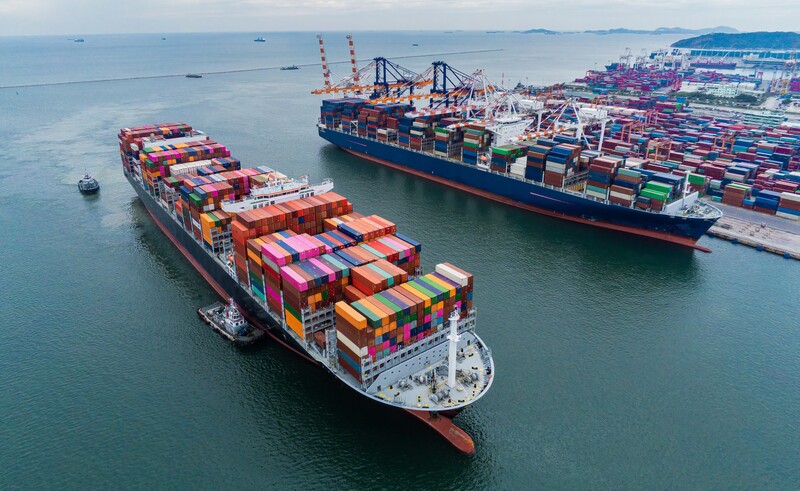
Experts indicate that regional cooperation is currently more favorable than global cooperation, as reflected in the upcoming Global Cooperation Barometer 2026. The survey revealed that 83% of respondents viewed global cooperation in 2025 as declining due to geopolitical tensions, while over half believed regional cooperation remained steady or improved. Europe and Asia exhibited stronger collaborative efforts compared to North America, driven by advancements in technology and health. To enhance global cooperation, rebuilding trust and fostering dialogue were deemed crucial. The full Barometer report will be released in January 2026, highlighting these insights and challenges.
Algeria, Angola, Bahrain, Barbados, Belgium, Bolivia, Burkina Faso, Colombia, Denmark, Ethiopia, Georgia, Germany, Ghana, Guinea, Hungary, Indonesia, Kuwait, Luxembourg, Malawi, Malaysia, Mali, Paraguay, Poland, Qatar, Russian Federation, Sweden, Tanzania, United Kingdom | Financial services, Health
Regional cooperation in better state than global cooperation, experts say
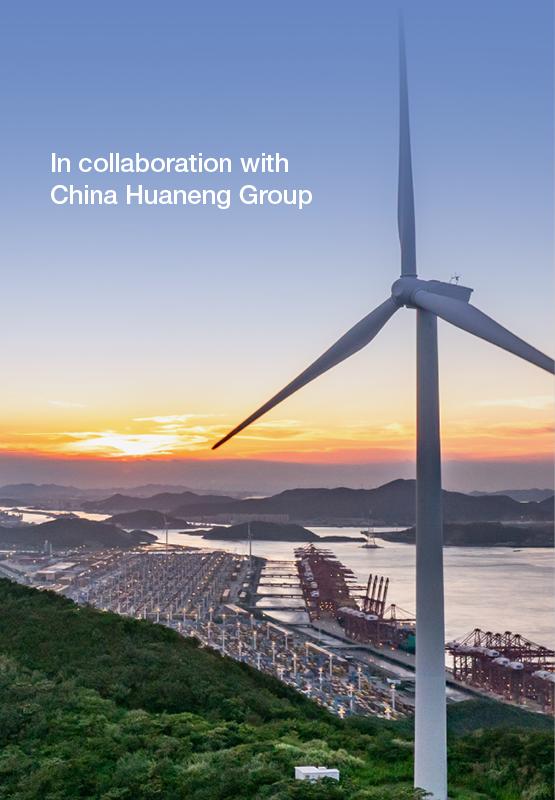
Extreme weather events necessitate a strategic focus on the security and stability of utilities infrastructure for businesses and governments. China is leveraging policy, technology, and finance to create a global blueprint for infrastructure resilience against climate change. The report advocates for a dual strategy of reducing emissions and adapting to climate shifts, introducing “Resilience 2.0” to institutionalize adaptation through digital means and innovative financial models. It emphasizes anticipatory governance, cross-sector collaboration, and data-driven innovation to promote a dynamic approach to resilience that protects lives and livelihoods.
Nigeria | ICT, Financial services, Health
Building Climate-Resilient Utilities: Lessons from China and Future Pathways

The AI-energy nexus significantly influences the development and impact of artificial intelligence. AI's rapid growth demands increased energy, water, and critical minerals, which can strain resources and communities. By 2030, data centers may consume 945 TWh of electricity and 450 million gallons of water daily, underscoring the urgent need for integrated resource strategies. The supply of critical minerals faces geopolitical vulnerabilities, and growing resource competition exacerbates social and environmental risks. To maximize AI's potential while ensuring sustainability, collaborative and holistic approaches to managing these interconnected challenges are essential.
Financial services, Education
The AI-energy nexus will determine AI’s impact. We must account for it better

NASA is preparing for manned missions to Mars, which require addressing significant psychological and engineering challenges due to the journey's duration. Research by Professors Leslie DeChurch and Noshir Contractor focuses on long-term Earth-based analog missions to simulate the Mars experience. They developed predictive models—CREWS and SCALE—to identify best practices for crew teamwork, emphasizing the importance of shared cognition over time. Findings indicate that while task performance improves, creative problem-solving abilities may decline. NASA incorporates these insights into tools to enhance crew dynamics during future Mars missions.
Houston, We Have a Solution
The 2026 leadership agenda emphasizes the need for strategic discontinuity in response to technology acceleration and trust erosion. Highlighted by the 2025 Nobel Prize winners who advocate for 'creative destruction,' the focus is on courageously abandoning outdated practices to foster growth through innovation. Companies must address the gap between AI ambitions and operational realities by documenting workflows, improving processes, and understanding data foundations. Prioritizing data quality and integration is critical for successful AI implementation, as effective decision-making and clarity are essential for leveraging AI as a competitive advantage.
Financial services, Education
Why The Intelligent Age Requires Strategic Discontinuity
Impacts of climate change, including flooding, drought, and fires, are affecting millions globally. To address these challenges, climate information must be usable by decision-makers and disseminated quickly and broadly. The authors propose three strategies to enhance actionable climate knowledge: 1) involve a diverse range of stakeholders in creating trusted climate information, 2) ensure wide availability of this information, particularly online, and 3) collaborate with key decision-makers impacting public policy, such as water managers and city planners.
Nigeria | Financial services, Education, Health
Scaling up actionable climate knowledge
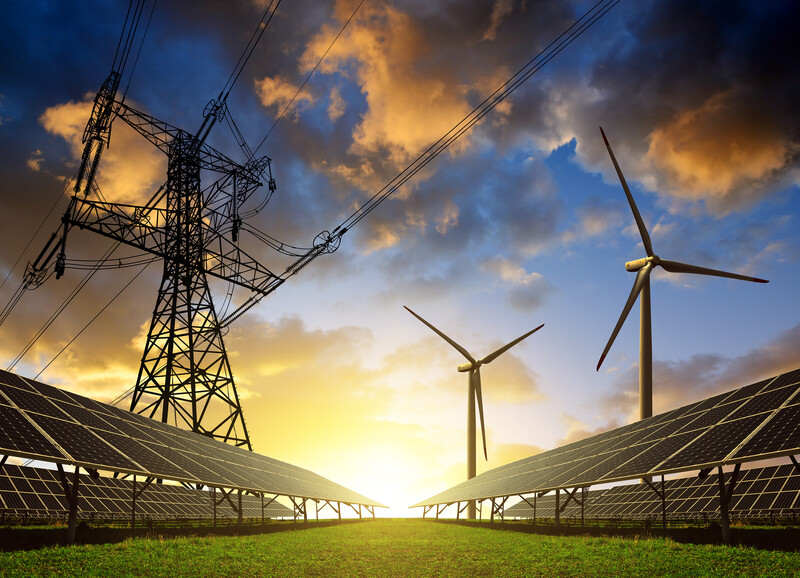
Accelerating electrification in Europe’s industries, buildings, and transport could save the region €250 billion annually, enhancing global competitiveness and reducing reliance on costly fossil fuel imports. Current electrification rates are stagnating at 21%, compared to 35% anticipated in China. Innovations in technology, such as combining electrification with local renewable generation and storage, can improve energy cost competitiveness and efficiency. Additionally, electrification of road transport can significantly lower energy costs. To sustain economic growth and support the burgeoning AI sector, Europe needs to invest in grid reinforcement and adhere to adaptive regulations that align with its energy and climate goals.
Algeria, Angola, Austria, Belgium, Denmark, Egypt, Ethiopia, Finland, Germany, Ghana, Hungary, India, Indonesia, Luxembourg, Mali, Netherlands, Poland, Qatar, Russian Federation, Rwanda, Senegal, Sweden, Switzerland, Tanzania, Tunisia, Uganda, United Arab Emirates, United Kingdom | Financial services, Education, ICT
Electrification could save Europe €250 billion annually to reinvest in the energy transition
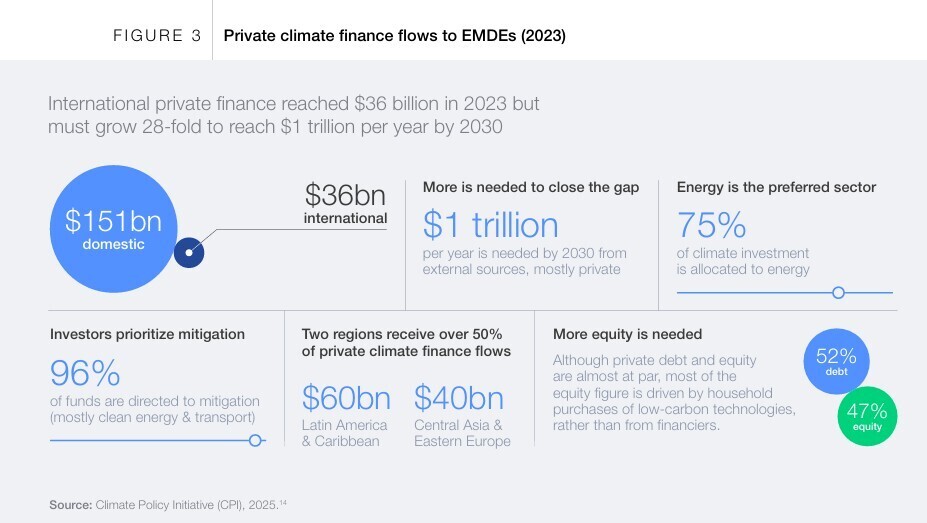
Significant progress was made at the G20 and COP30 summits to implement blended finance structures, which combine public and private funds to reduce investment risks in climate-related projects. Notable frameworks established include the Belém Package and the Johannesburg Declaration, promoting initiatives for climate resilience and electricity access. Additionally, the focus is shifting toward investing in essential grid and storage infrastructure to meet rising electricity demands. Nine countries endorsed Brazil’s RAIZ accelerator to support climate-resilient agriculture, reflecting a broader commitment to food and ecosystem security in climate adaptation.
Ghana | Education, Health, Financial services
Global summits make push to operationalize blended finance models, and other finance news to know
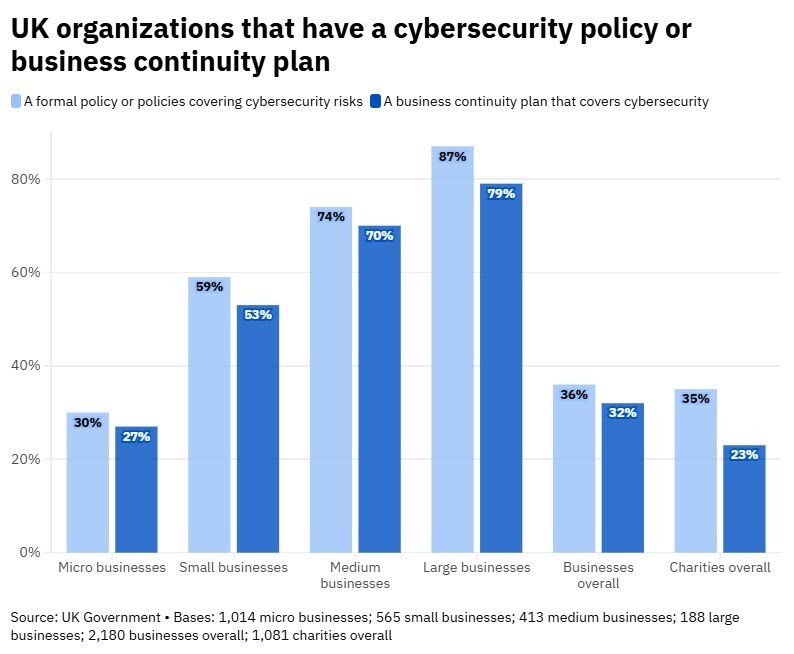
Singapore's Cyber Security Agency has introduced tools to assist organizations in preparing for quantum computing threats, including a Quantum-Safe Handbook and a Quantum Readiness Index for self-assessment. Concurrently, the UAE has launched a National Encryption Policy to secure sensitive data and shift towards post-quantum cryptography. Additionally, the UK has proposed the Cybersecurity and Resilience Bill to bolster defenses for essential services amid rising cyberattack costs. Notably, 19 tech companies have been designated as critical service providers to the EU's financial sector to mitigate systemic risks.
Qatar, Singapore | Financial services, ICT, Education
Singapore releases quantum readiness tools, and other cybersecurity news

The global economy is confronting three interconnected financial bubbles involving cryptocurrencies, artificial intelligence (AI), and soaring debt levels. Historical precedents relate to past market manias, indicating potential patterns. Recent significant investments in AI have been overshadowed by rising skepticism, particularly after warnings from industry leaders about the risks of an AI bubble. The cryptocurrency market is also showing volatility, with Bitcoin's downturn raising concerns of its impact on broader assets. Global public debt now exceeds $100 trillion, further complicating the economic landscape as borrowing increases, especially for AI infrastructure development, indicating possible long-term repercussions if these bubbles burst.
Financial services
Global economy: If a triple bubble looms, can we survive a triple burst?
Technology significantly shapes contemporary society, affecting both the tools and environments we inhabit. Law, as a unique social force, is positioned to direct and regulate technology to promote human flourishing. However, technology poses challenges to legal frameworks by appearing inevitable and complicating concepts of responsibility. This book advocates for a systematic approach to legal analysis of technology, rejecting the notion of technology as ungovernable and emphasizing the need to equip law to address the complexities of a technology-driven world.
Financial services, ICT, Health, Education
Law and Technology: A Methodical Approach

Developing Asia's cities need $1.7 trillion annually through 2030 to address climate change impacts, but investment is hindered by fragmented governance and lack of reliable data. Experts highlight that investors seek predictable returns and long-term policy stability, which are lacking in many city-level sustainability efforts. Additionally, adaptation projects often yield uncertain financial benefits, leading to cautious private investment. Despite progress at COP30, substantial funding gaps persist, with Southeast Asian cities like Manila and Jakarta particularly affected, receiving only $2.5 billion of the $210 billion allocated for adaptation efforts.
Bangladesh, Nigeria | Financial services
Governance, data gaps and unpredictable returns limiting climate adaptation investment in Asia's cities: experts

Brazil is advocating for a fourfold increase in the global use of sustainable fuels, such as biofuels, by 2035 during the UN COP30 climate summit. While Brazil cites economic and environmental benefits, critics express concerns about the potential impacts on food security and ecological health, warning that increased biofuel production could exacerbate land use issues. Environmental advocates argue that current biofuel policies could worsen carbon emissions and drive deforestation, while experts emphasize the need for stringent safeguards. Despite challenges, countries like India and Brazil see biofuels as a pathway for economic growth and climate action.
Brazil
COP30: Brazil seeks biofuel boom, but critics query climate impact
Asia is pivotal in the global net-zero transition, contributing over half of recent global growth and leading in CO2 emissions. For Asian firms, value chain emissions account for 65-95% of their carbon footprint, presenting both challenges and opportunities for low-carbon growth. The collaboration between the World Economic Forum and State Grid Corporation of China emphasizes the business case for Scope 3 actions. By addressing risks, improving efficiency, and unlocking low-carbon revenues, companies can generate up to $3 trillion in value. The report includes case studies and offers a blueprint for empowering supply chains and fostering a culture of sustainable growth.
Cambodia, Ethiopia, Ghana, India, Indonesia, Japan, Malaysia, Singapore, Taiwan, China, United Arab Emirates
Accelerating Value Chain Decarbonization for Corporate Growth: Perspectives from Asia
Italy has undertaken a comprehensive review of its semiconductor industry in response to the 2020-2023 chips crisis, recognizing semiconductors as strategic goods rather than mere commodities. Under the Draghi and Meloni governments, Italy has focused on enhancing its production ecosystem through specific factory investments and facilitating foreign investments. Identified supply chain vulnerabilities have prompted initiatives to align with European efforts, especially in sectors like automotive and aerospace. While awareness of the industry's challenges is growing, progress remains slow due to risk aversion. Joint ventures with foreign foundries are also being emphasized to strengthen Italy's position in the global semiconductor landscape.
Austria, Belgium, Canada, Chile, Colombia, Czech Republic, Denmark, Egypt, Ethiopia, Finland, France, Germany, Greece, Hungary, India, Indonesia, Israel, Italy, Japan, Lithuania, Luxembourg, Malaysia, Morocco, Mozambique, Netherlands, Paraguay, Peru, Poland, Portugal, Republic of Korea, Russian Federation, Rwanda, Senegal, Singapore, Slovakia, Spain, Sweden, Switzerland, Taiwan, China, Tanzania, Tunisia, Uganda, United Arab Emirates, Viet Nam | Financial services, Education, ICT
Three Questions to Carlo Reita: Semiconductor Policy, the Italian Way