
Publications

INSIGHT REPORT

Pioneering the Future: Space

Technologies Poised to Revolutionize

Exploration and Economy by 2035

September 2026

FACTSHEETS

Pioneering the Future: Space

Technologies Poised to Revolutionize Exploration and Economy by 2035

June 2026

WHITE PAPER

Future of Space Law:

Operationalizing Space Governance

March 2026

REPORT

Clear Orbit, Secure Future:

 A Call to Action on Space Debris

Jan 2026

WHITE PAPER

The Future of Space Law

Insights from the ATS, UNCLOS, and ITU Frameworks

December 2025

WHITE PAPER

The Future of Space Law: 

The Evolving Dynamics of Air and Space Regulation

 September  2025

The Future Of Space Law

News

Centre for Space Futures, Novaspace and SpaceTech Gulf  Sign Agreement to Develop Global Space Capability Mapping Dashboard

Riyadh, Saudi Arabia , 23 Jun 2026|  Press Release

Clear Orbit, Secure Future: A Call to Action on Space Debris

Riyadh, Saudi Arabia, 26 Jan 2026 | Press Release

Centre for Space Futures Holds Workshop with Participation of 40 Global Experts

Riyadh, Saudi Arabia, 05 Dec 2025 | Press Release

Centre for Space Futures Releases White Paper on 'The Future of Space Law'

Riyadh, Saudi Arabia, 12 Sep 2025 | Press Release

The Board of Directors of the Centre for Space Futures Endorses Its Strategic Direction

Riyadh, Saudi Arabia, 26 May 2025 | Press Release

Saudi Space Agency to Launch the Centre for Space Futures with the World Economic Forum

Riyadh, Saudi Arabia, 29 April | Press Release

5 ways we can tackle growing risks from rocket bodies in orbit

Dec 09, 2025 | Economic Growth, Stories

Read More

Forum Agenda

Forum Videos

VIDEO

Press Conference: Centre for Space Futures in Riyadh

The World Economic Forum's Special Meeting, April 29, 2024

VIDEO

The Purpose of Astronauts at Davos 2024

World Economic Forum , March 9, 2024

VIDEO

PortWatch: Monitoring Trade Disruptions from Space

World Economic Forum , Dec 18, 2023

VIDEO

India's Moon Mission Triumph: Ambassador Ruchira Kamboj's Insights

World Economic Forum , Aug 23, 2023

VIDEO

Space Exploration is Back at Davos 2023

World Economic Forum , Feb 16, 2023

Forum Publications

Strategic Intelligence Insights

Malaysia's energy-intensive industries are increasingly investing in digital technologies and renewable energy for a low-carbon future, with over 70% of organizations directing over 10% of their capital expenditure toward these initiatives. The Asia Pacific Energy Transition Readiness Index 2025 shows that 42% prioritize digitalization, while 71% recognize AI and automation as critical for the energy transition. Additionally, 78% expect to boost renewable energy consumption by over 20% in five years, with solar being the most adopted source. However, rapid growth in AI-driven data centers is stressing local electricity and water resources, particularly in Johor.
Bahrain, Egypt, Indonesia, Malawi, Malaysia, Mali, Qatar, Singapore, United Arab Emirates | Financial services, ICT, Education
Malaysian industries turn to AI and renewables to drive energy transition: survey

Reuse systems, such as refill stations and reusable packaging, face significant investment challenges in the circular economy. Only 4% of circular economy investment for plastics from 2018 to 2023 went to reuse models, while 82% was directed towards recycling. Waste expert Matt Stanelos emphasized that reuse is a behavior rather than an investment opportunity, although he noted variations in the viability of reuse systems based on industry. Meanwhile, Jonathan Tostevin argued for treating reuse as infrastructure to attract investment. Experts agree that while reuse models may require less capital than recycling, they still need investment for durable products and support systems to succeed.
'Reuse does not require capital': Debate swirls over circular economy investor preference for recycling

Indigenous data governance offers a transformative approach to sustainable mineral development in Africa, emphasizing the importance of Indigenous Data Sovereignty (IDS) in strengthening security and justice. The failure to acknowledge the data gap regarding Indigenous communities' value systems hampers effective governance in mineral economies, particularly in conflict-prone areas like the Congo Basin. IDS empowers communities to control data collection and usage, fostering participatory decision-making and accountability. By integrating participatory mapping and digital traceability systems, communities can challenge extractive practices, promote transparency, and enhance local governance, ultimately leading to more equitable and sustainable outcomes in resource management. Supporting IDS is essential for achieving peace, security, and sustainable development across Africa.
Africa
Data sovereignty for security in mineral economies

The UK has identified 34 critical minerals essential for national security and the economy in its new Critical Minerals Strategy. The demand for these minerals, crucial for renewable energy and technology, presents significant challenges due to long extraction times and concentrated supplies, particularly in geopolitically sensitive regions. New technologies, such as geothermal extraction and synthetic biology, offer potential solutions for recovering these materials sustainably. Future mining practices must prioritize environmental protection and local community benefits to avoid the "resource curse" and ensure a responsible supply chain.
Denmark, Ghana, Indonesia, Nigeria | Financial services, Health
The UK must secure supplies of 34 critical minerals says new report – here’s how
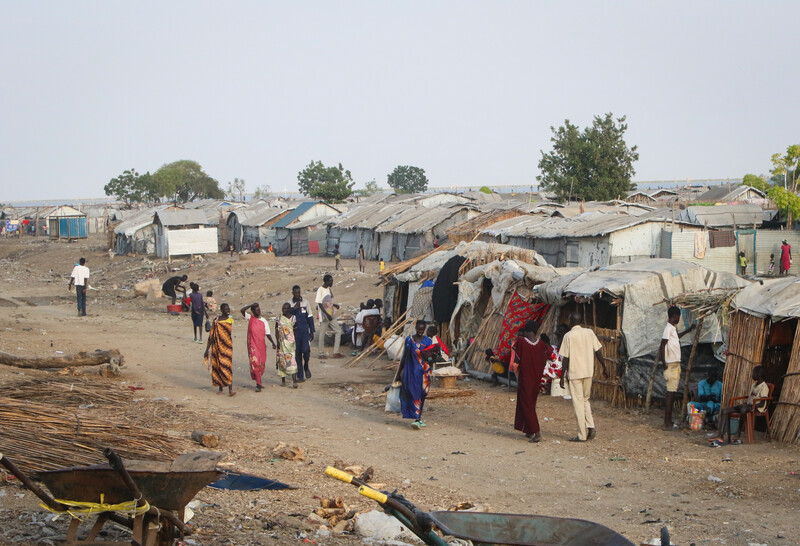
South Sudan's protection sites, initially established as temporary shelters during conflict, have evolved into long-term camps for hundreds of thousands reliant on diminishing aid. To address this crisis, a shift from short-term emergency relief to sustainable, development-driven recovery is necessary. Key actions include enhancing access to land, restoring housing, and fostering local peace dialogues. International support should align with national priorities and focus on flexible funding, coordination between sectors, and investments in infrastructure. Effective solutions are critical to prevent prolonged dependency and to enable recovery and reintegration.
Africa
It’s time to end South Sudan’s decade of displacement
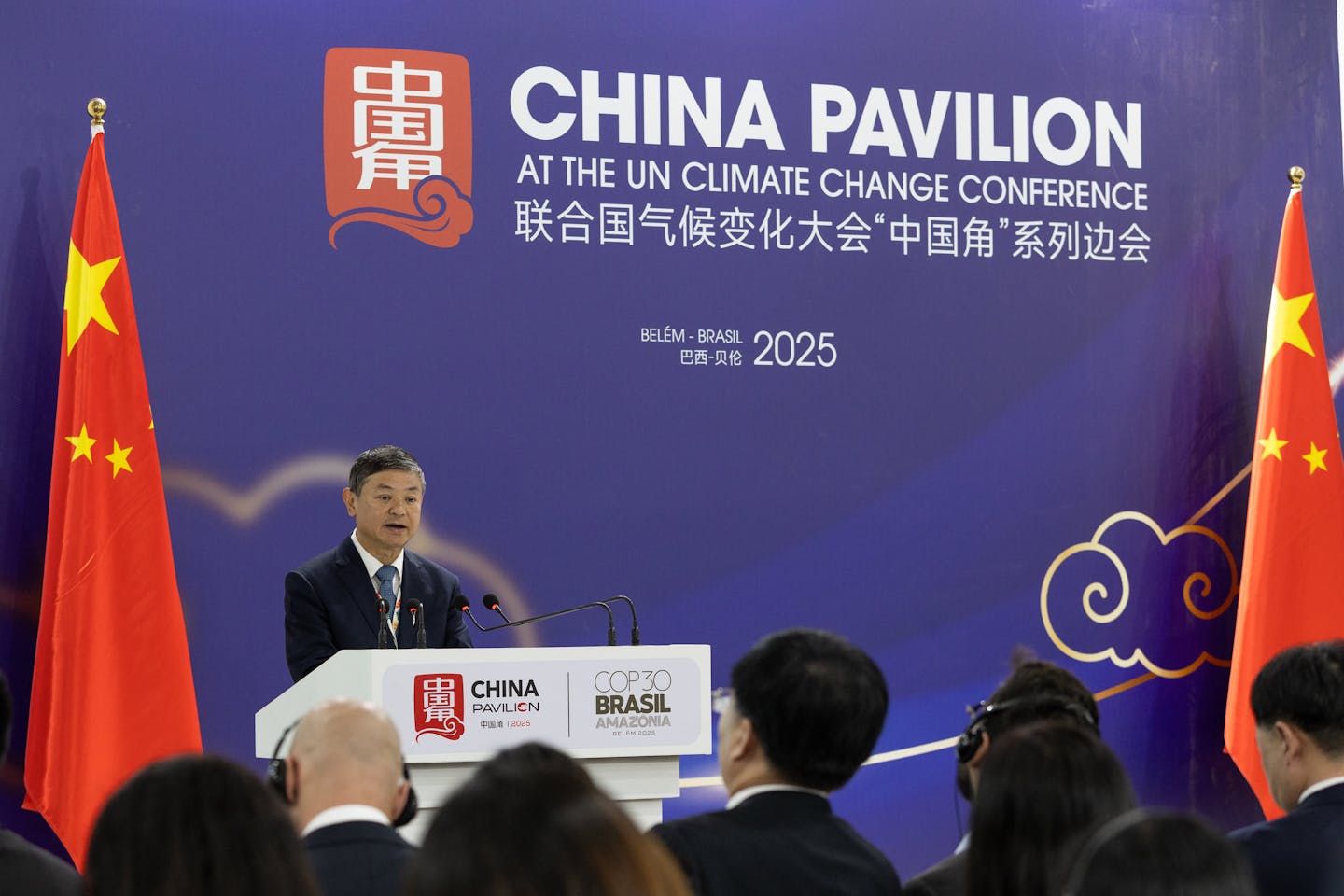
Chinese mining companies play a crucial role in the supply chain of transition minerals necessary for clean energy technologies. However, their operations often raise environmental concerns, including deforestation and pollution, particularly in Indonesia. Social unrest linked to these mining projects has increased, with significant violence reported in emerging economies. Despite improvements in ESG reporting, gaps remain in transparency and community engagement. Many companies fail to adequately disclose project-level environmental and social impacts, focusing instead on surface-level achievements. This lack of comprehensive disclosure poses reputational risks and complicates the identification of ESG-related issues.
Egypt, Eswatini, Ethiopia, Ghana, Indonesia, Singapore, Taiwan, China, Tanzania | Financial services
Chinese mining companies need deeper dialogue with overseas communities

The global average temperature surpassed 1.5°C above pre-industrial levels in 2024, necessitating unprecedented adaptation efforts, particularly in vulnerable nations facing worsening climate impacts. A framework for a global adaptation goal was established at COP28, but significant resource shortfalls threaten its success, as current adaptation financing is heavily reliant on public debt, particularly affecting developing countries like those in Africa. These nations advocate for a responsible global approach to financing and implementing the adaptation goal, emphasizing that they cannot shoulder this burden alone. A collective commitment to support these countries is crucial for effective climate resilience.
Financial services, Health
The global goal on adaptation must respond to actual needs

At the UN climate conference Cop30 in Belém, Brazil, young activists expressed unfulfilled demands for action on fossil fuel emissions, Indigenous rights, and climate accountability. Despite calls for a transition away from fossil fuels and stronger protections for the Amazon, the conference outcomes lacked specificity and vision. Young negotiators highlighted the need for decision-making power, legal mechanisms to hold parties accountable, and inclusive adaptation metrics. Overall, while the atmosphere was optimistic, key issues remained unresolved, leaving significant gaps in commitments to climate action and justice.
Africa, Latin America | Health
The demands of young people went unfulfilled by the UN climate summit – mostly

South Africa's housing policy is misaligned due to the inclusion of Solar Home Systems (SHS) in housing grants, initially intended to alleviate energy poverty during power outages. Despite the urgency at the time, funding SHS diverted resources from essential housing projects without a sustainable plan. Recent improvements in Eskom’s capacity have rendered the SHS policy less relevant, yet it persists. A study shows SHS units have minimal impact on reducing grid demand or energy poverty in low-income households, highlighting significant opportunity costs that hinder crucial housing development amid ongoing shortages.
Financial services
Evidence should shape South Africa's housing policy

Infrastructure inequities define modern cities, necessitating an agenda for advancing infrastructural equity in low-income urban contexts. The authors argue that methodological silos and data fragmentation impede the development of a cohesive knowledge base for coordinated action. They advocate for integrating diverse methodologies, focusing on research that informs context-specific action, and maintaining ethical standards that prioritize affected communities in improving infrastructure access.
Education, ICT
An agenda for data-rich, action-oriented, ethical research on infrastructure in informal settlements

Volunteers are enhancing youth-led education through initiatives like Voices Unbound, which provides English language education to orphaned children in Jeddah and has expanded to Zanzibar. These programs focus on community trust and mentorship, fostering not just language proficiency but also confidence and critical thinking. Participants experience personal growth and aspiration through activities like public speaking and role-playing. Success in Zanzibar illustrates the model's broad applicability, suggesting that such youth-led, resource-efficient programs can significantly improve educational outcomes and empower local communities worldwide.
Africa | Education
How volunteers are advancing youth-led education from Jeddah to Zanzibar – and beyond

China's CO2 emissions have remained flat or fallen for 18 months, with notable changes in various sectors. Electric vehicle adoption led to a 5% drop in transport emissions, while emissions from cement and steel production also decreased. Power-sector emissions remained unchanged despite a 6.1% rise in electricity demand, aided by significant growth in solar (46%) and wind (11%) energy generation. However, emissions from the chemical industry surged, offsetting reductions in other areas. Overall, as of September 2025, a full-year emission decrease appears likely, yet achieving carbon intensity targets by 2025 remains a challenge.
Taiwan, China
Analysis: China’s CO2 emissions have now been flat or falling for 18 months

NBS compiles the latest business sustainability research, focusing on in-press articles to showcase innovative knowledge. The compilation includes studies from Financial Times Top 50 journals and encompasses diverse topics, such as organizational inclusivity, entrepreneurship dynamics, ethical implications of ESG issues, and innovative workplace practices. Highlights for October 2025 feature contributions from various authors and cover significant themes relevant to sustainability and ethical business practices.
Ethiopia
Table of Contents: October 2025

Malaysia must reform its urban governance and integrate nature into city planning to effectively combat climate change, according to former minister Nik Nazmi Nik Ahmad. He emphasized the importance of local governance, suggesting a shift from federally appointed mayors to a councillor-based structure for greater accountability. The absence of local council elections since the 1960s hinders community engagement in urban development. He highlighted the challenges of preserving green spaces, citing development pressures in Kuala Lumpur, where urban heat and flooding are exacerbated by inadequate planning. Revitalizing cities with nature as a strategic ally is essential for climate resilience.
Malaysia, Nigeria
Strong governance and nature integration needed for cities to lead climate fight: Nik Nazmi
Indonesia is developing Nusantara as its new capital city, focusing on achieving water security due to reliance on vulnerable surface water sources. The Asian Development Bank is collaborating with the Nusantara Capital Authority (NCA) and the Ministry of Public Works to enhance institutional capacity for sustainable urban and water-sensitive planning. A training program for officials resulted in improved understanding of integrated water management and fostered collaboration between agencies. Key outcomes include identified pilot locations for water-sensitive principles and the potential establishment of a "WSC task force" to maintain progress, supporting the vision of a sustainable capital by 2045.
ASEAN | Financial services
Building Institutional Capacity for Water-Sensitive Urban Planning

The world has failed to meet climate targets set by the 2015 Paris agreement, leading to an inevitable warming exceeding 1.5°C within years. This overshoot will result in increased extreme climate events and threaten vital ecosystems, risking existential consequences for billions. The missed opportunities from prior agreements have culminated in a critical situation where feedback loops could lead to severe climate scenarios, potentially raising temperatures by over 5°C. Immediate global action is necessary to phase out fossil fuels, transform food systems, and enhance carbon removal efforts to limit overshoot and aim for a stable climate.
The world lost the climate gamble. Now it faces a dangerous new reality
Quantum technologies are transforming various industries but pose significant cybersecurity threats as current encryption methods may be rendered obsolete. A diverse skill set is essential for quantum ecosystems, yet there is a growing talent gap across roles such as engineers, technicians, and business managers. Organizations must align technology adoption with workforce development through training and partnerships. The transition to post-quantum cryptography is urgent to safeguard data, with the EU mandating changes by 2026. Current workforce challenges highlight the need for greater education and training investment to prepare for quantum innovations.
Qatar, Singapore, United Arab Emirates | Financial services, ICT, Health, Education
How upskilling quantum talent will prepare us for a quantum-safe future
Saudi Arabia has demonstrated that strong regulations are essential for fostering a robust digital economy, capturing 8.3% of global FDI from 2021 to 2023. The Kingdom's digital sector contributes approximately 15% to GDP, with ongoing policy reforms linking infrastructure investment to inclusive growth. Initiatives like the National Frequency Spectrum Strategy support innovation and broaden access, while collaboration with local companies accelerates advancements in technologies such as 5G. Despite progress, challenges like fragmented oversight and connectivity gaps persist, offering lessons for other developing countries in establishing cohesive digital governance, prioritizing public-private partnerships, and enhancing digital literacy.
Algeria, Bahrain, Bangladesh, Burkina Faso, Chad, Egypt, Ethiopia, Guinea, Indonesia, Kuwait, Mali, Morocco, Qatar, Republic of Korea, Rwanda, Saudi Arabia, Senegal, Singapore, South Africa, Tanzania, Tunisia, United Arab Emirates | Financial services, Education, ICT
Regulations are what build a digital economy. Saudi Arabia proves why
U.S. foreign policy is increasingly centered on AI in the context of the geopolitical rivalry with China, described as an "existential race." The Trump administration has initiated a strategic agenda focused on maintaining technological dominance through collaboration with private tech firms. This includes significant investment in AI research, implementation across the U.S. economy, and integration within the armed forces. With China's aggressive AI development and military "intelligentization," the U.S. aims to secure its technological edge, consolidate sovereignty, and shape global standards. This shift underscores a new paradigm of competition, prioritizing American interests over traditional international frameworks.
Germany, Russian Federation, Switzerland, Taiwan, China | Financial services, ICT, Education
U.S. Foreign Policy: Power in the Age of AI

Nuclear energy is positioned as a crucial element in Britain’s plans to achieve net-zero targets, aiming to quadruple its capacity by 2050. Projects like Hinkley Point C and Sizewell C, alongside the introduction of small modular reactors (SMRs), promise to modernize nuclear energy. However, challenges remain, including high costs, logistics, and public opposition. The British Energy Security Strategy targets 24 gigawatts of nuclear capacity, emphasizing energy independence and job creation, while financing and waste management concerns linger. Even amidst renewed support, nuclear's role in a renewable-dominant energy landscape is uncertain.
Financial services
The promise, peril and pragmatism of Britain’s nuclear “renaissance”