Publications

INSIGHT REPORT

Pioneering the Future: Space

Technologies Poised to Revolutionize

Exploration and Economy by 2035

September 2026

FACTSHEETS

Pioneering the Future: Space

Technologies Poised to Revolutionize Exploration and Economy by 2035

June 2026

WHITE PAPER

Future of Space Law:

Operationalizing Space Governance

March 2026

REPORT

Clear Orbit, Secure Future:

 A Call to Action on Space Debris

Jan 2026

WHITE PAPER

The Future of Space Law

Insights from the ATS, UNCLOS, and ITU Frameworks

December 2025

WHITE PAPER

The Future of Space Law: 

The Evolving Dynamics of Air and Space Regulation

 September  2025

The Future Of Space Law

News

Centre for Space Futures, Novaspace and SpaceTech Gulf  Sign Agreement to Develop Global Space Capability Mapping Dashboard

Riyadh, Saudi Arabia , 23 Jun 2026|  Press Release

Clear Orbit, Secure Future: A Call to Action on Space Debris

Riyadh, Saudi Arabia, 26 Jan 2026 | Press Release

Centre for Space Futures Holds Workshop with Participation of 40 Global Experts

Riyadh, Saudi Arabia, 05 Dec 2025 | Press Release

Centre for Space Futures Releases White Paper on 'The Future of Space Law'

Riyadh, Saudi Arabia, 12 Sep 2025 | Press Release

The Board of Directors of the Centre for Space Futures Endorses Its Strategic Direction

Riyadh, Saudi Arabia, 26 May 2025 | Press Release

Saudi Space Agency to Launch the Centre for Space Futures with the World Economic Forum

Riyadh, Saudi Arabia, 29 April | Press Release

5 ways we can tackle growing risks from rocket bodies in orbit

Dec 09, 2025 | Economic Growth, Stories

Read More

Forum Agenda

Forum Videos

VIDEO

Press Conference: Centre for Space Futures in Riyadh

The World Economic Forum's Special Meeting, April 29, 2024

VIDEO

The Purpose of Astronauts at Davos 2024

World Economic Forum , March 9, 2024

VIDEO

PortWatch: Monitoring Trade Disruptions from Space

World Economic Forum , Dec 18, 2023

VIDEO

India's Moon Mission Triumph: Ambassador Ruchira Kamboj's Insights

World Economic Forum , Aug 23, 2023

VIDEO

Space Exploration is Back at Davos 2023

World Economic Forum , Feb 16, 2023

Forum Publications

Strategic Intelligence Insights

Scaling climate finance is both an environmental and economic necessity, especially highlighted at COP30 in Brazil. A central theme emerged around mobilizing capital for climate-aligned projects, as global climate finance needs to accelerate significantly to bridge the investment gap, particularly in emerging markets. Effective progress hinges on aligning development and climate finance into a coherent system. Understanding the diverse roles of private investors, particularly insurers, is crucial for integrating risk management early in project design. Additionally, standardization of successful models and enhanced transparency are essential to replicate and scale investments efficiently.
Ghana, Rwanda, Switzerland | Financial services, Health
From São Paulo to Davos: What needs to happen in climate finance
The French National Strategic Review 2025 (NSR 2025) faces critical limitations amid escalating external threats, such as Russian incursions and cyberattacks. André Leblanc's analysis highlights the review's lack of a coherent strategy and insufficient consideration of resource allocation. The maximalist approach adopted is not aligned with budgetary constraints, questioning its effectiveness. Consequently, while the NSR outlines strategic objectives and measures, it ultimately fails to formulate a true strategy, reflecting a need for a more critical and structured methodology in addressing national security concerns.
Russian Federation | Financial services
The Test of Reality: French National Strategic Review, the Scenario and the Means
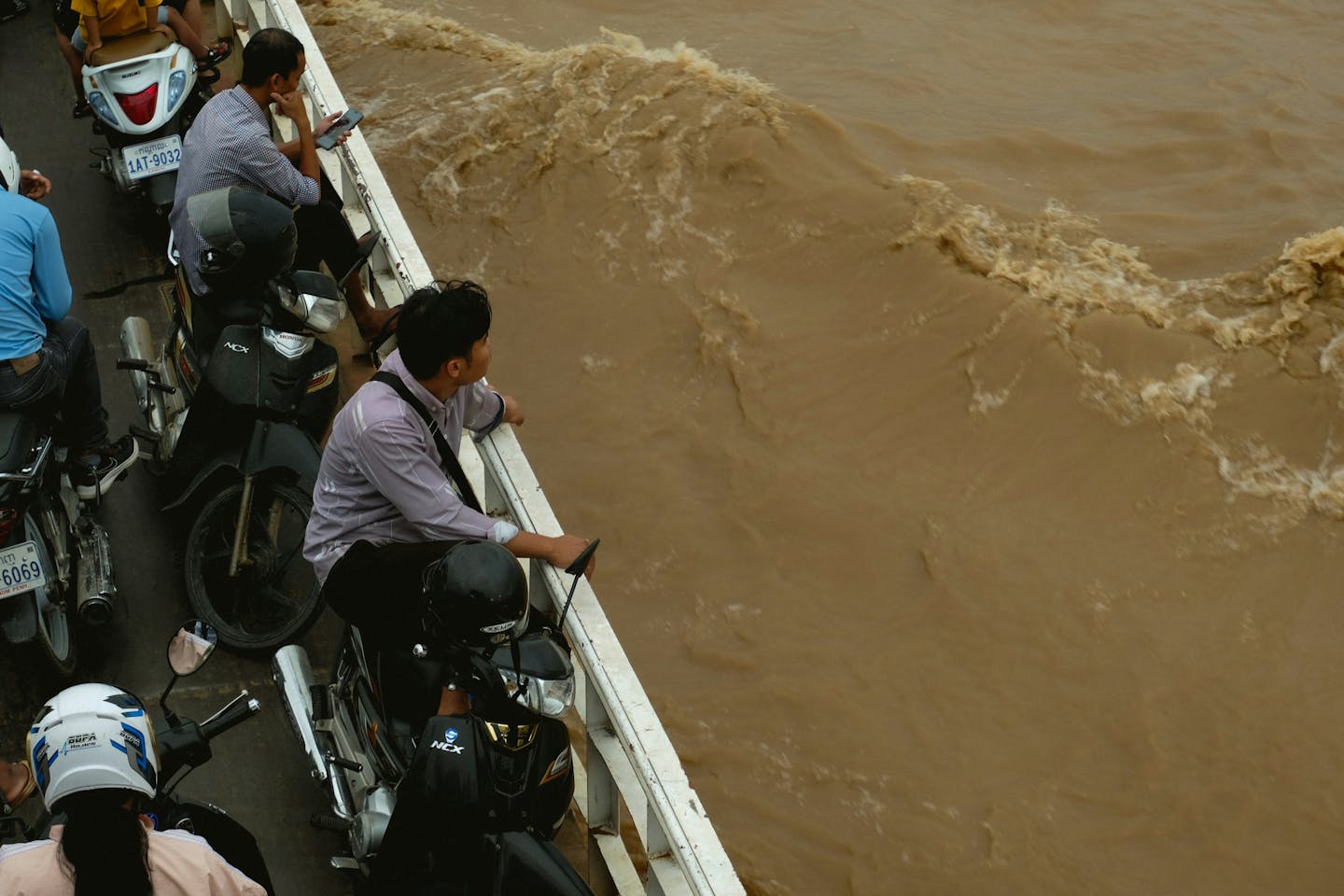
Rapid emissions reductions can significantly minimize future sea level rise, potentially avoiding an additional 64 centimeters by 2300. Current emissions have already committed 29 centimeters of rise, with an additional 79 centimeters projected under existing climate policies. Limiting global warming to 1.5°C could reduce this extra rise to just 15 centimeters. The study highlights the disproportionate risks faced by Pacific small-island nations, emphasizing that cutting greenhouse gas emissions is both a climate necessity and a justice imperative. Rising sea levels jeopardize coastal regions, and the long-term implications of current emissions will persist for centuries.
Rapid emissions cuts would avoid 64 cm of ‘locked in’ sea level rise by 2300
Cities are increasingly facing water challenges due to rising demand and environmental pressures. Urban centers are leveraging governance, investment, and collaboration to foster innovation in water management. The World Economic Forum’s Water-BOOST framework provides a systems-based approach to enhance these ecosystems, emphasizing the importance of strong relationships and enabling mechanisms for innovation to thrive. Case studies from cities like San Francisco and Valencia illustrate effective strategies, such as regulatory mandates for water reuse and digitalization of water services, showcasing scalable models for urban water innovation amidst ongoing crises.
Ghana, Rwanda, Singapore | Financial services, ICT, Health, Education
How cities are turning water challenges into innovation opportunities
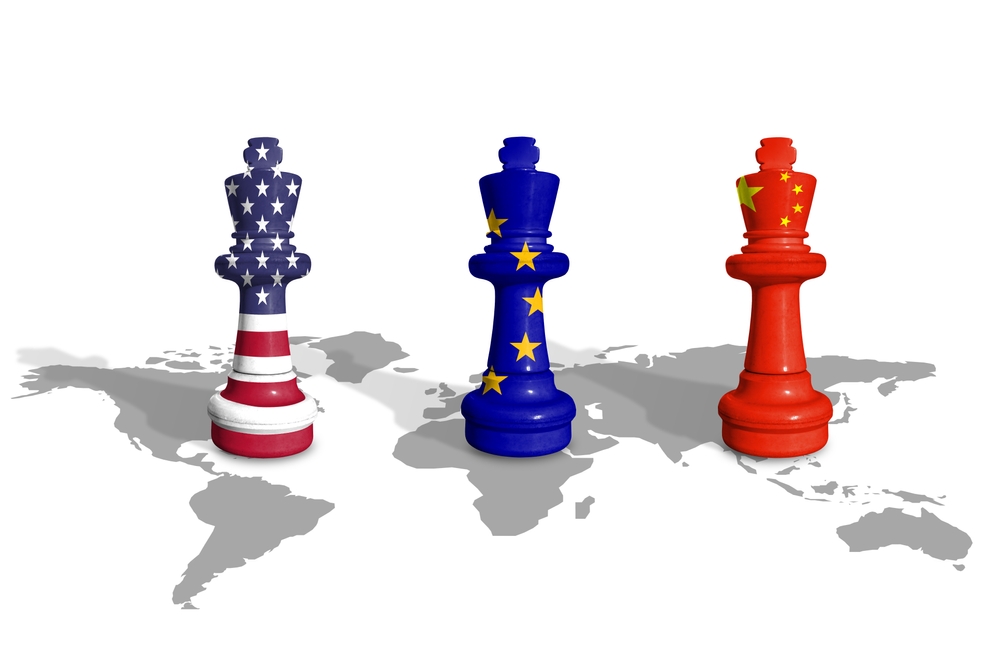
Europe has lagged in technology for nearly 40 years, despite numerous reports urging reform. A recent report by former prime ministers raises alarms about Europe’s position in a technology-driven world and the existential risks posed by failing to innovate. It emphasizes that leadership in technologies like AI is vital for national strength and societal resilience. The report calls for decisive actions, including expanding global tech influence, reforming regulations, and boosting AI adoption. Notably, it highlights the potential of GovTech to establish a distinct digital government model, which could enhance Europe’s global presence in the AI era.
Algeria, Angola, Austria, Belgium, Chad, Denmark, Finland, Germany, Italy, Luxembourg, Mali, Netherlands, Poland, Singapore, Sweden | Financial services, Health, Education, ICT
Europe In The Age Of AI: A New Urgency To Solve Entrenched Problems

The UN climate summit Cop30 in Belém, Brazil, focuses on climate finance targets, ethical fossil fuel transitions, and the role of renewables in the economy. The venue features a blue zone for diplomatic negotiations and a green zone for public events. Notable discussions include the lack of attention to oceans in climate agreements, with insights from researcher Kerstin Bergentz highlighting their crucial role in climate regulation. Additionally, Mauricio Paixão addresses environmental racism, emphasizing unequal recovery efforts following floods that disproportionately affected marginalized communities in Brazil.
Antarctica, Bolivia, Brazil, Nigeria
Behind the scenes in Belém: The Conversation’s report from Brazil’s UN climate summit
Reuse can strengthen the industrial sovereignty of Europe by providing an alternative to resource extraction and new production, crucial given the continent's dependence on external supplies for critical materials. Current public policies tend to emphasize relocating production and recycling, while the potential of reuse remains largely overlooked. The Reuse Economy promotes maximizing product lifespan through design for multiple uses, efficient logistics, and refurbishment processes. This approach can reduce material footprints and enhance sustainability, particularly in industries like batteries and semiconductors, thus offering a concrete path toward a resilient post-fossil fuel economy in Europe.
Belgium, Canada, Czech Republic, Denmark, France, Germany, India, Indonesia, Lithuania, Luxembourg, Portugal, Rwanda, Senegal, Sweden, Taiwan, China, Tunisia | ICT, Education
Industrial Sovereignty: Reuse, a Decisive Lever for Europe
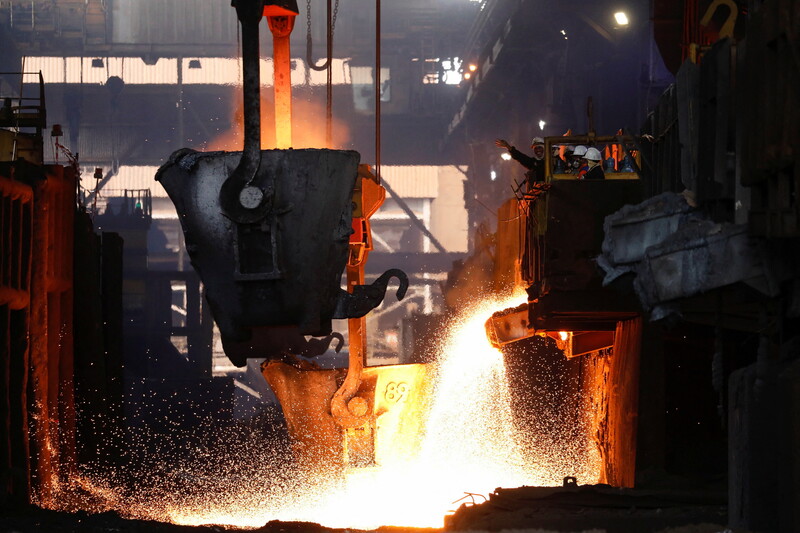
Emerging economies face challenges from geopolitically driven industrial policies that prioritize national security over market efficiency. Controlling vital resources and enhancing regional integration can bolster their economic resilience. While these states demonstrate greater resilience compared to advanced economies, they struggle with capital allocation and technology access. Over 18 countries have restructured mining laws to capture value from critical minerals, with Indonesia's nickel export bans attracting significant investment. Regional initiatives, such as the African Continental Free Trade Area and ASEAN, are crucial for collective bargaining power and sustaining growth amid global competition.
Algeria, Angola, Argentina, Australia, Austria, Bahrain, Bangladesh, Belgium, Benin, Bolivia, Bosnia and Herzegovina, Brazil, Burkina Faso, Burundi, Cambodia, Canada, Chad, Chile, Colombia, Costa Rica, Croatia, Czech Republic, Denmark, Ecuador, Egypt, Estonia, Eswatini, Ethiopia, Finland, France, Germany, Ghana, Greece, Guinea, Hungary, India, Indonesia, Israel, Italy, Japan, Jordan, Kazakhstan, Kenya, Lesotho, Lithuania, Luxembourg, Malawi, Malaysia, Mali, Mauritania, Mauritius, Mexico, Morocco, Mozambique, Namibia, Nepal, Netherlands, Nigeria, Norway, Oman, Pakistan, Panama, Paraguay, Peru, Philippines, Poland, Portugal, Qatar, Republic of Korea, Russian Federation, Rwanda, Saudi Arabia, Senegal, Singapore, Slovakia, South Africa, Spain, Sri Lanka, Sweden, Switzerland, Taiwan, China, Tajikistan, Tanzania, Tunisia, Türkiye, Uganda, Ukraine, United Arab Emirates, Viet Nam | ICT, Financial services, Health
How emerging economies can survive and thrive in an era of geopolitical competition
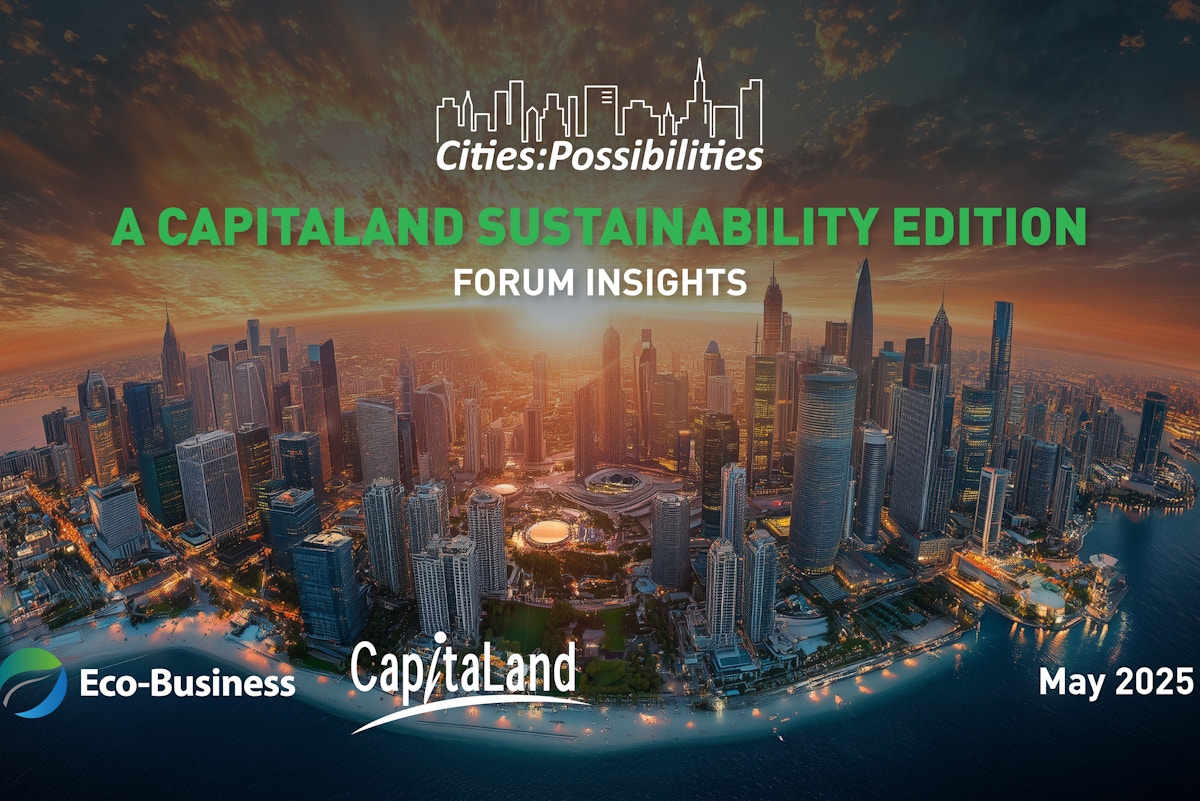
Cities are confronted with the urgent challenge of promoting sustainable urban development amidst escalating climate stress and social disparities, particularly in Asia, where extreme weather and pollution are prevalent. Vulnerable communities are disproportionately affected, yet investment in local initiatives remains limited due to governance issues. Despite these obstacles, cities serve as hubs for innovative solutions, including decarbonization and regenerative strategies. The 2024 Cities: Possibilities Forum brought together leaders from various sectors to discuss transforming urban environments for resilience and equity, marking a significant collaboration with CapitaLand to address the built environment's pressing issues.
Bangladesh, Indonesia, Nigeria, Qatar, Senegal, Singapore, South Africa, United Arab Emirates, Viet Nam | ICT, Financial services, Health, Education
Cities: Possibilities Forum Insights 2024
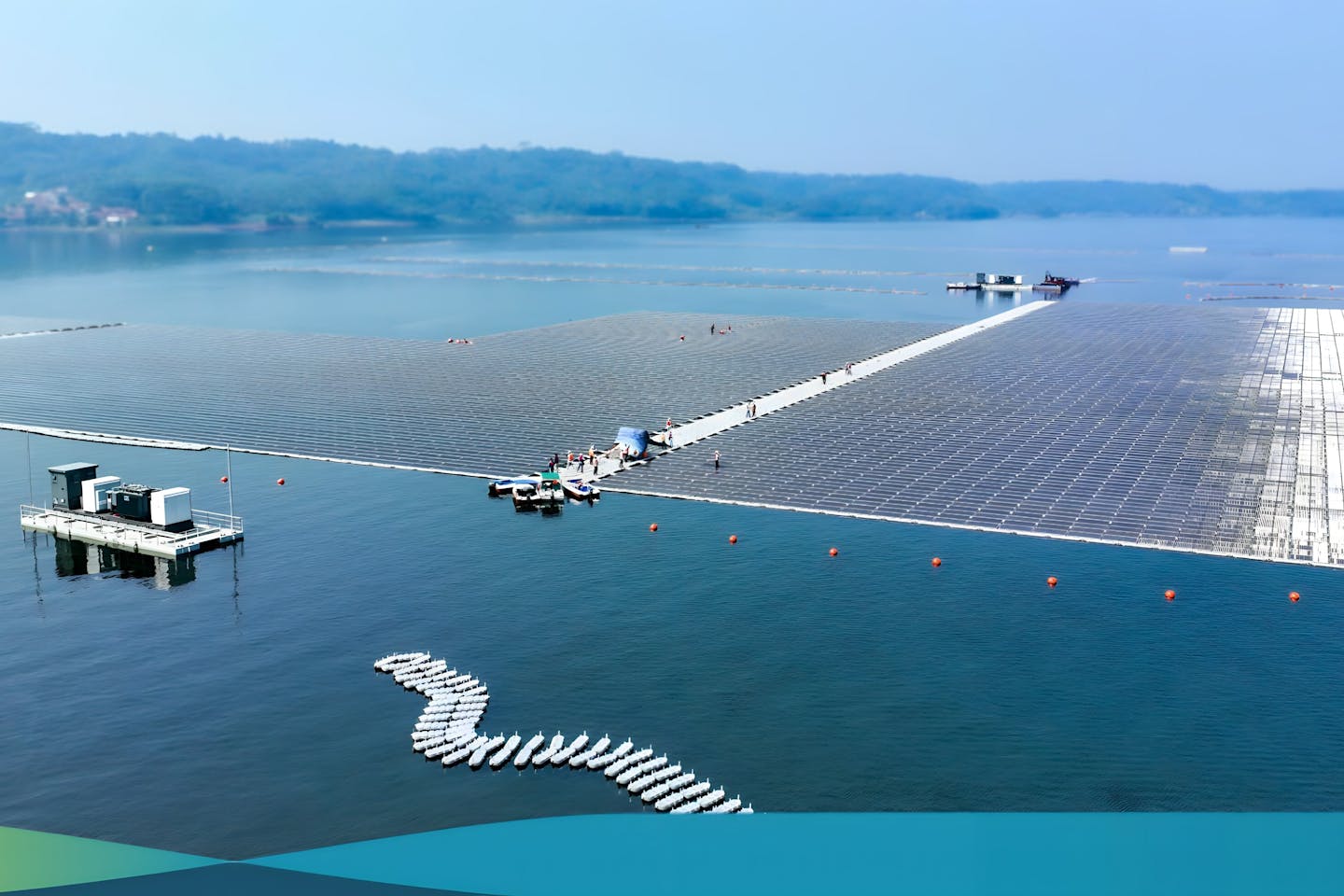
Indonesia can potentially attract billions in clean energy investments, enhance job creation, and boost regional influence by leveraging China's focus on green finance. A study highlights that redirecting China’s annual energy financing of approximately US$900 million towards renewable energy could mobilize up to US$9 billion, enabling significant projects like floating solar plants and electric vehicle manufacturing. However, structural barriers, like the need for local content, regulations, and green skills development, must be addressed to fully benefit from this investment. Enhanced cooperation and knowledge exchange between China and Indonesia are essential for effective integration and capacity building in Indonesia's energy transition.
Denmark, Egypt, India, Indonesia, Malaysia, Nigeria, Singapore, Taiwan, China | Financial services
Indonesia's energy transition could be turbocharged by Chinese green finance, study finds

CO2 emissions from fossil fuels are projected to rise by 1.1% in 2025, reaching a record 38.1 billion tonnes. However, total global CO2 emissions, including land use, are expected to remain nearly flat at 42.2 billion tonnes due to a nearly 10% decrease in emissions from land use, reflecting reduced deforestation. The land carbon sink has recovered to pre-El Niño levels, but long-term declines in carbon sinks contribute to rising atmospheric CO2, projected to hit 425.7 ppm in 2025. The remaining carbon budget for limiting global warming to 1.5°C is nearly exhausted.
Analysis: Fossil-fuel CO2 emissions to set new record in 2025, as land sink ‘recovers’
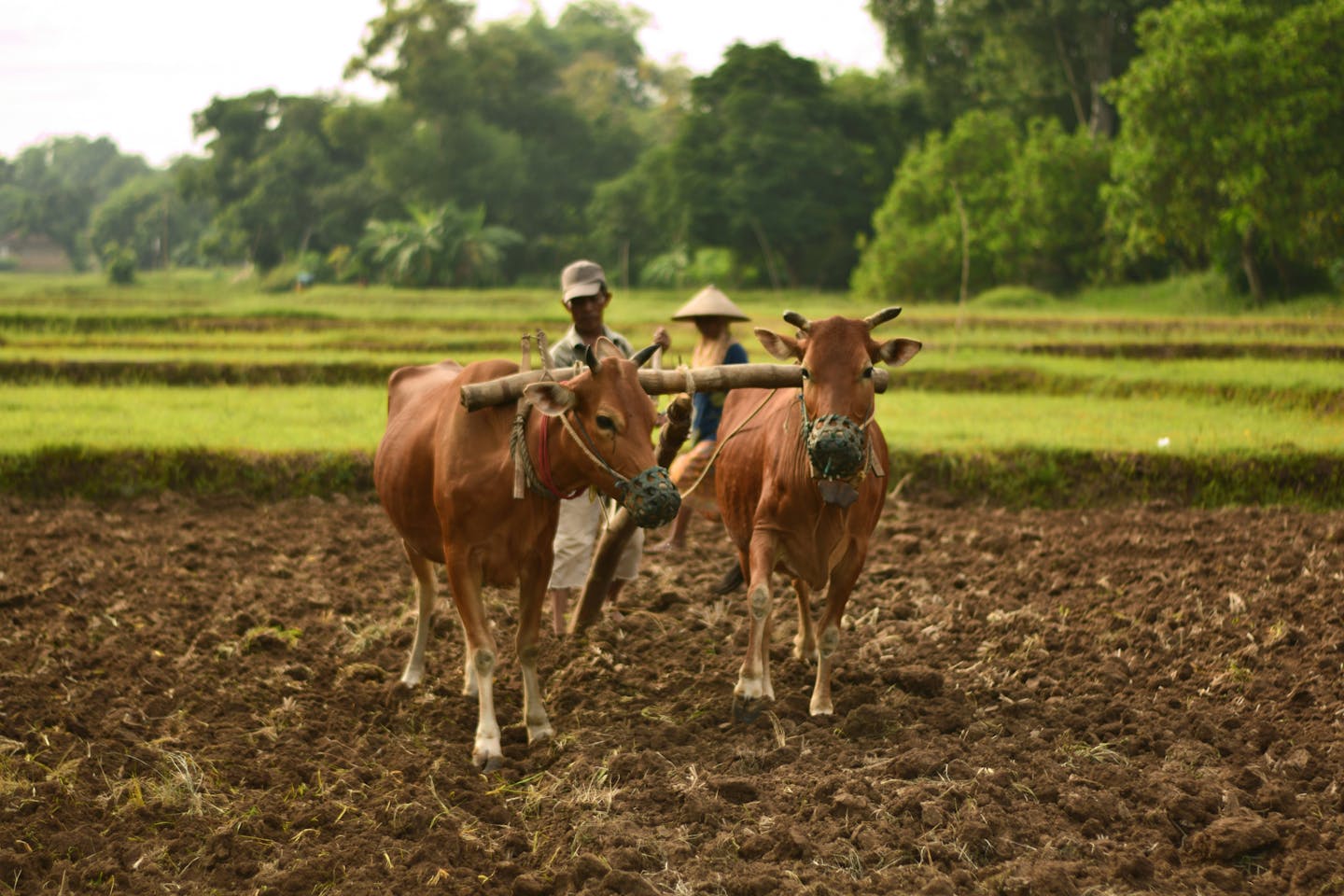
Soil health is declining globally, with over one-third of agricultural land degraded and significant carbon losses due to practices like crop production and cattle grazing. Efforts to improve soil health have emerged since the 1980s, gaining attention in international agreements like the Global Biodiversity Framework and COP28. Healthy soils support biodiversity, food production, and ecosystem services but face threats from industrial agriculture methods such as monocropping and overgrazing. Currently, approximately 1.66 billion hectares, or 35% of agricultural land, is degraded, impacting climate change, water resources, and biodiversity.
Latin America | Health
Q&A: The role of soil health in food security and tackling climate change
Restoring and protecting nature in Asia offers significant economic benefits, contributing to profits, jobs, and growth. Approximately 75% of the region's GDP relies on nature-based industries like agriculture, forestry, and tourism. Effective ecosystem management can save costs, prevent disease, and improve public health. A shift towards nature-positive development could unlock over $10 trillion and create 400 million jobs globally by 2030, with Asia capturing $4 trillion and 232 million jobs. Sustainable practices and investment in natural infrastructure provide cost-effective solutions while fostering long-term resilience and environmental protection. Immediate action is crucial to align economic systems with sustainability.
Financial services
Protecting Asia’s Natural Resources is Profitable
Green logistics innovations in emerging markets provide valuable lessons for enhancing global trade while reducing greenhouse gas emissions. The logistics sector is vital for the economy but also significantly contributes to emissions. The Green Logistics Innovation report outlines 15 key innovations spanning green fuel production, vehicle manufacturing, infrastructure, and digital enhancements to drive transformation. Challenges such as fragmented policies, financial limitations, and lack of collaboration hinder widespread adoption. The report suggests creating integrated regulatory frameworks and mobilizing green finance to overcome these barriers, promoting a synchronized transition towards more sustainable logistics practices.
Colombia, Ethiopia, Ghana, Indonesia, Senegal, Tanzania, Uganda, United Arab Emirates, Viet Nam | Financial services, ICT, Education
What green logistics innovation in emerging markets can teach us
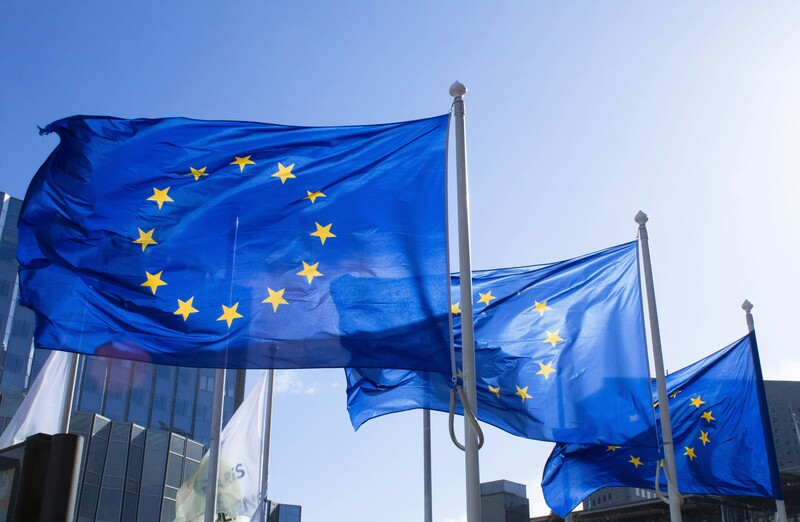
Europe is investing €180 million in sovereign cloud infrastructure to enhance technological sovereignty and reduce reliance on concentrated global hyperscalers. This initiative, seen as a response to growing geopolitical risks and dependency, aims to ensure operational autonomy by controlling cloud services end-to-end. The European Commission's new Cloud Sovereignty Framework is set to establish clear metrics for digital sovereignty. As the global sovereign cloud market is expected to exceed $250 billion in three years, Europe is positioning itself as a leader in developing a strategic, innovative, and resilient digital ecosystem.
Belgium, Burkina Faso, Denmark, Ethiopia, Germany, Ghana, Hungary, Luxembourg, Poland, Russian Federation, Rwanda, Singapore, Slovakia, Sweden, Switzerland, Taiwan, China, United Arab Emirates | Financial services, ICT, Health, Education
Sovereignty 2.0: Why Europe’s €180 million cloud bet matters

The Feanedock Oak in Derbyshire, a significant native specimen, supports a rich biodiversity and has provided habitat for centuries. Recent research by dendrochronologists revealed it has lived for over 200 years, during which it has experienced environmental stresses, including heat and drought. A creative event called Ring of Truth, held under the oak, explored legal rights of nature, focusing on the tree's historical witness to ecological damage. The collaboration examined how trees possess biological memory through epigenetic changes, which enable them to adapt to environmental challenges, offering insights into their resilience and ecological importance.
What do trees remember?
The ocean economy faces critical environmental and economic choices that could lead to either an unsustainable "grey" economy or a regenerative "blue" economy. Current trajectories predict continued reliance on fossil fuels, overfishing, and polluting practices, exacerbating inequality and environmental collapse. Transitioning to a blue economy requires five key steps: reducing fossil fuels, increasing renewable energy, ensuring sustainable fishing and shipping, and minimizing pollution from agriculture and cities. Successful examples from countries like Denmark and initiatives for sustainable food production, mangrove restoration, and pollution reduction showcase the potential for positive change that benefits both ecosystems and communities.
Five ways to make the ocean economy more sustainable and just
COP30 in Belém, Brazil, aims to be the 'implementation COP' focused on accelerating climate action through political will, policy, and universal standards on carbon emissions. A collaboration between the International Organization for Standardization (ISO) and the Greenhouse Gas Protocol has led to the development of new tools for GHG emissions accounting and reporting, producing a credible framework for measuring emissions. This initiative seeks to unify diverse existing standards, supporting better reporting and strategic decisions, which are crucial for unlocking climate finance and enhancing accountability at COP30.
Financial services
Why standards are the quiet hero of implementation at COP30
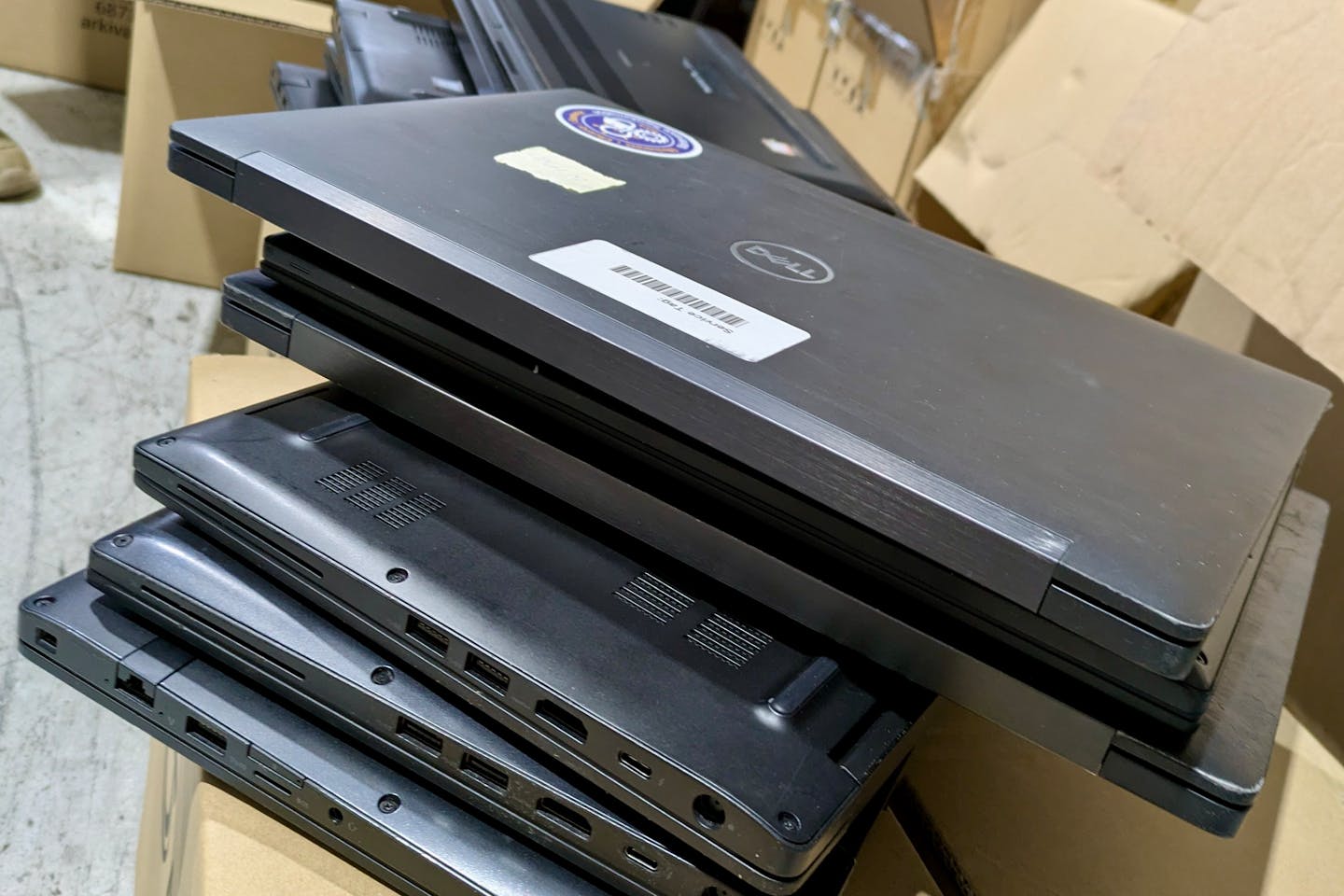
Mounting e-waste in Southeast Asia presents an urgent challenge, with less than 25% being recycled responsibly. The region, receiving over 10,000 containers of discarded electronics valued at over $1 billion, faces significant environmental and health risks from toxic materials. A shift towards repair and reuse is advocated as a more sustainable approach. This "reuse first" strategy preserves resources, reduces the need for new manufacturing, and fosters job creation in refurbishment sectors. Companies like Arkiva demonstrate effective practices in device restoration and secure data destruction, promoting a culture of reuse over recycling.
Why reuse – not recycling – should be Southeast Asia’s priority in the struggle against mounting e-waste
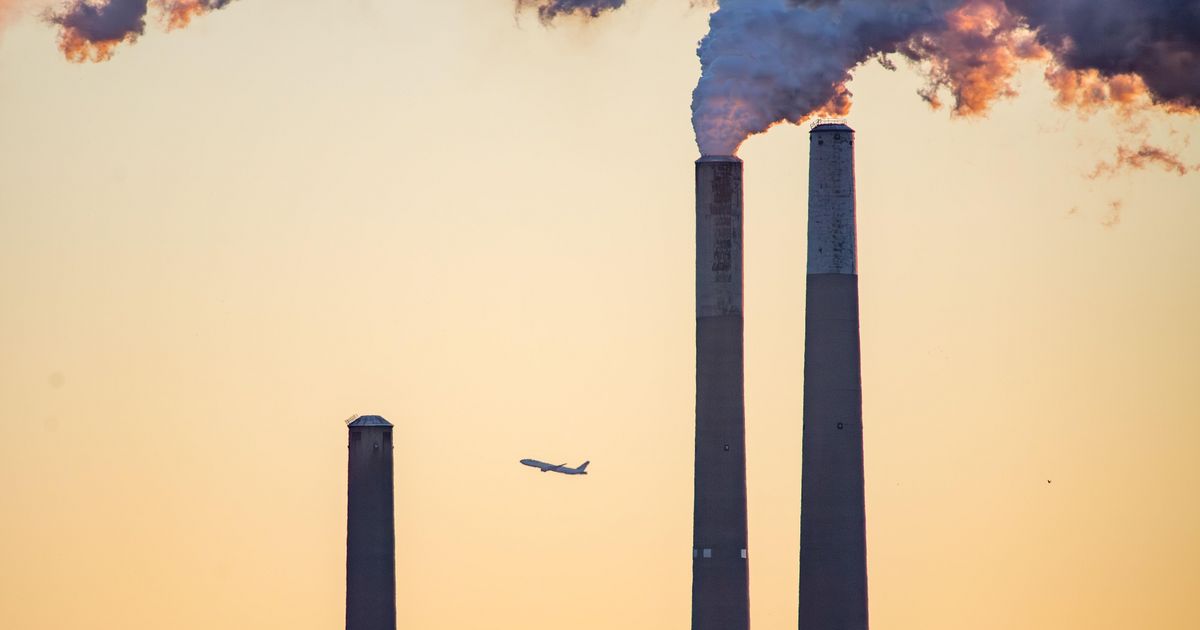
Global warming is projected to exceed 1.5°C by the early 2030s. While returning to this temperature by the end of the century may not eliminate all associated harms, it can mitigate risks compared to sustained warming above 1.5°C. Achieving this goal requires significant near-term emission reductions to limit warming below 2°C, followed by ongoing net-negative carbon dioxide (CO2) and greenhouse gas (GHG) emissions. This necessitates a shift in international climate policy, particularly for the European Union, to view "net-zero" as a transitional step towards achieving these targets.
Overshoot: Returning to 1.5°C Requires Net-negative Emissions Targets