Publications

INSIGHT REPORT

Pioneering the Future: Space

Technologies Poised to Revolutionize

Exploration and Economy by 2035

September 2026

FACTSHEETS

Pioneering the Future: Space

Technologies Poised to Revolutionize Exploration and Economy by 2035

June 2026

WHITE PAPER

Future of Space Law:

Operationalizing Space Governance

March 2026

REPORT

Clear Orbit, Secure Future:

 A Call to Action on Space Debris

Jan 2026

WHITE PAPER

The Future of Space Law

Insights from the ATS, UNCLOS, and ITU Frameworks

December 2025

WHITE PAPER

The Future of Space Law: 

The Evolving Dynamics of Air and Space Regulation

 September  2025

The Future Of Space Law

News

Centre for Space Futures, Novaspace and SpaceTech Gulf  Sign Agreement to Develop Global Space Capability Mapping Dashboard

Riyadh, Saudi Arabia , 23 Jun 2026|  Press Release

Clear Orbit, Secure Future: A Call to Action on Space Debris

Riyadh, Saudi Arabia, 26 Jan 2026 | Press Release

Centre for Space Futures Holds Workshop with Participation of 40 Global Experts

Riyadh, Saudi Arabia, 05 Dec 2025 | Press Release

Centre for Space Futures Releases White Paper on 'The Future of Space Law'

Riyadh, Saudi Arabia, 12 Sep 2025 | Press Release

The Board of Directors of the Centre for Space Futures Endorses Its Strategic Direction

Riyadh, Saudi Arabia, 26 May 2025 | Press Release

Saudi Space Agency to Launch the Centre for Space Futures with the World Economic Forum

Riyadh, Saudi Arabia, 29 April | Press Release

5 ways we can tackle growing risks from rocket bodies in orbit

Dec 09, 2025 | Economic Growth, Stories

Read More

Forum Agenda

Forum Videos

VIDEO

Press Conference: Centre for Space Futures in Riyadh

The World Economic Forum's Special Meeting, April 29, 2024

VIDEO

The Purpose of Astronauts at Davos 2024

World Economic Forum , March 9, 2024

VIDEO

PortWatch: Monitoring Trade Disruptions from Space

World Economic Forum , Dec 18, 2023

VIDEO

India's Moon Mission Triumph: Ambassador Ruchira Kamboj's Insights

World Economic Forum , Aug 23, 2023

VIDEO

Space Exploration is Back at Davos 2023

World Economic Forum , Feb 16, 2023

Forum Publications

Strategic Intelligence Insights

The European Data Union Strategy prioritizes three key areas: enhancing access to high-quality data for AI, simplifying data regulations for businesses, and protecting the EU's data sovereignty. To scale up data access, flagship initiatives include launching data labs to connect public and private sectors, creating common European data spaces with EU investment, and expanding high-value datasets under the Open Data Directive. These measures aim to strengthen innovation and position the EU competitively in the global data landscape.
European Data Union Strategy
Representatives from over 100 nations will convene in Belém, Brazil, for COP30, starting November 10. This summit aims to advance climate action plans and address global warming, coinciding with the tenth anniversary of the Paris Agreement. Although the Agreement has spurred national low-carbon initiatives, global progress remains inadequate, with 2024 projected to surpass the 1.5°C warming threshold. Key discussions will revolve around updating nationally determined contributions (NDCs) and securing climate finance. The event also faces geopolitical challenges and the need for strong cooperation amid increasing distrust among countries.
Bolivia, Nigeria, South Africa | Financial services, Health
COP30: What to expect from the global summit on climate change
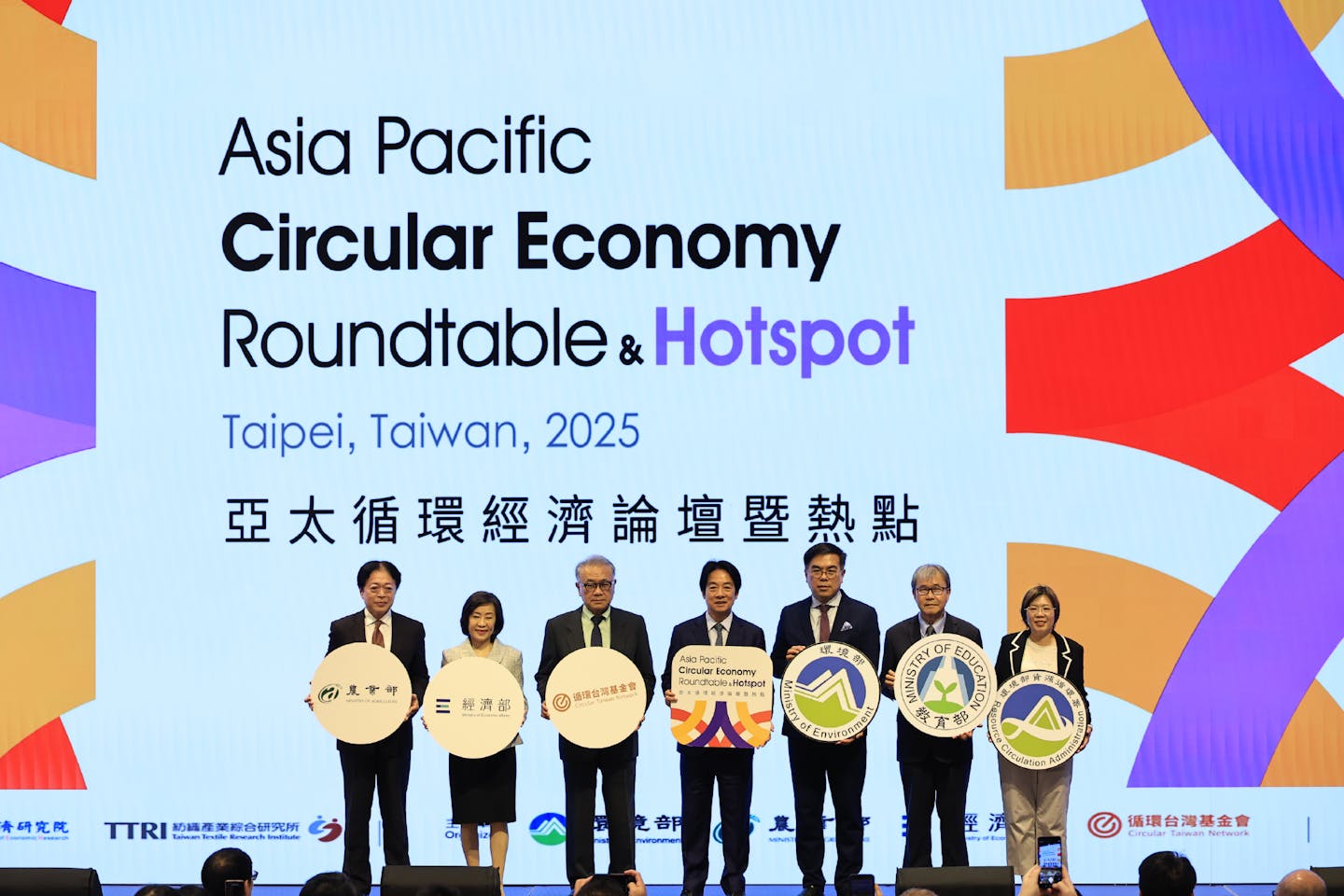
Taiwan has unveiled the 2050 Circular Economy Roadmap aimed at enhancing resource efficiency and minimizing waste across industries. The plan includes ambitious targets such as doubling resource productivity and increasing the circularity rate significantly by 2026. Emphasizing regional cooperation, Taiwan's government seeks to align circular economy standards with Southeast Asian nations, enhancing industrial ties and competitiveness. This initiative, supported by recent policies encouraging collaboration and local adaptation, is seen as a potential benchmark for circular economy practices in Asia, particularly in light of shared environmental challenges.
Singapore, Taiwan, China
Taiwan unveils draft circular economy roadmap, eyes deeper collaboration with Southeast Asia

Wealthier countries are increasingly tightening immigration policies in response to anticipated climate migration, with the UK, US, and EU significantly enhancing funding for border control and deportation measures. As climate change displaces millions, countries face a choice between equitable resource sharing and building walls to keep migrants out. Current trends show a preference for the latter, with massive increases in migration enforcement budgets. Inequality persists, as those least responsible for climate change often bear the brunt of its impacts, reinforcing a cycle of migration driven by disasters and economic pressures linked to climate events.
Nigeria | Financial services, Health
How the rich world is fortifying itself against climate migration
Despite over 10,000 organizations committing to net zero goals, fewer than 7% have credible strategies to achieve them. The International Organization for Standardization (ISO) is addressing this gap by developing a net zero standard aimed at providing clear guidelines and metrics for organizations. This standard seeks to harmonize definitions, measurement, and reporting of net zero actions, building trust through independent verification. Adopting these international standards is essential to scaling effective climate action and informing policy, ultimately enabling a coordinated approach to meet global net zero targets by 2050.
Financial services
We’re not on track for net zero by 2050. How do we get there?
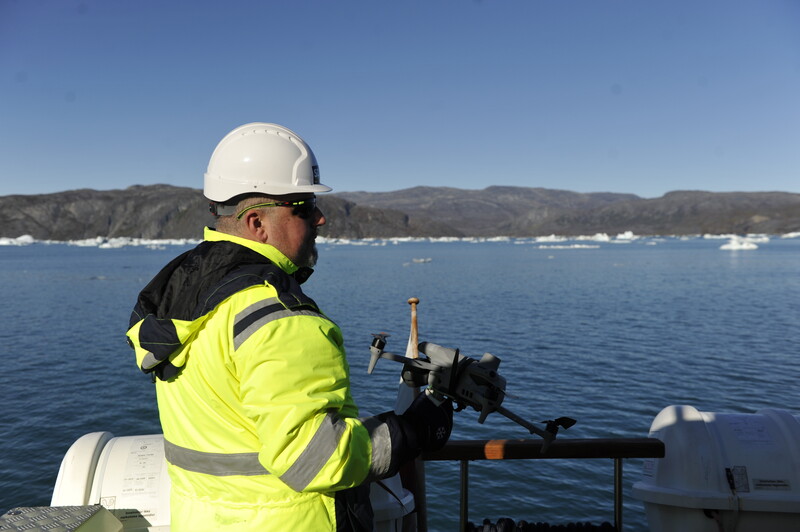
Drone technology tested in Nuuk, Greenland, aims to revolutionize Arctic search and rescue operations as maritime activities increase with retreating sea ice. Researchers from the University of Southern Denmark conducted a pilot study to evaluate off-the-shelf drones under extreme Arctic conditions. The findings highlight the operational challenges posed by cold temperatures and limited GPS, showing that thermal imaging is most effective during cooler times of the day. The ultimate goal is to develop advanced, semi-autonomous drones that can assist in rescue missions by guiding helicopters and extending their search ranges, underlying the potential for broader applications in defense, environmental monitoring, and logistics.
Education
How Arctic drones can redefine disaster response
Indigenous value systems in the Congo Basin highlight the importance of ecological and cultural foundations for prosperity and resilience. The area's mineral wealth raises governance and security challenges, risking a repeat of historical exploitative patterns where local communities suffer while others profit. As demand for critical minerals increases, a narrow economic view of wealth fails to encompass the social and environmental costs faced by mining communities. A reevaluation towards an "ecologies of value" perspective, recognizing the interconnectedness of social, cultural, and ecological systems, is essential for sustainable development. Weak governance and corruption perpetuate extractive dependency, deepening community instability and undermining natural resources vital for livelihoods.
Benin, Bolivia, Burkina Faso, Burundi, Colombia, Democratic Republic of the Congo, Ecuador, Eswatini, Ethiopia, Ghana, Guinea, Indonesia, Malawi, Mozambique, Namibia, Nigeria, Peru, Rwanda, Senegal, South Africa, Tanzania, Uganda | Financial services, Health
Ecologies of wealth in the Congo Basin
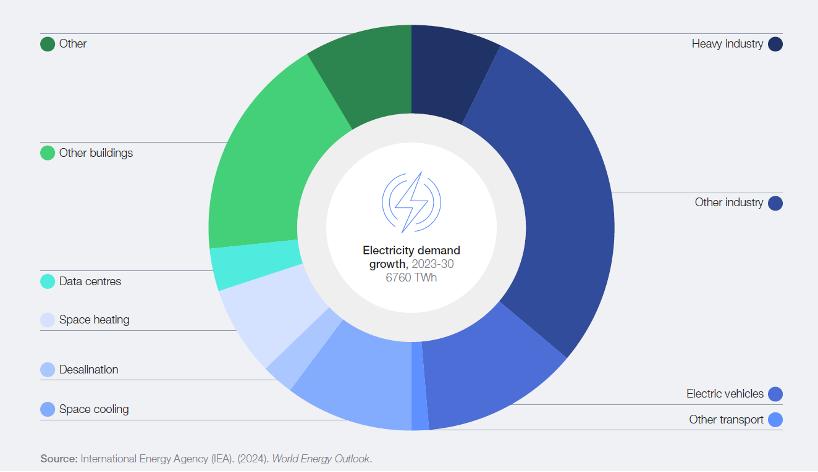
AI-driven data centers are projected to significantly contribute to global electricity demand, potentially reaching 3% by 2030. While investment in clean energy is rising among tech firms like Microsoft and Amazon, there is a critical risk that development will prioritize AI's energy needs over broader energy system enhancements. This could lead to an inequitable energy transition, where smaller players are marginalized. Coordination among technology companies, utilities, and policymakers is essential to ensure that AI investments bolster the entire energy ecosystem, supporting decarbonization and equitable access to clean energy, particularly for the Global South.
Education
How AI can accelerate the energy transition, rather than compete with it
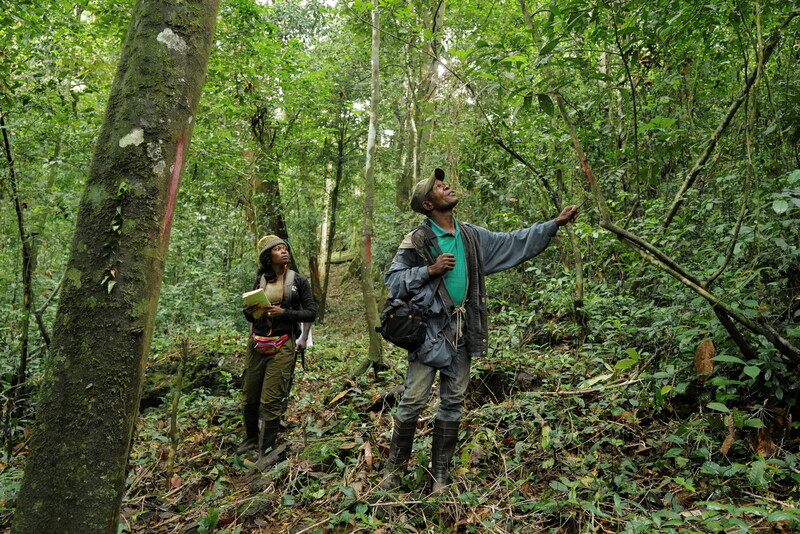
Sustainable forest management is critical for climate mitigation, biodiversity, and the livelihoods of local communities. Key pathways include recognizing megatrends such as responsible production, conservation for climate, and Indigenous rights. Collaboration among governments, civil society, and businesses enhances local actions, exemplified by initiatives in Nigeria, Liberia, and Ghana that empower communities through legislation and participatory planning. These efforts illustrate that real change occurs at the local level, connecting global strategies to the realities of those living in forested areas and enabling practical solutions for sustainable management.
Ethiopia, Ghana, Nigeria, Senegal, Tanzania | Financial services, Health
3 key pathways to guide sustainable forest management

Scaling clean fuels, including biofuels, hydrogen, and synthetic fuels, is essential to meet increasing global energy demand and reduce greenhouse gas emissions. A commitment from 23 countries to quadruple sustainable fuel production by 2035 underscores this need. Clean fuels currently provide only 2% of global energy but are vital for transportation, industry, and energy security. Overcoming cost and technological barriers through standards, investments, and policies is crucial. Successful examples, particularly from Brazil, demonstrate the potential for job creation and economic growth through clean fuels. A global push, including initiatives from COP30, aims to advance this transition.
Quadrupling clean fuels by 2035: Why we must scale sustainable energy

A UN report indicates that full deployment of existing technologies to curb methane emissions could prevent over 180,000 premature deaths annually by 2030. Current efforts fall short of the pledged 30% cut in emissions from 2020 levels, with emissions projected to rise from 352 million tonnes in 2020 to 369 million tonnes by 2030 under existing legislation. Significant mitigation potential lies within the energy sector, which could achieve a 72% reduction at low cost. Achieving targets requires enhanced monitoring and financial support, as deeper systemic changes will be essential for meeting long-term climate goals.
Full methane cuts could save 180,000 lives a year as emissions keep rising: UN

South-East Asia is transitioning from a foundational digital economy to an intelligent AI-driven economy, leveraging a mobile-first consumer base of 200 million users. AI is enhancing consumer experiences, with 75% of users benefiting from AI tools for content discovery and task management. Businesses are adopting AI to meet rising consumer expectations and unlock new value, with early adopters reporting significant growth. The region's unique payment systems facilitate the development of intelligent transaction platforms. Essential to this transformation is the investment in physical infrastructure and effective regulation, with governments like Singapore and Malaysia leading initiatives to support AI's growth.
Indonesia, Republic of Korea, Singapore, Viet Nam | Education, ICT
Entering the AI reality: How South-East Asia can transition into an intelligent economy
Japan is facing critical challenges in transportation due to an aging and shrinking population, with over 20% of the population living far from public transit. Labor shortages and the emergence of "transportation deserts" threaten access to essential services, particularly for the elderly. In response, the government has launched initiatives like the Transportation Desert Resolution Headquarters to tailor solutions for underserved areas and the Local Mobility DX: MaaS 2.0 initiative to promote digital transformation in regional mobility. Private sector innovations, such as Toyota's Woven City, are also paving the way for new transportation technologies, aimed at creating resilient and inclusive mobility systems.
Japan | Financial services, Education, Health, ICT
How Japan is redesigning mobility for its changing society

The global logistics sector is valued at $8 trillion and accounts for 10% of global employment, yet it contributes 11% of global emissions. Key sustainability challenges include geopolitical disruptions, infrastructure gaps, climate risks, labor shortages, and rising consumer expectations. The report "Green Logistics Innovation for Emerging Markets" outlines strategies to address systemic barriers, such as developing an integrated regulatory framework, mobilizing green finance, upskilling the workforce, and enhancing ecosystem collaboration. These measures aim to foster decarbonization and efficiency in emerging markets through collective action from various stakeholders.
Belgium, Benin, Bolivia, Chile, Colombia, Denmark, Ecuador, Egypt, Ethiopia, Finland, Germany, Ghana, Hungary, Indonesia, Japan, Luxembourg, Malaysia, Mozambique, Nigeria, Peru, Poland, Qatar, Republic of Korea, Russian Federation, Rwanda, Senegal, Singapore, Sweden, Taiwan, China, Tanzania, Uganda, United Arab Emirates | Financial services, ICT, Health
Green Logistics Innovation for Emerging Markets: Driving Competitiveness and Shared Value
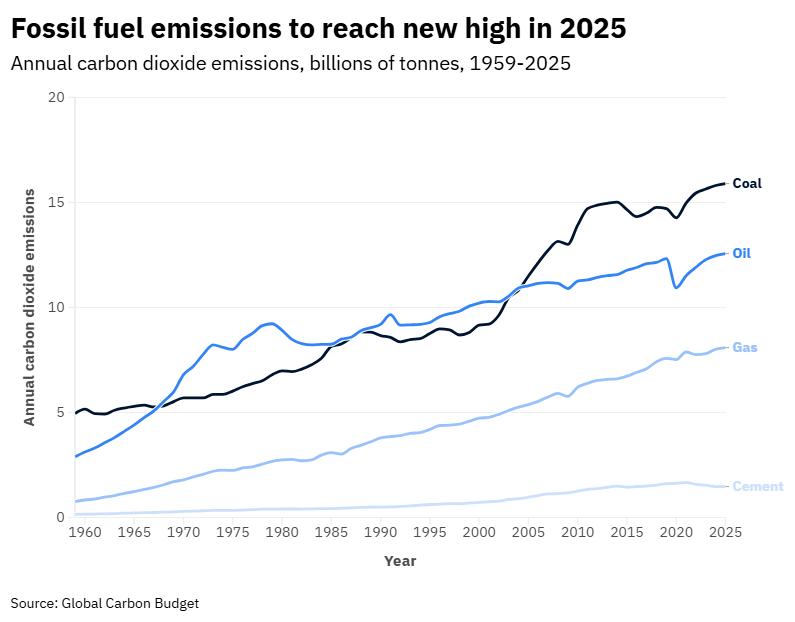
The final week of COP30 talks is underway in Belém, Brazil, emphasizing collaboration to combat the climate crisis. Key highlights include a commitment from ten nations to tackle climate disinformation, the launch of the Green Digital Action Hub, and the announcement of the Tropical Forest Forever Facility to protect forests. Global fossil fuel emissions are predicted to rise by 1.1% in 2025, reaching a record of 38.1 billion tonnes of CO2. Other notable news includes the announcement of the Earthshot Prize winners and the EU's plan to cut greenhouse gas emissions by 90% by 2040.
Nigeria
Final week of COP30 talks, and other climate and nature news
Global health systems face significant challenges from geopolitical fragmentation, climate change, technological disruption, pandemic threats, and misinformation. To build resilience, five urgent reforms are proposed: enhancing the World Health Organization’s (WHO) mandate, implementing the One Health concept, modernizing procurement systems, addressing the climate-health connection, and mobilizing innovative financing. The COVID-19 pandemic revealed critical weaknesses in health governance, as underinvestment and systemic fragmentation hindered effective responses. Tackling these issues can transform global health from reactive crisis management to proactive, equitable, and sustainable health security.
Nigeria | Financial services, Education, Health
Global Health at a Crossroads: Why Now is the Time for Fundamental Reform
Biotechnology is increasingly integrated into daily life, addressing global challenges like climate change and food insecurity through the bioeconomy. This economic system utilizes renewable biological resources and innovative technologies to create sustainable products in sectors such as agriculture, medicine, and construction. Biotech innovations enhance all five senses, with examples including bioengineered skincare ingredients, textiles like bio-derived silk, and groundbreaking gene therapies restoring hearing. The bioeconomy promotes a circular economy by reducing waste, decreasing reliance on fossil fuels, and encouraging sustainable resource management, while also raising important governance and ethical considerations.
Education
How the bioeconomy is impacting all 5 of our senses

Today’s armed forces are highly reliant on software, which is created through complex networks comprising various vendors and service providers. Unlike conventional cyber attacks, threats in the software supply chain emerge upstream and can significantly impact downstream users, including military operations. This vulnerability has led to incidents involving industrial and political espionage and sabotage. To mitigate these risks, policymakers and military decision-makers must assess the necessary protection levels, implement effective risk management, and ensure software suppliers minimize their products' risks. This approach can bolster the security and operational stability of military forces.
Financial services
An Achilles Heel of Today’s Armed Forces
Digital transformation of power systems is essential for electrification and decarbonization according to a report by the International Renewable Energy Agency (IRENA). This transformation can support the COP28 goal of tripling renewable energy capacity by 2030. Key areas for digitalization include smart sensors, AI forecasting, operational optimization, demand response automation, and enhanced transparency. Additionally, the International Energy Agency (IEA) highlights rising energy security concerns, record growth in fossil and renewable energy, and the need for resilient supply chains. Other updates include developments in energy ties, incentives for solar energy use, and advancements in autonomous operations in the Middle East.
Egypt, India | Financial services, Education, ICT
Digital power system transformation ‘essential’ – and more top energy stories
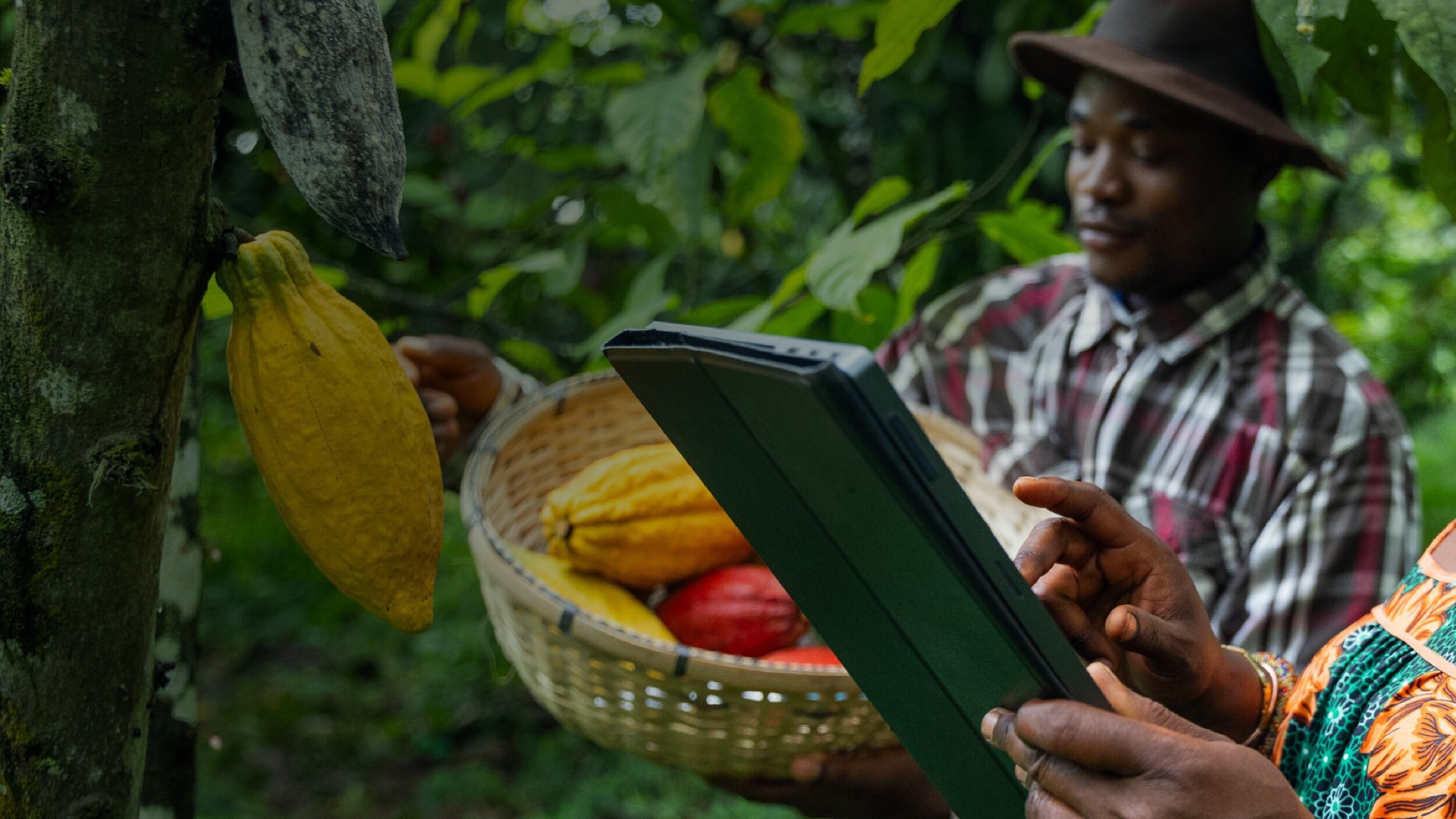
The State of Social Enterprise: Unlocking Inclusive Growth, Jobs and Development in Africa synthesizes the social enterprise landscape using new survey data and existing literature. It highlights the significant role of social enterprises—over half led by women and a third by youth—in promoting inclusive growth, job creation, and sustainable development. Developed by key organizations, the report offers a policy-ready evidence base and actionable insights for governments, investors, and development partners to enhance Africa’s progress towards inclusive growth and development.
Ethiopia, Senegal, South Africa, Tanzania
The State of Social Enterprise: Unlocking Inclusive Growth, Jobs and Development in Africa