
Publications

INSIGHT REPORT

Pioneering the Future: Space

Technologies Poised to Revolutionize

Exploration and Economy by 2035

September 2026

FACTSHEETS

Pioneering the Future: Space

Technologies Poised to Revolutionize Exploration and Economy by 2035

June 2026

WHITE PAPER

Future of Space Law:

Operationalizing Space Governance

March 2026

REPORT

Clear Orbit, Secure Future:

 A Call to Action on Space Debris

Jan 2026

WHITE PAPER

The Future of Space Law

Insights from the ATS, UNCLOS, and ITU Frameworks

December 2025

WHITE PAPER

The Future of Space Law: 

The Evolving Dynamics of Air and Space Regulation

 September  2025

The Future Of Space Law

News

Centre for Space Futures, Novaspace and SpaceTech Gulf  Sign Agreement to Develop Global Space Capability Mapping Dashboard

Riyadh, Saudi Arabia , 23 Jun 2026|  Press Release

Clear Orbit, Secure Future: A Call to Action on Space Debris

Riyadh, Saudi Arabia, 26 Jan 2026 | Press Release

Centre for Space Futures Holds Workshop with Participation of 40 Global Experts

Riyadh, Saudi Arabia, 05 Dec 2025 | Press Release

Centre for Space Futures Releases White Paper on 'The Future of Space Law'

Riyadh, Saudi Arabia, 12 Sep 2025 | Press Release

The Board of Directors of the Centre for Space Futures Endorses Its Strategic Direction

Riyadh, Saudi Arabia, 26 May 2025 | Press Release

Saudi Space Agency to Launch the Centre for Space Futures with the World Economic Forum

Riyadh, Saudi Arabia, 29 April | Press Release

5 ways we can tackle growing risks from rocket bodies in orbit

Dec 09, 2025 | Economic Growth, Stories

Read More

Forum Agenda

Forum Videos

VIDEO

Press Conference: Centre for Space Futures in Riyadh

The World Economic Forum's Special Meeting, April 29, 2024

VIDEO

The Purpose of Astronauts at Davos 2024

World Economic Forum , March 9, 2024

VIDEO

PortWatch: Monitoring Trade Disruptions from Space

World Economic Forum , Dec 18, 2023

VIDEO

India's Moon Mission Triumph: Ambassador Ruchira Kamboj's Insights

World Economic Forum , Aug 23, 2023

VIDEO

Space Exploration is Back at Davos 2023

World Economic Forum , Feb 16, 2023

Forum Publications

Strategic Intelligence Insights

The UK faces a pressing need to adopt a "new economics" that prioritizes wellbeing, justice, and ecological resilience over traditional GDP growth. Current economic systems contribute to the global "polycrisis" of climate change, inequality, and resource insecurity. Research identifies ten principles for this new approach, including recognizing ecological limits, fostering equity, and promoting community engagement. Success stories like the Welsh Wellbeing of Future Generations Act and Amsterdam's “doughnut economics” illustrate how alternative economic models can shift focus from short-term growth to sustainable, long-term wellbeing strategies.
Indonesia | Health, Education, Financial services
Why the UK should look beyond growth to a ‘new economics’ that works for all

Over a third of Latin Americans face unmet healthcare needs, worsened by climate change. The region's healthcare systems contribute significantly to global CO₂ emissions while struggling with non-communicable diseases. Initiatives like the Living Lab partnership have improved access to essential services, particularly in remote areas, by employing telehealth and training local healthcare workers. Collaborative efforts in diagnostics, involving investments in advanced imaging technologies, have enhanced healthcare quality and sustainability. The need for climate-resilient health systems is urgent, with calls for greater innovation and partnerships driving progress in both health and environmental outcomes.
Africa, Latin America | Financial services, Education, Health
Future-proofing health in Latin America through climate-smart, equitable care
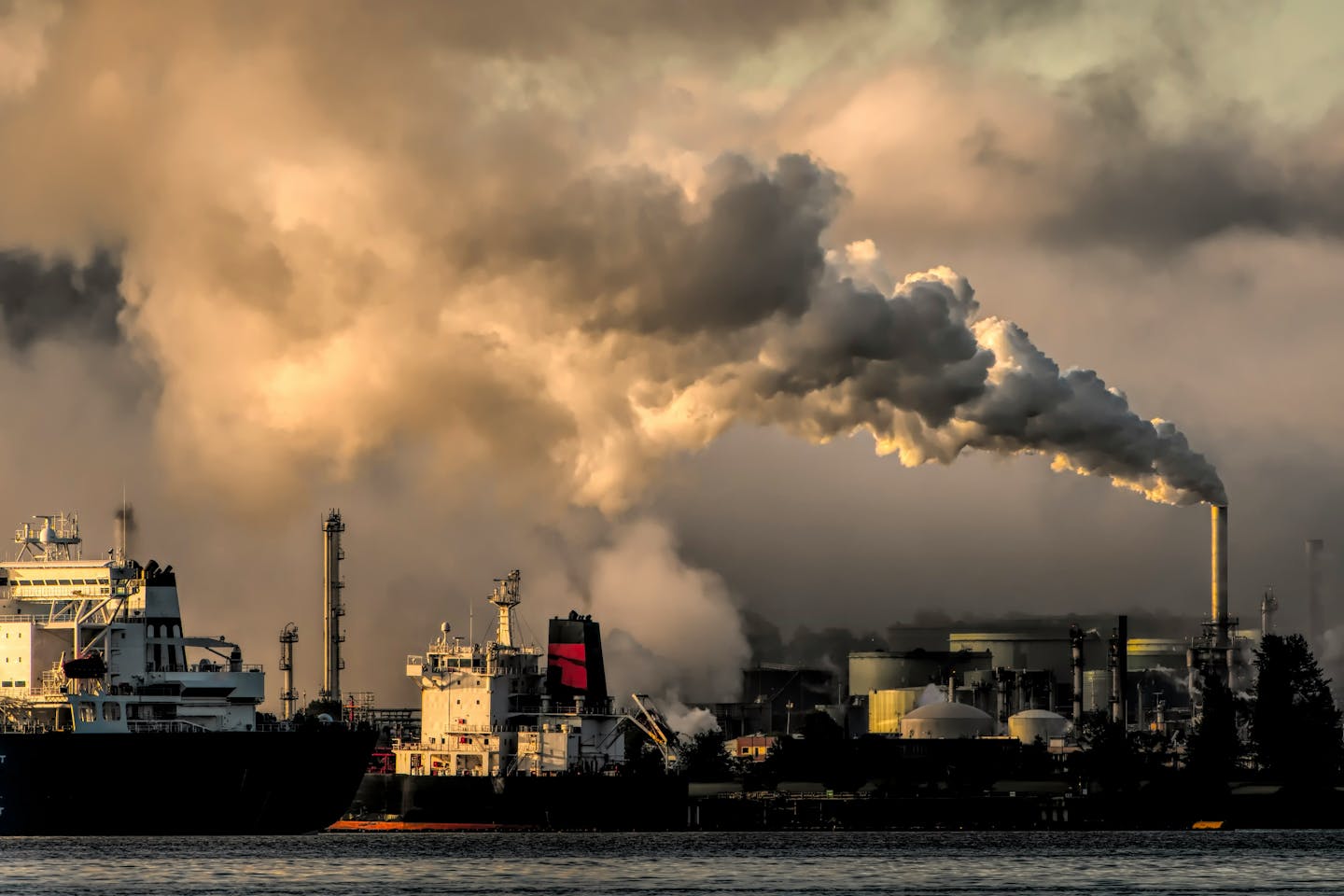
The International Energy Agency (IEA) forecasts increasing fossil fuel demand alongside growing renewables in its Current Policies Scenario (CPS), drawing criticism from climate experts who argue it misrepresents energy market trends. Critics contend that the CPS is politically motivated and fails to reflect climate priorities. They emphasize the need for investment aligned with real market trends and advocate for global cooperation in renewable energy deployment. The report highlights China's dominance in renewables, while Southeast Asia is projected to drive coal and fossil fuel demand, raising concerns about energy market volatility and economic competitiveness.
India
More fossil fuels by 2050? Experts caution investors on IEA’s 'misrepresentative' energy outlook scenario
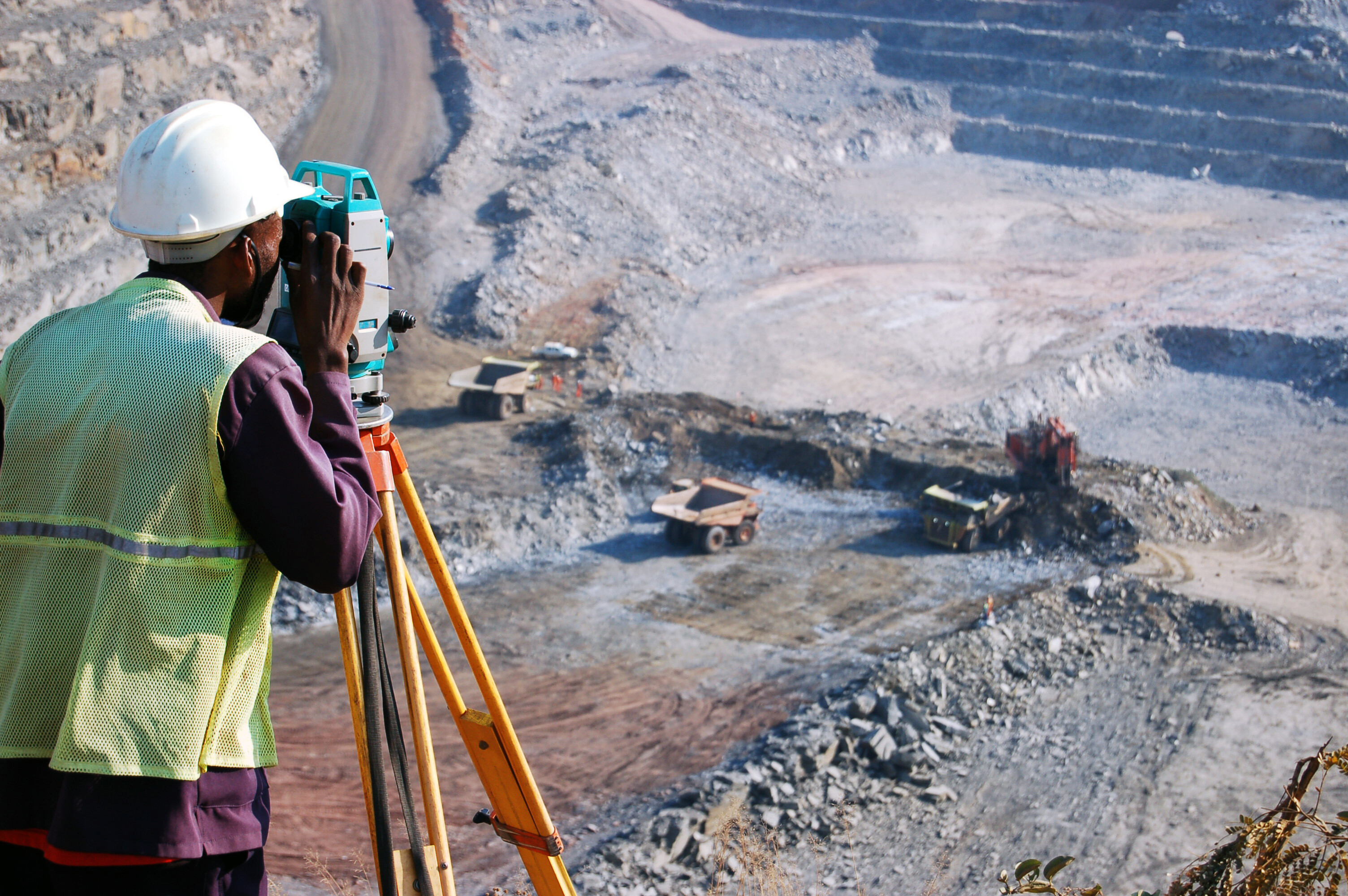
Critical minerals, particularly antimony, are gaining strategic importance due to recent supply constraints. The fragility of supply chains has highlighted the need for nations, especially the US and Europe, to collaborate on industrial policies to secure access to these vital resources. China, Russia, and Tajikistan dominate antimony production, causing the US and Europe to reconsider their dependency. Recent measures, such as US investments in domestic antimony production and new European policies, aim to mitigate risks and foster innovation. Long-term offtake agreements are emerging as a strategy to enhance market stability and ensure reliable supply.
From rare earths to antimony: A strategic approach to critical mineral supply
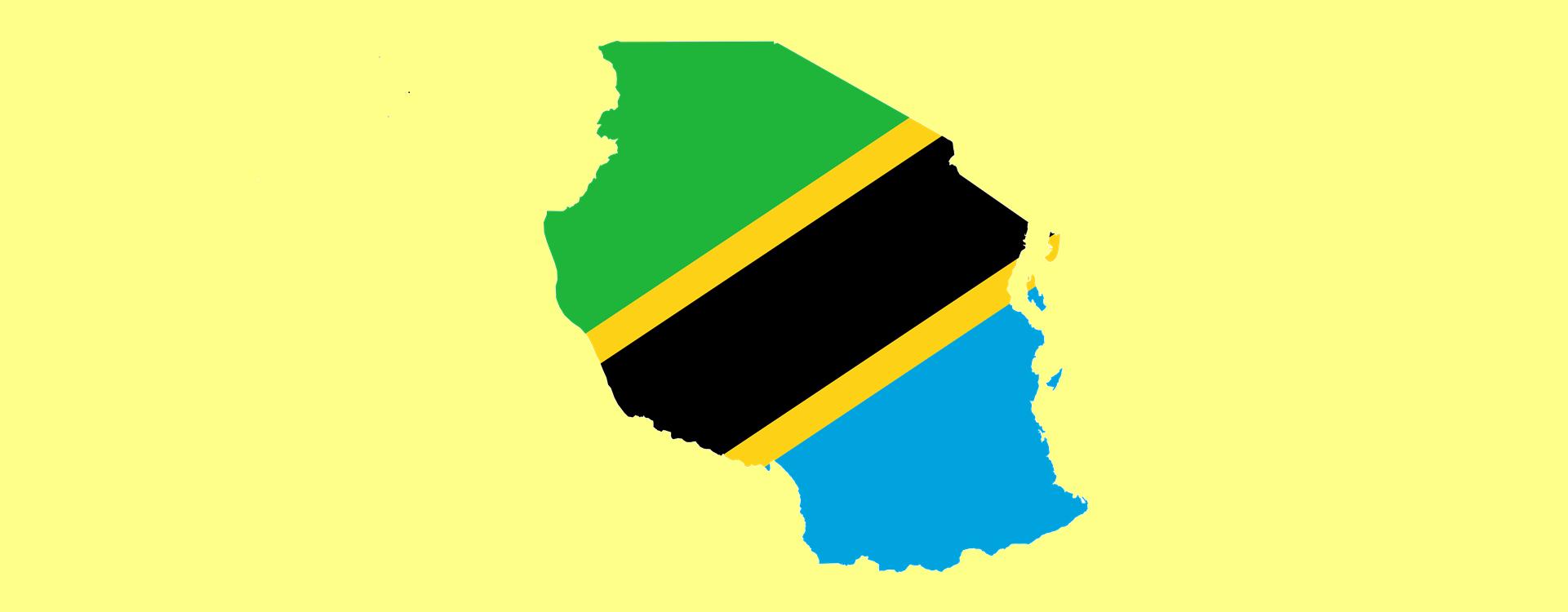
Tanzania faces significant challenges as political repression and unrest following the disputed October election jeopardize long-term development for short-term stability. The government's heavy-handed response to protests has exacerbated a legitimacy crisis, undermining social stability and investor confidence. Despite experiencing impressive economic growth, with GDP tripling from 2004 to 2023, 71% of the population remains in poverty, highlighting a governance gap that fails to convert growth into inclusive opportunities. The extensive informal sector exacerbates these issues, limiting productivity and fiscal capacity. Key reforms in governance are crucial for transforming growth into equitable economic advancement and reducing unrest.
Algeria, Angola, Benin, Botswana, Burkina Faso, Cambodia, Cameroon, Chad, Democratic Republic of the Congo, Egypt, Eswatini, Ethiopia, Gabon, Georgia, Ghana, Guatemala, Guinea, Indonesia, Kenya, Lesotho, Madagascar, Malawi, Mali, Mauritania, Mauritius, Morocco, Mozambique, Namibia, Oman, Rwanda, Senegal, South Africa, Tajikistan, Tanzania, Trinidad and Tobago, Tunisia, Uganda, Zambia, Zimbabwe
The cost of coercive stability for Tanzania
Urbanization and the climate crisis are increasing the threat of sinking cities due to land subsidence, which affects an estimated two billion people globally. This subsidence arises from excessive groundwater extraction, rapid development, and poor planning, exacerbating flood risks and infrastructure issues. "Resilient Economies: Strategies for Sinking Cities and Flood Risks," by the World Economic Forum and Deloitte, examines responses from cities like Tokyo and Jakarta. The report advocates for integrated policies, nature-based infrastructure, and proactive resilience strategies, emphasizing the importance of valuing land and water, strengthening governance, and empowering communities to secure urban prosperity and livability amid climate challenges.
Africa | Health, Financial services
Resilient Economies: Strategies for Sinking Cities and Flood Risks
Asia's emissions reduction strategies must balance production and consumption by tracking emissions throughout entire supply chains. Consumption-based emissions, attributed to final consumers, reveal that a significant portion of emissions is generated during production in Asia, predominantly by China. Import-dependent nations like the Philippines and Sri Lanka often have higher consumption-based emissions than production-based. To mitigate emissions, both manufacturing and importing economies need to implement low-carbon technologies, improve energy efficiency, and enhance consumer accountability through pricing and transparency. Policy measures like carbon tariffs and the European model of regulating supply chains could aid in cutting emissions significantly.
Cambodia, Denmark, India, Indonesia, Japan, Malaysia, Philippines, Republic of Korea, Sri Lanka, Viet Nam | Financial services, Health
How Asia Can Balance Production and Consumption to Cut Global Emissions
Diversity is essential for stability in both natural ecosystems and societal structures. When one belief system, such as market logic, dominates, it risks creating imbalance and crises, as seen in historical events like the 2008 financial crash. Society is best served by a mix of institutions—including the state, community, family, and religion—that provide varied perspectives. The marginalization of these other viewpoints often leads to dormant groups, which can eventually prompt activism as a corrective measure. The health of society relies on the coexistence of diverse institutions to foster resilience and balance.
Financial services, Education
We need diversity in our social ecosystem too
AI is positioned as a transformative tool for understanding and safeguarding the natural world, with applications in environmental monitoring, biodiversity mapping, and land-use planning. The paper highlights the social, ethical, and governance challenges associated with AI technologies and advocates for a collaborative approach across science, technology, and policy to maximize benefits for nature and humanity.
AI for Nature: How AI Can Democratize and Scale Action on Nature
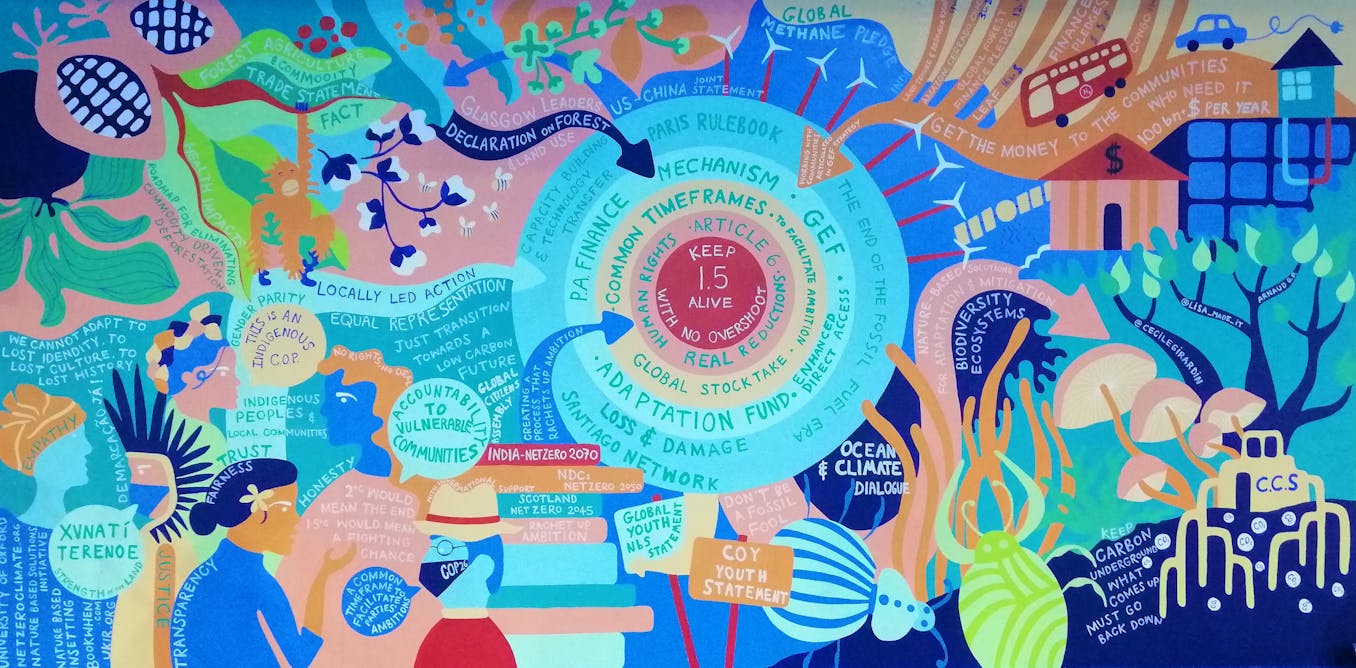
The Middle East is significantly underfunded in global climate finance, despite being highly vulnerable to climate change and extreme weather events. Humanitarian crises in countries like Yemen, Syria, and Palestine have diverted funds away from climate action. Between 2018 and 2023, 79% of climate finance mainly supported East Asia, Western Europe, and North America, leaving the Middle East lacking support. Although new financial instruments like green bonds and climate debt swaps could help address this gap, the region’s disparities in climate funding remain pronounced, with most resources flowing to politically stable countries.
Africa, Latin America | Financial services, Health
Why the Middle East is being left behind by global climate finance plans

Nearly half of the world's daily spending occurs in three main time zones, with significant peaks in economic activity when major markets overlap. By 2040, Asia, particularly under China Standard Time, will dominate global consumption, joining a predicted 1 billion new consumers. Current analysis shows that the top three time zones account for $31 trillion annually. Understanding peak financial activity, especially during simultaneous online hours, is crucial for businesses in the digital economy. Aligning strategies with these time-zone rhythms enhances engagement and optimizes global audience reach.
Financial services
Why businesses should align with global time zones and spending rhythms

A global study by the Royal Institution of Chartered Surveyors reveals a significant decline in the construction sector's commitment to sustainability, particularly in the Americas. Nearly half of the surveyed professionals do not measure embodied carbon, and only 16% use carbon data to inform material choices. High upfront costs, unclear returns, and lack of consumer demand hinder sustainability investments. While there's rising interest in protecting biodiversity and climate adaptation, many still overlook its importance. Despite challenges, 40% of respondents recognize increasing demand for sustainable buildings, though fewer than 10% report a significant rise.
Financial services
Building sector's appetite for sustainability wanes amid cost and geopolitical concerns
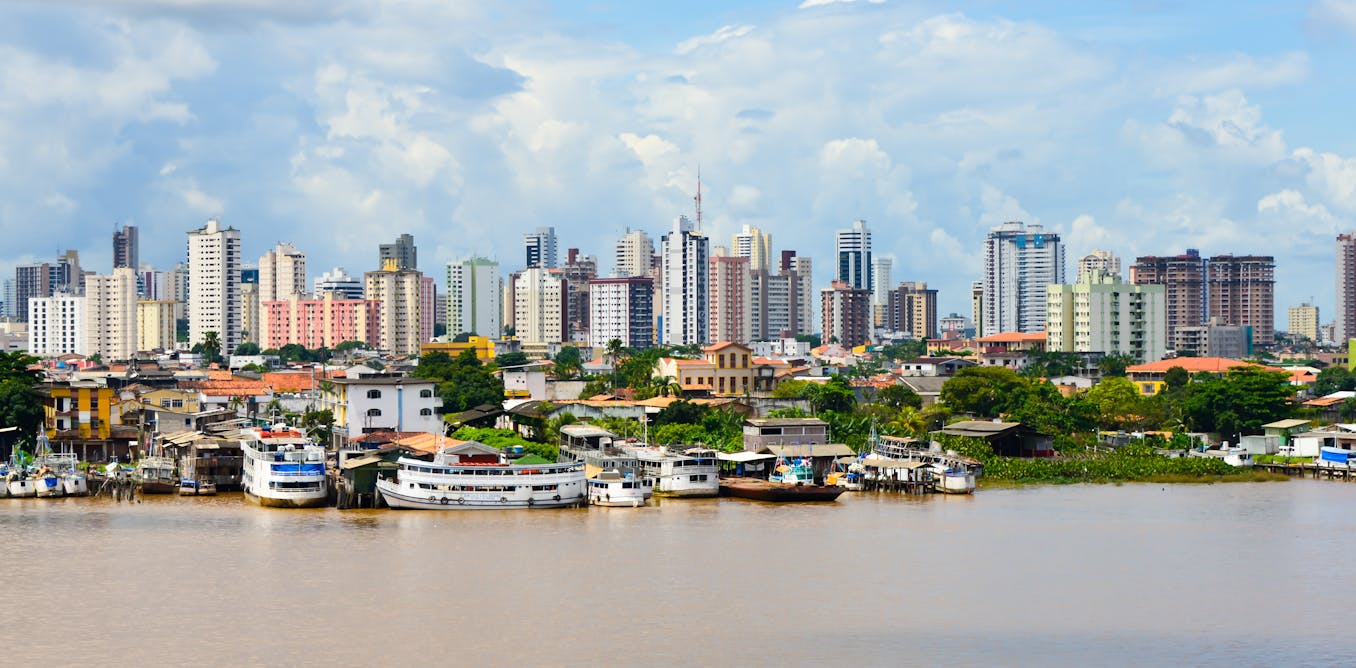
The UN climate talks have expanded into massive assemblies, now attracting over 50,000 participants, which undermines their effectiveness. Growing costs and accommodation issues highlight accessibility challenges, particularly for negotiators from poorer nations. Wealthier countries benefit from increased prestige and influence by hosting these events, often dictating the agenda away from critical topics like fossil fuel reduction. Additionally, the disparity in representation is stark, with fewer voices from Indigenous peoples and smaller nations amidst an influx of corporate lobbyists. This evolving landscape risks prioritizing the interests of those with financial resources over inclusive climate action.
The UN climate talks have become too big for their own good

China is on track to send astronauts to the Moon by 2030, following significant advancements in its space program. The country’s lunar mission timeline has generated concern in the U.S., especially with NASA's Artemis III mission planned for 2027. China's progress has seen the successful launch of multiple crewed missions and the establishment of the Tiangong space station. The next-generation Mengzhou crew capsule, capable of housing up to six astronauts, will be used for lunar missions. The lunar lander Lanyue is also being developed, with testing and uncrewed missions anticipated before the crewed landing in 2030.
China is going to the Moon by 2030. Here’s what’s known about the mission – and why it matters
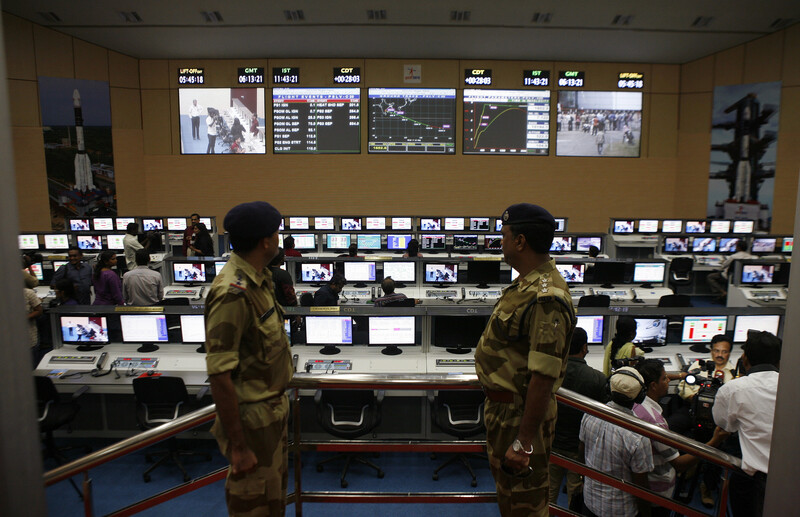
India is positioned to emerge as a leader in deep tech and the global space race, driven by its national space agency's advancements and a growing private sector. However, founders face challenges such as long development timelines, regulatory complexities, and limited specialized talent. Key factors for success include grit, resilience, and addressing structural gaps in demand and policy. Fragmented governmental demand for space data and uneven policy execution hinder progress. To capitalize on chances, India must foster public-private partnerships and improve talent development while navigating global supply challenges.
India
What will it take for India to lead on deep tech and the global space race?
A global governance framework for AI is necessary to address fragmented local control and build trust in the technology. Current disparities in AI governance among nations hinder shared growth and create a trust gap that affects economic performance. A proposed architecture would include a constitutional framework for safety and transparency, an operating system for interoperable trust, and a council to align strategies and safeguards. This approach seeks to empower and unify nations while allowing for individual regulatory contexts, aiming for a cooperative intelligence ecosystem that benefits all.
Health, Education, ICT, Financial services
Building trust in AI through a new global governance framework
Ten years after the Paris Agreement, companies show a stark divide in climate action. Leaders integrate sustainability into financial and operational systems, treating climate data as essential for decision-making, while laggards remain in cycles of reporting. The UN's Emissions Gap Report 2025 indicates modest progress towards limiting temperature rise, with the last year being the hottest on record. Successful companies connect carbon impacts to capital, build resilient value chains, and utilize trusted technology for transparency. The upcoming decade emphasizes execution over new commitments, necessitating systems that integrate climate, nature, and financial data effectively.
Africa | Financial services, Health
10 years on: Why some companies have managed to deliver on climate

Over 80% of companies globally have experienced operational disruptions due to extreme weather in the past five years, according to an MSCI survey. Climate-related risks are severely impacting the economy, with two-thirds of respondents noticing effects on revenue and infrastructure. Most firms are conducting risk assessments and have implemented management frameworks for physical threats. Additionally, over 60% link executive pay to risk management, while investments in resilience have yielded positive outcomes. The COP30 summit in Brazil focuses on climate finance for developing nations, amid rising risks in regions like Southeast Asia.
Financial services
Extreme weather hits four in five companies worldwide, MSCI survey shows as COP30 opens in Brazil
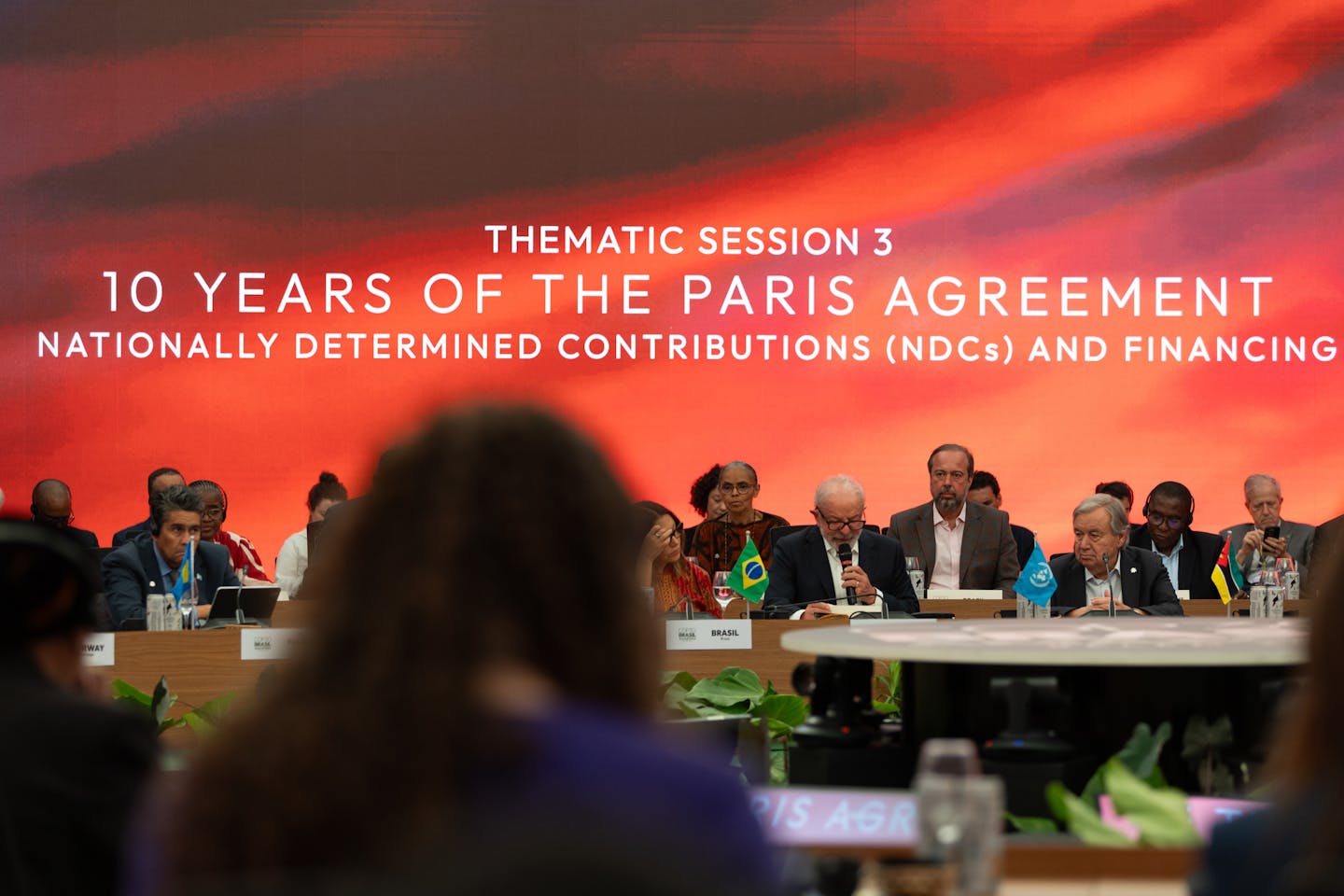
The UNEP's 16th annual emissions gap report indicates that current national climate plans are insufficient to meet international temperature targets, predicting a potential warming of 2.3-2.5°C this century. The report highlights a 2.3% increase in global greenhouse gas emissions, reaching a record 57.7 billion tonnes CO2 equivalent in 2024, driven predominantly by fossil fuel combustion and deforestation. It emphasizes the need for rapid emissions reductions to avoid exceeding the Paris Agreement's 1.5°C limit and notes that major emitters like China and the G20 countries contributed significantly to the increase.
India
UNEP: New country climate plans ‘barely move needle’ on expected warming

Circular economy is recognized as essential for sustainable development, addressing climate goals, and reducing resource pressure by redesigning wasteful linear models. Key actions for navigating circular economy standards include establishing clear metrics, understanding diverse frameworks, defining circular economy activities, and identifying core circular practices such as designing for circularity and recycling. Enabling activities such as policy development and education are also crucial. The use of indicators is vital for measuring progress and impacts, ensuring policies are effective, and promoting homogeneity in reporting across different entities.
Belgium, Burkina Faso, Cambodia, Indonesia | Financial services, Education
Top 10 Actions for Navigating Circular Economy Standards and Metrics