Publications

INSIGHT REPORT

Pioneering the Future: Space

Technologies Poised to Revolutionize

Exploration and Economy by 2035

September 2026

FACTSHEETS

Pioneering the Future: Space

Technologies Poised to Revolutionize Exploration and Economy by 2035

June 2026

WHITE PAPER

Future of Space Law:

Operationalizing Space Governance

March 2026

REPORT

Clear Orbit, Secure Future:

 A Call to Action on Space Debris

Jan 2026

WHITE PAPER

The Future of Space Law

Insights from the ATS, UNCLOS, and ITU Frameworks

December 2025

WHITE PAPER

The Future of Space Law: 

The Evolving Dynamics of Air and Space Regulation

 September  2025

The Future Of Space Law

News

Centre for Space Futures, Novaspace and SpaceTech Gulf  Sign Agreement to Develop Global Space Capability Mapping Dashboard

Riyadh, Saudi Arabia , 23 Jun 2026|  Press Release

Clear Orbit, Secure Future: A Call to Action on Space Debris

Riyadh, Saudi Arabia, 26 Jan 2026 | Press Release

Centre for Space Futures Holds Workshop with Participation of 40 Global Experts

Riyadh, Saudi Arabia, 05 Dec 2025 | Press Release

Centre for Space Futures Releases White Paper on 'The Future of Space Law'

Riyadh, Saudi Arabia, 12 Sep 2025 | Press Release

The Board of Directors of the Centre for Space Futures Endorses Its Strategic Direction

Riyadh, Saudi Arabia, 26 May 2025 | Press Release

Saudi Space Agency to Launch the Centre for Space Futures with the World Economic Forum

Riyadh, Saudi Arabia, 29 April | Press Release

5 ways we can tackle growing risks from rocket bodies in orbit

Dec 09, 2025 | Economic Growth, Stories

Read More

Forum Agenda

Forum Videos

VIDEO

Press Conference: Centre for Space Futures in Riyadh

The World Economic Forum's Special Meeting, April 29, 2024

VIDEO

The Purpose of Astronauts at Davos 2024

World Economic Forum , March 9, 2024

VIDEO

PortWatch: Monitoring Trade Disruptions from Space

World Economic Forum , Dec 18, 2023

VIDEO

India's Moon Mission Triumph: Ambassador Ruchira Kamboj's Insights

World Economic Forum , Aug 23, 2023

VIDEO

Space Exploration is Back at Davos 2023

World Economic Forum , Feb 16, 2023

Forum Publications

Strategic Intelligence Insights

Modern banking can draw valuable lessons from 19th-century mutual aid principles focused on community support and cooperation. By embracing stakeholder capitalism, banks can enhance financial inclusion, promote environmental stewardship, and ensure societal benefits. Key strategies include supporting young people with mortgages, fostering job creation through cooperatives, ensuring gender parity in leadership, and prioritizing affordable housing. Banks should also facilitate transitions for carbon-intensive businesses and invest in nature-based solutions. Ultimately, integrating these principles can lead to more resilient communities and greater social and economic value.
Algeria, Belgium, Botswana, Burkina Faso, Guinea, Kuwait, Qatar, Switzerland | Education, Financial services
What modern banking can learn from 19th-century mutual aid
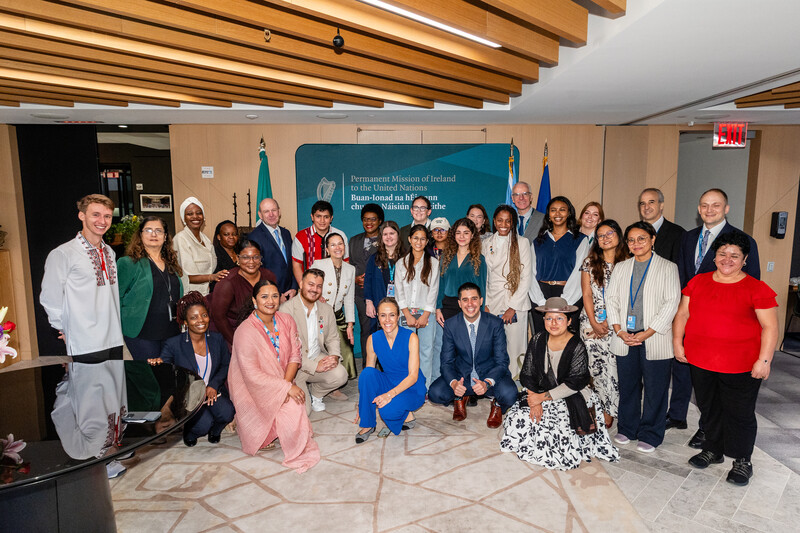
The 80th UN General Assembly marked a historic shift in youth leadership, recognizing young people as equal partners in shaping global priorities. Under the Youth 2030 framework, significant advancements in youth participation have been made, including tangible innovations from the Global Shapers Community. During the GA, youth leaders were actively involved, speaking 34 times in plenary sessions. With over half the global population under 30, the UN acknowledges the need for rejuvenation and has begun reforms to enhance youth representation. The event highlighted the essential role of youth in decision-making for a sustainable future.
Education, Health
Why the 80th UN General Assembly marked a turning point for youth leadership at the UN
India's small businesses, particularly micro-, small-, and medium-sized enterprises (MSMEs), are pivotal to the nation’s cyber resilience but remain highly vulnerable to cyber threats. With over 60 million MSMEs employing more than 100 million people, their cybersecurity deficiencies can disrupt entire supply chains. A surge in cyber incidents, particularly involving AI-driven fraud, has led to significant economic losses. The shortage of skilled cybersecurity professionals exacerbates the risk. Implementing fundamental security practices and leveraging AI for automation can strengthen defenses. Collaborative efforts among businesses, government, and regulatory bodies are essential for enhancing overall cybersecurity resilience.
Africa | Financial services, Education, ICT
Securing the backbone: Why India’s cyber resilience begins with its small businesses

Asia, home to the highest number of billionaires, has the potential to transform philanthropy by shifting from traditional grant-making to catalytic risk capital. By doing so, wealthy individuals can significantly impact the financing gap for the UN's Sustainable Development Goals (SDGs), estimated at $2.5 trillion annually. If Asian philanthropy matched the US giving rate of 2% of GDP, it could generate $700 billion yearly, addressing over a quarter of this gap. Successful examples, like the Rockefeller Foundation’s Zero Gap Fund and the ADB’s Green Recovery Programme, illustrate the effectiveness of catalytic capital, which amplifies investment leverage. Fundamental changes in collaboration and demonstration of impact are essential for this shift.
Africa, ASEAN | Health
What if Asia’s wealthiest become bolder with philanthropy?

Wars significantly impact the environment, with research showing the Gaza conflict generated over 32 million tonnes of CO₂ in just 15 months, while the Ukraine war emitted nearly 237 million tonnes over three years. These emissions, akin to large countries' annual outputs, highlight the link between climate change and armed conflict, as wars exacerbate environmental degradation. The International Court of Justice has advised that states must report armed conflict emissions, acknowledging that failure to do so hinders climate protection. Recent efforts, including the UN's draft principles on environmental protection in conflicts and the recognition of ecocide, reflect a growing legal acknowledgment of these issues.
How wars ravage the environment – and what international law is doing about it

Humanity has breached seven of the nine planetary boundaries, highlighting the need to align economic growth with ecological stability. Achieving resilience within these limits requires integration of science, policy, finance, and culture. Technologies like AI, circular manufacturing, and regenerative agriculture can promote ecological intelligence if combined with inclusive governance. A focus on valuing natural capital in economic systems, as demonstrated by Costa Rica's reversal of deforestation, can drive sustainable growth. To promote planetary health, markets must adjust incentives through policies that support sustainable practices and equitable transitions, aiming for a balance between abundance and resource stewardship.
Nigeria, United Kingdom | ICT, Financial services, Education, Health
How science, technology and governance can drive prosperity within planetary boundaries

The green transition must progress despite geopolitical divides, focusing on durability rather than harmony in global cooperation. Current great power rivalries are reshaping energy and technology landscapes, yet competition can drive clean-energy advancements. A multipolar framework is emerging where regions like Africa, Latin America, and Asia are forming coalitions for sustainability. This shift allows for greater agency among nations, encourages South-South cooperation, and fosters regional experimentation, showing that inclusive sustainability can thrive amid complexity rather than perfect alignment.
Colombia, Germany, Indonesia, Japan, Jordan, Kenya, Mozambique, Nigeria, Pakistan, Peru, Philippines, Republic of Korea, Russian Federation, Seychelles, South Africa, Ukraine, United Kingdom | ICT, Financial services, Education, Health
From rivalry to resilience: Geopolitics in the green transition
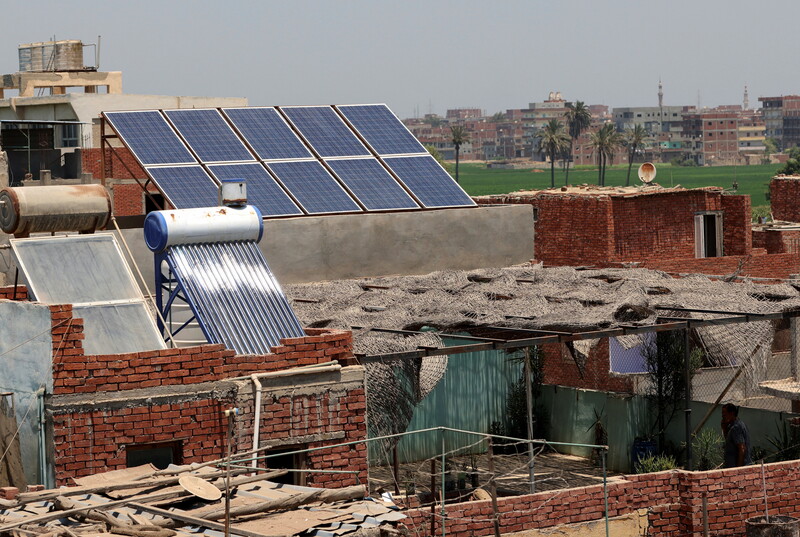
Emerging markets are poised to become key testing grounds for effective climate solutions due to their rapid population growth and economic activity. Although these economies contribute about 25% of global GDP, they receive only 14% of international climate finance and require an additional $450–$550 billion annually to meet net-zero goals by 2030. Successful climate innovations are being developed locally, utilizing cost-efficient, context-specific strategies that outperform traditional models. Examples include battery-as-a-service platforms in India's transport sector and solar solutions in Africa, which illustrate a shift towards grounded innovation that addresses local needs and fosters scalable, sustainable development.
Nigeria | Financial services, Health
Why emerging markets will be the testing ground for decarbonization
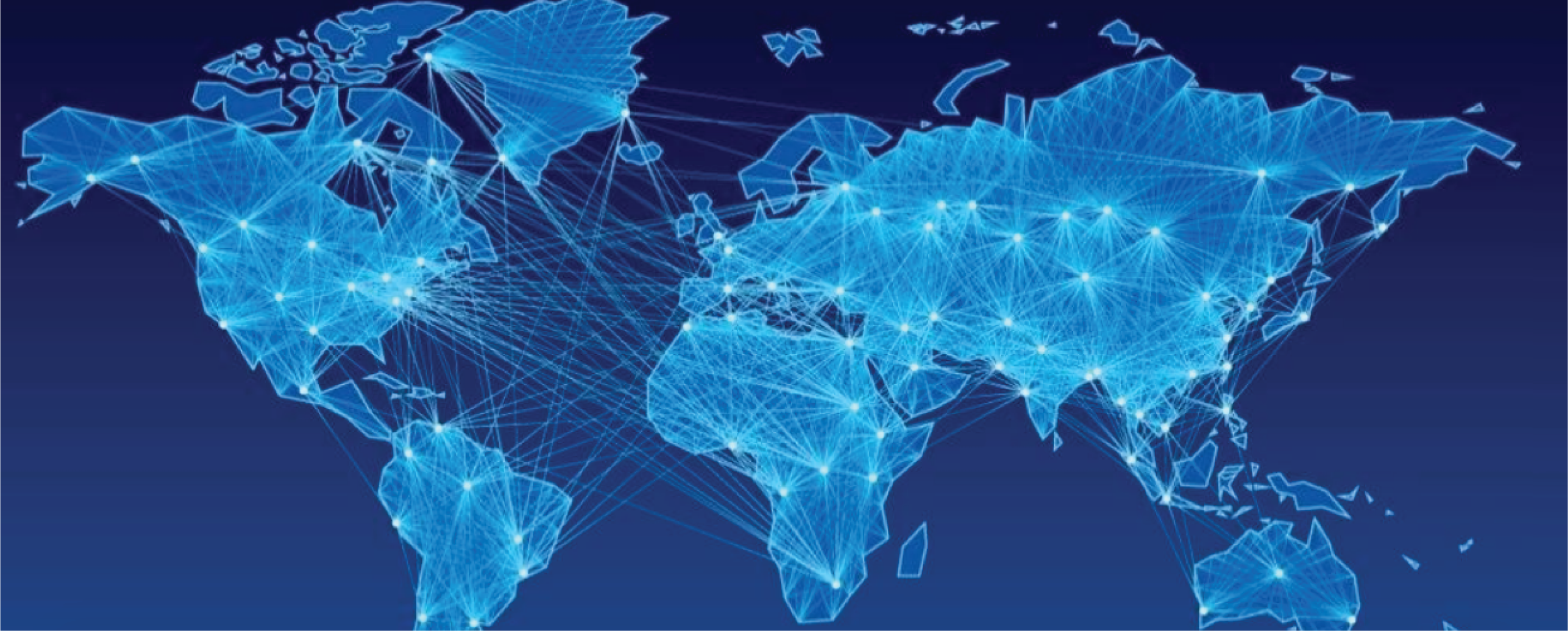
The Earth BioGenome Project (EBP) seeks to sequence the genomes of all known eukaryotic species on Earth, addressing the current knowledge gap where only 1% of DNA has been sequenced. As biodiversity loss accelerates, the EBP aims to produce 300,000 samples and 150,000 species sequenced by 2030. Its approach relies on adaptive sampling, high genome quality, and equitable global partnerships. Innovations like "genome labs in a box" will empower local scientists. Challenges include logistical coordination, ethical standards, technology improvements, and cost management, while committing to fair access and benefit-sharing principles.
How the Earth BioGenome Project is building a digital library of life
Meeting the targets of the Paris Agreement remains challenging a decade later, despite some emission reductions and increased investment in renewables. Digital intelligence is crucial for decarbonization and enhancing resilience in future energy systems. The COP30 conference in Brazil aims to align strategies and capabilities to further progress. Renewables are now the fastest way to add capacity, with significant growth in regions like the UK and India. However, improved digital infrastructure is essential, as highlighted by recent grid failures. Substantial investments are needed globally, with many governments stepping up funding to transition to net-zero effectively.
ICT
Energy tech and digital intelligence key to scaling progress on Paris climate goals
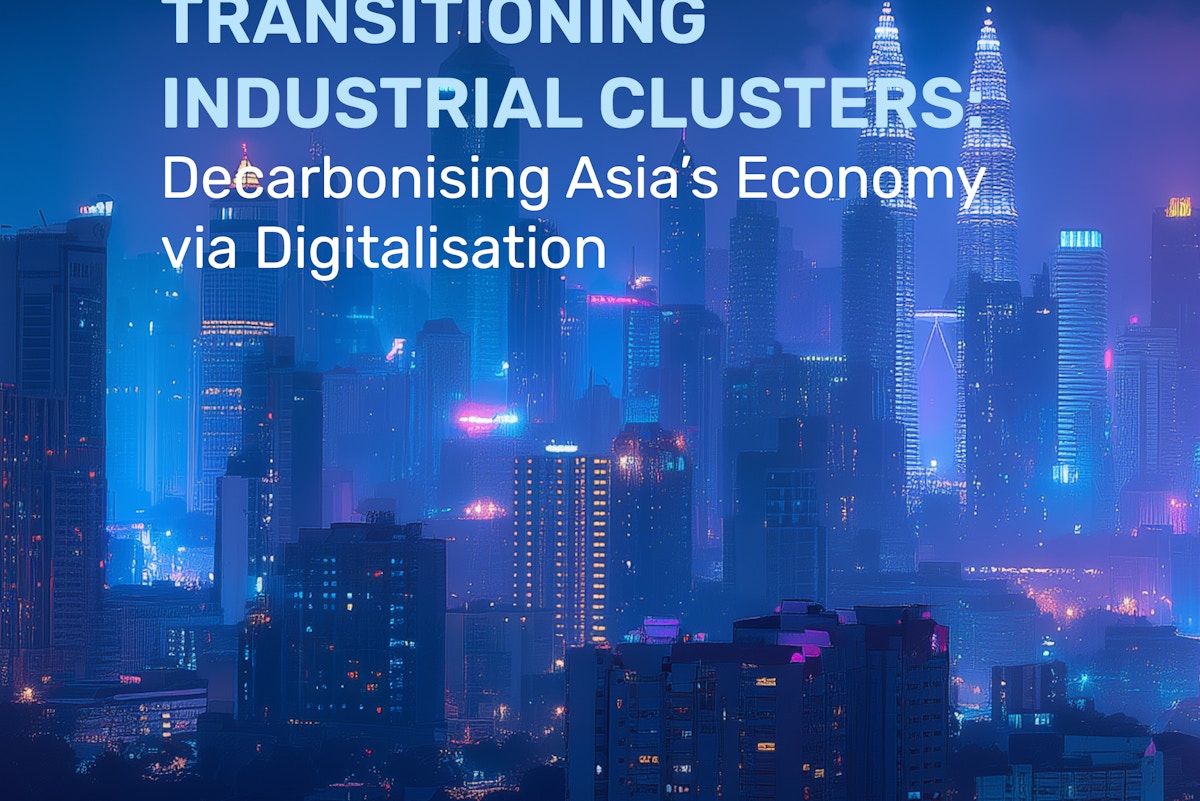
Transitioning Industrial Clusters (TICs) are essential for achieving net zero goals, particularly in Malaysia. These clusters enable collaboration among co-located industries to develop shared decarbonisation solutions, thereby promoting low-carbon operations while stimulating economic growth and job creation. The TIC initiative, launched at COP26, encompasses 38 clusters across 18 countries, with the potential to reduce carbon emissions by 877 million tonnes, support 4.6 million jobs, and contribute over US$500 billion to global GDP. Digital transformation is vital for this transition, which involves addressing various challenges and leveraging green financing mechanisms.
Belgium, Colombia, Germany, Indonesia, Kenya, Mozambique, Philippines, Seychelles, Thailand, Trinidad and Tobago, Türkiye, United Arab Emirates, United Kingdom | ICT, Financial services
Transitioning industrial clusters: Decarbonising Asia’s economy via digitalisation
Future technologies are poised to redefine humanity by potentially eliminating death and enhancing life through transhumanism. Nayef Al-Rodhan emphasizes the ethical and geopolitical implications of pursuing radical longevity and cognitive enhancement, warning that without careful preparation, these advancements could exacerbate social inequalities. The transformation of life expectancy, from an average of 30 years a century ago to over 80 today, signifies that significant changes in human existence are possible. However, the challenge lies in evolving governance and moral frameworks to manage the consequences of these scientific breakthroughs responsibly while fostering human well-being.
Education, Health
Transhumanism and enhanced longevity risks a new age of inequality

COP30 emphasizes the need for concrete action on climate finance following last year's agreement to triple global finance targets. Developing countries are committed to ambitious climate plans, but require external support to implement these strategies effectively. For instance, Bangladesh aims to reduce emissions significantly but needs $116 billion in investment. The COP30 goals include mobilizing $300 billion per year in international climate finance, ensuring accountability, and prioritizing grants over loans to prevent fiscal instability. Climate finance is characterized as a strategic investment that can yield substantial long-term benefits, supporting global stability and resilience.
Nigeria | Financial services
What COP30 Must Do
To effectively meet global goals, local leaders must be empowered, as nearly 70% of the world's population will live in cities by 2050. Cities drive over 80% of global GDP, making local leadership crucial for addressing challenges like climate change and housing. Key shifts include enhancing public-private collaboration, redefining urban development metrics to prioritize social and environmental value, and fostering digital trust for smart services. Immediate efforts show promise, with cities like Copenhagen and Bogotá implementing sustainable innovations. To fully leverage urban potential, global decision-making must include city participation, increase local investment, and encourage private-public partnerships.
Nigeria, United Kingdom | Financial services, Education, Health
We must empower local leaders to meet global goals – here’s why
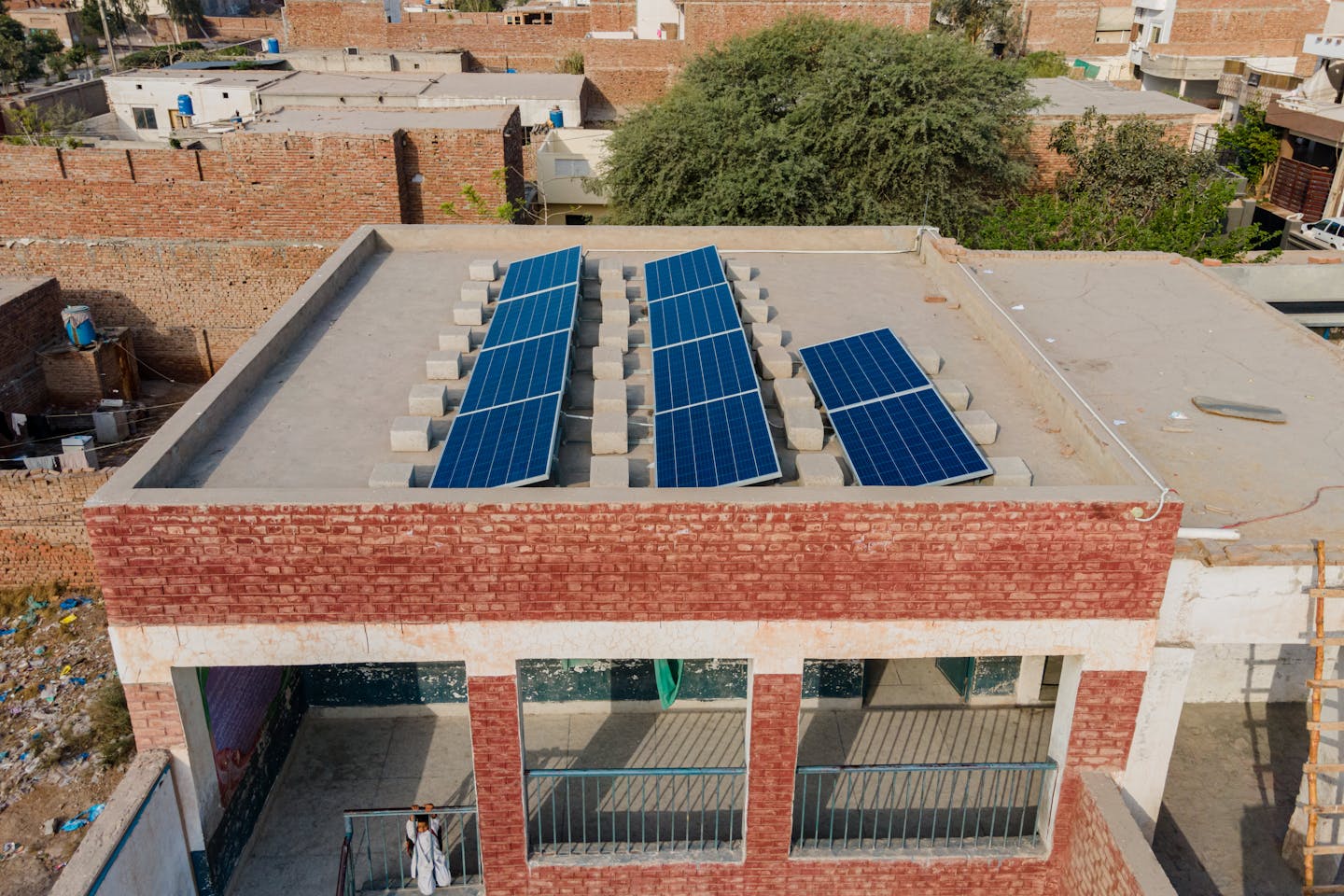
Rooftop solar power generation has rapidly expanded in South Asia, with Pakistan leading the way, contributing to a quarter of its electricity supply. While India has increased its capacity to 18 GW, constituting 3.9% of its energy mix, Sri Lanka's capacity rose to 1,347 MW (23%), and Bangladesh lags with only 245 MW. Pakistan’s growth is attributed to falling solar panel prices and rising electricity costs, while India relies on government incentives. Bangladesh faces challenges due to high import duties and lack of financing. Access to rooftop solar remains uneven, affecting low-income consumers, especially as governments adjust policies and tax structures.
Pakistan
Rooftop solar booms in Pakistan. How can neighbours catch up?

Sustainable or responsible investing, guided by environmental, social, and governance (ESG) principles, is growing rapidly, with global assets expected to reach $40 trillion by 2030. However, inconsistencies in ESG standards complicate its application. As climate change and geopolitical instability intensify, traditional ESG boundaries are challenged. The Russian invasion of Ukraine has shifted sentiment, suggesting that security may now be viewed as integral to sustainability, prompting some countries to integrate defense spending into their ESG frameworks. This evolving landscape highlights the need for clearer investment guidelines and transparency to align personal ethics with financial choices in an increasingly complex world.
Financial services
Conflict and the climate crisis may mean it’s time to rethink what we mean by responsible investing

The U.S. and China are competing to land humans on the Moon, with Elon Musk’s SpaceX and Jeff Bezos’ Blue Origin as potential key players in the American effort. SpaceX, awarded a $4.4 billion contract for NASA's Artemis III mission, faces scrutiny due to delays and technical challenges in their Starship development. Meanwhile, Blue Origin is preparing to modify its Mark 1 lander for crewed missions. With China aiming for a lunar landing by 2030, concerns mount that the U.S. may fall behind unless progress accelerates. NASA's funding and leadership turnover further complicate the race.
New Nasa lunar contest could pit Elon Musk against Jeff Bezos, as US fears China will win race to Moon

Human space exploration, particularly plans for a Mars mission, poses unprecedented challenges for the human body due to radiation, isolation, weightlessness, and confinement. These factors collectively stress human physiology, necessitating a comprehensive understanding of the "space exposome" which outlines all the risks faced in space. The interplay of biological systems leads to the concept of the "space integrome," illustrating the complex interactions that sustain astronauts in extreme conditions. Spacesuits serve as portable biospheres, protecting against space hazards while enabling mobility. Research into radiation effects is simultaneously enhancing astronaut safety and improving cancer treatments on Earth. Studies in microgravity offer insights into aging and degenerative diseases, while digital sensors and multi-omic profiling aid in monitoring physiological responses during space missions.
Mission to Mars: how space exploration pushes the human body to its limits
AI deployment is rapidly increasing across various sectors, particularly in technology, finance, and manufacturing, with paid adoption in US businesses rising to 43.8% since January 2023. However, governance of AI is lagging, with 81% of organizations found to be in the early stages of responsible AI practices. The regulatory landscape varies significantly across regions, with Europe implementing the AI Act and China adopting a sector-specific approach. Recent developments include rising AI-driven shopping and new regulations in Italy and California aimed at ensuring safe AI use. Fragmented regulations pose systemic risks as AI becomes embedded in critical infrastructure.
This month in AI: deployment accelerates, but is regulation keeping up?
Colombia's tourism model emphasizes purpose-driven travel, transforming challenges into opportunities for local development. By leveraging its rich biodiversity and fostering innovative community collaboration, Colombia has developed initiatives like the Humanimal Tourism campaign, which connects migratory species with tourism, resulting in significant engagement and bookings. Moreover, the Tourism Product and Innovation Club enhances community capabilities, enabling locals to create authentic, market-ready tourism experiences. Colombia's approach highlights that sustainable tourism competitiveness hinges on conservation, innovation, and inclusive practices, rather than merely increasing visitor numbers.
Colombia
Colombia’s model of tourism with purpose provides lessons to the rest of the world