Publications

INSIGHT REPORT

Pioneering the Future: Space

Technologies Poised to Revolutionize

Exploration and Economy by 2035

September 2026

FACTSHEETS

Pioneering the Future: Space

Technologies Poised to Revolutionize Exploration and Economy by 2035

June 2026

WHITE PAPER

Future of Space Law:

Operationalizing Space Governance

March 2026

REPORT

Clear Orbit, Secure Future:

 A Call to Action on Space Debris

Jan 2026

WHITE PAPER

The Future of Space Law

Insights from the ATS, UNCLOS, and ITU Frameworks

December 2025

WHITE PAPER

The Future of Space Law: 

The Evolving Dynamics of Air and Space Regulation

 September  2025

The Future Of Space Law

News

Centre for Space Futures, Novaspace and SpaceTech Gulf  Sign Agreement to Develop Global Space Capability Mapping Dashboard

Riyadh, Saudi Arabia , 23 Jun 2026|  Press Release

Clear Orbit, Secure Future: A Call to Action on Space Debris

Riyadh, Saudi Arabia, 26 Jan 2026 | Press Release

Centre for Space Futures Holds Workshop with Participation of 40 Global Experts

Riyadh, Saudi Arabia, 05 Dec 2025 | Press Release

Centre for Space Futures Releases White Paper on 'The Future of Space Law'

Riyadh, Saudi Arabia, 12 Sep 2025 | Press Release

The Board of Directors of the Centre for Space Futures Endorses Its Strategic Direction

Riyadh, Saudi Arabia, 26 May 2025 | Press Release

Saudi Space Agency to Launch the Centre for Space Futures with the World Economic Forum

Riyadh, Saudi Arabia, 29 April | Press Release

5 ways we can tackle growing risks from rocket bodies in orbit

Dec 09, 2025 | Economic Growth, Stories

Read More

Forum Agenda

Forum Videos

VIDEO

Press Conference: Centre for Space Futures in Riyadh

The World Economic Forum's Special Meeting, April 29, 2024

VIDEO

The Purpose of Astronauts at Davos 2024

World Economic Forum , March 9, 2024

VIDEO

PortWatch: Monitoring Trade Disruptions from Space

World Economic Forum , Dec 18, 2023

VIDEO

India's Moon Mission Triumph: Ambassador Ruchira Kamboj's Insights

World Economic Forum , Aug 23, 2023

VIDEO

Space Exploration is Back at Davos 2023

World Economic Forum , Feb 16, 2023

Forum Publications

Strategic Intelligence Insights

The US Federal Reserve has reduced its key interest rate by 25 basis points to a range of 3.75%–4%, marking a second consecutive cut while expressing uncertainty about future reductions due to inflation concerns. Meanwhile, the Bank of England warned of systemic risks from emerging technologies like AI and quantum computing. China's property market faces ongoing risks, including predicted declines in new home sales. The US has also been downgraded by Scope Ratings to AA- due to deteriorating public finances. Lastly, the UK's Financial Conduct Authority has opened crypto funds to retail investors, resulting in lower fees.
Financial services
US Fed lowers rates but tempers rate-cut outlook, and other finance news to know

Redesigning cities is essential to tackle the affordable housing crisis and the broader cost of living. Focusing solely on housing prices ignores interconnected expenses like transportation, energy, food, and healthcare. Effective urban planning can reduce costs by promoting mixed-use developments, public transit, and shared amenities. Cities worldwide are making strides by prioritizing density near transit, enhancing public spaces, and fostering mixed-incomes. Transforming urban environments into accessible, livable spaces can liberate household income and improve quality of life, supporting long-term affordability.
Africa, Latin America | Financial services, Health, Education
Affordable housing crisis: How can we redesign cities to tackle the real cost of living?

The healthcare industry significantly contributes to global carbon emissions, primarily through medical technology products. The EU's new ecodesign regulation aims to promote sustainability by ensuring products are durable, repairable, and recyclable. Despite concerns over patient safety, integrating environmental considerations into the "do no harm" ethic is essential. Advocates for sustainability in medtech highlight the potential for reduced waste and resource use through innovative sterilization methods and smarter procurement policies. Leading companies, such as Medtronic and Johnson & Johnson, are already implementing sustainable practices, signaling a shift towards an eco-conscious healthcare sector that harmonizes patient safety with environmental stewardship.
Health
Why healthcare’s ‘do no harm’ ethic must include the planet
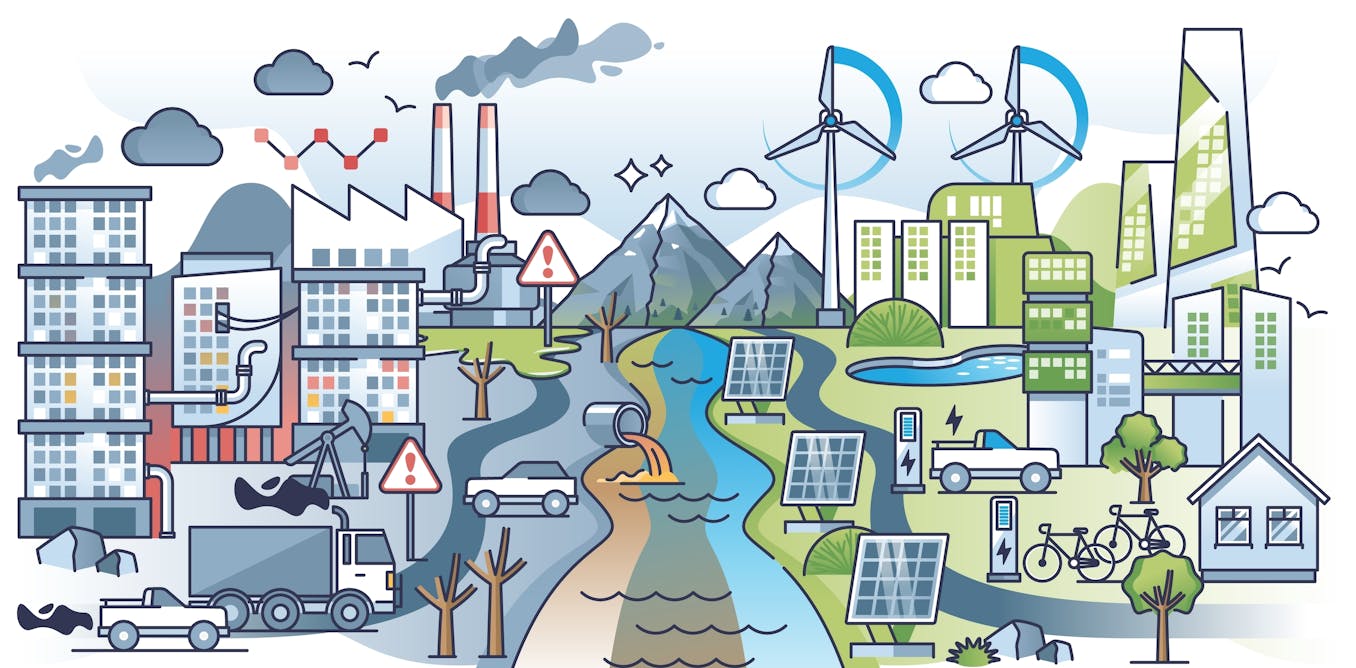
Green finance, while promoted as a solution to environmental challenges post-2008 crisis, often fails to deliver genuine sustainability. The lack of consensus on what constitutes "green" products and the effectiveness of current ESG frameworks raises concerns over greenwashing. Financial entities are motivated more by reporting costs and reputational pressures than genuine commitment to planetary health. This system can exacerbate inequality, with vulnerable communities facing higher costs and adverse impacts. Transformative change requires addressing deeper socio-political issues and implementing robust public regulations to ensure green finance benefits all, rather than just the wealthy.
Health, Financial services
Why ‘green’ finance isn’t always as sustainable as it seems

Local iterative innovation is proving effective in delivering tangible improvements in energy and water access, particularly for vulnerable communities. Organizations like BASE Foundation and Stattus4 exemplify this approach, offering solutions that prioritize practicality over high-cost technologies. BASE Foundation's cooling model addresses significant post-harvest losses, while Stattus4’s AI technology helps water utilities efficiently reduce water loss. Both organizations, finalists for the Zayed Sustainability Prize, highlight the potential of scalable, local innovations to create meaningful change. Fostering such initiatives requires adaptable funding and cross-sector partnerships to drive further progress in sustainability.
Africa, Latin America | Financial services, ICT, Health, Education
Beyond hyperbole: Local iterative innovation is making real change in energy and water

The AI market, particularly in cybersecurity, is facing a potential correction as reliance on a few key firms raises concerns of a bubble. Warnings from financial leaders indicate inflated AI valuations may soon decline, prompting a shift towards digital resilience and diversified cybersecurity infrastructure. This correction offers opportunities for security leaders to emphasize sovereign resilience, psychological defense, and foundational security practices. Governments are promoting supply-chain diversification and self-reliance in AI, creating space for regional providers. The most pressing AI threats are emerging in cognitive manipulation rather than traditional software vulnerabilities, necessitating a redefined approach to cybersecurity strategies that extend beyond conventional measures.
Financial services, Education
Is the AI-cyber bubble about to burst?
Quantum technologies are poised to revolutionize manufacturing and supply chains by enhancing efficiency, security, and resilience. Companies like IBM and Boeing are already implementing quantum computing to develop corrosion-resistant materials, while Ford Otosan optimized vehicle production scheduling, reducing time by 50%. Quantum diamond sensors improve the quality assurance of 3D semiconductors, and the Port of Rotterdam has piloted a quantum-secured communications network to protect sensitive operations. As supply chain disruptions rise, adopting these technologies can provide a strategic edge for leaders in the manufacturing sector.
Financial services, Education, ICT
What every manufacturing and supply chain leader should know about quantum technologies
Japan is advancing a nature-positive future through various public-private initiatives as it aims to meet a global target of conserving at least 30% of land and oceans by 2030. The Ministry of the Environment has implemented strategies, including the 30 by 30 Roadmap and the Transition Strategies toward a Nature Positive Economy, focused on enhancing biodiversity goals and promoting sustainable business practices. Notably, Japanese companies are increasingly adopting nature-related disclosures, with 182 firms committing to biodiversity efforts. Collaborative projects, like those involving satellite technology for biodiversity monitoring, further support these objectives, addressing the economic risks linked to ecosystem degradation.
Japan
How Japan is building a nature-positive future through public-private initiatives
China's 15th Five-Year Plan (2026-2030) represents a strategic shift focusing on industrial modernization and innovation that emphasizes practical applications and real-world value. The plan prioritizes sectors like advanced manufacturing and semiconductors while linking economic security with strategic openness. It elevates domestic demand as crucial for growth resilience and advocates for selective regional governance, concentrating on key urban clusters. These changes reflect China's adaptation to global volatility and the need for sustainable growth drivers, reshaping its role in global industrial pathways and innovation networks.
Australia, Burkina Faso, Chad, Colombia, Germany, Indonesia, Japan, Jordan, Kenya, Namibia, Pakistan, Peru, Philippines, Republic of Korea, Russian Federation, Saudi Arabia, Seychelles, South Africa, Switzerland, Taiwan, China, Thailand, Ukraine, United Arab Emirates, United Kingdom | Financial services, ICT, Health, Education
How China’s 15th five-year plan signals a new phase of strategic adaptation

Companies lacking credible strategies to reduce packaging waste are vulnerable to financial losses and legal actions, according to a Planet Tracker report. The consumer sectors driving plastic pollution, like personal care and food, often have no measurable packaging commitments, exposing them to increased regulatory scrutiny. Analysis shows that firms with poor plastic risk management are twice as likely to experience significant share price drops. Legal exposures are rising, with litigation costs in the plastics sector projected to exceed US$20 billion by 2030. Missing targets not only hinder sustainability but pose substantial business risks amid tightening regulations.
Weak plastic reduction targets expose brands to share price declines and legal risk, study finds
Negotiators at the UN shipping agency's recent meeting in London failed to finalize landmark rules aimed at reducing carbon emissions in the maritime sector, amidst intense political division and threats, particularly from the US. Although a Net-Zero Framework to transition away from fossil fuels and achieve net-zero emissions by around 2050 was initially approved, the finalization was postponed due to concerns from both developed and developing nations. The shipping industry currently contributes about 3% of global greenhouse gas emissions, and advocates plan to address key issues before returning for renewed negotiations next year.
How countries failed to steer shipping to net zero, and where they go next
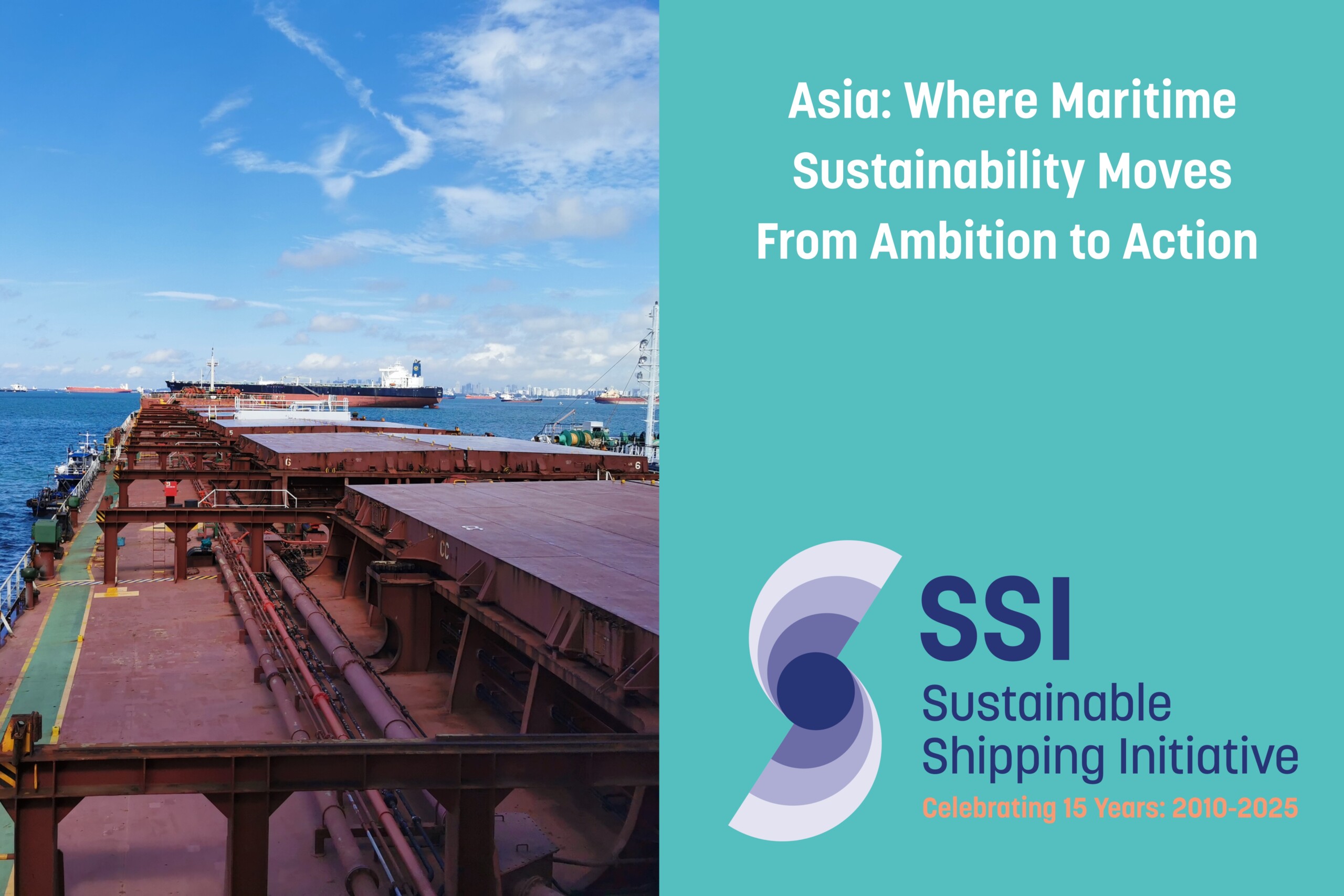
Asia is actively transforming its maritime sector towards sustainability by advancing technologies and infrastructure for shipping decarbonization. Asian shipowners are investing in alternative fuels and efficiency technologies, while East Asian shipyards are integrating innovative designs into new vessels. Regulatory frameworks from Europe, alongside Asia's rapid industrial deployment and investment, are fostering significant climate progress. The region is also leveraging steel recycling to significantly reduce emissions. SSI's engagement in Singapore aims to promote collaboration, learning, and alignment to accelerate global maritime decarbonization efforts.
Singapore
Asia: Where Maritime Sustainability Moves From Ambition to Action

The wars in Ukraine and Gaza have resulted in significant greenhouse gas emissions, contributing to climate change. Ukraine's conflict has generated approximately 237 million metric tons of emissions, equivalent to the annual emissions of Belgium, Austria, and Ireland combined. The climate damage costs exceed $43 billion, with researchers arguing that Russia should compensate for this harm. The Gaza conflict produced over 32 million tons of emissions, notably increased by post-war reconstruction needs. Both conflicts exacerbate climate issues, as destruction of infrastructure and military activities amplify carbon footprints, impacting global emissions beyond war zones.
F-35s, fires and fixing: Ukraine, Gaza wars threaten climate

About 75% of GDP in Asia and the Pacific is linked to nature, yet it is often overlooked in economic planning. Healthy ecosystems crucially support public health, livelihoods, and fiscal stability. The report emphasizes that investing in nature is key for sustainable development and economic resilience. To scale nature finance, improved governance, policies, and data are essential to integrate nature into decision-making frameworks. The report outlines a 10-year roadmap for countries to embed nature into their economies while fostering regional cooperation and enhancing financial literacy among conservation actors and investors.
Australia, Indonesia, Japan, Nigeria, Pakistan, Philippines, Republic of Korea, Seychelles | Health, Financial services
Asia-Pacific Climate Report 2025: Unlocking Nature for Development
Diversification through investments in renewables, AI, and digital infrastructure is fueling growth in the Middle East and North Africa (MENA). A young, skilled workforce and robust education programs support this growth, but inclusivity and sustainability remain critical challenges. Regional governments, especially in the Gulf, are implementing forward-looking strategies, such as Saudi Arabia's Vision 2030, which includes significant investments in solar, wind, and AI technologies. Despite this progress, disparities exist across the region, with some countries facing instability and infrastructure issues, necessitating broad investment to share opportunities more equitably.
Egypt, Indonesia, Jordan, Kenya, Mauritania, Morocco, Mozambique, Namibia, Nigeria, Oman, Pakistan, Saudi Arabia, Senegal, South Africa, Tunisia, United Arab Emirates, United Kingdom | Education
How diversification in the Middle East is powering growth
Experts at the Annual Meetings of the Global Future Councils and Cybersecurity in Dubai emphasized the need for coordinated global action to enhance cyber resilience amidst emerging technologies and AI. A report highlights cybersecurity as vital for organizational growth and resilience. Concurrently, AI-driven cybercrime is escalating in Japan, prompting calls for improved cybersecurity measures. Additionally, the first UN cybercrime treaty has been established, enhancing global cooperation against online offenses. Recent significant cyber incidents include the Kido nursery chain attack in the UK, where data of thousands was compromised, and a major cyber attack on Jaguar Land Rover, costing approximately $2.5 billion.
Africa | Financial services, Education, ICT
Experts gather to explore cyber resilience in the AI era, and other cybersecurity news

Globalisation, once driven by US dominance post-World War II, has faced criticism for exacerbating inequality and benefiting primarily American corporations. Critics, including economists and activists, have highlighted the disparities caused by global trade policies. In recent years, this critique has been adopted by both left and right factions in the US, with calls for protectionism gaining traction, especially under Donald Trump's leadership. As the US withdraws from global economic leadership, the potential for a severe financial crisis looms, compounded by China's rise and the absence of a suitable successor to US hegemony, raising concerns about a more chaotic global economy.
Australia, Bahrain, Belgium, Burkina Faso, El Salvador, France, Germany, Guatemala, Honduras, Hungary, Indonesia, Italy, Jamaica, Japan, Jordan, Lithuania, Namibia, Nigeria, Pakistan, Philippines, Republic of Korea, Russian Federation, Seychelles, South Africa, Spain, Switzerland, Taiwan, China, Thailand, Trinidad and Tobago, Ukraine, United Arab Emirates, United Kingdom | Health, Financial services
The rise and fall of globalisation: why the world’s next financial meltdown could be much worse with the US on the sidelines
The internet is evolving towards a fairer digital engagement model that emphasizes user control and stewardship over personal data. New technologies, including AI and decentralized systems, enable individuals to manage their digital identities and decide how to share and monetize their information. This shift promotes a deeper understanding of value that prioritizes user benefits and wellbeing over mere engagement metrics. By fostering cross-sector collaboration, the aim is to create an equitable digital economy where individuals actively participate in generating value, enhancing privacy, trust, and sustainable practices in online interactions.
Financial services, Health, Education, ICT
The internet is changing digital engagement. Here’s how we make it fairer for everyone
Digital@UNGA 2025, organized by the ITU and UNDP, aimed to explore how technology can serve humanity during the 80th UN General Assembly. The Digit’all Voices campaign solicited global questions on technology's role, fostering discussions among stakeholders on subjects such as inclusion for rural youth, combating misinformation, and the importance of creativity and empathy over technical skills. Key responses emphasized the need for transparency in AI content, environmental governance in data centers, and addressing social inequalities to bridge the digital divide. These insights align with the objectives of the Global Digital Compact established in 2024.
Africa | Financial services, Education, Health, ICT
Nine questions about the digital future – answered

Travel and tourism significantly contribute over 10% to global GDP and support over 350 million jobs, critical in uncertain economic times. The sector fosters cultural connections and community support but faces challenges like outdated frameworks, overcrowding, and environmental impacts. To thrive, tourism must shift towards sustainable, low-carbon models, emphasizing cooperation and innovation. Successful initiatives in various regions highlight the potential for responsible growth. Policymakers, businesses, and communities must collaborate to balance economic development with environmental and social goals, ensuring tourism continues to connect cultures and create opportunities.
Latin America | Financial services, ICT, Health, Education
How travel and tourism can fuel growth in an uncertain economic era