
Publications

INSIGHT REPORT

Pioneering the Future: Space

Technologies Poised to Revolutionize

Exploration and Economy by 2035

September 2026

FACTSHEETS

Pioneering the Future: Space

Technologies Poised to Revolutionize Exploration and Economy by 2035

June 2026

WHITE PAPER

Future of Space Law:

Operationalizing Space Governance

March 2026

REPORT

Clear Orbit, Secure Future:

 A Call to Action on Space Debris

Jan 2026

WHITE PAPER

The Future of Space Law

Insights from the ATS, UNCLOS, and ITU Frameworks

December 2025

WHITE PAPER

The Future of Space Law: 

The Evolving Dynamics of Air and Space Regulation

 September  2025

The Future Of Space Law

News

Centre for Space Futures, Novaspace and SpaceTech Gulf  Sign Agreement to Develop Global Space Capability Mapping Dashboard

Riyadh, Saudi Arabia , 23 Jun 2026|  Press Release

Clear Orbit, Secure Future: A Call to Action on Space Debris

Riyadh, Saudi Arabia, 26 Jan 2026 | Press Release

Centre for Space Futures Holds Workshop with Participation of 40 Global Experts

Riyadh, Saudi Arabia, 05 Dec 2025 | Press Release

Centre for Space Futures Releases White Paper on 'The Future of Space Law'

Riyadh, Saudi Arabia, 12 Sep 2025 | Press Release

The Board of Directors of the Centre for Space Futures Endorses Its Strategic Direction

Riyadh, Saudi Arabia, 26 May 2025 | Press Release

Saudi Space Agency to Launch the Centre for Space Futures with the World Economic Forum

Riyadh, Saudi Arabia, 29 April | Press Release

5 ways we can tackle growing risks from rocket bodies in orbit

Dec 09, 2025 | Economic Growth, Stories

Read More

Forum Agenda

Forum Videos

VIDEO

Press Conference: Centre for Space Futures in Riyadh

The World Economic Forum's Special Meeting, April 29, 2024

VIDEO

The Purpose of Astronauts at Davos 2024

World Economic Forum , March 9, 2024

VIDEO

PortWatch: Monitoring Trade Disruptions from Space

World Economic Forum , Dec 18, 2023

VIDEO

India's Moon Mission Triumph: Ambassador Ruchira Kamboj's Insights

World Economic Forum , Aug 23, 2023

VIDEO

Space Exploration is Back at Davos 2023

World Economic Forum , Feb 16, 2023

Forum Publications

Strategic Intelligence Insights

The German government’s High-Tech Agenda aims to enhance Germany's innovation capacity and economic strength by prioritizing strategic markets and key technologies. The Fraunhofer-Gesellschaft supports this initiative, emphasizing the importance of translating research into practical applications. However, current legal and structural barriers hinder effective technology transfer. To address this, Fraunhofer advocates for a Freedom of Innovation Act to streamline regulations, enhance knowledge transfer, and support commercialization efforts, including adjustments in non-profit laws and software licensing. Overall, a collaborative effort is essential for the success of the High-Tech Agenda.
Germany | Education
Technology Transfer Thrives on Freedom
The paper by Marta Zorrilla and Juan Yebenes discusses the critical role of data governance in creating data spaces for secure and controlled data exchange among organizations, driven by the digital economy. It reviews the current state of data governance requirements, proposing a reference enterprise architecture to aid in designing and implementing data governance systems tailored to data space scenarios. The framework emphasizes aspects such as governance principles, organization roles, data quality, security, and lifecycle management. This research aims to assist data space governing bodies in formalizing data strategies and establishing frameworks for effective data governance.
ICT, Health
Architecture Building Blocks for Data Governance in Data Spaces
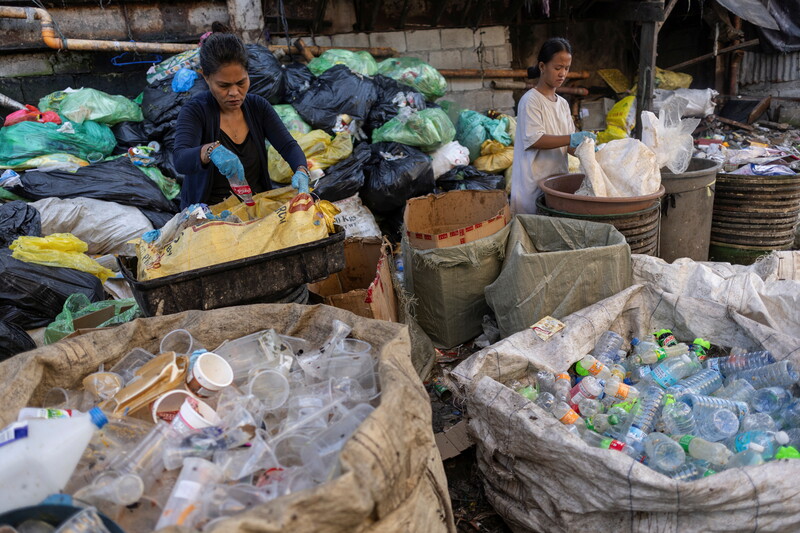
Countries, businesses, and communities globally are advancing national plastic action plans and innovative local solutions despite stalled global treaty negotiations. Community collaborations, such as waste pickers in Ghana and initiatives in the Galapagos Islands, demonstrate measurable progress. National Plastic Action Partnerships (NPAPs) unite stakeholders to implement effective strategies, while systems like extended producer responsibility are being adopted in various countries. Regulatory clarity encourages private investment, as seen with the Montreal Protocol. Regional cooperation, like Southeast Asia's ASEAN plan and West Africa's emerging strategies, further enhances efforts to combat plastic pollution collaboratively.
Health
Beyond the treaty table: Advancing action on plastic pollution

The 42nd ICAO General Assembly concluded on October 3, 2025, reaffirming commitments for the aviation sector to achieve net-zero carbon emissions by 2050. Key topics included the implementation of a robust monitoring methodology and the endorsement of global frameworks for sustainable aviation fuels. ICAO Member States agreed on tighter carbon emission standards, support for clean technology investments, and continued focus on safety amidst rising geopolitical tensions. The assembly emphasized the importance of airports having access to renewable energy to meet decarbonization goals, ensuring no regression in current sustainability ambitions.
The key takeaways from the latest international aviation assembly
Europe's transition to net zero and digital leadership is critically dependent on rare earth materials, which it predominantly imports, particularly from China. This reliance poses significant geopolitical risks that threaten climate targets and industrial goals. Europe needs vast amounts of lithium, cobalt, and nickel for clean technologies, yet domestic production remains limited. Initiatives like the Critical Raw Materials Act aim to enhance self-sufficiency, targeting 10% of EU demand for minerals through domestic extraction and processing. Opportunities exist, such as the discovery of Europe's largest rare-earth deposit in Norway, but require swift action in permitting and investment.
Belgium, France, Germany, Indonesia, Norway, Russian Federation, Ukraine, United Kingdom | Financial services
From chips to turbines: Europe depends on these critical rare earth materials
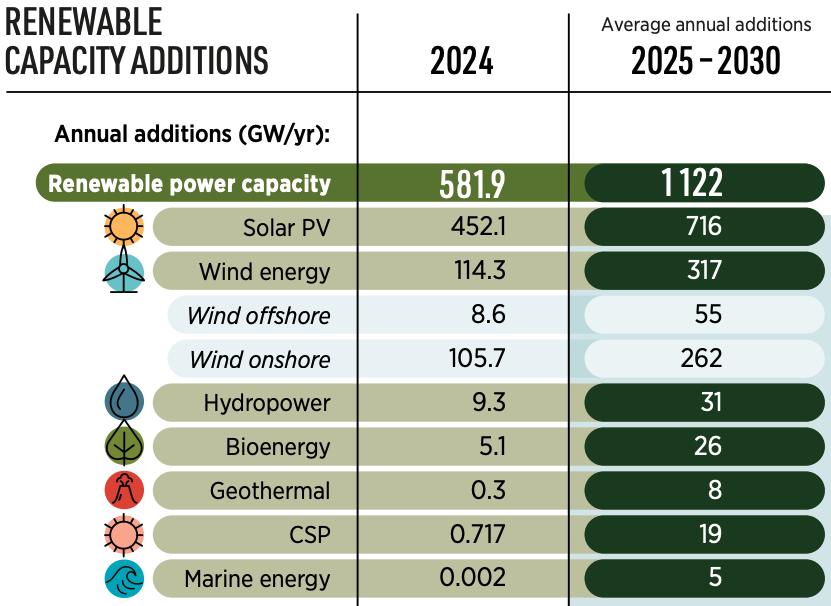
Global renewable energy capacity increased by a record 582 gigawatts in 2024, yet the world is not on track to meet UN targets of tripling renewables by 2030. Achieving this goal now requires nearly double the current annual growth rate. Japan's new government is prioritizing nuclear power to reduce fuel import dependency and combat inflation, attempting to revitalize a sector hindered since the Fukushima disaster. The UK plans to create 400,000 clean energy jobs by 2030, while Iran fast-tracks solar projects amidst fuel shortages. South Africa aims to enhance nuclear and gas electricity generation.
Burkina Faso, Egypt, Indonesia, Jamaica, Japan, Jordan, Kenya, Pakistan, Peru, Philippines, Russian Federation, Saudi Arabia, Seychelles, Thailand, Ukraine, United Arab Emirates, United Kingdom | Financial services, ICT, Health
Clean energy push accelerates but still falls short of global goals – and more top energy stories

The Monetary Authority of Singapore (MAS) has launched a S$15 million (US$12 million) Financial Sector Carbon Market Development Grant to enhance participation in the city's carbon market and establish Singapore as a regional hub for climate finance. The grant aims to alleviate upfront costs for financial institutions like banks and insurers involved in carbon market initiatives until 31 October 2028. Funding will co-finance manpower, professional services, and transaction costs for carbon credit projects, with support for companies purchasing carbon insurance. This initiative is part of Singapore's broader efforts to facilitate global net-zero transitions and strengthen its carbon trading capabilities.
Singapore | Financial services
Singapore’s central bank launches US$12 million grant to strengthen the city-state’s carbon market ecosystem
Emerging information technologies, such as social media, search engines, and AI, significantly impact public health, politics, social dynamics, and the environment. A scientific understanding of these impacts is essential to develop evidence-based technology policies that minimize harm and enhance benefits. However, the data needed for research is often controlled by the tech industry itself, which poses risks of undue influence on the scientific record. The paper argues for the need to strengthen existing protections and create new ones to mitigate these challenges in technology research.
Financial services, Education, Health, ICT
The Risks of Industry Influence in Tech Research

Insights from a comprehensive dataset on industrial transformation reveal that effective change results from integrating multiple technologies, rather than isolated efforts. Key findings indicate that addressing operational pain points initiates transformation, while simultaneous advancements in processes, technology, and workforce capabilities yield significant performance gains. Sites maturing in quality, maintenance, and workforce development double their chances of scaling successful pilots. Additionally, sustainability has shifted from being viewed as a cost to becoming a competitive advantage, driving productivity and efficiency across operations. Overall, resilience and agility are essential for adapting to supply chain challenges.
United Arab Emirates | ICT, Education
5 takeaways from the world’s largest dataset on industrial transformation
Chemical management is becoming safer and more transparent through various initiatives and innovations. Key elements include enhanced global governance, such as the Intergovernmental Science-Policy Panel on Chemicals, and stricter regulations like the EU’s proposed PFAS restrictions. Companies are investing in safer alternatives and developing tools for risk assessment and treatment. Transparency is improving with databases tracking chemical use, while education and investor engagement are fostering a stronger focus on safe chemistry. The aim is to create a chemical economy that prioritizes safety, traceability, and sustainability throughout product lifecycles.

Financial services, Health
7 ways chemical management is becoming safer and more transparent
South Korea has enacted a dozen new environment and energy bills aimed at enhancing climate response, promoting green growth, and improving environmental governance. A key reform includes the unification of climate and energy under the new Ministry of Climate, Energy and Environment, streamlining decision-making and addressing climate issues more effectively. The legislation updates the naming of the 2050 Carbon Neutral Green Growth Commission and revises greenhouse gas reporting standards to focus on net emissions. Additionally, the validity of hydrogen station construction permits has been extended to foster infrastructure development, while measures to protect biodiversity and improve disaster preparedness have been introduced.
Nigeria, Republic of Korea
South Korea passes a dozen environment and energy bills to promote green growth

Quantum technologies are poised to transform advanced manufacturing and supply chains, addressing challenges posed by recent disruptions such as extreme weather and geopolitical tensions. The report outlines how these technologies enhance product design, factory operations, and supply chain resilience. It provides a strategic roadmap for scaling adoption through pilot projects, policy initiatives, and talent development. Notable case studies highlight improvements such as Ford Otosan's faster scheduling and Boeing's corrosion-resistant material research. Early adoption of quantum solutions can lead to greater precision, cost reduction, and increased agility in industrial systems.
ICT, Education
Quantum Technologies: Key Opportunities for Advanced Manufacturing and Supply Chains

Global manufacturing and supply chains are facing significant disruptions, with a 38% increase in supply chain issues in 2024 due to extreme weather, geopolitical tensions, and cyberattacks. Traditional digital tools are inadequate for addressing these complex challenges. Quantum technologies present innovative solutions across product design, factory operations, and supply chains. A strategic roadmap for adoption is outlined, featuring hybrid quantum-classical pilots and case studies such as Ford Otosan’s improved scheduling and the Port of Rotterdam’s secure network. Early adoption of quantum solutions can enhance precision, reduce costs, and increase agility in industrial systems.
ICT, Education
Quantum Technologies: Key Opportunities for Advanced Manufacturing and Supply Chains

Southeast Asia's tourism sector is rebounding with a significant focus on sustainability, welcoming over 123 million visitors in 2024. As demand for ecotourism grows, countries like Thailand, Vietnam, and Malaysia are developing policies to balance economic benefits with environmental protection. Ecotourism, now integral to the region's economy, can contribute to conservation efforts, but managing visitor numbers is crucial to preserving natural areas. Initiatives include regulated tourist access and ensuring revenues support local communities and ecosystems. This shift positions ecotourism as essential for both cultural preservation and wildlife protection.
Thailand
Rewilding travel: Southeast Asia’s top ecotourism destinations
Countries in Asia and the Pacific contribute significantly to global emissions while being particularly susceptible to extreme weather disasters. This region, home to 60% of the global population, accounted for over half of the rise in greenhouse gas emissions, leading to heightened vulnerability. Despite less disaster frequency than other regions, Asia and the Pacific faced nearly half of the global fatalities from such events, with estimated economic losses of $1.4 trillion. Tracking emissions across sectors and supply chains is crucial to understanding their impacts and developing effective policies to enhance resilience, reduce emissions, and ensure sustainable growth.
Australia, Indonesia, Japan, Kenya, Pakistan, Philippines, Republic of Korea, Seychelles, South Africa, Sri Lanka, Thailand, United Arab Emirates | Financial services, Health
Supply Chains Are Key to Managing Disaster Risk and Cutting Emissions

London and Washington announced plans to build 20 small modular reactors (SMRs) and develop microreactor technology to address energy needs. However, evidence suggests that SMRs are unlikely to compete with renewable energy on cost and efficiency. The push for nuclear energy, particularly from military-linked entities, reflects a deeper reliance on civil nuclear industries to support military infrastructures, such as nuclear submarines. This dependency allows military costs to be obscured within civilian programs, creating a cycle of funding and support driven more by strategic military interests than by genuine energy or climate concerns.
The hidden military pressures behind the new push for small nuclear reactors
The U.S. has exhibited inconsistent semiconductor export control policies towards China, recently tightening some restrictions while relaxing others, such as allowing Nvidia AI chip exports and the TikTok deal. Political priorities, reduced bureaucratic capacity, and international relations are influencing these shifts. The focus on domestic issues has lessened pressure for aggressive stances, while upcoming diplomatic events, like the APEC summit, encourage de-escalation. Future U.S. export policies may tighten again if significant provocations arise from China. The global consensus on technology control has weakened, complicating multilateral relations.
France, Germany, Switzerland, Taiwan, China, United Kingdom | Financial services, ICT
Three Questions to Emily Benson: Inside the Conflicting Signals of U.S. Export Control Strategy
The rapid advancement of AI technology is outpacing traditional cybersecurity measures, leaving micro-, small-, and medium-sized enterprises (MSMEs) and underdeveloped nations particularly vulnerable. Cyberattacks have become faster and more sophisticated, with a significant global shortage of cybersecurity professionals exacerbating the issue. Proactive strategies leveraging AI, automation, and intelligent security posture management are essential to protect organizations effectively. Additionally, the advent of quantum computing poses new challenges that current encryption standards may not withstand. To bolster digital resilience, accessible plug-and-play cybersecurity solutions must be developed to ensure all organizations can compete and secure their infrastructures against evolving threats.
Financial services, ICT, Education
Can cybersecurity withstand the new AI era?
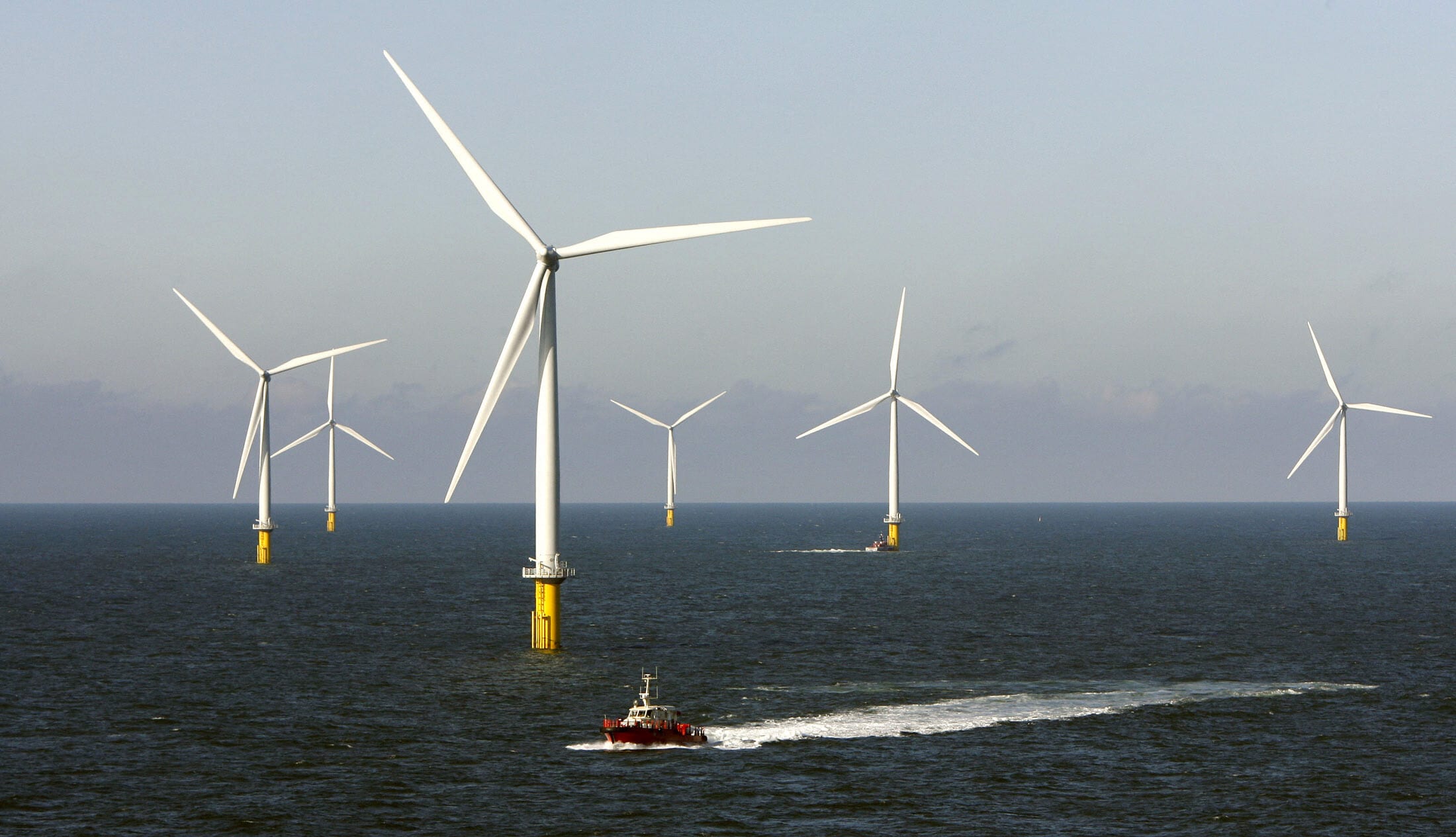
The ocean economy is identified as a critical driver of sustainable growth and investment, with the potential to create jobs and restore ecosystems. It underpins over half of the global GDP, valued at approximately $44 trillion, yet faces risks from climate change and biodiversity loss. There is optimistic potential for regenerative practices, which could unlock $10.1 trillion in annual opportunities and create 395 million jobs by 2030. Key sustainable sectors include ocean conservation, sustainable fisheries, and ocean-based renewable energy, with a projected investment of $550 billion annually by 2030, affirming the ocean economy's transformative potential.
Seychelles | Financial services
How the ocean economy can catalyze sustainable growth

The transition to digitalization and smart infrastructure is accelerating, with significant advancements reported by executives worldwide. Organizations increasingly adopt technologies like AI and automation to enhance efficiency and reduce costs, leading to competitive advantages. Notable examples include the University of East London and Deutsche Bahn, which illustrate the tangible benefits of integrated energy management and operational improvements. The Siemens Infrastructure Transition Monitor highlights that profitability is driving the shift toward sustainability, with autonomous systems poised to unlock even greater efficiencies in resource management, maintenance, and energy distribution.
Financial services, Education, ICT
The digital flywheel is now unstoppable. Smart business will harness it