Publications

INSIGHT REPORT

Pioneering the Future: Space

Technologies Poised to Revolutionize

Exploration and Economy by 2035

September 2026

FACTSHEETS

Pioneering the Future: Space

Technologies Poised to Revolutionize Exploration and Economy by 2035

June 2026

WHITE PAPER

Future of Space Law:

Operationalizing Space Governance

March 2026

REPORT

Clear Orbit, Secure Future:

 A Call to Action on Space Debris

Jan 2026

WHITE PAPER

The Future of Space Law

Insights from the ATS, UNCLOS, and ITU Frameworks

December 2025

WHITE PAPER

The Future of Space Law: 

The Evolving Dynamics of Air and Space Regulation

 September  2025

The Future Of Space Law

News

Centre for Space Futures, Novaspace and SpaceTech Gulf  Sign Agreement to Develop Global Space Capability Mapping Dashboard

Riyadh, Saudi Arabia , 23 Jun 2026|  Press Release

Clear Orbit, Secure Future: A Call to Action on Space Debris

Riyadh, Saudi Arabia, 26 Jan 2026 | Press Release

Centre for Space Futures Holds Workshop with Participation of 40 Global Experts

Riyadh, Saudi Arabia, 05 Dec 2025 | Press Release

Centre for Space Futures Releases White Paper on 'The Future of Space Law'

Riyadh, Saudi Arabia, 12 Sep 2025 | Press Release

The Board of Directors of the Centre for Space Futures Endorses Its Strategic Direction

Riyadh, Saudi Arabia, 26 May 2025 | Press Release

Saudi Space Agency to Launch the Centre for Space Futures with the World Economic Forum

Riyadh, Saudi Arabia, 29 April | Press Release

5 ways we can tackle growing risks from rocket bodies in orbit

Dec 09, 2025 | Economic Growth, Stories

Read More

Forum Agenda

Forum Videos

VIDEO

Press Conference: Centre for Space Futures in Riyadh

The World Economic Forum's Special Meeting, April 29, 2024

VIDEO

The Purpose of Astronauts at Davos 2024

World Economic Forum , March 9, 2024

VIDEO

PortWatch: Monitoring Trade Disruptions from Space

World Economic Forum , Dec 18, 2023

VIDEO

India's Moon Mission Triumph: Ambassador Ruchira Kamboj's Insights

World Economic Forum , Aug 23, 2023

VIDEO

Space Exploration is Back at Davos 2023

World Economic Forum , Feb 16, 2023

Forum Publications

Strategic Intelligence Insights

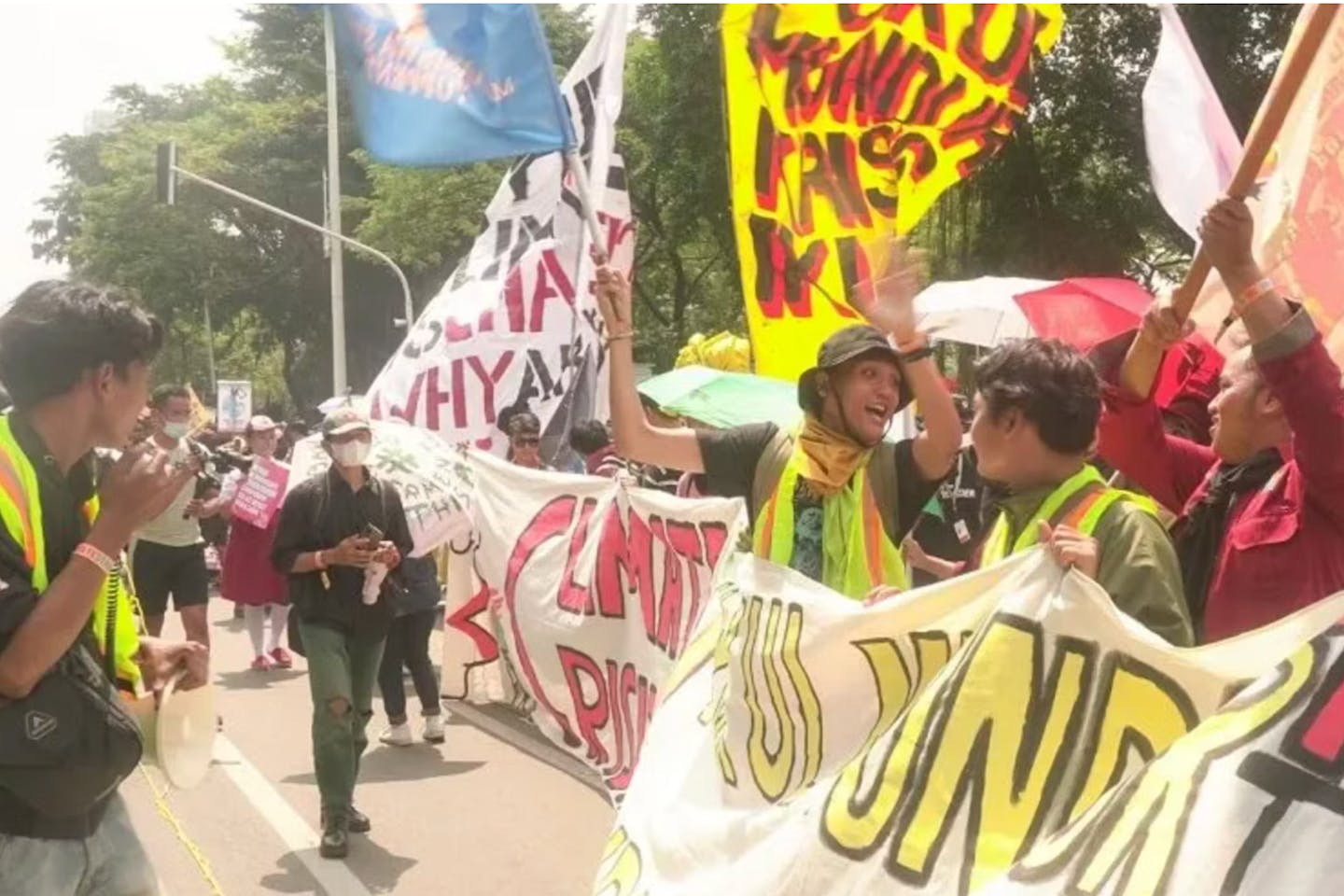
Concern about climate change has significantly declined in 2024-2025, despite worsening climate impacts, as revealed by a GlobeScan survey across 33 countries. The decline is notable in regions like Indonesia, Hong Kong, and Vietnam, driven by decreased communication from leaders, competing priorities, and a phenomenon termed "hypernormalisation." Many in the Global North prioritize issues like cost of living over climate, while those in the Global South, especially in climate-vulnerable countries, maintain higher concern and show strong support for a green economy. The findings come ahead of COP30 negotiations, highlighting financial support for climate adaptation as a pressing issue.
Antarctica, Nigeria | Financial services, Health
The perceived seriousness of climate change is declining amid competing priorities and climate delay: study

NBS compiles a monthly list of the latest business sustainability research, focusing on in-press articles to showcase cutting-edge knowledge. The compilation includes contributions from Financial Times Top 50 journals and other publications, featuring studies on diverse topics such as CEO gender pay inequality, corporate-nonprofit partnerships, and the effects of green bond issuance. Notable themes include strategic corporate social responsibility, diversity in entrepreneurship, and environmental impacts of industry practices.
Belgium, Germany, Indonesia, Japan, Jordan, Kenya, Mozambique, Namibia, Nigeria, Norway, Peru, Philippines, Russian Federation, Saudi Arabia, Switzerland, Ukraine, United Arab Emirates, United Kingdom | Health, Financial services, ICT
Table of Contents: September 2025
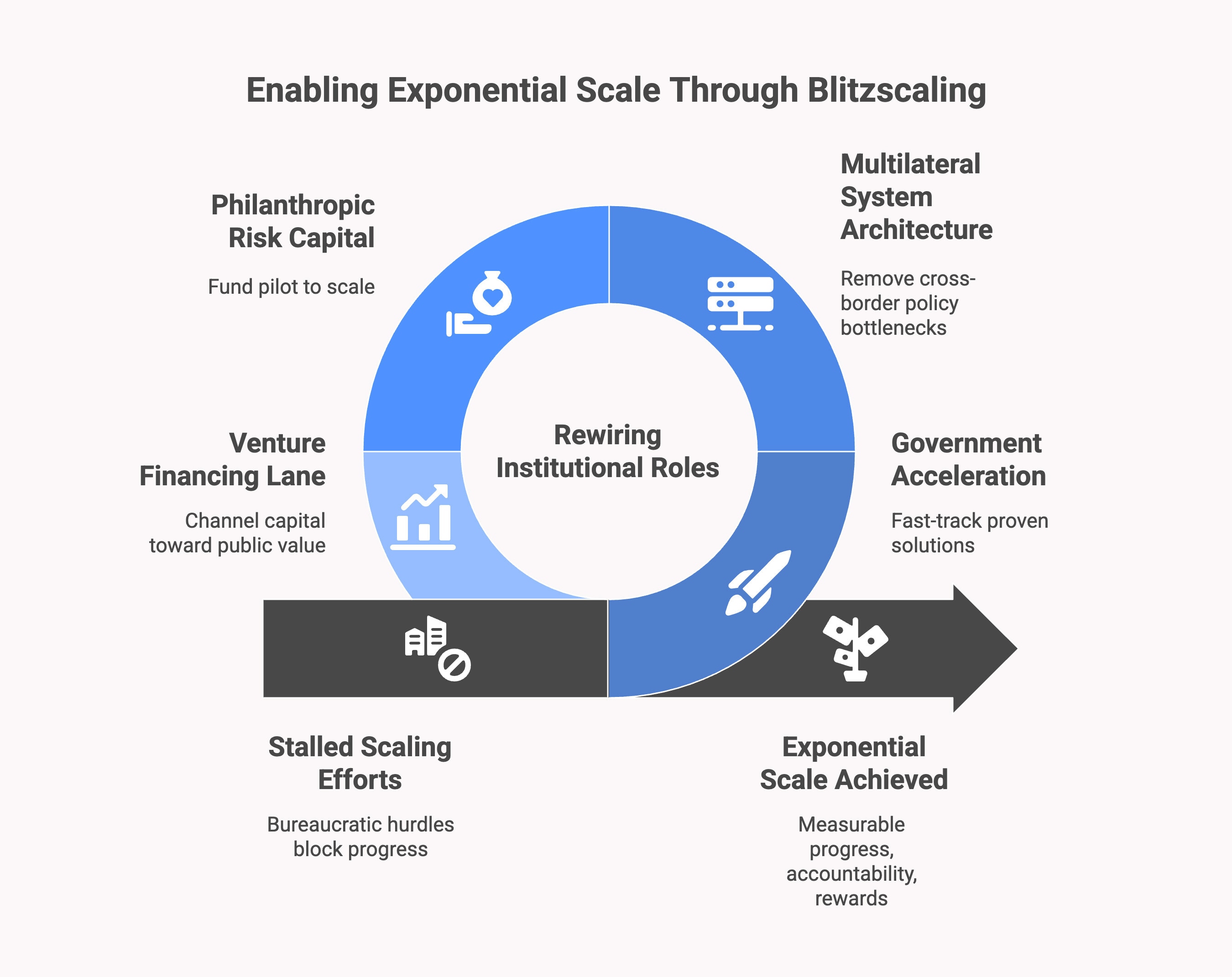
Only 35% of UN Sustainable Development Goals (SDGs) are on track, highlighting a significant gap between available solutions and their scaling. Blitzscaling, a method prioritizing rapid growth and embracing uncertainty, can be repurposed for social impact, creating "impact unicorns" defined by their positive effects on billions rather than financial valuation. These organizations leverage AI and operate within "impact clusters"—ecosystem coalitions of various stakeholders—to enhance efficiency and reach. Examples of scalability and success include Zipline's drone deliveries and SHAYP's water monitoring solutions. Effective collaboration within these clusters can dramatically accelerate progress toward sustainable development.
Financial services, Education, ICT, Health
Blitzscaling: How to build the world's first impact unicorns
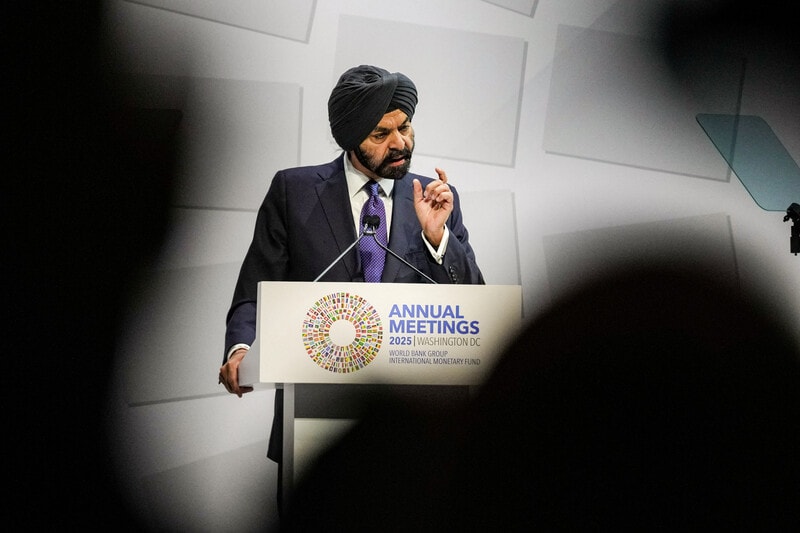
The 2025 IMF-World Bank fall meetings focused on debt transparency and reform, highlighting how economic security, trade tensions, and unregulated AI shape global growth. The IMF warned that global public debt could exceed 100% of GDP by 2029, stressing the need for a new culture of transparency in debt restructuring. Leaders called for stronger representation of low- and middle-income countries in global governance. Climate finance was identified as inseparable from economic stability. Artificial intelligence emerged as a significant risk and opportunity, requiring responsible governance to avoid exacerbating inequality. Credibility in delivering results was emphasized as essential for restoring confidence in global institutions.
Burkina Faso, Peru, Ukraine, United Kingdom | Education, ICT, Financial services, Health
Debt, AI and geopolitical division: takeaways from the 2025 IMF-World Bank fall meetings
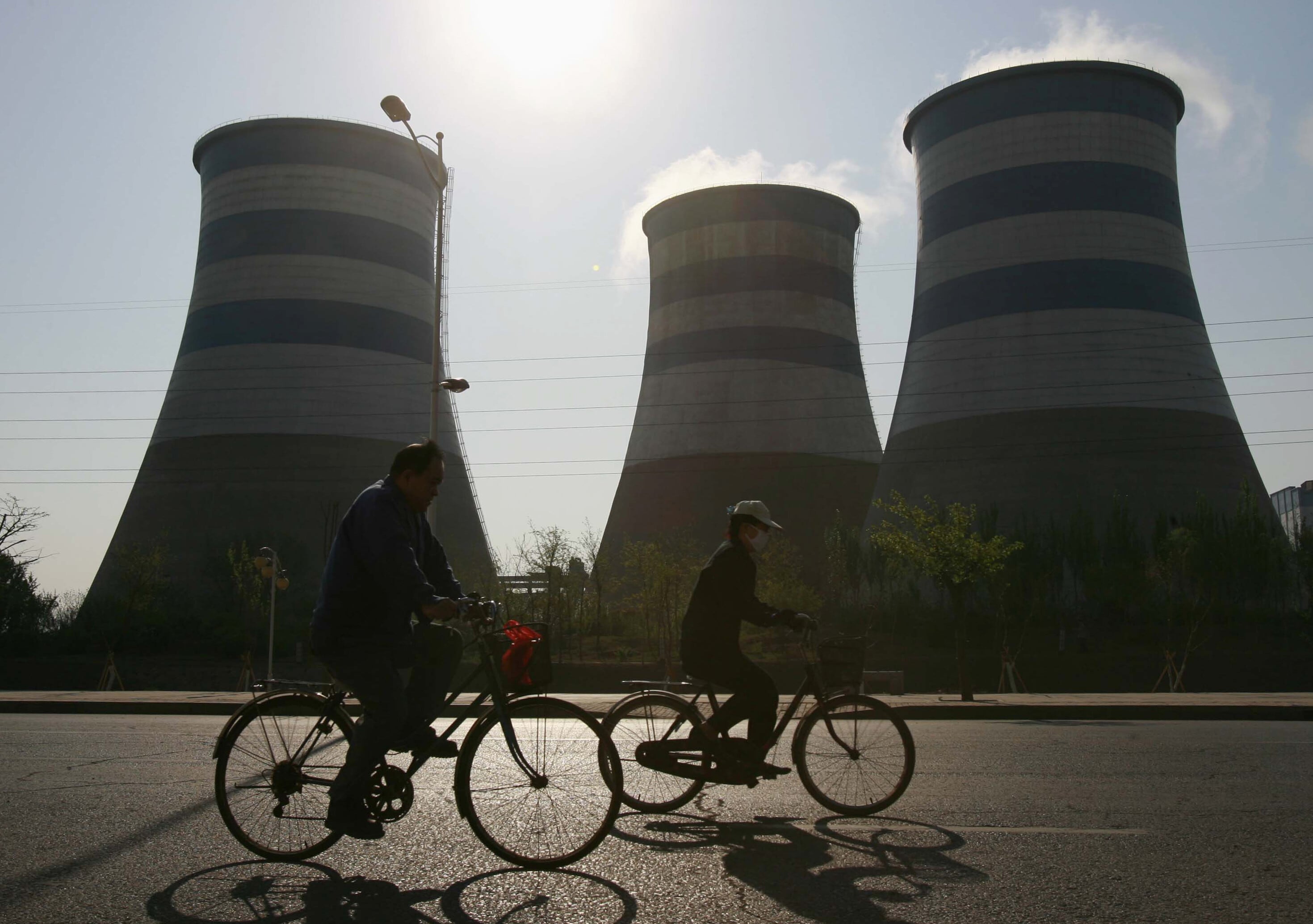
"Crocodile economics" illustrates a new economic model where 49 countries have successfully separated economic growth from fossil fuel dependence, evidenced by rising GDP and declining emissions. This trend is bolstered by advancements in renewable energy and electric vehicles. In 2023, the EU and UK reported significant emissions reductions alongside GDP growth. However, current emissions cuts are insufficient to meet Paris Agreement targets. The potential for rapid change exists, particularly in emerging economies, which can adopt clean technologies to sidestep traditional carbon-intensive paths. Companies are also beginning to adopt similar decoupling strategies.
Belgium, Burkina Faso, Colombia, Costa Rica, Croatia, Democratic Republic of the Congo, Denmark, Germany, Indonesia, Jamaica, Mozambique, Nigeria, Peru, Russian Federation, Seychelles, Sweden, United Arab Emirates, United Kingdom
How ‘crocodile economics’ is proving growth and climate action can thrive together
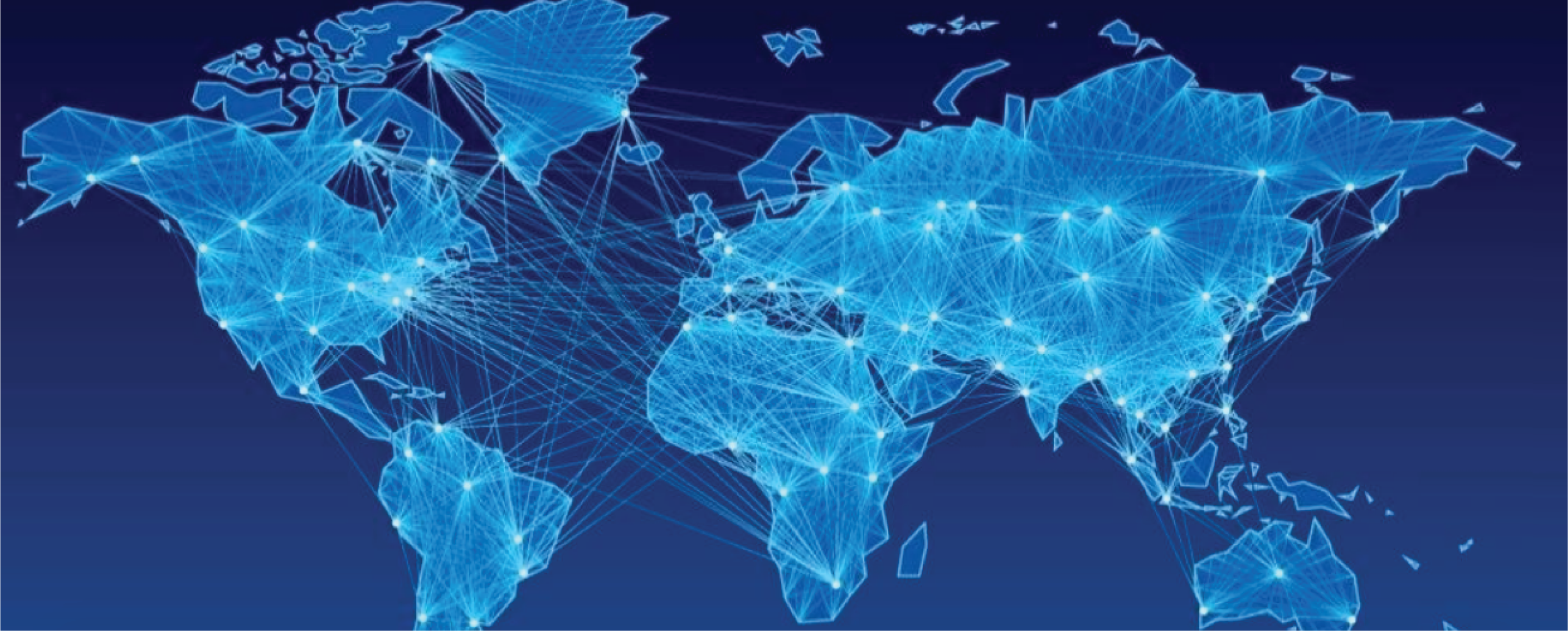
The evolution of artificial intelligence and human enhancement technologies poses significant risks and vulnerabilities that transcend national boundaries, reflecting core issues of human nature and decision-making. These technologies could be exploited by malicious entities to manipulate human intentions and emotions. The analysis explores the intersection of warfare, peace, and the emotional dimensions of leadership, highlighting the necessity for a transnational response to military, digital, and biological risks. Recognizing that states operate on emotional, egoistic foundations alongside rationality can illuminate past conflicts and guide future cooperative behaviors.
Financial services, Education, ICT, Health
How States Act (and Feel) — and Why It Matters

Global demand for computing power is leading to an investment of $1.8 trillion in data centers from 2024 to 2030, as reported by Boston Consulting Group. This surge has significant environmental implications due to the heavy energy and water usage, and considerable CO2 emissions from conventional cement production. Innovative solutions like green cement from Sublime Systems, which reduces emissions by 90% through novel production methods, are emerging. The company has partnered with Microsoft for low-carbon cement supply and is developing a commercial facility in Massachusetts. The World Economic Forum highlights the need for such technologies to mitigate climate change and restore ecological balance.
ICT, Health, Education
How Emerging Technologies For Planetary Health Could Cement Change
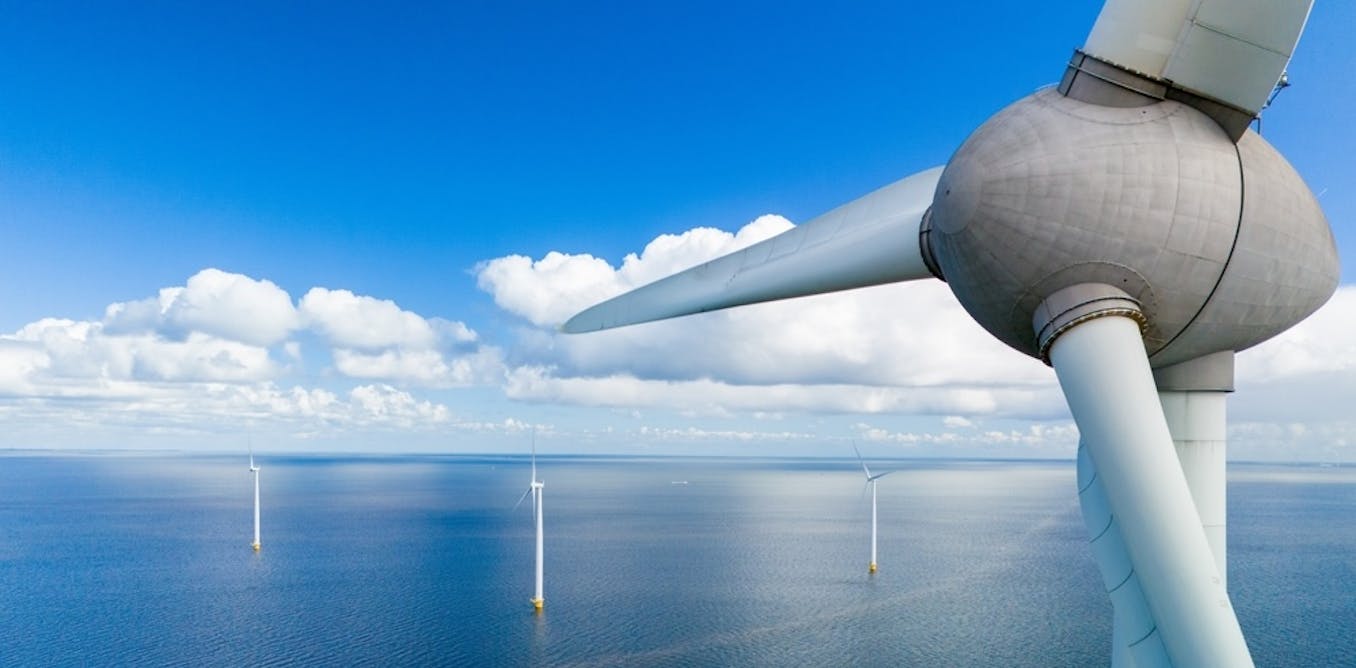
Just 1% of the world's coastal waters could potentially generate a third of global electricity by 2050 through offshore wind and solar power, according to a study by researchers in Singapore and China. While this offers a significant opportunity to reduce emissions, major technical, economic, and political challenges exist. Currently, offshore wind produces less than 1% of global electricity, requiring monumental growth to meet targets. Floating turbines and offshore solar technologies are still in early development stages and face high costs and engineering issues. Regulatory hurdles and competing maritime uses further complicate expansion efforts.
Just 1% of coastal waters could power a third of the world’s electricity – but can we do it in time?
Impact licensing is introduced as a strategic tool by The Impact Licensing Initiative (ILI) to enhance the societal and environmental value of research and innovation. ILI has successfully transferred five technologies from universities and companies to impact-driven ventures, supporting advancements in sectors such as clean energy, sustainable agriculture, healthcare, artificial intelligence, and education. The white paper targets investment audiences and policymakers, illustrating how impact licensing can foster positive change in tackling societal challenges.
Health, Education
Impact Licensing as a strategic instrument for Impact Investment
The COVID-19 pandemic highlighted significant deficiencies in global data coordination among public institutions. While national governments and the World Health Organization struggled, a team at Johns Hopkins University developed a widely trusted public dashboard for COVID-19 data. This work demonstrated how quickly data infrastructure can form through collaboration, even without formal authority. The paper explores how the World Wide Web fosters the emergence of data standards, essential for collaboration, and emphasizes that while standards are critical, the authority to define them remains ambiguous.
Financial services, ICT, Education, Health
Emergent standards: Enabling collaborations across institutions
Rapid advances in artificial intelligence (AI) have created a significant accessibility disparity, particularly impacting low- and middle-income countries struggling with socioeconomic challenges. The report by the Friedrich Naumann Foundation emphasizes the need for immediate international and national efforts to invest in infrastructure, capacity development, and ethical governance. These initiatives are crucial for enabling these countries to harness AI as a tool for achieving equitable and sustainable growth.
Africa | ICT, Education
Examining AI in Low and Middle-Income Countries

As cities face challenges from climate change, urbanization, and water insecurity, innovative solutions are essential for resilient water systems. Many potential solutions, however, are hindered by fragmentation and lack of funding. The Water-BOOST framework, developed by the World Economic Forum and Imperial College London, offers a systems-based approach to enhance conditions for innovation. Research across six cities—San Francisco, Valencia, Barcelona, Singapore, Accra, and Bengaluru—reveals key governance, finance, and partnership factors that support innovation. This framework serves as a blueprint for decision-makers to align policy and investment for resilient, adaptive cities.
Financial services, Education, Health
Water-BOOST: Enabling Innovation for Future-Ready Cities
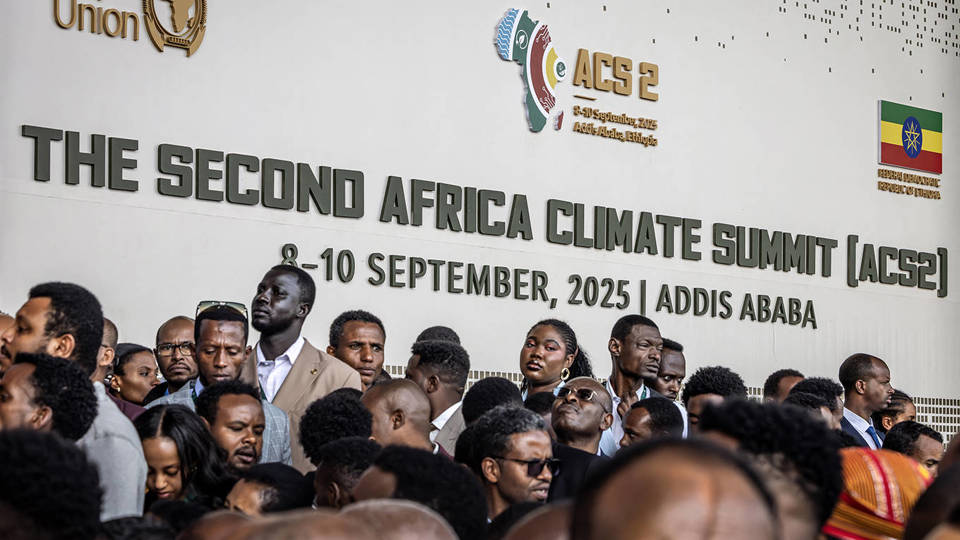
Africa aims to attract investment for its green transition at COP30, shifting from a victimhood narrative to a proactive stance in tackling climate change. Key areas for progress include reducing the high cost of capital, establishing a regulated integrated carbon market, and redefining adaptation as part of industrial policy. These measures are critical for capitalizing on Africa’s potential to contribute to global climate solutions, as the continent seeks to enhance its role and voice in climate negotiations while addressing rising climate-finance needs.
Antarctica, Burkina Faso, Kenya, Mozambique, Namibia, Nigeria, South Africa | Financial services
What Africans Want from COP30

AI has the potential to unlock $200 billion in sustainable finance for the Middle East and North Africa (MENA) by 2030, significantly addressing a $675 billion funding gap. As AI technology rapidly advances, it can enhance sustainability efforts in finance, energy, and resource management. A collaborative project involving First Abu Dhabi Bank revealed AI can identify sustainable finance opportunities and improve risk assessments, potentially generating a 50-135x ROI within five years. Additionally, such initiatives could contribute to decarbonization by avoiding 3.8 million tons of CO2 emissions and creating approximately 50,000 new sustainable jobs.
Africa
Could AI help the Middle East and North Africa unlock $200 billion in sustainable finance by 2030?

The development of AI requires challenging disciplinary silos that can obscure a holistic understanding and responsible innovation. Different academic fields are incorporating AI, but focus on either opportunities or risks, leading to incomplete views on associated challenges. For example, while AI enhances medical diagnostics, its environmental impact on resource consumption poses significant risks. The article argues that interdisciplinary collaboration and diverse perspectives are essential to address these contradictions and to frame objectives in ways that align with broader human values. Crafting nuanced prompts for AI applications is crucial to avoid misalignment with societal goals.
Financial services, Education, Health, ICT
Designing AI for humanity: Why disciplines must clash

Successful urban innovation relies on shared purposes among public, private, and community stakeholders. The Global Partnership for Local Investment honored three cities—Harar, Kigali, and Jersey City—for their collaborative efforts addressing pollution, housing, and healthcare through trust and transparency. 

In Harar, a partnership with Kubik aimed to create a plastic-waste-free city by converting waste into building materials, generating jobs for over 600 women and significantly reducing waste. Jersey City focused on making healthcare technology more accessible, resulting in improved health outcomes for underserved residents through community-driven designs. These initiatives highlight the importance of inclusive collaboration for sustainable urban transformations.
Rwanda | Financial services, Education, Health
Collaboration for trust – How cities build innovation from the ground up

A resilience economy is emerging, driving cities like New York and Cape Town to link climate action with inclusive economic growth. Strategic cross-sector partnerships translate climate risks into investment opportunities, addressing an annual $300 billion loss due to climate shocks. Low- and middle-income countries may need $821 billion annually by 2050 for resilient infrastructure. The private sector is expected to attract over $1 trillion in climate resilience investments by 2030. Effective resilience planning requires collaboration among cities, investors, and insurers to create sustainable, proactive solutions, ensuring long-term economic competitiveness and community strength.
Nigeria | Financial services, Health
How investing in urban resilience can foster sustainable growth and long-term competitiveness

Insurance must transition from a reactive model focused on risk transfer to a proactive approach emphasizing risk prevention. Rising insurance premiums amid increasing natural disaster losses are forcing people and businesses to relocate, threatening urban economies. Collaborations between cities and insurers aim to enhance urban resilience through calculated investments in disaster prevention. Successful examples include partnerships in Broward County and Cape Town, which have demonstrated the effectiveness of resilience strategies in attracting financing and improving credit ratings. This shift requires insurers to develop new capabilities to combine coverage with prevention efforts, ultimately benefiting all stakeholders.
Africa | Financial services, Health, Education, ICT
Why insurance must evolve from risk transfer to risk prevention

The rapid growth of AI is increasing global data center electricity use, projected to double by 2030, which could lead to over 300 million tonnes of CO₂ emissions annually. Tech giants must invest in carbon removal to meet their ambitious net-zero targets. Microsoft, despite significant investments in clean energy and carbon removal projects, has seen emissions increase. Carbon dioxide removal (CDR) is crucial for achieving net-zero goals by 2050, requiring 5–10 billion tonnes of CO₂ removal annually. Private companies need to act now, while governments must provide supportive regulations and infrastructure.
How tech giants can scale AI without breaking their climate commitments

FutureGuessr is a free online game launched in June 2025 that engages players in visualizing the future of Earth in 2100 amid climate change. Players guess locations based on AI-generated images that depict transformed landscapes, highlighting potential climate consequences. The game aims to provoke discussions about climate action and corporate influence. Part of a trend in climate communication, it collaborates with Résau Action Climat to make climate data more tangible. While offering educational insights, the game also raises concerns about the environmental impacts of AI in its production, emphasizing the need for sustainable practices in game development.
A new online game helps imagine life on Earth in 2100