
Publications

INSIGHT REPORT

Pioneering the Future: Space

Technologies Poised to Revolutionize

Exploration and Economy by 2035

September 2026

FACTSHEETS

Pioneering the Future: Space

Technologies Poised to Revolutionize Exploration and Economy by 2035

June 2026

WHITE PAPER

Future of Space Law:

Operationalizing Space Governance

March 2026

REPORT

Clear Orbit, Secure Future:

 A Call to Action on Space Debris

Jan 2026

WHITE PAPER

The Future of Space Law

Insights from the ATS, UNCLOS, and ITU Frameworks

December 2025

WHITE PAPER

The Future of Space Law: 

The Evolving Dynamics of Air and Space Regulation

 September  2025

The Future Of Space Law

News

Centre for Space Futures, Novaspace and SpaceTech Gulf  Sign Agreement to Develop Global Space Capability Mapping Dashboard

Riyadh, Saudi Arabia , 23 Jun 2026|  Press Release

Clear Orbit, Secure Future: A Call to Action on Space Debris

Riyadh, Saudi Arabia, 26 Jan 2026 | Press Release

Centre for Space Futures Holds Workshop with Participation of 40 Global Experts

Riyadh, Saudi Arabia, 05 Dec 2025 | Press Release

Centre for Space Futures Releases White Paper on 'The Future of Space Law'

Riyadh, Saudi Arabia, 12 Sep 2025 | Press Release

The Board of Directors of the Centre for Space Futures Endorses Its Strategic Direction

Riyadh, Saudi Arabia, 26 May 2025 | Press Release

Saudi Space Agency to Launch the Centre for Space Futures with the World Economic Forum

Riyadh, Saudi Arabia, 29 April | Press Release

5 ways we can tackle growing risks from rocket bodies in orbit

Dec 09, 2025 | Economic Growth, Stories

Read More

Forum Agenda

Forum Videos

VIDEO

Press Conference: Centre for Space Futures in Riyadh

The World Economic Forum's Special Meeting, April 29, 2024

VIDEO

The Purpose of Astronauts at Davos 2024

World Economic Forum , March 9, 2024

VIDEO

PortWatch: Monitoring Trade Disruptions from Space

World Economic Forum , Dec 18, 2023

VIDEO

India's Moon Mission Triumph: Ambassador Ruchira Kamboj's Insights

World Economic Forum , Aug 23, 2023

VIDEO

Space Exploration is Back at Davos 2023

World Economic Forum , Feb 16, 2023

Forum Publications

Strategic Intelligence Insights

The European data strategy aims to establish the EU as a leader in the data-driven economy by creating a single market for data that ensures cross-sectoral data flow, respects data protection and competition laws, and offers fair access and use rules. The paper analyzes proprietary, open data, and data commons models, defining data commons as a shared right to exploit data value while managing associated risks. It emphasizes the need for legal frameworks to balance the data holder's interests with those of data users and highlights the role of data intermediaries in facilitating compliance with usage conditions.
Germany, United Kingdom | ICT
Proprietary data, open data, data commons: Who owns the data? How to best reconcile conflicting interests in exploiting the value of data and protecting against its risks
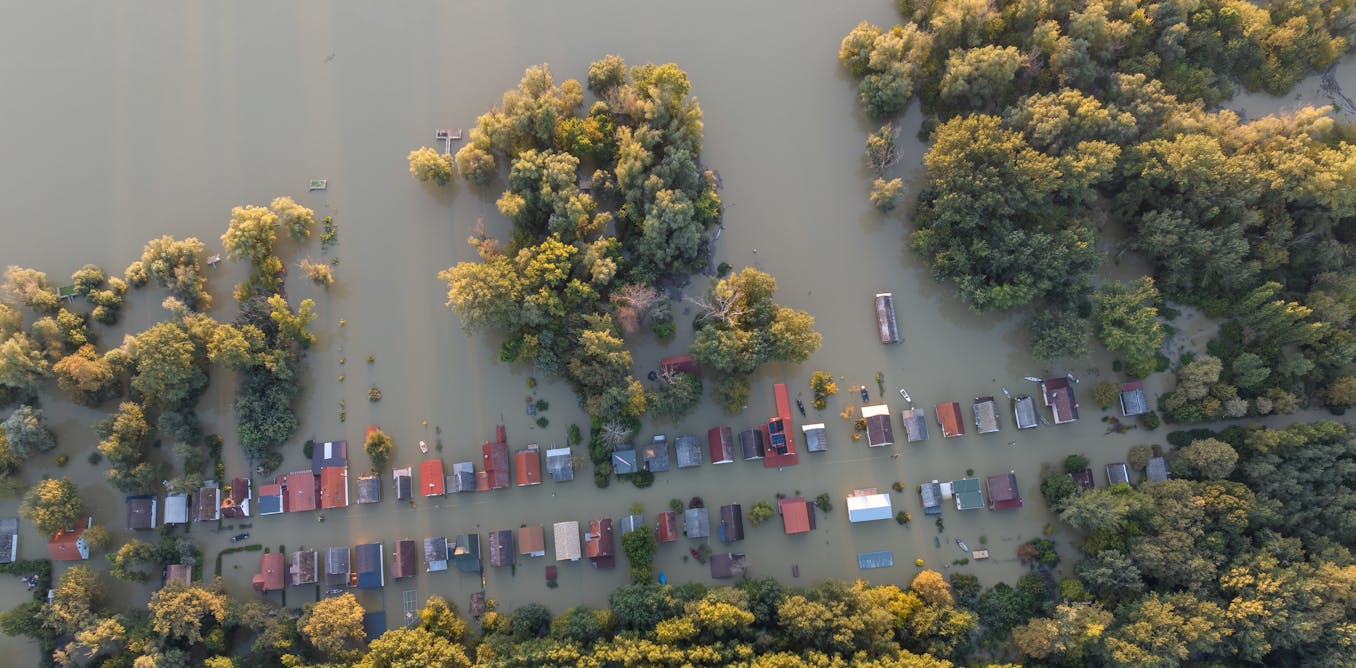
Temperatures in Europe are rising at twice the global average, leading to more frequent extreme weather, including heatwaves, floods, and wildfires. This climate change threatens ecosystems, infrastructure, and economic stability, resulting in over €738 billion in losses since 1980. Adaptation efforts lag behind the increasing risks, exposing communities to disease and displacement. Political setbacks further jeopardize progress on green policies, worsening climate anxiety. However, with initiatives like the €4.2 billion EU fund for decarbonization and a proven decrease in greenhouse gas emissions, Europe has the potential to achieve its climate goals, provided there is unified action among governments, businesses, and communities.
Africa | Financial services, Health
Europe’s climate is changing fast – here’s how it’s affecting people and the economy
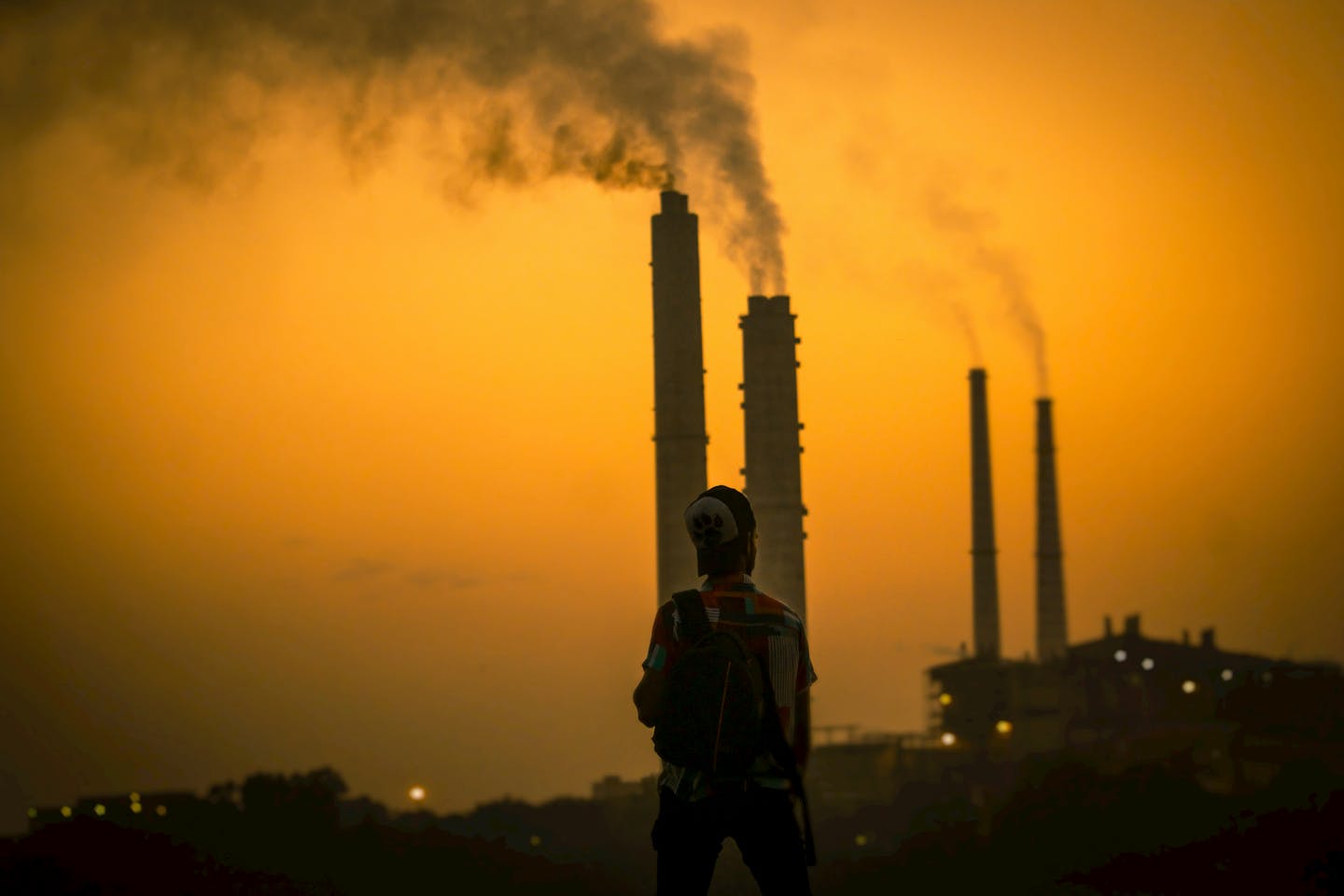
The conference brought together nearly 200 researchers and legal experts to discuss "overshoot" pathways, where global temperatures exceed the Paris Agreement’s 1.5°C limit before being reduced through carbon removal techniques. Key topics included the feasibility of such pathways and their implications for climate action and society. Professor Joeri Rogelj described managing overshoot as "managing failure," emphasizing the need for acknowledgment and preparation for temperature rises. Researchers highlighted the importance of precise communication about overshoot, distinguishing it from other exceedance scenarios and defining it as a temporary exceedance of the target followed by a return below it.
Overshoot: Exploring the implications of meeting 1.5°C climate goal ‘from above’

India is poised to shape the future of AI innovation with a focus on speed, scale, and responsibility. The AI for India 2030 initiative, spearheaded by C4IR India at the World Economic Forum, presents a strategic and operational framework for developing AI sandboxes. These sandboxes will address gaps in data access, infrastructure, and markets, enabling inclusive and accountable innovation. The framework, co-created with various sector leaders, provides a modular model for governments and industry to foster responsible AI growth, supporting start-ups, informing regulators, creating research opportunities, and enhancing citizen services.
Education
Shaping the AI Sandbox Ecosystem for the Intelligent Age

The Young Global Leaders developed an eight-point Transformation Map to guide leaders through a rapidly changing landscape marked by crises and technological disruption. Key principles include foresight, sustainability, and adaptability. Effective leadership now requires a focus on inclusion and long-term vision, steering away from traditional top-down authority. The role of AI in leadership is emphasized, along with the need for eco-centric solutions and rethinking climate action. Additionally, upskilling and advancing educational frameworks to integrate technology are critical as trust in institutions remains low. Leaders must balance innovation with empathy to navigate this complex future.
Qatar, United Arab Emirates, United Kingdom | Financial services, Education, Health
The leadership compass: 8 ways for leaders to find their bearings in a changing world

Global challenges are increasingly interconnected, necessitating collaboration across disciplines. In Dubai, experts from the Global Future Councils and global cybersecurity leaders discussed the importance of digital resilience, trust, and leadership amidst evolving geopolitical and technological landscapes. The meeting emphasized that cybersecurity is a societal imperative, not just a technical concern, as the digital attack surface expands and human error contributes significantly to data breaches. Rising threats target critical infrastructure and intellectual property, with cybercriminals leveraging AI for increased effectiveness. The global cost of cyber threats could reach $20 trillion annually by 2030, highlighting the vital need for secure digital foundations for future prosperity.
United Arab Emirates | Health, Education, Financial services, ICT
Securing the digital future: Resilience, trust and leadership

Senscience has developed a human-in-the-loop AI Data Steward to streamline the process of turning raw data into intelligent, reusable products. This platform automates complex data management tasks, enabling domain experts to focus on meaningful documentation and reuse of data. The FAIR² Data Management system, launched at the International Data Week, aims to improve data accessibility and usability across sectors like finance, pharma, and sustainability. By embedding context and provenance in datasets, Senscience enhances their integrity and applicability, facilitating responsible AI and advancing scientific research.
Startup Of The Week: Senscience
Space-based solar power (SBSP) involves capturing sunlight in space and transmitting it as microwaves back to Earth for conversion into electricity. Initially conceived in the 1960s, technological advancements and reduced satellite launch costs have recently made SBSP more economically viable. Projections suggest it could supply up to 20% of global energy needs by 2050, significantly easing Europe’s renewable energy demands. Nations, including the UK, Japan, South Korea, the U.S., and China, are investing in this technology, with various prototypes and projects underway. The modular approach to satellite assembly and advancements in robotics further enhance the feasibility of large-scale space solar systems.
How Space-Based Solar Power Could Help Meet Earth’s Energy Needs

The UN climate system faces significant inefficiencies and inadequacies, with rising emissions indicating a failure in meaningful progress. To enhance global climate governance, three main reforms are proposed: 
1. Redesign decision-making to improve efficiency and representation, moving away from unanimous agreements toward qualified majority voting that reflects state size and fosters regional alliances.
2. Streamline climate finance by consolidating numerous overlapping funds into three to five clear instruments focused on adaptation, mitigation, and technology sharing.
3. Reinvent the format of climate conferences to optimize costs and improve outcomes, ensuring that vital voices are included in decision-making processes.
Africa | Financial services, Health
Why climate summits fail – and three ways to save them

The Gulf region has the potential to lead globally in artificial intelligence (AI) by leveraging investments and technologies to drive economic diversification and sustainability. Significant government initiatives, especially in the UAE, aim to establish a tech-driven economy with a focus on integrating AI in sectors like logistics and resource management. However, the rapid growth of AI infrastructure presents challenges, particularly concerning energy consumption and environmental impact. To address these issues, sustainability should be central in AI development, with strategies to optimize energy use and reduce carbon footprints. Regional collaboration and regulatory support will be essential for the Gulf to realize its ambitions in the AI landscape.
Kuwait, Qatar, Saudi Arabia, United Arab Emirates
The Gulf can be a leader in global AI if it gets the focus right
The World Bank's renewed support for nuclear energy marks a significant global shift, emphasizing its role in energy security, climate action, and economic growth. To triple nuclear capacity by 2050, investment must more than double, with blended finance and supportive policies being essential. The emergence of small modular reactors (SMRs) as flexible, cost-effective solutions is highlighted, representing nearly a quarter of new capacity in high projections. Nuclear energy is recognized for its low emissions, stability in the energy grid, diverse applications, and positive economic impact, necessitating their inclusion in energy innovation strategies to meet rising electricity demands and decarbonization goals.
Africa | Financial services
Nuclear energy: How finance, policy and innovation can triple capacity by 2050

Strategic foresight enhances competitive advantage by transforming policy-making from reactive to proactive. Countries like the UAE, Singapore, and Finland leverage foresight to anticipate trends, making policies more agile and resilient. A four-step process—formulation, consultation, implementation, and evaluation—integrates strategic foresight into the policy lifecycle, allowing continuous adaptation. The UAE employs a national Strategic Intelligence platform to align priorities and improve decision-making. Other nations apply similar strategies, demonstrating that foresight, coupled with agile execution, yields measurable benefits and prepares economies for future challenges.
United Arab Emirates, United Kingdom | Financial services, Education, ICT
How strategic foresight-driven policy can make economies more competitive

Leaders who balance strength and receptivity gain a significant competitive edge, achieving a 24% increase in effectiveness. This concept, termed "integrated leadership on the edge," involves practices like rooted flexibility, caring accountability, whole thinking, and generative power. Through experiences in turbulent environments, such as those recounted by Otto Sonnenholzner from Ecuador and Eva McLellan from Roche Slovenia, it became evident that leaders must prioritize legitimacy, trust, and societal impact over mere efficiency or popularity. The future of effective leadership hinges on integrating diverse leadership styles to navigate complexity and foster resilience in a fractured world.
Africa | Education, ICT, Financial services, Health
The 24% leadership advantage no one talks about

Current global food systems are under significant pressure, failing to meet the nutritional needs of communities due to challenges like climate change, obesity, and geopolitical factors. Approximately 820 million people face hunger, while food-related illnesses cost the economy $3.5 trillion annually. Recent crises, including the COVID-19 pandemic and the Ukraine invasion, have exposed systemic vulnerabilities. To sustain farmers and adapt to evolving consumer demands, the integration of new technologies and improved resilience in food supply chains is crucial for ensuring affordable, nutritious food for all.
Africa | ICT, Education, Health, Financial services
Why our current food systems are no longer fit for purpose
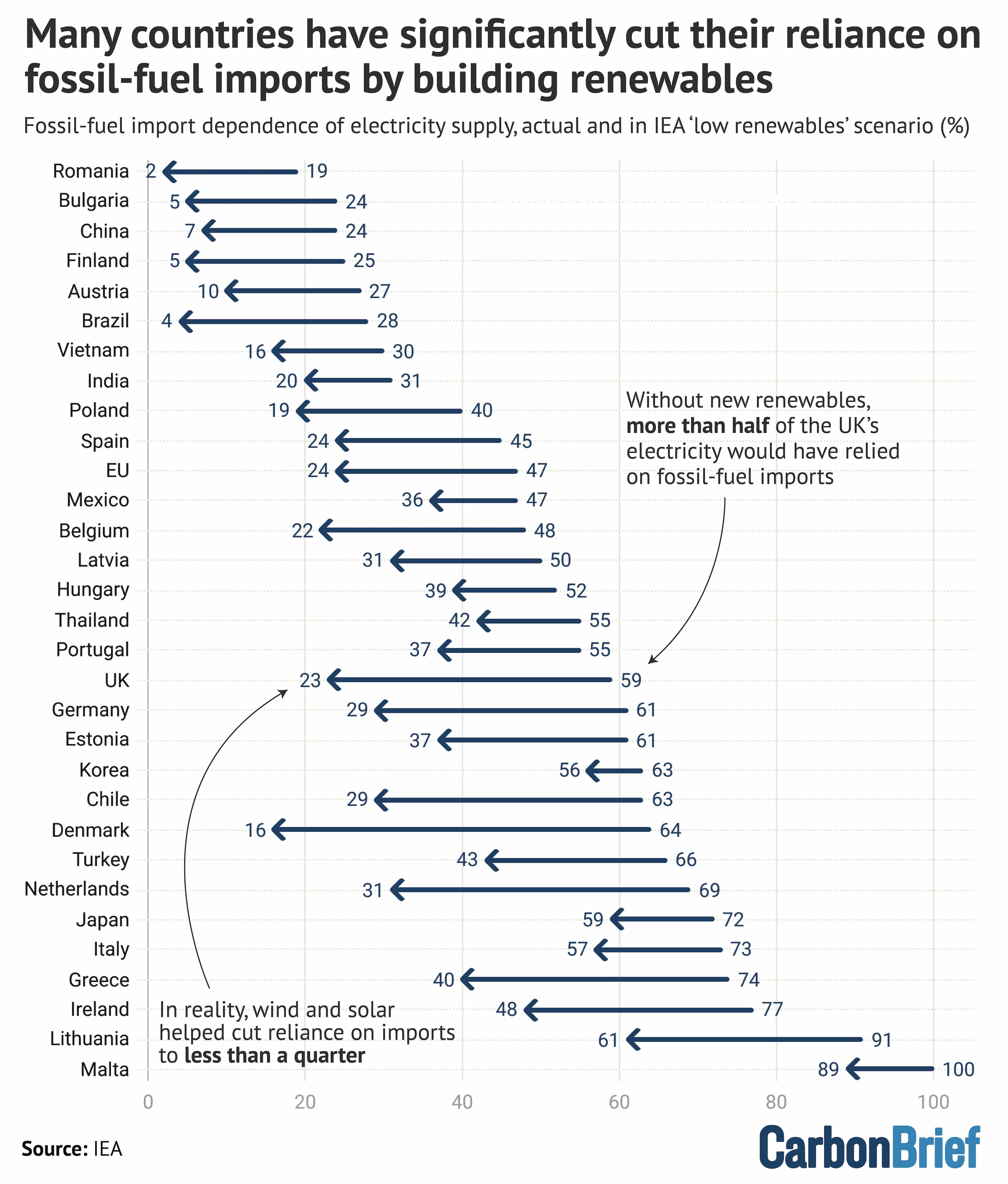
More than 100 countries have reduced fossil fuel imports due to the rise of renewable energy, saving an estimated $1.3 trillion since 2010, according to the International Energy Agency (IEA). These nations avoided importing 700 million tonnes of coal and 400 billion cubic metres of natural gas, crucial during the recent energy crisis. The IEA projects that global renewable capacity will grow by 4,600 gigawatts by 2030, driven largely by solar energy. Additionally, Amnesty International calls for humanitarian visas for Pacific Islanders displaced by climate change, while green sea turtles have recovered from 'Endangered' to 'Least Concern' status.
Africa | Health, ICT
More than 100 countries have cut fossil-fuel imports due to renewables rise, and other climate and nature news
Seven of the nine planetary boundaries have been breached, signaling urgent environmental concerns, according to the Potsdam Institute for Climate Impact Research. The World Economic Forum identifies ten emerging technologies potentially pivotal for planetary health. Notable solutions include precision fermentation to minimize livestock reliance and greenhouse gas emissions, green ammonia production using renewable sources, automated upcycling of food waste, methane capture for resource conversion, and green concrete innovations. These technologies aim to reduce environmental impacts and enhance sustainability as the planet grapples with climate change and resource depletion.
Financial services, Health, ICT, Education
Planet under pressure: 10 emerging tech solutions to watch
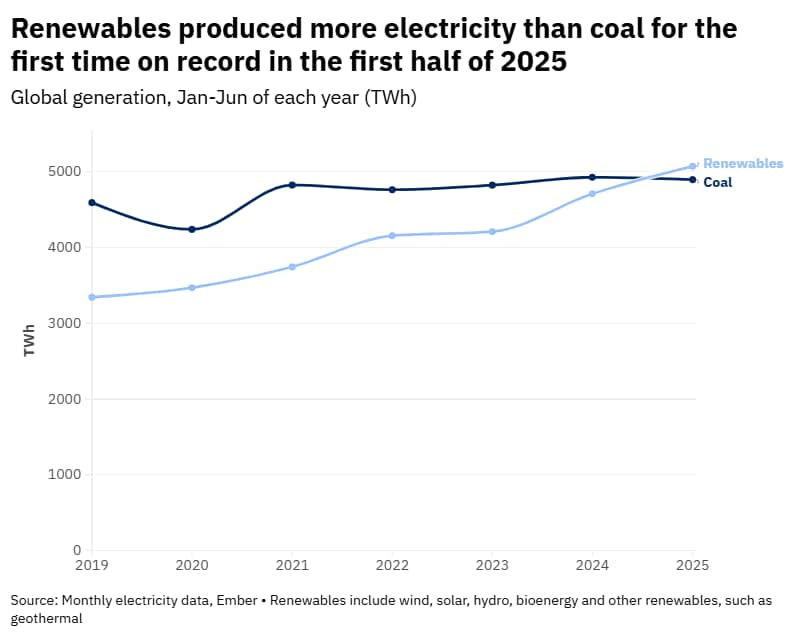
Renewable energy, including solar and wind, has overtaken coal as the world's leading electricity source for the first time, producing 34.3% of global electricity compared to coal's 33.1%. Solar energy alone accounted for 83% of the increased demand, growing by 31% in early 2025. The International Energy Agency (IEA) emphasizes the necessity for substantial investments in grid infrastructure and energy storage to support this growth. Additionally, the energy sector sees significant investments in natural gas pipelines in the US, shifts towards cleaner products in European refineries, and ongoing energy cooperation discussions in ASEAN.
Egypt, United Kingdom
Renewables overtake coal – and other latest energy news
Fear of the future drives societal innovation and progress, as history shows that every generation faces significant anxieties about what lies ahead. Dire predictions often motivate action, leading to advancements like the Green Revolution and technological breakthroughs. Despite recurring pessimism, previous fears have been proven incorrect, as subsequent decades brought remarkable innovations and growth. The cycle of fear prompting proactive measures suggests that while pessimism can dominate discourse, it often catalyzes the very advancements feared to be unattainable.
How fear for the future can help build a better one

Seven of Earth’s nine planetary boundaries have been breached, prompting the World Economic Forum’s report on 10 Emerging Technology Solutions for Planetary Health, developed with Frontiers. The report highlights innovative technologies like precision fermentation, green ammonia production, modular geothermal energy, and regenerative desalination to address major environmental challenges. It examines advances in clean energy, materials, biotechnology, and Earth observation, focusing on their potential to reduce emissions, restore ecosystems, and facilitate sustainable resource use. Each technology is analyzed for policy, finance, and equity to ensure responsible and inclusive scaling, underscoring the transformative capacity of technology for a sustainable future.
Health
10 Emerging Technology Solutions for Planetary Health

Seven of Earth’s nine planetary boundaries have been breached, necessitating urgent action to restore balance. The World Economic Forum identifies ten emerging technological solutions, such as precision fermentation, green ammonia production, and modular geothermal energy, aimed at addressing critical environmental challenges. These innovations focus on clean energy, materials, biotechnology, and Earth observation to reduce emissions, restore ecosystems, and ensure sustainable resource use. The assessment of each technology considers policy, finance, and equity to promote responsible scaling and inclusive impact, highlighting technology's transformative potential for a sustainable future.
Health
10 Emerging Technology Solutions for Planetary Health