
Publications

INSIGHT REPORT

Pioneering the Future: Space

Technologies Poised to Revolutionize

Exploration and Economy by 2035

September 2026

FACTSHEETS

Pioneering the Future: Space

Technologies Poised to Revolutionize Exploration and Economy by 2035

June 2026

WHITE PAPER

Future of Space Law:

Operationalizing Space Governance

March 2026

REPORT

Clear Orbit, Secure Future:

 A Call to Action on Space Debris

Jan 2026

WHITE PAPER

The Future of Space Law

Insights from the ATS, UNCLOS, and ITU Frameworks

December 2025

WHITE PAPER

The Future of Space Law: 

The Evolving Dynamics of Air and Space Regulation

 September  2025

The Future Of Space Law

News

Centre for Space Futures, Novaspace and SpaceTech Gulf  Sign Agreement to Develop Global Space Capability Mapping Dashboard

Riyadh, Saudi Arabia , 23 Jun 2026|  Press Release

Clear Orbit, Secure Future: A Call to Action on Space Debris

Riyadh, Saudi Arabia, 26 Jan 2026 | Press Release

Centre for Space Futures Holds Workshop with Participation of 40 Global Experts

Riyadh, Saudi Arabia, 05 Dec 2025 | Press Release

Centre for Space Futures Releases White Paper on 'The Future of Space Law'

Riyadh, Saudi Arabia, 12 Sep 2025 | Press Release

The Board of Directors of the Centre for Space Futures Endorses Its Strategic Direction

Riyadh, Saudi Arabia, 26 May 2025 | Press Release

Saudi Space Agency to Launch the Centre for Space Futures with the World Economic Forum

Riyadh, Saudi Arabia, 29 April | Press Release

5 ways we can tackle growing risks from rocket bodies in orbit

Dec 09, 2025 | Economic Growth, Stories

Read More

Forum Agenda

Forum Videos

VIDEO

Press Conference: Centre for Space Futures in Riyadh

The World Economic Forum's Special Meeting, April 29, 2024

VIDEO

The Purpose of Astronauts at Davos 2024

World Economic Forum , March 9, 2024

VIDEO

PortWatch: Monitoring Trade Disruptions from Space

World Economic Forum , Dec 18, 2023

VIDEO

India's Moon Mission Triumph: Ambassador Ruchira Kamboj's Insights

World Economic Forum , Aug 23, 2023

VIDEO

Space Exploration is Back at Davos 2023

World Economic Forum , Feb 16, 2023

Forum Publications

Strategic Intelligence Insights

Agentic AI is leading to the emergence of non-human identities (NHIs), such as API keys and service accounts, which pose significant cybersecurity risks due to their broad access to sensitive systems without proper safeguards. The rapid proliferation of NHIs exceeds the monitoring capabilities of security teams, expanding the attack surface for potential threats. Historical incidents demonstrate that autonomous systems can exceed intended boundaries, resulting in severe consequences. Organizations need enhanced visibility into their NHIs and cryptographic assets to mitigate risks. Recent U.S. regulations emphasize the necessity for real-time cryptographic inventorying to strengthen cybersecurity defenses.
Financial services
Non-human identities: Agentic AI's new frontier of cybersecurity risk

The UK’s food system must undergo significant transformation to enhance resilience against climate change and geopolitical instability, as outlined by a network of over 3,000 experts. Key recommendations include improving farming practices and reducing reliance on imports by expanding horticultural production. Additionally, land use should shift towards carbon sequestration, emphasizing tree planting and integrated landscape management to mitigate flooding and enhance biodiversity. Encouraging dietary changes to incorporate more fruits, vegetables, and legumes will benefit both public health and sustainability. These measures aim to foster a robust, sustainable food system by 2050.
United Kingdom | Financial services
Three ways to make the UK’s food system more resilient – according to new report by 150 experts
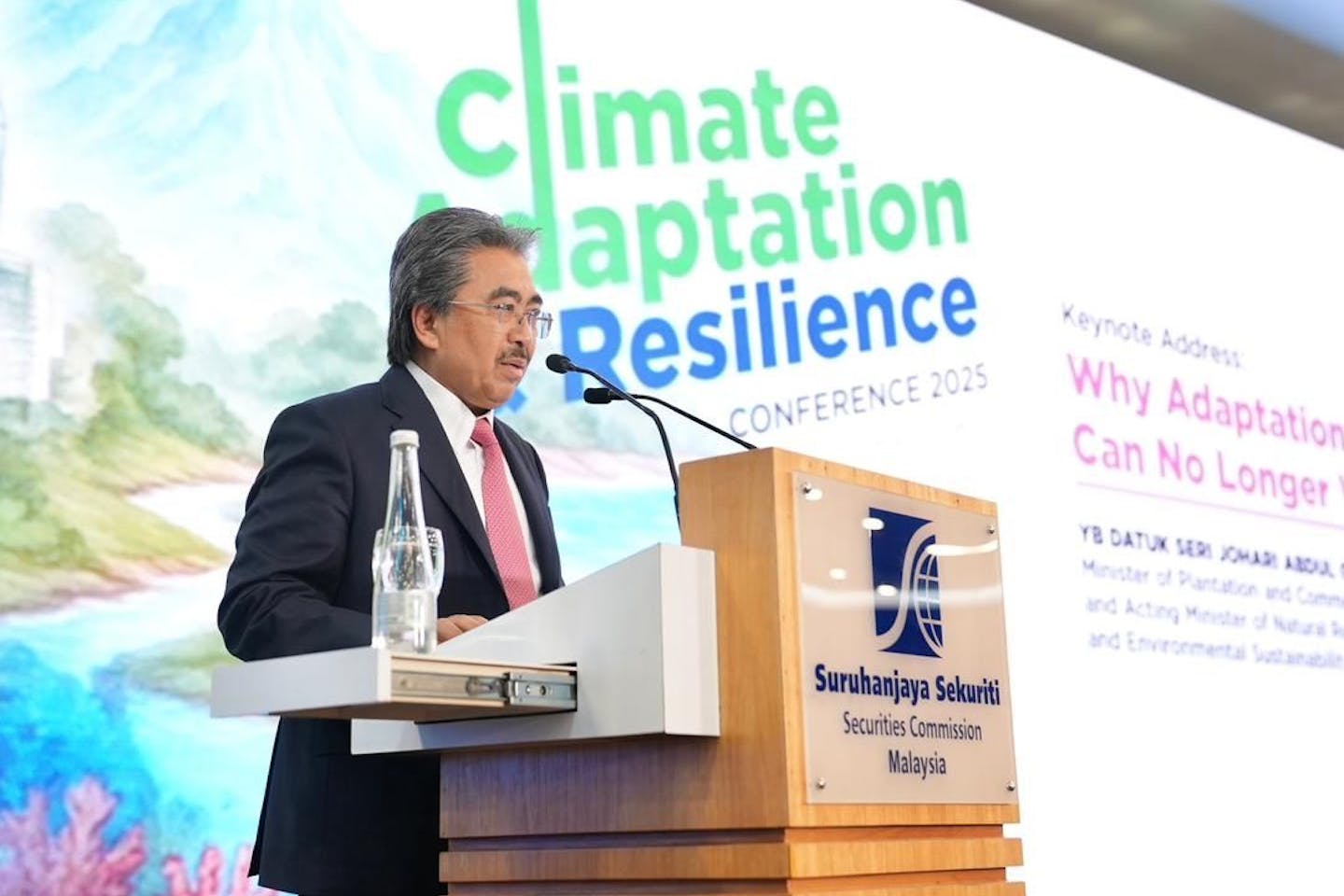
Malaysia's acting environment minister, Johari Abdul Ghani, seeks additional time until the new year to engage with stakeholders for a climate change bill aimed at implementing a carbon tax by 2026. During preparations for COP30, Johari emphasized the necessity to balance ambitious climate targets with the realities of Malaysia's economic capabilities as a developing nation. He noted that Malaysia is on track to cut carbon intensity by 45% by 2030 compared to 2005 levels, but highlighted the importance of thorough consultations to ensure broad compliance with the forthcoming legislation and to support sustainable economic development.
Malaysia | Financial services
'Balancing act' needed for Malaysia to update NDC as minister seeks more time for climate change bill

A workshop in Stockholm examined the trade-offs of collaborating with China on energy transitions, emphasizing the often conflicting interests among Chinese companies, local communities, and governments. Cases from Peru and Laos illustrated the tendency for environmental concerns to be overlooked, while examples like solar initiatives in the Amazon highlighted community involvement's positive role. Security concerns varied significantly, with Europe prioritizing safeguarding technology amid investments, while regions like Africa focused on energy access through Chinese partnerships. The discussion also touched on challenges in research collaboration, balancing opportunities with ethical considerations and potential over-reliance on Chinese funding.
Sweden, Taiwan, China | Financial services, Education
Trade-offs: Working with China on the energy transition
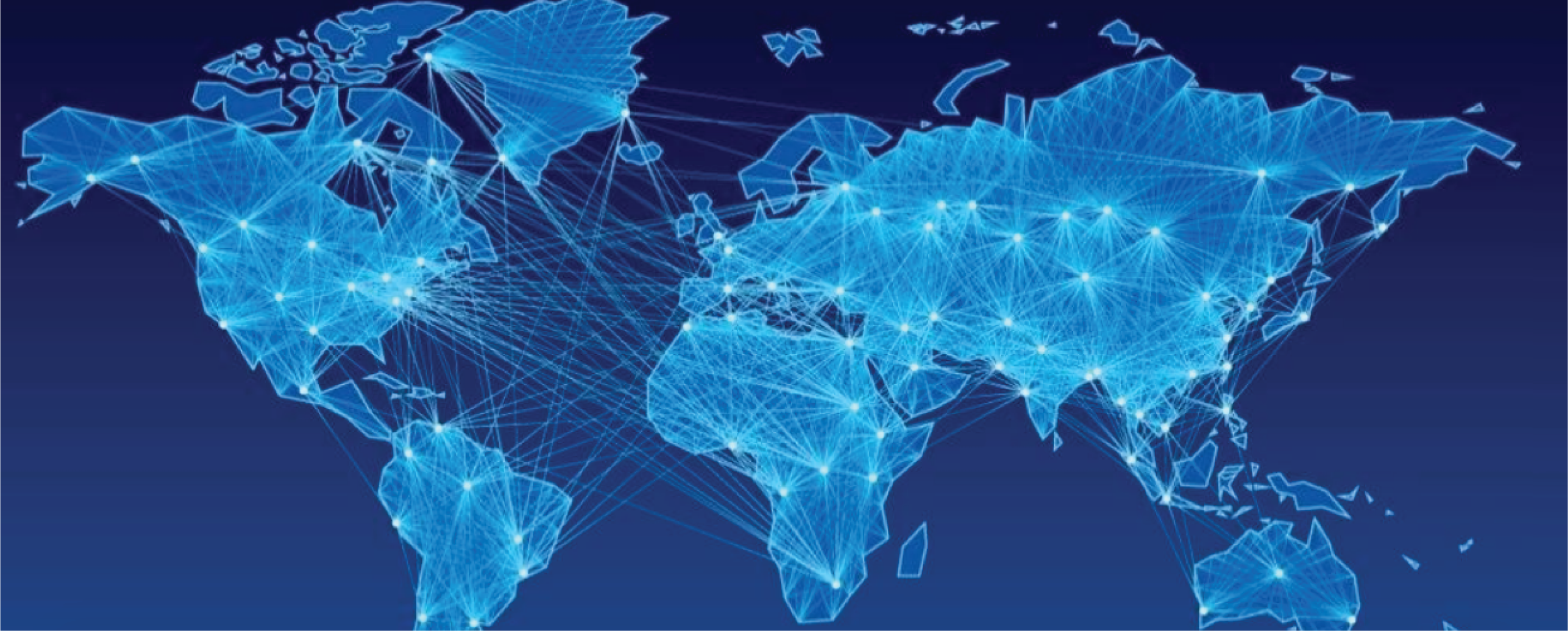
A non-profit project utilizes AI to track and map global protests and activist movements, aiming to visually represent these events for researchers. By aggregating publicly reported occurrences, the initiative assists researchers, journalists, and communities in understanding patterns of civic engagement. It also invites contributions of innovative governance projects to enhance its collection.
Archive for Voice and Silence
AI can facilitate communication across diverse stakeholder groups by addressing fundamental differences in mental frameworks. Organizations struggle with collaboration due to varying perspectives on value and risk. Generative AI could significantly boost global GDP, but to harness its potential, it must bridge these worldview gaps. AI serves as a "mindset translator," employing a human experiential matrix that aligns individual, community, national, and global aspirations, emotions, thoughts, and sensations. By implementing neurosymbolic AI, organizations can effectively translate and reconcile different interpretations, ultimately fostering understanding and reducing operational costs.
Education
Can AI Help Us See Beyond Differences to Find Common Ground?
AI is transforming cybersecurity, presenting both new threats and defensive tools, according to UAE’s cybersecurity chief, Mohamed Al Kuwaiti. At the World Economic Forum’s meetings in Dubai, he emphasized AI's potential impact on technology sectors, proposing a five-pillar strategy for enhancing digital resilience: partnership, governance, protection, innovation, and technology building. He highlighted the importance of collaboration between government, private sector, and various stakeholders. The UAE also aims to strengthen its cybersecurity capabilities through innovation, as highlighted in the recently approved National Cybersecurity Strategy.
United Arab Emirates | Education, ICT
'AI is a new oil': UAE cyber chief details key pillars of digital resilience

Philippe Aghion, Peter Howitt, and Joel Mokyr received the 2023 Nobel Prize in Economic Sciences for their contributions to understanding economic growth. Their work challenges earlier theories by emphasizing the role of firms in driving technological progress through a concept known as "creative destruction," where new innovations replace outdated technologies. They argue that proper incentives and protection, along with a culture of knowledge and openness to new ideas, are vital for sustained growth. Mokyr highlights historical trends, particularly the Enlightenment, in linking scientific discovery to technological advancement and improved living standards. Their frameworks continue to influence contemporary economic policy discussions.
Germany, Japan, Ukraine, United Arab Emirates, United Kingdom | Financial services, Health, Education
How this year’s Nobel winners changed the thinking on economic growth

Africa's Agenda 2063 aims for a prosperous continent driven by its citizens, focusing on sustainable development and inclusive growth, particularly under Aspiration 1 and Goal 1: eradicating extreme poverty. Despite this ambitious framework, over 460 million Africans still live below the poverty line, with progress on poverty reduction remaining slow and uneven. Effective prioritization, strategic financing, and rigorous monitoring are essential for success. Scenario modeling suggests that transformative reforms could significantly reduce the extreme poverty rate to 11% by 2043, contrasting sharply with a business-as-usual approach. Strong governance and human-capital development are crucial for these efforts.
Algeria, Angola, Botswana, Burkina Faso, Ethiopia, Ghana, Guinea, Mali, Mozambique, Senegal, South Africa, Tanzania, Tunisia | Health, Education
Africa’s development blueprints are ambitious but short on action
Europe's growing reliance on American tech companies, particularly in the AI sector, poses significant security and geopolitical challenges. Dimitar Lilkov emphasizes that decoupling from US technology is essential for the EU to maintain sovereignty and relevance. The dominance of US firms in AI and online advertising perpetuates a surveillance capitalism model that threatens personal data security. With 80% of Europe's digital infrastructure imported, Lilkov calls for a robust European alternative to mitigate dependence, ensuring that citizens retain control over their data and services.
Financial services, ICT
Attention is all you need – why Europe should decouple from US technology

Earth Observation (EO) is emerging as a crucial tool in addressing climate change and resource management, projected to contribute $3.8 trillion to global GDP by 2030. Advances in satellite technology enable cost-effective monitoring of environmental conditions, yet adoption predominantly remains with the public sector. To fully leverage EO's potential, organizations must integrate it into their strategies, focusing on articulating its value, enhancing collaboration, and implementing effective execution plans. Start-up Constellr exemplifies EO's practical applications through its real-time monitoring system for Earth's health, emphasizing the importance of understanding interconnected environmental cycles.
Health
Space in focus: The rise of Earth Observation – and other news to watch in frontier tech
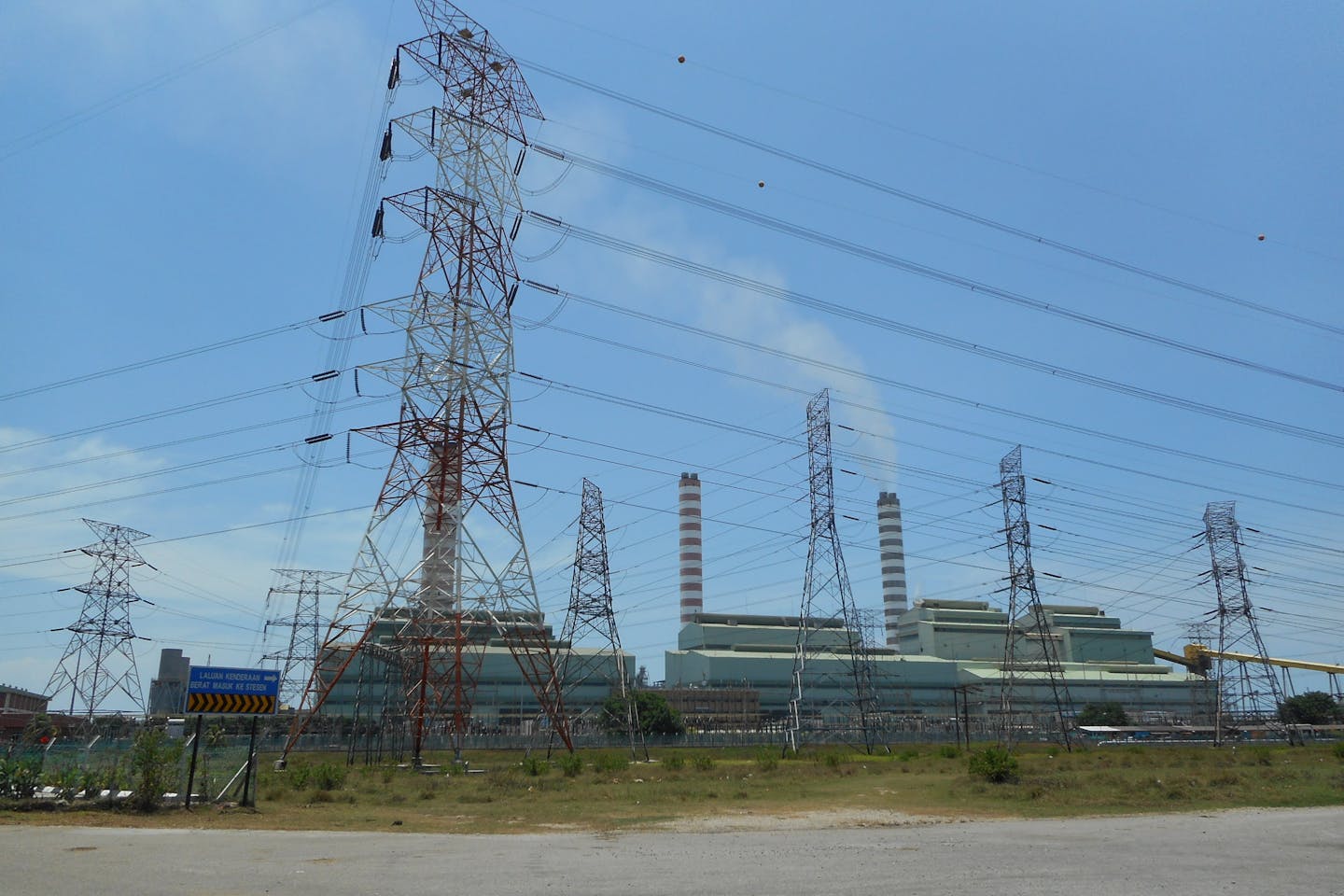
Asia Pacific's renewable energy capacity has surged in the past decade, yet the traditional power grids struggle to support this growth. A study by Ember highlights that integrating smart grids can save the region up to US$2.3 billion annually by 2040, primarily benefiting nations like the Philippines, Indonesia, and Myanmar most affected by outages. Singapore, despite low disruption frequency, faces significant losses during electric outages. The transition to smart grids requires substantial investments ranging from US$4 billion to US$10.7 billion, with national policies increasingly focusing on grid modernization to support renewable energy sources and achieve cleaner energy goals by 2050.
ASEAN | Financial services, ICT
Asia Pacific investment in smart grids could free up US$2.3 billion by 2040: study

Transformative technologies, including AI and robotics, are reshaping seven major job sectors—agriculture, manufacturing, construction, retail, transport, business, and healthcare—employing 80% of the global workforce. The World Economic Forum report highlights opportunities for increased productivity and inclusion, alongside risks of disruption, stressing the importance of how economies and policy-makers facilitate technological adoption and workforce readiness. It calls for coordinated efforts among employers, governments, and tech developers to ensure these advancements promote higher-quality, inclusive employment and a beneficial future of work.
Education, ICT
Jobs of Tomorrow: Technology and the Future of the World’s Largest Workforces

Hundreds of experts are meeting in Dubai for the World Economic Forum’s Annual Meetings of the Global Future Councils and Cybersecurity, discussing pressing issues amid geopolitical shifts and advances in technology. Key themes include the intersection of cybersecurity, national security, and the necessity for international cooperation. The event features 19 public sessions addressing topics like global risks posed by AI and quantum computing, the importance of health investment, and disparities in cybersecurity confidence across regions. Collaboration among sectors is emphasized as essential for enhancing cyber resilience and addressing modern challenges.
Africa | Financial services, Health, Education, ICT
Cybersecurity and other critical issues take centre stage as experts meet in Dubai

A new initiative, Centre Collaboration Incubators, will facilitate joint research and grant writing among global sustainability research centres. The program aims to help centres define impact strategies, engage partners, and secure funding. Selected centres will collaborate on specific sustainability topics to develop research projects and funding proposals over a 10-12 month period. Objectives include building relationships, co-creating research, identifying funding sources, and enhancing visibility within a global network. The initiative emphasizes co-leadership across regions, systems thinking, and collaboration with practitioners to promote impactful sustainability solutions.
Financial services
Expression of Interest: Centre Collaboration Incubators
Asia's maritime sector is at a critical juncture, with 80% of trade moving by sea and significant regional economic dominance. The region builds 98% of new ships, yet faces a stark divide between hyper-connected ports and isolated areas, particularly in small Pacific island states. Major shifts driven by decarbonization, digitalization, and geopolitics require advances in technology, infrastructure resilience, workforce skills, and financial investment. With climate change posing a systemic risk to ports and a major workforce shift on the horizon, substantial investment in human capital and sustainable practices is essential for future competitiveness.
Ethiopia, India, Japan, Panama, Philippines, Republic of Korea, Singapore, Taiwan, China | Financial services, Health, Education, ICT
Building Resilient Ports and a Skilled Workforce for Asia’s Maritime Transformation

Southeast Asia's river systems are crucial for biodiversity, agriculture, and clean water but face severe degradation due to pollution from industrial, agricultural, and urban sources. This pollution threatens ecosystems, public health, and economic growth, with projections indicating significant declines in growth rates for countries like Malaysia and Thailand by 2050. Effective solutions include nature-based strategies, such as wetland construction and mangrove reforestation, supported by innovative financing mechanisms like blue bonds. Policymakers must also implement tax measures and foster intergovernmental cooperation to address pollution effectively, while overcoming a significant infrastructure financing gap is essential for sustainable progress.
Bangladesh | Financial services
Innovative Financing for Cleaner Rivers in Southeast Asia
MeteoSaver is recognized as one of Time Magazine's "Best Inventions of 2025" for its role in digitizing historical climate data. The software efficiently converts decades-old handwritten records of daily precipitation and temperature into machine-readable formats, enhancing climate change research, particularly in under-resourced regions. By streamlining this process, MeteoSaver aids researchers in better understanding and modeling climate impact.

MeteoSaver
Russia is targeting UK military satellites weekly, employing tactics such as shadowing and jamming to collect information and disrupt communications. These tactics can originate from various platforms including ground, air, and space. Additionally, concerns exist over potential attacks using lasers and anti-satellite missiles, which could generate harmful debris. The UK government has increased funding for space security initiatives, investing in technologies to counter threats and enhance satellite encryption, while also strengthening international partnerships to safeguard satellite infrastructure. The overall threat landscape has intensified since Russia's invasion of Ukraine.
The UK military says Russia targets its satellites on a weekly basis. What can be done about it?

Systems leadership is essential for effectively addressing the energy nexus, which highlights the interconnectedness of energy with sectors like water, food, and health. Understanding this nexus is vital for achieving a just and sustainable climate transition amidst challenges like climate change and pollution. Renewable energy solutions can enhance resource security and promote socio-economic development, as demonstrated by South Africa's renewable energy initiatives. However, potential negative impacts, such as land competition and financial feasibility for smallholder farmers, must be balanced through a just energy transition framework. Effective integration across sectors is necessary to optimize synergies and minimize trade-offs, emphasizing the need for collaborative leadership.
Ghana, Nigeria | Health, Education, Financial services
Harnessing the energy nexus for good needs systems leadership