Publications

INSIGHT REPORT

Pioneering the Future: Space

Technologies Poised to Revolutionize

Exploration and Economy by 2035

September 2026

FACTSHEETS

Pioneering the Future: Space

Technologies Poised to Revolutionize Exploration and Economy by 2035

June 2026

WHITE PAPER

Future of Space Law:

Operationalizing Space Governance

March 2026

REPORT

Clear Orbit, Secure Future:

 A Call to Action on Space Debris

Jan 2026

WHITE PAPER

The Future of Space Law

Insights from the ATS, UNCLOS, and ITU Frameworks

December 2025

WHITE PAPER

The Future of Space Law: 

The Evolving Dynamics of Air and Space Regulation

 September  2025

The Future Of Space Law

News

Centre for Space Futures, Novaspace and SpaceTech Gulf  Sign Agreement to Develop Global Space Capability Mapping Dashboard

Riyadh, Saudi Arabia , 23 Jun 2026|  Press Release

Clear Orbit, Secure Future: A Call to Action on Space Debris

Riyadh, Saudi Arabia, 26 Jan 2026 | Press Release

Centre for Space Futures Holds Workshop with Participation of 40 Global Experts

Riyadh, Saudi Arabia, 05 Dec 2025 | Press Release

Centre for Space Futures Releases White Paper on 'The Future of Space Law'

Riyadh, Saudi Arabia, 12 Sep 2025 | Press Release

The Board of Directors of the Centre for Space Futures Endorses Its Strategic Direction

Riyadh, Saudi Arabia, 26 May 2025 | Press Release

Saudi Space Agency to Launch the Centre for Space Futures with the World Economic Forum

Riyadh, Saudi Arabia, 29 April | Press Release

5 ways we can tackle growing risks from rocket bodies in orbit

Dec 09, 2025 | Economic Growth, Stories

Read More

Forum Agenda

Forum Videos

VIDEO

Press Conference: Centre for Space Futures in Riyadh

The World Economic Forum's Special Meeting, April 29, 2024

VIDEO

The Purpose of Astronauts at Davos 2024

World Economic Forum , March 9, 2024

VIDEO

PortWatch: Monitoring Trade Disruptions from Space

World Economic Forum , Dec 18, 2023

VIDEO

India's Moon Mission Triumph: Ambassador Ruchira Kamboj's Insights

World Economic Forum , Aug 23, 2023

VIDEO

Space Exploration is Back at Davos 2023

World Economic Forum , Feb 16, 2023

Forum Publications

Strategic Intelligence Insights

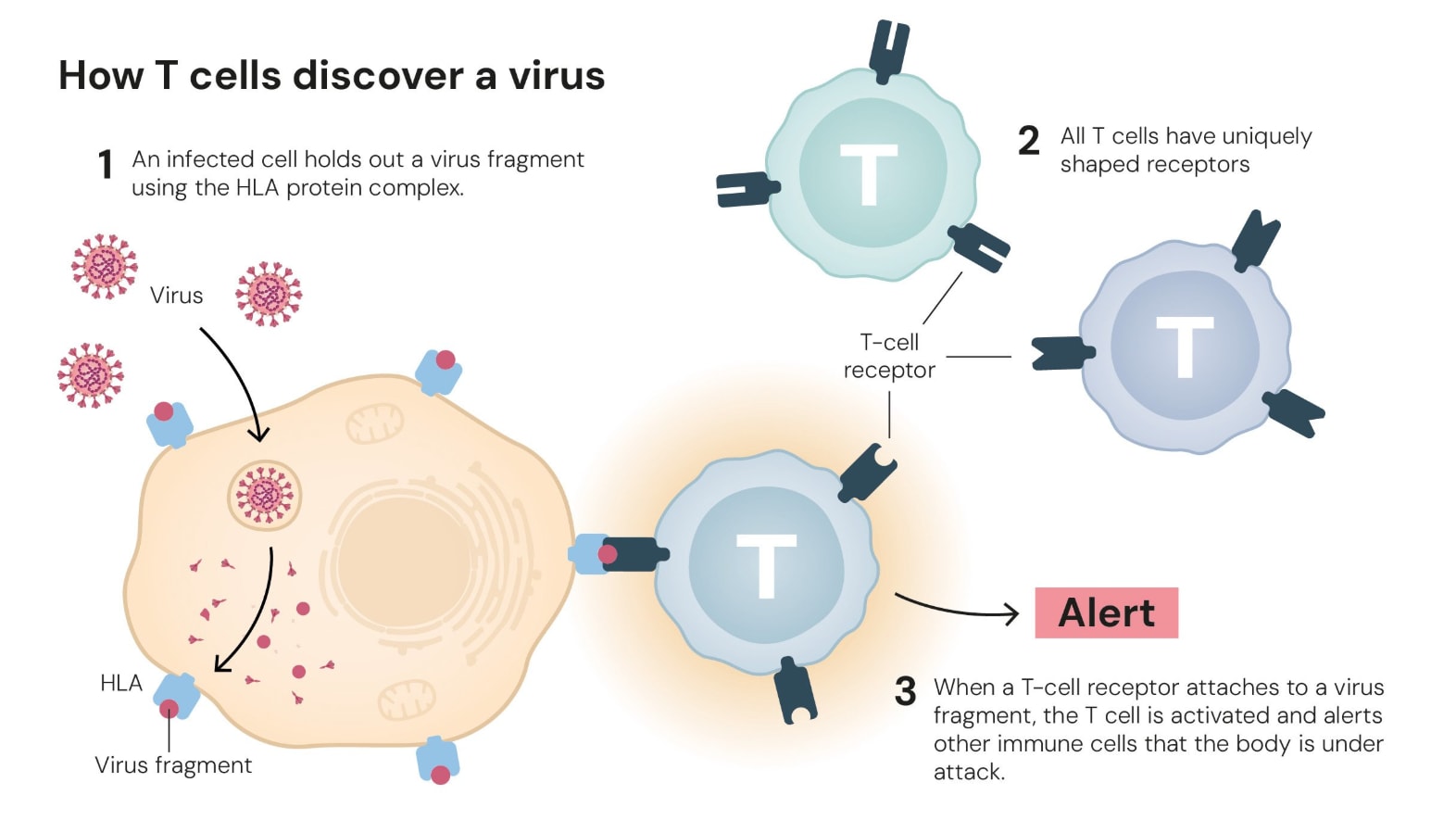
The 2025 Nobel Prize in Physiology or Medicine has been awarded to Mary E. Brunkow, Fred Ramsdell, and Shimon Sakaguchi for their discovery of regulatory T cells, crucial for maintaining immune tolerance and preventing autoimmune diseases. COVID-19 cases are rising globally due to new variants, with increasing hospital admissions, particularly among the young and elderly. Despite a decline in global smoking rates, tobacco addiction remains a major health concern. Meanwhile, Gavi reported a record 1.7 million lives saved through vaccination efforts in low-income countries, and Japan faced unprecedented heatstroke hospitalizations.
Africa | Health
Nobel honours discovery of regulatory T cells, and other health stories

OCBC remains committed to supporting businesses in their transition to a low-carbon economy, despite global sustainability challenges. Yoonmee Jeong, head of the bank’s sustainability office, emphasizes the importance of inclusive transition financing, particularly for hard-to-abate sectors and SMEs. OCBC launched the 1.5°C loan, encouraging companies to align their decarbonization targets with climate science. This unique offering has already seen uptake from major firms, fostering engagement and driving measurable impact towards achieving net zero financed emissions by 2050. The bank surpassed its sustainable finance target of S$50 billion in 2023, focusing on tangible outcomes beyond just financial metrics.
Singapore | Financial services
Transition finance in turbulent times: OCBC on decarbonising Asia's toughest sectors
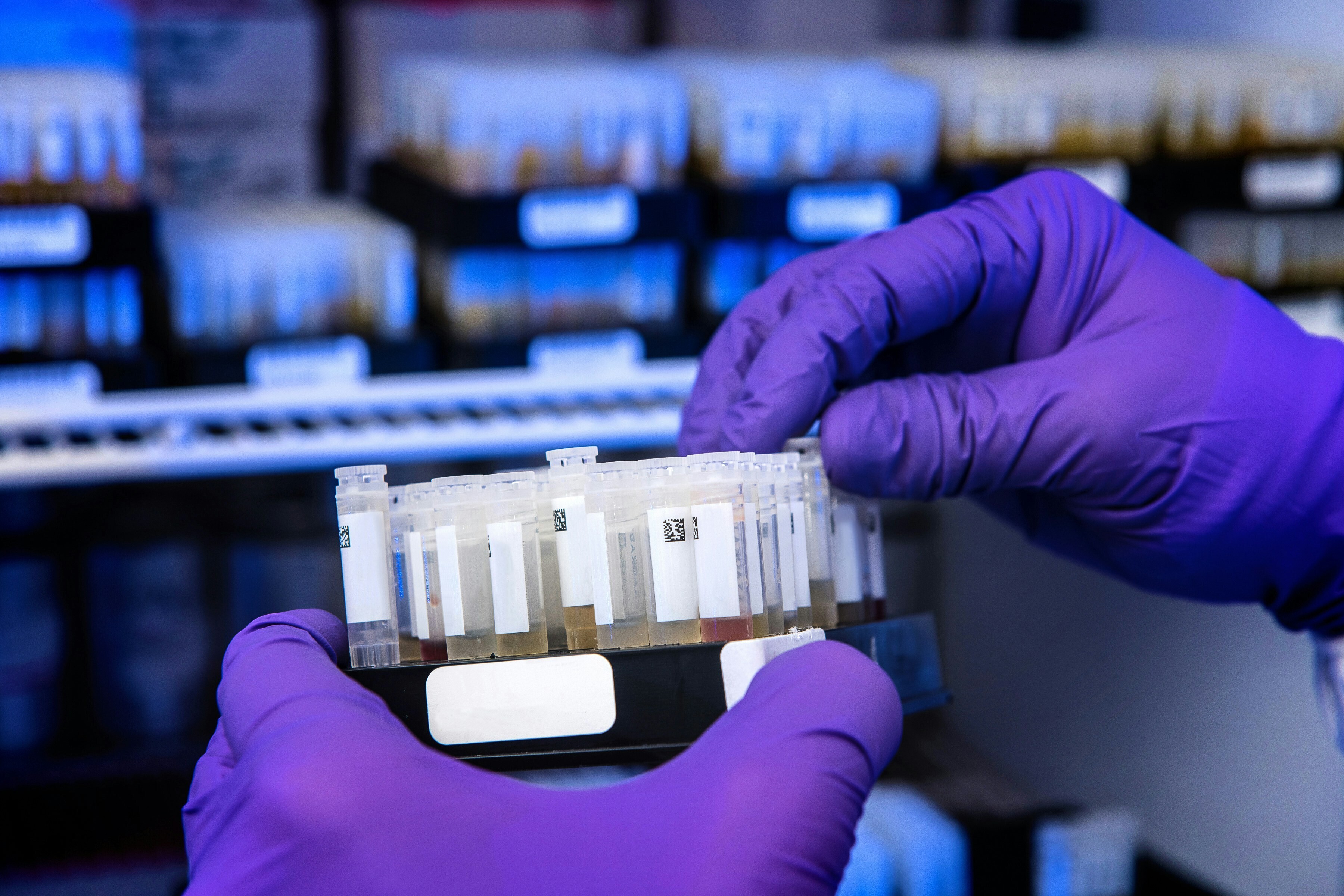
Advancements in genomics and data science are driving the emergence of precision medicine, promising significant transformation for economies and healthcare in the Asia-Pacific region. Innovations in therapies, particularly CAR-T treatments, can potentially cure diseases, benefiting over 24 million patients and caregivers while easing economic burdens. The On the Cusp of a Cure report indicates these developments could generate $450 billion in investment and 1.2 million jobs within a decade, leading to an overall economic growth of $1.6 trillion. However, barriers to adoption, such as reimbursement challenges and limited infrastructure, must be addressed to maximize these benefits.
ICT, Education, Health
Is Asia-Pacific ready for the era of precision medicine that could transform economies and lives?

Trust in multinational companies has decreased by 21% since 2021, emphasizing the urgent need for strong governance to restore credibility and integrity in business. Current challenges include systemic corruption, short-term incentives undermining long-term planning, and regulatory fragmentation creating compliance difficulties for companies, particularly SMEs. Boards must adapt governance structures to prioritize transparency, trust, and anti-corruption efforts. Embracing these governance opportunities can support resilience, foster innovation, and ensure sustainable business practices, especially in rapidly evolving sectors like technology and AI.
Ghana, Guinea, Haiti, Kuwait, Luxembourg, Qatar | Education, Financial services, Health
3 opportunities to strengthen good governance and corporate resilience
Global supply chain disruptions and increasing ESG expectations are redefining business practices for SMEs in ASEAN. With multinational corporations and regulators demanding greater sustainability accountability, new international and regional frameworks are established as benchmarks. This shift presents SMEs with opportunities to transform compliance into a competitive advantage.
Bulgaria, Cambodia, Estonia, Eswatini, Ethiopia, Germany, Ghana, Indonesia, Japan, Jordan, Kyrgyz Republic, Luxembourg, Malaysia, Philippines, Republic of Korea, Senegal, Singapore, Slovakia, Sweden, Uganda, United Arab Emirates, United Kingdom, Viet Nam | Financial services, ICT
Sustainability: A business essential for Asean SMEs amidst escalating global volatility

Around 180 experts attended an international conference in Austria focused on the concept of climate "overshoot," where global temperatures exceed the Paris Agreement's 1.5°C limit before being reduced through carbon dioxide removal. Key uncertainties discussed included the peak temperature levels—and their duration—impacting ecosystems and human societies, the effectiveness of current legal frameworks to address these challenges, and the feasibility of transitioning to net-negative emissions. Experts emphasized the dire need for modified adaptation plans and acknowledged significant gaps in understanding the implications of overshoot on climate dynamics and associated risks.
Experts: The key ‘unknowns’ of overshooting the 1.5°C global-warming limit

Firms are adopting and later abandoning ambitious net-zero targets to secure investments, a practice labeled "greenrinsing," according to a UN official. This behavior reflects a trend where companies set unrealistic climate goals but fail to achieve them, especially regarding hard-to-manage Scope 3 emissions. Many multinationals, including Unilever and Shell, have recently weakened their sustainability commitments amid pressures for short-term profits. Dr. Thanyaporn Krichtitayawuth emphasized the need for transparency in revisions to sustainability targets and noted that only a fraction of Thai businesses have committed to carbon neutrality.
Financial services
'Greenrinsing': Firms setting and dropping net-zero targets to create revolving door for finance, says UN official
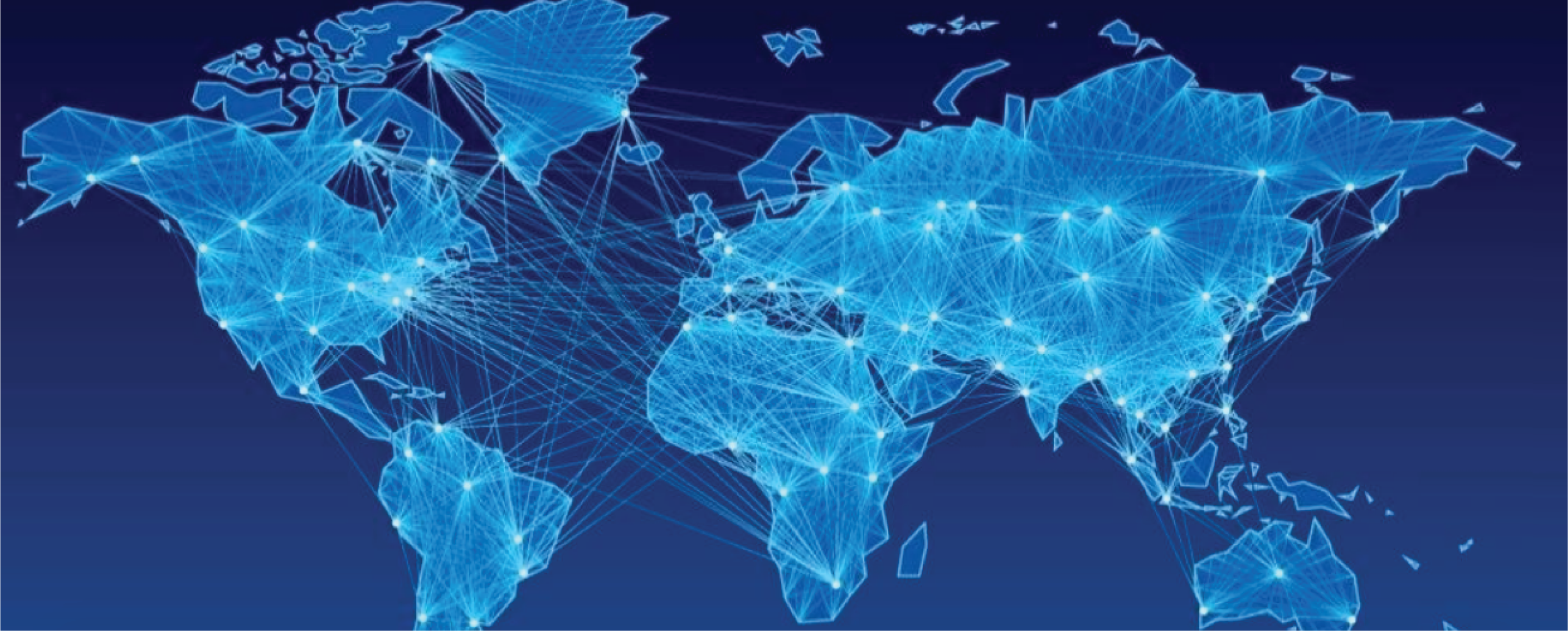
Satellite imagery and machine learning (SIML) are being integrated to assess social and environmental outcomes, though their application has been hampered by a lack of understanding of their capabilities. The study led by Jonathan Proctor et al. represents a comprehensive effort to define the potential and limitations of SIML technology in measuring ground conditions, conducting 115 large-scale experiments. Findings reveal that SIML predicts about half of the variation in ground measurements, with human society variables (e.g., female literacy) and natural variables (e.g., bird diversity) both measuring comparably well. Results indicate that SIML has significant potential for various applications but operates within certain limits.
What Can Satellite Imagery and Machine Learning Measure?
A new AI tool, Funding the Frontier, developed by Dashun Wang and colleagues at Northwestern University, aims to trace the societal impact of scientific research. It integrates extensive data from various sources, linking 7 million research grants to 140 million publications, among other data points. The tool employs a predictive algorithm to forecast which studies are likely to yield significant benefits, such as patents. Experts believe it can bridge the gap between scientific studies and practical applications in policy and funding, highlighting its impressive data aggregation and analytical capabilities.
Will your study change the world? This AI tool predicts the impact of your research

Artificial intelligence (AI) in government should prioritize empowering citizens over optimizing systems. Young people play a crucial role in advocating for responsible and transformative AI that emphasizes local value creation. Current AI strategies across 128 countries often lack frameworks for risk assessment and monitoring outcomes, potentially leading to inefficiencies and missed opportunities for innovation. Successful digital public services require robust governance, data interoperability, and citizen involvement, exemplified by projects like Germany's electronic health records. Ensuring transparency, accountability, and resilience are essential for fostering trust in AI-enabled services, necessitating investments in local talent and infrastructure.
Financial services, Health, ICT, Education
Citizen-first AI: How young people can shape AI in public services
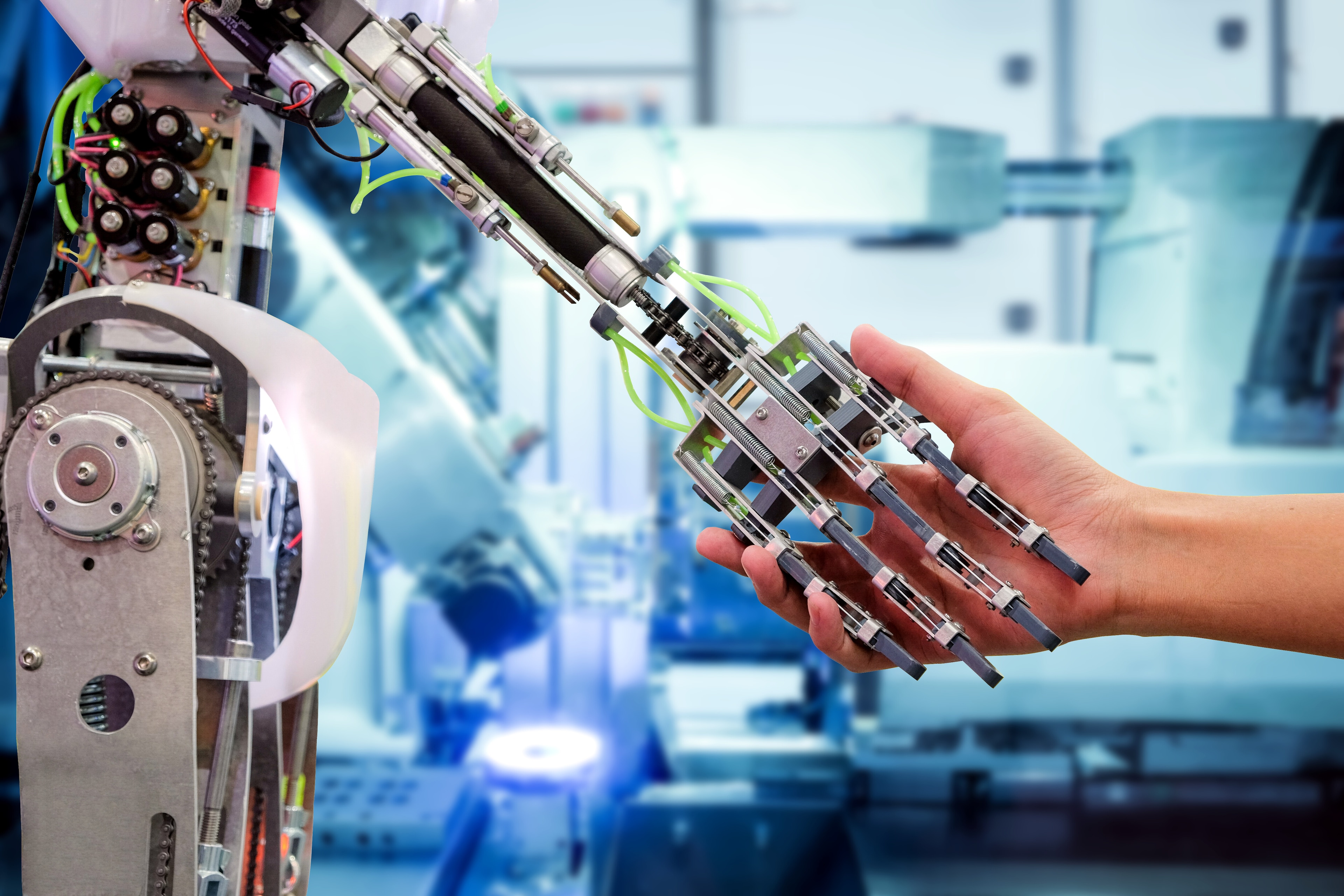
Human-robot interaction presents distinct risks compared to human-to-human relationships, necessitating thoughtful reflections on ethical implications and definitions surrounding robots. Acceptance of such interactions varies culturally and fundamentally challenges our understanding of humanity. Social robots, particularly humanoid designs, evoke concerns about trust, manipulation, and privacy, especially when they possess potential moral agency. The impact of these interactions on personal identity and societal norms raises questions about the essence of being human. It's vital to critically examine these risks to ensure that human development continues positively alongside advancements in AI and robotics.
ICT, Education
Human-robot interaction is coming. Are we ready for it?

Data centres are projected to face a cumulative cost increase of $3.3 trillion by 2055 due to climate-related hazards, with extreme heat being the major contributor. The rising energy demands driven by AI technology and the potential for significant revenue losses from service disruptions highlight the urgent need for resilient infrastructure. Proposed solutions include advanced cooling systems, real-time environmental monitoring, and improved diagnostics to mitigate risks. As data centre capacity expands rapidly, addressing climate vulnerabilities becomes essential for operational efficiency and sustainability in the digital economy.
Haiti, Mali, Nigeria, Qatar, Rwanda, Singapore, United Arab Emirates, United Kingdom | Financial services, Health, ICT, Education
The $3.3 trillion climate question: Can data centres take the heat?

The regenerative blue economy aims to restore marine and coastal ecosystems while promoting equitable prosperity, departing from the failed model of sustainable development that has not halted ocean degradation. Despite contributing significantly to global GDP and job growth, oceans face severe threats from overfishing, habitat loss, and pollution. Key initiatives are emerging to integrate ecological restoration with economic activities across various sectors, emphasizing circular and inclusive practices. Collaborative efforts from businesses, policymakers, and communities are crucial for fostering a resilient blue economy that prioritizes regeneration over exploitation, exemplified by successful projects in regions like Chile, the North Sea, Zanzibar, and Ghana.
Why sustainability is no longer enough for the blue economy

Next-generation computing incorporates revolutionary technologies like quantum mechanics and neuromorphic systems, promising unprecedented capabilities. However, these advancements also present significant vulnerabilities to cyberattacks that must be addressed from the outset of system design. Integrating security into engineering processes is essential to prevent malicious exploitation and to enhance existing cyber defenses. This proactive approach will not only mitigate risks but can also leverage next-generation technologies for improved cybersecurity measures. Collaboration among consumers, companies, and governments is crucial to create resilient systems that prioritize security alongside innovation.
Financial services, Health, Education, ICT
How engineering security into next-generation computing could enable a bold expansion of cyberspace

Renewable energy capacity in the Asia Pacific, excluding China, is projected to nearly double by 2030, adding 670 gigawatts (GW), primarily driven by solar PV from India, which will contribute about 345 GW. Hydropower and offshore wind will also see significant growth. India, set to become the second-largest renewable market globally after China, has auctioned 63 GW of capacity, while Pakistan is expected to add nearly 60 GW, mainly through solar and hydropower. However, challenges from financial difficulties in distribution companies may hinder progress. In contrast, the US and EU are experiencing slowed growth in renewables due to increased fossil fuel generation and emissions.
India
Asia Pacific’s clean energy capacity set to nearly double over next five years

The United Nations urges reform in financing the extraction of critical minerals to safeguard environmental and human rights as demand for clean energy technologies surges. A report by the International Resource Panel highlights the need for responsible mineral extraction to avoid exacerbating social and environmental inequalities. With global mineral use doubling since 1970, and steep increases in demand projected for lithium and other minerals, sustainable financing practices are crucial. The report also emphasizes the importance of formalizing artisanal mining, enhancing environmental standards, and linking investments to climate-positive outcomes to foster responsible mining practices and achieve sustainability.
Democratic Republic of the Congo | Financial services
UN calls for transition metals mining finance reform to protect environment and human rights

Advancements in artificial intelligence (AI), sensor networks, and autonomous vehicles are significantly enhancing anti-submarine warfare (ASW) capabilities, making it increasingly difficult for submarines to remain hidden. Modern technologies, such as satellite-based synthetic aperture radar, quantum magnetometers, and distributed acoustic sensing (DAS), enable detection of submarines via their effects rather than just sound. Uncrewed surface vehicles (USVs) play a central role in this transformation, utilizing AI to analyze data and predict submarine movements. While AI enhances detection, human oversight remains essential for strategic decision-making and trust in automated systems.
AI, drone ships and new sensors could leave submarines with few places to hide in the ocean
CEO climate leaders emphasize the commercial viability of the climate economy in an open letter ahead of COP30, highlighting the significant financial returns and resilience from investments in sustainable practices. The World Economic Forum’s Alliance of CEO Climate Leaders, representing over $4 trillion in revenues, noted a 12% reduction in emissions alongside a 20% growth in revenue from 2019 to 2023. Despite this progress, headwinds such as policy uncertainties and rising transition costs hinder momentum. They urge businesses and policymakers to create stable environments, support breakthrough technologies, and prioritize clean energy transition to combat climate challenges effectively.
Nigeria | Financial services, Health, ICT
'The climate economy is delivering': CEO climate leaders publish open letter ahead of COP30

Neurotechnology offers significant potential for enhancing health and mobility, but also raises privacy concerns regarding mental and health state data. A technology-agnostic approach to privacy regulation is essential, as sensitive insights can be derived from various biometric data, not just neural information. Policymakers face the challenge of safeguarding individual rights while fostering innovation. Effective regulation must address harmful inferences regardless of data source, avoiding narrow definitions that could leave vulnerabilities. Harmonized international standards and additional frameworks can enhance trust and encourage responsible use of neurotechnology, ensuring protection against emerging privacy threats.
Financial services, Education
Beyond neural data: Protecting privacy across technologies

Artificial general intelligence (AGI) will transform cybersecurity by enabling highly autonomous systems capable of sophisticated attacks and rapid adaptation. Attackers could leverage AGI to execute coordinated, multi-domain cyber operations, outpacing traditional defenses hindered by bureaucracy and risk aversion. Conversely, AGI also offers potential advantages for defenders, enhancing patching efficiency, proactive resilience, and allowing security teams to focus on complex threats. However, the critical challenge lies in the speed of adoption; defenders must rapidly integrate AGI into their practices to avoid ceding control to attackers. The inequity in AI access may further disadvantage smaller nations lacking resources.
ICT, Education
How we enhance cybersecurity defences before the attackers in an AGI world