
Publications

INSIGHT REPORT

Pioneering the Future: Space

Technologies Poised to Revolutionize

Exploration and Economy by 2035

September 2026

FACTSHEETS

Pioneering the Future: Space

Technologies Poised to Revolutionize Exploration and Economy by 2035

June 2026

WHITE PAPER

Future of Space Law:

Operationalizing Space Governance

March 2026

REPORT

Clear Orbit, Secure Future:

 A Call to Action on Space Debris

Jan 2026

WHITE PAPER

The Future of Space Law

Insights from the ATS, UNCLOS, and ITU Frameworks

December 2025

WHITE PAPER

The Future of Space Law: 

The Evolving Dynamics of Air and Space Regulation

 September  2025

The Future Of Space Law

News

Centre for Space Futures, Novaspace and SpaceTech Gulf  Sign Agreement to Develop Global Space Capability Mapping Dashboard

Riyadh, Saudi Arabia , 23 Jun 2026|  Press Release

Clear Orbit, Secure Future: A Call to Action on Space Debris

Riyadh, Saudi Arabia, 26 Jan 2026 | Press Release

Centre for Space Futures Holds Workshop with Participation of 40 Global Experts

Riyadh, Saudi Arabia, 05 Dec 2025 | Press Release

Centre for Space Futures Releases White Paper on 'The Future of Space Law'

Riyadh, Saudi Arabia, 12 Sep 2025 | Press Release

The Board of Directors of the Centre for Space Futures Endorses Its Strategic Direction

Riyadh, Saudi Arabia, 26 May 2025 | Press Release

Saudi Space Agency to Launch the Centre for Space Futures with the World Economic Forum

Riyadh, Saudi Arabia, 29 April | Press Release

5 ways we can tackle growing risks from rocket bodies in orbit

Dec 09, 2025 | Economic Growth, Stories

Read More

Forum Agenda

Forum Videos

VIDEO

Press Conference: Centre for Space Futures in Riyadh

The World Economic Forum's Special Meeting, April 29, 2024

VIDEO

The Purpose of Astronauts at Davos 2024

World Economic Forum , March 9, 2024

VIDEO

PortWatch: Monitoring Trade Disruptions from Space

World Economic Forum , Dec 18, 2023

VIDEO

India's Moon Mission Triumph: Ambassador Ruchira Kamboj's Insights

World Economic Forum , Aug 23, 2023

VIDEO

Space Exploration is Back at Davos 2023

World Economic Forum , Feb 16, 2023

Forum Publications

Strategic Intelligence Insights

The 2026 Times Higher Education World University Rankings reveal a shifting landscape in global higher education, with the University of Oxford maintaining its top position for a decade. China now boasts five universities in the top 40, an increase from three the previous year, indicating a growing competitiveness against Western institutions. The US and UK universities are experiencing declines, with many dropping in rank due to factors such as funding cuts and visa restrictions. Meanwhile, other Asian countries, particularly South Korea and those in Southeast Asia, are emerging as new centers of research and innovation, highlighting significant geopolitical changes in academia.
Albania, Algeria, Angola, Azerbaijan, Bahrain, Botswana, Brunei Darussalam, Burkina Faso, Cambodia, Cape Verde, Chad, Denmark, Egypt, Estonia, Eswatini, Ethiopia, Georgia, Germany, Ghana, Guinea, Haiti, Hungary, India, Indonesia, Ireland, Israel, Japan, Jordan, Kazakhstan, Kenya, Kuwait, Kyrgyz Republic, Luxembourg, Malawi, Malaysia, Mali, Mongolia, Montenegro, Morocco, Namibia, Netherlands, New Zealand, Peru, Philippines, Poland, Qatar, Republic of Korea, Romania, Russian Federation, Rwanda, Saudi Arabia, Senegal, Serbia, Seychelles, Singapore, South Africa, Sweden, Taiwan, China, Tajikistan, Tanzania, Thailand, Tunisia, Türkiye, Uganda, Ukraine, United Arab Emirates, United Kingdom, Yemen | Health, Education
World University Rankings 2026: Is the geopolitics of knowledge and innovation shifting?

Engagement of young women and girls in nature-based solutions is crucial for advancing gender equality and addressing environmental challenges in Asia and the Pacific. Their innovative initiatives focus on combating climate change, biodiversity loss, and pollution. Despite systemic barriers, young women lead impactful projects like Cool the Globe, Eda Davara Marine Sanctuary, and Rainfold, which promote sustainable practices and enhance community resilience. Empowering these leaders not only improves environmental outcomes but supports inclusive solutions and bridges socio-economic disparities, fostering climate-resilient livelihoods essential for tackling the triple planetary crisis.
Bangladesh, Nigeria | Health
Young Women and Girls: Asia and the Pacific’s Changemakers for Nature-Based Solutions

Choosing green electricity plans is complex and confusing for consumers, even for researchers in sustainability. High standing charges dominate bills, making it challenging to see the benefits of switching to smarter plans. Many people lack awareness of green tariffs and feel overwhelmed by the paperwork involved in changing providers. Emotional fatigue can lead to disillusionment with sustainable choices. Smart meters could provide valuable insights into energy use, motivating users to adopt better habits. To promote sustainability, standardised ratings for energy products could simplify the decision-making process, making eco-friendly options more accessible.
Green electricity deals are too complex – even as a researcher in sustainability I’ve been confused
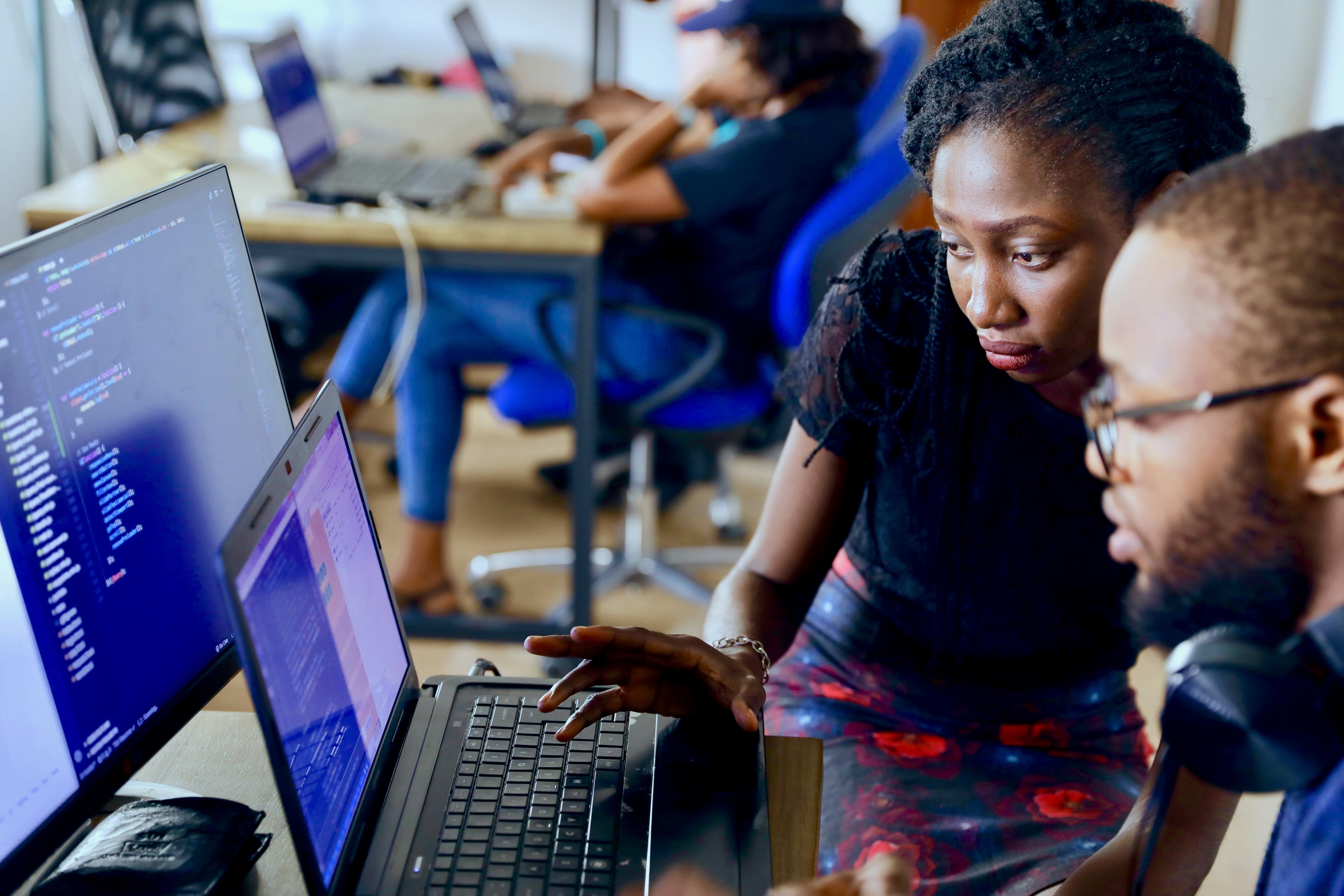
Africa is positioned to leverage responsible AI for inclusive economic growth through digital transformation and infrastructure investment. The deployment of ethical AI can address challenges like financial exclusion and infrastructure gaps. Mobile money services have already connected millions to financial systems, paving the way for innovative AI applications. Investment in local talent and regulatory frameworks is crucial for fostering trust and ensuring privacy. Collaboration among governments, the private sector, and civil society is vital to maximize the benefits of AI, enhance security, and drive entrepreneurship, ultimately supporting economic growth and reducing poverty.
South Africa | Financial services, Education
How responsible AI can be a catalyst for inclusive economic growth in Africa

Space-based solar power (SBSP) is a viable and abundant sustainable energy source that can provide consistent power, overcoming the challenges of terrestrial renewables' intermittency. By placing solar panels in geostationary orbit, SBSP can capture uninterrupted sunlight and transmit energy via microwaves to ground stations with minimal land use. This method significantly reduces material requirements and harnesses higher energy densities compared to terrestrial systems. With investments from various nations and advancements in launch technology, SBSP is positioned to play a critical role in meeting global energy needs while addressing climate change. Major obstacles include financing models suited for long-term infrastructure development.
Financial services
24/7 energy straight from orbit: Why we need space-based solar power
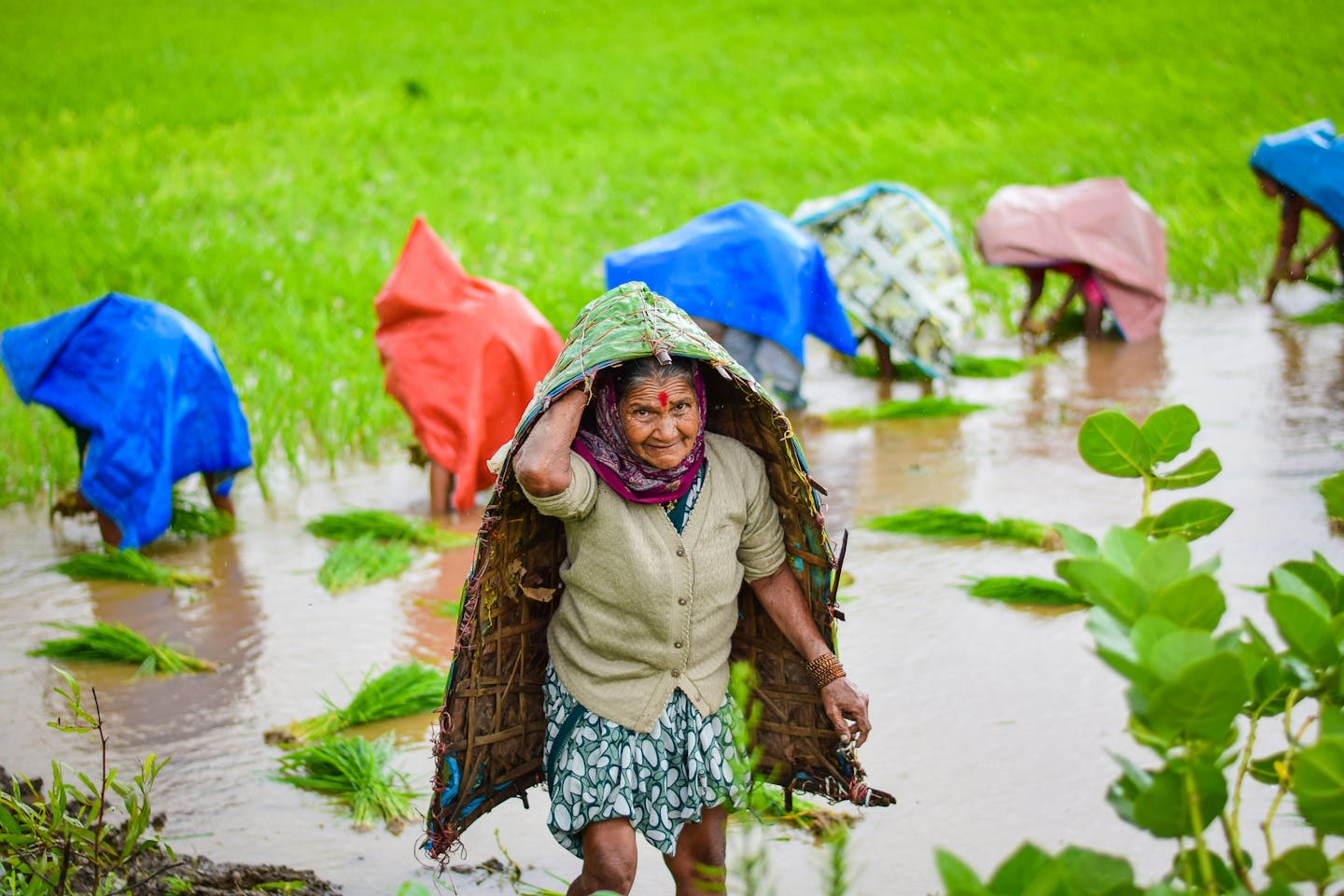
The EAT-Lancet report emphasizes the need for a "planetary health diet," which prioritizes plant-rich and minimally processed foods while allowing limited meat and dairy intake. This approach aims to improve health and could reduce agricultural non-CO2 emissions by 15% by 2050, necessitating a significant increase in fruit, vegetable, and nut production and a cut in livestock meat production. The food system is responsible for one-third of global greenhouse gas emissions, highlighting the urgent need for transformation to achieve sustainability and health benefits, potentially preventing 15 million avoidable deaths annually.
EAT-Lancet report: Three key takeaways on climate and diet change

Corporate transparency regarding sustainability targets in Singapore has seen a significant decline, with only one-third of firms publicly disclosing their goals, down from 58% in 2023. Despite this trend, 91% of businesses still prioritize sustainability. Approximately 74% of firms have postponed or revised their targets, often due to a recent delay in mandatory climate reporting regulations. While public disclosure wanes, investment in sustainability initiatives and the tracking of progress have increased. Many companies are also adopting AI to optimize sustainability-related processes.
Bahrain, Barbados, Brunei Darussalam, Cambodia, Cape Verde, Denmark, Egypt, Estonia, Eswatini, Ghana, Guinea, Haiti, Hungary, Iceland, Indonesia, Ireland, Japan, Kuwait, Luxembourg, Malaysia, Mongolia, New Zealand, Oman, Qatar, Serbia, Seychelles, Singapore, Sweden, Taiwan, China, Thailand, United Arab Emirates, United Kingdom | ICT
Fewer Singaporean firms are declaring sustainability targets amid delayed reporting rules
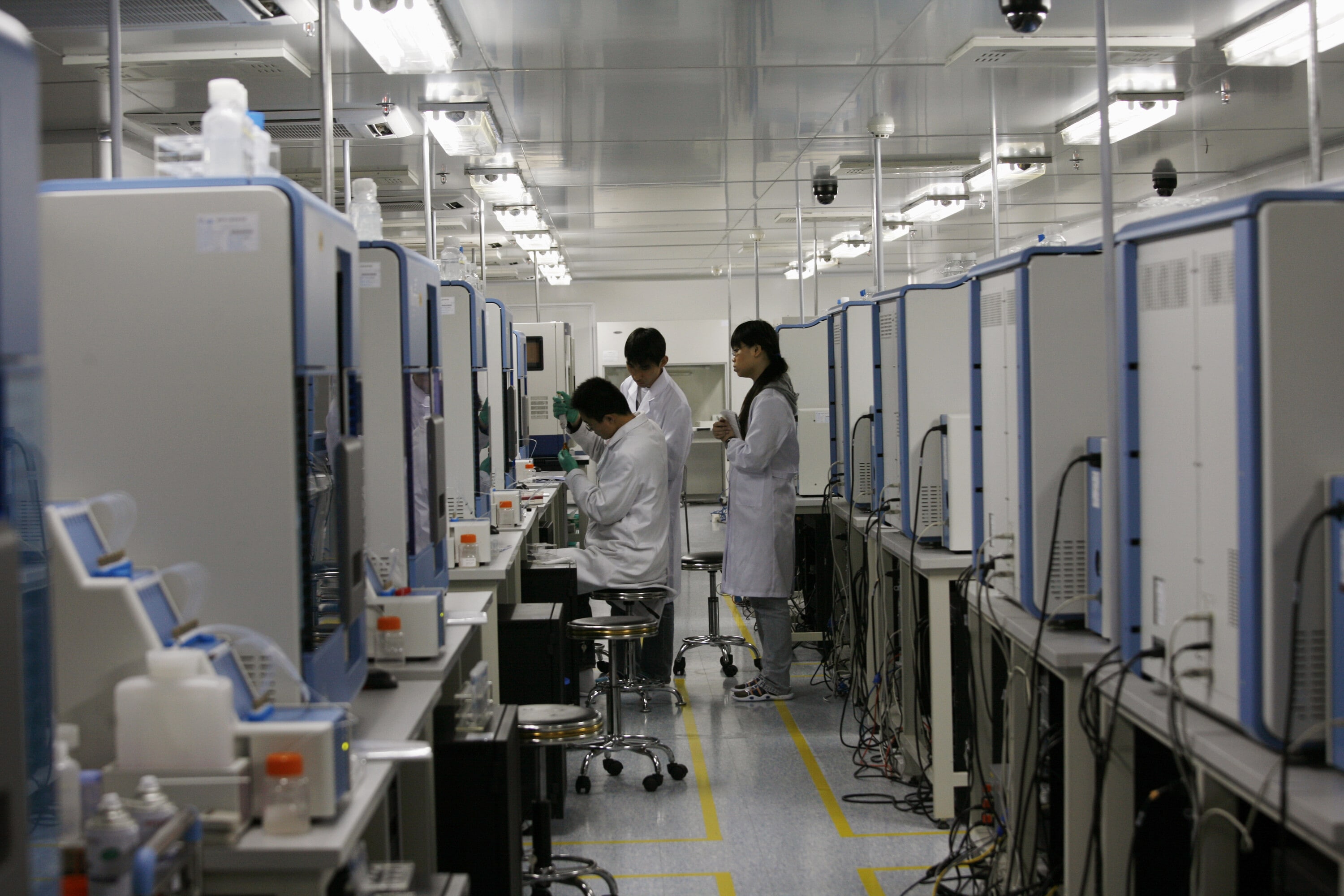
Generative biology combines artificial intelligence, automation, and computational design to create innovative biological systems rapidly. While it offers significant advancements in diverse fields like medicine, food production, and energy, it also introduces cybersecurity risks and supply chain vulnerabilities due to its reliance on digital infrastructure. Effective governance and equitable access to safeguards are essential to mitigate potential misuse and protect against hacking and data manipulation. Addressing these challenges is crucial for harnessing the benefits while ensuring safety in this evolving landscape.
Africa | Financial services, ICT, Education, Health
Generative biology: Immense opportunity but how should security play catch up?

A KPMG report reveals that 61% of CEOs worldwide are confident in achieving net zero targets by 2030, a rise from 51% last year, largely due to the strategic use of AI. Key areas for AI application include enhancing sustainability data quality (79%), resource efficiency (78%), and emissions reduction (78%). While there is commitment to sustainability, challenges persist, particularly in decarbonizing supply chains (25%) and lacking expertise (21%). Additionally, 65% of CEOs have integrated sustainability into business practices, but only 29% align it with capital expenditures. Ethical AI use remains a concern, with 59% highlighting ethical challenges.
More CEOs confident of achieving net-zero targets by using AI, finds KPMG

Global Biodiversity Week in Cali, Colombia, aims to transform nature financing by integrating Indigenous knowledge and ecosystem regeneration into economic models. Despite Latin America's vast biodiversity, less than 1% of funding supports communities protecting it. The event gathers leaders and innovators to discuss financial strategies that prioritize nature-positive investments. The CEIBA Summit will foster collaboration among diverse stakeholders to establish frameworks benefiting biodiversity-rich regions. Initiatives like Nature500 Startups exemplify the merging of innovation, ancestral wisdom, and finance, highlighting the need to reimagine economies that restore rather than deplete natural resources.
Colombia, Costa Rica, Nigeria | Financial services
Global Biodiversity Week in Colombia could move the dial on nature financing

Investing in cities is crucial for global stability, particularly as urban areas are increasingly affected by conflict, displacement, and climate shocks. To enhance urban crisis response, three systemic shifts are needed: transitioning from emergency projects to city-led long-term investments, moving from fragmented funding to predictable finance, and integrating city-led humanitarian, development, and peace strategies. Effective local governance and community engagement are essential for resilience, as seen in successful initiatives across various countries. Addressing urban fragility is not only vital for social stability but is also a precondition for private sector investment and economic growth.
Bangladesh, Burkina Faso, Nigeria, Rwanda, Uganda | Health, Education, Financial services
Why investing in cities is the strategy for global stability

Neurotechnology is rapidly advancing, offering significant potential but also substantial risks associated with sensitive neural data, which reveals thoughts and emotions. A comprehensive security and governance framework is essential to protect identity and foster trust while unlocking neurotechnology's transformative capabilities. Over 70% of neurotech devices exhibit exploitable vulnerabilities, with threats like brainjacking and cognitive manipulation becoming more feasible. Current regulations are inadequate, particularly for consumer devices. A layered ecosystem of security measures, including data governance, technical resilience, and effective regulations, is crucial to ensure neurotechnology progresses responsibly, enhancing rather than compromising human dignity.
Financial services, ICT, Education
The neurosecurity stack: How we balance neurotechnology’s opportunity with security

Countries annually spend billions on environmentally damaging fisheries subsidies, which contribute to global overfishing and threaten food security. A WTO agreement aimed at limiting these subsidies has come into force, offering a chance for fish populations to recover and aligning with UN Sustainable Development Goals. However, implementation is crucial, demanding that member countries comply with Fish 1 rules and contribute to transparency regarding subsidy programs. Discussions for additional rules, termed Fish 2, are ongoing and focus on preventing overcapacity and overfishing, but momentum needs to be maintained to achieve meaningful reforms.
Latin America
Roundtable: What next for fisheries subsidies?
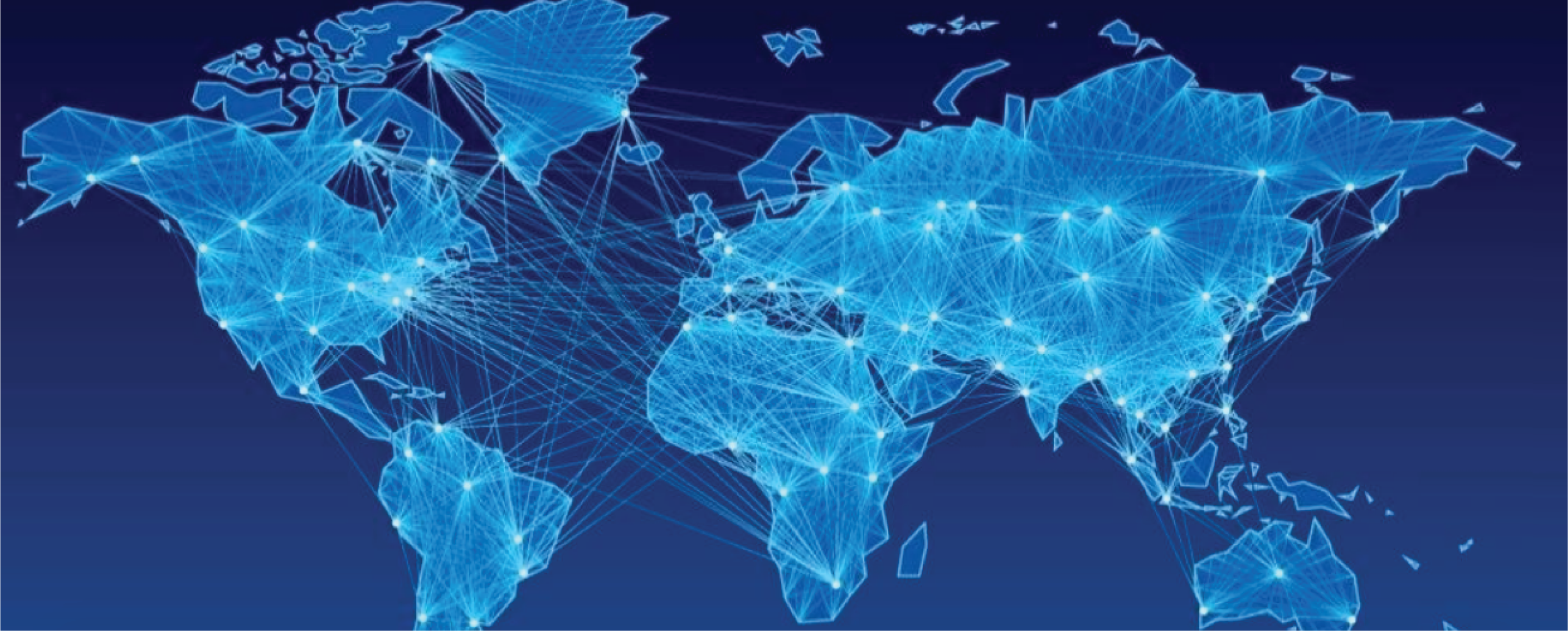
The article explores the geopolitical implications of AI development in the context of Europe, America, and China. It underscores that, similar to France's historical pursuit of nuclear autonomy, the European Union must enhance its AI capabilities to achieve strategic sovereignty and counter American dominance in the tech industry. While the U.S. adopts a rapid "build first, regulate later" approach, Europe favors a "regulate first, build later" strategy. This fundamental divergence raises concerns about Europe's competitive position in AI and the potential impact of its precautionary stance on global technological advancement. The discussion features insights from technology experts Benjamin Bratton and Francesca Bria.
AI Acceleration Vs. Precaution
Artificial intelligence (AI) is identified as a transformative technology crucial for addressing significant sustainability challenges such as biodiversity loss, resource depletion, and ecosystem degradation. Its potential to enhance efficiency, optimize resource use, improve environmental monitoring, and facilitate data-informed decision-making can accelerate progress toward sustainability goals. The Roundtable on Science and Technology discusses leveraging AI to maximize benefits at the intersection of nature and human activities.
Education
Artificial Intelligence for Sustainability

Artemis II, set for launch in February 2026, aims to carry four astronauts on a lunar flyby, testing critical systems of NASA's Orion spacecraft and Space Launch System (SLS) rocket. The mission is crucial as doubts grow about America's ability to beat China in returning humans to the Moon, with China targeting a 2030 landing and successfully testing its crewed lunar lander. Challenges remain for Artemis III, including the use of SpaceX’s Starship for lunar landing, amidst concerns over costs and the need for commercial alternatives. The Artemis program aims for scientific discoveries and establishing a lunar presence through initiatives like the Lunar Gateway.
Nasa’s Artemis II mission is crucial as doubts build that America can beat China back to the Moon

Building cyber resilience in space is vital for economic security due to increased vulnerabilities from cyberattacks and the democratization of space access. The growing reliance on satellite services, valued at over $630 billion in 2023 and projected to exceed $1.8 trillion by 2035, faces threats from geopolitical maneuvering and cyber disruptions. The interconnectedness of space systems, including ground control stations and communication links, makes them susceptible to cascading failures, as illustrated by past cyberattacks. The rapid expansion of commercial space operations further enlarges the attack surface, while inadequate regulatory frameworks lag behind technological advancements, necessitating stronger global governance to ensure infrastructure sustainability and security.
Africa | Financial services, Education, ICT
Why cyber resilience in space is essential for economic security
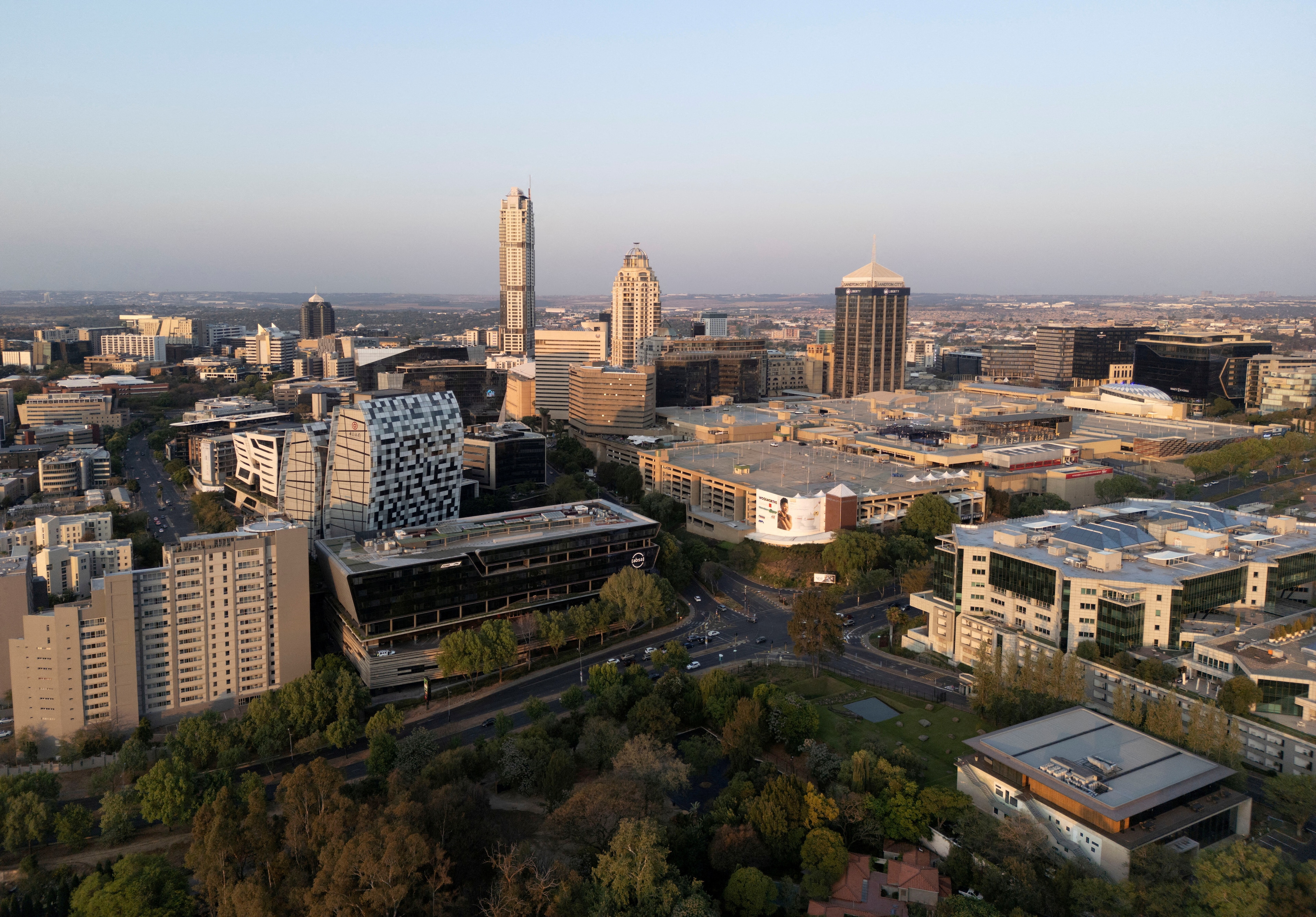
South Africa can learn from Germany's energy transition as it aims to decarbonize its power sector, where over 70% of electricity is currently generated from coal. In 2024, a global record of 585 GW of renewable capacity was added, emphasizing the need for a shift toward decentralized clean energy. Germany reduced its electricity-related emissions by 45% since 2000, with wind and solar accounting for nearly 40% of generation. Both countries face challenges such as grid resilience and the socio-economic impact of the transition on workers. A just transition is essential for South Africa, where over 100,000 jobs are linked to the coal sector.
Burkina Faso, Egypt, Germany, Ghana, Nigeria, Senegal, South Africa | Financial services, ICT, Education
Lessons learned and shared challenges: Decarbonizing power in South Africa and Germany

Africa loses approximately $195 billion annually in natural capital, facing crises of food insecurity, water scarcity, and biodiversity loss. The continent's ecological wealth, crucial for global stability, is at risk, with a significant portion of land degraded. Mobilizing capital for ecological protection is essential. African high-net-worth individuals control $2.5 trillion in investable assets, much of which is offshore. By redirecting a fraction of this into local investments, Africa can enhance its ecological and economic prospects. Initiatives like Gabon’s debt-for-nature swap demonstrate the potential of framing natural assets as capital to attract necessary funding for sustainability.
Burkina Faso, Ethiopia, Ghana, Kenya, Namibia, Nigeria, Rwanda, Senegal, South Africa, Tanzania | Financial services
Why Africa can't afford a semantic debate on natural capital
Space42 employs satellite communications, geospatial analytics, and HAPS technology to provide advanced space services. The AI-driven GIQ platform enhances operational efficiency and delivers actionable insights by integrating space and ground data. The Foresight constellation transforms Earth observation data into real-time geospatial intelligence, aiding government applications in infrastructure resilience, national planning, and risk management. Space42's integrated approach empowers decision-makers with greater confidence and situational awareness in their operations.
Advanced SpaceTech Services - Space 42