
Publications

INSIGHT REPORT

Pioneering the Future: Space

Technologies Poised to Revolutionize

Exploration and Economy by 2035

September 2026

FACTSHEETS

Pioneering the Future: Space

Technologies Poised to Revolutionize Exploration and Economy by 2035

June 2026

WHITE PAPER

Future of Space Law:

Operationalizing Space Governance

March 2026

REPORT

Clear Orbit, Secure Future:

 A Call to Action on Space Debris

Jan 2026

WHITE PAPER

The Future of Space Law

Insights from the ATS, UNCLOS, and ITU Frameworks

December 2025

WHITE PAPER

The Future of Space Law: 

The Evolving Dynamics of Air and Space Regulation

 September  2025

The Future Of Space Law

News

Centre for Space Futures, Novaspace and SpaceTech Gulf  Sign Agreement to Develop Global Space Capability Mapping Dashboard

Riyadh, Saudi Arabia , 23 Jun 2026|  Press Release

Clear Orbit, Secure Future: A Call to Action on Space Debris

Riyadh, Saudi Arabia, 26 Jan 2026 | Press Release

Centre for Space Futures Holds Workshop with Participation of 40 Global Experts

Riyadh, Saudi Arabia, 05 Dec 2025 | Press Release

Centre for Space Futures Releases White Paper on 'The Future of Space Law'

Riyadh, Saudi Arabia, 12 Sep 2025 | Press Release

The Board of Directors of the Centre for Space Futures Endorses Its Strategic Direction

Riyadh, Saudi Arabia, 26 May 2025 | Press Release

Saudi Space Agency to Launch the Centre for Space Futures with the World Economic Forum

Riyadh, Saudi Arabia, 29 April | Press Release

5 ways we can tackle growing risks from rocket bodies in orbit

Dec 09, 2025 | Economic Growth, Stories

Read More

Forum Agenda

Forum Videos

VIDEO

Press Conference: Centre for Space Futures in Riyadh

The World Economic Forum's Special Meeting, April 29, 2024

VIDEO

The Purpose of Astronauts at Davos 2024

World Economic Forum , March 9, 2024

VIDEO

PortWatch: Monitoring Trade Disruptions from Space

World Economic Forum , Dec 18, 2023

VIDEO

India's Moon Mission Triumph: Ambassador Ruchira Kamboj's Insights

World Economic Forum , Aug 23, 2023

VIDEO

Space Exploration is Back at Davos 2023

World Economic Forum , Feb 16, 2023

Forum Publications

Strategic Intelligence Insights

Space42 employs satellite communications, geospatial analytics, and HAPS technology to provide advanced space services. The AI-driven GIQ platform enhances operational efficiency and delivers actionable insights by integrating space and ground data. The Foresight constellation transforms Earth observation data into real-time geospatial intelligence, aiding government applications in infrastructure resilience, national planning, and risk management. Space42's integrated approach empowers decision-makers with greater confidence and situational awareness in their operations.
Advanced SpaceTech Services - Space 42
Space42’s Foresight constellation and GIQ platform convert Earth observation data into real-time geospatial intelligence. The integrated approach enhances government decision-making by improving infrastructure resilience, national planning, and risk management. Through real-world applications, it empowers decision-makers to act with greater confidence.
Foresight Viewpoint
Agricultural education investment is crucial for addressing global food security as the world anticipates a population nearing 10 billion by 2050 while facing severe challenges like climate change and resource degradation. To achieve a sustainable "Green Revolution 2.0," significant investments in developing human capital are necessary. Current public investment in agricultural education and research has stagnated since the 1970s, hindering innovation and productivity. Emphasizing education will empower smallholders, enhance skills for modern agricultural practices, attract youth to the sector, and foster inclusivity while addressing environmental concerns.
Bangladesh, Nigeria | Education, Health
Why Agricultural Education Investment is Critical for Global Food Security
The concept of peace technology has expanded globally, with accelerators playing a crucial role in its development. These accelerators, hosted by governments, universities, nonprofits, and private companies, concentrate resources, mentorship, and networks around innovation. This has led to the emergence of a diverse and interconnected ecosystem that continues to grow through new conferences, alliances, and prizes as of 2025.
Health, ICT, Education
From Concept to Ecosystem: The Evolution of PeaceTech Accelerators
International organizations (IOs) often present statistics that, instead of reflecting precise measurements, are based on 'guesstimates.' This paper by Lukas Linsi et al. examines why IOs disseminate these guesstimates with an appearance of certainty. Utilizing an ecological framework, the authors identify three key mechanisms: attracting attention, signaling scientific competence, and consolidating professional status. The study, focused on statistics regarding illicit trade, employs mixed methods to demonstrate how organizational and professional incentives promote mock precision, raising implications for scientific practices in various fields beyond IOs.
Education
Governing through guesstimates: mock precision in international organisations
On October 6, 1995, astronomers Michel Mayor and Didier Queloz announced the discovery of 51 Pegasi b, the first planet detected orbiting a sun-like star outside our Solar System. This gas giant, located 50 light years away, orbits its star in just over four days, leading to extreme atmospheric temperatures. Their detection method utilized the Elodie spectrograph, which revealed the gravitational influence of the planet on its star. The discovery challenged existing theories and introduced the category of "hot Jupiters." Over 6,000 exoplanets have since been cataloged, and the search for Earth-like planets continues. Mayor and Queloz received the Nobel Prize in Physics for this groundbreaking work.
How to discover a planet
On October 6, 1995, astronomers Michel Mayor and Didier Queloz announced the discovery of 51 Pegasi b, the first exoplanet orbiting a Sun-like star, which transformed our understanding of planetary systems. This gas giant, classified as a "hot Jupiter," orbits its star closely, revealing a new category of planets. Their breakthrough, confirmed by various teams, ignited extensive research into exoplanets, leading to over 6,000 discoveries in the following decades. The quest for an Earth-like planet continues, with astronomers using advanced instruments to explore the potential diversity of planetary systems beyond our own.
Our quest to find a truly Earth-like planet in deep space
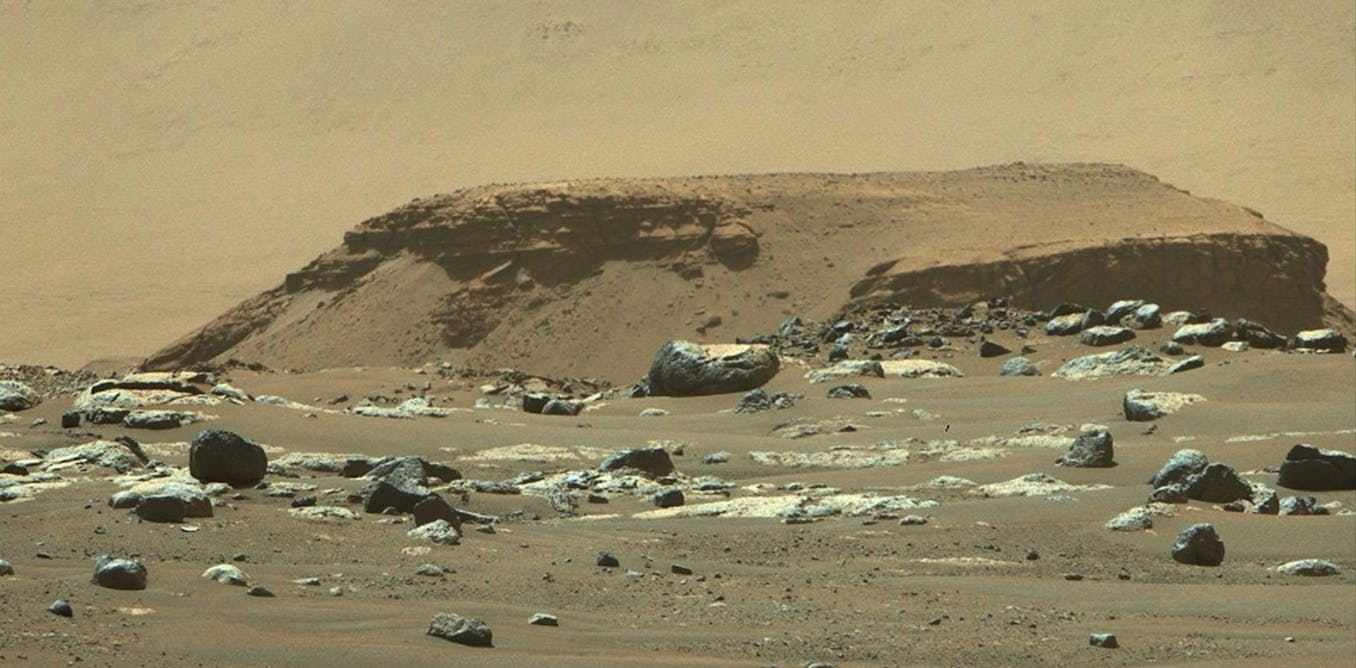
Nasa's recent findings in Jezero Crater reveal unusual mineral patterns in clay-rich rocks that may indicate past microbial life on Mars. These "leopard spot" patterns suggest potential biological activity, sparking renewed interest in the possibility of life on Mars today. Scientists speculate that microbial life could exist in sub-surface environments, such as caves or beneath ice, where conditions may be less harsh. The potential for life hinges on the presence of liquid water, energy sources, and suitable temperatures. Ongoing research includes studies of Earth analogues and controlled laboratory experiments to better understand Martian life potential.
Could life exist on Mars today? Here’s what the latest evidence says
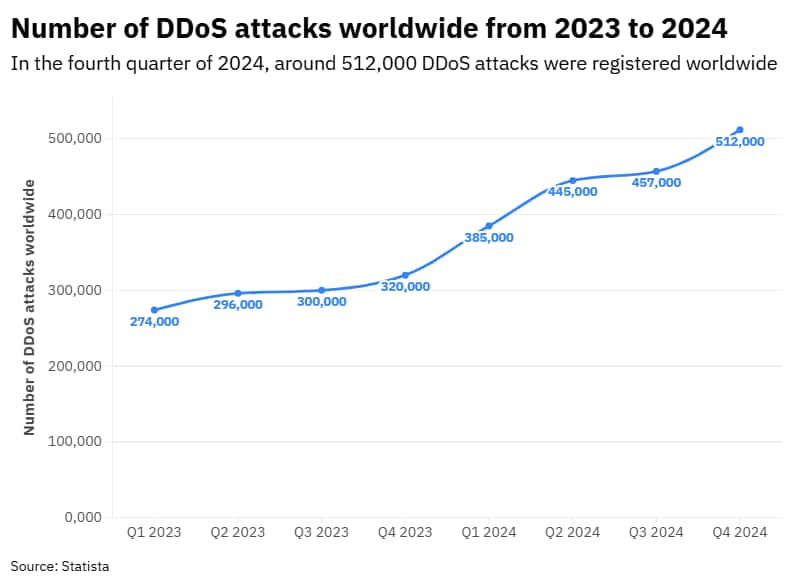
The Cybersecurity Information Sharing Act (CISA), a key US cybersecurity law, expired on October 1, 2025, leading to a potential 80% drop in information sharing between private and public sectors due to reduced legal protections. In other news, the US Secret Service dismantled a threat network during the UN General Assembly, and a cyber attack on Collins Aerospace disrupted European airports. Jaguar Land Rover faced extensive factory shutdowns due to a cyber attack impacting multiple countries, while a DDoS attack peaked at 22.2 Tbps, marking a new record. Cyber incidents have incurred significant costs to organizations, including an estimated $352 billion impact on the German economy.
ICT
Key US cyber law expires, and other cybersecurity news
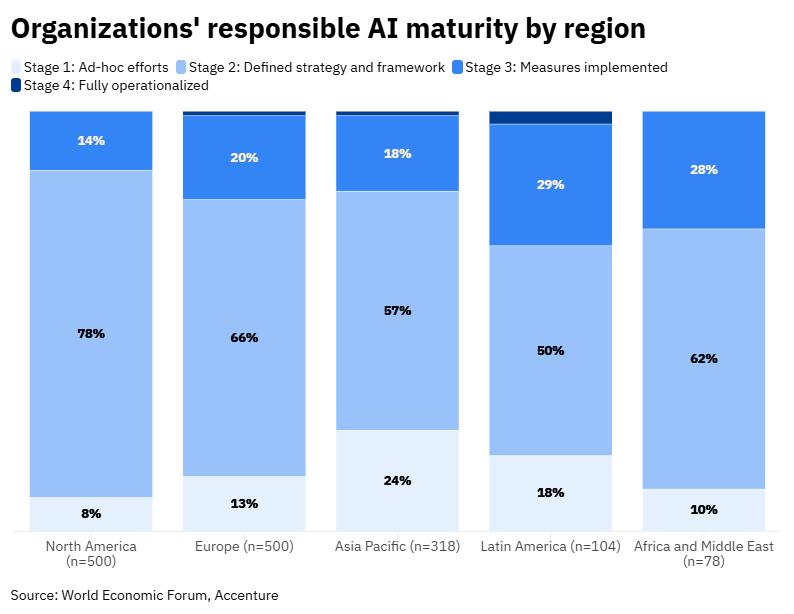
The UN has established two key AI governance bodies: the Global Dialogue on AI Governance and the Independent International Scientific Panel on AI. These initiatives aim to create an inclusive international framework for managing AI technology, which is essential for responsible adoption. Despite AI's rapid growth and potential benefits, only a small fraction of organizations have effectively implemented responsible practices. The new bodies will facilitate cooperation among governments, industry, and civil society, providing evidence-based insights and best practices to ensure safe and trustworthy AI.
Health, Education
The UN has moved to close the gap in AI governance. Here's what to know

Bertrand Piccard, a psychiatrist and clean tech pioneer, has identified over 1,600 financially viable environmental solutions through his Solar Impulse Foundation. His current focus is on promoting these solutions to accelerate a transition to a zero-carbon economy. Piccard advocates for reframing climate action as an opportunity for modernization and efficiency rather than a financial burden. He emphasizes energy efficiency as a way to save costs and improve profit margins, highlighting case studies from various sectors that demonstrate significant economic and ecological benefits. Key examples include optimizing airline routes and upgrading industrial infrastructures to reduce energy waste.
Financial services
Interview Of The Week: Bertrand Piccard, Clean Tech Pioneer
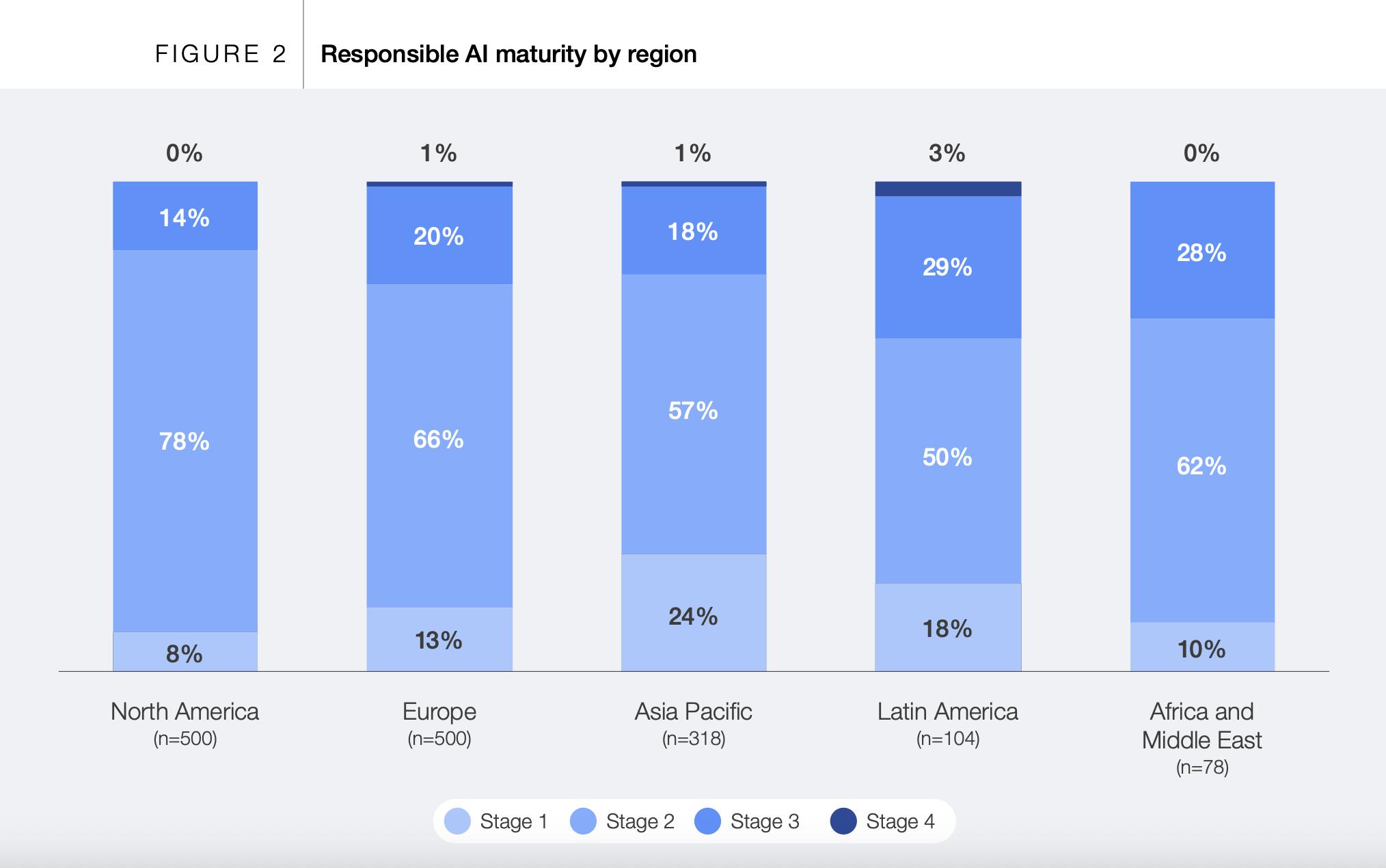
The Tallinn Digital Summit 2025, taking place on October 9-10 in Estonia, aims to address critical global challenges in artificial intelligence (AI) governance. As most organizations struggle with responsible AI implementation—over 80% are still in early maturity stages—discussions will focus on bridging the responsible AI gap. Despite efforts like the Hiroshima AI Process and frameworks from the G7 and OECD, achieving global consensus remains difficult. The summit will showcase practical examples from companies and governments to inspire immediate action towards developing a trustworthy AI ecosystem.
Estonia, Latvia, Sweden | Education, ICT
Trustworthy AI: An Elusive Goal Or Achievable Target?
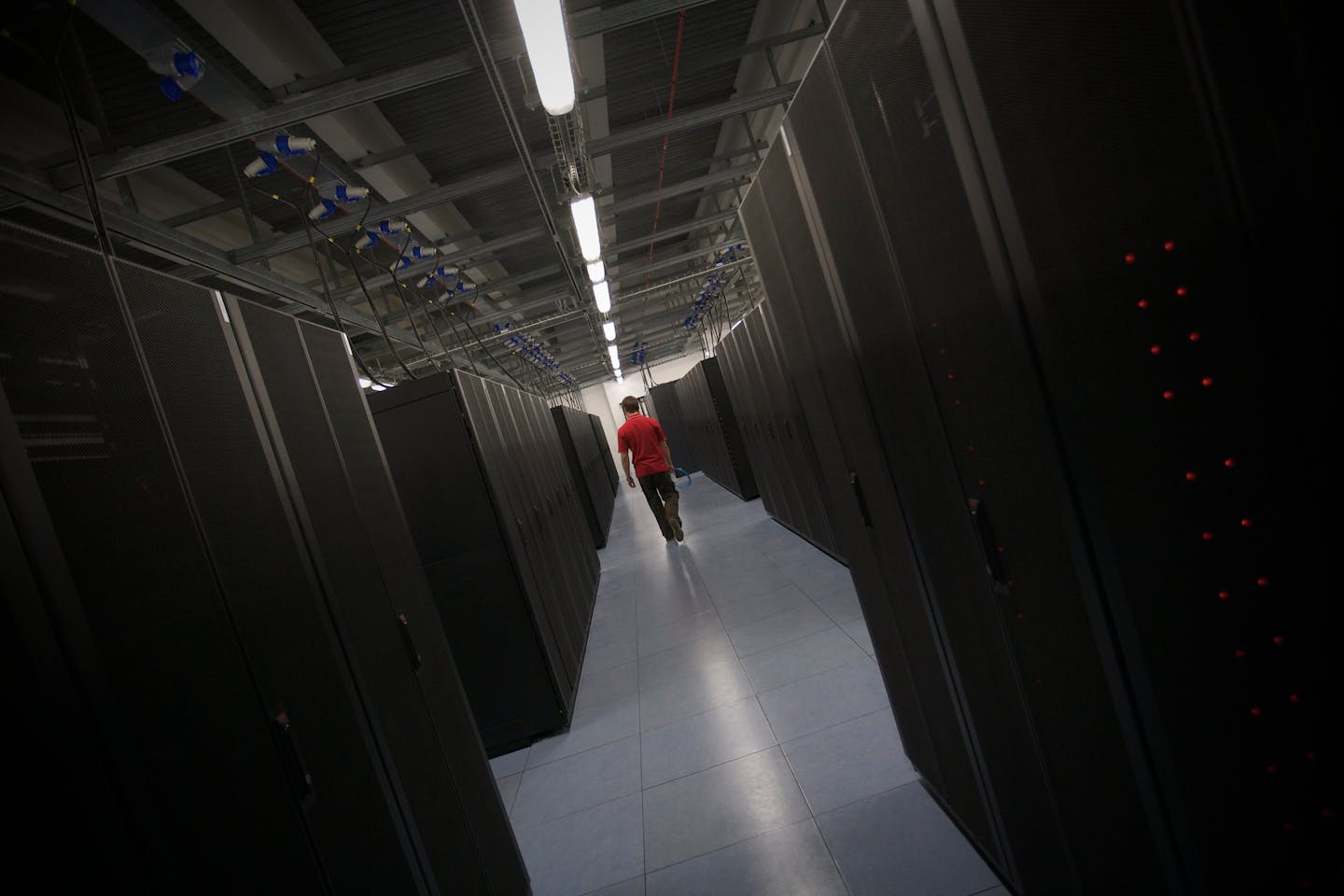
Generative artificial intelligence's rise is raising environmental concerns, particularly regarding energy usage and emissions linked to power-hungry data centers. Experts, including Benedetta Brevini, argue that big tech must disclose AI's ecological impact and reconsider the necessity of certain AI applications, especially amid a climate crisis. Brevini emphasizes the need for a comprehensive strategy addressing the entire AI supply chain, including carbon footprints and e-waste. Investments in green AI literacy and sustainable practices are crucial for promoting responsible development and ensuring natural resources are utilized effectively, rather than disproportionately benefiting technology over communities.
Q&A: 'Digital lords,' AI's carbon footprint and greening tech
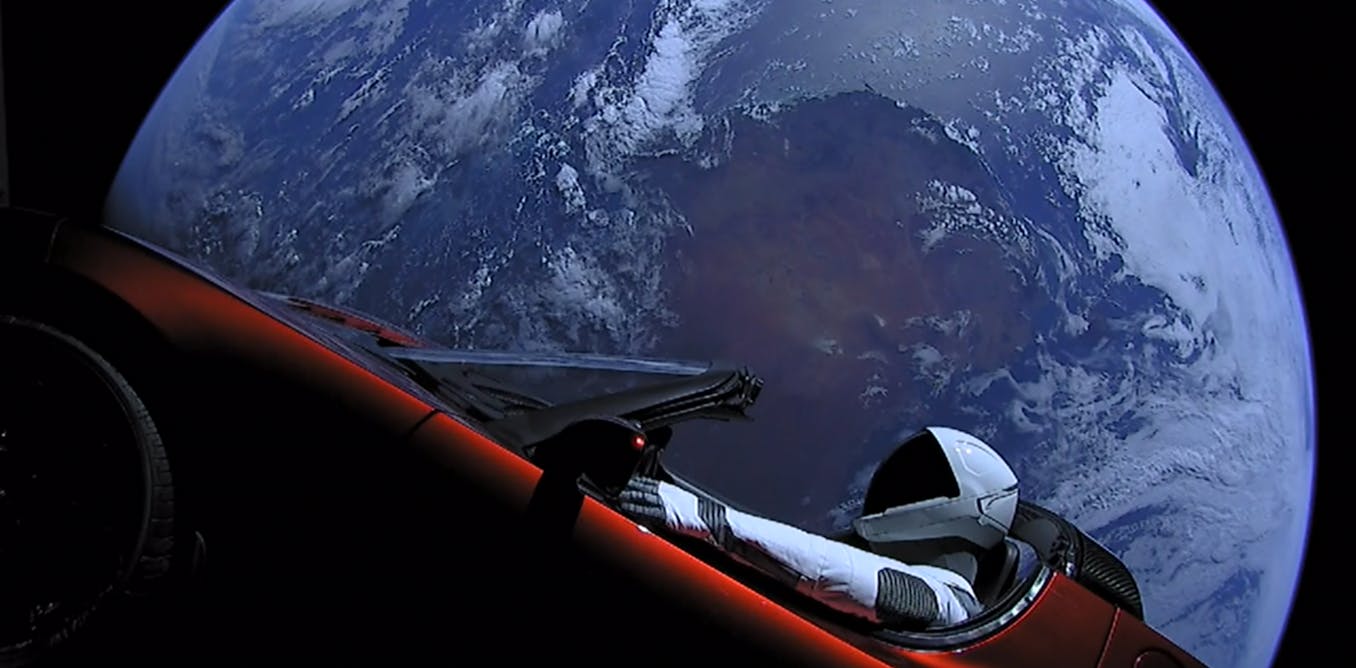
A new space race focuses on sending various objects into orbit, driven by a human desire for firsts and a unique quest for immortality. Recently, Japanese monks attempted to send a small temple into space, symbolizing prayers for the deceased. The trend of memorializing the dead in space has gained popularity, with companies like Celestis launching ashes and DNA since 1994. Other remarkable items include dinosaur bones and digital images. This phenomenon reflects a blend of nostalgia, the hope of connecting with extraterrestrial life, and an inherent human drive to establish a legacy.
The other space race: why the world is obsessed with sending objects into orbit
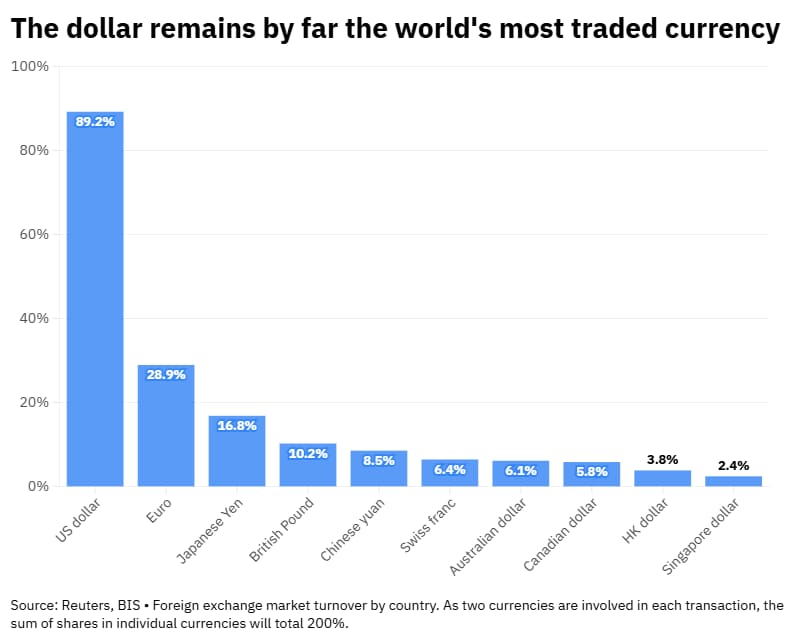
In April 2025, global foreign exchange (FX) trading volumes surged to a record high of $9.6 trillion daily, a 28% increase since 2022, driven by tariff tensions and geopolitical uncertainty. The US dollar dominated, accounting for 89% of trades, while the Chinese yuan's share rose to 8.5%. Stablecoins gained attention in Europe as banks planned a euro-denominated stablecoin for efficient payments, alongside regulatory scrutiny from the Bank of England and the European Central Bank over their potential impacts. A partial US government shutdown has delayed crucial economic data releases, heightening market volatility.
Nigeria, United Kingdom | ICT, Education, Health, Financial services
Tariff tensions drive FX trading to all-time highs in 2025, and other finance news to know

Artificial photosynthesis aims to replicate natural processes by converting sunlight, water, and CO₂ into fuels and materials on an industrial scale, offering a potential solution for climate change. Japan is spearheading this initiative, dubbed the 'Japanese Apollo Project', to bolster global competitiveness and sustainability. The technology promises negative-emission pathways, capable of producing clean fuels and reducing atmospheric CO₂. A roadmap has been established for partial implementation by 2030 and mass production by 2040, emphasizing advancements in catalysis and collaboration. This initiative could also stimulate Japan’s economy amidst declining productivity and population challenges.
Japan
From Japan to the world: Artificial photosynthesis can illuminate global solutions
Businesses must adopt nature-positive strategies to improve resilience, innovation, and competitiveness, as biodiversity underpins essential ecosystem services. The destruction of natural systems poses significant business and human risks. Nearly half of global GDP relies on nature, making biodiversity loss a pressing concern tied to supply chain stability, raw material scarcity, and overall economic health. Companies must prioritize restoring natural capital and aim for net-positive biodiversity, akin to targets for carbon emissions. Upcoming collaborations, such as the ISO Annual Meeting, will focus on integrating biodiversity into business strategies, emphasizing that sustainability is crucial for long-term success.
Financial services, Health
Why biodiversity is everyone’s business
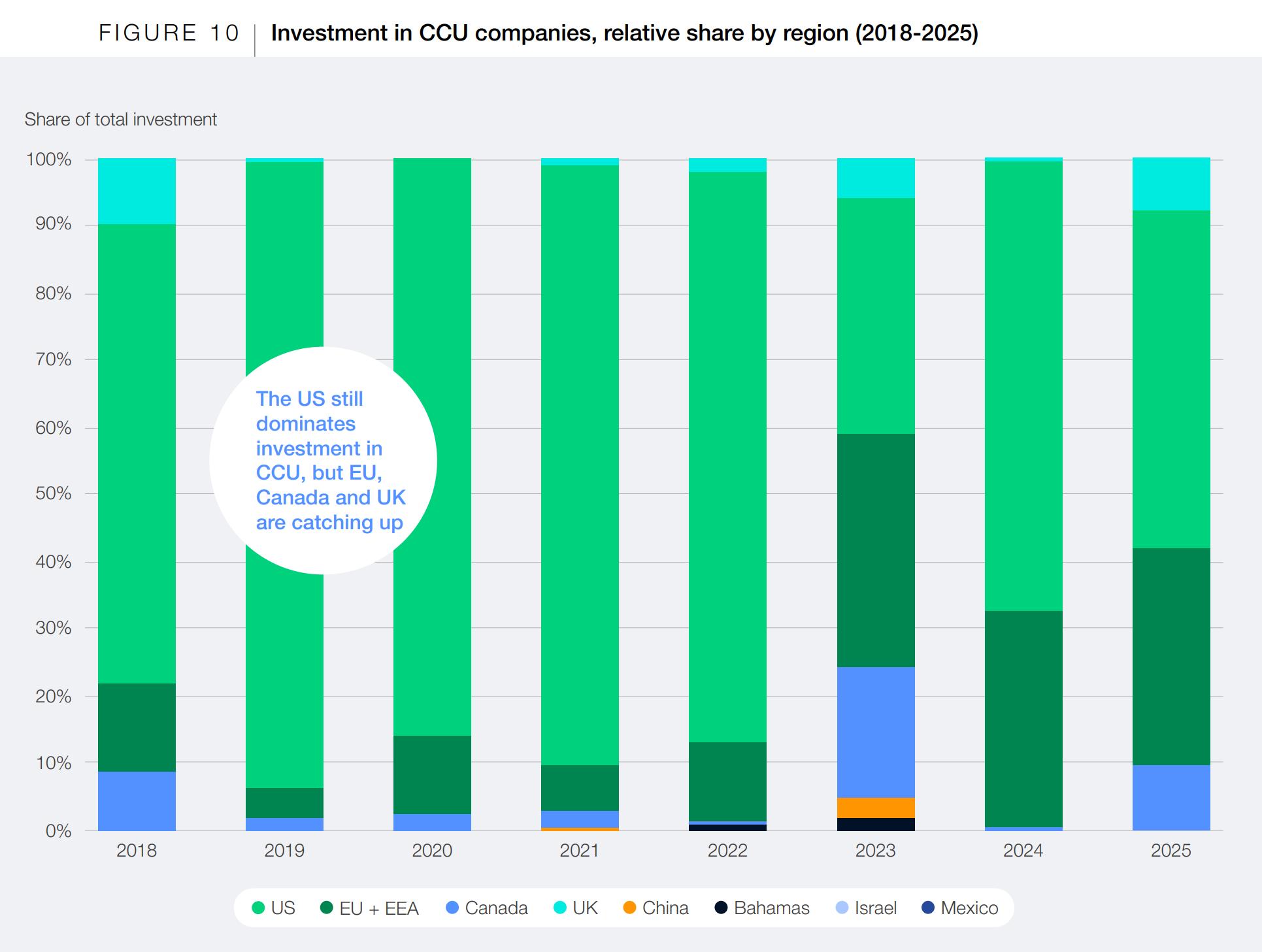
Carbon Capture and Utilization (CCU) has the potential to boost decarbonization, but it requires strong public sector backing and innovative financing. Despite the promise, investment is hindered by fragmented policy frameworks, development challenges, and lack of industry collaboration. Climate health costs are projected to reach $1.5 trillion in lost productivity by 2050, emphasizing the need for proactive adaptation strategies. Additionally, only one-third of global river basins were in normal condition last year, underscoring urgent data monitoring needs. Brazil announced a $1 billion investment in a global forest conservation fund.
Nigeria | Financial services
The state of Carbon Capture and Utilization, and other climate and nature news
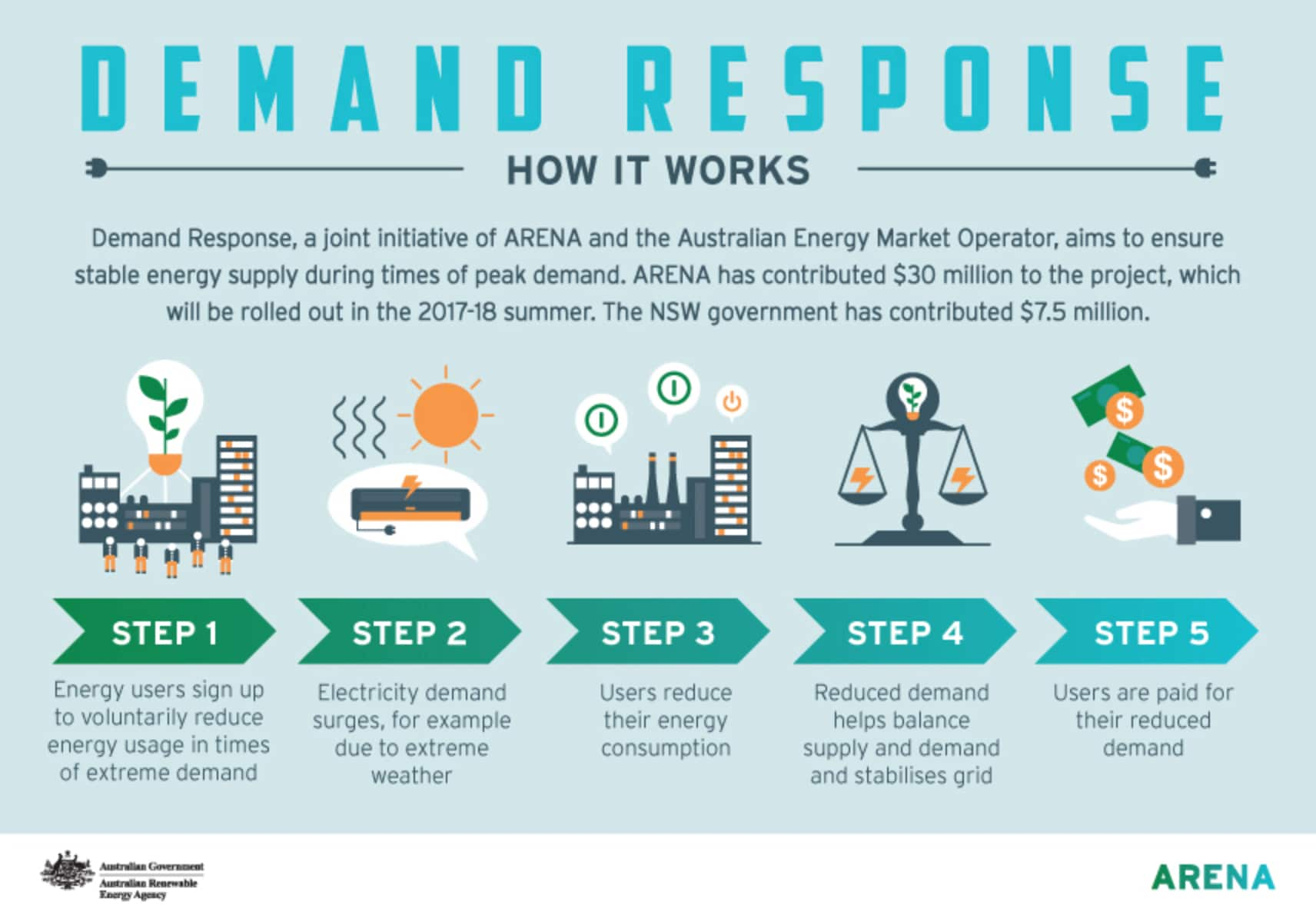
Rising global energy demand, driven by electrification, industrial expansion, and increasing use of generative AI, is outpacing supply capabilities. The International Energy Agency (IEA) forecasts a significant surge in electricity demand, particularly from data centers, which could quadruple by 2030. Demand-side response (DSR) mechanisms are proposed as a solution, allowing users to adjust consumption to stabilize the grid, potentially freeing up 76 gigawatts of capacity in the U.S. However, progress in enhancing system flexibility remains uneven, highlighting the need for additional strategies alongside DSR to ensure energy security and resilience against growing demand.
Financial services, ICT
What is energy flexibility and how can it help meet rapidly rising energy demand?
The BBNJ Treaty, a landmark agreement for high seas governance, aims to ensure the conservation and sustainable use of marine biodiversity in international waters. Ratified by 60 nations, it will be legally binding from January 17, 2026. The treaty encompasses marine genetic resources, area-based management, environmental impact assessments, and capacity building. Despite low African ratification rates, the continent plays a pivotal role in promoting equitable governance. The treaty emphasizes Africa's leadership in shaping global norms, advocating for fair benefit-sharing, and sustaining ocean health, which is crucial for climate regulation and biodiversity preservation.
Antarctica
As the High Seas Treaty takes effect, Africa can help chart its course