
Publications

INSIGHT REPORT

Pioneering the Future: Space

Technologies Poised to Revolutionize

Exploration and Economy by 2035

September 2026

FACTSHEETS

Pioneering the Future: Space

Technologies Poised to Revolutionize Exploration and Economy by 2035

June 2026

WHITE PAPER

Future of Space Law:

Operationalizing Space Governance

March 2026

REPORT

Clear Orbit, Secure Future:

 A Call to Action on Space Debris

Jan 2026

WHITE PAPER

The Future of Space Law

Insights from the ATS, UNCLOS, and ITU Frameworks

December 2025

WHITE PAPER

The Future of Space Law: 

The Evolving Dynamics of Air and Space Regulation

 September  2025

The Future Of Space Law

News

Centre for Space Futures, Novaspace and SpaceTech Gulf  Sign Agreement to Develop Global Space Capability Mapping Dashboard

Riyadh, Saudi Arabia , 23 Jun 2026|  Press Release

Clear Orbit, Secure Future: A Call to Action on Space Debris

Riyadh, Saudi Arabia, 26 Jan 2026 | Press Release

Centre for Space Futures Holds Workshop with Participation of 40 Global Experts

Riyadh, Saudi Arabia, 05 Dec 2025 | Press Release

Centre for Space Futures Releases White Paper on 'The Future of Space Law'

Riyadh, Saudi Arabia, 12 Sep 2025 | Press Release

The Board of Directors of the Centre for Space Futures Endorses Its Strategic Direction

Riyadh, Saudi Arabia, 26 May 2025 | Press Release

Saudi Space Agency to Launch the Centre for Space Futures with the World Economic Forum

Riyadh, Saudi Arabia, 29 April | Press Release

5 ways we can tackle growing risks from rocket bodies in orbit

Dec 09, 2025 | Economic Growth, Stories

Read More

Forum Agenda

Forum Videos

VIDEO

Press Conference: Centre for Space Futures in Riyadh

The World Economic Forum's Special Meeting, April 29, 2024

VIDEO

The Purpose of Astronauts at Davos 2024

World Economic Forum , March 9, 2024

VIDEO

PortWatch: Monitoring Trade Disruptions from Space

World Economic Forum , Dec 18, 2023

VIDEO

India's Moon Mission Triumph: Ambassador Ruchira Kamboj's Insights

World Economic Forum , Aug 23, 2023

VIDEO

Space Exploration is Back at Davos 2023

World Economic Forum , Feb 16, 2023

Forum Publications

Strategic Intelligence Insights

India's digital public infrastructure (DPI) supports over 1.3 billion citizens and processes more than 10 billion transactions monthly, showcasing the importance of security and privacy in its development. Key components like digital identity (Aadhaar) and payment systems (UPI) have significantly lowered transaction costs and improved access to services. However, as these systems scale, cybersecurity threats such as data breaches, synthetic identity fraud, and algorithmic bias emerge as critical challenges. India's model emphasizes integrating security from the outset, combining government oversight with private sector innovation, creating a resilient public good approach to infrastructure.
Bangladesh, Botswana, Mali | Financial services, Health, Education, ICT
Security-by-design lessons from India's digital public infrastructure journey
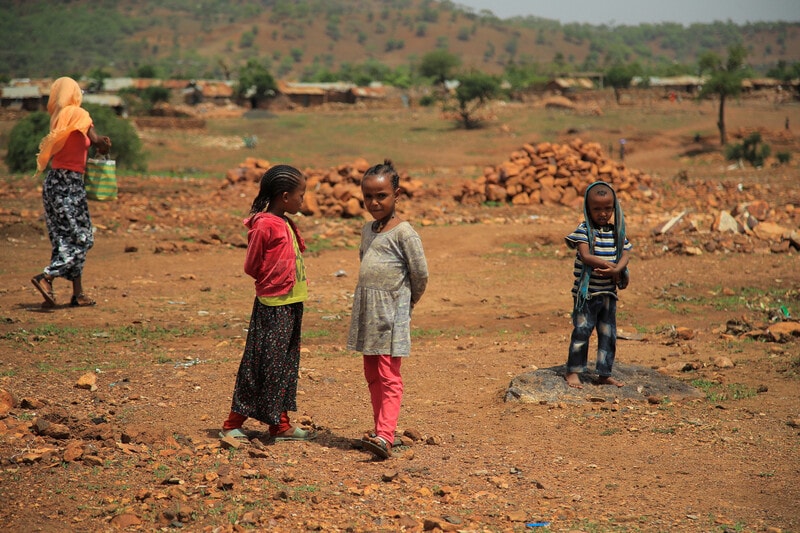
Currently, 300 million people across 72 countries require humanitarian assistance, exacerbated by cuts in foreign aid. Supply chains, which represent 60-80% of response costs, are crucial for delivery yet often function in silos, causing inefficiencies. The European Commission is spearheading the High-Level Group on Supply Chain initiative to revamp this system through five thematic workshops. A focus on digital transformation is essential to improve coordination and resource allocation, but challenges like data standardization and skill gaps persist. Effective reform requires coordinated leadership and robust public-private partnerships, prioritizing shared goals and humanitarian principles.
Haiti, Honduras | Financial services, ICT, Education, Health
How we can rethink humanitarian supply chains for the 21st century

Regional inequality in the UK significantly hampers productivity and economic performance. Although the government aims to address this issue, its "levelling-up" policies are often criticized for their fragmented approach, focusing heavily on infrastructure. Entrepreneurship, particularly in less prosperous areas, is crucial for boosting economic competitiveness but is concentrated mostly in London and the south. Developing entrepreneurial ecosystems—supportive environments that strengthen connections among start-ups, investors, and institutions—is essential. Success depends on long-term collaboration, nurturing talent, and building a culture that encourages innovation, supported by targeted government funding, particularly for grassroots initiatives.
Chile, Czech Republic, Egypt, Ethiopia, Georgia, Germany, Ghana, Indonesia, Ireland, Jordan, Kenya, Peru, Republic of Korea, Russian Federation, Rwanda, South Africa, Tanzania, Uganda, Ukraine, United Arab Emirates, United Kingdom | Financial services, Education
The UK has a regional inequality problem – levelling the playing field for entrepreneurs could help
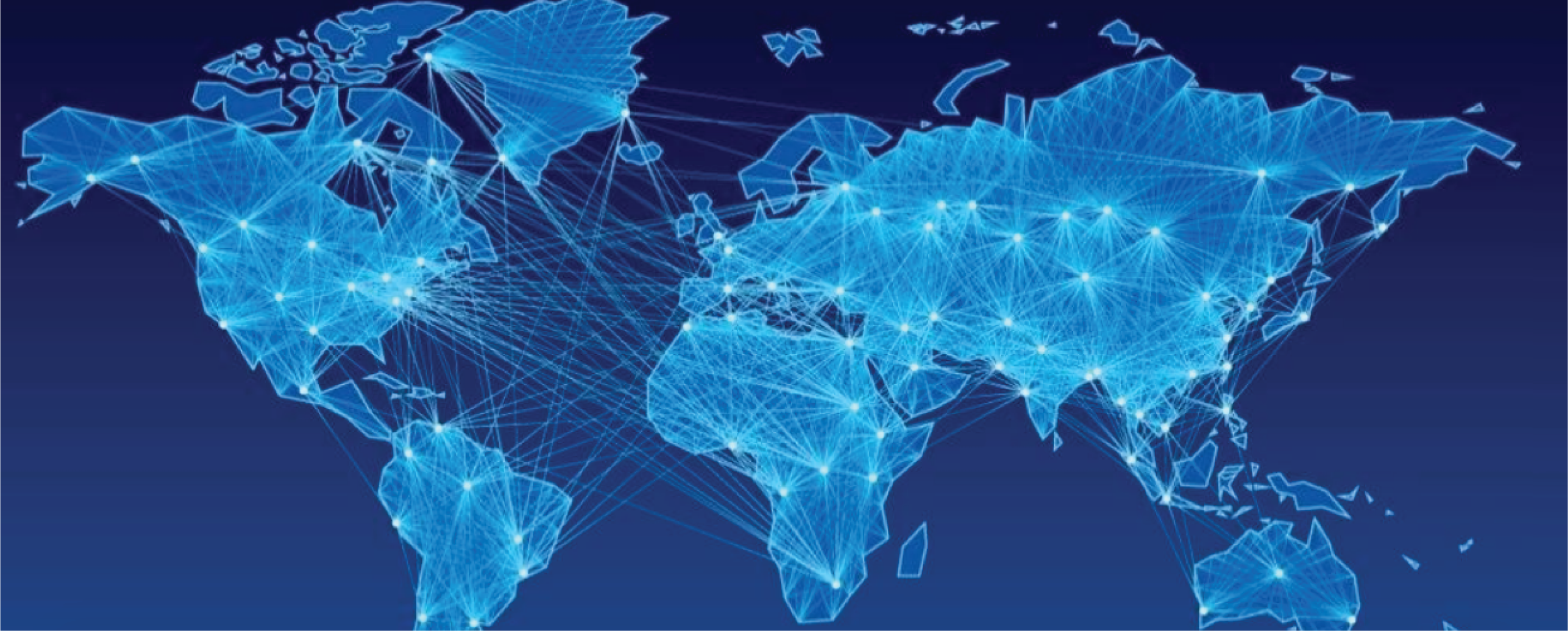
Outer space plays a critical role in modern conflicts but is overlooked within the Women, Peace and Security (WPS) Agenda. Integrating a gender perspective into space security is essential to protect women and girls, who are disproportionately affected by warfare and its consequences. The WPS Agenda aims to increase women’s participation in decision-making and integrate gender considerations into military operations. Disruptions in space-based technologies impact civilians severely, especially women and girls, exacerbating vulnerabilities and hindering access to essential services. Promoting a gender lens in space operations can enhance protection and recovery efforts while acknowledging the unique challenges faced by women and girls during conflict.
Bringing the Women, Peace and Security Agenda to Outer Space
Climate change could lead to $1.5 trillion in productivity losses for businesses by 2050 due to worker availability losses from climate-induced health issues. A report emphasizes the significant economic impact and calls for actions to protect worker health across key sectors. Additionally, the WHO highlights that a $3 annual investment per person in combating noncommunicable diseases (NCDs) could yield up to $1 trillion in economic benefits by 2030. Notable innovations include a generative AI tool predicting risks for over 1,000 diseases.
Nigeria | Health
Climate change could cost businesses $1.5 trillion in productivity losses by 2050, and other health stories

The German federal government has approved a Fusion Action Plan, allocating two billion euros for fusion research by 2029, emphasizing its potential for sustainable, zero-emission energy. This initiative is part of Germany’s High-Tech Agenda, recognizing nuclear fusion as vital for the country’s future. The Fraunhofer-Gesellschaft will play a key role, leveraging its expertise to foster collaboration between research and industry, ensuring early industrialization and securing Germany's competitive edge. Recent breakthroughs in fusion technology highlight the need for strategic investment and government support to stimulate innovation and job creation in this sector.
Fusion Research as a Key to the Future of Energy Supply
A survey of 289 experts in the global information environment reveals critical insights for technology policy. Two-thirds identify accurate information as vital, with half emphasizing the importance of diverse voices. Experts express concerns over artificial intelligence and content moderation, attributing issues to accountability and poor design. Social media and politicians are flagged as significant threats. The lack of access to platform data is seen as a major barrier to research. A majority expect the information environment to worsen by 2024, with differing concerns observed between experts studying autocracies and democracies.
Egypt | Education, ICT, Health
Expert Survey on the Global Information Environment 2023: Lessons for Technology Policy and Design
The 2023 Expert Survey on the Global Information Environment reveals significant concerns among 289 researchers regarding misinformation, algorithmic bias, and content moderation. Two-thirds of experts prioritize accurate information for a healthy environment, while half value diverse voices. Key threats identified include social media platforms (33%) and political influences (31%). A notable 72% highlight the lack of access to platform data as a major barrier to understanding this environment. Most experts (54%) anticipate deterioration in 2024, with varying concerns based on governance type, focusing on government influence in autocracies and foreign interference in democracies.
Education, ICT, Health
Trends in the Global Information Environment: 2023 Expert Survey Results
Governments are increasingly recognizing the transformative potential of artificial intelligence (AI) in public governance to enhance service delivery and improve decision-making. This integration of AI faces ethical, technical, and institutional challenges, such as algorithmic bias and privacy concerns, necessitating responsible adoption. The paper outlines key ethical considerations, international frameworks, technical solutions like explainability and privacy-enhancing technologies, and a self-assessment toolkit to evaluate public institutions' readiness for AI implementation, aiming to promote trustworthy, ethical, and inclusive AI practices.
Education
Building Trustworthy Artificial Intelligence: Frameworks, Applications, and Self-Assessment for Readiness
Satellite imagery can effectively estimate conflict-induced damage to agricultural production in Ukraine, outperforming traditional media-based indicators. The study integrates data on summer and winter crop areas from 2019–2024 with measures of damage from optical and thermal satellite sensors, assessing nearly 10,000 village councils. Findings reveal significant and ongoing negative impacts that extend to unaffected villages, with the predicted damage using image-based indicators being three times greater than media-based estimates. This approach offers new insights into the implications of conflict on agriculture for future research.
Using Remotely Sensed Data to Assess War-Induced Damage to Agricultural Cultivation: Evidence from Ukraine
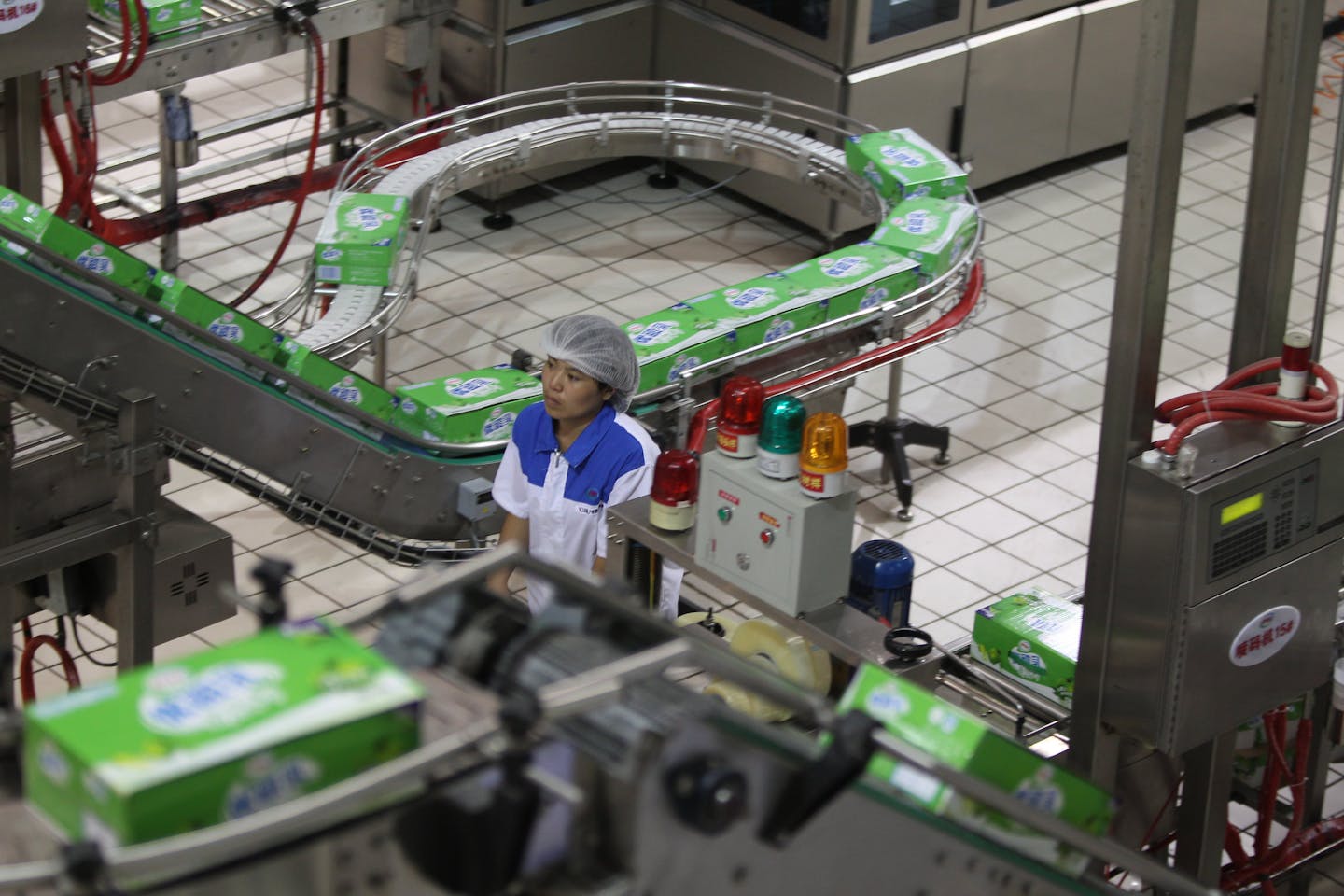
China has become a key player in providing clean technology and renewable energy solutions to countries in the Global South, with exports in solar, wind, electric vehicles, and battery technology exceeding $72 billion in 2024. While these imports have accelerated sustainability efforts, there is increasing demand for China to not just supply goods but also share technology and expertise to foster local manufacturing and innovation. Diplomatically, China has promoted educational and technical cooperation initiatives, yet concerns remain about its willingness and capacity to facilitate meaningful knowledge transfer. Successful partnerships can drive co-evolution in clean tech development, but significant challenges still exist.
Benin, Brazil, Cambodia, Egypt, Ethiopia, Germany, Ghana, India, Indonesia, Malaysia, Peru, Philippines, Portugal, Republic of Korea, Russian Federation, Senegal, Singapore, South Africa, Taiwan, China, Tanzania, Thailand, Tunisia, United Kingdom, Viet Nam | Financial services, Education
Can China share its green expertise with the Global South?
Cybercrime is escalating, with organizations facing increased threats and a critical cybersecurity talent gap. In 2025, the average weekly cyberattacks per organization have more than doubled since 2021. Small businesses are particularly vulnerable, with significantly more reporting inadequate cyber resilience. AI plays a dual role, both enhancing defenses and enabling more sophisticated attacks by criminals. Social engineering tactics, including the use of deepfakes, have been integrated into strategies by cybercriminals. Cybersecurity budgets are stagnating, with businesses pivoting towards AI solutions amid shortages in skilled personnel.
Africa | Financial services, Education, Health, ICT
Cybersecurity Awareness Month: 10 things to know in 2025

Africa faces significant challenges in data generation and research investment, limiting its ability to make informed decisions and track progress toward the UN's Sustainable Development Goals (SDGs). The continent's research output remains low, at only 3.25% of global scientific publications, while average investment in research and development stands at just 0.42% of GDP, far below the 1% target set by the African Union. Weak data systems hinder effective policymaking, particularly in sectors such as health, agriculture, and finance, which exacerbates issues like resource allocation and gender inequality. Urgent investment in data infrastructure is crucial for enhancing Africa's development prospects and agency.
Algeria, Angola, Bangladesh, Barbados, Benin, Botswana, Burkina Faso, Burundi, Cameroon, Chad, Democratic Republic of the Congo, Egypt, Eswatini, Ethiopia, Gabon, Georgia, Ghana, Guatemala, Guinea, Haiti, Ireland, Kenya, Lesotho, Madagascar, Malawi, Mali, Mauritania, Mauritius, Morocco, Mozambique, Namibia, Nigeria, Rwanda, Senegal, South Africa, Tanzania, Tunisia, Uganda, Zambia, Zimbabwe | Financial services, Health
Can Africa own its data future?
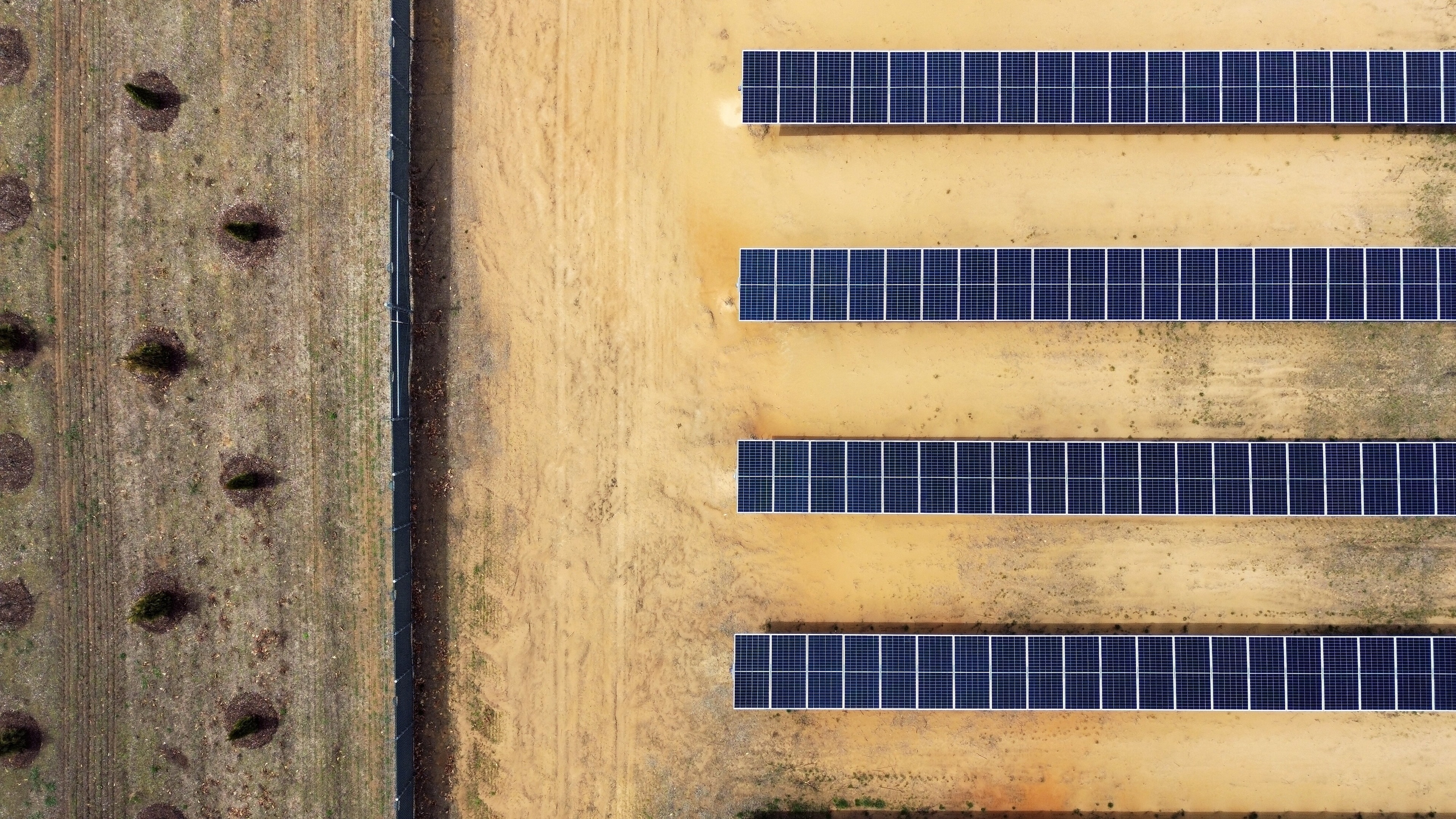
Building flexibility into the renewable energy ecosystem is essential as electricity generation scales. Currently, 30% of electricity is wasted, highlighting a significant opportunity for optimization. Increased collaboration among stakeholders, alongside advancements in technology, can improve efficiency and resilience while reducing environmental impacts. As renewable energy sources rise, especially solar and wind, flexibility in supply and demand becomes vital to manage volatility. Investments in flexible technologies, such as AI and advanced thermal systems, could lead to substantial cost savings and enhanced grid stability by 2030, making energy more affordable and resilient.
ICT, Financial services, Education
Collaboration at scale: Unlocking flexibility for energy optimization and resilience

Adopting circular practices in the built environment could reduce emissions by up to 75% by 2050 and significantly cut material costs, as businesses spend more on materials than on labor or energy. Transitioning to a circular economy, which emphasizes “make-use-return,” can enhance competitiveness and promote sustainability. Current recycling efforts are low, with only 20-30% of construction waste recycled and 1% of demolition materials reused. Legislative support, such as the EU’s Circular Economy Act, is crucial to incentivize investment and minimize regulatory barriers. A shift to circularity could generate €1.5 trillion in economic value by 2040.
The future of the built environment is the circular economy

AI adoption has increased dramatically, yet trust in its responsible deployment is alarmingly low, with only 62% of business leaders expressing confidence. Addressing this trust deficit necessitates public-private partnerships (PPPs) that merge government authority, industry expertise, and civic oversight to implement measurable AI governance. Without these frameworks, the global economy risks losing an estimated $4.8 trillion by 2033 due to growing disparities in AI access. Trust gaps hinder innovation, causing significant opportunities to be missed. Effective PPPs can bridge this divide by ensuring transparency, accountability, and equitable access, ultimately fostering a more productive global environment.
Education
The $4.8 trillion AI trust crisis: Why public-private partnerships are key for equitable innovation

Embodied AI is advancing the field of Advanced Air Mobility (AAM), enabling autonomous capabilities in aerial environments that enhance safety and operational efficiency. This technology improves diverse industries, including travel and logistics, by allowing robots to interpret sensor data and execute decisions swiftly. Successful implementation of AAM relies on continued technological developments and responsible deployment, addressing challenges like regulatory frameworks and public trust. Forecasts suggest AAM could generate over $80 billion in value by 2034, contingent on overcoming issues related to certification and public perception.
Embodied AI could help robots take flight, benefitting travel, logistics and many other industries
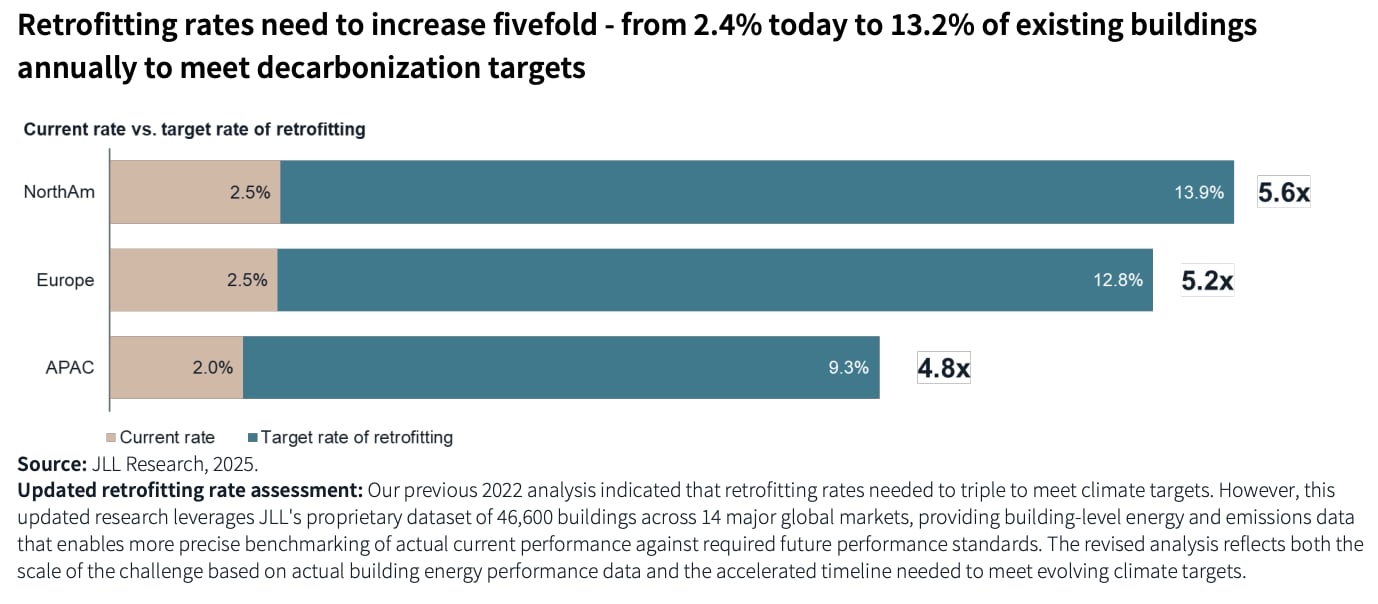
Sustainability has become essential in real estate, with a growing demand for energy-efficient buildings that meet operational performance, employee experience, and technological standards. As market conditions tighten, there's significant value-add potential in retrofitting outdated properties, driven by tenant demand for low-carbon spaces, rising energy costs, stringent regulations, and increased investment momentum. Around 70% of potentially obsolete real estate is located in markets with high sustainability scores, highlighting the need for enhanced retrofitting efforts to achieve decarbonization goals. Tailored strategies are necessary to address sector-specific dynamics for long-term financial benefits.
Financial services, Education
Why real estate's next major value-add opportunity is sustainability
The rise of advanced AI agents is poised to generate significant political, economic, and social impacts, with forecasts estimating a potential global economic benefit of $2.6 trillion to $4.4 trillion annually from generative AI. While these agents offer opportunities for innovation and scientific progress, they also pose risks related to accountability and responsibility when mistakes occur. A notable case involved an AI chatbot from Air Canada that inadvertently locked the airline into a legal dispute over a fare promise. There is an urgent need for comprehensive rules concerning the responsibilities tied to AI agents to ensure beneficial human-agent interactions.
We need a new ethics for a world of AI agents
Spatial data, a digital footprint that identifies geographic locations, is essential in various critical applications, including logistics, urban planning, climate monitoring, and national security. It reveals not only location but also insights into timing, methods, stakeholders, and underlying patterns. Given its importance, understanding the cybersecurity risks associated with spatial data and strategies for mitigation is vital for safeguarding this valuable information.
ICT
Spatial data: What is it and why is cybersecurity so vital to it?