
Publications

INSIGHT REPORT

Pioneering the Future: Space

Technologies Poised to Revolutionize

Exploration and Economy by 2035

September 2026

FACTSHEETS

Pioneering the Future: Space

Technologies Poised to Revolutionize Exploration and Economy by 2035

June 2026

WHITE PAPER

Future of Space Law:

Operationalizing Space Governance

March 2026

REPORT

Clear Orbit, Secure Future:

 A Call to Action on Space Debris

Jan 2026

WHITE PAPER

The Future of Space Law

Insights from the ATS, UNCLOS, and ITU Frameworks

December 2025

WHITE PAPER

The Future of Space Law: 

The Evolving Dynamics of Air and Space Regulation

 September  2025

The Future Of Space Law

News

Centre for Space Futures, Novaspace and SpaceTech Gulf  Sign Agreement to Develop Global Space Capability Mapping Dashboard

Riyadh, Saudi Arabia , 23 Jun 2026|  Press Release

Clear Orbit, Secure Future: A Call to Action on Space Debris

Riyadh, Saudi Arabia, 26 Jan 2026 | Press Release

Centre for Space Futures Holds Workshop with Participation of 40 Global Experts

Riyadh, Saudi Arabia, 05 Dec 2025 | Press Release

Centre for Space Futures Releases White Paper on 'The Future of Space Law'

Riyadh, Saudi Arabia, 12 Sep 2025 | Press Release

The Board of Directors of the Centre for Space Futures Endorses Its Strategic Direction

Riyadh, Saudi Arabia, 26 May 2025 | Press Release

Saudi Space Agency to Launch the Centre for Space Futures with the World Economic Forum

Riyadh, Saudi Arabia, 29 April | Press Release

5 ways we can tackle growing risks from rocket bodies in orbit

Dec 09, 2025 | Economic Growth, Stories

Read More

Forum Agenda

Forum Videos

VIDEO

Press Conference: Centre for Space Futures in Riyadh

The World Economic Forum's Special Meeting, April 29, 2024

VIDEO

The Purpose of Astronauts at Davos 2024

World Economic Forum , March 9, 2024

VIDEO

PortWatch: Monitoring Trade Disruptions from Space

World Economic Forum , Dec 18, 2023

VIDEO

India's Moon Mission Triumph: Ambassador Ruchira Kamboj's Insights

World Economic Forum , Aug 23, 2023

VIDEO

Space Exploration is Back at Davos 2023

World Economic Forum , Feb 16, 2023

Forum Publications

Strategic Intelligence Insights

A new UN treaty, known as the high seas treaty or BBNJ Agreement, aims to protect two-thirds of the world's oceans by creating marine protected areas and regulating environmental impacts, set to take effect in January 2026. While encouraging biodiversity conservation, the treaty could lead to conflicts over resource control, particularly with deep-sea mining interests. Countries that do not ratify the treaty, like China and the US, will be exempt from its rules but lose influence in ocean governance. The treaty also outlines equitable sharing of genetic resources, yet fishing activities remain unaffected. Future discussions will clarify implementation details amid competing interests.
Antarctica
A landmark treaty could protect the high seas – and spark new conflicts
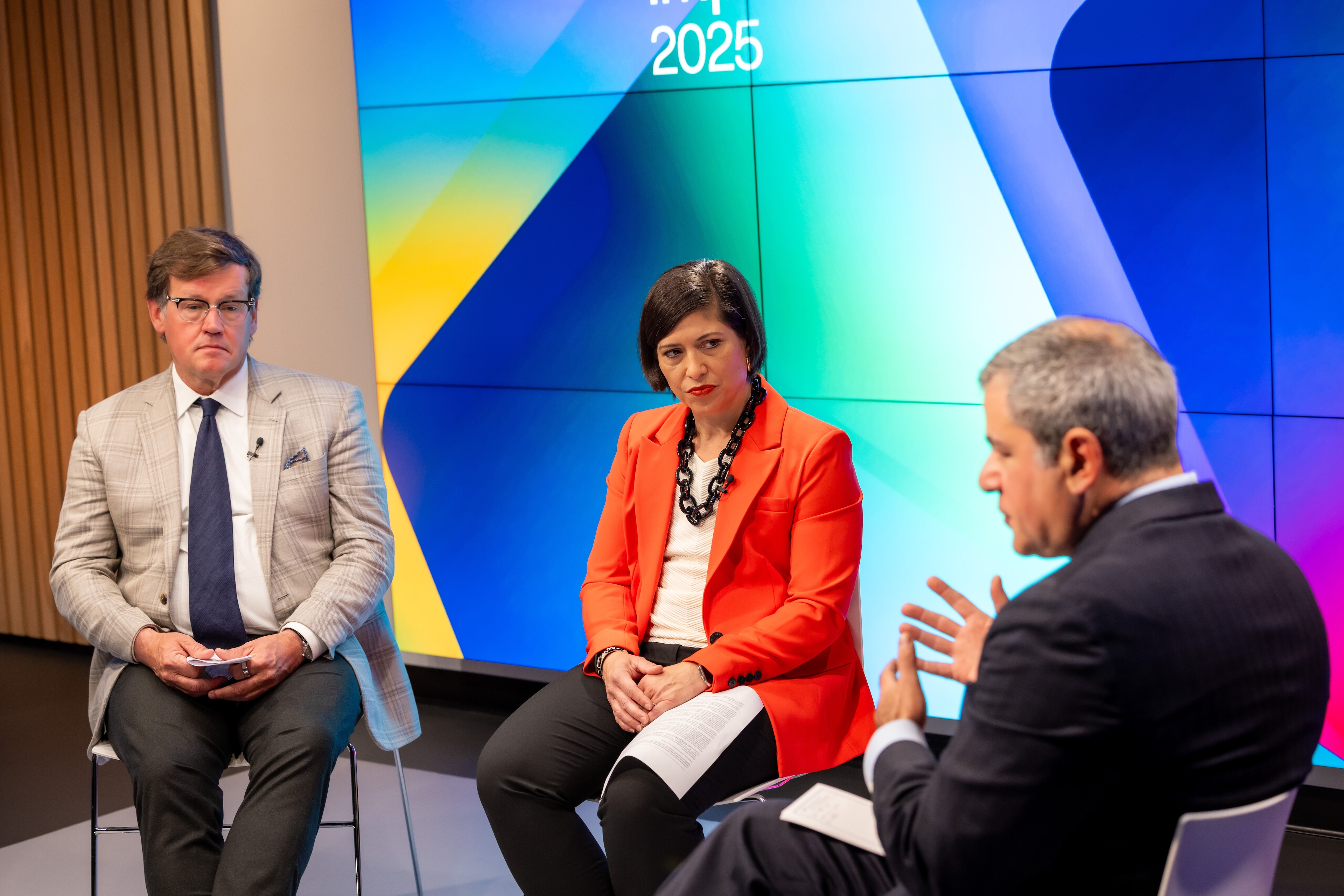
Global energy transition demonstrates resilience amid geopolitical and policy challenges, as discussed at the World Economic Forum's Sustainable Development Impact Meetings 2025. Experts indicate that clean energy deployment will continue its global rise, driven by energy security and affordability considerations. A JPMorganChase report highlights the strategic importance of navigating energy resilience through critical resources and alliances. Additionally, researchers in China have developed a coating that can turn windows into efficient solar panels. Leaders from various regions are advocating for significant funding to support developing countries in the green energy transition.
Egypt, India, Nigeria, United Kingdom | Financial services, Health
Global energy transition shows resilience despite headwinds, and more top energy stories

AI is revolutionizing sustainability reporting by automating data collection, validating disclosures, and enhancing supply chain visibility, which helps organizations meet complex regulatory demands. While AI improves accuracy and streamlines compliance, it's crucial to pair AI's capabilities with human judgment, ensuring transparency and trust. It enables real-time tracking of emissions and supply chain metrics, facilitating tailored reporting and compliance across jurisdictions. Furthermore, AI supports climate risk management through predictive tools. However, reliance on AI poses risks of errors without adequate oversight, emphasizing the need for caution in its application.
How AI can transform sustainability reporting
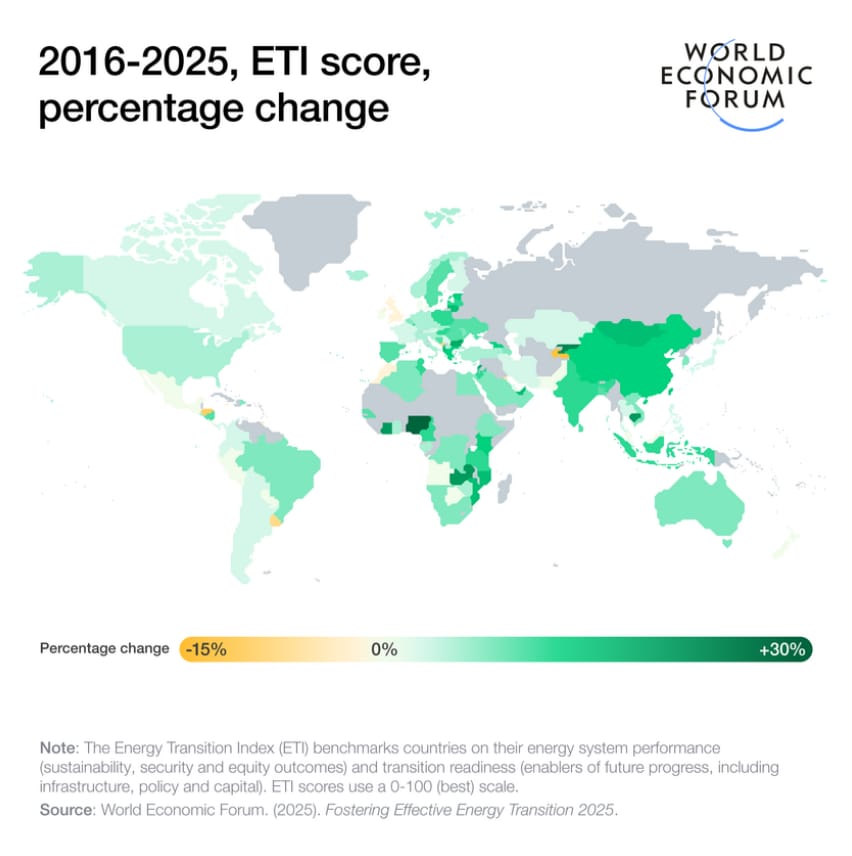
The energy transition is currently hindered by geopolitical tensions, increasing demand, and nations prioritizing energy security over sustainability. Despite a 1.1% rise in the World Economic Forum's Energy Transition Index 2025, challenges including policy fragmentation and market dynamics persist. Experts at the Sustainable Development Impact Meetings 2025 highlighted that while energy security drives urgency, global innovation in renewable technologies continues, particularly in Europe and China. Countries like India are reinforcing domestic energy strategies to reduce dependency on imports, emphasizing that energy transitions will eventually align with climate, affordability, and security goals.
Algeria, Angola, Argentina, Bolivia, Chad, Colombia, Egypt, El Salvador, Estonia, Eswatini, Ethiopia, Georgia, Germany, Ghana, Guatemala, Guinea, Haiti, Hungary, India, Indonesia, Jamaica, Japan, Jordan, Kenya, Kuwait, Luxembourg, Mongolia, Namibia, Nigeria, Pakistan, Paraguay, Peru, Philippines, Poland, Qatar, Russian Federation, Rwanda, Saudi Arabia, Senegal, Serbia, Seychelles, Singapore, South Africa, Sweden, Switzerland, Taiwan, China, Tanzania, Thailand, Trinidad and Tobago, Tunisia, Uganda, Ukraine, United Arab Emirates, United Kingdom, Venezuela, Viet Nam, Zimbabwe | Financial services, ICT, Education, Health
A new age of energy security: navigating the energy transition amid geopolitical shifts

Scope 3 downstream emissions represent a significant challenge for corporations, often constituting the largest portion of their carbon footprints. Companies like Schneider Electric, Vestas, DHL, and Banco Bilbao Vizcaya Argentaria have developed innovative solutions that address these emissions by focusing on sustainable design, collaboration, smart logistics, and financing. Schneider Electric’s AirSeT technology eliminates harmful SF6 emissions, while Vestas utilizes low-emission steel in wind turbines, significantly cutting lifecycle emissions. DHL’s GoGreen Plus integrates sustainability into logistics, achieving considerable CO2e reductions. These initiatives demonstrate the potential for systemic change through scalable, collaborative approaches that enhance climate resilience and business value.
Financial services
4 winning solutions that address downstream Scope 3 emissions
India is emerging as a significant player in the global LNG market, securing long-term contracts with Qatar and flexible access to U.S. supplies, which helps manage costs and price fluctuations. A major deal with Qatar Energy will provide India with 10.35 bcm of LNG annually from 2028 to 2048, securing 35% of its LNG needs and achieving substantial cost savings. With increasing demand projected to reach 64 bcm annually by 2030, India’s strategic diversification of suppliers and infrastructure investment, supported by state-owned companies, is crucial for energy security and shapes competition in the EU gas market.
Ghana, India, Mauritius
From Spot to Security: India’s LNG Strategy and EU Energy Security
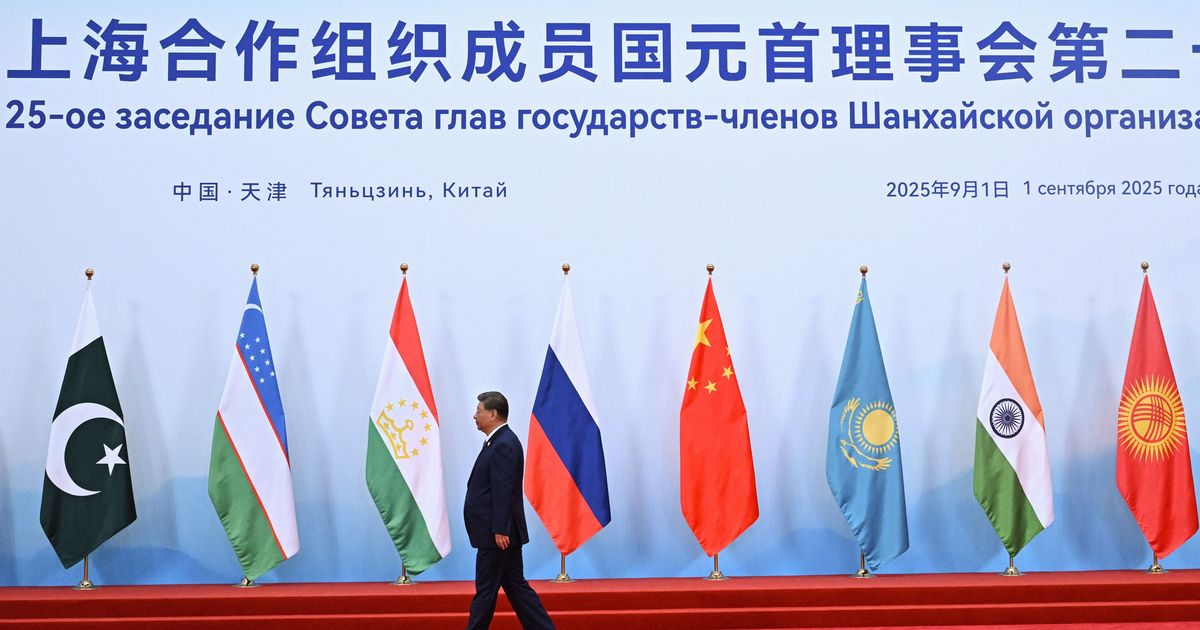
The Shanghai Cooperation Organization (SCO) summit in Tianjin gathered over 20 heads of state, marking a significant moment for China's Global Governance Initiative (GGI), presented by Xi Jinping. The GGI is built on four pillars: development, security, civilization, and governance, aiming to forge a "community with a shared future for mankind." The initiative emphasizes sovereign equality, respect for international law, multilateral cooperation, and a "people-centered" approach to global issues. By promoting these concepts, China seeks to reshape the international order and position itself as a leader among both major and smaller nations, challenging Western-dominated frameworks.
Germany, Russian Federation, Singapore, Taiwan, China | Financial services
China’s Claim to a New World Order
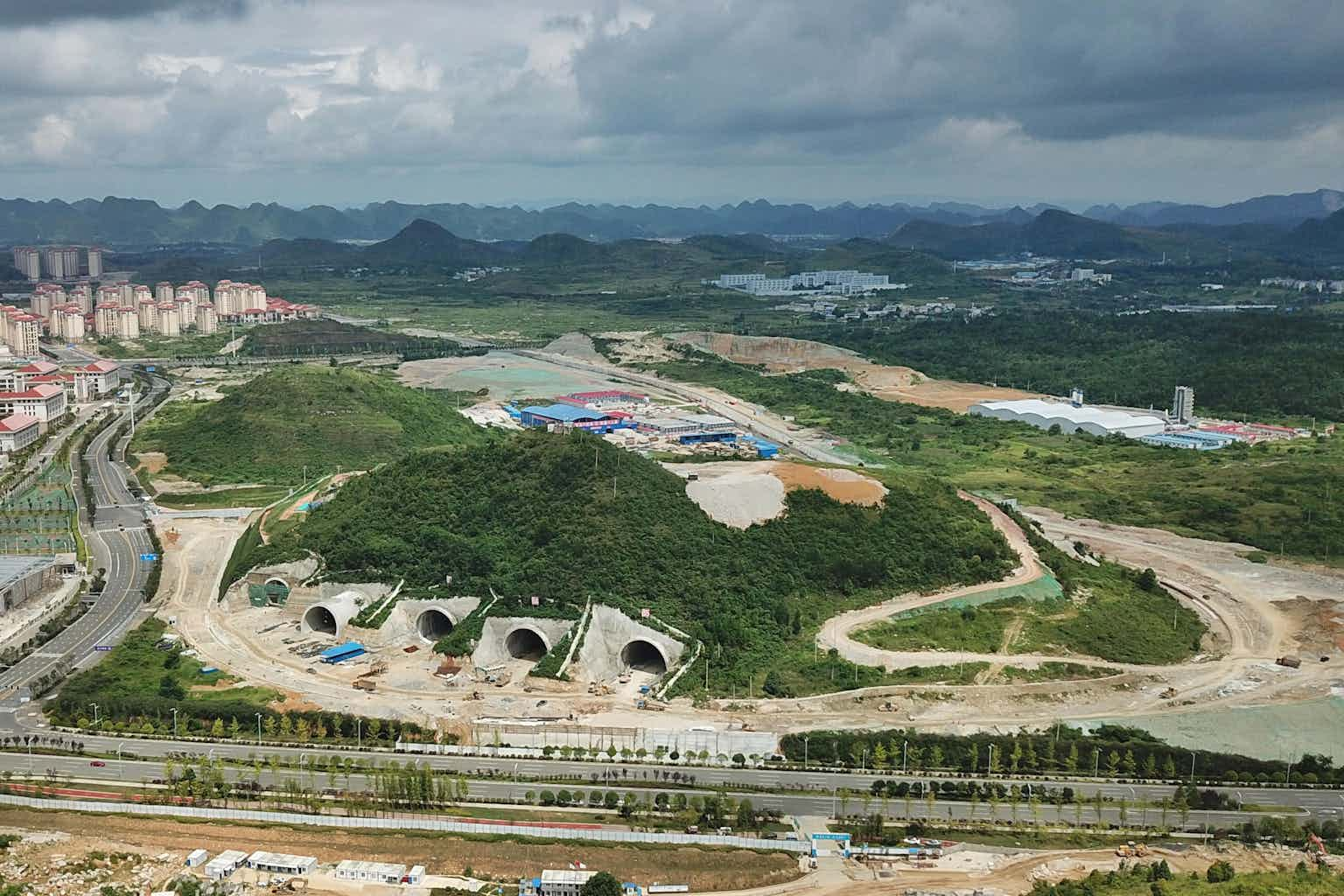
Underground facilities, originally designed for military purposes, are being repurposed as high-tech data storage centers due to rising concerns about data protection. Notable examples include the Cyberfort bunker in England, repurposed from a nuclear command center, and various sites worldwide, such as abandoned mines and military bases in Sweden, Switzerland, and the U.S. These facilities reflect modern anxieties about data loss, depicting how digital information has become a valuable asset, often described as the "new gold" in today's technology-driven society.
Financial services
Underground data fortresses: the nuclear bunkers, mines and mountains being transformed to protect our ‘new gold’ from attack
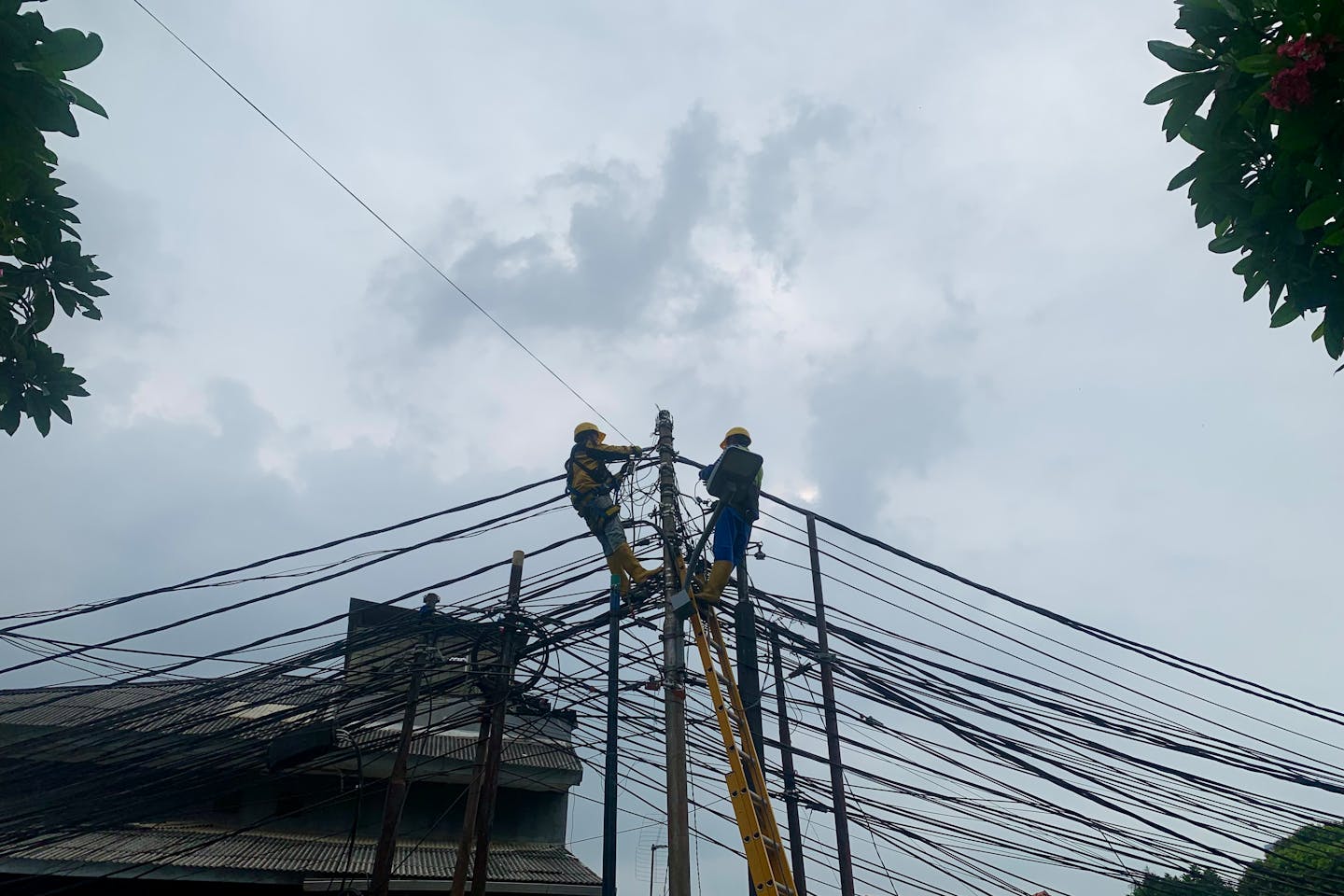
Southeast Asia's clean energy transition is facing significant challenges due to geopolitical instability, financial constraints, and outdated infrastructure, according to a survey by the Sustainable Energy Association of Singapore. While Singapore remains a key player, its perceived leadership has declined sharply from 95% to 51.4%. Malaysia and Vietnam are emerging as competitors. Key obstacles identified include grid fragmentation, regulatory uncertainty, and financing issues, with over half of respondents citing regional conflicts as a major threat. The survey underscores the urgent need for stronger cross-border coordination and resilient infrastructure to support the transition towards net-zero ambitions.
Brunei Darussalam, Cambodia, Denmark, Egypt, Estonia, Ghana, Hungary, Indonesia, Kuwait, Malaysia, Philippines, Qatar, Republic of Korea, Senegal, Serbia, Seychelles, Singapore, Sweden, Taiwan, China, Thailand, Viet Nam | Financial services
Southeast Asia's clean energy transition marred by geopolitical and financial risk, survey shows

A decade after the adoption of the Sustainable Development Goals (SDGs), global political fragmentation poses challenges to improving lives and protecting the planet. Nonetheless, progress in green growth is being driven by businesses, innovations, and regional alliances. Advances in technology, such as AI for efficiency and new financial tools like blue bonds, are facilitating the green transition. Commitment to decarbonization has significantly improved climate forecasts, and notable agreements, like those reached at COP29, have bolstered financing for developing countries. Businesses are increasingly prioritizing sustainability in response to evolving regulations and market demands.
Nigeria | Health
A decade since the SDGs, a green growth agenda is growing
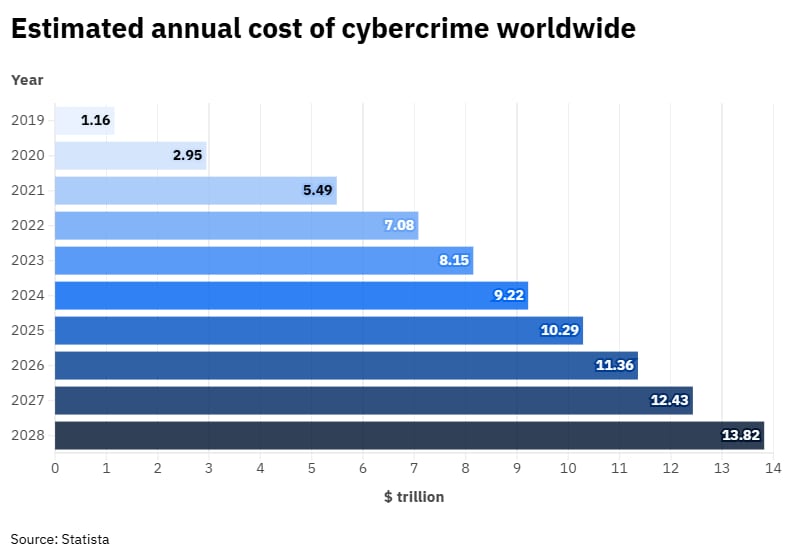
A cyber-attack on a major airline technology provider caused significant disruptions across European airports, forcing a return to manual check-in systems and highlighting vulnerabilities in highly digitized processes. The incident underscores the urgent need for enhanced cyber resilience in critical infrastructure, particularly in aviation, which is susceptible to cascading failures due to its complex interdependencies. Key principles for building resilience include understanding systemic failures, increasing executive awareness of security risks from third-party suppliers, and ensuring continuous monitoring and transparency in cybersecurity practices.
Seychelles | Education, Health, Financial services, ICT
Grounded. Why the European airports cyber incident is a wake-up call

Over two-thirds of economists predict that artificial intelligence will be commercially disruptive in the coming year, with significant earnings expected from heavy investments in AI infrastructure. Large tech firms, particularly the "Magnificent Seven," are experiencing soaring valuations due to unprecedented capital expenditures, contrasting with smaller companies facing investor caution. While U.S. equity markets reflect heightened optimism, particularly in technology, the sustainability of these valuations remains in question. Investors must balance optimism with caution as risks linger in sectors slower to adopt AI technologies, making informed decision-making essential for navigating the current market landscape.
Financial services, Education, ICT
Artificial Intelligence: ‘Less a bubble and more a boom’ - why market optimism for AI’s future is justified
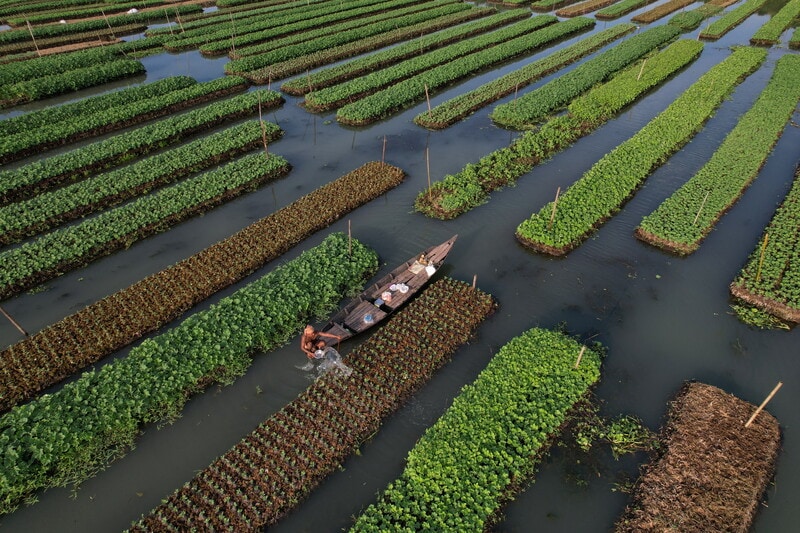
Reframing climate change as a human problem emphasizes the vulnerability of interconnected systems such as health, food, and economies at risk due to global warming. Solutions that focus on human needs, like Bangladesh’s floating farms and India’s community-driven waste management, demonstrate effective adaptations. Reports indicate that climate change is already harming health and livelihoods, causing over 250,000 deaths annually and displacing millions. By connecting climate impacts to daily life, communities are motivated to innovate and act, promoting policies that prioritize human experience alongside environmental sustainability.
Bangladesh, Nigeria | Financial services, Health
Why we must reframe climate change as a human problem, not a planetary one

The rapid expansion of data centres, essential for powering AI technologies, raises significant environmental concerns due to their energy use and associated carbon emissions. Currently, data centres account for just over 1% of global electricity demand and 0.5% of CO2 emissions, with projections suggesting they may reach 1% of emissions by 2030. The International Energy Agency (IEA) estimates that data-centre electricity consumption could double by 2030, driven largely by AI, contributing to about 10% of global demand growth, though this is still less than other sectors like transportation and industrial use.
AI: Five charts that put data-centre energy use – and emissions – into context
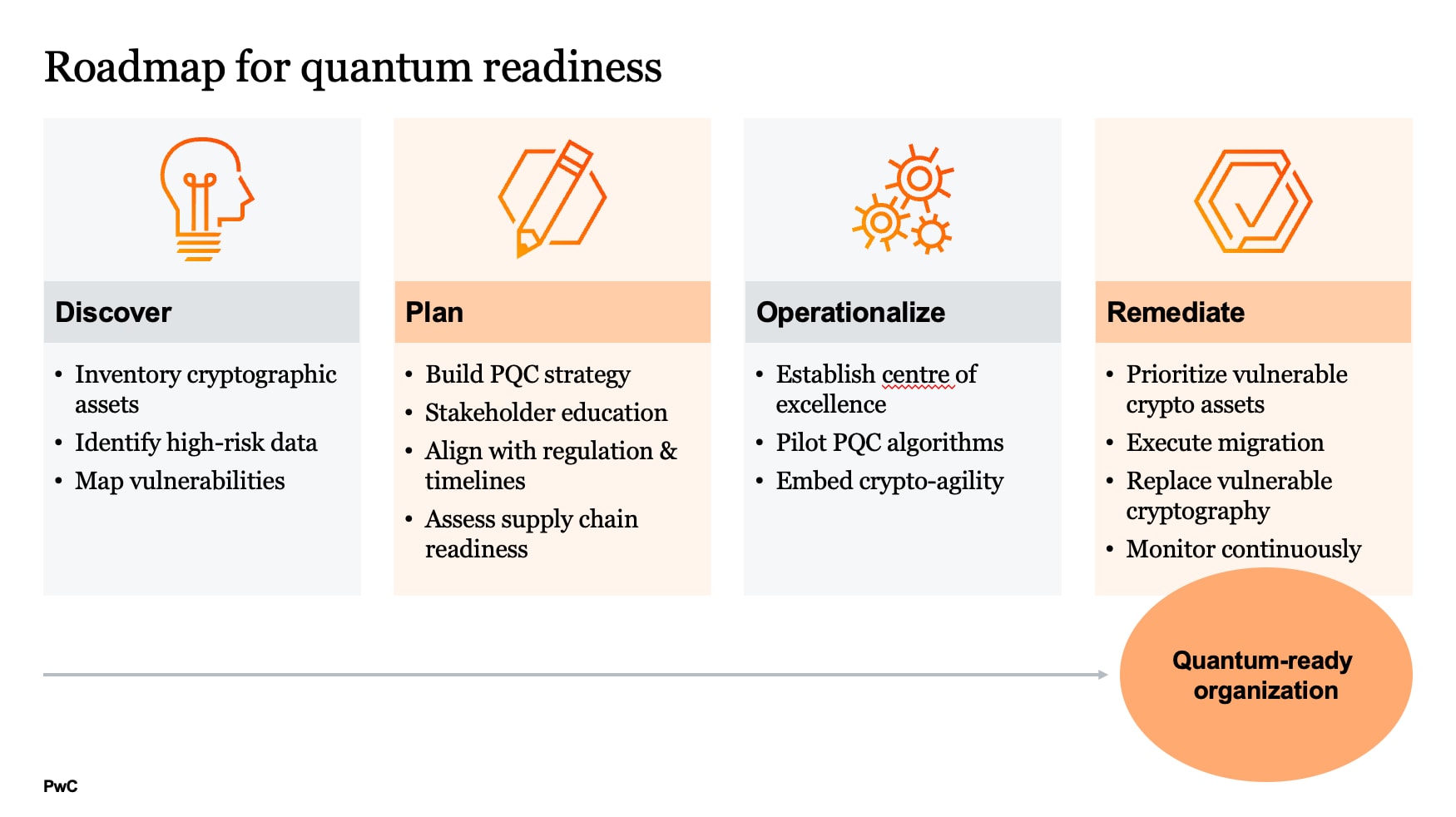
Quantum computing poses a significant threat to the pharmaceutical and life sciences sectors by undermining current encryption standards crucial for protecting clinical trials, intellectual property, and patient health data. Organizations must act swiftly to transition to post-quantum cryptography, as cryptographically relevant quantum computers (CRQCs) could emerge by 2030-2035. The sector's long data lifecycles and reliance on global partnerships compound risks, exposing them to espionage and data breaches. Immediate preparation is essential to mitigate vulnerabilities and maintain data integrity, as regulatory pressures necessitate transition roadmaps and skilled personnel are limited.
Financial services, Education, ICT
Why pharma and life sciences must act now on the quantum threat

Information may be a fundamental building block of the universe, providing a new framework to understand dark matter and dark energy. The quantum memory matrix (QMM) concept posits that spacetime consists of discrete cells that record interactions, addressing the black hole information paradox by ensuring that information is conserved during black hole evaporation. This framework also suggests that the distribution of quantum information influences spacetime geometry. Clusters of these imprints can explain dark matter's behavior, while equations related to spacetime saturation align with dark energy, proposing both phenomena as related aspects of information. Additionally, the universe may undergo cyclic expansions and contractions, indicating a much longer cosmic timeline.
Information could be a fundamental part of the universe – and may explain dark energy and dark matter
Donald Trump’s statement at the United Nations, "Get away from the green scam or your country will fail," frames climate policy as a cultural and geopolitical battle, specifically targeting Europe. He positions clean energy initiatives as un-American, promoting fossil fuels as patriotic symbols of strength. This rhetoric seeks to mobilize support among his base while undermining the economic case for decarbonization. Europe, facing its own energy crisis exacerbated by the Ukraine invasion, is caught in a struggle between U.S. demands for fossil fuel imports and its renewable energy ambitions. The complex interplay of energy, climate, and global trade dynamics complicates Europe's strategic position.
France, Germany, Nigeria, Taiwan, China, Ukraine, United Kingdom | Financial services
"Get Away from the Green Scam or Your Country Will Fail" - Trump, the Climate Culture War, and Europe's Dignity

Sustainable finance is becoming mainstream, with significant capital flows into food systems, nature, industry, and infrastructure. Debt issuance surpassed $1 trillion in 2024, and private nature finance has increased over elevenfold since 2020, driven by risks from extreme weather and resource insecurity. Key sectors are emerging, such as regenerative agriculture, which saw climate finance rise over 300% since 2019. Opportunities in nature finance are projected at $10 trillion by 2030, while industrial decarbonization remains challenging, needing $1.6 trillion despite only $250 billion mobilized. Action is essential for leaders to capture early market advantages.
Nigeria | Education, Health, Financial services
Sustainable finance in 2025: These are the key sectors redefining global markets

Remote work has a carbon footprint linked to digital infrastructure like video conferencing and cloud storage, which can negate the benefits of reduced commuting. An hour-long HD video call can emit significant CO2, and constant use of digital services drives energy demand in data centers. To mitigate emissions, organizations can adopt measures such as lowering video resolution, shifting to asynchronous workflows, evaluating cloud sustainability, and integrating carbon tracking. Technology can further enhance sustainability through AI optimization and green software engineering. Companies need to include digital collaboration emissions in their environmental, social, and governance (ESG) frameworks.
Financial services, Education, Health, ICT
The carbon footprint of remote work: Designing low-carbon digital collaboration
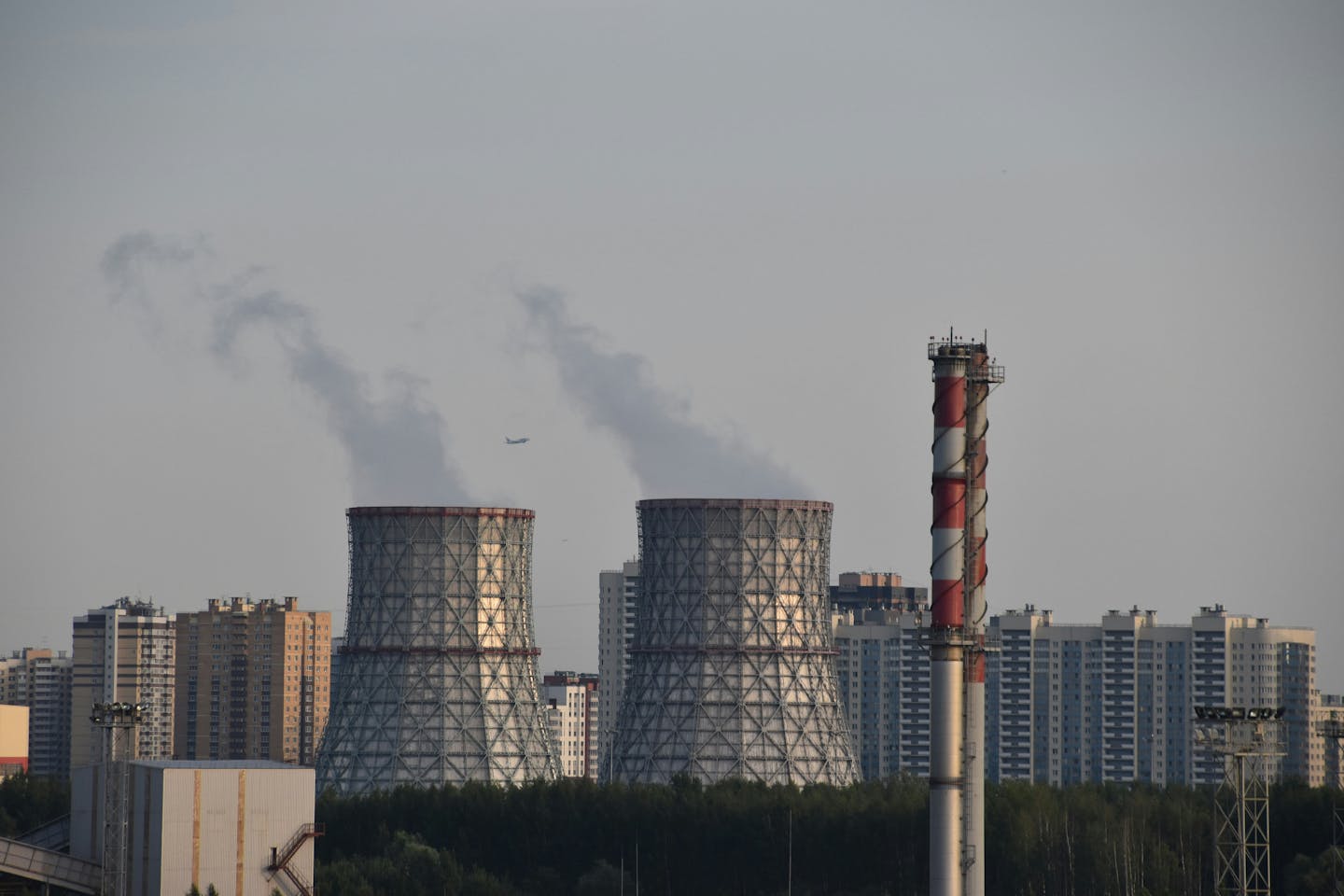
China's recent commitment at the Shanghai Cooperation Organisation (SCO) summit to invest in 10 GW of solar and 10 GW of wind power across member countries represents a significant increase in its energy cooperation efforts. This builds on previous investments and may enhance China's role in global clean energy deployment. The revival of the Power of Siberia-2 gas pipeline could further increase Russian gas imports to China. These developments may shift energy transitions in SCO nations, boost Chinese clean energy partnerships, and contribute to global climate goals, despite potential reputational risks associated with investing in Russia.
Bolivia, India, Nigeria, Pakistan, Russian Federation, Seychelles
Roundtable: How has the SCO summit impacted the global energy landscape?