
Publications

INSIGHT REPORT

Pioneering the Future: Space

Technologies Poised to Revolutionize

Exploration and Economy by 2035

September 2026

FACTSHEETS

Pioneering the Future: Space

Technologies Poised to Revolutionize Exploration and Economy by 2035

June 2026

WHITE PAPER

Future of Space Law:

Operationalizing Space Governance

March 2026

REPORT

Clear Orbit, Secure Future:

 A Call to Action on Space Debris

Jan 2026

WHITE PAPER

The Future of Space Law

Insights from the ATS, UNCLOS, and ITU Frameworks

December 2025

WHITE PAPER

The Future of Space Law: 

The Evolving Dynamics of Air and Space Regulation

 September  2025

The Future Of Space Law

News

Centre for Space Futures, Novaspace and SpaceTech Gulf  Sign Agreement to Develop Global Space Capability Mapping Dashboard

Riyadh, Saudi Arabia , 23 Jun 2026|  Press Release

Clear Orbit, Secure Future: A Call to Action on Space Debris

Riyadh, Saudi Arabia, 26 Jan 2026 | Press Release

Centre for Space Futures Holds Workshop with Participation of 40 Global Experts

Riyadh, Saudi Arabia, 05 Dec 2025 | Press Release

Centre for Space Futures Releases White Paper on 'The Future of Space Law'

Riyadh, Saudi Arabia, 12 Sep 2025 | Press Release

The Board of Directors of the Centre for Space Futures Endorses Its Strategic Direction

Riyadh, Saudi Arabia, 26 May 2025 | Press Release

Saudi Space Agency to Launch the Centre for Space Futures with the World Economic Forum

Riyadh, Saudi Arabia, 29 April | Press Release

5 ways we can tackle growing risks from rocket bodies in orbit

Dec 09, 2025 | Economic Growth, Stories

Read More

Forum Agenda

Forum Videos

VIDEO

Press Conference: Centre for Space Futures in Riyadh

The World Economic Forum's Special Meeting, April 29, 2024

VIDEO

The Purpose of Astronauts at Davos 2024

World Economic Forum , March 9, 2024

VIDEO

PortWatch: Monitoring Trade Disruptions from Space

World Economic Forum , Dec 18, 2023

VIDEO

India's Moon Mission Triumph: Ambassador Ruchira Kamboj's Insights

World Economic Forum , Aug 23, 2023

VIDEO

Space Exploration is Back at Davos 2023

World Economic Forum , Feb 16, 2023

Forum Publications

Strategic Intelligence Insights

The data centre industry is projected to surpass $135 billion by 2026, driven by growing demands in technology, including AI and cloud computing. However, a significant skills gap poses a threat, with over half of operators struggling to retain qualified staff. To address this issue, a collaborative effort among governments, industry leaders, and educational institutions is necessary. An effective workforce requires both technical skills, such as knowledge in server hardware and cybersecurity, and non-technical skills like problem-solving and teamwork. Initiatives like Microsoft's Datacenter Academy and AWS Workforce Accelerator exemplify successful partnerships that aim to align educational programs with industry needs and create a sustainable talent pipeline.
Education, ICT
The data centre boom needs a resilient workforce – here’s how to build one

Rich countries can potentially generate US$6.6 trillion annually for climate action by implementing policies such as taxing extreme wealth, phasing out fossil fuel subsidies, and reforming global financial rules, according to a report by Oil Change International. The report emphasizes that a progressive wealth tax could yield US$3.5 trillion, while ending fossil fuel subsidies might add another US$1.1 trillion. Additionally, cutting military spending could contribute approximately US$280 billion. The findings highlight the need for political will to utilize these funds for urgent investments in renewable energy and climate resilience, particularly in vulnerable developing nations.
Nigeria | Financial services, Health
Rich countries could free up US$6.6 trillion a year for climate action, study finds

More than 1,000 global leaders convened in New York for the World Economic Forum’s Sustainable Development Impact Meetings 2025 (SDIM25), coinciding with the 80th United Nations General Assembly. Discussions focused on urgent global challenges, including humanitarian crises, inclusive economic growth, and climate action, amidst an uncertain geopolitical landscape. Key sessions addressed energy security, environmental sustainability, and the relationship between technology and societal trust. Notable participants included leaders from government and international organizations, emphasizing the need for multilateral cooperation and proactive global engagement to tackle pressing issues.
Barbados, Burkina Faso, Chad, Egypt, Ethiopia, Ghana, Guinea, Indonesia, Luxembourg, Malawi, Namibia, Nigeria, Seychelles, Singapore, Sweden, Ukraine, United Arab Emirates, United Kingdom, Zimbabwe | Financial services, Education, ICT, Health
SDIM 2025: Surprising stats and key conversations from our New York meetings
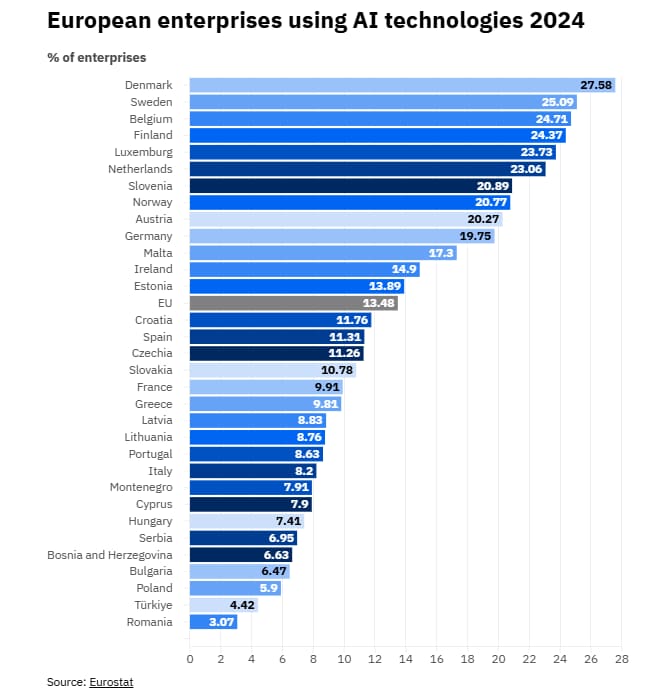
Europe is significantly behind the US in AI adoption, with over half of large organizations not scaling transformative investments. Key findings highlight that supportive regulations, assistance for SMEs, and resilient national ecosystems are crucial for boosting adoption. The EU's AI Act of 2024 and the AI Continent Action Plan aim to establish Europe as a global leader by promoting AI in strategic sectors, enhancing infrastructure, and fostering innovation. Despite regulatory efforts, fragmented progress across EU countries poses challenges. Investment trends indicate a growing risk for Europe to miss out on economic opportunities in the AI sector.
Belgium, Denmark, Estonia, Iceland, Ireland, Netherlands, Sweden | Education, ICT
Europe is lagging in AI adoption – how can businesses close the gap?

The silver transition refers to the impending transfer of approximately $84 trillion to the next generation in the U.S. by 2045, as many baby boomers retire. Currently, half of U.S. privately owned businesses face succession challenges, often leading to business closures or acquisitions by larger entities. In response, many business leaders are considering steward-ownership as a solution, which separates economic rights from voting rights, allowing businesses to remain purpose-oriented and independent. This model is exemplified by Bosch and Patagonia, allowing a wider range of successors beyond just family members, thus preserving the integrity and continuity of businesses.
What is the silver transition and how is it reshaping business succession planning?
The global economy faces challenges such as inflation and lower growth in specific regions, while other areas show resilience. Chief economists highlight underappreciated trends affecting innovation, labor markets, and finance. AI is viewed as a potential breakthrough technology, enhancing research productivity and economic growth, although its benefits may unevenly impact industries. Labor markets are influenced by an aging population and declining participation rates, exacerbating labor shortages in critical sectors. Additionally, the rise of cross-country multi-issuance stablecoins poses emerging risks to financial stability.
Argentina, Australia, Austria, Bahrain, Barbados, Belgium, Benin, Bolivia, Bulgaria, Burkina Faso, Cambodia, Canada, Chad, Chile, Colombia, Costa Rica, Cyprus, Czech Republic, Denmark, Dominican Republic, Ecuador, Egypt, El Salvador, Estonia, Ethiopia, Finland, Georgia, Germany, Ghana, Greece, Guatemala, Hungary, Iceland, India, Indonesia, Ireland, Israel, Italy, Jamaica, Japan, Jordan, Kazakhstan, Kenya, Kyrgyz Republic, Latvia, Lesotho, Lithuania, Luxembourg, Malawi, Malaysia, Mali, Malta, Mauritius, Mexico, Moldova, Morocco, Mozambique, Namibia, Nepal, Netherlands, New Zealand, Nigeria, Oman, Pakistan, Panama, Paraguay, Peru, Philippines, Poland, Portugal, Qatar, Republic of Korea, Russian Federation, Rwanda, Saudi Arabia, Senegal, Seychelles, Singapore, Slovakia, South Africa, Spain, Sri Lanka, Sweden, Switzerland, Taiwan, China, Tajikistan, Tanzania, Thailand, Tunisia, Türkiye, Uganda, Ukraine, United Arab Emirates, United Kingdom, Uruguay, Venezuela, Viet Nam, Yemen, Zambia, Zimbabwe | Education, Health, ICT, Financial services
What isn’t getting enough attention? These under-the-radar trends, according to chief economists

The September 2025 Chief Economists' Outlook analyzes the evolving global economy, highlighting growth, inflation, and the disruptive influence of technology. It emphasizes significant uncertainty due to trade tensions and rapid AI advancements. The report details regional disparities: the US faces subdued growth and inflation, Europe shows fragile improvements, China struggles with deflation, while emerging regions like Sub-Saharan Africa and the Middle East exhibit stronger momentum. It underscores the importance of recognizing systemic risks and opportunities to navigate a transforming global landscape effectively.
Egypt, Ethiopia, Germany, India, Indonesia, Japan, Nigeria, Seychelles, Singapore, Switzerland, Tanzania, Uganda, Ukraine, United Arab Emirates, United Kingdom | Financial services
Chief Economists' Outlook: September 2025

The September 2025 Chief Economists' Outlook examines critical dynamics influencing the global economy, including growth, inflation, policy changes, and technological disruption. It reveals a landscape of increased uncertainty, characterized by trade tensions and rapid advancements in artificial intelligence. Regional economic projections vary: the US faces inflation and subdued growth; Europe is showing fragile improvement; China is under deflationary pressure; while emerging markets like Sub-Saharan Africa and the Middle East exhibit stronger growth. The report emphasizes the necessity for businesses and policymakers to develop adaptive strategies amidst these structural changes and evolving risks.
Algeria, Angola, Argentina, Australia, Austria, Bahrain, Barbados, Belgium, Benin, Bolivia, Brazil, Bulgaria, Burkina Faso, Burundi, Cambodia, Cameroon, Canada, Cape Verde, Chad, Chile, Colombia, Costa Rica, Czech Republic, Democratic Republic of the Congo, Denmark, Dominican Republic, Ecuador, Egypt, El Salvador, Estonia, Eswatini, Ethiopia, Finland, France, Gabon, Georgia, Germany, Ghana, Greece, Guatemala, Guinea, Haiti, Hungary, Iceland, India, Indonesia, Ireland, Israel, Italy, Jamaica, Japan, Jordan, Kazakhstan, Kenya, Kyrgyz Republic, Lebanon, Lesotho, Luxembourg, Madagascar, Malawi, Malaysia, Mali, Malta, Mauritius, Mexico, Moldova, Mongolia, Morocco, Mozambique, Namibia, Nepal, Netherlands, New Zealand, Nigeria, Oman, Pakistan, Paraguay, Peru, Philippines, Poland, Portugal, Qatar, Republic of Korea, Russian Federation, Rwanda, Saudi Arabia, Senegal, Seychelles, Singapore, South Africa, Spain, Sweden, Switzerland, Taiwan, China, Tajikistan, Tanzania, Thailand, Tunisia, Türkiye, Uganda, Ukraine, United Arab Emirates, United Kingdom, Uruguay, Venezuela, Viet Nam, Yemen, Zambia, Zimbabwe | Education, Health, ICT, Financial services
Chief Economists' Outlook: September 2025
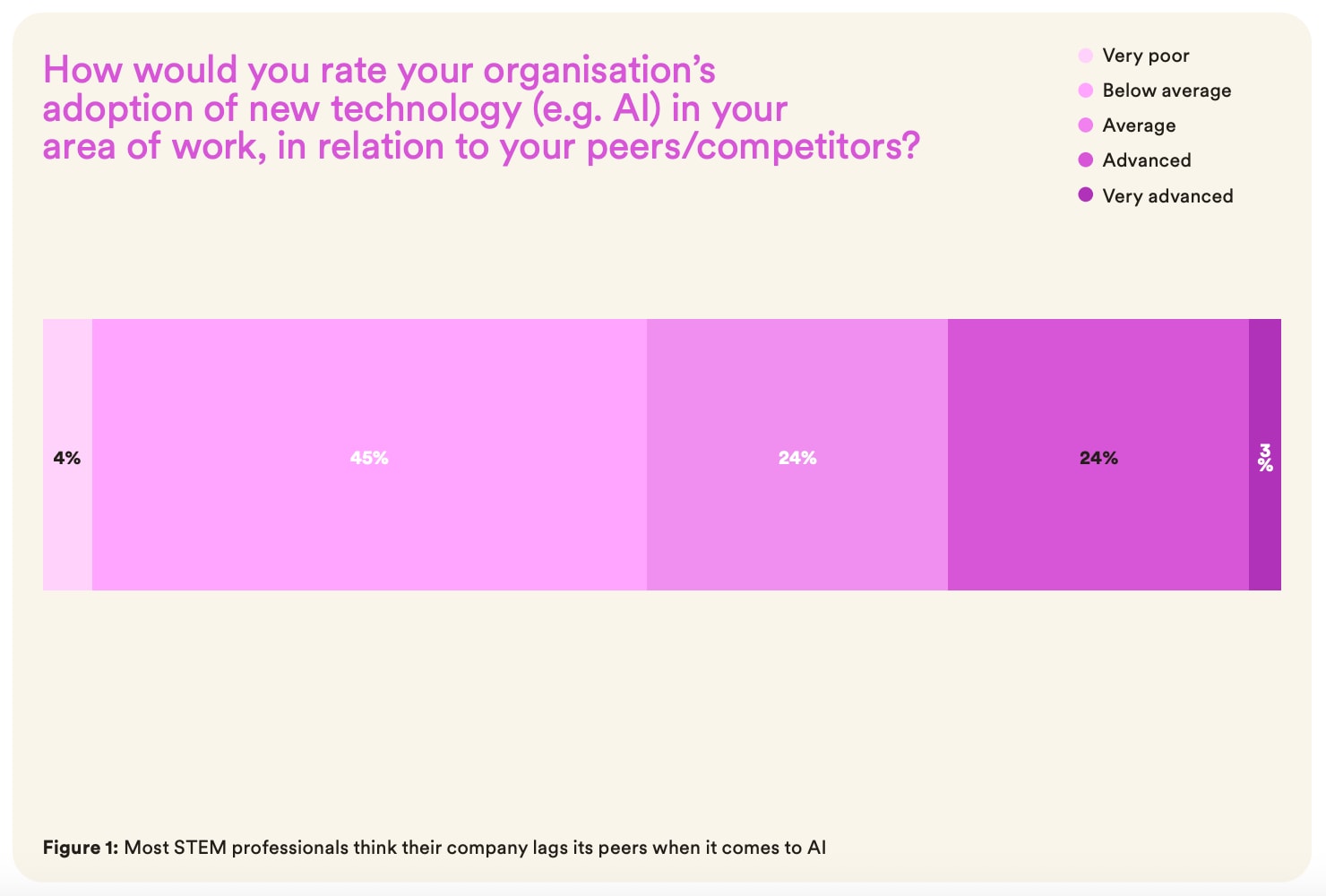
The global competition for STEM talent has intensified, with nations like Switzerland, Singapore, and South Korea making significant investments to attract skilled professionals. Systemic gaps in leadership, infrastructure, and trust are hindering the performance of nations like Germany and the US, leading to inefficiencies and burnout among talent. Effective leadership that values emotional intelligence and innovation is crucial, as is fostering a trusted work environment. Organizations must prioritize embedding technology in their culture and respond to the needs of STEM professionals to prevent talent attrition and ensure national competitiveness.
Singapore | Education
Trust, technology and leadership key to winning the STEM talent race
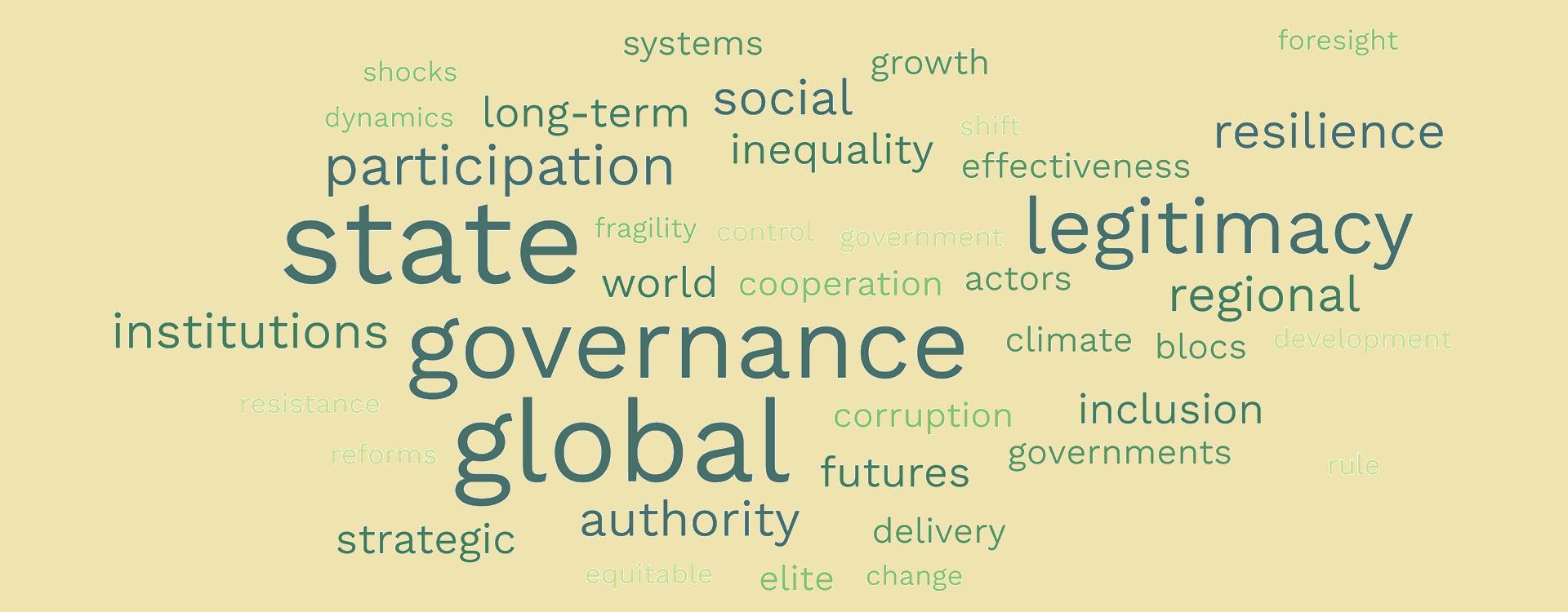
Global South states face significant pressures from climate change, demographic shifts, technology, and geopolitical tensions that challenge their legitimacy, capacity, and governance. A strategic foresight study identifies four potential governance trajectories: the dealmaker, which prioritizes economic growth but risks long-term instability; the system-builder, rooted in cooperation and equity but difficult to achieve; the fractured state, characterized by fragmentation and rising inequality; and the collapsed state, where governance fails entirely. Each trajectory is influenced by external shocks and internal choices, highlighting the complexity and uncertainty of governance futures in the Global South.
Albania, Algeria, Angola, Azerbaijan, Bangladesh, Barbados, Belgium, Benin, Bolivia, Botswana, Brunei Darussalam, Burkina Faso, Cambodia, Cape Verde, Chad, Chile, Colombia, Democratic Republic of the Congo, Denmark, Egypt, El Salvador, Estonia, Eswatini, Ethiopia, Finland, Gabon, Georgia, Germany, Ghana, Greece, Guatemala, Guinea, Haiti, Hungary, Iceland, Indonesia, Ireland, Israel, Jamaica, Japan, Jordan, Kenya, Kuwait, Kyrgyz Republic, Latvia, Lebanon, Lesotho, Luxembourg, Madagascar, Malawi, Malaysia, Mali, Mauritania, Moldova, Mongolia, Montenegro, Mozambique, Namibia, Netherlands, New Zealand, Nigeria, Pakistan, Paraguay, Peru, Philippines, Poland, Portugal, Qatar, Republic of Korea, Russian Federation, Rwanda, Saudi Arabia, Senegal, Serbia, Seychelles, Singapore, Slovakia, South Africa, Sweden, Switzerland, Taiwan, China, Tanzania, Thailand, Tunisia, Uganda, Ukraine, United Arab Emirates, United Kingdom, Uruguay, Venezuela, Viet Nam, Yemen, Zambia, Zimbabwe | Health, Financial services, Education
Under pressure: governance futures in the Global South

The Schwab Foundation's 2026 Social Innovation Awards celebrate 24 finalists from 18 organizations across 16 countries, recognized for their systemic solutions addressing social inequality and environmental challenges. Notable initiatives include FabricAID in Lebanon, which has diverted textile waste while creating jobs, and Pad-Up Creations in Nigeria, providing biodegradable pads and empowering rural women. Additionally, efforts like Fundación Reimagina in Chile have influenced national education policy. The awards highlight the integration of social value in business strategies, exemplified by companies like Safaricom and VEJA. Collective efforts, such as the RAED Network, further showcase the power of collaboration for systemic change.
Africa | Education, Health, ICT
Meet the finalists of the Schwab Foundation 2026 Social Innovation Awards

Linear policymaking is increasingly inadequate in addressing complex challenges like climate change and technological disruption. Traditional forecasting approaches rely on past trends, which are insufficient for "super-wicked" problems that require strategic foresight. Effective policymaking needs to integrate experimentation, foresight, and anticipatory governance. Proposed frameworks highlight the importance of diagnosing current capacities, identifying barriers to progress, and understanding deep drivers of inaction. Successful examples from countries like Finland demonstrate the value of institutionalizing foresight to create resilient, transformative policies.
Financial services, Health, Education
Why linear policymaking no longer fits complex challenges
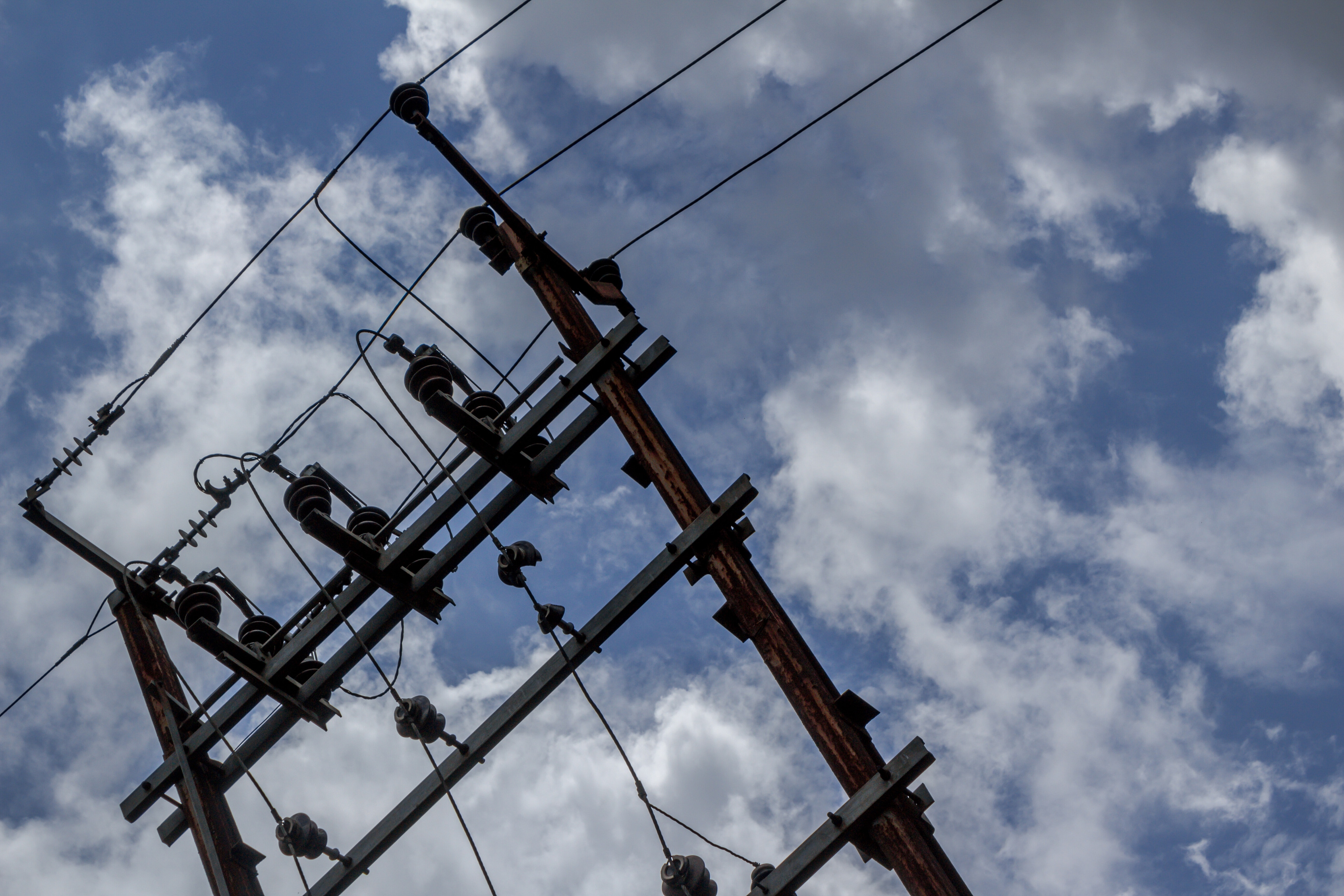
The financing of smart power systems is emerging as a crucial frontier in global competition, centered on who controls the grid and digital economy infrastructure. Nations are investing in high-voltage corridors and clean-power agreements while facing soaring electricity demand from AI and data services. To sustain this demand, grid investments must nearly double to over $600 billion annually by 2030, but fragmented policies are undermining investor confidence. A shift is needed from siloed, short-term financing to integrated, system-level investment strategies that prioritize smart grids, energy storage, and cleaner infrastructure, ultimately ensuring resilience and growth.
Financial services, Education, ICT
Why financing smart power systems is the next strategic frontier

Improving maternal health outcomes in India hinges on addressing three key determinants: access, affordability, and accountability. Despite significant progress in reducing maternal mortality, with a drop to 88 per 100,000 live births in 2022, gaps remain, particularly in the private healthcare sector, which handles nearly half of institutional births. The Manyata initiative exemplifies a successful accreditation framework that enhances quality across private facilities, resulting in increased provider knowledge and adherence to care standards. Sustainable improvements require integration of providers into cohesive quality frameworks beyond public health efforts.
Education, Health
Improving Maternal Health Outcomes in India’s Private Sector
Key principles for enhancing information accessibility in the digital age are outlined in a UNESCO Issue Brief by Andrea Millwood-Hargrave. The brief addresses multilingualism, metadata, and interoperability while calling for transparent and trustworthy information ecosystems. It advocates for inclusive design, transparency, data integrity, legal conformity, efficiency, and flexibility. The document also shares best practices, including Canada's accessibility tools and Chile's open justice initiatives, to support policymakers in fostering equitable access to information and strengthening societal resilience.
Education, Health, ICT
Global challenges for Information accessibility: key principles and good practices in the digital age
Education technology (EdTech) can significantly enhance learning outcomes, personalize instruction, and improve access to quality education, especially for children in low-resource settings and those with disabilities. However, the collection of student data raises serious concerns such as privacy violations and biased profiling. To tackle these challenges, UNICEF, in collaboration with UNESCO and the Global Privacy Assembly, produced a landscape review on EdTech data governance. This review identifies key stakeholders, obstacles, and existing governance mechanisms, offering policy recommendations like strengthening legal frameworks and promoting multi-stakeholder collaboration to protect children's rights while fostering innovation in education.
Health, Education, ICT
Data Governance for EdTech
Kenya, often called the "Silicon Savannah," is emerging as a technological hub in East Africa, with AI startups driving significant developmental advancement. However, there are critical challenges regarding AI inclusivity and local ownership, as most advancements currently favor urban populations and foreign companies. Issues such as gender inequality, a shortage of skilled professionals, and the embedding of foreign values in AI systems hinder the establishment of a robust domestic ecosystem. There is a pressing need for AI sovereignty to ensure the protection of technological growth, prioritizing local needs through community innovation and investment in infrastructure.
Ethiopia, Kenya, Mali, Nigeria, Rwanda, Senegal, South Africa, Tanzania, Uganda | Education
AI sovereignty in Kenya: Building a future rooted in local ownership and innovation
The integration of AI across critical sectors poses both transformative potential and risks, including bias and harm. Current auditing practices are insufficient and lack independent verification. A comprehensive global AI auditing framework is proposed, emphasizing common standards, auditor independence, and evidence transparency. It outlines seven key features that include audit scope, auditor roles, stakeholder engagement, criteria, evidence, methodologies, and post-audit activities. This framework aims to address stakeholder expectations and minimize harms while effectively evaluating AI's global impacts.
Towards A Global AI Auditing Framework: Assessment and Recommendations

COP30 must address the widening gap between the escalating climate impacts faced by communities and the inadequate actions taken by leaders, particularly in phasing out fossil fuels and mobilizing finance for adaptation. The conference in Belém is a critical moment to establish clear roadmaps for resilience, recognizing adaptation as essential for enabling a fair transition to clean energy. Despite growth in renewable energy, global emissions are still increasing, moving closer to a potential 3°C rise. The challenge remains to confront fossil fuel dependence and enhance cooperation among nations to meet the 1.5°C goal.
Nigeria | Health, Financial services
Why COP30 must confront the widening climate reality gap
Artificial intelligence is becoming a pivotal force, influencing vital aspects of daily life such as finance, healthcare, and employment. By 2027, global private investment in AI startups is expected to reach $900 billion, predominantly from the U.S., China, and the U.K. This concentration of capital and decision-making power among a few major firms raises concerns about transparency, accountability, and public interest. To ensure AI serves society rather than private interests, Europe and other regions must prioritize inclusive, democratic approaches to designing and governing AI infrastructure. Efforts for global coordination and investment aligned with public values are essential for fostering equitable AI systems.
Africa | Financial services, Education, ICT
The $900 Billion Question: Redistributing Control of AI Development