Publications

INSIGHT REPORT

Pioneering the Future: Space

Technologies Poised to Revolutionize

Exploration and Economy by 2035

September 2026

FACTSHEETS

Pioneering the Future: Space

Technologies Poised to Revolutionize Exploration and Economy by 2035

June 2026

WHITE PAPER

Future of Space Law:

Operationalizing Space Governance

March 2026

REPORT

Clear Orbit, Secure Future:

 A Call to Action on Space Debris

Jan 2026

WHITE PAPER

The Future of Space Law

Insights from the ATS, UNCLOS, and ITU Frameworks

December 2025

WHITE PAPER

The Future of Space Law: 

The Evolving Dynamics of Air and Space Regulation

 September  2025

The Future Of Space Law

News

Centre for Space Futures, Novaspace and SpaceTech Gulf  Sign Agreement to Develop Global Space Capability Mapping Dashboard

Riyadh, Saudi Arabia , 23 Jun 2026|  Press Release

Clear Orbit, Secure Future: A Call to Action on Space Debris

Riyadh, Saudi Arabia, 26 Jan 2026 | Press Release

Centre for Space Futures Holds Workshop with Participation of 40 Global Experts

Riyadh, Saudi Arabia, 05 Dec 2025 | Press Release

Centre for Space Futures Releases White Paper on 'The Future of Space Law'

Riyadh, Saudi Arabia, 12 Sep 2025 | Press Release

The Board of Directors of the Centre for Space Futures Endorses Its Strategic Direction

Riyadh, Saudi Arabia, 26 May 2025 | Press Release

Saudi Space Agency to Launch the Centre for Space Futures with the World Economic Forum

Riyadh, Saudi Arabia, 29 April | Press Release

5 ways we can tackle growing risks from rocket bodies in orbit

Dec 09, 2025 | Economic Growth, Stories

Read More

Forum Agenda

Forum Videos

VIDEO

Press Conference: Centre for Space Futures in Riyadh

The World Economic Forum's Special Meeting, April 29, 2024

VIDEO

The Purpose of Astronauts at Davos 2024

World Economic Forum , March 9, 2024

VIDEO

PortWatch: Monitoring Trade Disruptions from Space

World Economic Forum , Dec 18, 2023

VIDEO

India's Moon Mission Triumph: Ambassador Ruchira Kamboj's Insights

World Economic Forum , Aug 23, 2023

VIDEO

Space Exploration is Back at Davos 2023

World Economic Forum , Feb 16, 2023

Forum Publications

Strategic Intelligence Insights

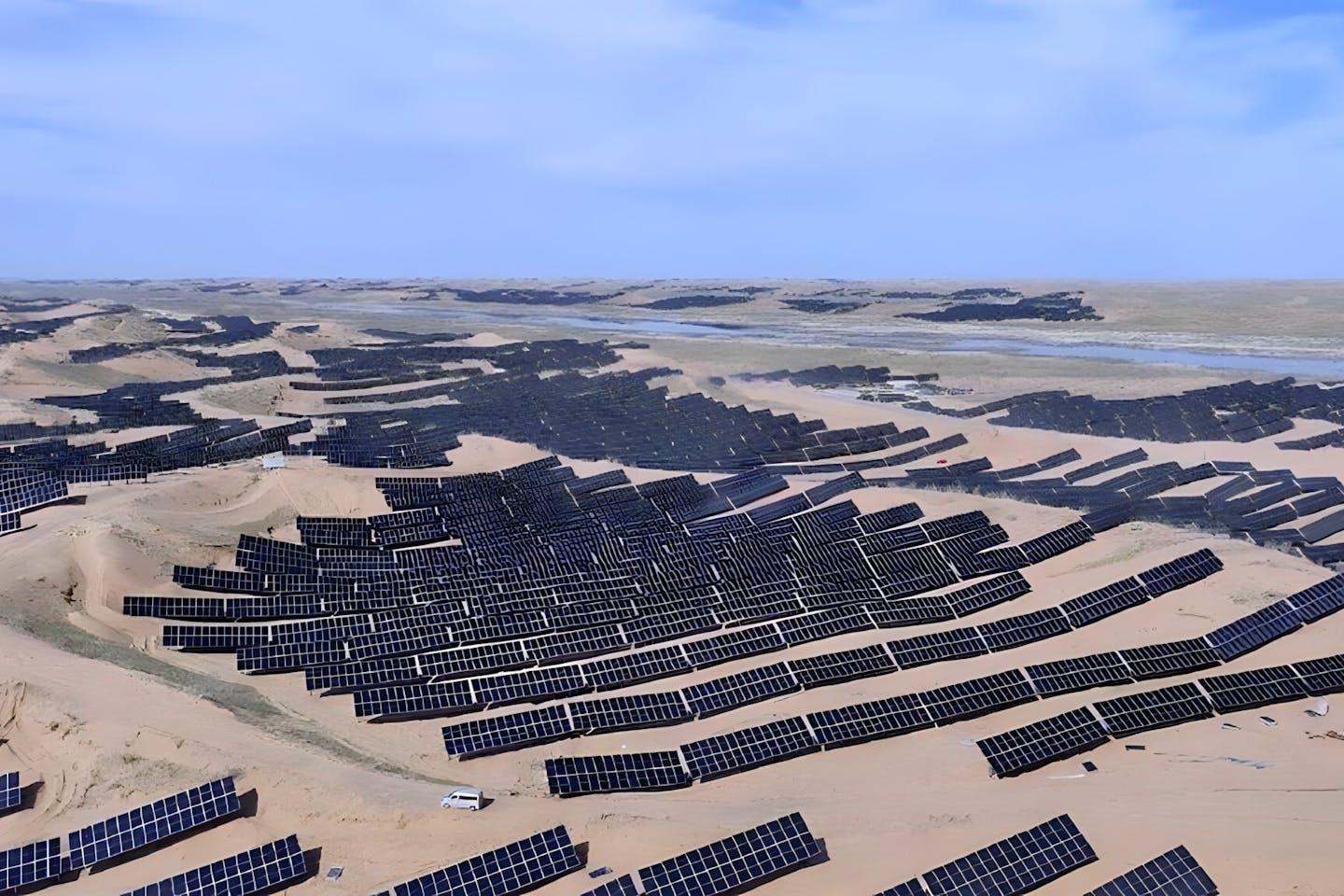
China and the European Union's upcoming climate targets are pivotal for COP30 discussions, according to Melanie Robinson of the World Resources Institute. Both missed a February deadline for new nationally determined contributions (NDCs) that outline emissions reduction goals by 2035. With only 22 countries having submitted updated NDCs, the focus remains on major emitters. Robinson emphasizes that ambitious targets alone are insufficient; they must integrate into national economic strategies. Amidst this, China continues to leverage its green energy initiatives, having invested significantly in renewable energy, reflecting a shift toward a low-carbon economy.
Denmark, India, Nigeria, Taiwan, China, United Kingdom | Financial services
China, EU new climate commitments are ‘critical test’ ahead of COP30
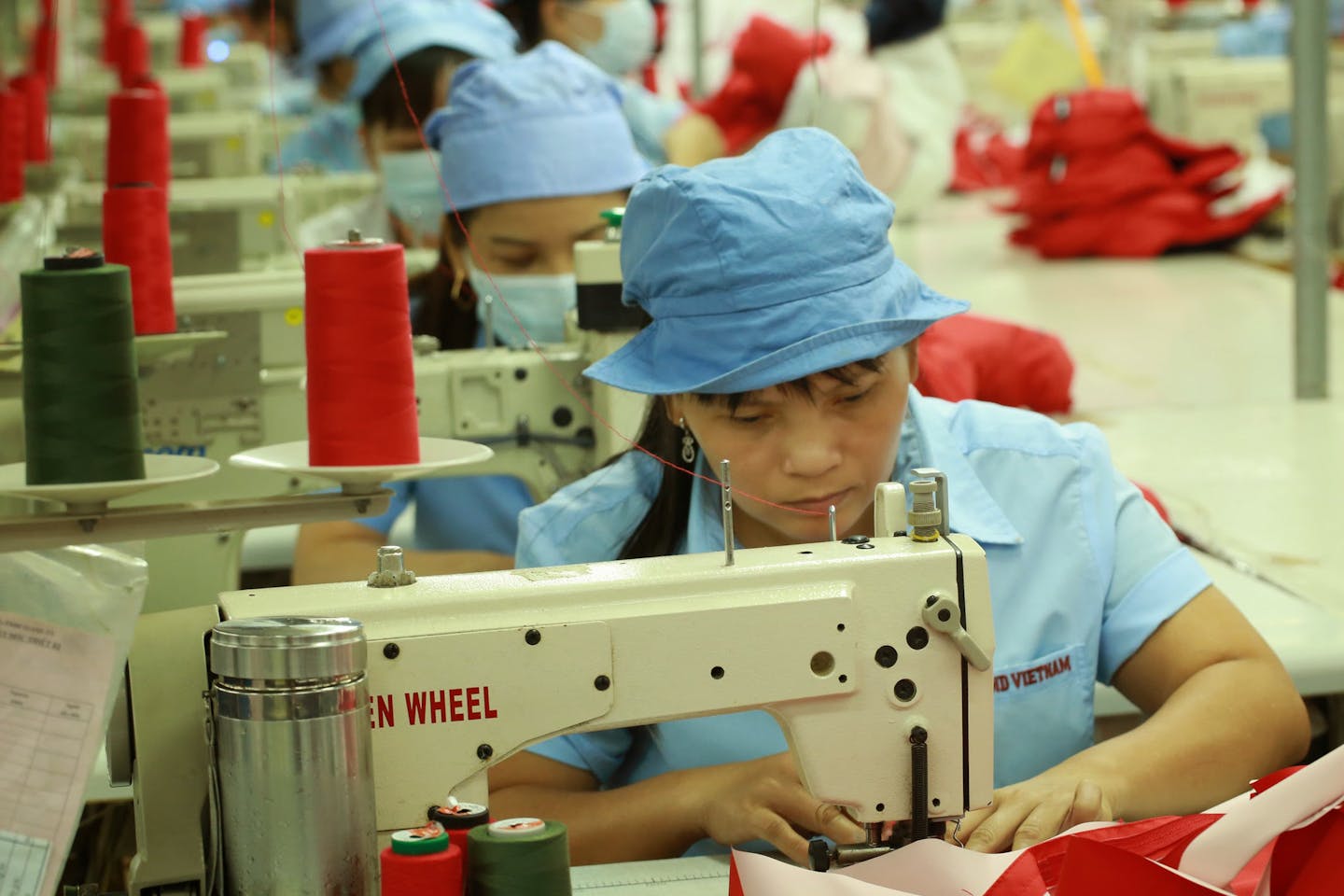
The fashion industry's carbon emissions continue to rise, prompting the Apparel Impact Institute (AII) to promote investment in cleaner production methods. AII estimates that achieving net-zero emissions by 2050 requires $1 trillion. Action plans include the ‘Fashion Climate Fund,’ aiming to raise $250 million to subsidize decarbonization efforts in high-emission regions. By supporting suppliers who meet decarbonization thresholds through co-investing, brands can secure preferred sourcing. Strategies will also focus on renewable energy opportunities and consider ecological impacts, ensuring local community benefits from these investments.
Q&A: How fashion brands can help suppliers go green

The automation of entry-level tasks through artificial intelligence (AI) is reducing demand for junior sustainability roles in the Asia Pacific, according to Paddy Balfour, managing director of recruitment firm Acre. This trend leads to fewer junior hires and impedes career progression in the sustainability sector, exacerbating significant talent pathway challenges. As companies focus on specialized roles and the commercial value of sustainability, fewer professionals transition to senior positions, slowing the representation of sustainability expertise at the top corporate levels. More efforts in mentorship and support for junior talent are needed to address these issues.
Singapore | Education
AI is stifling demand for junior sustainability talent: recruiter

Ivey/ARCS PhD Sustainability Academy award winners provide strategies for doctoral students to thrive academically. They emphasize the importance of building a supportive community with peers and mentors, as well as selecting research topics that ignite personal passion. The winners also highlight the need to manage work-life balance and take time for self-reflection, comparing the PhD journey to a marathon requiring endurance and resilience. The PhD Sustainability Academy promotes collaboration and feedback among emerging scholars. Applications for the 2025 Academy open until September 30, 2025.
Award-Winning Doctoral Students Offer Advice for Navigating Your PhD

Japan's semiconductor policy is driven by the concepts of "strategic autonomy" and "strategic indispensability." These principles aim to reduce reliance on foreign countries for essential technologies and ensure Japan’s critical role in the international economy. As part of this strategy, the government established the Economic Security Promotion Act (ESPA) and has invested up to ¥1.7 trillion (approximately US $11 billion) to boost domestic production of advanced semiconductors. This includes support for projects from companies like TSMC and Micron, as well as funding for research into next-generation semiconductor technologies. Public/private partnerships are crucial, reflecting semiconductors' foundational role in key Japanese industries.
Germany, Japan, Namibia, Singapore, Switzerland, Thailand | Financial services, ICT
Three Questions to Satoshi Yamada: Unpacking Japan’s Semiconductor Playbook
The European climate agenda faces significant challenges as the Danish presidency has deferred the decision on the EU's 2040 emissions target to the European Council, risking a veto from climate-opposing countries like Hungary and Poland. This shift undermines the ambitious goals set forth in the European Green Deal and the EU's upcoming Nationally Determined Contribution, leaving Europe vulnerable ahead of COP30. Key policies, including the 2035 ban on new combustion engine sales, are also under review amid industry pushback. Without a unifying strategy, Europe's ability to compete with China in green technologies is jeopardized.
France, Germany, Switzerland | Financial services
2035, 2040: Enquiry into the Missing European Climate Targets
Europe faces significant challenges, marked by political tension and external threats, as highlighted in the recent State of the Union address by Ursula von der Leyen. The address emphasized the union's struggle for survival amid ongoing crises—including security concerns due to war in Eastern Europe and economic instability. Von der Leyen outlined three strategic pillars: a robust defense framework, economic competitiveness, and upholding democratic values. The goal is to establish a European Defence Union and ensure the continent's sovereignty and unity, while responding decisively to contemporary threats.
Africa
State of the European Union: Can Europe Step it up a Notch?

Quantum technology is increasingly impacting the financial sector, with banks adapting their cybersecurity to address the risks and opportunities presented by quantum advancements. Strategies such as post-quantum cryptography, quantum key distribution, and quantum random number generation are being tested to secure financial data. Collaboration among industry players and regulators is essential to navigate the complexities of the quantum era. Additionally, startups like Haiqu are working on enhancing the software infrastructure needed to leverage quantum capabilities effectively, addressing challenges such as hardware noise to enable broader industrial application.
Financial services, Education
Quantum in focus: how finance is adapting and what else to watch in frontier tech
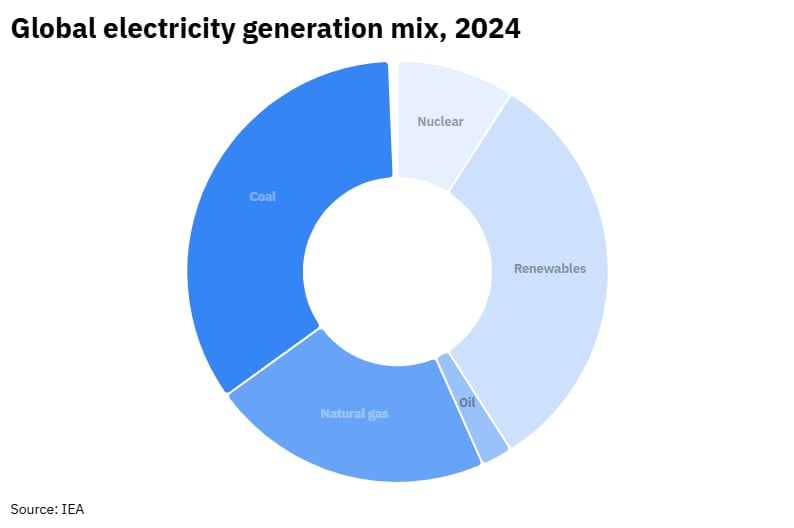
Global gas demand increased by 78 billion cubic meters in 2024, driven by extreme heat, industrial needs, and AI data centers, with similar growth expected in 2025. Europe and North America led the demand increase. The World Economic Forum underscores natural gas's role as a transitional asset, particularly when paired with carbon capture for decarbonization.

At the second Africa Climate Summit, two major programs, CEPA and ENGAGE, were launched to create a cross-border electricity market in Africa, aiming to improve electricity access for over 600 million people. Additionally, significant investments in clean hydrogen and major mining deals were reported globally.
Argentina, Malaysia
Rising global gas demand, and more top energy stories
Luxembourg utilizes advanced continuous monitoring systems to detect and manage microbial threats in its water supply. The Luxembourg Institute of Science and Technology has implemented initiatives like Microbs and Cyanowatch, allowing real-time surveillance of potential contaminants, including cyanobacteria and viruses. These systems operate at various stages of the water cycle, providing immediate alerts to local authorities during contamination events. The innovative approach has proven vital, particularly during the COVID-19 pandemic, offering early warnings and data to support public health responses and ensure safe drinking water for the population.
How Luxembourg detects microbes in its water supply before they pose a health risk
Global conflict is at its highest since 1946, with 61 wars recorded in 2024 and defense spending increasing by nearly 10% to $2.7 trillion, while humanitarian aid budgets are shrinking significantly. The challenges include a faltering global response system, rising military expenditures, and growing geopolitical tensions, especially from AI competition and climate crises. Voices from the Global South are calling for a restructuring of aid that prioritizes local engagement. The conditions for effective peacebuilding are deteriorating, necessitating a reevaluation of strategies in face of growing unpredictability and shrinking multilateral cooperation.
Nigeria | Health, ICT, Financial services, Education
Why we must rethink conflict prevention and peacebuilding in a fractured world

India's inclusive AI journey exemplifies the benefits of open digital innovation, showcasing how accessibility and co-creation can drive transformative technologies. The country’s successful digital public infrastructure, including Aadhaar and the Unified Payments Interface, has expanded financial inclusion from 53% to 80% within a decade. This model advocates for openness as a strategic imperative, allowing diverse stakeholders to innovate collaboratively and effectively. India’s diverse demographics offer a unique testing ground for AI systems, enabling solutions like Bhashini to enhance language accessibility. The upcoming 2026 Global AI Summit presents an opportunity to align these lessons with global initiatives for a more inclusive AI ecosystem.
Financial services, ICT, Health, Education
What the world can learn from India’s inclusive AI journey

Plastic pollution significantly contributes to climate change, accounting for 3-5% of global greenhouse gas emissions, surpassing those of the aviation industry. With production projected to triple by 2060, plastics threaten the world’s ability to limit warming to 1.5 degrees Celsius. Addressing plastic production and promoting reusable systems can reduce emissions by up to 0.5 gigatonnes annually. Global negotiations are shifting from waste management to reducing virgin plastic production, presenting a critical opportunity to mitigate climate impacts, create jobs, and improve local economies through sustainable practices.
Financial services, Education
Why solving plastic pollution is one of the biggest climate wins hiding in plain sight

Nations need a comprehensive space strategy due to the critical role space plays in growth, security, and resilience. Key reasons include: 

1. **Sustainable Development**: Space services support nearly 40% of UN Sustainable Development Goals.
2. **Efficient Access**: New technologies enable targeted space applications without extensive investments.
3. **Diplomacy**: Participation in international space governance enhances strategic partnerships.
4. **Economic Growth**: Space activities significantly boost private investment and generate substantial economic spillovers.
5. **Increased Activity**: Over 12,000 active satellites and numerous launches democratize access to space capabilities for all nations.

Innovative applications of space data promote resilience and informed decision-making globally.
South Africa | Financial services, ICT, Health, Education
Five reasons why all nations need a space strategy

AI-powered citizen science enhances community-led climate action by democratizing access to technology and improving environmental monitoring. AI improves data accuracy and predictive capabilities through automated analysis, as demonstrated by projects like River Watchers and the GeoAI platform in India. It also facilitates real-time biodiversity monitoring with apps like iNaturalist and Biome, enabling immediate data validation and increased engagement. Furthermore, AI synthesizes diverse datasets, providing comprehensive insights for better environmental management, as seen in initiatives like Google Earth Engine. These advancements empower communities to proactively address sustainability challenges.
How AI-powered citizen science is amplifying community-led climate action
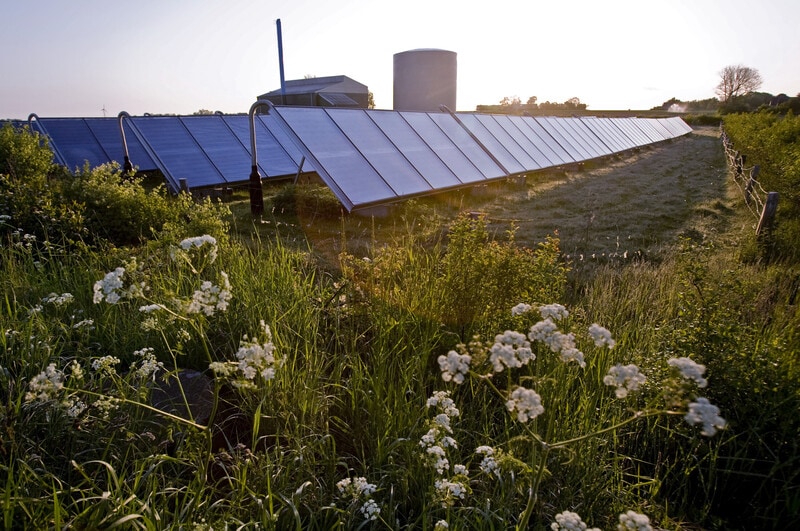
Climate risks are significantly disrupting supply chains and increasing costs, prompting companies to integrate sustainability into their core business strategies. This approach fosters innovation, margin expansion, and competitive advantages. Examples like IKEA and Avery Dennison illustrate that investing in sustainability can yield financial benefits alongside reduced emissions. Improving supply chain efficiency and traceability can mitigate waste and enhance profitability. Ultimately, sustainability should be framed as a strategic economic opportunity that supports long-term resilience and growth rather than merely a compliance requirement.
Financial services, Health
Call sustainability what you want but focus on its financial opportunity

China has become a leading global issuer of green, social, and sustainability bonds, with US$555.5 billion issued by the end of 2024. The rapid growth is driven by the expansion of eligible green projects, increased financing needs for new infrastructure, and supportive regulations from Chinese authorities. The market is evolving towards greater maturity, with price setting influenced by investor demand. China also updated its Green Finance Catalogue to include more climate-mitigation projects and issued its first sovereign green bond in London, indicating increased international engagement in green finance.
Denmark | Financial services
Q&A: What next for China’s green finance?

Nature is a critical asset for sustainable economic growth, yet current financial systems often overlook its value. A three-step approach—discover, quantify, and recognize—can integrate nature into financial decision-making and balance sheets. Recognizing nature’s economic worth can uncover significant financial risks and opportunities, particularly in sectors like agriculture, where natural capital loss poses multi-trillion dollar threats. Effective natural capital accounting can translate ecological value into quantifiable metrics, demonstrated by Forico's success in Tasmania. Ultimately, building a robust market infrastructure will allow land custodians to formally recognize and manage natural assets as vital components of economic development.
Financial services
Nature’s value: 3 ways land custodians can factor nature into their balance sheets
To achieve sustainable wellbeing for humanity and nature, there is a need to transition from Gross Domestic Product (GDP) to a broader measurement of wellbeing within planetary boundaries. A systematic literature review identified over 200 alternative indicators, revealing significant agreement on core concepts despite diverse terminology. Semantic modeling demonstrated that a 20-component indicator effectively captures the majority of similarities among these indicators. This model aims to foster consensus among stakeholders and facilitate the move beyond GDP.
Kenya | Financial services, Health
Building consensus on societal wellbeing: a semantic synthesis of indicators to move beyond GDP
Generative AI poses significant environmental challenges due to its substantial energy consumption and water usage in large datacentres. By 2030, it is projected that these facilities could consume as much electricity as all of Japan, contributing to approximately 3.5% of global electricity use. To address the environmental impact, several measures are proposed, including mandatory environmental disclosures, emissions labeling, usage-based pricing, sustainability caps, and water stewardship regulations. Without enforceable sustainability measures, the rapid expansion of AI risks exacerbating environmental issues. Action is needed now to ensure AI's benefits do not come at the expense of the planet.
Regulating AI use could stop its runaway energy expansion