Publications

INSIGHT REPORT

Pioneering the Future: Space

Technologies Poised to Revolutionize

Exploration and Economy by 2035

September 2026

FACTSHEETS

Pioneering the Future: Space

Technologies Poised to Revolutionize Exploration and Economy by 2035

June 2026

WHITE PAPER

Future of Space Law:

Operationalizing Space Governance

March 2026

REPORT

Clear Orbit, Secure Future:

 A Call to Action on Space Debris

Jan 2026

WHITE PAPER

The Future of Space Law

Insights from the ATS, UNCLOS, and ITU Frameworks

December 2025

WHITE PAPER

The Future of Space Law: 

The Evolving Dynamics of Air and Space Regulation

 September  2025

The Future Of Space Law

News

Centre for Space Futures, Novaspace and SpaceTech Gulf  Sign Agreement to Develop Global Space Capability Mapping Dashboard

Riyadh, Saudi Arabia , 23 Jun 2026|  Press Release

Clear Orbit, Secure Future: A Call to Action on Space Debris

Riyadh, Saudi Arabia, 26 Jan 2026 | Press Release

Centre for Space Futures Holds Workshop with Participation of 40 Global Experts

Riyadh, Saudi Arabia, 05 Dec 2025 | Press Release

Centre for Space Futures Releases White Paper on 'The Future of Space Law'

Riyadh, Saudi Arabia, 12 Sep 2025 | Press Release

The Board of Directors of the Centre for Space Futures Endorses Its Strategic Direction

Riyadh, Saudi Arabia, 26 May 2025 | Press Release

Saudi Space Agency to Launch the Centre for Space Futures with the World Economic Forum

Riyadh, Saudi Arabia, 29 April | Press Release

5 ways we can tackle growing risks from rocket bodies in orbit

Dec 09, 2025 | Economic Growth, Stories

Read More

Forum Agenda

Forum Videos

VIDEO

Press Conference: Centre for Space Futures in Riyadh

The World Economic Forum's Special Meeting, April 29, 2024

VIDEO

The Purpose of Astronauts at Davos 2024

World Economic Forum , March 9, 2024

VIDEO

PortWatch: Monitoring Trade Disruptions from Space

World Economic Forum , Dec 18, 2023

VIDEO

India's Moon Mission Triumph: Ambassador Ruchira Kamboj's Insights

World Economic Forum , Aug 23, 2023

VIDEO

Space Exploration is Back at Davos 2023

World Economic Forum , Feb 16, 2023

Forum Publications

Strategic Intelligence Insights

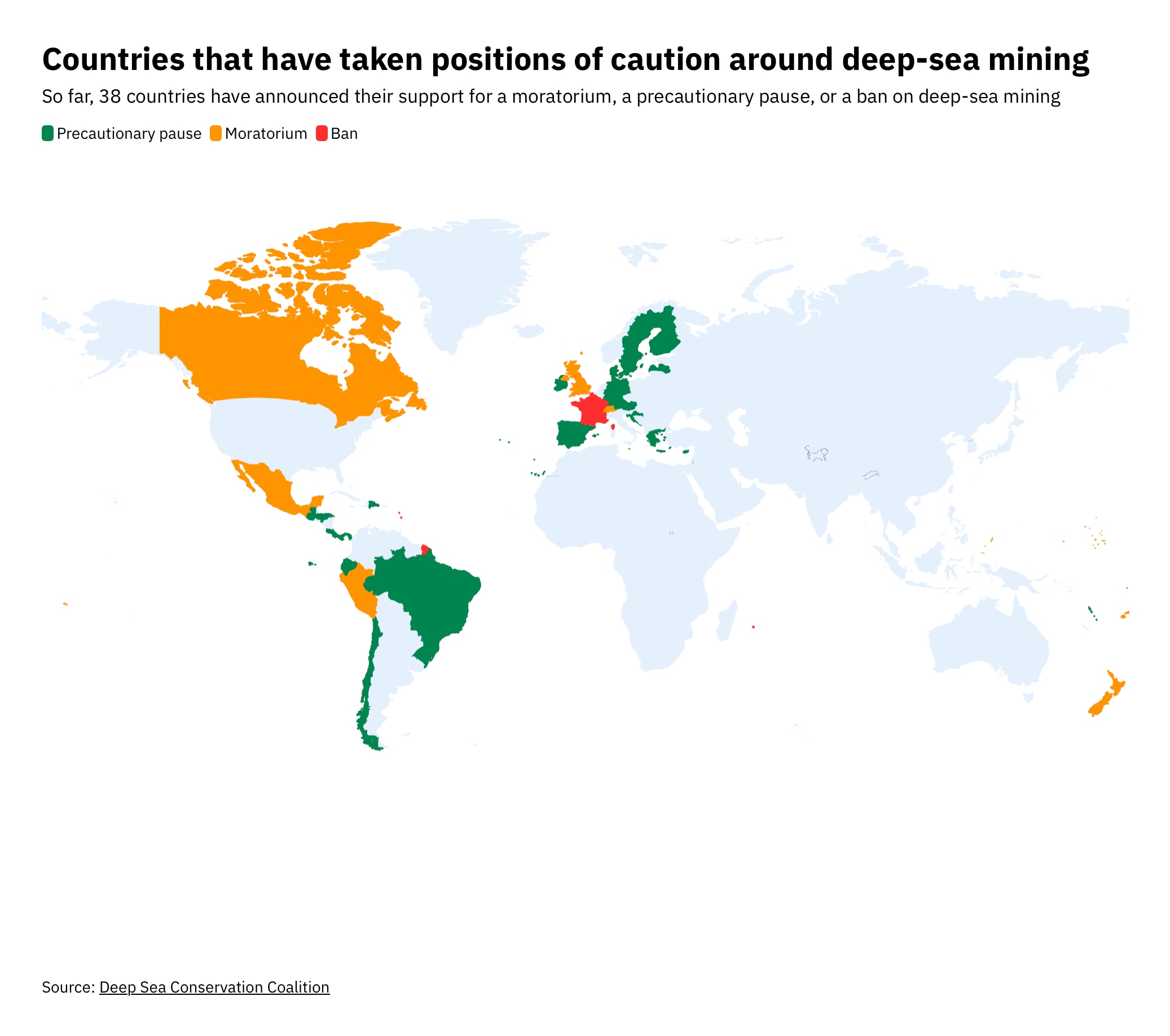
Deep-sea mining presents opportunities to access critical minerals essential for green technologies, such as cobalt and lithium, but raises significant environmental and regulatory concerns. The International Seabed Authority (ISA) oversees mineral extraction in international waters, emphasizing the need for governance to avoid ecological damage. Despite increasing demand, particularly for electric vehicle production, the actual impacts of mining, including damage to ecosystems and loss of marine biodiversity, remain poorly understood. A global call for a moratorium on deep-sea mining has emerged from scientists and nations alike, highlighting the necessity for further research before proceeding with exploitation.
Deep-sea mining: What you need to know
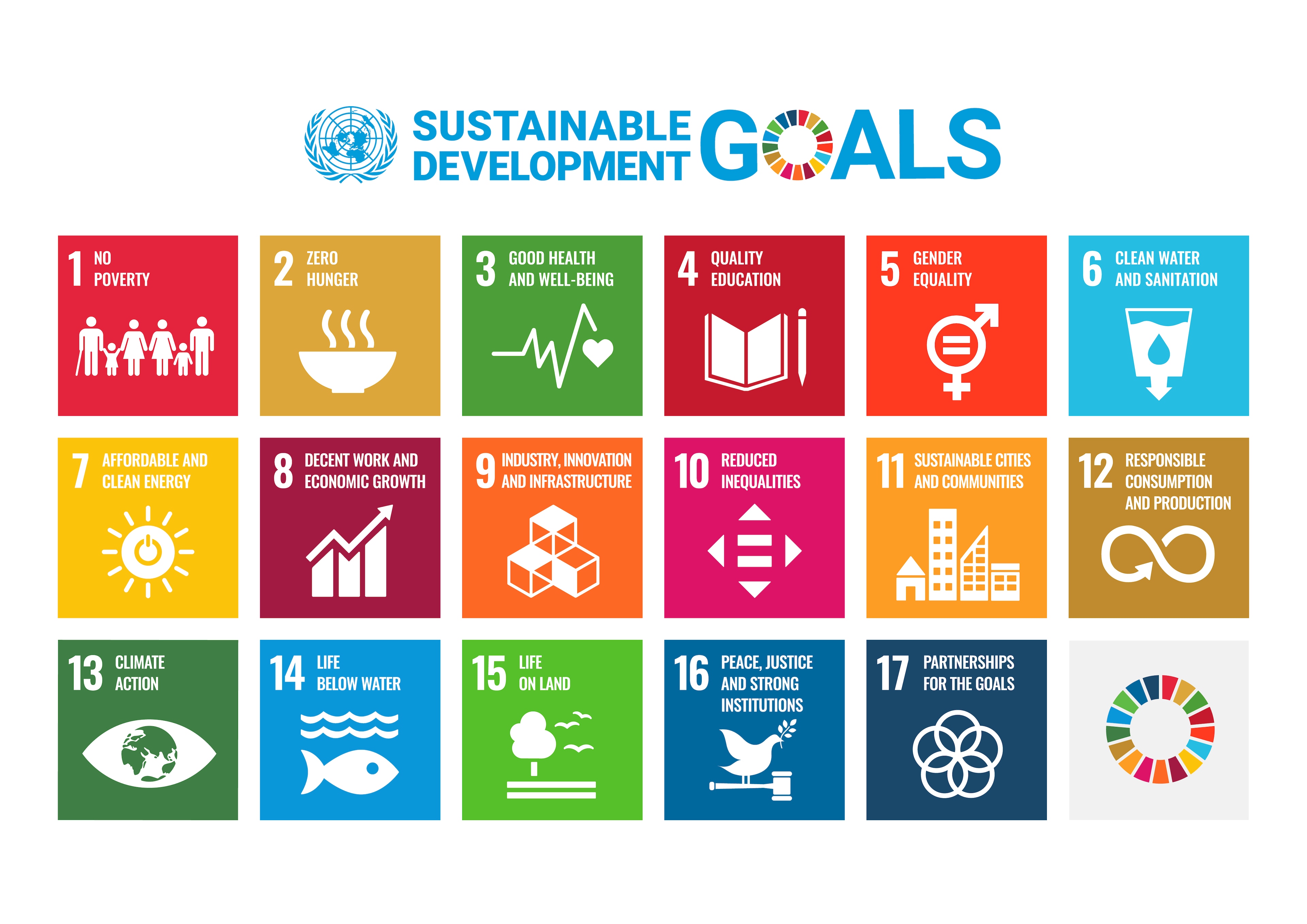
Only 18% of the Sustainable Development Goals (SDGs) are on track for 2030, with nearly half progressing too slowly and close to a fifth regressing. Key challenges remain in poverty, gender equality, food security, and health outcomes. Despite improvements in health, education, and digital access, around 800 million people live in extreme poverty, and progress in gender equality is sluggish, with full parity expected to take 123 years. Food insecurity affects over two billion people, and while maternal and child mortality rates have improved, significant declines in health expectancy are evident.
Bangladesh, Nigeria | Financial services, ICT, Education, Health
Five years to go: Are we on track to meet the Sustainable Development Goals?

The rise of "deep tech," driven by scientific breakthroughs and complex technologies, has gained prominence among investors, policymakers, and innovators. This sector, which includes biotechnology, artificial intelligence, and quantum technologies, saw approximately €9 billion in European investments in 2024. Deep tech projects require substantial R&D investments and collaboration across diverse entities, presenting a unique risk profile. They are perceived as tools for technological sovereignty, economic growth, and societal innovation, prompting a need to rethink technology transfer and support mechanisms.
Financial services, Health, Education, ICT
Deep tech entrepreneurship – a viable response to today’s grand challenges?

Competition for diminishing resources is frequently linked to conflict, particularly in discussions surrounding climate change. Historical cases, including the collapse of ancient empires like the Akkadian and Maya, underscore how climatic stress can lead to societal failure. However, societies have also shown resilience through innovation and adaptation, such as the development of irrigation and agricultural techniques. The article emphasizes that while resource scarcity can contribute to conflict, human agency, cultural responses, and technological advancements also play crucial roles in determining societies' outcomes in the face of environmental challenges.
Nigeria | Financial services, Education, Health
Environmental pressures need not always spark conflict – lessons from history show how crisis can be avoided
Global security historically relies on realist paradigms focused on state sovereignty and military power. However, 21st-century threats like pandemics, climate change, and cyberwarfare necessitate a new framework termed sustainable global security. This approach integrates insights from various disciplines to understand conflict roots and the psychology behind peaceful coexistence. It introduces five interdependent dimensions of security: human security, environmental security, national security, transnational security, and transcultural security. The latter addresses the cultural aspects often overlooked but crucial for combating contemporary conflicts and fostering peace through cross-cultural dialogue.
Africa | Financial services, Education, Health
Unlocking Human Capacity for Equitable Peace in an Anarchic and Hierarchical World
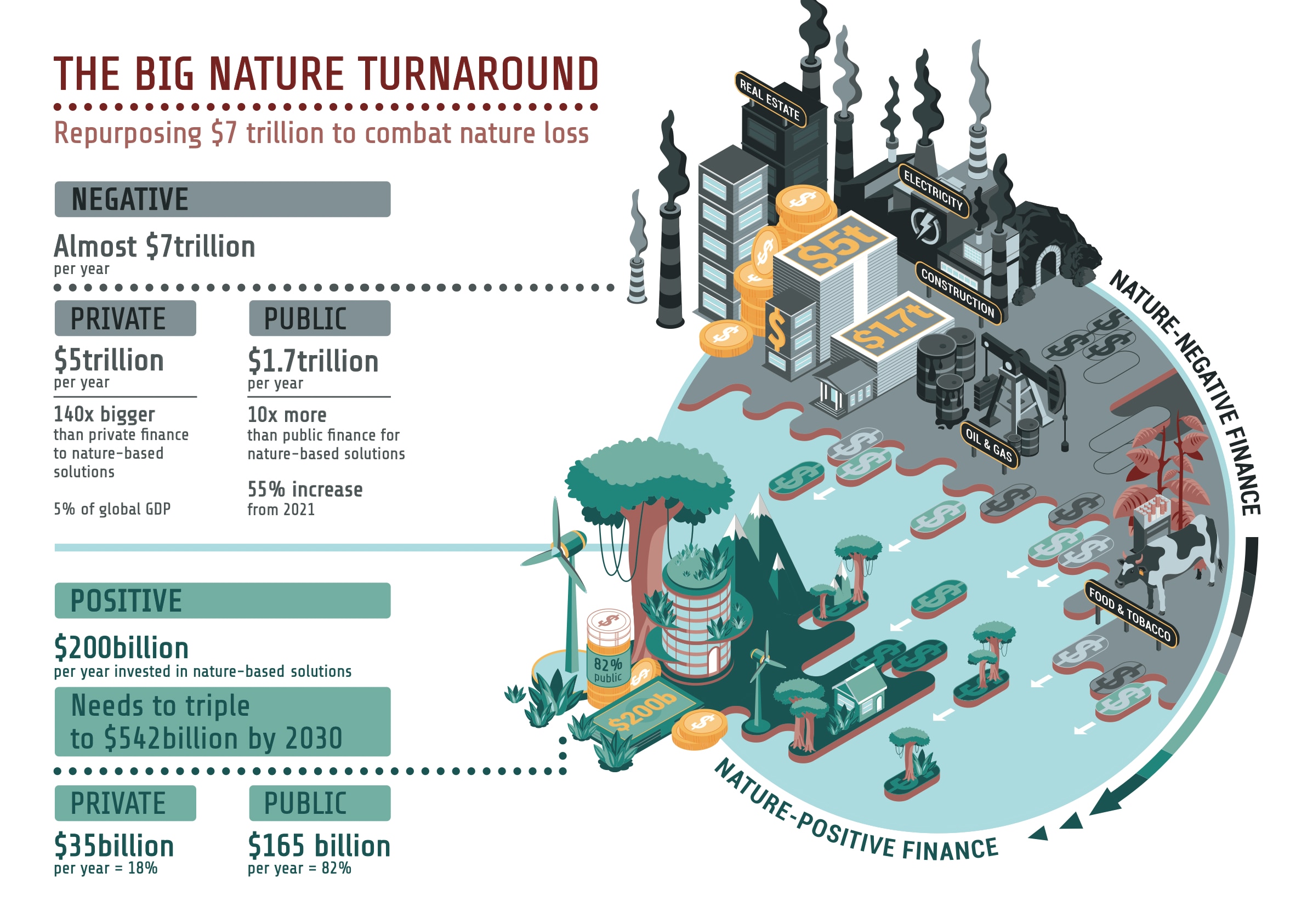
Continued investment in nature-negative activities poses risks to global GDP, but emerging nature finance models can help address this issue. A World Economic Forum and McKinsey report highlights ten priority models, including sustainability-linked bonds, thematic bonds, and impact funds, which can mobilize capital for biodiversity and promote a nature-positive economy. These models range from familiar instruments to innovative solutions like natural asset companies, capitalizing on nature’s economic value. Enhanced investor confidence, clearer guidelines, and standardized metrics are essential for scaling these nature finance solutions, crucial for mitigating biodiversity loss and supporting sustainable growth.
Financial services
These 10 nature finance models could help deliver returns and impact – here’s how

AI's rapid advancement poses significant energy efficiency challenges for data centers, which consume substantial power. Experts from Penn University have convened to explore solutions, emphasizing the need for better coordination among stakeholders and innovative policies. Key areas of focus include creating data centers powered by renewable energy, enhancing grid capacity, and developing specialized AI models to save energy. Participants highlighted the importance of improving carbon accounting in the tech sector to shape sustainable investments and policies. Without addressing these complexities, future energy demands may increase costs and carbon intensity.
Can AI Be Energy Efficient?
Key energy technology trends for 2025 include a focus on energy security, cost efficiency, and job creation, particularly in energy-importing nations. Despite challenges, global clean energy investments are projected to reach $2.2 trillion. China leads as the largest energy investor, focusing on renewables, storage, and nuclear to reduce reliance on fossil fuels. India's rapid progress in renewable energy also positions it as a significant player, exemplified by the Dhirubhai Ambani Giga Energy Complex. Additionally, the demand for AI is driving increased electricity consumption, raising concerns about grid capacity and site selection for data centers.
India | ICT
The top 5 energy technology trends of 2025

Advancements in biotechnology and AI are unlocking potential in health, agriculture, and climate solutions, but they also pose risks of misuse and inequality. Effective vaccine development and bio-based materials are possible, yet responsible management is crucial to prevent trust erosion in science. A culture of responsibility is needed across all sectors, emphasizing biosecurity and equitable access, particularly for low- and middle-income countries. International initiatives are establishing guidelines for safe practices in biotechnology, highlighting that biosecurity is essential to a healthy global bioeconomy. Inclusion is vital to ensure innovation is equitably distributed and risks are mitigated.
Kenya, Nigeria | Financial services, Health, ICT, Education
Securing the bioeconomy in the age of AI

The Liveability Challenge 2026 has been launched with a record S$4 million in catalytic funding, doubling support for climate tech start-ups in decarbonisation and cooling innovations. With the Agency for Science, Technology and Research (A*Star) joining as a new partner, finalists will receive significant resources to pilot their solutions, including access to A*Star's facilities. Submissions are open until February 9, 2026. The initiative aims to address climate change through innovation, with experts highlighting the importance of catalytic capital amidst economic uncertainties affecting climate tech investments.
The Liveability Challenge 2026 launches with record S$4m boost for climate tech start-ups

Spatial data is essential for logistics, urban planning, disaster response, and national security, providing critical insights into geographic information. However, it faces significant cybersecurity threats, including privacy breaches, GPS spoofing, and denial-of-service attacks, which can disrupt operations and compromise safety. Effective cybersecurity measures, such as robust data governance and management, are vital. These involve developing clear policies for spatial data use, employing advanced protective technologies, and ensuring that access controls and encryption are in place to protect this sensitive information.
Spatial data: What is it and why is cybersecurity so vital to it?
Europe faces multiple crises, from climate change to geopolitical instability, necessitating a shift in how innovation is approached. Innovation has evolved from a focus on productivity to becoming a critical political and economic necessity that requires restructured public institutions to implement systemic change. Innovation agencies, traditionally focused on support and funding, must now act as architects of change to achieve ambitious goals like decarbonizing mobility and enhancing digital sovereignty. However, rigid compliance frameworks at the EU level hinder the scaling of innovative local solutions, creating an imbalance between stability and agility.
Africa | ICT, Financial services, Health, Education
Europe’s Innovation Agencies Need Radical Reform To Meet Today’s Grand Challenges
The EU faces a 15% tariff on exports to the U.S. after trade negotiations concluded on August 21. François Godement emphasizes the need for the EU to leverage its strengths in the digital realm to counter U.S. demands. Ongoing negotiations are complicated by U.S. tariff expansions and shifting requirements. Despite lobbying efforts and attempts for compromise, the EU's strategies have been criticized as submissive, with concerns about perceived weakness encouraging further U.S. demands. The situation highlights a precarious balance of power in transatlantic relations, with potential implications for digital regulation and trade sovereignty.
France, Japan, Ukraine, United Kingdom | Financial services, Education, ICT
Trade and Digital Agreements: EU Levers to Deal with the United States

China and South Korea exemplify distinct models for fostering social innovation. South Korea emphasizes government and private sector collaboration to boost small and medium-sized enterprises (SMEs) and social enterprises, highlighted by initiatives like the Social Progress Credit program, which links financial incentives to measurable social outcomes. Conversely, China integrates social innovation within large corporations, as seen in Tencent's Sustainable Social Value organization, which promotes charitable contributions through its platforms and improves emergency response capabilities. Both countries demonstrate the potential for social enterprises to enhance economic growth and address societal challenges.
Republic of Korea | Financial services, ICT, Health, Education
How China and South Korea are building social innovation ecosystems

Japan emphasizes the importance of preserving wartime memories as part of its peace initiatives, especially as the population ages and survivors dwindle. The 80th anniversary of World War II underscores efforts to pass down experiences through programs training young "kataribe" or narrators. Innovative technologies, like AI-powered interactive storytelling, help bridge the gap between survivors' testimonies and younger audiences. Museums also foster empathy through immersive exhibitions, such as the "Peace in the Dark" program, allowing participants to experience pre-bombing life in Hiroshima. These initiatives aim to ensure the lessons of war are not forgotten.
Japan | Financial services, Education, Health
Japan’s peace initiatives preserving the past for the future

To navigate geopolitical disruptions like those revealed by Russia's invasion of Ukraine, companies must balance operational efficiency with resilience. Leaders should prioritize supply-chain mapping and risk modeling to identify vulnerabilities and redesign operations for a fractured world. Resilience requires foresight and investment across five dimensions: financial capacity, adaptable business models, capable personnel, robust technology infrastructure, and strong reputation. Firms like TSMC illustrate the need for reshoring critical components amid geopolitical tensions. Overall, resilience is crucial for enduring impacts rather than merely avoiding them, necessitating strategic engagement from boards and executives.
Russian Federation, Ukraine | Education, Financial services
Balance operational efficiency with resilience to weather geopolitical storms

Geopolitical dynamics are reshaping international risks, alliances, and business strategies across various regions. Key areas of concern include:

- **Eurasia**: The ongoing Russia-Ukraine war raises tensions, with potential NATO implications amid Russian aggressions.
- **Gulf States**: The conflict in Gaza impacts regional stability, further complicated by oil prices and China’s growing influence.
- **East Asia**: China’s aspirations for greater influence clash with U.S. tensions, particularly regarding Taiwan.
- **South Asia**: India navigates complex relations with China and Pakistan amidst emerging global power shifts.
- **Latin America**: The U.S.-China rivalry marks significant geopolitical plays, especially in Venezuela.
- **Polar and Space Regions**: Competition for resources and cooperation agreements may be strained amidst growing tensions globally.
Argentina, Egypt, Indonesia, Israel, Pakistan, Philippines, Poland, Republic of Korea, Russian Federation, Taiwan, China, Ukraine, United Kingdom
Mapping the geopolitical hot spots

Business leaders must prioritize geopolitical analysis in strategy due to increasing volatility and uncertainty in global markets. Effective management strategies involve anticipating different future scenarios, adapting business models, diversifying suppliers, and enhancing resilience. The interplay between technological advancements, energy dynamics, and polarized political environments demands managers broaden their analytical frameworks. Businesses should evaluate their financial capacity, workforce adaptability, technology robustness, and reputation to navigate risks successfully. As the global landscape evolves, strategic foresight and flexibility become crucial for maintaining competitive advantage.
Georgia, Iceland, Poland, Russian Federation, Spain, Ukraine, United Kingdom | Financial services
Navigating Geopolitics

Singapore has postponed mandatory ISSB-aligned climate reporting for most listed firms by up to five years, affecting over 90% of Singapore Exchange companies. Non-STI issuers with a market capitalization of S$1 billion or more will begin reporting in 2028, while smaller firms will start in 2030. This delay has raised concerns about the potential easing of sustainability regulations across Asia, diminishing Singapore’s role as a leader in climate reporting. Experts caution that the extended timeline signals a deprioritization of sustainability efforts, potentially compromising climate risk management within the financial system.
Financial services
Singapore’s climate reporting delay is ‘fuel for the sustainability deprioritisation fire’ in Asia, say experts

Water is both severely impacted by climate change and vital for renewable energy, food security, and industry. The 2026 UN Water Conference aims to elevate water on the global agenda, focusing on four priorities: shared frameworks, scalable investments, basin-level initiatives, and policy reform. By 2030, global demand for water is projected to exceed supply by 40%, with nearly 4 billion people facing severe scarcity annually. Immediate action is required to mobilize public-private partnerships and establish a global water valuation framework, ensuring effective investment and sustainable management.
Africa | Financial services, Education, Health
4 priorities for global leaders on the road to the 2026 UN Water Conference