Publications

INSIGHT REPORT

Pioneering the Future: Space

Technologies Poised to Revolutionize

Exploration and Economy by 2035

September 2026

FACTSHEETS

Pioneering the Future: Space

Technologies Poised to Revolutionize Exploration and Economy by 2035

June 2026

WHITE PAPER

Future of Space Law:

Operationalizing Space Governance

March 2026

REPORT

Clear Orbit, Secure Future:

 A Call to Action on Space Debris

Jan 2026

WHITE PAPER

The Future of Space Law

Insights from the ATS, UNCLOS, and ITU Frameworks

December 2025

WHITE PAPER

The Future of Space Law: 

The Evolving Dynamics of Air and Space Regulation

 September  2025

The Future Of Space Law

News

Centre for Space Futures, Novaspace and SpaceTech Gulf  Sign Agreement to Develop Global Space Capability Mapping Dashboard

Riyadh, Saudi Arabia , 23 Jun 2026|  Press Release

Clear Orbit, Secure Future: A Call to Action on Space Debris

Riyadh, Saudi Arabia, 26 Jan 2026 | Press Release

Centre for Space Futures Holds Workshop with Participation of 40 Global Experts

Riyadh, Saudi Arabia, 05 Dec 2025 | Press Release

Centre for Space Futures Releases White Paper on 'The Future of Space Law'

Riyadh, Saudi Arabia, 12 Sep 2025 | Press Release

The Board of Directors of the Centre for Space Futures Endorses Its Strategic Direction

Riyadh, Saudi Arabia, 26 May 2025 | Press Release

Saudi Space Agency to Launch the Centre for Space Futures with the World Economic Forum

Riyadh, Saudi Arabia, 29 April | Press Release

5 ways we can tackle growing risks from rocket bodies in orbit

Dec 09, 2025 | Economic Growth, Stories

Read More

Forum Agenda

Forum Videos

VIDEO

Press Conference: Centre for Space Futures in Riyadh

The World Economic Forum's Special Meeting, April 29, 2024

VIDEO

The Purpose of Astronauts at Davos 2024

World Economic Forum , March 9, 2024

VIDEO

PortWatch: Monitoring Trade Disruptions from Space

World Economic Forum , Dec 18, 2023

VIDEO

India's Moon Mission Triumph: Ambassador Ruchira Kamboj's Insights

World Economic Forum , Aug 23, 2023

VIDEO

Space Exploration is Back at Davos 2023

World Economic Forum , Feb 16, 2023

Forum Publications

Strategic Intelligence Insights

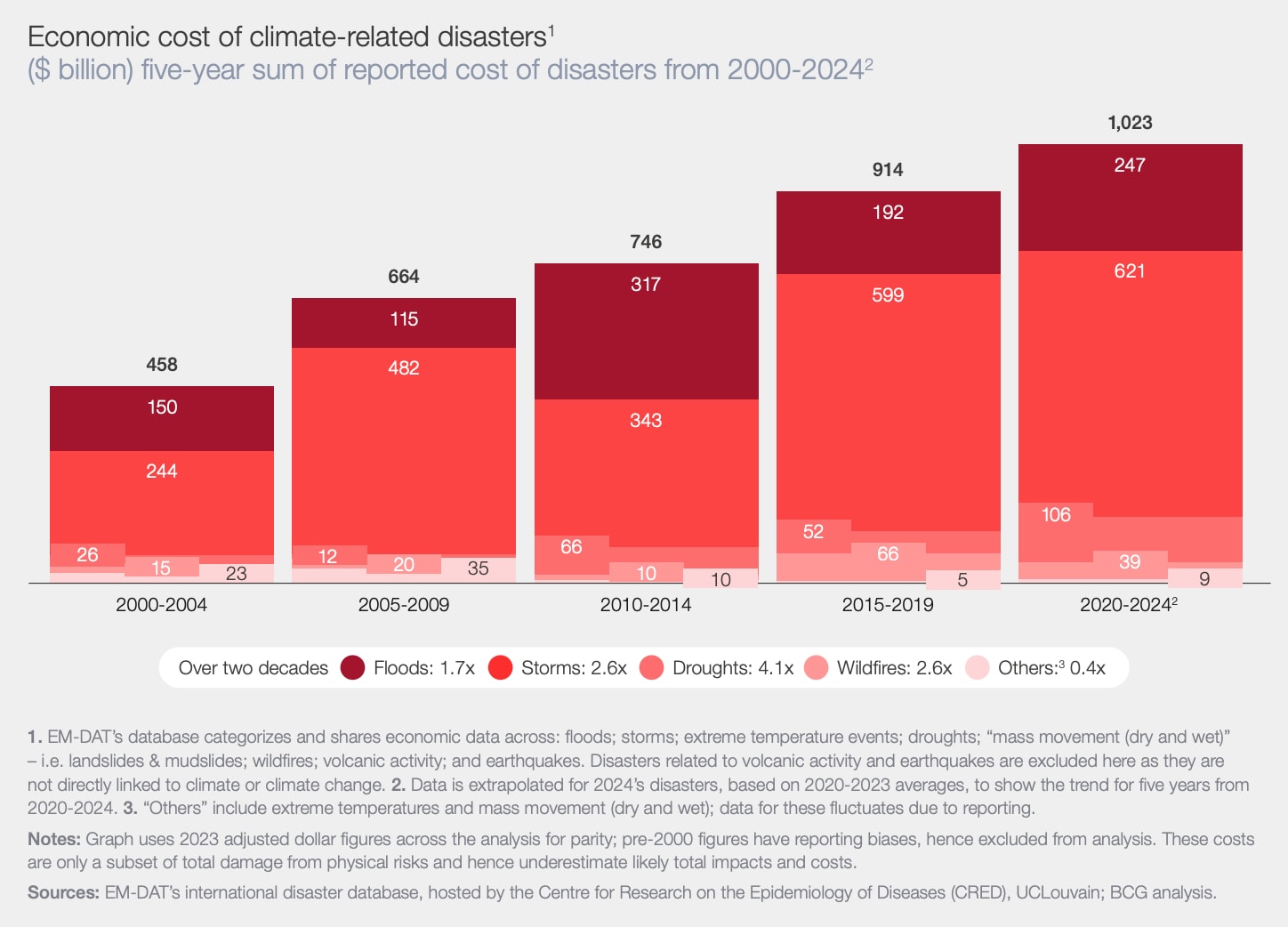
Integrating climate science into business strategies is crucial for enhancing resilience and creating a sustainable economy. Climate change has cost the global economy over $2 trillion in the last decade, with impacts expected to escalate. Businesses face increasing uncertainty from geopolitical tensions and shifting policies, leading to a retreat from ambitious decarbonization efforts. Utilizing climate science can help companies navigate these challenges, protect supply chains, and ensure long-term viability. However, a focus solely on profit maximization risks undermining necessary climate action. Continued engagement with climate science is essential for future business resilience.
Nigeria | Financial services, ICT, Health, Education
What climate science can teach companies about resilience
Brazil has urgently called for all countries to submit enhanced Nationally Determined Contributions (NDCs) ahead of the COP30 climate summit, emphasizing the need for a report on global heating progress. As of now, only 28 nations have submitted their plans. Additionally, research suggests that space-based solar energy could significantly reduce Europe's reliance on land-based renewables while decreasing costs. Other key news includes Spain experiencing its most intense August heatwave on record, a UN emphasis on water management in climate efforts, and new advancements in bee nutrition to combat habitat loss.
Brazil, Nigeria
Brazil makes urgent plea for updated climate plans, and other nature and climate news

Capital from Gulf nations is increasingly directed towards Asia, focusing on clean energy and green technology as part of their ESG investment strategies. This shift is driven by climate goals and economic diversification in the Gulf, aligning with Asia's urgent need for funding its net zero transition amidst regulatory challenges. Gulf countries are enhancing their ESG commitments, with ambitious targets for renewable energy and net zero emissions. To ensure impactful investments, Asian markets must establish robust ESG frameworks and de-risking mechanisms. Bilateral agreements between Gulf and Asian nations further facilitate investment and technology exchange, exemplified by initiatives like the Vietnam–Oman Investment Fund.
Bahrain, Eswatini, Japan, Jordan, Kuwait, Oman, Republic of Korea, Saudi Arabia, Singapore, Thailand, United Arab Emirates, United Kingdom, Viet Nam | Financial services
Opportunities in the Gulf: Can a strategic shift in capital from the Middle East to Asia help the region meet ESG funding gaps?

Emerging technologies are crucial in reducing global food loss, which currently affects about 13% of food from harvest to retail. Implementing a circular food system with enhanced traceability is essential for minimizing waste. Innovations such as AI, IoT, and non-destructive quality inspections are improving food monitoring, decision-making, and supply chain efficiency. For example, Neolithics employs AI-assisted quality control to reduce inspection times by up to 90%, while Dockflow enhances cold chain logistics with real-time tracking to alert for temperature deviations. Together, these advancements aim to create a more sustainable and resilient food system.
How emerging technologies can advance food quality traceability and prevent waste
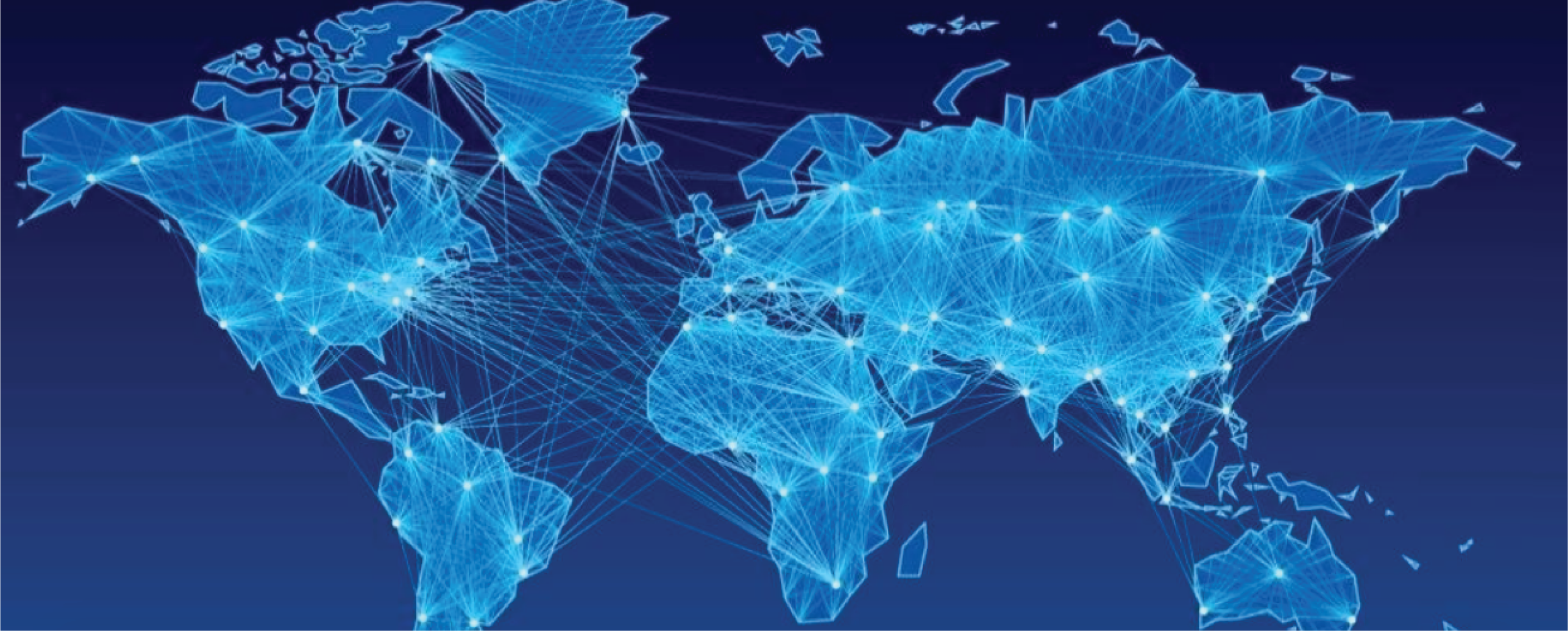
The inaugural Africa Data Summit in Nairobi focused on how Africa can leverage its growing digital assets for economic transformation. Despite increasing data generation, access to meaningful data for public good remains fragmented. Key challenges include poor interoperability, outdated systems, and a lack of regulatory frameworks that foster public interest. The summit emphasized that effective data access, characterized by timeliness, quality, and interoperability, is crucial for driving economic growth. Stakeholders underscored the need for collaboration, infrastructure investment, and credible data standards to enhance trust and stimulate innovation, ultimately positioning data as a vital resource for both economic development and governance.
Angola, Burkina Faso, Ethiopia, Ghana, Kenya, Mali, Namibia, Senegal, South Africa, Tanzania | Financial services, Health, Education, ICT
Unlocking Africa’s Data Potential: A Prerequisite for Economic Transformation
The UK Space Agency (UKSA) has merged into the Department for Science, Innovation and Technology (DSIT) as of August 20, 2025, with the aim of reducing bureaucracy and aligning space policy creators with implementers. However, the merger's impact on UK space policy remains uncertain. UKSA, lacking a clear identity and responsible for regulatory overlaps, has faced challenges in establishing a distinct role amid competition with the Civil Aviation Authority and UK Research and Innovation. The UK government has not developed a coherent national space program or adequate funding, leading to a decline in its position in the European space sector. Issues regarding strategic direction and national capability persist amid ongoing bureaucratic turmoil.
The UK Space Agency has been absorbed into the science department. The potential effects are still unclear

The United States has relaxed rules on semiconductor sales to China, allowing companies like Nvidia to sell certain AI processors that were previously banned. This shift is significant in the context of US-China tech competition and could influence the global tech landscape. Experts suggest that while US companies may see short-term gains, advanced manufacturing will remain concentrated in places like Taiwan and South Korea. Policymakers are urged to balance national security with commercial viability, as overly broad restrictions could hurt US firms more than intended. China is expected to continue investing in self-sufficiency regardless of the new sales permissions. The evolving competition might accelerate innovation in technologies like AI, but could also divide the global tech ecosystem.
Taiwan, China | Financial services, Health, Education, ICT
US policy pivot on chip sales in China. What does it mean for global tech?

Europe and Africa can unlock significant tech opportunities by collaborating on digital infrastructure, green industries, and tech talent development. Africa's youthful, innovative population and rich resource reserves, including critical minerals, position it as a vital partner for Europe’s digital future. Initiatives like EuroStack aim to create a cohesive digital ecosystem while promoting open standards and cooperation. By establishing joint ventures in AI, renewable energy, and advanced manufacturing, Europe can enhance its resilience and innovation capacity. This partnership must focus on mutual respect and shared benefits, moving beyond outdated models of extraction and aid.
Egypt, Ghana, Namibia, Senegal, South Africa, Tanzania, United Kingdom | Financial services, Health, Education, ICT
How Europe and Africa can unlock tech opportunities through stronger collaboration

NBS's July 2025 compilation highlights recent in-press business sustainability research from top journals, focusing on innovative studies such as the impact of immersive virtual work environments on pro-environmental behavior, labor law spillovers, and social strategies for autistic workers. Additional articles explore the intersections of corporate responsibility with the digital economy, along with diverse topics like eldercare policies, DEI strategies, and the effects of gender diversity on innovation. The compilation serves as a resource for cutting-edge sustainability knowledge in business contexts.
Indonesia, United Kingdom | Health
Table of Contents: July 2025
The X-37B, a US military spaceplane, will test a quantum inertial sensor as a potential alternative to GPS during its eighth flight on August 21, 2025. Traditional GPS navigation faces limitations in space, underwater, and in environments susceptible to signal interference. The quantum sensor employs atom interferometry, which enhances sensitivity and accuracy over classical systems by minimizing drift and errors through the use of cooled atoms behaving as waves. This experiment signifies a significant advancement in reliable navigation technology for both military and civilian applications, especially in remote and signal-denied areas, with broader implications for future space exploration.
Quantum alternative to GPS navigation will be tested on US military spaceplane

The WHO's One Health framework integrates human, animal, and environmental health but faces challenges in policy delivery due to fragmentation. Implementing mission-oriented policymaking, as proposed by economist Mariana Mazzucato, could unify these diverse domains under a shared Grand Challenge to prevent zoonotic pandemics and health crises. This approach would facilitate coordinated missions, like developing integrated early-warning systems and transitioning agricultural practices towards ecological sustainability. Such cross-sectoral collaboration can enhance resilience and effectiveness in addressing interlinked health and ecological challenges.
Africa | Education, Health
How the World Health Organization’s ‘One Health’ framework can benefit from mission-oriented policy
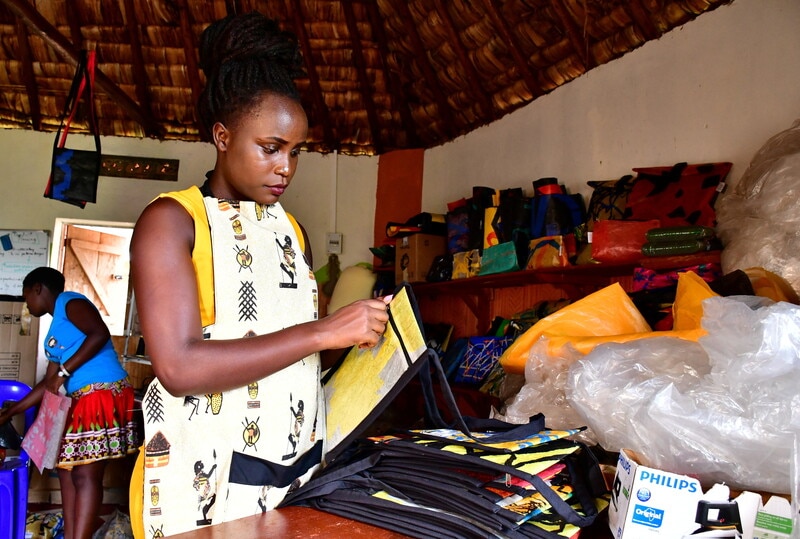
Youth in the Global South are positioned to lead social innovation with the right support systems in place. Individual entrepreneurship is insufficient without access to capital, contextual education, and community infrastructure. A mindset shift is essential, viewing youth as architects of innovation rather than passive beneficiaries. They face various barriers, including unemployment and inadequate educational resources, which require the reimagining of education to foster entrepreneurial thinking. Localized funding models have shown promise in enhancing youth innovation by empowering them with agency. The role of young people should be reframed as designers of systemic change, and support must encompass emotional infrastructure, mentorship, and holistic care.
Africa, Latin America | Financial services, Health, Education
From hustle culture to systems change: how youth in the Global South can lead social innovation
Aviation emissions contribute 3.5-4% of total climate change effects, having risen 53% from 2000 to 2019. To meet climate goals, the industry must transition to zero-emission technologies. Hydrogen-electric propulsion stands out as a promising solution, as it is more efficient than synthetic fuels and produces only heat and water as byproducts. Beyond Aero's BYA-I light jet is designed specifically for hydrogen propulsion, allowing for greater range and reduced weight penalties compared to retrofitted aircraft. The integration of digital systems at inception enhances operational efficiency and safety, with business aviation poised to lead this transition.
Reinventing aviation through electrification and digitalization

SATS has ranked first on the Singapore Governance and Transparency Index (SGTI) for the second consecutive year, while CDL has fallen out of the top 10. Keppel and Singtel secured second and third places, with overall scores for Singapore-listed firms reaching a record high of 70.9 points. The study noted a disparity in governance scores influenced by firm size, particularly in the financial and real estate sectors. From 2026, SGTI will incorporate financial metrics into its rankings, with concerns raised about the potential biases toward financially stable companies.
Algeria, Bahrain, Barbados, Denmark, Estonia, Eswatini, Finland, Ghana, Guinea, Hungary, Indonesia, Kenya, Kuwait, Lesotho, Luxembourg, Mauritius, Mongolia, Oman, Qatar, Republic of Korea, Singapore, Slovakia, Sweden, Taiwan, China, Tanzania, Thailand, Trinidad and Tobago, United Arab Emirates, United Kingdom
Singapore-listed firms see record corporate governance scores; CDL falls from top 10
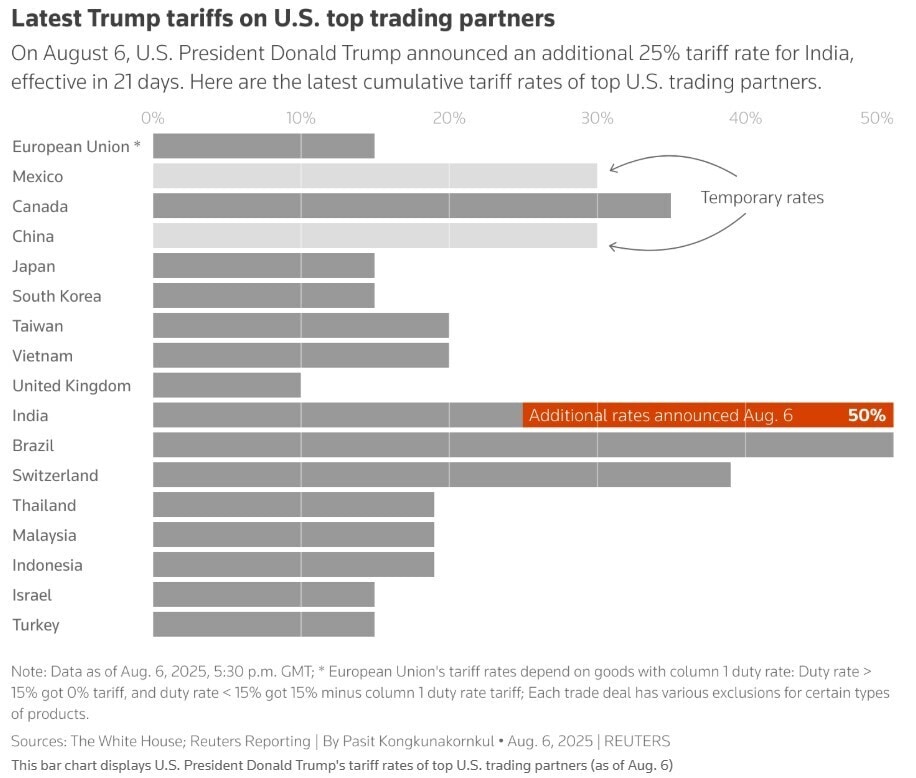
The activation of sweeping US tariffs on over 60 nations on August 7 marks the beginning of a new global trade order, leading to widespread protests from major partners like the EU and India. This is the highest average US tariff rate since 1933, with projected annual costs to US households around $2,400, disproportionately affecting lower-income families. Key developments include heightened tensions in US-India relations over oil purchases from Russia, threats of a 100% tariff on computer chips, and the extension of a US-China trade truce for 90 days. Additionally, Canada's tariffs on non-USMCA goods have risen to 35%.
Argentina, Canada, India, Indonesia, Kenya, Malawi, Namibia, Sweden, Taiwan, China, Tanzania, Thailand, United Kingdom
US tariffs come into effect, sparking global trade shakeup, and other international trade stories to know this month
Access to large, open datasets at low cost for civil society could transform the world's approach to complex issues, like climate change. By integrating constraints to mitigate harmful technological applications, we can expedite solutions globally. Philanthropy must guide technology development for the betterment of humanity, challenging the current profit-driven mindset. The past two decades illustrate the dangers of insufficient regulation, particularly regarding artificial intelligence. A more equitable and public-focused strategy is essential for future technological progress. This inflection point calls for a recommitment to practices that promote safety, sustainability, and justice.
Education, Health, ICT
Future Problem-Solving: Artificial Intelligence & Other Wildly Complex Issues

Critical environmental measures, particularly the Earth system boundaries (ESBs), guide businesses in assessing and mitigating risks while improving sustainability. The ESBs, which encompass limits on climate, ecosystems, and nutrient cycles, serve as a framework for businesses to align strategies with environmental realities. Currently, six out of nine planetary boundaries are exceeded, highlighting urgent sustainability needs. Companies like Vaude utilize these indicators to foster internal understanding and integrate sustainability deeply into their operations, moving beyond incremental improvements to tackle broader societal impacts and enhance brand value.
United Kingdom | Financial services
The Planetary KPIs That Inform Eco-Friendly Strategies
Research in neuroscience and brain-machine interfaces is rapidly advancing through the integration of various technologies. As bidirectional communication with the brain improves, security risks emerge, particularly concerning the intersection of neurotechnologies and drone warfare. While several potential security threats are associated with this nexus, brain-machine interfaces are projected to play a critical role in the development of land-based military drones.
The Future Interface of Neurotechnologies, Security and Drone Warfare

The Great Barrier Reef has experienced its largest annual coral decline since records began, with 48% of surveyed reefs showing reduced coral cover due to climate change-induced heat stress, cyclones, and crown-of-thorns starfish. Global insured losses from natural disasters reached $80 billion in H1 2025, driven primarily by wildfires in Los Angeles. France dealt with its largest wildfire since 1949, affecting 16,000 hectares. Additionally, July was the third-warmest on record, and serious water pollution incidents in England increased by 60% due to underinvestment and climate impacts.
Health
Great Barrier Reef suffers largest annual coral decline, and other nature and climate news

Malaysia's expansion of AI data centres could generate up to 9.9 million tonnes of carbon dioxide equivalent emissions annually, akin to adding two million cars to the road, as detailed in a study by RimbaWatch. The analysis reveals that 77% of the 14 planned data centres lack commitments to renewable energy, with energy demand expected to surpass 5GW by 2035. RimbaWatch urges the government to block approvals for non-renewable data centres and develop carbon and water budgets to manage environmental impact, particularly in water-scarce Johor.
Malaysia's new AI data centres could release 10 million tonnes of climate pollution: study