
Publications

INSIGHT REPORT

Pioneering the Future: Space

Technologies Poised to Revolutionize

Exploration and Economy by 2035

September 2026

FACTSHEETS

Pioneering the Future: Space

Technologies Poised to Revolutionize Exploration and Economy by 2035

June 2026

WHITE PAPER

Future of Space Law:

Operationalizing Space Governance

March 2026

REPORT

Clear Orbit, Secure Future:

 A Call to Action on Space Debris

Jan 2026

WHITE PAPER

The Future of Space Law

Insights from the ATS, UNCLOS, and ITU Frameworks

December 2025

WHITE PAPER

The Future of Space Law: 

The Evolving Dynamics of Air and Space Regulation

 September  2025

The Future Of Space Law

News

Centre for Space Futures, Novaspace and SpaceTech Gulf  Sign Agreement to Develop Global Space Capability Mapping Dashboard

Riyadh, Saudi Arabia , 23 Jun 2026|  Press Release

Clear Orbit, Secure Future: A Call to Action on Space Debris

Riyadh, Saudi Arabia, 26 Jan 2026 | Press Release

Centre for Space Futures Holds Workshop with Participation of 40 Global Experts

Riyadh, Saudi Arabia, 05 Dec 2025 | Press Release

Centre for Space Futures Releases White Paper on 'The Future of Space Law'

Riyadh, Saudi Arabia, 12 Sep 2025 | Press Release

The Board of Directors of the Centre for Space Futures Endorses Its Strategic Direction

Riyadh, Saudi Arabia, 26 May 2025 | Press Release

Saudi Space Agency to Launch the Centre for Space Futures with the World Economic Forum

Riyadh, Saudi Arabia, 29 April | Press Release

5 ways we can tackle growing risks from rocket bodies in orbit

Dec 09, 2025 | Economic Growth, Stories

Read More

Forum Agenda

Forum Videos

VIDEO

Press Conference: Centre for Space Futures in Riyadh

The World Economic Forum's Special Meeting, April 29, 2024

VIDEO

The Purpose of Astronauts at Davos 2024

World Economic Forum , March 9, 2024

VIDEO

PortWatch: Monitoring Trade Disruptions from Space

World Economic Forum , Dec 18, 2023

VIDEO

India's Moon Mission Triumph: Ambassador Ruchira Kamboj's Insights

World Economic Forum , Aug 23, 2023

VIDEO

Space Exploration is Back at Davos 2023

World Economic Forum , Feb 16, 2023

Forum Publications

Strategic Intelligence Insights

In 2024, experiencing weightlessness on an ESA microgravity flight highlights diverse pathways to becoming an astronaut. The primary routes include STEM and pilot careers, multidisciplinary backgrounds combining various sciences or professions, and super-specialist expertise in niche fields. Many astronauts bring unique, varied skills valuable for space missions, with no fixed age or single path required. Commercial spaceflight companies broaden astronaut qualifications, making future astronaut careers unpredictable but emphasizing strong math, science, language skills, and varied interests as essential foundations for success.
Do you want to be an astronaut? Career routes that can take you to space

The International Space Station (ISS) faces growing air leaks from cracks in the Russian segment's PrK transfer tunnel, causing safety concerns and emergency sheltering of astronauts. The cracks, repaired temporarily with sealant, lack a permanent fix, straining the station's structural integrity and international cooperation. Roscosmos and NASA disagree on the leak's severity, complicating repair proposals. The ISS, initially planned to be replaced by commercial space stations, is now extended until 2032 due to delays in private-sector replacements like Vast's Haven and Axiom stations. Government agencies remain crucial to maintaining low Earth orbit presence amid a slow commercial transition.
Cracks in the International Space Station are causing air leaks – how much longer can it remain habitable?

Three simple, low-tech interventions—fall-proofing homes, increasing physical activity, and expanding hearing aid use—could save global healthcare systems over $5.8 trillion and generate $645 billion in productivity by 2040. These measures are cost-effective and yield significant returns within the broader longevity economy. An analysis across 21 countries highlights longevity as a key, yet often overlooked, driver of economic growth, emphasizing that integrating health improvements with financial resilience presents multitrillion-dollar opportunities worldwide for both younger and aging populations.
Health
The Longevity Dividend: The Business Case for Linking Health and Wealth

Artificial intelligence is rapidly transitioning from pilot projects to core operations across Asia, but successful deployment requires more than technology adoption. Sustainable value depends on organizations, ecosystems, and economies redesigning human roles around AI, emphasizing three essential responsibilities: setting direction, exercising judgment, and holding accountability. Asia's AI potential hinges on reorganizing human systems at organizational, ecosystem, and regional levels. By applying a Human-led AI transformation framework and learning from regional examples, leaders can move from experimentation to transformation, achieving measurable business value, workforce resilience, industrial competitiveness, and long-term growth.
Education
Asia’s Human-led AI Opportunity: A Framework for Transformation
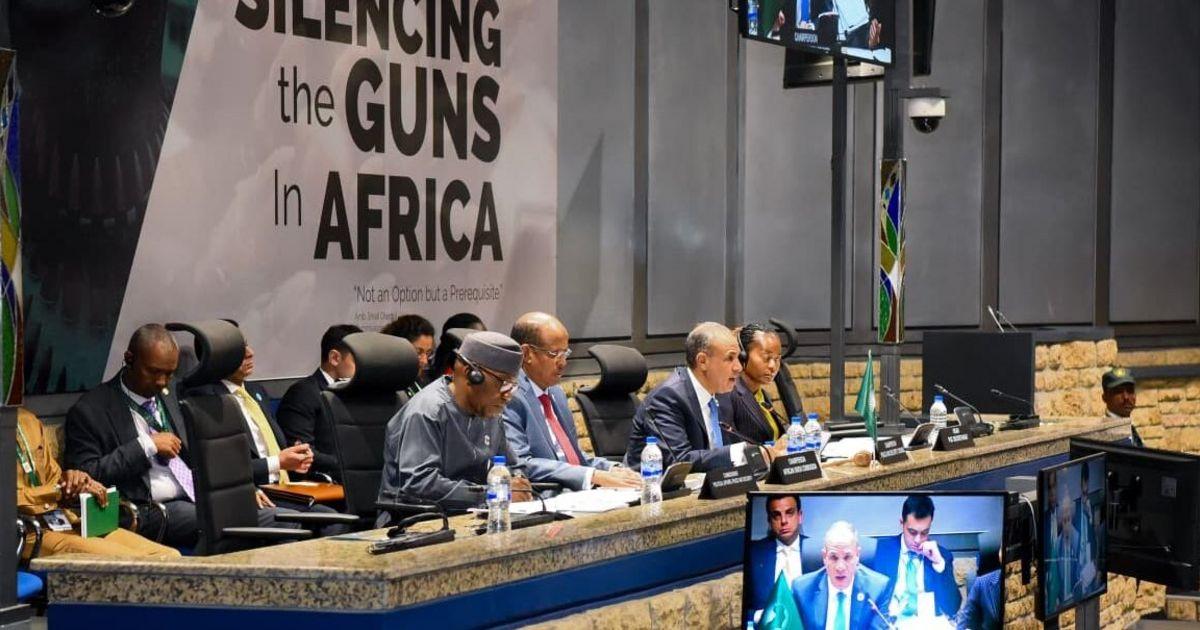
International conflict management faces a deep crisis, especially in the Horn of Africa, where traditional instruments like UN peace operations are being withdrawn, and previous power structures, such as the US-led international order, have weakened. Peace agreements in South Sudan, Sudan, and Ethiopia have failed to bring lasting stability, often entrenching authoritarian regimes or serving government interests rather than addressing root causes. Recent mediation is driven by regional rivalries and external actors’ diplomatic interests, with foreign support reducing incentives for compromise. Poorly resourced implementation mechanisms lead to recurrent violence. Europe is urged to move beyond outdated conflict management methods and security-focused approaches, instead supporting civilian peace initiatives and reevaluating partnerships with governments that perpetuate conflict.
Germany, South Africa, Sudan, Thailand
Peace in Crisis: Conflict Management in the Horn of Africa

The Atlantic meridional overturning circulation (Amoc) is a critical but largely invisible ocean current transporting heat from the tropics to Greenland, influencing climate patterns in the North Atlantic and beyond. Recent studies indicate it is weakening, posing risks like colder winters in northern Europe, shifting monsoons, and rising sea levels on the US east coast. However, Amoc lacks compelling visuals to capture public attention, unlike more tangible climate issues such as deforestation or ice melting. This invisibility challenges climate journalism, which depends heavily on striking images to communicate complex environmental processes. Consequently, despite its importance, Amoc struggles to gain lasting media visibility, highlighting the difficulty of representing slow, deep-ocean climate systems to the public.
Antarctica
One of the world’s most important climate threats has an image problem
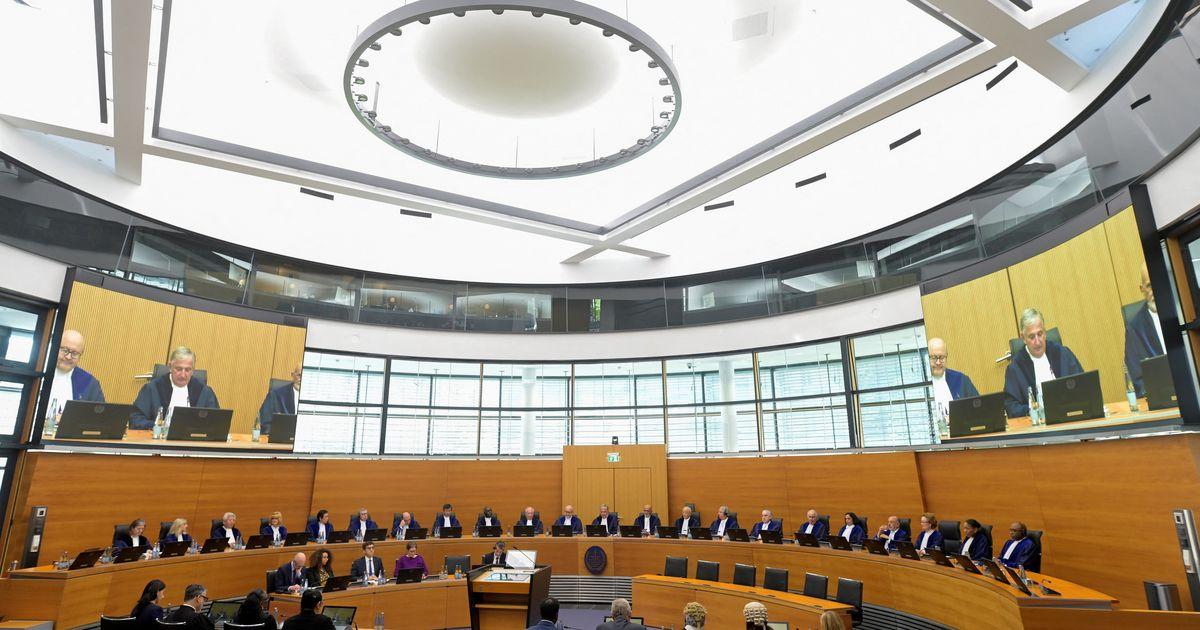
The 2024 advisory opinion by the International Tribunal for the Law of the Sea (ITLOS) emphasizes states' obligations to protect oceans from atmospheric CO₂ pollution but remains ambiguous on whether marine carbon dioxide removal (mCDR) technologies constitute pollution or environmental protection. This ambiguity creates potential for political contestation, influencing the governance of emerging mCDR methods designed to enhance oceanic carbon sequestration. With the 2027 Conference of the Parties to the UN High Seas Treaty approaching, this advisory opinion is expected to play a critical role in framing tensions between ocean conservation and resource use amid climate change, necessitating preparedness for varied interpretations by international, EU, and national authorities.
Antarctica
Ambiguity in Ocean Governance

Europe aims to reduce its reliance on foreign digital technologies by enhancing its semiconductor industry, cloud computing, AI capabilities, and promoting open source software. The European Commission’s "tech sovereignty" package focuses on making digital dependencies visible and encouraging sustainable growth of data centers. Despite representing a strategic shift, the plan relies heavily on private investment and soft, non-binding measures, raising concerns about its effectiveness and funding adequacy. Fragmented implementation across EU member states and limited public funding could hinder the ambition to reshape Europe’s digital economy and reduce vulnerabilities tied to global tech giants.
Austria, Belgium, Denmark, Estonia, Finland, Georgia, Germany, Poland, Slovakia, Slovenia, Spain, Sweden, Switzerland, United Kingdom | Financial services, Education, ICT
Europe wants to limit its reliance on foreign tech – but funding is limited and the proposed rules are weak
Global economic power is shifting towards Asia, with geopolitical tensions rising between established and emerging powers, marking the end of Pax Americana and the start of intensified rivalry reminiscent of a second Cold War. Alongside these geopolitical shifts, artificial intelligence and population aging are reshaping productivity and consumption. To navigate this complex landscape, executives should prioritize resilience over cost by securing supply chains, redesign geographic footprints through friendshoring and nearshoring, manage talent by focusing on capturing AI-generated value and maintaining worker purpose, and adapt strategies to demographic decline by emphasizing productivity amid shrinking workforces and changing consumption patterns.
Australia, Bolivia, Bulgaria, Chile, Colombia, Denmark, Egypt, Estonia, Finland, Georgia, Germany, Ghana, Greece, Hungary, Iceland, India, Indonesia, Israel, Japan, Jordan, Kenya, Malaysia, Mozambique, Pakistan, Paraguay, Peru, Philippines, Poland, Portugal, Republic of Korea, Russian Federation, Rwanda, Senegal, Seychelles, Singapore, South Africa, Spain, Sweden, Switzerland, Taiwan, China, Tanzania, Thailand, Uganda, Ukraine, United Arab Emirates, United Kingdom, Venezuela | Financial services, ICT, Health, Education
Four executive strategies for navigating geopolitics, AI and population aging
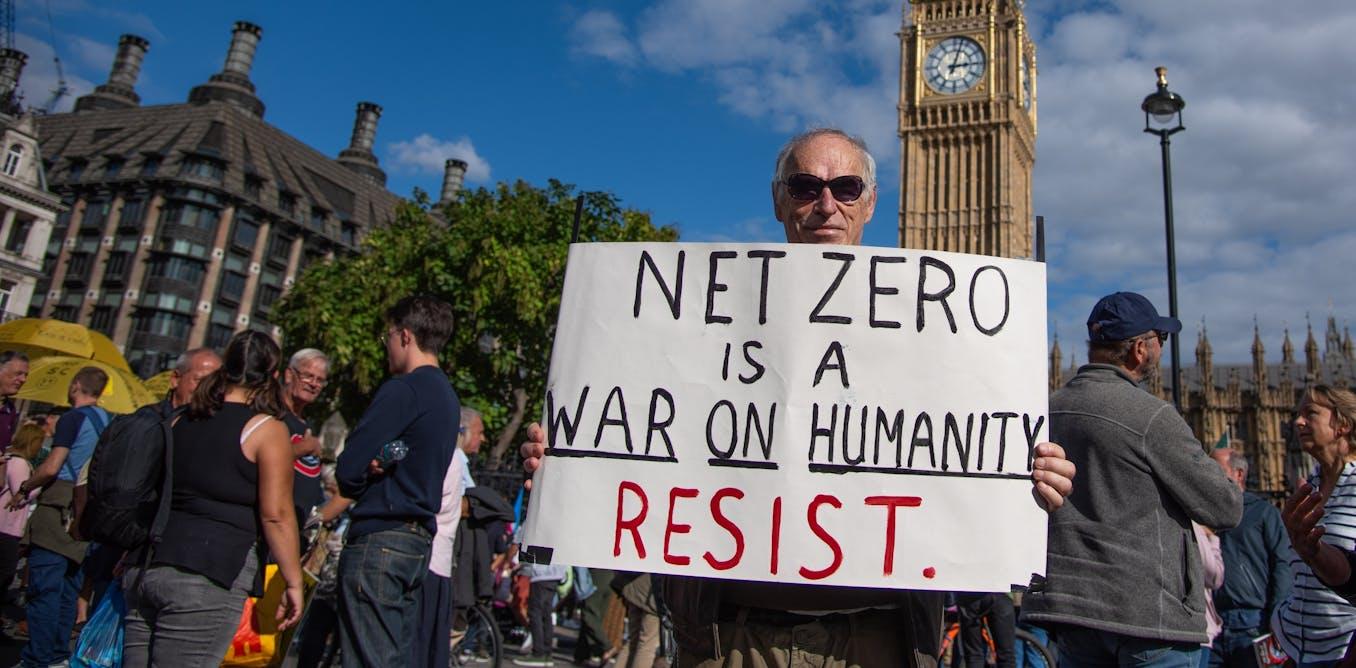
The UK has the institutional framework and public backing necessary to prevent climate policy from becoming a divisive culture war as seen in the US. Despite emerging political challenges, such as calls to repeal the Climate Change Act and opposition from parties like Reform UK, public support for net-zero emissions remains strong, including among nearly half of Conservative voters. Key to maintaining progress are defending climate institutions as democratic infrastructure, fostering cross-party dialogue through platforms like the Council for the Future, and designing policies with direct household benefits. The UK’s durable legal and advisory structures offer resilience against short-term political shifts, enabling sustained climate action and avoiding polarisation seen elsewhere.
The UK has the means to avoid climate policy being driven by culture wars
Prime Minister Modi's recent five-nation European tour, following a key visit to the UAE amid Iran-related regional tensions, underscores India's intensified pivot towards Europe for energy security, defense, and supply chain diversification. India secured landmark agreements including a $60 million Saab defense deal and a semiconductor partnership between Dutch ASML and Tata Electronics, reflecting New Delhi’s strategic shift towards foreign direct investment in sensitive sectors. These developments build on the January 2026 EU-India Free Trade Agreement and evolving bilateral security partnerships, highlighting growing EU-India corporate collaboration and the mutual interest in strengthening supply chain resilience and advanced manufacturing amid geopolitical uncertainties.
Australia, Austria, Barbados, Belgium, Bolivia, Bulgaria, Burundi, Cameroon, Canada, Chile, Colombia, Croatia, Czech Republic, Denmark, Djibouti, Ecuador, Egypt, Estonia, Eswatini, Finland, France, Georgia, Germany, Ghana, Greece, Hungary, Iceland, India, Indonesia, Israel, Italy, Japan, Kenya, Latvia, Luxembourg, Madagascar, Malaysia, Malta, Mauritania, Mauritius, Moldova, Morocco, Namibia, Nepal, Netherlands, Niger, Norway, Pakistan, Paraguay, Peru, Philippines, Poland, Portugal, Republic of Korea, Russian Federation, Rwanda, Senegal, Seychelles, Singapore, Slovakia, Slovenia, South Africa, Spain, Sri Lanka, Sweden, Switzerland, Taiwan, China, Tajikistan, Tanzania, Thailand, Togo, Tunisia, Uganda, Ukraine, United Arab Emirates, United Kingdom, Zambia | Financial services, ICT, Education
Prime Minister Modi’s European Tours in Perspective
The 2026 Global Peace Index reveals the lowest global peace levels since its inception, with 99 countries experiencing declines in peacefulness and 73% less peaceful than in 2007. Conflicts nearly doubled to 103 countries, fueled by a geopolitical shift called the “Great Fragmentation” and rapid technological advances in warfare, including a surge in drone attacks and AI-driven targeting. Deaths from conflict reached over 181,000 in 2025, a six-fold increase since 2008. The economic cost of violence rose to US$21.81 trillion (10.5% of global GDP), while global military spending hit a record US$2.9 trillion, led by Europe. Successful diplomacy, such as preventing war in Iran, could save trillions.
Guinea | Health
Global Peace Index 2026
Illegal waste dumping in the UK has escalated to an industrial scale, causing significant environmental and economic damage, with estimates of up to £1 billion a year lost to waste crime. Large illegal sites are difficult to trace, but advances in satellite imagery, drones, AI, thermal imaging, and methane detection are improving monitoring and early identification of waste sites. These technologies enable authorities to track illegal dumping more effectively, supporting targeted enforcement and prevention. The UK government plans to implement a digital waste tracking system by 2026 to enhance traceability and deter fly-tipping. Illegal dumps harm ecosystems, public health, and generate costly cleanup challenges.
Criminal fly‑tipping gangs are costing governments millions – AI and drones can help track waste dumpers
China's 15th Five-Year Plan (2026–2030) advances a comprehensive approach to volumetric statecraft, integrating three-dimensional spaces—such as the atmosphere, deep sea, polar regions, subsoil, and outer space—into governance. This volumetric power requires developing advanced technological ecosystems, including satellites, sensors, AI, and digital infrastructure, to extend state control beyond traditional territorial boundaries. China's strategy reflects a shift toward technoscientific management of its territory's materiality, coordinating multiple policy dimensions across new and complex domains. This approach challenges the European Union to develop its own volumetric strategy in response.
Belgium, Denmark, Egypt, Germany, Hungary, Poland, Russian Federation, Taiwan, China, Ukraine, United Kingdom, Venezuela, Yemen | Financial services
China’s Emergence as a Volumetric State
Electricity consumption is rapidly increasing due to widespread electrification efforts, including electric vehicles, heat pumps, and AI data centers. To meet net-zero emissions targets, decarbonizing the power sector is imperative, as it currently accounts for significant greenhouse gas emissions. Governments drive renewable energy adoption through policies like feed-in tariffs and emission caps, while utilities invest in cost-competitive renewables and consumers support green energy options. Key challenges include managing renewable intermittency, upgrading grid infrastructure, and addressing supply chain risks for critical minerals. A future decarbonized grid must be more distributed, dynamic, and complex, requiring coordinated efforts from utilities, businesses, and policymakers.
Financial services, ICT, Education
Wired to save the planet: rethinking energy in an electrified world
Ireland's native woodland scheme has increased biodiversity, but tree planting remains below targets due to economic challenges faced by farmers, who own 70% of land. Farmers risk losing land-use flexibility, face bureaucratic delays, uncertain timber markets, and threats like ash dieback disease, making them hesitant to convert farmland to forest. Native woodlands, when carefully planted, enhance biodiversity and support pollinators. Internationally, successful programs use flexible contracts and carbon markets to balance public environmental benefits and private farmer risks. The key issue is valuing forests as public goods while fairly compensating farmers, requiring policy shifts beyond simply raising subsidies.
Farmers are key to restoring native woodlands – here’s what’s holding them back
In 2025, the Fraunhofer-Gesellschaft achieved record industrial revenue of 966 million euros and maintained a stable total business volume of 3.6 billion euros despite geopolitical and economic challenges. Employing nearly 31,000 staff, Fraunhofer focused on contract research, contributing 3.2 billion euros to its volume. The organization filed 538 patent applications, increased invention disclosures to 589, and launched 29 spin-offs, solidifying its role as a leading European innovation partner. Fraunhofer actively supports Germany’s High-Tech Agenda with applied research and regional partnerships and published its 2025 sustainability report outlining commitments to environmental, economic, and social responsibility.
Education
Innovations for People and Markets
The Fourth Industrial Revolution Network, spanning 24 centres in 18 countries, is driving the practical application of emerging technologies for governments, industries, and citizens. The 2024–2025 Impact Report highlights key initiatives including Serbia's public service digitalization, Saudi Arabia’s national quantum frameworks, and digital skills expansion in Azerbaijan. The network added five new centres focused on AI, energy transition, cyber resilience, and frontier technologies, enhancing regional expertise and collaboration to promote responsible technology adoption globally.
Financial services, Education, ICT
The Fourth Industrial Revolution Network 2024–2025 Impact Report
The Fourth Industrial Revolution Network, operating across 24 centres in 18 countries, is converting emerging technologies into practical benefits for governments, industries, and citizens. The 2024–2025 Impact Report showcases achievements such as digitalizing Serbia’s public services, creating national quantum frameworks in Saudi Arabia, and enhancing digital skills for thousands in Azerbaijan. The network expanded with five new centres specializing in AI, energy transition, cyber resilience, and frontier technologies, boosting expertise and regional insights. These initiatives drive responsible technology adoption globally, emphasizing collaboration, innovation, and inclusive technological progress.
ICT, Education
The Fourth Industrial Revolution Network 2024–2025 Impact Report
The global research community depends on data repositories and digital infrastructure to maintain open access to scientific information, yet many such systems face closure due to funding cuts and policy changes. Nearly 200 research data repositories have permanently shut down in the past 25 years, with over half closing since 2018, causing loss of knowledge, broken links, and hindered scientific verification. These closures impact diverse research fields and global collaborations, as seen when the Alaska Earthquake Center ceased seismic data sharing and the USAID suspended access to Demographic and Health Surveys, disrupting vital health research in multiple countries. Temporary funding has helped restore some access, but challenges remain in maintaining the long-term sustainability of open research data infrastructure.
Financial services, Health
Who Will Keep Research Data Infrastructure Open and Running?