
Publications

INSIGHT REPORT

Pioneering the Future: Space

Technologies Poised to Revolutionize

Exploration and Economy by 2035

September 2026

FACTSHEETS

Pioneering the Future: Space

Technologies Poised to Revolutionize Exploration and Economy by 2035

June 2026

WHITE PAPER

Future of Space Law:

Operationalizing Space Governance

March 2026

REPORT

Clear Orbit, Secure Future:

 A Call to Action on Space Debris

Jan 2026

WHITE PAPER

The Future of Space Law

Insights from the ATS, UNCLOS, and ITU Frameworks

December 2025

WHITE PAPER

The Future of Space Law: 

The Evolving Dynamics of Air and Space Regulation

 September  2025

The Future Of Space Law

News

Centre for Space Futures, Novaspace and SpaceTech Gulf  Sign Agreement to Develop Global Space Capability Mapping Dashboard

Riyadh, Saudi Arabia , 23 Jun 2026|  Press Release

Clear Orbit, Secure Future: A Call to Action on Space Debris

Riyadh, Saudi Arabia, 26 Jan 2026 | Press Release

Centre for Space Futures Holds Workshop with Participation of 40 Global Experts

Riyadh, Saudi Arabia, 05 Dec 2025 | Press Release

Centre for Space Futures Releases White Paper on 'The Future of Space Law'

Riyadh, Saudi Arabia, 12 Sep 2025 | Press Release

The Board of Directors of the Centre for Space Futures Endorses Its Strategic Direction

Riyadh, Saudi Arabia, 26 May 2025 | Press Release

Saudi Space Agency to Launch the Centre for Space Futures with the World Economic Forum

Riyadh, Saudi Arabia, 29 April | Press Release

5 ways we can tackle growing risks from rocket bodies in orbit

Dec 09, 2025 | Economic Growth, Stories

Read More

Forum Agenda

Forum Videos

VIDEO

Press Conference: Centre for Space Futures in Riyadh

The World Economic Forum's Special Meeting, April 29, 2024

VIDEO

The Purpose of Astronauts at Davos 2024

World Economic Forum , March 9, 2024

VIDEO

PortWatch: Monitoring Trade Disruptions from Space

World Economic Forum , Dec 18, 2023

VIDEO

India's Moon Mission Triumph: Ambassador Ruchira Kamboj's Insights

World Economic Forum , Aug 23, 2023

VIDEO

Space Exploration is Back at Davos 2023

World Economic Forum , Feb 16, 2023

Forum Publications

Strategic Intelligence Insights

The Multi Unit Spectroscopic Explorer (MUSE) at the Very Large Telescope in Chile faces a crisis, with over 3,000 hours of observation time requested for just seven months, overwhelming the expert panels typically tasked with proposal evaluation. In response, the European Southern Observatory (ESO) has shifted to a system where applicants must also assess rival proposals. This reflects a broader trend in peer review, as increasing research outputs burden reviewers, leading to concerns over the quality of published work and the effectiveness of grant funding processes.
The peer-review crisis: how to fix an overloaded system

Asia's financial markets face challenges in aligning with science-based climate action due to unclear government policies on transition finance. Christina Ng, managing director of the Energy Shift Institute, emphasizes that current frameworks allow companies to raise funds without committing to phasing out fossil fuels. While Japan's Green Transformation strategy aims for a significant investment in transition bonds, concerns exist about their use for non-green projects. Ng calls for clearer criteria and accountability in transition financing, as diverging financial practices hinder efforts to meet the Paris Agreement goal of limiting global warming to 1.5°C.
Indonesia, Japan, Sweden, Thailand | Financial services
‘Pricing for delay’: Think tank head says Asia’s financial markets are diverging from science-aligned climate action

Southeast Asia needs to invest US$178 billion by 2050 to prevent plastic waste from leaking into the oceans, as reported by the Organisation for Economic Cooperation and Development (OECD). Lower-middle-income countries like the Philippines, Vietnam, and Laos will incur the highest costs, exceeding 3% of their GDP. The Philippines alone contributes 35% of global plastic leakage. Effective management will require overcoming challenges like weak enforcement, integrating informal workers, and global cooperation to address transboundary plastic pollution.
Latin America
Asean needs to spend US$178 billion to fix plastic leakage by 2050: OECD
State and local governments are increasingly exploring the integration of artificial intelligence (AI) to enhance public services and governance, aiming to improve efficiency, responsiveness, and decision-making. However, this adoption poses challenges, including concerns about privacy, bias, transparency, public trust, and long-term oversight. The report offers guidance for those involved in the implementation and management of AI in government, advocating for structured, evidence-informed strategies that align with community values and institutional goals.
Strategies for Integrating AI into State and Local Government Decision Making
Galileo, a new AI model developed by NASA Harvest and the Allen Institute for AI, processes various types of satellite data concurrently, enhancing insights into global and local phenomena. Unlike traditional models limited to single data types, Galileo captures large-scale patterns, like glacier retreat, and short-lived details, such as transient fishing boats. This capability enables scientists to address multiple challenges, including agricultural mapping, flood detection, and marine pollution monitoring, significantly advancing the utility and accessibility of satellite data for environmental protection.
A New Perspective from Space: How Galileo is Advancing NASA Harvest’s Mission to Safeguard Our Planet
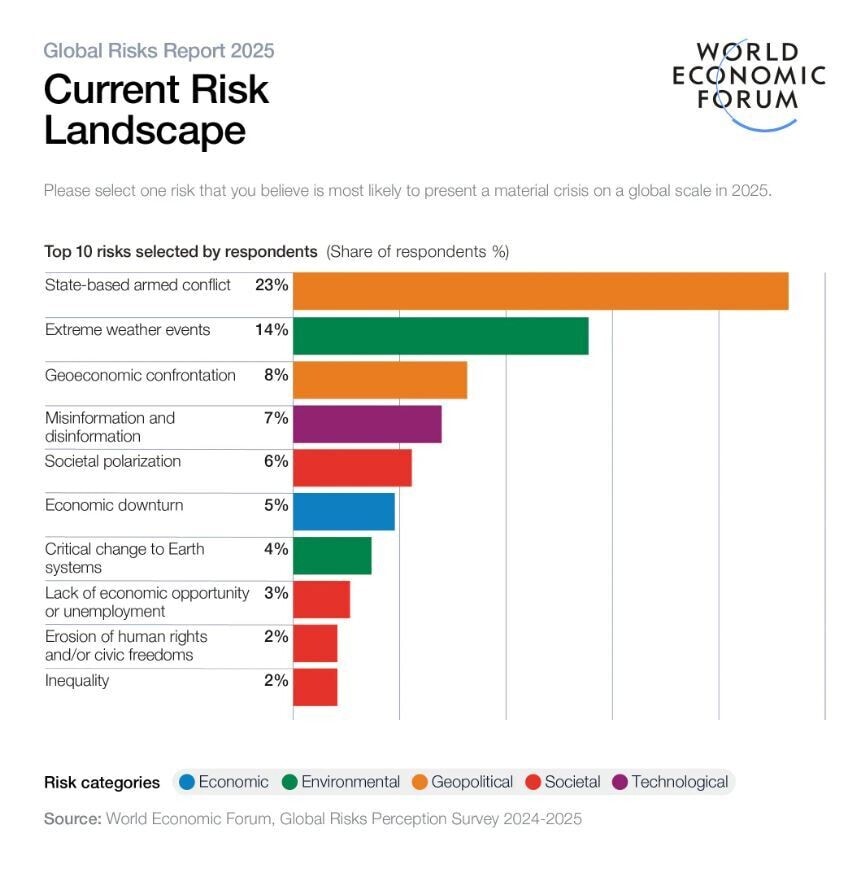
The world is experiencing significant inflection points in 2025, marked by heightened geopolitical instability, the transformative impacts of AI, and a shifting labor market. Key issues include increased armed conflicts, misinformation, and severe weather events. AI is revolutionizing industries, with projections indicating substantial cost reductions in content production. Additionally, climate change influences workforce strategies, escalating demand for sustainability and technology roles while necessitating reskilling. The interplay of these factors underscores the urgent need for equity and sustainability in navigating the global challenges ahead.
India, Indonesia, Kenya, Sweden, United Arab Emirates | Financial services, ICT, Health, Education
7 charts that explain the global inflection points of 2025, so far

Global plastic treaty negotiations have begun in Geneva, aiming for a legally-binding agreement to combat plastic pollution, which costs around $1.5 trillion annually in health-related damages. Meanwhile, Brazil's new law easing environmental licensing could exacerbate deforestation in the Amazon, drawing criticism from UN experts. In the US, plans to remove emissions standards may impede pollution control efforts. Other notable developments include flooding in Beijing leading to evacuations, potential tourist fees in New Zealand, and discoveries of unique marine ecosystems in the northwest Pacific that thrive on toxic chemicals.
Global plastics treaty talks commence, and other nature and climate news
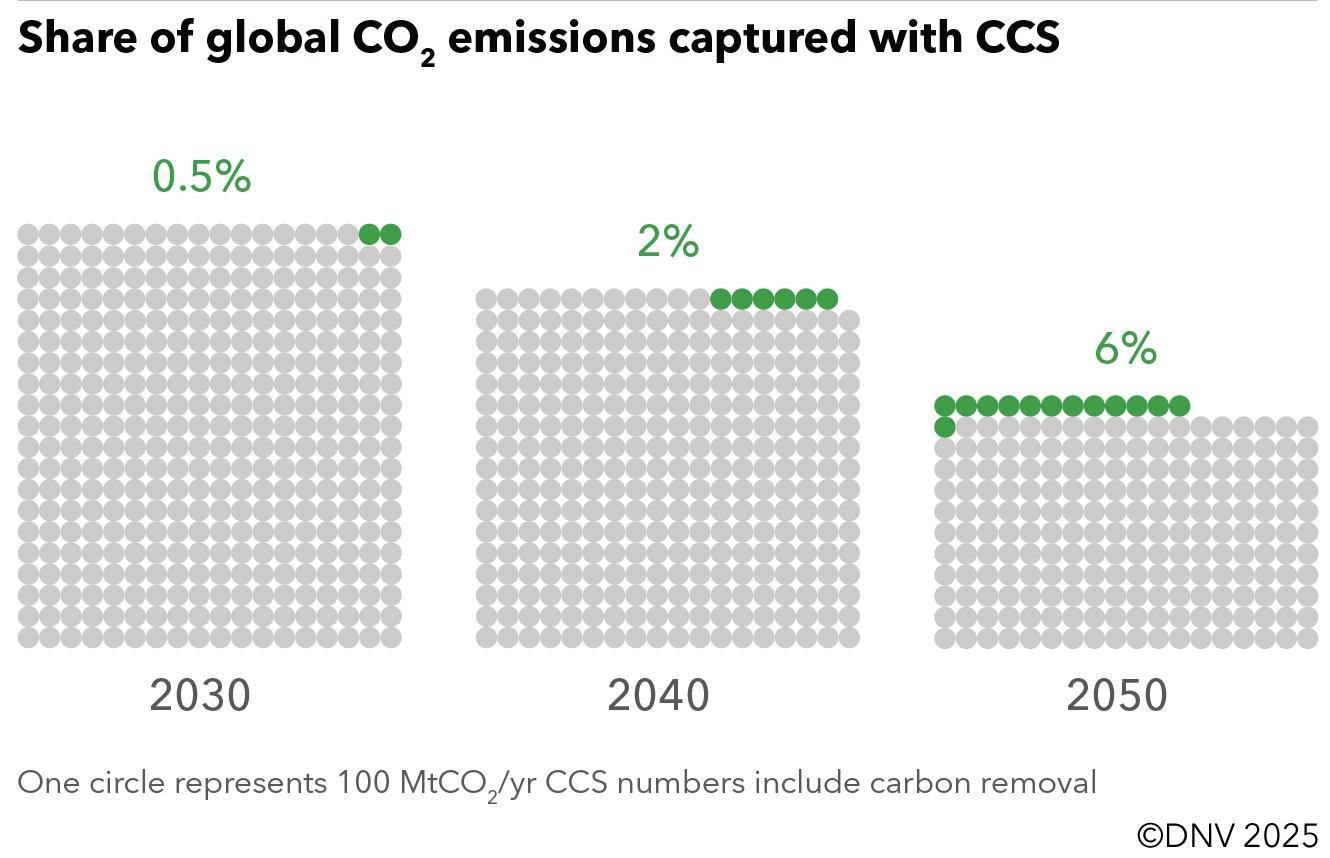
Carbon capture and storage (CCS) is positioned for significant growth, projected to capture 6% of global CO2 emissions by 2050, up from 0.5% in 2030. Key drivers include substantial investments nearing $80 billion over five years, primarily in North America and Europe. Technological advancements and supportive government policies are crucial for reducing costs and facilitating expansion, especially in hard-to-decarbonize sectors like cement and steel. CCS is essential for decarbonizing hydrocarbon production and will see most growth in manufacturing post-2030. However, achieving necessary emission reduction targets remains a challenge without more aggressive measures.
Carbon capture and storage is at a pivotal moment for decarbonization. Here's why

AI has the potential to transform essential services in the Global South by reducing costs and creating new job opportunities. Many critical services remain inaccessible due to economic and structural constraints. AI can enable more efficient service delivery, such as providing affordable healthcare, legal support, and agricultural advice. The demand for these services exists, with communities willing to pay for accessible solutions. AI facilitates task-level delivery, significantly decreasing the need for expensive professional credentials and improving outcomes. This shift could empower local workers and bridge the gap in service accessibility across the region.
Latin America | Education, ICT
How AI can leapfrog hurdles to unlock the Global South's job market
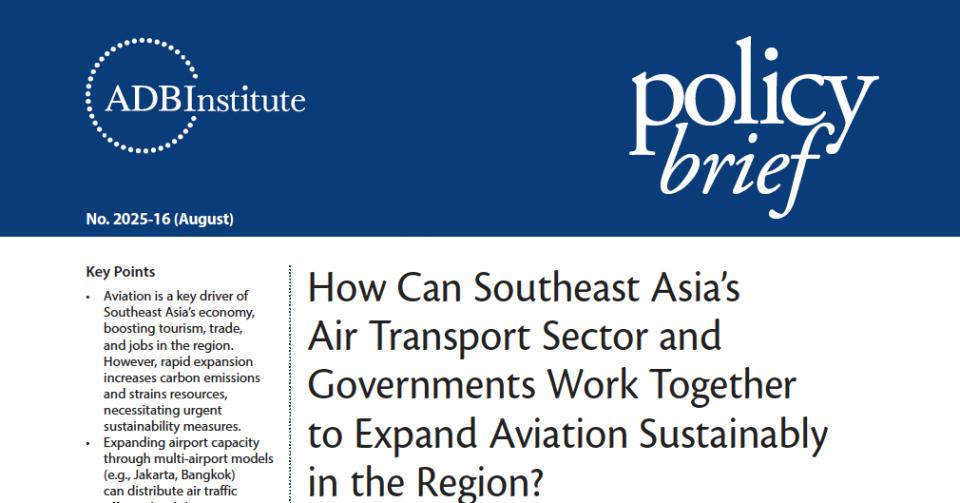
Southeast Asia's air transport sector is crucial for economic growth, enhancing tourism, trade, and employment. However, rapid expansion has led to increased carbon emissions and resource strain, necessitating urgent sustainability efforts. Strategies include expanding airport capacity through multi-airport models and implementing policies like Sustainable Aviation Fuel to mitigate environmental impacts. Collaboration between ASEAN governments and aviation stakeholders is essential to prioritize green technologies, carbon-neutral policies, and public-private partnerships, promoting sustainable growth while setting a global benchmark for responsible aviation development.
Indonesia
How Can Southeast Asia’s Air Transport Sector and Governments Work Together to Expand Aviation Sustainably in the Region?
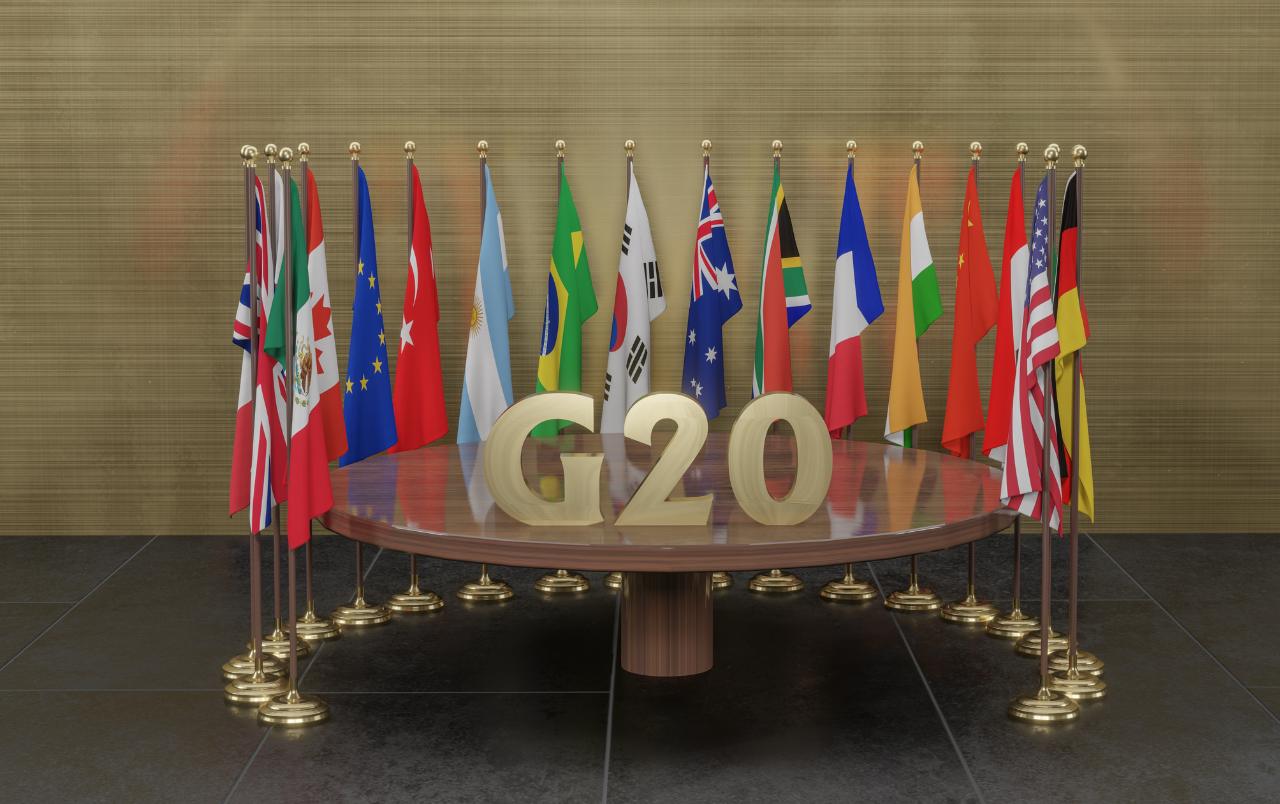
The world is undergoing a significant transition, with old certainties eroding and power dynamics shifting. The Global North experiences anxiety and instability, while the Global South seizes this moment to advocate for justice and equity. The emergence of leaders from the Global South, as shown by recent G20 presidencies, drives a new agenda focused on climate change and social equality. Amid rising chaos, the necessity for cooperation, shared leadership, and a commitment to human rights is critical for navigating these global challenges and reimagining a more just and sustainable future.
Africa, Latin America | Financial services, Health
The Threshold of a New World Order

Human-induced climate change is increasing the frequency and severity of wildfires globally, necessitating a structural shift in management strategies. It is crucial to treat wildfires as a global threat, implementing a coordinated five-pillar response focused on global fire intelligence, precise scientific analysis, improved international cooperation, and leveraging Indigenous knowledge. Transitioning from mere emergency responses to long-term resilience strategies will require significant investment. The economic burden of inaction is expected to outweigh the costs of proactive measures, as wildfires are projected to escalate in intensity and impact, especially on vulnerable Indigenous communities and ecosystems.
Financial services, Health
Extreme wildfires are here to stay – fighting them requires a fundamental and structural shift

Water must be recognized as a strategic investment asset critical for socioeconomic growth and geopolitical stability. Defining the water market's size and structure can attract capital and innovation while addressing scarcity and access issues that add geopolitical risks. Key challenges include chronic underinvestment and a $7 trillion funding gap. Effective collaboration and innovative business models are crucial for mobilizing investments in water infrastructure, while each dollar invested can yield significant economic returns. By prioritizing water and enhancing its visibility in investment strategies, substantial growth and resilience can be achieved across various sectors.
Latin America | Financial services, ICT, Health, Education
What will it take to unlock investment in water infrastructure?
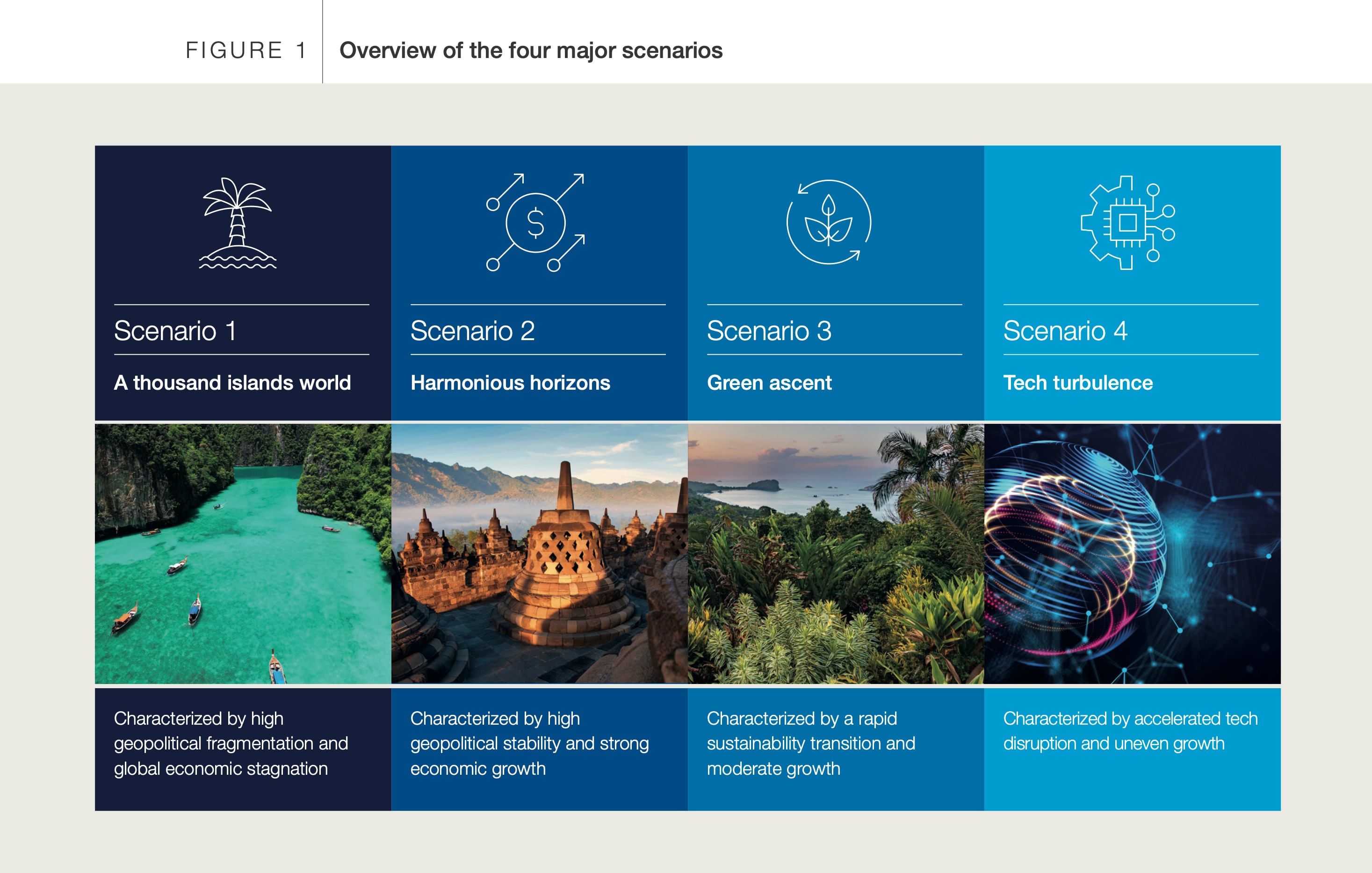
The travel and tourism sector is rebounding post-pandemic, with a projected 7% growth in spending over the next decade. A white paper from the World Economic Forum and Kearney outlines four future scenarios: 

1. **A Thousand Islands** - Geopolitical fragmentation reduces global trade and international travel, impacting low-income destinations. 

2. **Harmonious Horizons** - Strong multilateral cooperation leads to a 29% increase in international arrivals by 2030, primarily from Global South economies, though labor shortages and rising emissions pose challenges.

3. **Green Ascent** - Environmental regulation encourages low-impact tourism, driving investments in sustainable technologies while balancing growth against sustainability trade-offs.

4. **Tech Turbulence** - Rapid tech adoption transforms the sector, polarizing travelers while increasing energy consumption and resulting in both job automation and new vacancies.
Tanzania | Financial services, ICT, Education, Health
4 ways a changing world could transform travel and tourism

Young leaders from the 2025 Global Shapers Annual Summit in Geneva emphasized the need for purposeful leadership, highlighting empathy and collaboration over traditional competition. They advocate for inclusive education systems that equip youth with skills relevant to the evolving job market, particularly in technology and creativity. The leaders stress that technology, especially AI, should promote human dignity and reduce inequality. They also call for incorporating youth perspectives in policy-making to ensure technology development is equitable and effective. Overall, they envision a future shaped by diverse voices and an emphasis on social collaboration.
Education, ICT, Health
5 pathways towards an optimistic future, according to today's youth
Emerging technologies, including artificial intelligence (AI) and satellite imagery, are transforming economic policymaking in Africa. These tools allow for real-time insights into dynamic human economic activities, which traditional methods struggle to capture. A collaboration between the Africa Center for Economic Transformation and the South African Reserve Bank aims to develop a high-frequency economic activity index using advanced satellite data to track consumer behavior in South Africa’s economically vibrant regions. The project focuses on refining AI models and a data processing pipeline, utilizing commercial satellite imagery for accurate economic analysis while adhering to regulatory standards.
Angola, Kenya, Namibia, Senegal, South Africa, Tanzania | Financial services, ICT
New Approaches to Policymaking: Leveraging Satellite Imagery and AI to Measure Economic Activity

Decarbonization has become a key business imperative, shifting from a compliance task to a strategic growth driver. Five lessons from working with global corporations highlight that precise measurement of emissions is crucial for targeted action. Successful companies, like Reckitt and Symrise, demonstrate the necessity of a strong data foundation and long-term vision. Embracing AI technology significantly lowers costs and enhances the accuracy of product carbon footprint calculations, facilitating efficient carbon accounting. Sustainability initiatives must align with business objectives for effective transformation and compliance with evolving regulations.
Denmark, Sweden, United Arab Emirates | Education
5 lessons on decarbonization learned from working with corporates

Plastic pollution is a pressing global issue, with significant impacts on environments and livelihoods, particularly in coastal regions. As international negotiations for a plastic treaty progress, standardization via ISO standards is crucial for effective implementation. ISO's established frameworks promote circular economy principles, enhancing waste management and recycling practices and letting countries align policies with actions. Success hinges on translating treaty goals into measurable, actionable standards to prevent fragmentation and inefficiency. By fostering a consistent approach across nations, ISO standards can catalyze innovation in industry, paving the way for sustainable solutions to reduce plastic waste.
Financial services, Education
Why shared standards are the missing link to ending plastic pollution

The Fourth Financing for Development summit in Seville, Spain, focused on securing capital for global development and resulted in the adoption of the Sevilla Commitment. This agreement addresses issues such as reforming the international financial architecture, emphasizing South-South cooperation, and promoting debt sustainability. Despite strong support from 192 UN member states, criticisms arose regarding the commitment's failure to address the urgent African debt crisis and lack of clear action steps. The role of China as a significant partner for the Global South was underscored. Future discussions at COP30 in Brazil are anticipated to tackle development finance challenges more concretely.
Tanzania | Health, Financial services
Roundtable: What the latest UN Finance for Development summit means for the world
Data preservation and its independent governance are crucial for democracy, social understanding, and informed decision-making amid rising challenges such as contested facts and eroded trust in institutions. Recent developments in the U.S., including federal funding cuts and potential deletions of critical datasets, highlight the urgent need for vigilance in maintaining data archives. Established services like the UK Data Archive have effectively preserved essential population, social, and economic data for decades, serving as an invaluable resource for policy-making and research.
Health
Guardians of the record: why data preservation matters now more than ever