Publications

INSIGHT REPORT

Pioneering the Future: Space

Technologies Poised to Revolutionize

Exploration and Economy by 2035

September 2026

FACTSHEETS

Pioneering the Future: Space

Technologies Poised to Revolutionize Exploration and Economy by 2035

June 2026

WHITE PAPER

Future of Space Law:

Operationalizing Space Governance

March 2026

REPORT

Clear Orbit, Secure Future:

 A Call to Action on Space Debris

Jan 2026

WHITE PAPER

The Future of Space Law

Insights from the ATS, UNCLOS, and ITU Frameworks

December 2025

WHITE PAPER

The Future of Space Law: 

The Evolving Dynamics of Air and Space Regulation

 September  2025

The Future Of Space Law

News

Centre for Space Futures, Novaspace and SpaceTech Gulf  Sign Agreement to Develop Global Space Capability Mapping Dashboard

Riyadh, Saudi Arabia , 23 Jun 2026|  Press Release

Clear Orbit, Secure Future: A Call to Action on Space Debris

Riyadh, Saudi Arabia, 26 Jan 2026 | Press Release

Centre for Space Futures Holds Workshop with Participation of 40 Global Experts

Riyadh, Saudi Arabia, 05 Dec 2025 | Press Release

Centre for Space Futures Releases White Paper on 'The Future of Space Law'

Riyadh, Saudi Arabia, 12 Sep 2025 | Press Release

The Board of Directors of the Centre for Space Futures Endorses Its Strategic Direction

Riyadh, Saudi Arabia, 26 May 2025 | Press Release

Saudi Space Agency to Launch the Centre for Space Futures with the World Economic Forum

Riyadh, Saudi Arabia, 29 April | Press Release

5 ways we can tackle growing risks from rocket bodies in orbit

Dec 09, 2025 | Economic Growth, Stories

Read More

Forum Agenda

Forum Videos

VIDEO

Press Conference: Centre for Space Futures in Riyadh

The World Economic Forum's Special Meeting, April 29, 2024

VIDEO

The Purpose of Astronauts at Davos 2024

World Economic Forum , March 9, 2024

VIDEO

PortWatch: Monitoring Trade Disruptions from Space

World Economic Forum , Dec 18, 2023

VIDEO

India's Moon Mission Triumph: Ambassador Ruchira Kamboj's Insights

World Economic Forum , Aug 23, 2023

VIDEO

Space Exploration is Back at Davos 2023

World Economic Forum , Feb 16, 2023

Forum Publications

Strategic Intelligence Insights

Lethal autonomous weapons systems (LAWS), including drones and autonomous missiles, are nearing operational capabilities in warfare, marking a significant shift from manual to autonomous decision-making in military technology. The debate over governance is complicated by differing national perspectives, with some nations advocating for existing legislation while others push for total bans. The use of LAWS poses challenges to international humanitarian law, potentially undermining principles like responsibility and distinction in armed conflict. Urgent and unified international regulations are necessary to mitigate risks associated with an uncontrolled arms race and to establish accountability in the deployment of these technologies.
Governing Lethal Autonomous Weapons: The Future of Warfare and Military AI
Executive Branch initiatives since January 2025 have led to cut or frozen contracts for statistical services and significant staff reductions through layoffs and incentives for early retirement. This loss of personnel compromises agencies' capacity to fulfill their legal obligations, with some, like the National Center for Education Statistics, severely impacted. Budget cuts and hiring freezes have resulted in the discontinuation of data products and diminished reliability in data collection. Reports suggest potential political interference in the release of data from the U.S. Department of Agriculture, raising concerns about the recent appointment of a political Chief Statistician without community consultation.
The Nation’s Data at a Crossroads
The U.S. is lagging in energy innovation while China advances rapidly in renewable technologies like wind, solar, and batteries. Political decisions under the Trump administration favor fossil fuels, undermining support for clean energy initiatives. Despite being a top fossil fuel exporter, the U.S. faces rising energy costs and climate change impacts. China capitalizes on this by investing heavily in renewable energy, making it cheaper than fossil alternatives. As U.S. priorities shift, global competition in clean energy innovation is intensifying, with China currently taking the lead.
Why the US is letting China win on energy innovation

AI is transforming society, akin to the Renaissance and Industrial Revolution, affecting various industries from healthcare to education. A human-first approach is crucial in guiding AI's development, ensuring it benefits humanity. AI enhances efficiency and impact, such as reducing ICU admissions by 30% and streamlining recruitment processes. While it offers vast potential, challenges like malicious use and ethical concerns necessitate careful governance and transparency. Collective efforts across sectors are essential to harness AI’s benefits while mitigating risks, ensuring a responsible and equitable future for technology.
ICT, Education
Human-first AI: What decisions today will impact AI for humanity tomorrow?
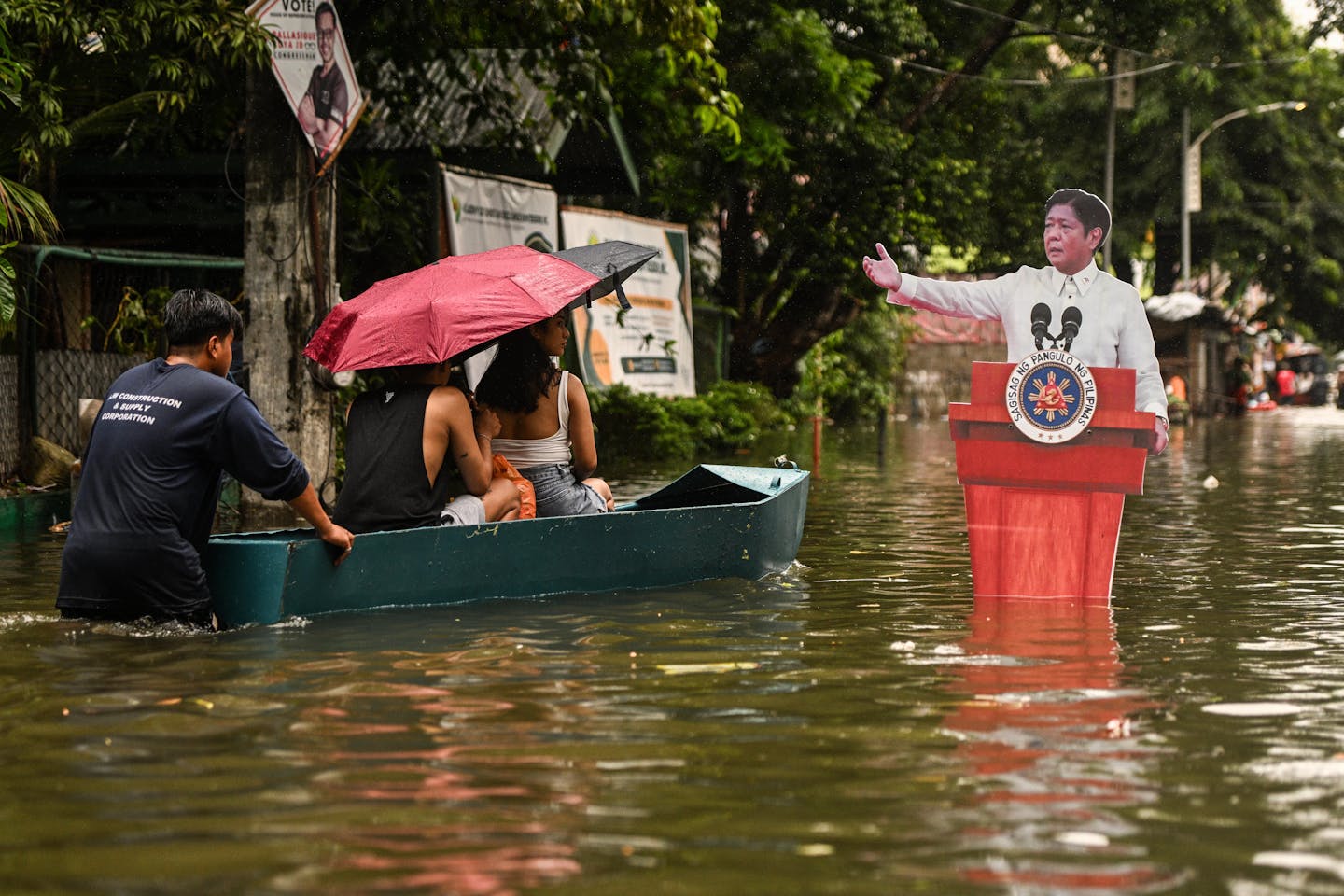
Singapore’s sovereign wealth fund GIC warns of increasing likelihood of high transition risk climate scenarios, specifically “delayed disorderly transition” and “too little too late,” influenced by rising emissions and current geopolitical challenges. The “too little too late” scenario predicts a temperature increase of 2⁰C to 3⁰C above industrial levels, while the “delayed disorderly transition” scenario suggests a gradual initial response leading to effective policy action later, keeping warming below 2⁰C by 2100. GIC emphasizes preparation for a range of possible climate outcomes to safeguard its investments and anticipates rising demand for climate adaptation solutions.
Indonesia | Financial services
High transition risk climate scenarios becoming more probable: GIC
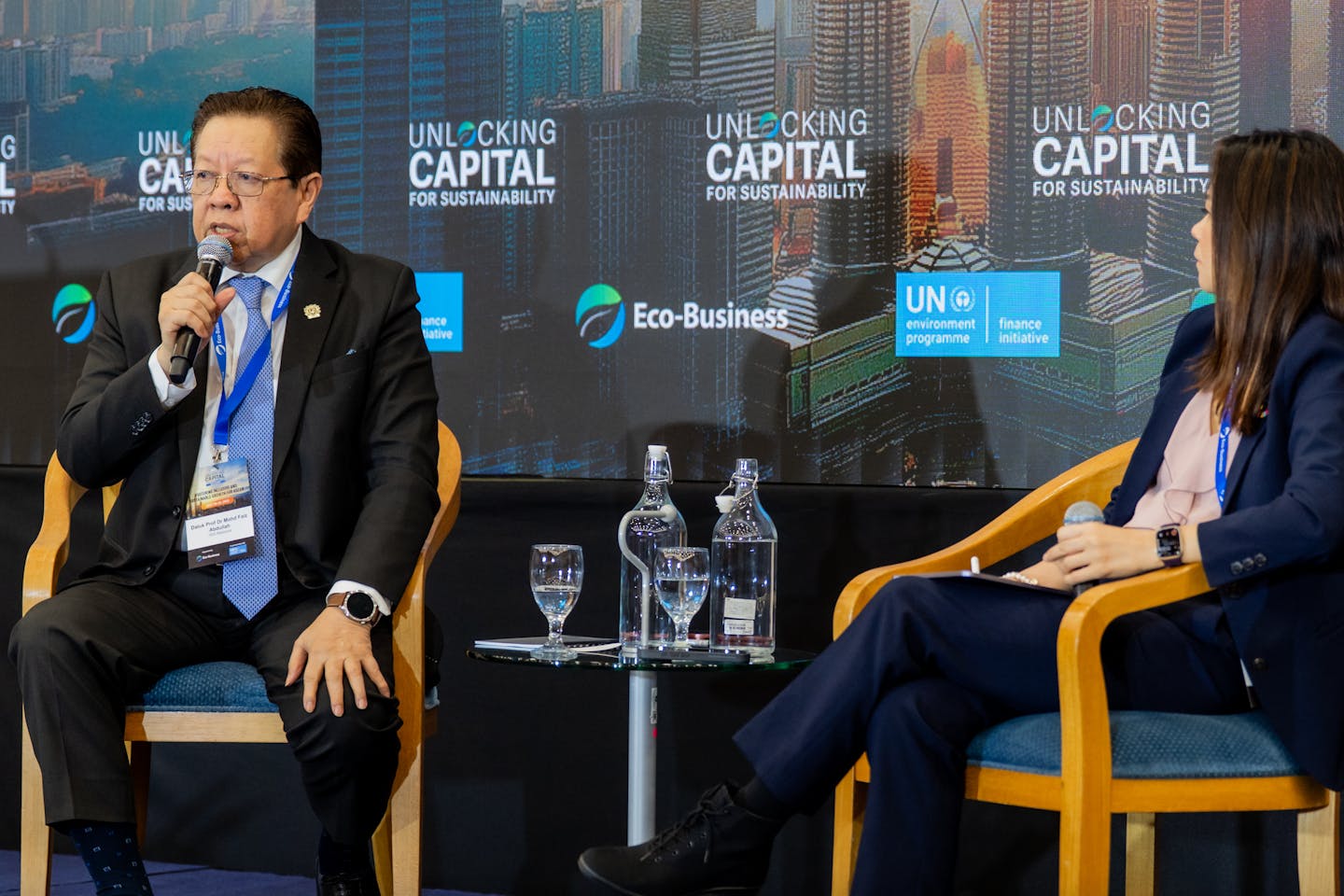
Asean can lead the climate transition by addressing immediate opportunities while advocating for necessary climate financing from the Global North, which has failed to meet promised financial support. Despite the financial constraints faced by developing countries, Asean can set the groundwork for clean energy and climate-resilient infrastructure. The Asian Development Bank highlights a significant need for over US$200 billion in adaptation investments by 2030. Prioritizing adaptation is crucial to avoid future economic losses exceeding US$1 trillion annually across Asia due to climate-related disasters.
Indonesia | Financial services, Health
Asean can lead on tackling climate's ‘low hanging fruits’ but world's financial system needs reform: global affairs expert

The future of economic growth is linked to optimizing 'brain capital,' which includes brain health and cognitive, emotional, and social skills. The brain economy suggests communities contribute to stability through collective brainpower. Key challenges include addressing cognitive decline, rising mental health issues, and improving workplace productivity and resilience. Investments in brain health could yield $26 trillion in global opportunities and significantly enhance GDP. As AI changes job demands, critical thinking skills may decline, highlighting the need for training that fosters independent thought and effective knowledge evaluation.
Financial services, Health, Education
The Brain Economy: The New New Thing

Intergenerational partnerships are crucial for advancing climate solutions, as discussed at the World Economic Forum's Global Shapers Annual Summit. Youth leaders like Marcele Oliveira highlighted the urgency of climate justice and the need for diverse perspectives in shaping environmental policies. Collaborative efforts between generations can significantly enhance corporate social responsibility outcomes and decision-making effectiveness related to climate challenges. Oliveira emphasized collective action encompassing youth, families, and indigenous knowledge, while promoting climate education as vital for addressing ongoing crises ahead of COP30. Optimism and ecopreneurship remain essential components for driving impactful change.
Health
Youth perspectives: How intergenerational action speeds up climate progress
Europe faces a critical juncture in its science, research, and innovation strategy amid rising geopolitical tensions and increased investment in dual-use technologies. The EU must reimagine its research policy for strategic autonomy and global impact. Key asymmetries to address include data access, which remains concentrated among a few private entities, hindering effective research collaboration. Establishing a Data Commons with clear ethical guidelines and collaboration frameworks is essential to prevent a 'data winter' that could stifle future innovation and competitiveness.
ICT, Education
Going beyond the ‘EuroStack’ could help the EU build a truly global (open) Science Stack
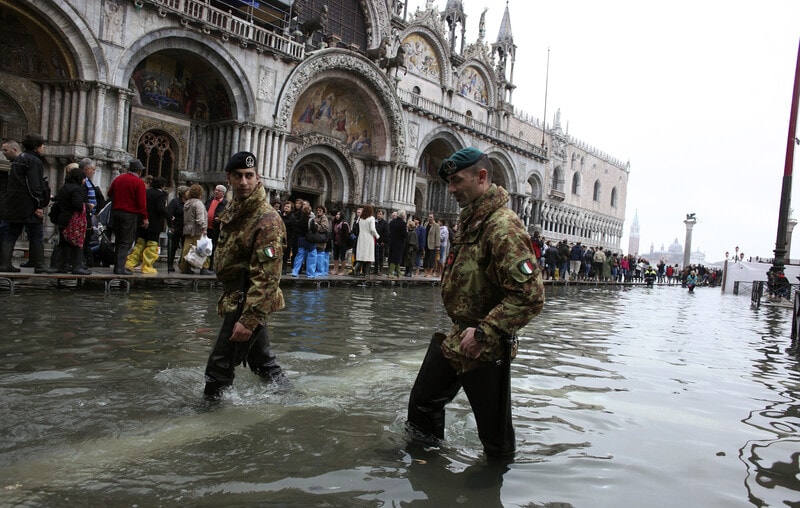
European military resources are increasingly strained by climate-related disasters, impacting readiness and infrastructure. As NATO and the EU significantly increase military spending, the emphasis on traditional threats neglects the pressing issue of climate change, which poses a direct national security risk. Spain is taking steps to address this by allocating €1.75 billion from its military budget for dual-use technologies to combat climate emergencies. The growing frequency of climate events diverts military focus from core defense tasks and threatens critical infrastructure. European leaders must integrate climate resilience into defense planning to create a stable and secure future.
Europe’s defence build-up is a climate gamble – here’s how it can course correct
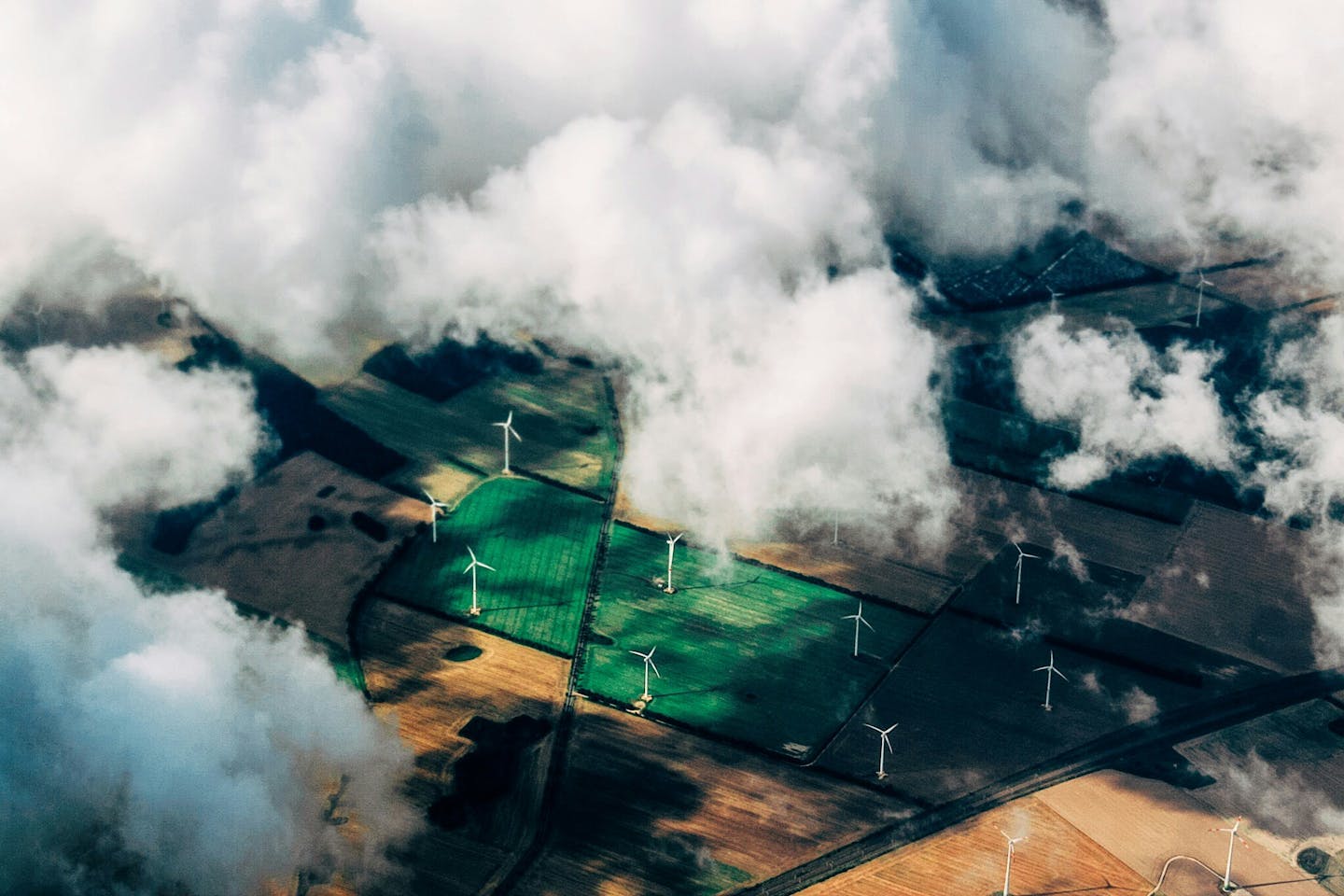
The International Renewable Energy Agency (IRENA) and UN reports highlight five key reasons for transitioning to renewable energy. The cost of renewable technologies has plummeted, making them increasingly more cost-effective than fossil fuels, with 91% of new renewable projects cheaper than new fossil alternatives in 2024. Renewables accounted for 92.5% of new electricity capacity and 74% of generation growth in 2024. Investment in clean energy surpassed $2 trillion, significantly outpacing fossil-fuel investment. Additionally, the renewable sector has created millions of jobs and contributed substantially to global economic growth. However, investment in modernizing electricity grids remains critical to support this transition.
Latin America
UN: Five reasons why switching to renewables is ‘smart economics’
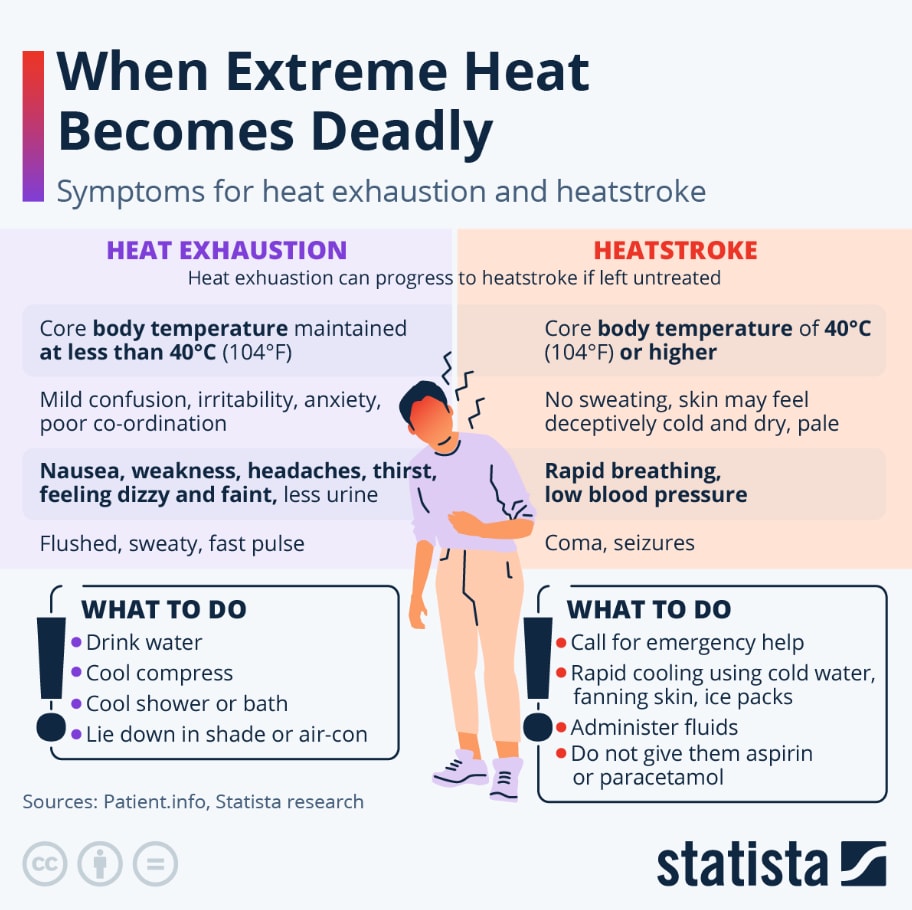
Extreme heat is the deadliest climate risk, causing nearly 489,000 deaths annually, eclipsing fatalities from floods, hurricanes, and wildfires combined. The current global temperature is 1.55°C above pre-industrial levels, with a warming rate of 0.26°C per decade. Heatwaves are intensifying in frequency and severity, particularly affecting vulnerable populations like the elderly and outdoor workers. Urban areas, exacerbated by the urban heat island effect, can be up to 15°C warmer than rural regions, complicating mitigation efforts. Proactive resilience investments are essential to address the profound public health and environmental impacts of extreme heat.
Latin America | Health
Extreme heat: What to know about the deadliest climate risk of our time

Japan faces challenges with its “employment ice age generation,” consisting of 17 to 20 million workers in their 40s and 50s stuck in low-wage, non-regular jobs. Since 2020, the government has initiated programs to support this group, resulting in the addition of over 310,000 regular employees. These individuals, earning significantly less than their younger counterparts, face financial instability and limited retirement prospects. To address these issues, measures include expanding recruitment in public sectors, increasing training programs, and providing employer incentives. Companies recognize the value of upskilling this generation, enhancing workplace communication and addressing labor shortages.
Financial services, Education
How Japan is rebuilding economic stability for its ‘employment ice age generation’
Technological interventions in humanitarian aid are complex and ambiguous, often revealing tensions related to sovereignty over data. Disputes arise from unauthorized data access, unconsented sharing, and interoperability demands, reflecting deeper power dynamics beyond privacy concerns. This analysis underscores the importance of viewing humanitarian data through a sovereignty lens, exploring its implications in contexts like the Rohingya in Bangladesh, Houthi in Yemen, and the humanitarian response in Ukraine. The emergence of "pseudo-sovereigns" challenging traditional norms is highlighted, advocating for scholars to prioritize sovereignty in discussions about surveillance and privacy in humanitarian innovation.
Health
Why sovereignty matters for humanitarian data
The EU's strategy for addressing interconnected environmental risks is framed by shifting geoeconomic and political conditions. The European Green Deal, bolstered by initiatives like Fit for 55 and REPowerEU, emphasizes decarbonisation despite challenges such as inflation and political resistance. The analysis outlines four potential scenarios for the EU's involvement in global governance reform, highlighting the necessity for internal and external actions to bridge the climate and social divide. It stresses the importance of engaging with emerging economies and diversifying green value chains while cautioning against excessive protectionism.
United Kingdom | Financial services, Health
Rethinking the EU's role in tackling interconnected environmental risks amid geoeconomic and political shifts

China's clean-energy exports in 2024 are projected to reduce global CO2 emissions outside of China by 1%, equating to 220 million tonnes annually, while cumulative savings over product lifetimes will reach 4 billion tonnes. The manufacturing of these exports will produce an estimated 110 million tonnes of CO2 within China, but this will be offset within less than a year of operation. China's clean-tech influence extends globally, with emissions reductions particularly significant in sub-Saharan Africa and the MENA region. Furthermore, future overseas investments in clean-energy projects are expected to enhance these savings.
Argentina, Egypt, Ghana, India, Kenya, Tanzania
Analysis: China’s clean-energy exports in 2024 alone will cut overseas CO2 by 1%
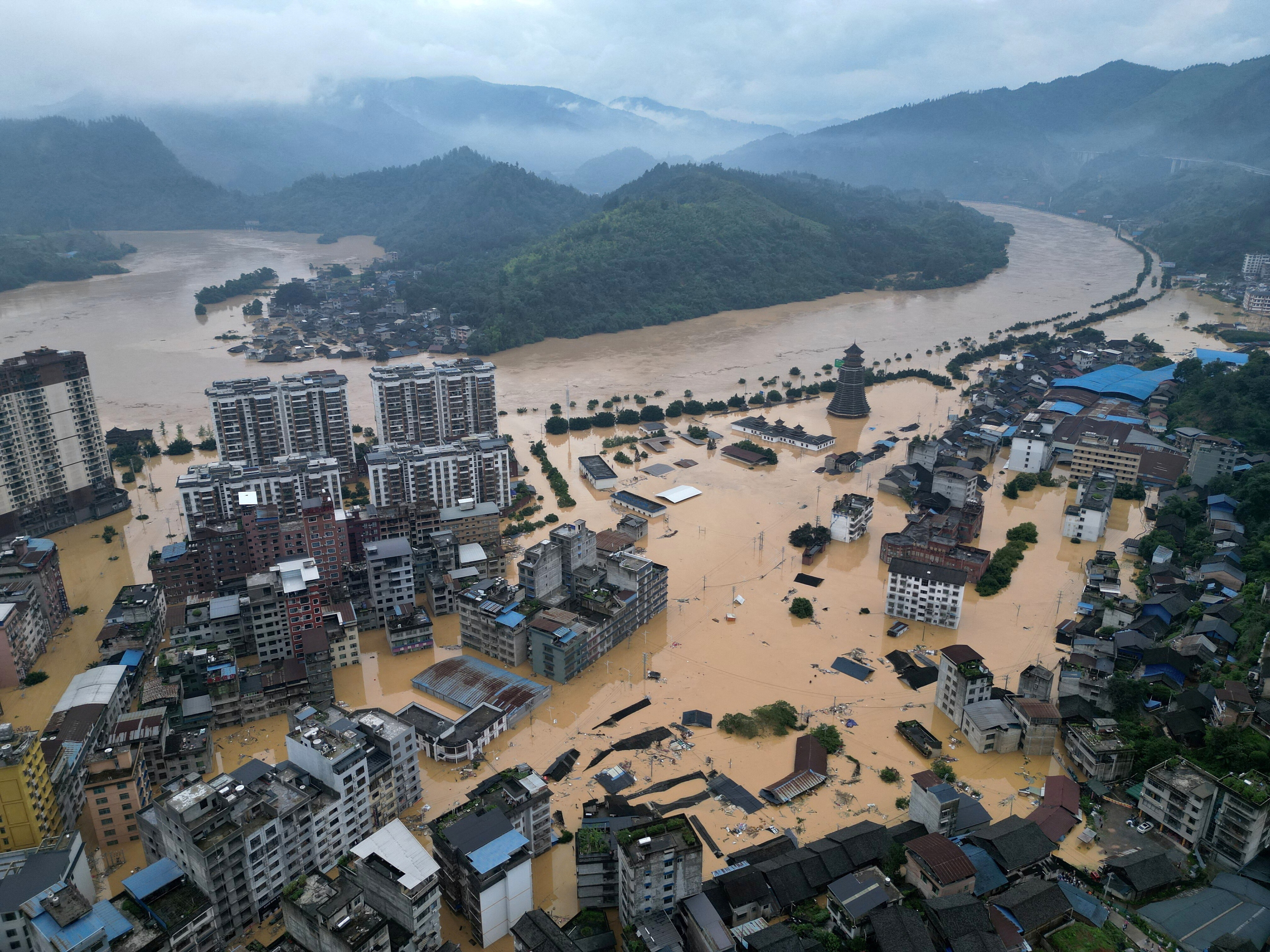
The International Court of Justice issued a landmark ruling affirming that countries have a duty to limit environmental harm, bolstering climate justice for vulnerable nations affected by climate change. UN Secretary-General António Guterres highlighted an inevitable transition from fossil fuels to renewable energy, noting that renewables are increasingly cost-effective. The EU is exploring ways to simplify sustainability laws without compromising environmental goals. Additionally, the US faces a shortage of firefighters amid extreme wildfire conditions, and seabird populations in Peru have drastically declined. Coastal erosion threatens Alexandria, while extreme rainfall has caused flooding in Northern China.
UN court issues landmark climate decision and other nature and climate news
Artificial light at night disrupts natural ecosystems, affecting sensory capacities and body clocks of wildlife, leading to negative health consequences for both animals and people. Approximately 83% of the global population lives under light-polluted skies, which complicates urban environments. However, promoting darkness in cities can benefit biodiversity and human well-being. Innovative light management strategies, such as biophilic lighting and bat-friendly lamps, can create safer urban spaces while protecting wildlife. Cities can serve as experimental grounds to balance illumination and darkness, exploring sustainable lighting options like bioluminescence.
‘Darkening’ cities is as important for wildlife as greening them
Africa's economic future relies on leveraging its youthful population's entrepreneurial potential, particularly through innovative and tech-driven start-ups that tackle youth unemployment and promote economic diversification. The tech start-up ecosystem has grown significantly, with over 1,000 active tech hubs and substantial funding in recent years, despite being underfunded compared to other regions. Policymakers are encouraged to analyze macroeconomic policies that support start-ups, share successful practices, and create a conducive environment for entrepreneurship to enhance economic transformation across the continent.
Ethiopia, Ghana, Kenya, Namibia, South Africa, Tanzania | Financial services, Education
Macroeconomic Policies Supporting Start-ups in Africa
Africa's tech start-up ecosystem has grown significantly over the past decade, with active tech hubs increasing from fewer than 50 in 2011 to over 1,000 by 2024. Kenya has emerged as a leading innovation center in Africa, known as “Silicon Savannah,” fostering a diverse start-up ecosystem across sectors like fintech and e-commerce. Nairobi attracts tech entrepreneurs and investors due to its supportive infrastructure and talent pool. Kenya is transitioning to a policy-driven approach to enhance innovation, implementing macroeconomic policies that draw on both local experiences and international best practices to support entrepreneurial growth and economic transformation.
Burkina Faso, Egypt, Ethiopia, Ghana, Indonesia, Kenya, Namibia, Senegal, South Africa, Tanzania, Uganda
Macroeconomic Policies Supporting Start-ups in Africa: A Case Study of Kenya