Publications

INSIGHT REPORT

Pioneering the Future: Space

Technologies Poised to Revolutionize

Exploration and Economy by 2035

September 2026

FACTSHEETS

Pioneering the Future: Space

Technologies Poised to Revolutionize Exploration and Economy by 2035

June 2026

WHITE PAPER

Future of Space Law:

Operationalizing Space Governance

March 2026

REPORT

Clear Orbit, Secure Future:

 A Call to Action on Space Debris

Jan 2026

WHITE PAPER

The Future of Space Law

Insights from the ATS, UNCLOS, and ITU Frameworks

December 2025

WHITE PAPER

The Future of Space Law: 

The Evolving Dynamics of Air and Space Regulation

 September  2025

The Future Of Space Law

News

Centre for Space Futures, Novaspace and SpaceTech Gulf  Sign Agreement to Develop Global Space Capability Mapping Dashboard

Riyadh, Saudi Arabia , 23 Jun 2026|  Press Release

Clear Orbit, Secure Future: A Call to Action on Space Debris

Riyadh, Saudi Arabia, 26 Jan 2026 | Press Release

Centre for Space Futures Holds Workshop with Participation of 40 Global Experts

Riyadh, Saudi Arabia, 05 Dec 2025 | Press Release

Centre for Space Futures Releases White Paper on 'The Future of Space Law'

Riyadh, Saudi Arabia, 12 Sep 2025 | Press Release

The Board of Directors of the Centre for Space Futures Endorses Its Strategic Direction

Riyadh, Saudi Arabia, 26 May 2025 | Press Release

Saudi Space Agency to Launch the Centre for Space Futures with the World Economic Forum

Riyadh, Saudi Arabia, 29 April | Press Release

5 ways we can tackle growing risks from rocket bodies in orbit

Dec 09, 2025 | Economic Growth, Stories

Read More

Forum Agenda

Forum Videos

VIDEO

Press Conference: Centre for Space Futures in Riyadh

The World Economic Forum's Special Meeting, April 29, 2024

VIDEO

The Purpose of Astronauts at Davos 2024

World Economic Forum , March 9, 2024

VIDEO

PortWatch: Monitoring Trade Disruptions from Space

World Economic Forum , Dec 18, 2023

VIDEO

India's Moon Mission Triumph: Ambassador Ruchira Kamboj's Insights

World Economic Forum , Aug 23, 2023

VIDEO

Space Exploration is Back at Davos 2023

World Economic Forum , Feb 16, 2023

Forum Publications

Strategic Intelligence Insights

Africa’s tech start-up ecosystem has seen significant growth over the past decade, with active tech hubs increasing from under 50 in 2011 to more than 1,000 by 2024. In Ghana, the start-up sector has emerged as a vital driver for transforming the economy into a modern, innovation-focused one. Government support and favorable policies have led to substantial funding growth, with start-ups raising $148.57 million in 2022 compared to $19.75 million in 2021. Effective macroeconomic policies could further enhance this growth and position Ghana as a leader in regional start-up policies.
Ghana, Kenya, Senegal, South Africa, Tanzania
Macroeconomic Policies Supporting Start-ups in Africa: A Case Study of Ghana
Taiwan's semiconductor industry, shaped by over five decades of development, emphasizes a "clients-first" business model instead of pursuing geopolitical concepts like "strategic autonomy" or "indispensability." The ecosystem serves global clients, such as Apple and Nvidia, focusing on reliability, cost-efficiency, and high-quality manufacturing. Despite growing importance of these concepts in global discussions, Taiwan maintains its strategy of integration into the global supply chain. Recently, with the rise of AI, the industry has swiftly adapted to meet the needs of leading AI companies, reaffirming its position as a critical player in this evolving landscape.
Indonesia, Italy, Kenya, Switzerland, Taiwan, China, Tanzania, United Arab Emirates, United Kingdom | ICT
Three Questions to Jeremy Chang: Taiwan’s Contract Manufacturing Model, Dancing with Clients

The logistics sector represents up to 11% of global greenhouse gas emissions, with emerging economies positioned to lead in green logistics through the adoption of efficient and innovative technologies. As global freight demand is expected to double by 2050, countries like China and those in the Middle East are enhancing their logistics infrastructure, embracing electric and hydrogen fuel trucks, and committing to zero-emission vehicle sales by 2040. Emerging markets can leapfrog outdated systems to foster economic growth and sustainability. A collaborative approach is crucial for a successful global transition, focusing on advancements in fuel solutions, vehicle technology, digital optimization, and infrastructure development.
Argentina, Colombia, Ethiopia, Ghana, India, Indonesia, Kenya, Tanzania, United Arab Emirates, United Kingdom | Financial services, ICT, Education
Emerging economies can lead the way on green logistics. Experts explain why

A potential massive planet, dubbed "planet nine," could exist in the outer Solar System, affecting the erratic orbits of trans-Neptunian objects in the Kuiper Belt. The theory, proposed by astronomers Konstantin Batygin and Mike Brown in 2016, suggests that a gravitational force from this unseen body influences these objects' paths. While recent findings, including new candidates for dwarf planets and sednoids, challenge the existence of planet nine, astronomers emphasize that more observations are needed due to the vast orbital periods involved. The search continues, but significant evidence remains unresolved.
The hunt for ‘planet nine’: why there could still be something massive at the edge of the Solar System

US businesses face heightened geopolitical tensions, now seen as the top risk to economic growth. Companies are encouraged to establish in-house geopolitical teams to anticipate and navigate global shifts for value creation and risk management. Key strategies include preparing for potential policy changes, identifying growth opportunities through tariffs and trade agreements, and proactively securing first-mover advantages while implementing defensive measures. Diversifying supply chains and securing inventory are crucial for stability amid uncertainties. Adaptability remains essential for maintaining US economic preeminence in a changing global landscape.
Colombia, India, Indonesia, Kenya, Russian Federation, Sweden, Switzerland, Tanzania, Ukraine, United Arab Emirates, United Kingdom | Financial services, Health
Will US businesses maintain their preeminence in a changing world?
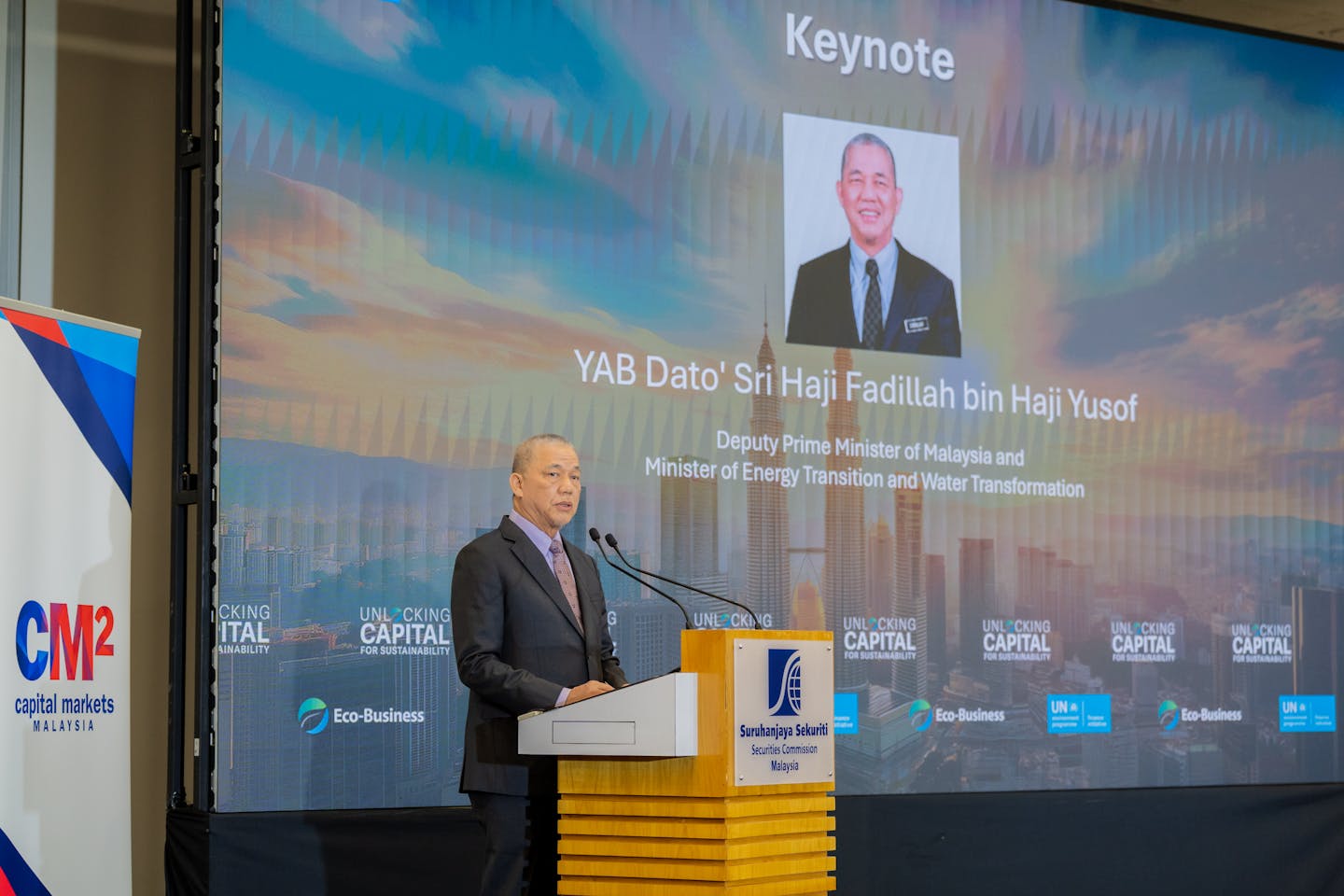
Asean member states must agree on a business model for the Asean Power Grid (APG) to attract investments, according to Malaysia's Deputy Prime Minister Fadillah Yusof. During a forum in Kuala Lumpur, he emphasized the need for standardization and a harmonized regulatory framework to facilitate the APG's development, with a meeting set for October to finalize the roadmap. Fadillah highlighted that the APG is crucial for enhancing regional energy security, reducing fossil fuel dependency, and fostering climate-aligned investments. He also addressed the need to upgrade transmission systems to support increased renewable energy integration and announced a review of wheeling charges under the Corporate Renewable Energy Supply Scheme to accommodate industry concerns.
Indonesia | Financial services
Consensus on business model needed to finalise Asean Power Grid roadmap by October: Malaysia DPM Fadillah Yusof
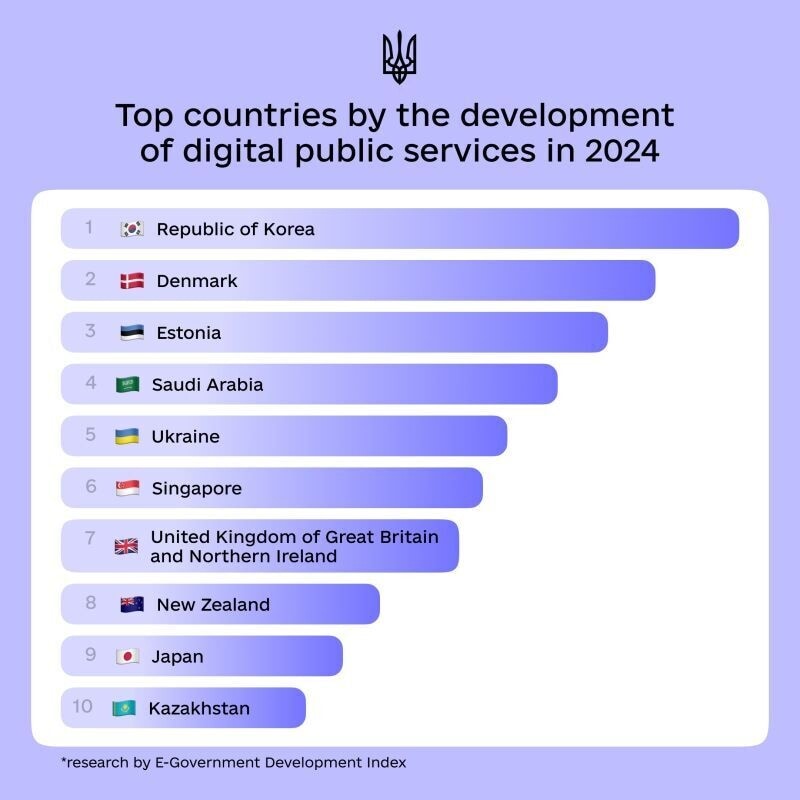
Governments can adopt start-up principles to enhance efficiency and responsiveness, particularly in crisis situations, as demonstrated by Ukraine's digital transformation during the Russian invasion in 2022. Key strategies included rapid iteration of digital services, user-centric design, and data-driven decision-making. The Air Alert app exemplifies this, developed swiftly to provide critical notifications to citizens. Ukraine's e-government platform, Diia, grew progressively based on user feedback, aiming to restore public trust through accessible services. Emphasizing innovation does not equate to abandoning public duty; it enhances governmental capacity to address urgent needs effectively.
Financial services, Health, Education, ICT
Should governments act like start-ups?
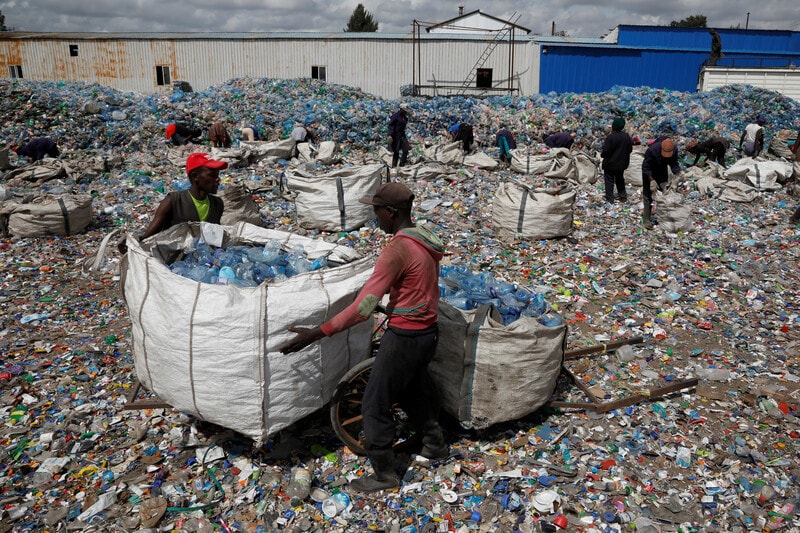
Donating 10% of Extended Producer Responsibility (EPR) fees on plastic waste from developed nations could fund waste management infrastructure in developing countries. This initiative aligns with ongoing negotiations for a UN Plastics Treaty that includes financial provisions to support low-income nations. By reallocating EPR funds, high-income countries can provide vital resources to mitigate plastic pollution rapidly, enhancing accountability through traceability standards for fund use. This approach allows countries to demonstrate commitment to treaty goals without waiting for formal agreements, thereby addressing urgent waste infrastructure needs in the Global South efficiently.
How leveraging plastics policy in the Global North could mitigate against pollution in the South
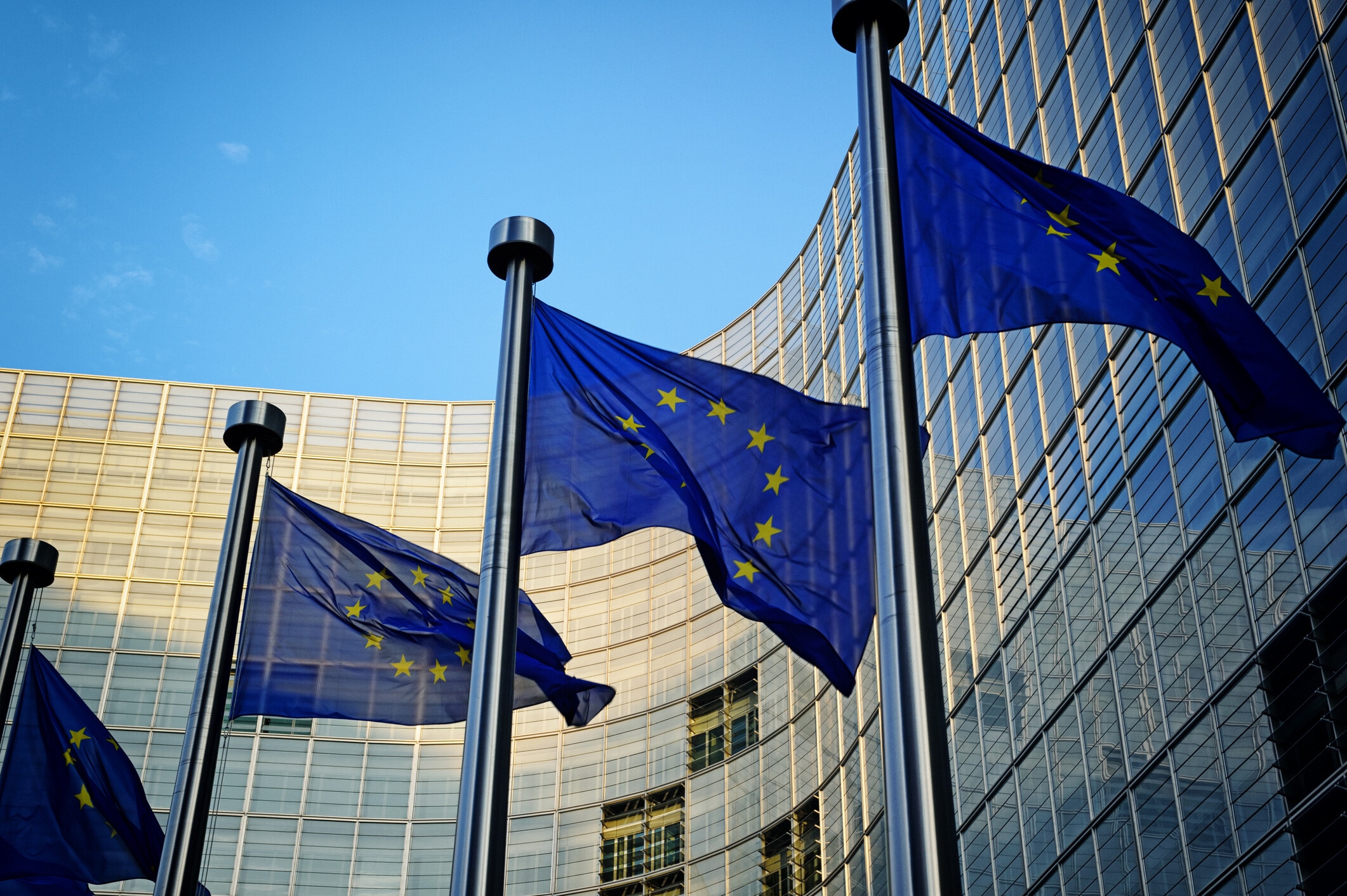
The European Union is reintroducing international carbon credits to achieve its 2040 target of reducing net greenhouse gas emissions by 90% from 1990 levels. This approach includes both domestic carbon removal methods and the option to purchase international credits, potentially allowing up to 3% of 1990 EU emission levels. The initiative aims to support a just transition in the Global South while benefiting European industries. However, challenges remain, such as ensuring environmental integrity and fair benefit-sharing to avoid the pitfalls of past carbon credit systems. Full implementation success hinges on balancing domestic investment with international credit use.
Financial services
Why the EU’s 2040 climate target could reshape global carbon markets
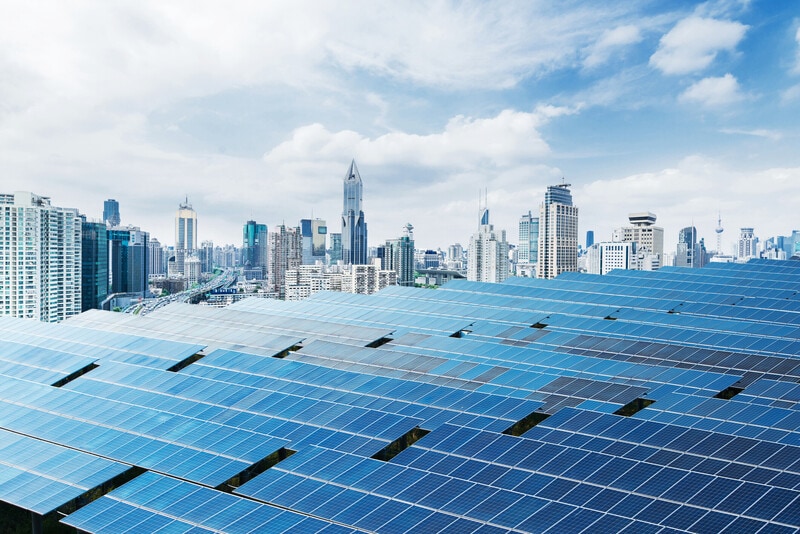
China has made substantial strides in its green transformation over the past 15 years, leading to over 40% of global renewable energy capacity and $818 billion in investments by 2024. Despite geopolitical challenges, China remains committed to its ambitious carbon neutrality goals, aiming to peak emissions before 2030 and achieve net zero by 2060. This transformation is viewed as a national security imperative, blending the dual objectives of building green energy industries while phasing out fossil fuels. China's strategy emphasizes rapid renewable expansion, energy security, and economic benefits, setting it apart from many developed nations.
Indonesia, Taiwan, China, Tanzania, United Kingdom | Financial services
'Build first, break later': How China's green transformation was built to last

Japan's approach to natural disaster preparedness combines traditional practices with modern technology. With a long history of monitoring natural disasters, the Japan Meteorological Agency, founded in 1875, plays a crucial role in assessing risks from earthquakes, typhoons, and volcanic eruptions. Recent innovations, including high-resolution weather simulators and supercomputers, enhance the accuracy of extreme weather predictions. The government issues timely alerts through various platforms to enable quick responses from residents. As global natural disaster risks increase, Japan's proactive disaster preparedness serves as a vital model for resilience and community safety.
Innovation meets tradition to transform how Japan prepares for natural disasters
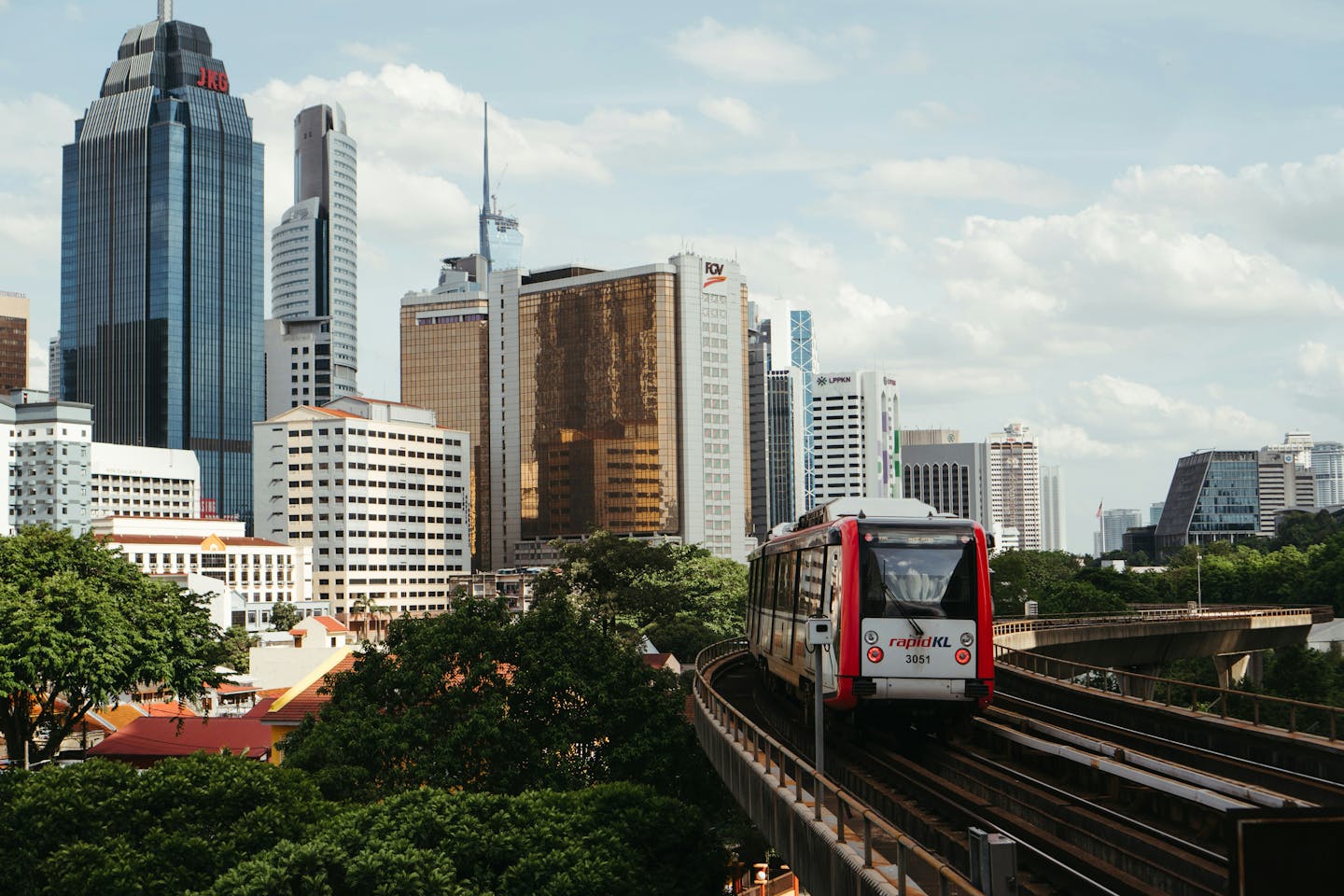
Malaysia is rapidly becoming a key player in Southeast Asia's data centre industry, with MYR 99 billion in investments since 2023 and plans for an additional MYR 149 billion. Its advantages include inexpensive electricity, labor, and land. However, the environmental impact of these energy-intensive AI data centres is a concern, as they predominantly rely on fossil fuels. Malaysia's electricity is 81% coal-based, conflicting with ambitions to increase renewable capacity to 70% by 2050. Initiatives like the Corporate Renewable Energy Supply Scheme face challenges, yet some industry experts believe data centres can help drive the transition to renewable energy.
Malaysia | Financial services, ICT
Can Malaysia’s AI data centres go green?

Academics can engage in public debate and influence policy through various strategies, as illustrated by four case studies. Tom Lyon focuses on promoting responsible corporate political engagement; Nadia Lambek empowers youth to influence global food policy; Charles Cho works on establishing a global standard for corporate impact reporting; and Rezvan Sharifnia and Neda Afsham enhance environmental policy advocacy in Iran. Each approach offers unique structures and desired impacts, providing a framework for academics to effectively contribute to societal change while engaging with established organizations or through independent efforts.
Health, Education
How Academics Can Inform Public Debate and Policy: Four Case Studies

China's overreliance on coal has led to negative electricity prices during low demand periods, notably in provinces like Zhejiang and Shandong. This situation arises from a significant portion of electricity being sourced from off-market coal power agreements rather than being driven by renewables. Despite an increase in renewable energy capacity, coal continues to dominate the supply chain, complicating decarbonization efforts. Policy challenges and an over-scheduled coal generator system further exacerbate the situation, with local provinces consistently importing coal power even during excess supply.
Financial services
China’s overuse of coal is causing negative power prices
Global supply chains, responsible for 70% of world trade, significantly contribute to ecological degradation through increased transportation distances and energy-intensive technologies. Despite green technologies, capitalist growth often leads to higher overall production and waste. Five strategies to mitigate environmental impacts include transitioning to renewable energy, electrifying shipping, promoting durable product design, rethinking urban transport systems, and reducing meat consumption to shorten supply chains. These steps aim to shift towards a low-energy economy that prioritizes ecological and human well-being over profit.
Argentina, Belgium, Benin, Brazil, Canada, Chile, Colombia, Costa Rica, Denmark, Ecuador, Finland, France, Germany, Ghana, Greece, India, Indonesia, Italy, Japan, Kenya, Mauritius, Mexico, Nepal, Netherlands, Norway, Panama, Philippines, Singapore, South Africa, Sri Lanka, Sweden, Switzerland, Tanzania, Türkiye, Uganda, United Arab Emirates, United Kingdom | Financial services, Health, ICT
How to reduce the hidden environmental costs of supply chains

Large-scale solutions are critical for coping with extreme weather impacts, with the UK projected to incur over £2 billion annually in adaptation costs by 2030. Funding challenges persist, despite documented needs. The CLIFF initiative in Suffolk aims to address coastal erosion through innovative financing, creating mechanisms like the Coastal Accumulator Fund to ease financial burdens on authorities. Effective climate adaptation financing requires understanding the investor landscape, quantifying resilience benefits, and reducing reliance on traditional grants. Urgent government action and collaboration among stakeholders are essential to shift the system towards recognizing resilience as a priority for investment.
Financial services
Unlocking Climate Adaptation Finance For Real-World Impact

Cities are adopting innovative strategies to enhance sustainable tourism, which is projected to contribute $16 trillion to global GDP by 2034. Recent protests highlight the need for better management to tackle challenges like overtourism. Successful initiatives include Atlanta's flood-resistant parks linked to a stadium and San Diego's Tourism Accelerator for local businesses. Meanwhile, Indian cities face a $2.4 trillion infrastructure challenge by 2050 to withstand climate impacts, necessitating increased private investment. China is also shifting towards building sustainable cities, reflecting a global trend towards integrating community needs with urban tourism development.
Bangladesh, Colombia, India, Indonesia, Kenya, Philippines, South Africa, Tanzania, United Arab Emirates, United Kingdom | Financial services, Education, ICT, Health
The future of sustainable tourism – and other urban transformation stories to read this month

The AI agent economy is reshaping trust, which is essential for economic transactions. Trust hinges on competence and intent, with growing autonomous AI agents prompting a need for new trust frameworks. Global trust levels are declining, yet their restoration could enhance economic growth. Key trust dynamics include human-to-human interactions, agent-to-agent reliability, and human-to-agent consistency. Trust issues are compounded by clarity around AI intention and the psychological impacts of digital interactions. Addressing these areas is crucial for fostering trust in an increasingly autonomous and AI-driven world.
Trust is the new currency in the AI agent economy
Understanding and predicting global sea level changes due to climate-driven ice sheet melting are crucial for addressing threats to vulnerable regions. The melting ice impacts sea levels by adding water volume and causing glacial isostatic adjustment (GIA), which alters Earth's surface. Modeling GIA necessitates interdisciplinary expertise, yet early-career scientists face barriers to entry in this complex field. To overcome these challenges, organizations have developed training schools for skill-building in GIA modeling. These programs emphasize experiential learning, networking, and collaboration, aimed at empowering the next generation of scientists in this critical area of research.
Antarctica | Education
Getting Schooled in Complex Earth System Modeling
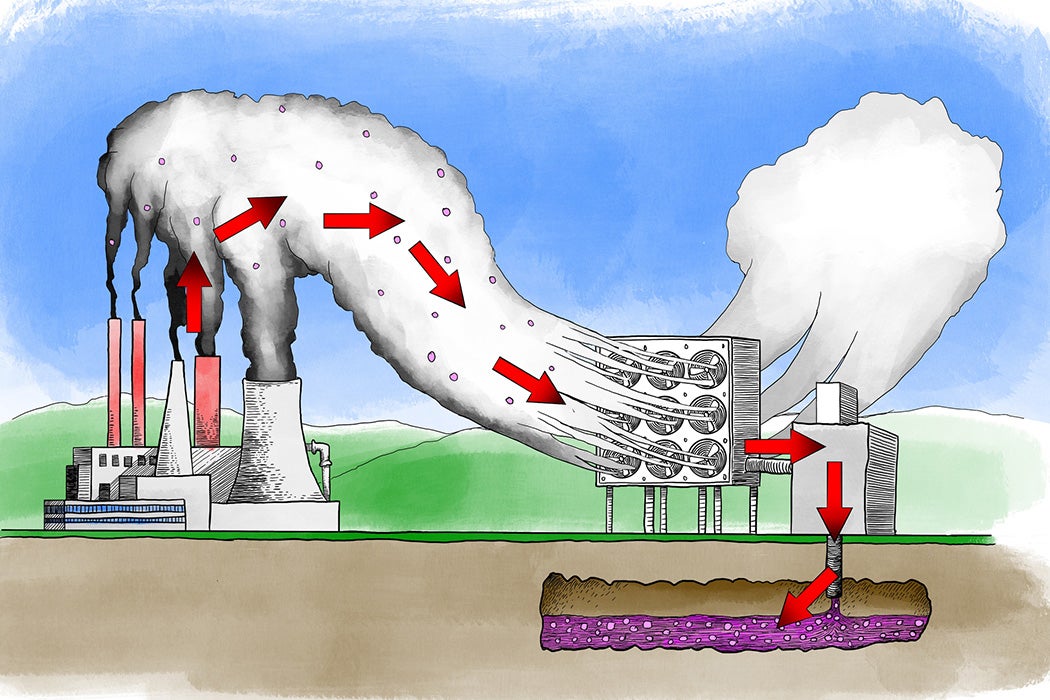
The legal ownership of underground space is complex in the U.S., influenced by historical property rights and evolving industries like oil extraction. As carbon removal emerges as a climate change solution, questions about who controls the subterranean space for CO2 storage arise. Current methods of storing CO2 require advanced technology and infrastructure, which are not yet sufficiently developed. Critics highlight potential delays in phasing out fossil fuels and raise environmental justice concerns, particularly regarding the safety of CO2 injections and the ownership of pore space, leading to community health risks and legal ambiguities.
Who Owns the Ground Beneath Your Feet?