
Publications

INSIGHT REPORT

Pioneering the Future: Space

Technologies Poised to Revolutionize

Exploration and Economy by 2035

September 2026

FACTSHEETS

Pioneering the Future: Space

Technologies Poised to Revolutionize Exploration and Economy by 2035

June 2026

WHITE PAPER

Future of Space Law:

Operationalizing Space Governance

March 2026

REPORT

Clear Orbit, Secure Future:

 A Call to Action on Space Debris

Jan 2026

WHITE PAPER

The Future of Space Law

Insights from the ATS, UNCLOS, and ITU Frameworks

December 2025

WHITE PAPER

The Future of Space Law: 

The Evolving Dynamics of Air and Space Regulation

 September  2025

The Future Of Space Law

News

Centre for Space Futures, Novaspace and SpaceTech Gulf  Sign Agreement to Develop Global Space Capability Mapping Dashboard

Riyadh, Saudi Arabia , 23 Jun 2026|  Press Release

Clear Orbit, Secure Future: A Call to Action on Space Debris

Riyadh, Saudi Arabia, 26 Jan 2026 | Press Release

Centre for Space Futures Holds Workshop with Participation of 40 Global Experts

Riyadh, Saudi Arabia, 05 Dec 2025 | Press Release

Centre for Space Futures Releases White Paper on 'The Future of Space Law'

Riyadh, Saudi Arabia, 12 Sep 2025 | Press Release

The Board of Directors of the Centre for Space Futures Endorses Its Strategic Direction

Riyadh, Saudi Arabia, 26 May 2025 | Press Release

Saudi Space Agency to Launch the Centre for Space Futures with the World Economic Forum

Riyadh, Saudi Arabia, 29 April | Press Release

5 ways we can tackle growing risks from rocket bodies in orbit

Dec 09, 2025 | Economic Growth, Stories

Read More

Forum Agenda

Forum Videos

VIDEO

Press Conference: Centre for Space Futures in Riyadh

The World Economic Forum's Special Meeting, April 29, 2024

VIDEO

The Purpose of Astronauts at Davos 2024

World Economic Forum , March 9, 2024

VIDEO

PortWatch: Monitoring Trade Disruptions from Space

World Economic Forum , Dec 18, 2023

VIDEO

India's Moon Mission Triumph: Ambassador Ruchira Kamboj's Insights

World Economic Forum , Aug 23, 2023

VIDEO

Space Exploration is Back at Davos 2023

World Economic Forum , Feb 16, 2023

Forum Publications

Strategic Intelligence Insights

Futurism in Europe, from its CIA-funded origins in the 1960s to contemporary EU strategic foresight, has aimed to protect the liberal order against radical mass politics. While historically influential figures like Bertrand de Jouvenel promoted the discipline, advocating for a futures-oriented perspective, the increasing participatory nature of futurism raises concerns that popular sentiment could destabilize established frameworks. The evolution of this discipline reflects ongoing tensions between liberal democracy and emerging radical ideologies.
Latin America
Futures By Democracy or Design?
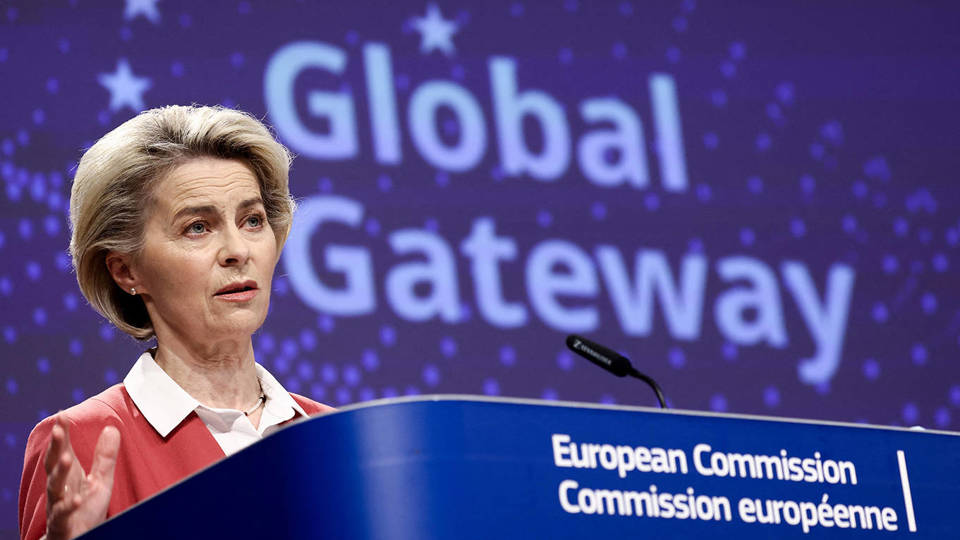
Developing countries require approximately $4 trillion annually to achieve the United Nations Sustainable Development Goals (SDGs). With public finances under pressure, the European Union is mobilizing private capital through initiatives like the Global Gateway, which combines guarantees and grants to de-risk investments. This includes agreements like a €75 million guarantee for off-grid energy in underserved regions. The EU is also promoting projects that improve infrastructure and local ownership while removing investment barriers to create predictable, sustainable opportunities for investors. Key areas of focus include education, job training, and climate resilience.
Angola, Colombia, France, Greece, Indonesia, Kenya, Namibia, Philippines, South Africa, Switzerland, Tanzania, United Kingdom | Financial services, Education, Health
Reimagining Sustainable Development for a Fractured World

Dr. Basma AlBuhairan, Managing Director of the Centre for the Fourth Industrial Revolution Saudi Arabia, emphasizes the country's commitment to quantum computing as part of its Vision 2030 strategy. This includes piloting the World Economic Forum's Quantum Economy Blueprint to align with Saudi strengths and ambitions. AlBuhairan outlines a comprehensive approach to developing quantum technologies, addressing skills, research priorities, and governance. The establishment of the RDI Authority aims to enhance innovation and economic diversification, reinforcing the kingdom's goal of transitioning to a knowledge-driven economy.
Bahrain, Kuwait, Qatar, Saudi Arabia, United Arab Emirates | Financial services, Education, ICT
Interview Of The Week: Basma AlBuhairan, Quantum Computing
Technology has become central to geopolitical power struggles, particularly in the realm of artificial intelligence (AI). The US and China are in fierce competition over AI capabilities and data infrastructure, leading to rising trade barriers and nationalistic data policies that fragment global data flows. Data centres, which handle vast amounts of internet traffic, are now viewed as critical assets. Nations are investing heavily in domestic data centre capabilities to ensure digital resilience and reduce dependence on foreign tech. This rivalry has resulted in a divided tech ecosystem, with countries facing pressure to align with either the US or China amidst export controls and emerging tech alliances.
Kenya, United Arab Emirates, United Kingdom | Financial services, Education, ICT
AI geopolitics and data centres in the age of technological rivalry
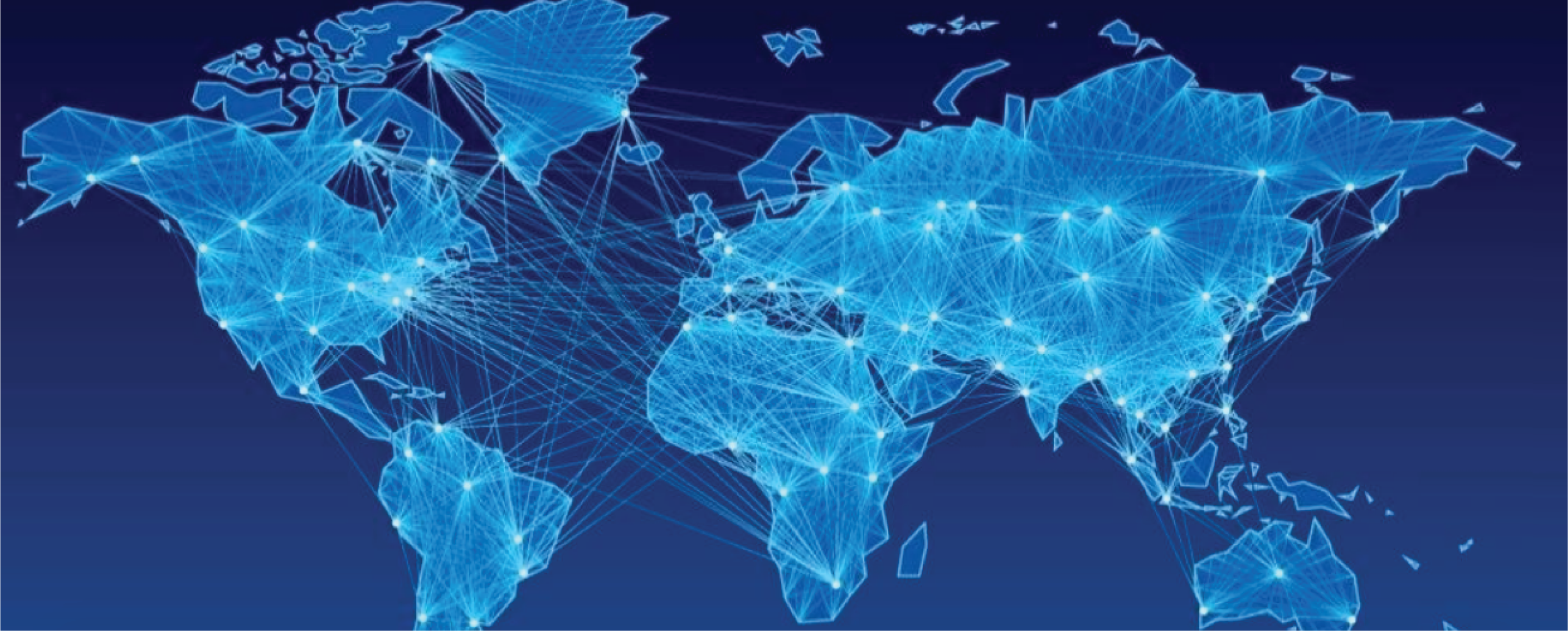
Japan has intensified its focus on economic security amid rising geopolitical tensions and threats of cyber-attacks, highlighting the urgent need for robust information security systems. In response, the government enacted the Economic Security Promotion Act in 2022, which aims to safeguard sensitive technical information and enhance cybersecurity. Key pillars of the Act include ensuring a stable supply of critical commodities, protecting infrastructure, fostering innovation through public-private collaboration, and implementing a closed patent system. Strengthening information security is vital for establishing trust in international defense technology cooperation, essential for Japan’s economic security and strategic partnerships with the US and Europe.
Indonesia, Jamaica, Japan, Kenya, Philippines, United Kingdom | Financial services, Education
Enhancing Information Security Frameworks in Japan to Facilitate International Cooperation

Nonprofits are facing significant challenges due to economic and political instability, prompting many to consider mergers, acquisitions, or closures. The global development sector is especially at risk, with surveys indicating that 60% of organizations might close within six months. Despite these daunting circumstances, the potential for organizational recombination offers an opportunity for reinvention and efficiency. Barriers to structural change include financial constraints, personal ego, and entrenched mental models within the sector. However, with strong leadership, a focus on purpose, and creativity, nonprofits can navigate this crisis and emerge more robustly aligned with their mission.
Financial services, Health
Recombination as Rebirth (SSIR)
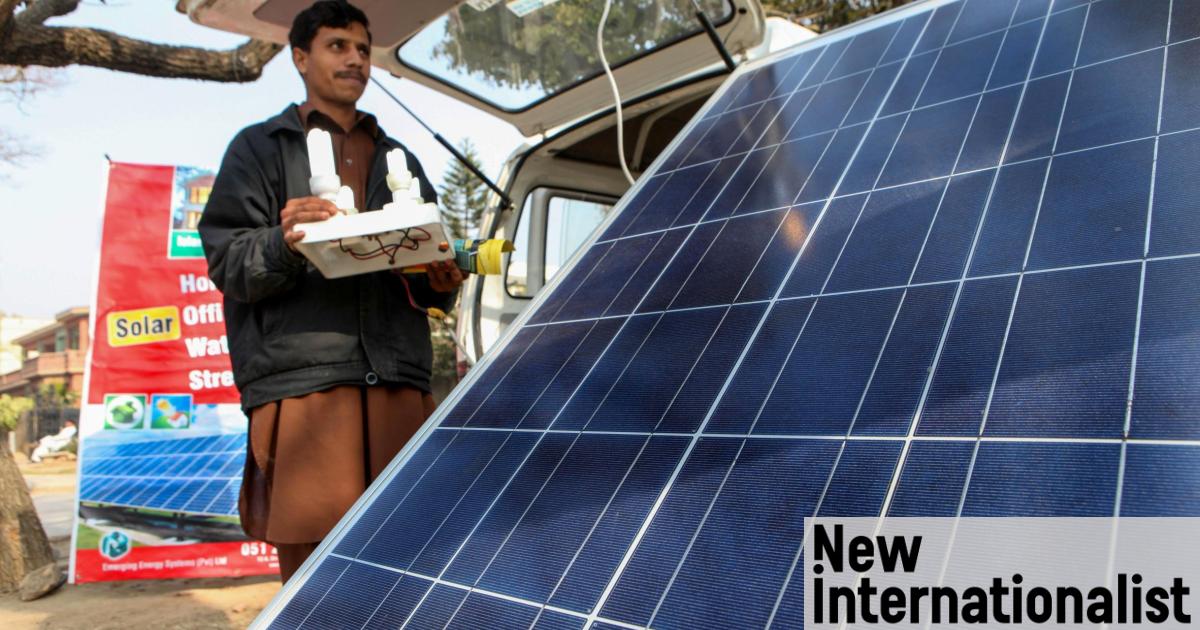
Pakistan has rapidly increased solar power adoption, importing over 21 gigawatts of solar panels since mid-2023, which supplies over a quarter of its electricity. Driven by rising electricity costs, unreliable grid supply, and government incentives for solar panel owners, solar installations have surged despite grid electricity usage declining by over 10% from 2022 to 2024. Experts suggest this decentralized approach offers a model for other Global South nations but caution about unplanned growth and the need for government support and infrastructure upgrades to ensure inclusivity and sustainability in the energy transition.
Pakistan
Temperature Check: A shining example
An ultra-black coating called Vantablack 310 may help mitigate the impact of satellites on astronomical observations by absorbing over 99.99% of visible light. Bright streaks from satellites disrupt data from telescopes, potentially corrupting sensitive observations of celestial phenomena. As thousands of satellites are launched, efforts to reduce their brightness are crucial for maintaining the integrity of various types of astronomical research. In 2026, Vantablack 310 will undergo spatial testing aboard the Jovian 1 CubeSat, assessing its performance in space conditions to enhance compatibility between satellite operations and scientific observations.
An ultra-black coating for satellites could stop them spoiling astronomy pictures

Washington's initiative to pursue commercial deep-sea mining could undermine the United Nations Convention on the Law of the Sea (UNCLOS) and provoke international conflicts over seabed resources, deemed a global common good. With rising demand for minerals like rare earths and nickel amid concerns over China's control in terrestrial markets, the U.S. move may disrupt ocean governance and conflict with the interests of 170 UNCLOS signatories. Germany and 36 other countries advocate for a "precautionary pause" on high-risk mining technologies to protect ocean ecosystems. The potential economic viability of deep-sea mining remains uncertain, and there are calls for regulated exploitation to prevent environmental degradation.
Competition for Seabed Resources
African governments should adopt ring-fencing strategies for development expenditure to mitigate the mismatch between long-term developmental needs and short-term economic pressures. Recommended measures include public expenditure reviews, independent development funds, and establishing statutory spending floors. Challenges to implementation should be addressed through improved coordination, coalition building, and advanced analytical tools. Development finance should be framed as complementary to security initiatives to attract international support. The international community is urged to offer technical assistance and reform the financial architecture to strengthen long-term investments in Africa's development.
South Africa | Financial services, Education
Securing Africa’s Future: Ring-Fencing Development Financing in an Era of Security-Focused Economic Policy
The European Union must create an "AI Social Compact" to address the significant impacts of artificial intelligence on the job market, income, and social cohesion. Current policies inadequately anticipate job displacement risks, as rapid AI adoption threatens entry-level positions. Research indicates AI could displace up to 50% of such jobs and raise unemployment by 10-20%. Thus, strategic foresight and investments in social protections, such as upskilling programs and labor safety nets, are vital. This compact aims to ensure that AI benefits are equitable across all member states. Key measures must focus on comprehensive social protection for affected workers.
Education
AI's Impact on Europe's Job Market: A Call for a Social Compact
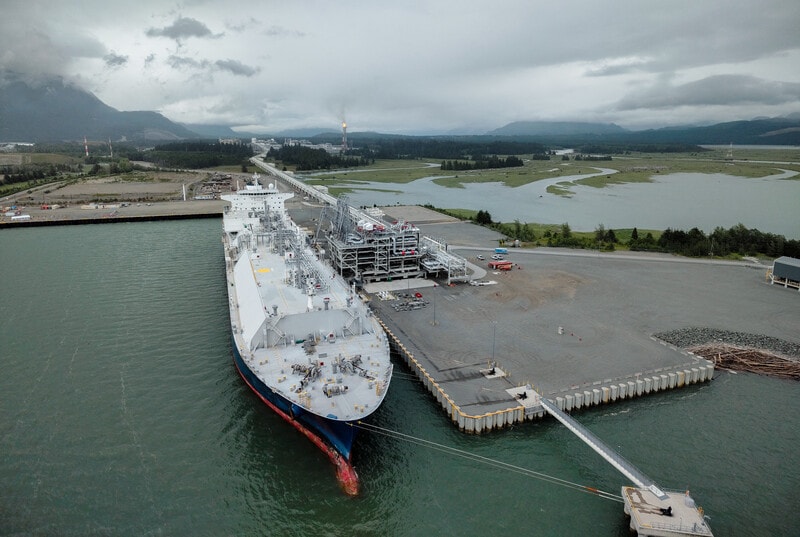
Liquefied natural gas (LNG) is becoming essential for energy security and supply chain resilience amid geopolitical shifts. It enables rapid responses to supply shocks and supports decarbonization by replacing coal. Major LNG exporters include the US, Australia, and Qatar, with increasing demand in South and Southeast Asia, where countries like India and Pakistan are expanding their LNG infrastructure. LNG reduces coal dependency and aids in managing peak energy demand. Despite short-term price volatility, long-term growth in LNG demand is anticipated, emphasizing the need for flexible infrastructure and partnerships to ensure energy security and climate resilience.
India, Pakistan
The new energy equation: Why LNG is vital to the future of supply chains

Africa is leveraging technology to drive green growth amid global economic shifts. With over 1.1 billion mobile users and $1.1 trillion in digital transactions in 2024, the continent is advancing its digital transformation. Key challenges persist, including low internet penetration (37%), logistics inefficiencies, and reliance on fossil fuels. However, initiatives like Rwanda's renewable energy programs and investments in fintech, such as Nigeria's Flutterwave, highlight potential breakthroughs. The African Continental Free Trade Area aims to further enhance economic integration, potentially lifting millions out of poverty and increasing continental income significantly by 2035.
Angola, Benin, Burkina Faso, Ethiopia, Ghana, Kenya, Mali, Mozambique, Rwanda, Senegal, South Africa, Uganda | Financial services, Education, Health, ICT
How Africa is harnessing technology to leapfrog towards green growth
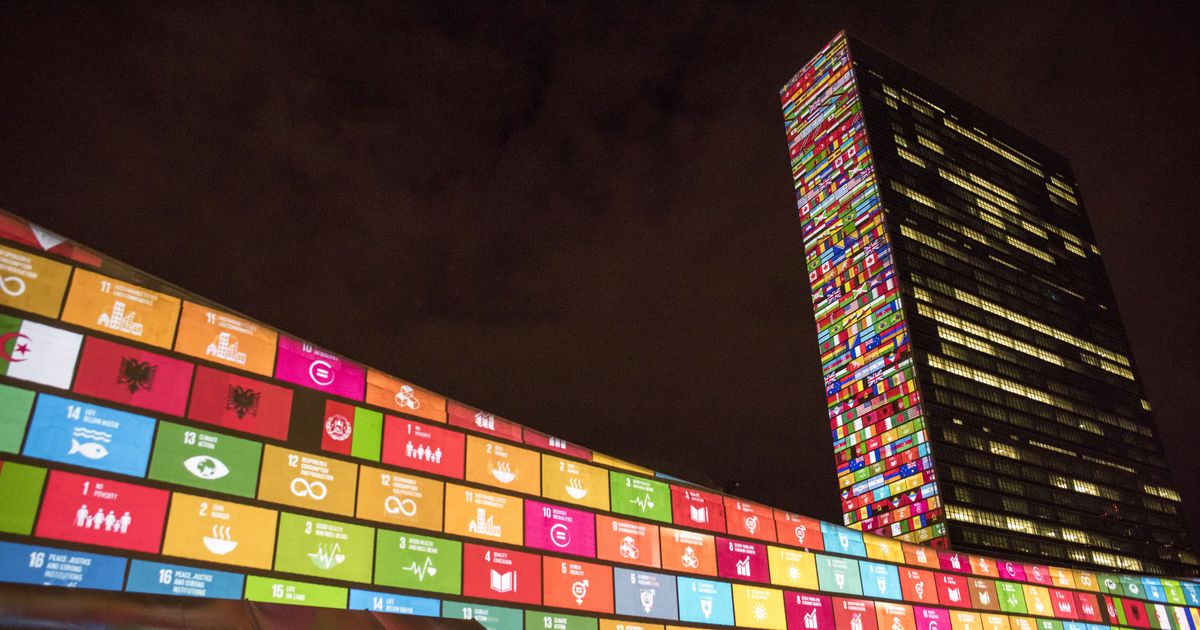
Sustainable development, defined by the World Commission on Environment and Development in 1987, seeks to fulfill present needs without jeopardizing future generations' ability to meet their own. The UN embraced this principle during the 1992 Earth Summit in Rio de Janeiro. Subsequent meetings, notably the 2012 Rio+20 Conference and the 2015 adoption of the 2030 Agenda, led to the establishment of 17 Sustainable Development Goals (SDGs) with 169 targets. The High-Level Political Forum on Sustainable Development (HLPF) was created to review and advance the implementation of these goals, playing a pivotal role in global sustainability governance.
Education, Health
United Nations and Sustainable Development

Food systems face the dual challenge of feeding a growing population and addressing environmental concerns. Despite past achievements in improving food access and productivity, rising hunger, micronutrient deficiencies, and resource pressures threaten future stability. The need for timely policy and investment decisions is critical, as the future relies on societal choices not yet made. A collaborative research effort, compiled from 109 diverse contributors, explores various aspects of food systems, noting current trends and gaps in knowledge. The urgency to shape effective strategies for sustainable food systems is paramount to navigating forthcoming challenges.
Financial services, Education, Health
What do we know about the future of food systems?
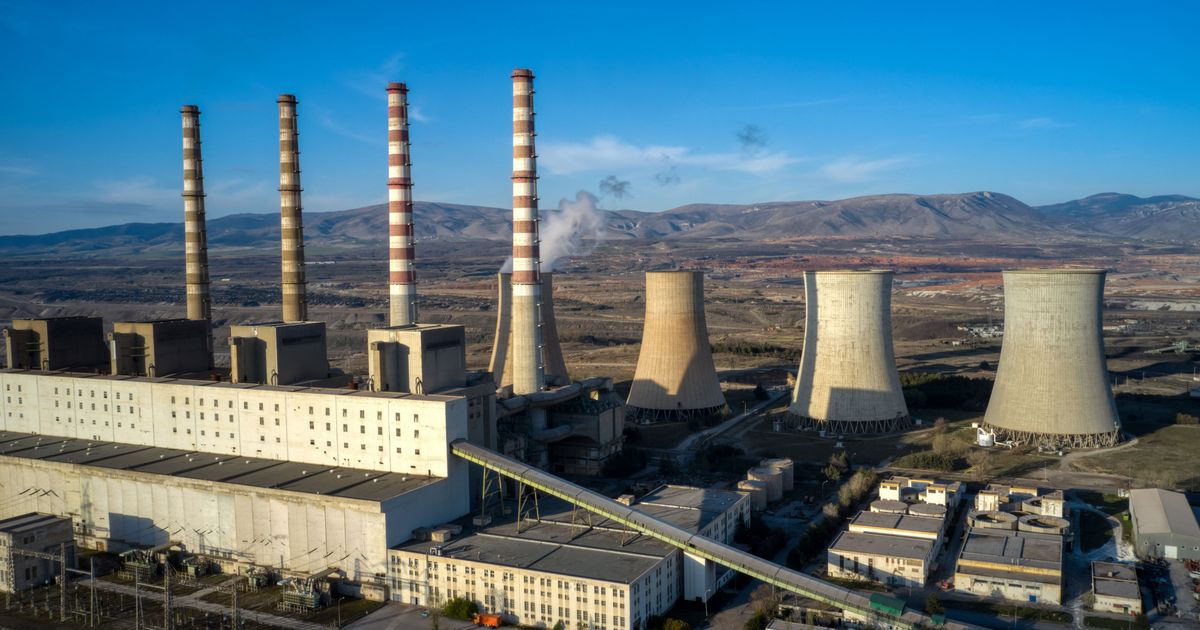
Growing energy demand and climate commitments from the Paris Agreement underscore the need for an international energy policy that emphasizes socio-economic sustainability rather than just security of supply. The shift from a transatlantic-centric global order, influenced by geopolitical changes like Russia's attack on Ukraine, sees emerging powers such as China and India redefining energy partnerships, often conflicting with Western governance models. Furthermore, the European Union has established regulatory frameworks like the Energy Union and Green Deal, yet global energy governance remains fragmented and misaligned with current energy dynamics. This situation presents significant challenges for ensuring energy security and effective transformation of energy systems.
India, Japan, Pakistan, Philippines, Poland, South Africa, Switzerland, Ukraine, United Kingdom | Financial services, ICT, Health
Energy Policy

Federal budget cuts, as proposed by the Trump administration for 2026, threaten critical funding for U.S. scientific research. The National Science Foundation (NSF) could face a 57% reduction, while the National Institutes of Health (NIH) and NASA may see cuts of 43% and 47%, respectively. These reductions jeopardize advancements in climate science, renewable energy, and public health technologies, undermining the U.S.'s global leadership and innovation capabilities. Significant impacts include the potential shutdown of NOAA’s climate research and slashes to electric vehicle infrastructure funding, risking economic opportunities and exacerbating climate challenges.
The Great American Engine Stall: Science Budget Cuts Threaten US Innovation

A new AI tool, SPECTRUM, developed by the Institute for Climate and Sustainable Cities, estimates the Philippines' rooftop solar capacity at 1,846.08 megawatts. The platform uses high-resolution satellite imagery and machine learning to identify and assess solar installations, including both registered and unregistered systems. Despite the identified potential, major cities have adopted less than 1% of their rooftop solar capacity, with Metro Manila at just 0.47%. The findings underscore significant opportunities for solar energy expansion in urban areas, contributing to renewable energy targets of 35% by 2030 and 50% by 2040 in the Philippines.
AI reveals solar gap: Philippines’ largest cities use under 1% of rooftop solar potential
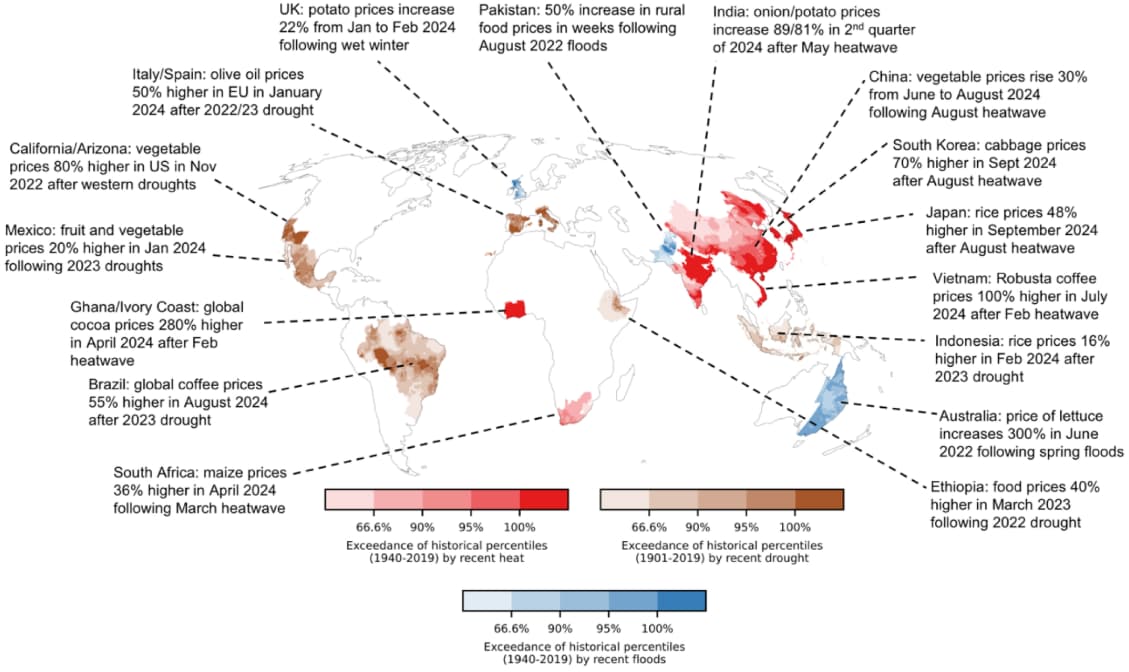
Severe weather events linked to climate change are causing significant food price spikes globally, according to research by the Barcelona Supercomputing Center and the European Central Bank. Notable price increases include a 22% rise in UK potato prices due to extreme rainfall and a 280% surge in global cocoa prices after heatwaves in West Africa. In Asia, intense monsoon rains have resulted in fatalities and destruction, with Pakistan reporting 178 deaths amid relentless storms. Additionally, UK scientists are analyzing ancient Antarctic ice for climate insights, and Greece is setting marine park boundaries for biodiversity protection.
Weather events ‘causing food price spikes’, and other nature and climate news
Sri Lanka is shifting its economic focus from tourism to becoming a key player in global maritime trade. Major investments from China and the US, driven by the country's strategic location and port infrastructure, aim to bolster its economy following political turmoil and economic challenges, including high inflation and agricultural failures. While the port of Colombo is thriving, Sri Lanka must balance foreign investments with national interests to maintain sovereignty. The potential of its exclusive economic zone, particularly in fisheries and marine biotechnology, positions the country for growth, though it faces environmental and geopolitical challenges that require careful management.
Colombia, Costa Rica, Croatia, India, Lithuania, Malaysia, Mauritius, Nepal, Panama, Philippines, Singapore, South Africa, Sri Lanka
As Sri Lanka’s economy pivots from tourism, it’s well placed to benefit from global trade and geopolitical jostling – new research