Publications

INSIGHT REPORT

Pioneering the Future: Space

Technologies Poised to Revolutionize

Exploration and Economy by 2035

September 2026

FACTSHEETS

Pioneering the Future: Space

Technologies Poised to Revolutionize Exploration and Economy by 2035

June 2026

WHITE PAPER

Future of Space Law:

Operationalizing Space Governance

March 2026

REPORT

Clear Orbit, Secure Future:

 A Call to Action on Space Debris

Jan 2026

WHITE PAPER

The Future of Space Law

Insights from the ATS, UNCLOS, and ITU Frameworks

December 2025

WHITE PAPER

The Future of Space Law: 

The Evolving Dynamics of Air and Space Regulation

 September  2025

The Future Of Space Law

News

Centre for Space Futures, Novaspace and SpaceTech Gulf  Sign Agreement to Develop Global Space Capability Mapping Dashboard

Riyadh, Saudi Arabia , 23 Jun 2026|  Press Release

Clear Orbit, Secure Future: A Call to Action on Space Debris

Riyadh, Saudi Arabia, 26 Jan 2026 | Press Release

Centre for Space Futures Holds Workshop with Participation of 40 Global Experts

Riyadh, Saudi Arabia, 05 Dec 2025 | Press Release

Centre for Space Futures Releases White Paper on 'The Future of Space Law'

Riyadh, Saudi Arabia, 12 Sep 2025 | Press Release

The Board of Directors of the Centre for Space Futures Endorses Its Strategic Direction

Riyadh, Saudi Arabia, 26 May 2025 | Press Release

Saudi Space Agency to Launch the Centre for Space Futures with the World Economic Forum

Riyadh, Saudi Arabia, 29 April | Press Release

5 ways we can tackle growing risks from rocket bodies in orbit

Dec 09, 2025 | Economic Growth, Stories

Read More

Forum Agenda

Forum Videos

VIDEO

Press Conference: Centre for Space Futures in Riyadh

The World Economic Forum's Special Meeting, April 29, 2024

VIDEO

The Purpose of Astronauts at Davos 2024

World Economic Forum , March 9, 2024

VIDEO

PortWatch: Monitoring Trade Disruptions from Space

World Economic Forum , Dec 18, 2023

VIDEO

India's Moon Mission Triumph: Ambassador Ruchira Kamboj's Insights

World Economic Forum , Aug 23, 2023

VIDEO

Space Exploration is Back at Davos 2023

World Economic Forum , Feb 16, 2023

Forum Publications

Strategic Intelligence Insights

Pregnancy in space raises unique challenges, particularly concerning conception, gestation, and childbirth. Microgravity may complicate conception but is unlikely to hinder implantation. However, giving birth and caring for a newborn in zero gravity poses difficulties due to the lack of stability. Additionally, cosmic radiation presents significant risks; these high-energy particles can damage embryonic cells during their rapid division in early pregnancy. As pregnancy progresses, the likelihood of radiation affecting the uterus increases, potentially leading to complications. Babies born in space may also face developmental issues related to microgravity, affecting their motor skills.
Floating babies, cosmic radiation and zero-gravity birth: what space pregnancy might actually involve

Tackling Scope 3 downstream emissions, which account for 67% of the total emissions for many companies, presents both a challenge and an opportunity for corporate climate action. A handbook from the Alliance of CEO Climate Leaders and BCG outlines 12 strategic levers to help businesses reduce these emissions and turn them into a competitive advantage. Key strategies include designing for sustainability, attracting customers to greener options, and managing financial flows towards green initiatives. Addressing the complexities of downstream emissions can lead to cost reductions, improved customer engagement, and progress towards net-zero commitments.
Financial services
Tackling Scope 3 downstream emissions can become your advantage. Here’s how
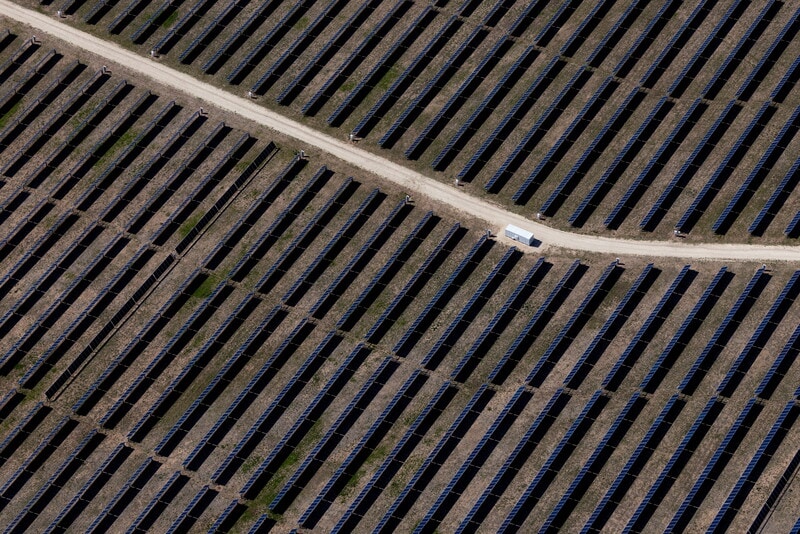
Demand for food, energy, and water is anticipated to rise significantly by 2050, with food demand projected to increase by over 50%, energy by up to 19%, and water by 30%. The energy, food, and water nexus is complex, with disruptions in one area affecting the others, necessitating integrated approaches to resource management. Initiatives like Germany’s Nexus Regional Dialogues and India’s Mission Kakatiya exemplify successful nexus strategies. The interdependence of these systems highlights the urgent need for coordinated policies, particularly as climate risks escalate and global trade dynamics shift. Transitioning to a green economy could create millions of jobs and enhance resilience.
Colombia, India, Japan, Nigeria, Pakistan, Philippines, Switzerland, United Arab Emirates, United Kingdom | Financial services, Education, ICT, Health
Tackling the energy, food and water nexus – here are the key priorities
The convergence of challenges threatening digital democracy includes shrinking civic space, a decline in funding for digital rights initiatives, and diminishing legitimacy in global governance. This post-truth era has seen governments weaponize technology to suppress dissent, transforming civic spaces from venues of resistance to areas of control. Trends in digital repression have emerged, with increased surveillance and censorship targeting activists and vulnerable groups. Advocacy efforts must adapt to these structural changes to foster resilience and rebuild trust in digital democracy.
Africa, Latin America | Financial services, Education, ICT, Health
Shrinking Civic Space, Digital Funding, and Legitimacy in a Post-Truth Era
Climate proofing infrastructure is essential for economic sustainability and public safety, shaping the future well-being of upcoming generations. Rapid climate change necessitates the reevaluation of current design principles, as existing infrastructure is often based on outdated climate data. Holistic approaches to cost-benefit analysis and adjusted discount rates are crucial for long-term resilience planning. Successful examples include the Sydney Metro and projects in Worcester, Gothenburg, and Beira, which integrate climate resilience and nature-based solutions. Governments are increasingly recognizing the need for long-term infrastructure assessments to mitigate climate risks effectively.
Financial services
How climate proofing our built environment can safeguard future generations
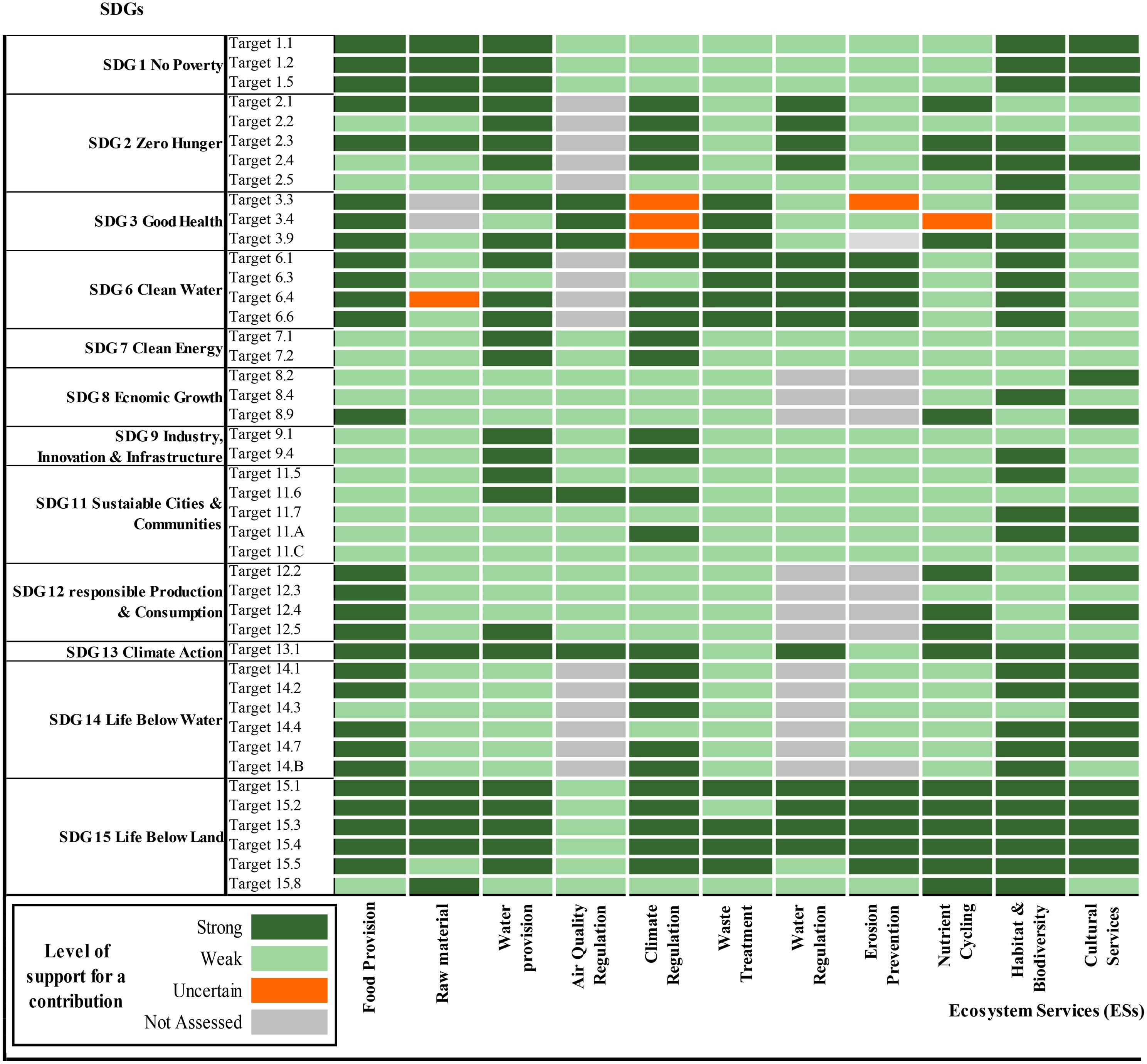
Ecosystem services (ES) are critical for achieving sustainable development goals (SDGs), but trade-offs between conservation and development pose challenges. A study on the Batticaloa Lagoon Watershed in Sri Lanka analyzed changes in ecosystem service values (ESV) and SDG scores over 40 years. The findings revealed a significant decrease in total ESV from $917.41 million per hectare in 1979 to $731.37 million in 2000, followed by a recovery to $818.62 million by 2021, primarily driven by food production, erosion management, and water regulation. The ES-SDG Index score declined from 32.1 in 1979 to 21.0 in 2000 but increased to 24.3 by 2021. Prioritizing SDG6, SDG11, and SDG12 may enhance the interconnectedness of the SDGs in the watershed and globally.
Botswana, Eswatini
Harmonizing ecosystem services assessments with sustainable development goals: a case study of the Batticaloa Lagoon Watershed, Sri Lanka
A deep learning flood detection model utilizing Sentinel-1 Synthetic Aperture Radar (SAR) imagery has been developed to map global flood extents over the past decade. This model overcomes challenges posed by cloud cover, providing consistent insights into flood-prone areas even during adverse weather. The study generates a longitudinal global flood dataset and identifies historically vulnerable regions, specifically highlighting real-time monitoring in Kenya during the May 2024 floods. Preliminary findings suggest an increasing trend in global flood extent, warranting further investigation related to climate change. The model predictions and a code repository are made publicly available to enhance global flood monitoring and disaster response strategies.
Mapping global floods with 10 years of satellite radar data
Public sector innovation labs (PSI-labs) are experimental spaces where governments generate knowledge for uncertain, technology-driven futures. The knowledge produced is often "liquid," relational, and difficult to integrate into traditional bureaucracies. An ethnographic study of Rotterdam's digital innovation lab, Vonk, reveals how knowledge is created, shared, and sometimes fails to embed in policymaking. The study emphasizes the importance of dynamic actor-networks in turning knowledge into action and advocates for strategic mechanisms to enhance the visibility and usability of this knowledge.
Education
The public sector’s new knowledge: Narrating the life of liquid knowledge in public sector innovation labs
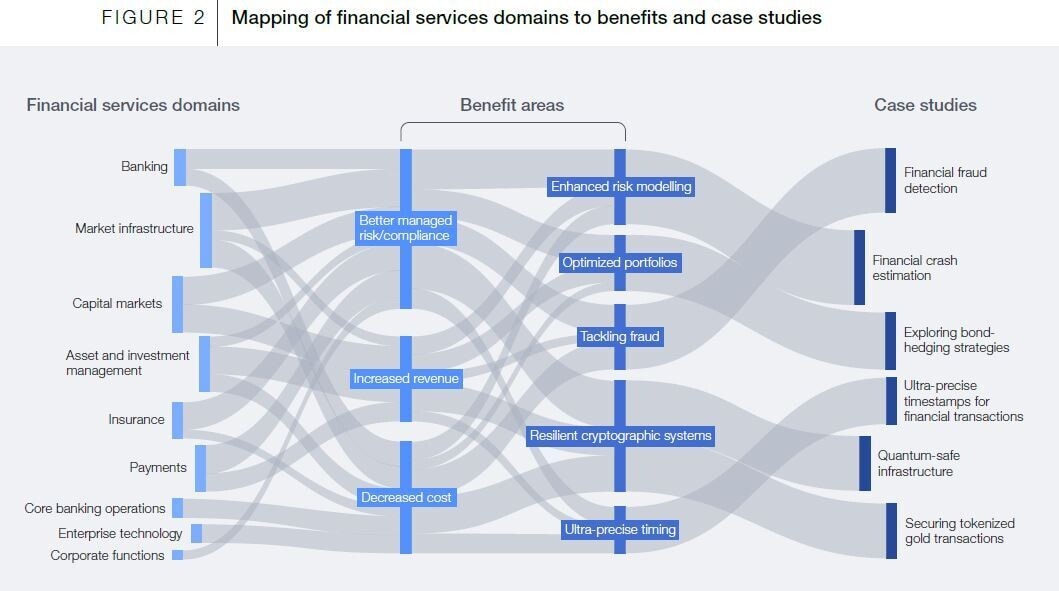
Quantum technologies are being piloted in the financial services sector with significant potential applications. Key use cases include enhanced risk forecasting through quantum computing, enabling faster scenario analysis to identify financial vulnerabilities, as demonstrated by Turkish bank Yapı Kredi. Quantum security aims to provide unbreakable encryption using technologies like quantum key distribution, with HSBC and Banco Sabadell leading initiatives in this area. Additionally, quantum computing could improve fraud detection speed and accuracy, a focus for the UK banking industry amidst rising fraud costs. These technologies require strategic investment and development to maximize their benefits.
Financial services
Quantum leaps: 3 ways banks can harness next-gen technologies for financial services

A global digital transformation led by AI, cloud computing, and IoT is increasing global electricity demand, requiring sustainable approaches to harness digital innovation. Data centers, projected to consume approximately 945 terawatt hours by 2030, primarily due to AI, necessitate efficient energy use and cooling strategies. Innovative technologies, such as AI-driven analytics and IoT-based energy management, can enhance efficiency and reduce energy consumption in sectors like transportation and data services. Qatar exemplifies efforts toward balancing digital growth and sustainability through smart city projects and renewable energy initiatives, aiming to double solar production by 2030 and implement AI tools for optimizing energy networks.
Qatar | ICT
Balancing innovation and energy to create a sustainable digital future
Advancements in data technology, termed the "data revolution," were initially believed to accelerate Sustainable Development Goals (SDGs) by enhancing policy efficiency and accountability. The 2014 UN report, “A World That Counts,” outlined pathways for impact, emphasizing real-time data and improved policymaking. However, despite increased data production and statistical system capabilities, progress on SDG outcomes has remained inconsistent. The study indicates that new strategies are needed to address data gaps and enhance decision-making within polycentric institutions to drive sustainable development effectively.
Health, Financial services, Education, ICT
Revisiting the assumptions of the data revolution as an accelerator of the sustainable development goals
MethaneSat, a specialized satellite developed by the Environmental Defense Fund with NASA's support, was designed to detect methane emissions from various sources worldwide, playing a crucial role in addressing climate change. Methane, a potent greenhouse gas, is responsible for approximately 60% of carbon dioxide-related global warming since 1750. The satellite utilized a hyperspectral sensor to identify methane plumes, enabling targeted interventions and accountability for emissions. Its recent cessation of operations poses challenges in tracking these emissions, as alternative methods are typically less accessible or regionally focused.
MethaneSat: The climate spy satellite that went quiet

The MethaneSAT satellite launched to measure and track methane emissions is a significant step towards addressing climate pollution. Despite its recent loss of communication, the satellite has proven its capability to accurately measure methane concentrations and collect vital data on emissions from the oil and gas sector. The goal is to reduce emissions by 75% from this sector by 2030, emphasizing the necessity of innovative approaches in the absence of supportive public policy. Partnerships between non-profits and technology firms are essential for driving accountability and progress in climate action, highlighting the importance of bold risks to achieve a cleaner economy.
Why our methane-detecting satellite showed it's time for climate action to aim sky-high
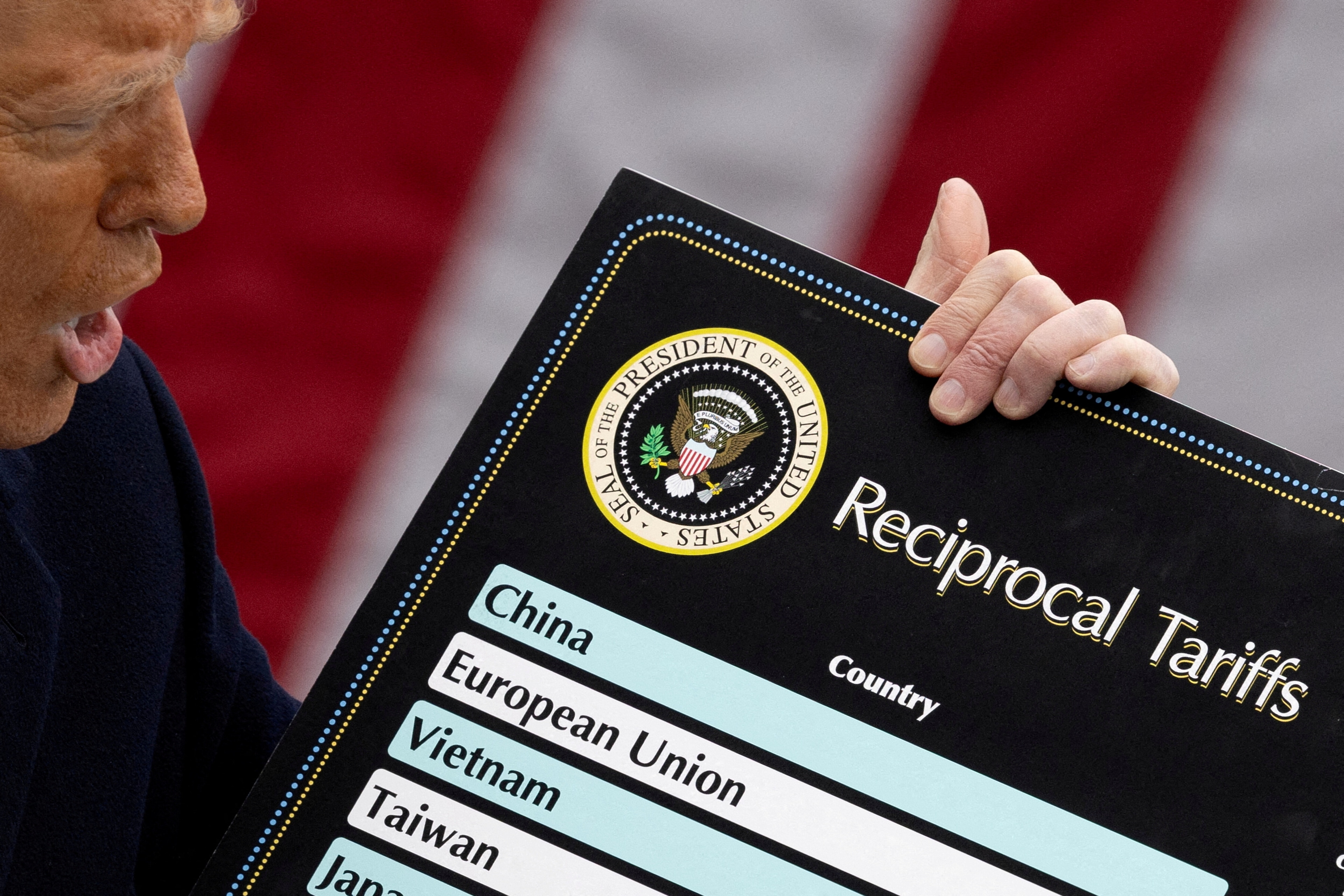
The US is poised to reimplement sweeping tariffs, ending a 90-day pause, with proposed tariffs of up to 50% on imports from Brazil and 35% on Canadian goods, among others. This uncertainty is influencing global trade dynamics, leading countries like Canada and South Korea to seek alternative trade agreements, particularly with ASEAN and the EU. Global trade grew by $300 billion in early 2025, mainly benefiting developed economies, while developing nations struggle. Additionally, a shift in currency markets favors the euro as confidence in the dollar wanes, amid concerns about rising debt burdens for lower-income countries and the need for coordinated financial strategies.
Denmark, Germany, India, Japan, South Africa, United Kingdom | Financial services, Health
Tariffs return to centre stage amid broader global shifts, and other key economic news to know
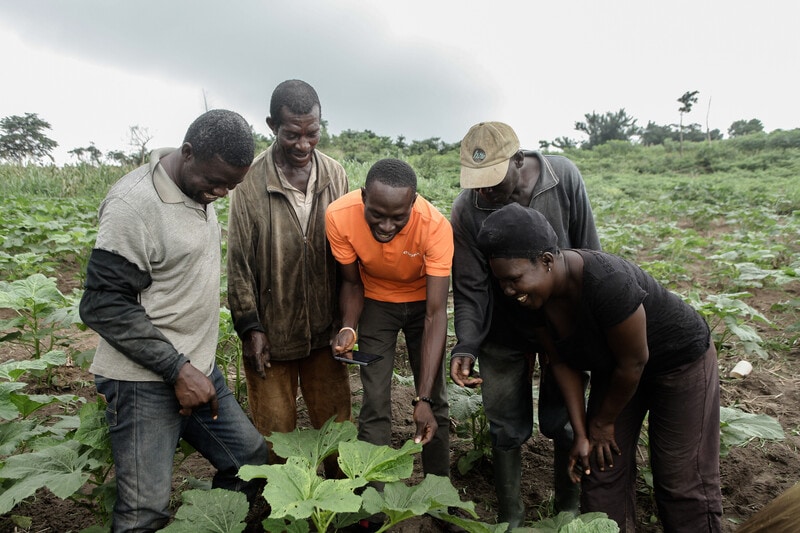
African Union Heads of State have adopted the continent’s first 10-Year Strategy on the Social and Solidarity Economy (SSE), marking a commitment to institutionalizing inclusive economic models. Social enterprises across Africa are addressing critical gaps, creating jobs, and driving growth in underserved communities. The SSE approach emphasizes community-driven capital, job creation, and resilience against climate shocks. Key examples include Nigeria's Babban Gona cooperative, which has significantly improved farmers' yields and job creation, and Ghana's Esoko, enhancing income stability for farmers through technology. Several African nations, including Morocco and Senegal, have initiated national SSE policies to support this transformative strategy.
Senegal, South Africa
How Africa's social economy is shaping its development
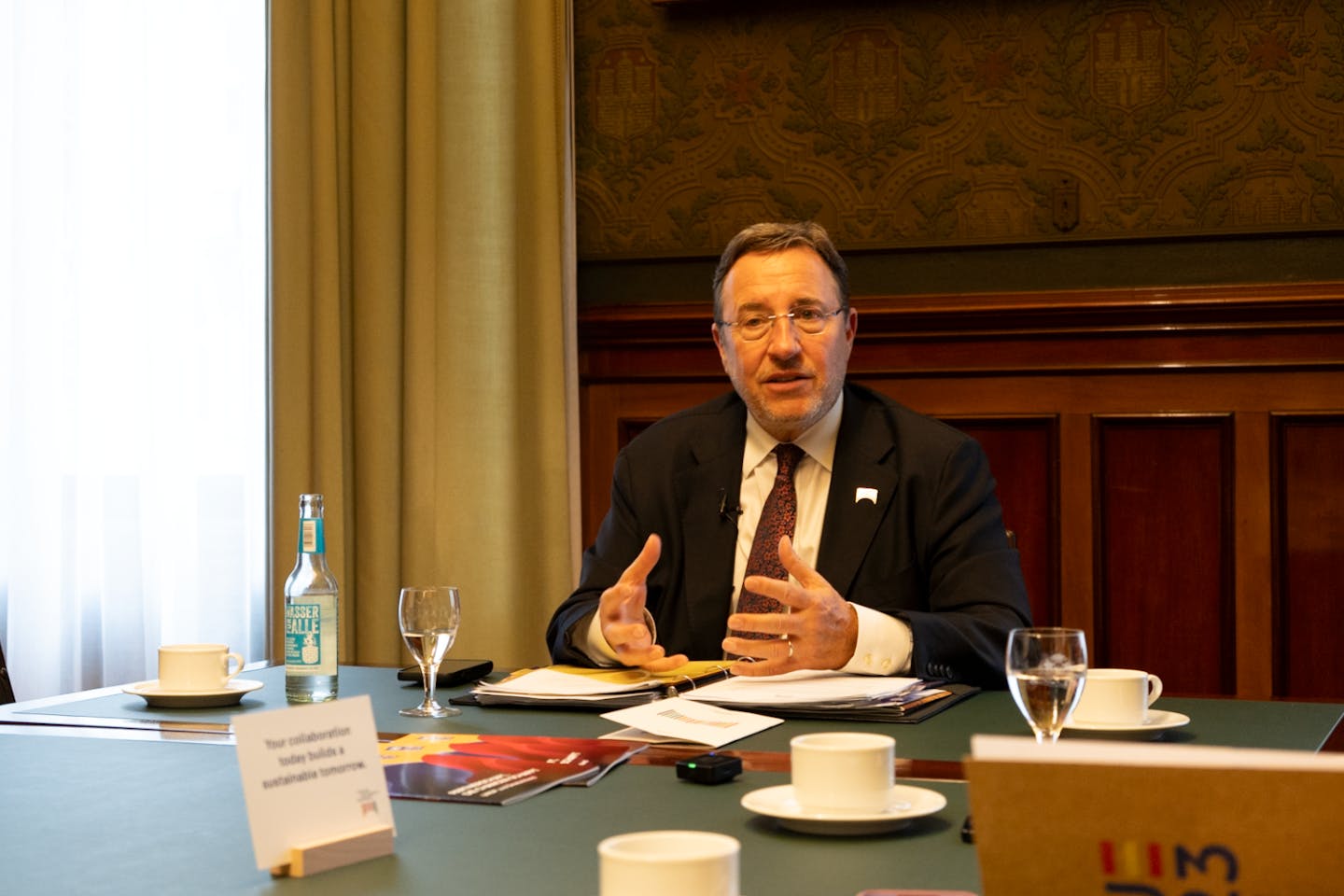
Achim Steiner, concluding his eight-year tenure as chief of the United Nations Development Programme (UNDP), emphasizes the increasing fragmentation of the international community amid global challenges. He warns that current threats—such as cyberterrorism, pandemics, and climate change—require cooperative strategies rather than isolationist approaches. Steiner criticizes the retreat from multilateralism and funding for international organizations, asserting that claims of ineffective development are unfounded. He champions the Hamburg Declaration on Responsible AI, advocating for equitable and sustainable AI deployment to support developing countries, emphasizing the need for collective action to harness AI's transformative potential.
Financial services, Education, Health
‘Saying development doesn’t work is a ridiculous claim’: Achim Steiner

Malaysian SMEs are under increasing pressure to enhance sustainability disclosures due to the National Sustainability Reporting Framework (NSRF), which mandates large companies to report their entire value chain's greenhouse gas emissions by 2027. The framework emphasizes Scope 3 emissions, covering indirect emissions that many SMEs struggle to report, often due to voluntary compliance and lack of data. Despite recognizing the long-term benefits of ESG practices, many SMEs face challenges such as resource constraints and insufficient expertise. Initiatives like the Simplified ESG Disclosure Guide aim to support SMEs in aligning with global sustainability standards and improving their reporting capabilities.
As Scope 3 reporting deadline looms, Malaysian SMEs under pressure to provide sustainability disclosures
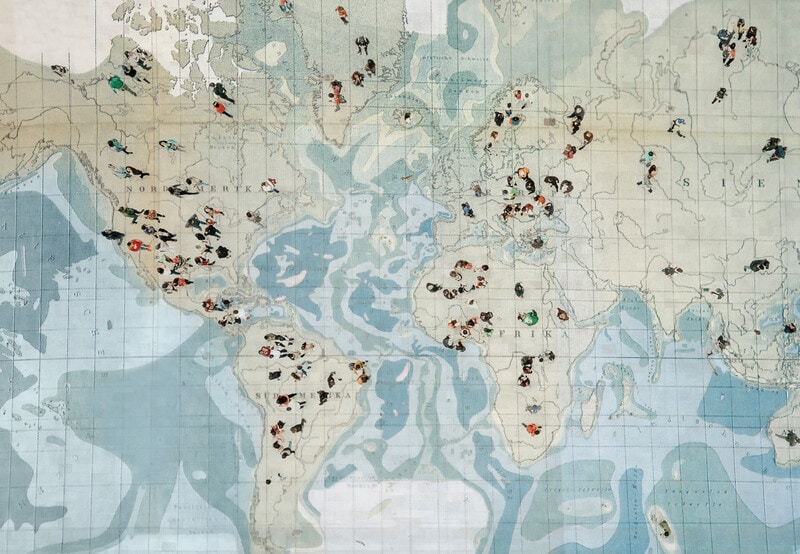
New research highlights that entrepreneurs in the Global South, particularly from Latin America and Caribbean regions, lead in sustainability metrics. The Global Entrepreneurship Monitor (GEM) identified four criteria for entrepreneurial engagement in sustainability: motivation to make a difference, integrating sustainability into strategies, prioritizing sustainability, and taking action to promote sustainability. Findings showed higher motivation among women, younger entrepreneurs, and those in low-income economies, with awareness of the UN Sustainable Development Goals (SDGs) being fragmented but not necessarily linked to action. Entrepreneurs can significantly contribute to achieving the SDGs, with tailored support required for different income economies.
Germany, Jordan, Kenya, Saudi Arabia, South Africa, Switzerland, United Arab Emirates, United Kingdom | Financial services, Education, Health
4 global trends on entrepreneurship and sustainability
Temasek, Singapore's sovereign wealth fund, is reevaluating its climate scenario based on rising global temperatures and warning signs from climate science. The fund is reassessing its baseline assumption of 1.8°C warming used for portfolio resilience, consulting experts on how policy changes and technology adoption could impact future projections. Recent reports indicate that climate risks are underestimated, with significant potential economic losses and irreversible climate changes if tipping points are crossed. The reassessment aims to ensure robust risk management amidst increasing volatility and climate challenges.
Temasek to review its baseline 1.8°C climate scenario
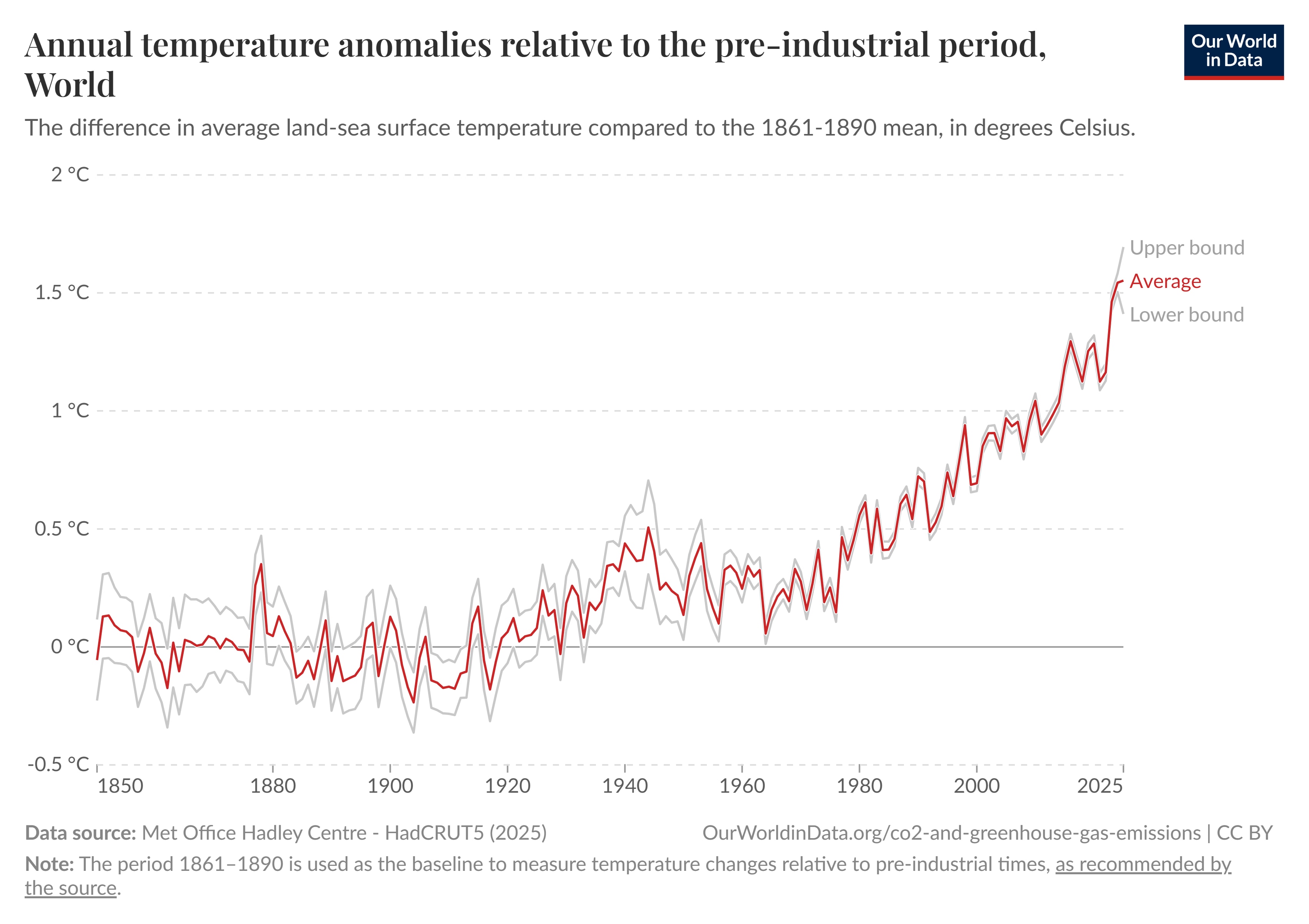
The UK aims for net zero greenhouse gas emissions by 2050 to meet global climate goals. Effective climate action revolves around three Rs: reduce, remove, and reflect. Major emissions reduction is crucial and must involve all sectors to transition from fossil fuels to renewable energy. Greenhouse gas removal methods are necessary to offset lingering emissions, while emerging sunlight reflection techniques, though promising, present challenges. These interventions are not substitutes for emission reductions but could aid in cooling the planet. A comprehensive approach that includes rigorous assessment of all strategies is essential for meeting climate targets.
Reduce, remove, reflect — the three Rs that could limit global warming