
Publications

INSIGHT REPORT

Pioneering the Future: Space

Technologies Poised to Revolutionize

Exploration and Economy by 2035

September 2026

FACTSHEETS

Pioneering the Future: Space

Technologies Poised to Revolutionize Exploration and Economy by 2035

June 2026

WHITE PAPER

Future of Space Law:

Operationalizing Space Governance

March 2026

REPORT

Clear Orbit, Secure Future:

 A Call to Action on Space Debris

Jan 2026

WHITE PAPER

The Future of Space Law

Insights from the ATS, UNCLOS, and ITU Frameworks

December 2025

WHITE PAPER

The Future of Space Law: 

The Evolving Dynamics of Air and Space Regulation

 September  2025

The Future Of Space Law

News

Centre for Space Futures, Novaspace and SpaceTech Gulf  Sign Agreement to Develop Global Space Capability Mapping Dashboard

Riyadh, Saudi Arabia , 23 Jun 2026|  Press Release

Clear Orbit, Secure Future: A Call to Action on Space Debris

Riyadh, Saudi Arabia, 26 Jan 2026 | Press Release

Centre for Space Futures Holds Workshop with Participation of 40 Global Experts

Riyadh, Saudi Arabia, 05 Dec 2025 | Press Release

Centre for Space Futures Releases White Paper on 'The Future of Space Law'

Riyadh, Saudi Arabia, 12 Sep 2025 | Press Release

The Board of Directors of the Centre for Space Futures Endorses Its Strategic Direction

Riyadh, Saudi Arabia, 26 May 2025 | Press Release

Saudi Space Agency to Launch the Centre for Space Futures with the World Economic Forum

Riyadh, Saudi Arabia, 29 April | Press Release

5 ways we can tackle growing risks from rocket bodies in orbit

Dec 09, 2025 | Economic Growth, Stories

Read More

Forum Agenda

Forum Videos

VIDEO

Press Conference: Centre for Space Futures in Riyadh

The World Economic Forum's Special Meeting, April 29, 2024

VIDEO

The Purpose of Astronauts at Davos 2024

World Economic Forum , March 9, 2024

VIDEO

PortWatch: Monitoring Trade Disruptions from Space

World Economic Forum , Dec 18, 2023

VIDEO

India's Moon Mission Triumph: Ambassador Ruchira Kamboj's Insights

World Economic Forum , Aug 23, 2023

VIDEO

Space Exploration is Back at Davos 2023

World Economic Forum , Feb 16, 2023

Forum Publications

Strategic Intelligence Insights

Japan faces significant water security challenges due to ageing infrastructure, demographic shifts, and regional disparities. The government is enhancing oversight through data transparency and public-private partnerships. Major cities are implementing ambitious environmental plans focused on decarbonization and ecosystem conservation. In rural areas, digital technologies are introduced to improve efficiency and monitor water use. Collaboration among governments, businesses, and communities is essential for creating resilient and sustainable water systems that address local realities and climate challenges.
Japan | ICT, Financial services, Education, Health
Reimagining water infrastructure for resilience and sustainability in Japan

South-South and Triangular Cooperation (SSTC) empowers developing nations to drive economic growth through shared innovations, capacity-building, and peer learning. This approach enhances trade, infrastructure, and technology exchange, promoting self-reliance and regional integration. As the Global South contributes over half of global growth, SSTC offers an inclusive model for sustainable development, complementing existing North-South cooperation. Increased South-South trade and multilateral development financing are critical for empowering countries to address development challenges effectively, facilitating the UN Sustainable Development Goals through innovative solutions and knowledge sharing.
Saudi Arabia, Senegal, South Africa | ICT, Financial services, Education, Health
How economic development can be accomplished through South-South and Triangular Cooperation

The aviation industry faces significant challenges in achieving net-zero emissions by 2050, primarily due to the high costs and limited availability of sustainable aviation fuel (SAF). SAF can reduce carbon emissions by up to 80%, but its production currently meets only 0.7% of global jet fuel consumption. Costs are expected to remain two to three times higher than conventional jet fuel until 2030. Collaboration between industry and governments is crucial to enhance SAF production and create an investment-friendly environment, including potential levies on fossil fuels to support sustainable initiatives. Geopolitical issues further complicate supply and production stability.
The cost of sustainable aviation fuel: Can the industry clear this key hurdle?

Reliable international data is crucial for preventing conflict, combating poverty, and fostering global cooperation. Current challenges include a staffing shortfall at the UN Statistics Division and the rise of disinformation, particularly on social media, which undermines public trust and evidence-based policymaking. Governments are struggling to standardize and share their data, risking the integrity of decision-making, especially in developing nations like Ethiopia. The Covid-19 pandemic highlighted the importance of strong data systems for crisis response. A global Trusted Data Observatory is proposed to improve access to trustworthy data while respecting national sovereignty.
Financial services, Health
Bad data leads to bad policy

The technology sector, valued at $8.9 trillion in 2024, relies heavily on natural resources, creating significant environmental challenges, including water stress, pollution, and greenhouse gas emissions. Sustainable growth requires proactive strategies to mitigate these impacts and utilize nature in an economically beneficial manner. The World Economic Forum's Nature Positive Transitions initiative aims to guide the tech sector in addressing its environmental dependencies and impacts. Key dependencies include water use for data centers, climate stability for operations, and reliable weather for supply chains. Failure to manage these factors results in substantial environmental costs, highlighting the need for a nature-positive approach in the tech industry.
ICT, Education
Addressing the tech sector's nature impacts and dependencies is a prerequisite for growth
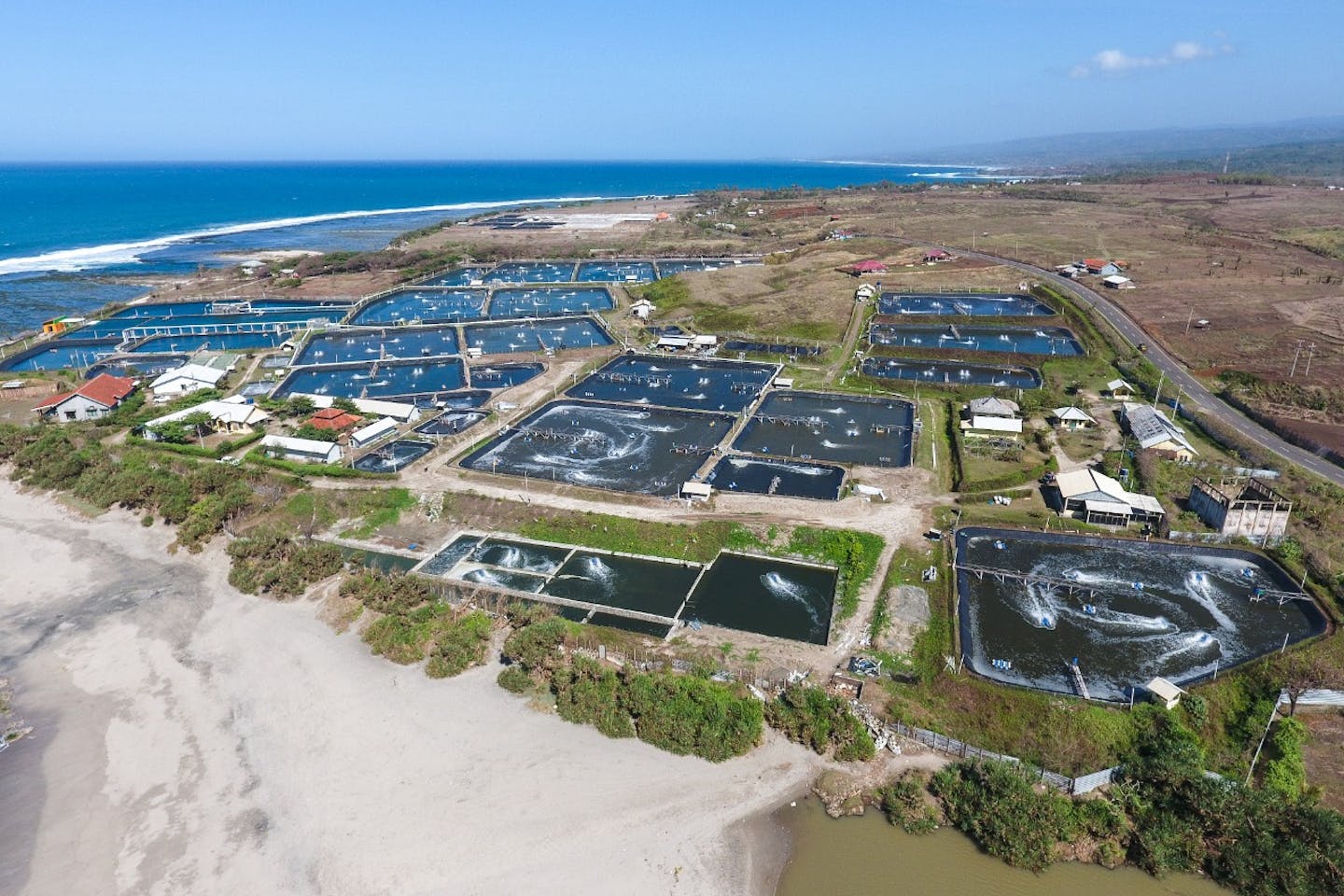
Indonesia's blue economy faces challenges, including unreliable data and perceptions of high risk, hindering access to financing for its aquaculture sector. While key industries, such as seaweed and shrimp farming, show potential to contribute significantly to GDP, confidence is undermined by scandals and lack of communication to investors. The need for better verification systems and specialized financing solutions is critical, as many small operators struggle with obtaining necessary loans due to insufficient records. Experts emphasize that banks must enhance their support for sustainable marine resources to realize the blue economy's potential.
Denmark, Indonesia, Kenya, Malaysia | Financial services
Indonesia’s aquaculture sector needs technical assistance, finance to match blue economy hype to reality: experts

Tourism is projected to contribute $16 trillion to the global GDP by 2034, despite facing challenges such as resident-visitor tensions, global disruptions, and environmental pressures. Sustainable tourism requires strategic management that benefits both visitors and local communities. Solutions include redistributing tourist flows, diversifying experiences, and fostering under-visited regions. Successful examples include Rwanda's investment in nature-based and MICE tourism and Mexico’s Experiencias Rarámuri initiative, which empowers Indigenous communities and promotes inclusive growth. Collaborative approaches can turn tourism into a driver for local development while aligning with sustainability goals.
Tourism could be a $16 trillion industry by 2034. This is how destinations can create sustainable growth

The travel and tourism sector is poised for significant growth, expected to contribute $16 trillion to global GDP by 2034, representing over 11% of the world economy. However, it faces challenges such as environmental pressures, workforce shortages, and visitor-resident tensions. This report by the World Economic Forum and Kearney outlines key growth drivers like changing traveler profiles, wellness tourism, and technological advancements. It introduces ten principles for transformation, emphasizing sustainability and collaboration among governments, businesses, and communities to enhance tourism's potential for global resilience and cultural understanding.
Germany, Jordan, Kenya, Malaysia, Republic of Korea, Tanzania, Trinidad and Tobago, Tunisia, United Arab Emirates, United Kingdom | ICT, Education, Health
Travel and Tourism at a Turning Point: Principles for Transformative Growth

The Paris Air Show 2025 showcased the aviation industry's shift from ambition to implementation regarding sustainability and innovation. Key highlights included a focus on sustainable aviation fuel (SAF), advancements in hydrogen and electric propulsion, and the importance of efficient fleets. Major deals were announced, such as Airbus's $21 billion in orders and sustainability-driven initiatives by companies like TotalEnergies and ZeroAvia. Collaborations across sectors were emphasized as essential for achieving net-zero targets, culminating in the launch of the Aviation Research and Innovation Strategy for Sustainability (ARIS) program, promoting collective efforts in innovation.
ICT
Here are the top sustainability and innovation insights from the Paris Air Show 2025
The report "Visionary Versus Reactionary. The Future of Space Security in the Age of Artificial Intelligence" presents a transformative approach to conceptualizing and operationalizing space security. It emphasizes the potential of AI to enhance outer space operations and improve threat mitigation strategies, fostering a more secure and peaceful space environment. Additionally, the report notes the technical and regulatory challenges posed by AI, which the international community must consider as states develop mechanisms for space security.
Visionary Versus Reactionary. The future of space security in the age of artificial intelligence

NATO member states have agreed to increase defense spending from 2% to 5% of GDP by 2035, significantly impacting Europe's innovation policy. This shift will channel approximately €100 billion annually into military R&D at the expense of civilian sectors, potentially reducing competitiveness and increasing reliance on American technology. Despite claims that higher spending will enhance strategic autonomy, it risks deepening economic disparities among EU countries and may hinder sustainability goals by locking in fossil fuel usage. Overall, this military focus jeopardizes Europe’s innovation objectives and may create further tensions within the Union.
Financial services, Education
The new NATO spending target will hamper Europe’s innovation policy
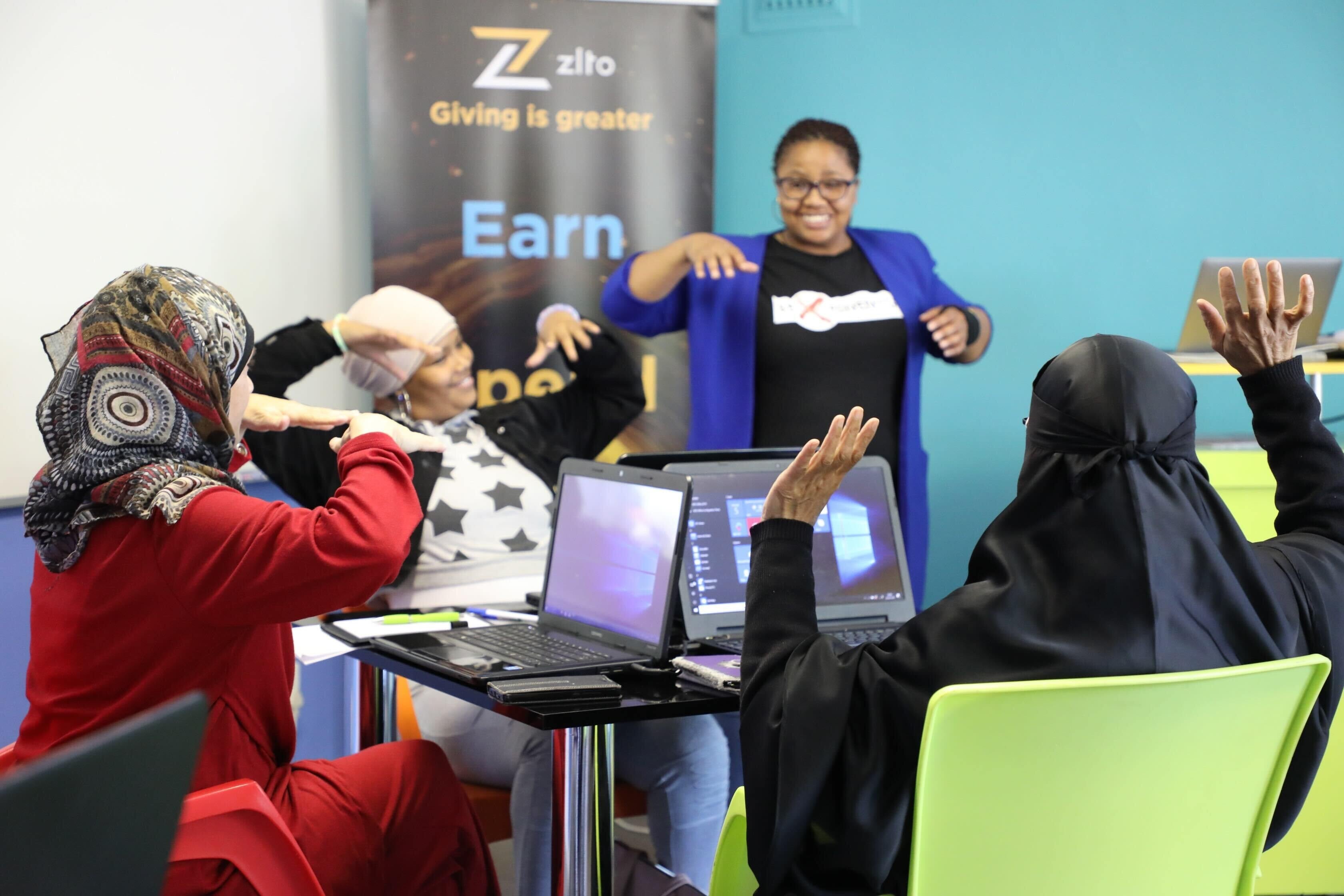
Private sector investment is crucial for addressing global challenges as public development aid declines. A report by the Schwab Foundation proposes a system for treating positive social and environmental outcomes as measurable assets, introducing "impact credits," akin to carbon credits, which reward actions generating public goods. Successful examples include South Korea’s Social Progress Credit program and South Africa's Zlto platform, both demonstrating the effectiveness of financial incentives for social progress. The report outlines key enablers for scaling these models, emphasizing the need for robust verification and inclusive governance to drive meaningful change.
Financial services, Education
We have the blueprint for turning social progress into economic value, now let’s take action

Japan is innovating its economy by enhancing local supply chains through the use of native crops like bamboo and tea, fostering regional resilience. Initiatives are merging traditional materials with modern technology to revitalize farming and reduce environmental impact. The matcha tea market is growing, prompting partnerships to improve production sustainability, while bamboo is being explored for its potential as a lightweight alternative in advanced materials. These efforts not only aim to support local economies but also address labor shortages and enhance ecological stability.
Japan | Financial services
How Japan is innovating with native crops to build a resilient future
The Vera C. Rubin Observatory in Chile is poised to revolutionize astronomy with its advanced imaging capabilities, enabling detailed mapping of the universe. Early images reveal both bright objects and faint structures, showcasing stellar nurseries like the Lagoon and Trifid nebulae, which are crucial for star formation. The observatory's vast reach will allow for unprecedented surveys of galaxies, including the Virgo Cluster, ultimately cataloging properties of about 20 billion galaxies over a ten-year period. The UK's involvement includes processing 1.5 million images and enhancing data access for global scientists, fostering significant advancements in astronomical research.
Could the first images from the Vera Rubin telescope change how we view space for good?

Starcloud aims to transform data center models by transitioning from terrestrial to space-based facilities, responding to increasing demand for energy and space for AI data processing. Current terrestrial data centers offer 70 gigawatts of capacity, but by 2027, the need may escalate to 220 gigawatts. Space data centers promise to significantly reduce costs and energy consumption, predicted to charge under 0.5 cents per kWh by 2027. Starcloud plans to start servicing NASA and the Department of Defense, leveraging advancements like reusable rockets to decrease launch costs dramatically. This innovative approach could enable a more efficient and scalable solution for future AI needs.
Startup Of The Week: Starcloud
Social media significantly influences public discourse and development policy, yet it remains largely overlooked in the international development community. Platforms shape opinions, impacting sectors like health and education, where misinformation can undermine initiatives. The opacity of algorithms can lead to polarization, affecting political outcomes and public narratives around issues such as migration and aid. The lack of comprehensive evidence on social media's effects complicates understanding its role in development, particularly as AI technologies become more prevalent. Policymakers must recognize the importance of these platforms in fostering resilient and inclusive systems.
Kenya, Republic of Korea, South Africa, United Arab Emirates | Financial services, Health, ICT, Education
Reclaiming the Feed: Why Social Media Is a Development Issue
Sustainable aviation fuel (SAF) adoption is hindered by a fragmented industry, high costs, and insufficient supply. SAF is significantly more expensive than conventional fuel—£1.97 per liter compared to £0.96—and requires substantial investment in production facilities. Airlines face economic challenges and inconsistent supply at major airports, while distribution companies struggle with logistical complexities. Trust issues persist between stakeholders, including government assurances and airlines' commitment to climate action. Collaborative efforts and a stable regulatory framework are essential for developing SAF, which could significantly contribute to aviation's decarbonization if managed effectively.
Why your holiday flight is still not being powered by sustainable aviation fuel

Artificial intelligence is transforming key sectors like healthcare, energy, and finance through the World Economic Forum's MINDS programme, which showcases impactful AI applications. The first cohort demonstrates real solutions such as a hybrid AI platform in industrial manufacturing that halved quality variation and improved production speed, a multimodal healthcare AI system achieving over 90% diagnostic accuracy for millions, and an AI marketplace enhancing factory efficiency by improving machine utilization and reducing waste. These innovations exemplify purposeful AI deployment to tackle complex global challenges.
What’s working in AI? Real-world transformations from the first MINDS cohort
South Korea leads the global high-bandwidth memory (HBM) market, essential for AI chip development, with SK Hynix and Samsung Electronics dominating the sector. The growth of HBM is critical as data centers expand. However, concerns about technology transfers to China, energy sustainability, and financial uncertainties affect the industry. During Donald Trump's Gulf visit, U.S.-UAE cooperation on AI, particularly through the Stargate Project, highlighted regional ambitions to diversify economies beyond oil and gas and build local semiconductor capabilities.
Republic of Korea, Saudi Arabia, United Arab Emirates | ICT
Three Questions to June Park: South Korea, the United States, and the Gulf-Semiconductors in the Development of AI
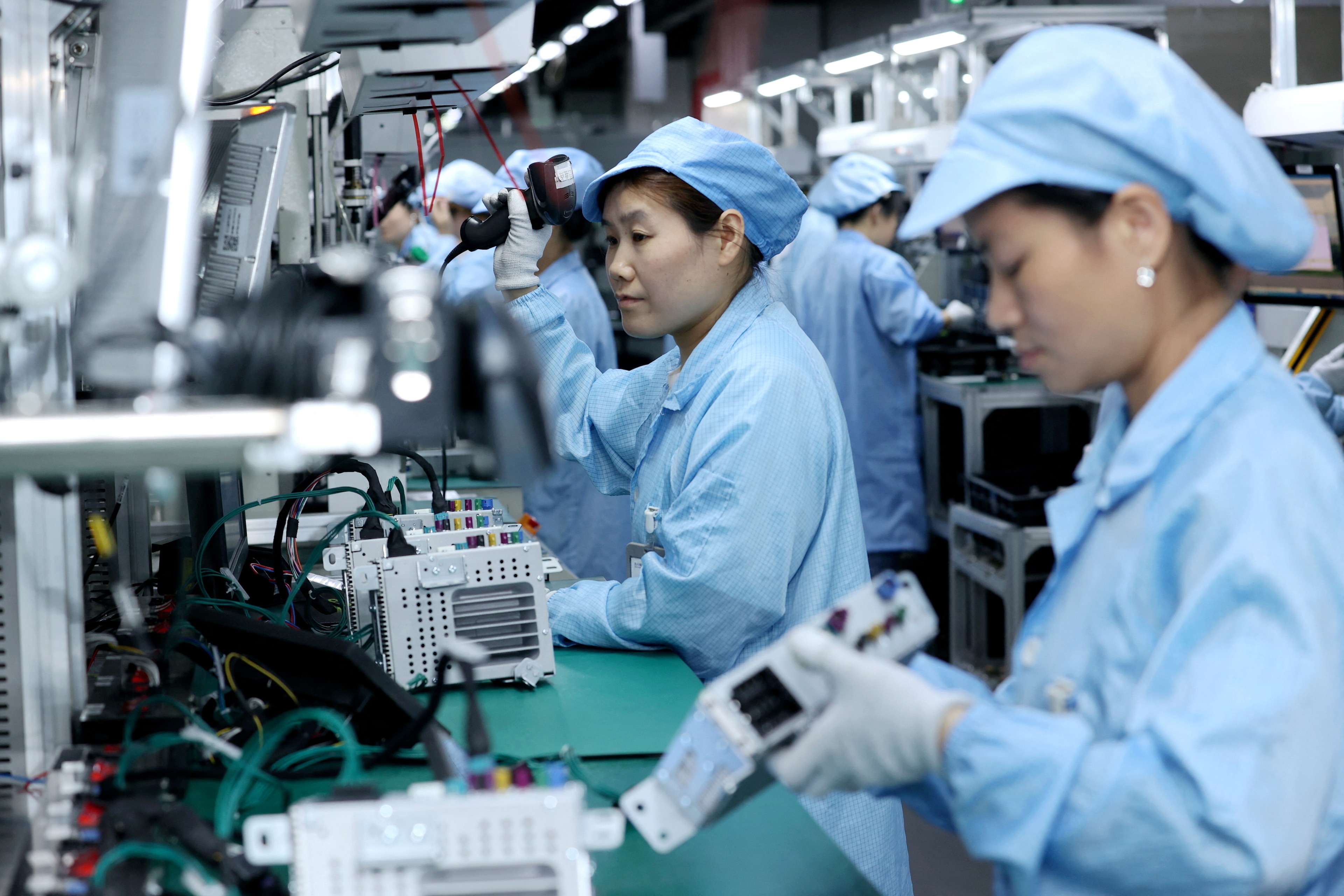
Made in China 2.0 represents a new phase of China's industrial evolution, focusing on AI-enhanced, green energy-driven, and self-reliant manufacturing. Building on the original "Made in China 2025" strategy, this transformation aims to redefine global manufacturing standards amid shifting geopolitical landscapes and supply chain disruptions. Despite substantial achievements in sectors like electric vehicles and solar technology, challenges remain in areas such as advanced semiconductors and biopharmaceuticals. The ongoing strategy reflects a shift towards innovation ecosystems that may offer an alternative to traditional liberal market models.
Ethiopia, India, Malaysia | Financial services, ICT, Education
Made in China 2.0: The future of global manufacturing?