
Publications

INSIGHT REPORT

Pioneering the Future: Space

Technologies Poised to Revolutionize

Exploration and Economy by 2035

September 2026

FACTSHEETS

Pioneering the Future: Space

Technologies Poised to Revolutionize Exploration and Economy by 2035

June 2026

WHITE PAPER

Future of Space Law:

Operationalizing Space Governance

March 2026

REPORT

Clear Orbit, Secure Future:

 A Call to Action on Space Debris

Jan 2026

WHITE PAPER

The Future of Space Law

Insights from the ATS, UNCLOS, and ITU Frameworks

December 2025

WHITE PAPER

The Future of Space Law: 

The Evolving Dynamics of Air and Space Regulation

 September  2025

The Future Of Space Law

News

Centre for Space Futures, Novaspace and SpaceTech Gulf  Sign Agreement to Develop Global Space Capability Mapping Dashboard

Riyadh, Saudi Arabia , 23 Jun 2026|  Press Release

Clear Orbit, Secure Future: A Call to Action on Space Debris

Riyadh, Saudi Arabia, 26 Jan 2026 | Press Release

Centre for Space Futures Holds Workshop with Participation of 40 Global Experts

Riyadh, Saudi Arabia, 05 Dec 2025 | Press Release

Centre for Space Futures Releases White Paper on 'The Future of Space Law'

Riyadh, Saudi Arabia, 12 Sep 2025 | Press Release

The Board of Directors of the Centre for Space Futures Endorses Its Strategic Direction

Riyadh, Saudi Arabia, 26 May 2025 | Press Release

Saudi Space Agency to Launch the Centre for Space Futures with the World Economic Forum

Riyadh, Saudi Arabia, 29 April | Press Release

5 ways we can tackle growing risks from rocket bodies in orbit

Dec 09, 2025 | Economic Growth, Stories

Read More

Forum Agenda

Forum Videos

VIDEO

Press Conference: Centre for Space Futures in Riyadh

The World Economic Forum's Special Meeting, April 29, 2024

VIDEO

The Purpose of Astronauts at Davos 2024

World Economic Forum , March 9, 2024

VIDEO

PortWatch: Monitoring Trade Disruptions from Space

World Economic Forum , Dec 18, 2023

VIDEO

India's Moon Mission Triumph: Ambassador Ruchira Kamboj's Insights

World Economic Forum , Aug 23, 2023

VIDEO

Space Exploration is Back at Davos 2023

World Economic Forum , Feb 16, 2023

Forum Publications

Strategic Intelligence Insights

The 'Summer Davos' 2025 focused on five significant shifts in entrepreneurship amidst contemporary challenges. Key insights included the notion that geo-strategic competition fosters rather than hinders innovation, highlighting crisis-driven breakthroughs. AI was identified as a co-creator in business, transforming traditional metrics and enabling one-person billion-dollar ventures through advanced sensory data applications. The evolving relationship between humans and machines redefines leadership, emphasizing effective management of digital workers. Overall, the discussions underscored a new entrepreneurial epoch driven by innovation and collaboration.
Education
5 shifts in a new era for entrepreneurs: Reflections from 'Summer Davos' 2025

Safer gaming is essential for children's digital safety, with nearly 80% of kids aged 5 to 18 engaging in video games. The World Economic Forum’s report highlights two key initiatives: Microsoft’s Xbox Gaming Safety Toolkit, which empowers parents with tailored guidance, and k-ID’s platform that provides age-appropriate experiences in games. These tools aim to enhance user safety and trust by addressing risks like grooming and bullying proactively. Both interventions advocate for collaborative approaches to design and implementation, stressing the importance of empowering both parents and game developers to foster a safer online environment.
Education, ICT
Safer gaming is a cornerstone of the digital safety movement. Here's how to achieve it

Drones have been crucial in Ukraine's defense during the Russia-Ukraine war, showcasing an innovative drone warfare ecosystem. The report emphasizes that success relies not just on drone technology but also on a supportive network of diverse actors, including military, civilian experts, and industry. Key factors for NATO allies to consider are the speed, scale, and urgency of Ukraine’s decentralized approach, which fosters rapid iteration and community involvement. With over 200 drone types developed, Ukraine is streamlining the most effective systems for increased production and support to allies, urging others to adapt swiftly to these lessons.
Ukraine, United Kingdom | Education
Europe has much to learn from Ukraine’s drone warfare ecosystem

Methane is the second-largest contributor to climate change, responsible for about 30% of global warming and significantly higher in global warming potential than CO₂. Accurate methane emissions data is crucial for effective mitigation strategies, yet monitoring remains challenging, particularly in the Asia-Pacific region. Satellite-based Earth observation combined with AI analytics is emerging as a scalable solution, addressing the limitations of traditional ground monitoring. New regulations in major economies are pushing for improved methane tracking, particularly with the rise of emissions-based taxation and carbon pricing, highlighting the necessity for high-resolution monitoring capabilities.
Tackling methane emission blind spots with satellite technology
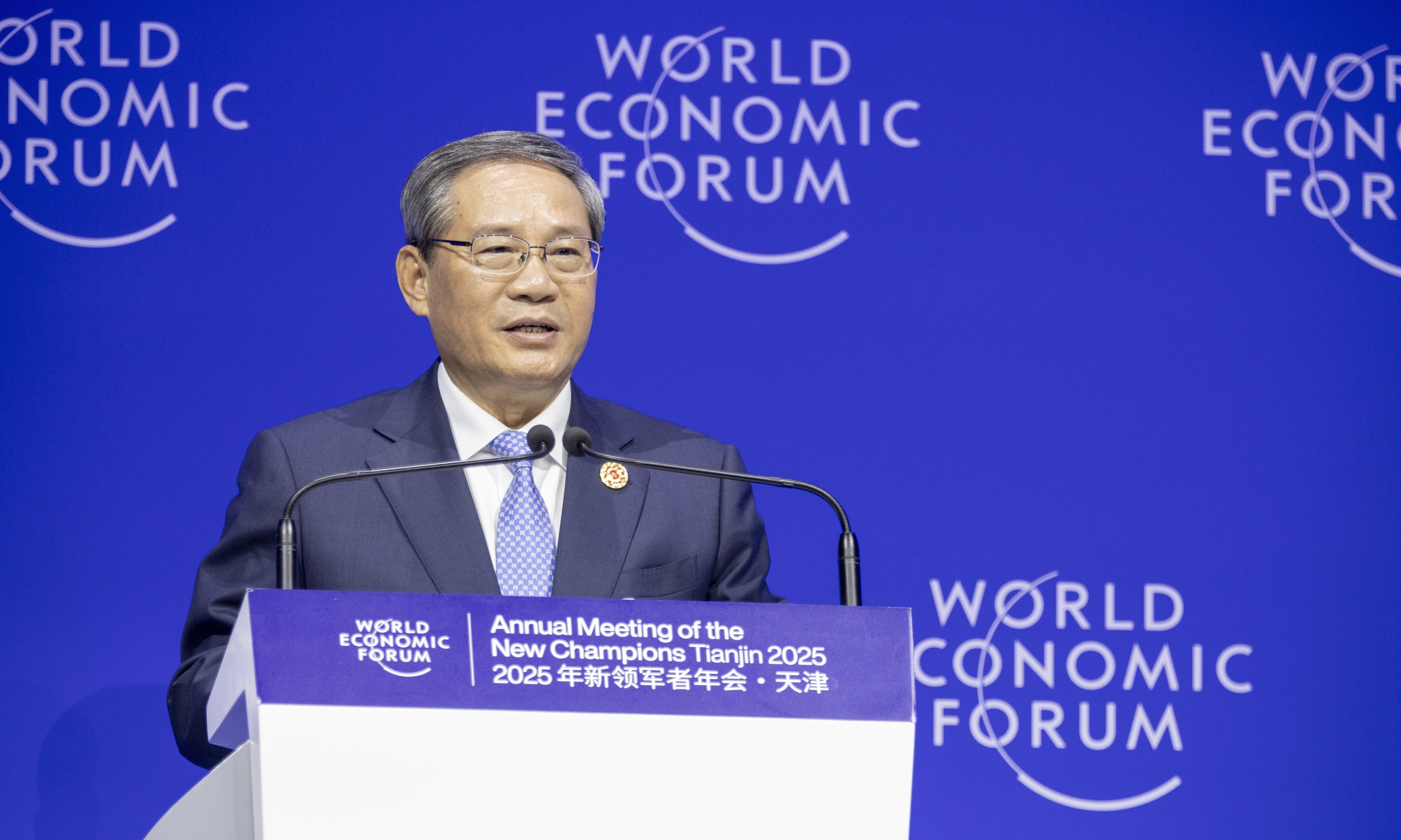
Chinese Premier Li Qiang addressed the Annual Meeting of the New Champions 2025 in Tianjin, emphasizing the crucial role of entrepreneurship in the global economy. He acknowledged the profound changes affecting international trade and the rise of the Global South as a major market. Premier Li highlighted the contrasts between slowing traditional sectors and the growth of digital and green trade. He pointed out the challenges facing global trade mechanisms and the increasing reliance on regional collaborations amid rising protectionism. Additionally, he noted declining cross-border investment and the fragmentation risks in industrial supply chains.
Argentina, Ethiopia, India, Malaysia, Peru, Republic of Korea, Taiwan, China, Tanzania, United Arab Emirates, United Kingdom | Financial services, ICT, Health
Address by China Premier Li Qiang to the Annual Meeting of New Champions 2025
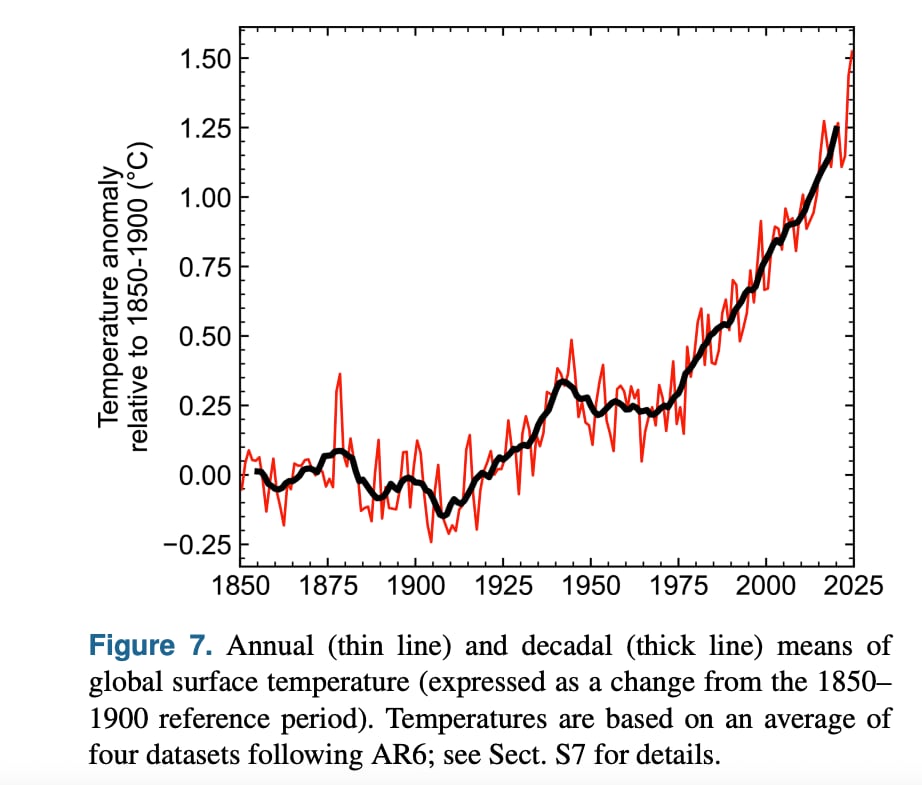
Scientists indicate that only three years remain in Earth's carbon budget to limit global warming to 1.5°C, as emissions continue at current rates. Research shows that the carbon budget decreased from 500 billion tonnes in 2020 to 130 billion tonnes by 2023. Additionally, NASA reports a significant increase in the intensity and frequency of extreme weather events linked to climate change. Other findings highlight the vast land area required for tree planting to offset fossil fuels and potential effects of climate change on gin flavor due to altered juniper berry compounds.
Three years left on the planet’s carbon budget, and other nature and climate news

Data is essential for informing decisions and addressing global challenges, serving as a crucial element in the digital economy and impacting various sectors. It carries both economic value and sensitive personal information, demanding careful protection. This paper argues for the establishment of an international data governance framework, identifies barriers to its creation, and outlines the costs of inaction. It emphasizes the United Nations' unique role in hosting such a framework and leverages historical lessons to highlight the potential for global solutions.
United Kingdom | Education, Financial services, Health, ICT
Further Reflections on the Journey Towards an International Framework for Data Governance

The final day of the World Economic Forum's Annual Meeting of the New Champions (AMNC 2025) in Tianjin focuses on China's economic outlook and AI strategy, alongside discussions on geopolitics, entrepreneurship, and innovation. Keynote speakers emphasize the significance of the right policy environment for fostering entrepreneurship. Discussions highlight the intricate connections between the U.S. and China, with both economies remaining deeply intertwined despite tensions. Insights on advanced R&D and integrated supply chains illustrate China's potential in driving innovation through AI, which is expected to impact multiple industries significantly.
Ethiopia, India, Kenya, Rwanda, Tanzania, United Arab Emirates, United Kingdom | Financial services, ICT, Education
Day 3 at ‘Summer Davos’ 2025: China’s economy and AI strategy

Geostationary SmallSats are revolutionizing access to space for nations seeking sovereign satellite capabilities. These smaller, lighter satellites reduce communication costs by up to five-fold, making it feasible for more countries to establish their own satellite systems, thus enhancing autonomy and security. Traditional satellite systems are financially prohibitive, often resulting in reliance on commercial operators, which compromises control. Recent advancements in satellite technology, including software-defined payloads and 3D printing, facilitate faster build times and lower costs, promoting broader access to space. This democratization allows even smaller nations to participate effectively in the emerging space landscape.
How geostationary small satellites are providing strategic access to space

Sustainability efforts must shift from merely increasing awareness of climate issues to enacting systemic changes that promote climate-friendly behaviors. Historical evidence from smoking policies shows that structural changes—such as defaults and social norms—prompt real behavior modification. Initiatives like the "Greener by Default" program, which increased plant-based meal options without shaming, illustrate the effectiveness of making sustainable choices easy and automatic. Effective climate messaging should focus on positive narratives of hope and innovation, rather than guilt and sacrifice, to engage people emotionally and drive meaningful action in food systems and beyond.
Health
From smoking to sustainability: What climate strategy can learn from public health
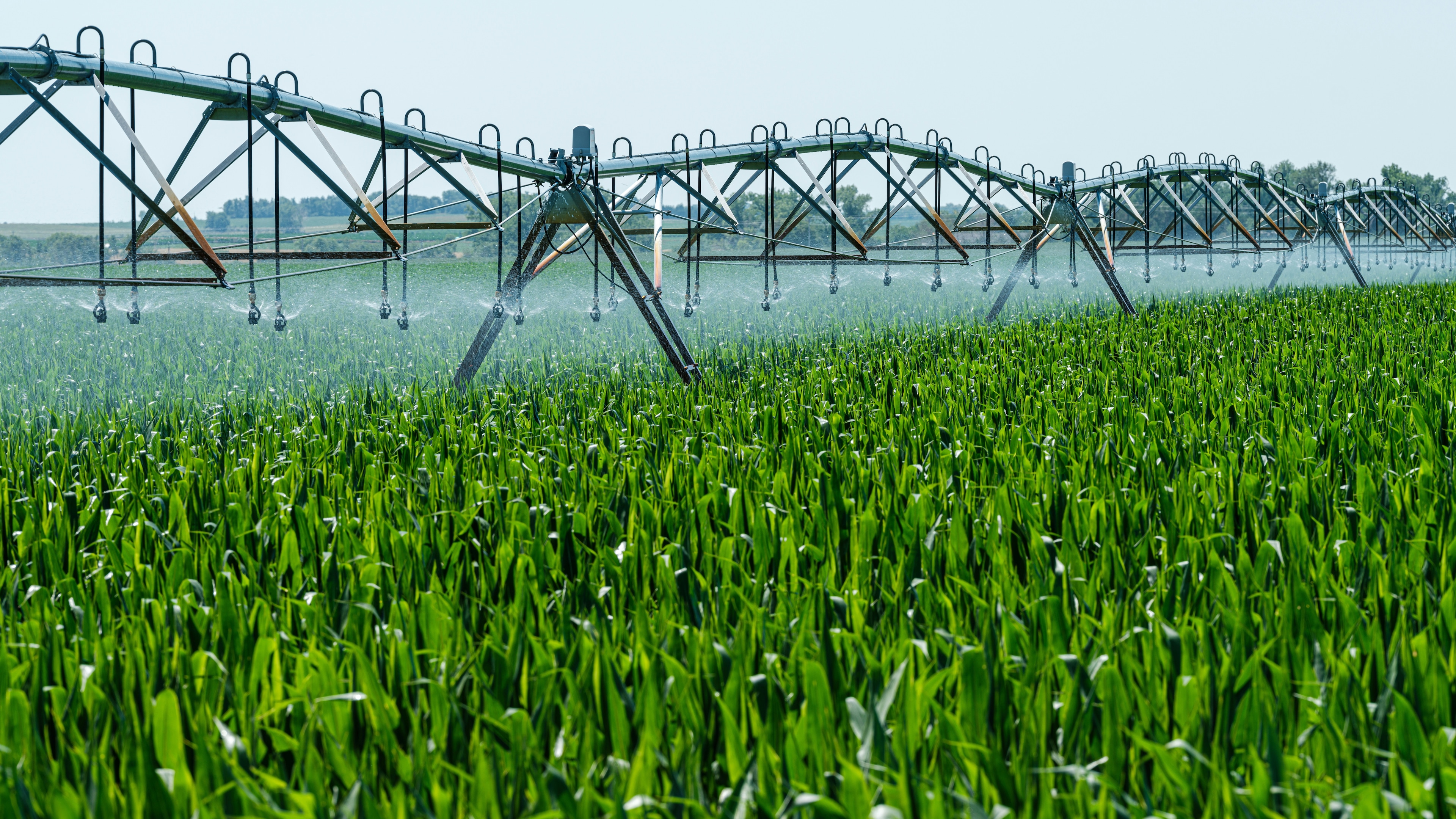
Emerging economies in Asia and the Middle East are innovating to address the challenges of food-water systems amid resource scarcity. Twelve high-impact technologies, including precision agriculture and circularity, are enhancing water-use efficiency and boosting agricultural yields. Key players like China are leveraging tech advancements to sustain significant population portions with limited resources, while the Middle East is transforming water-stressed areas through solar desalination and salt-tolerant crops. However, systemic challenges such as fragmented ecosystems, infrastructure deficits, economic misalignment, and skills shortages hinder broader adoption of these innovations. A five-point blueprint emphasizes the need for coherent policy frameworks, robust financial systems, and collaborative ecosystems to accelerate food-water transformations.
Financial services, ICT, Education, Health
From scarcity to solutions: How Asia and the Middle East are advancing food-water innovation

Democratized access to AI tools is essential for advancing scientific innovation, similar to the transformative impact of DeepMind's AlphaFold on protein folding. This shift enables non-experts to engage in breakthrough discoveries across various industries, like finding natural sugar substitutes and biopesticides. Current challenges lie in translating rapid AI predictions into effective commercialization, requiring diverse industry insights and collaborative approaches. Redesigning traditional models to encourage broader participation in innovation will enhance speed and efficiency in addressing global challenges such as health crises and climate change. Successful future companies will prioritize open access and collective intelligence in their operations.
ICT, Education
How AI-powered innovation can democratize breakthrough science
Funding for early-stage sustainability start-ups has decreased significantly, with only $2.3 billion raised this year—two-thirds less than last year. The $700 billion annual nature funding gap necessitates new investor engagement, particularly through initiatives like the UpLink Nature Returns Investor Challenge. This challenge seeks early-stage investors to support nature-positive businesses, as existing funding sources are dwindling. Successful examples, such as Mercuria’s initiative to protect Brazilian ecosystems and Goldman Sachs’ biodiversity bond fund, showcase emerging investment pathways. Increased collaboration among private investors, governments, and communities is critical for addressing biodiversity loss and unlocking a nature-positive economy.
Why we need more early-stage investors for nature
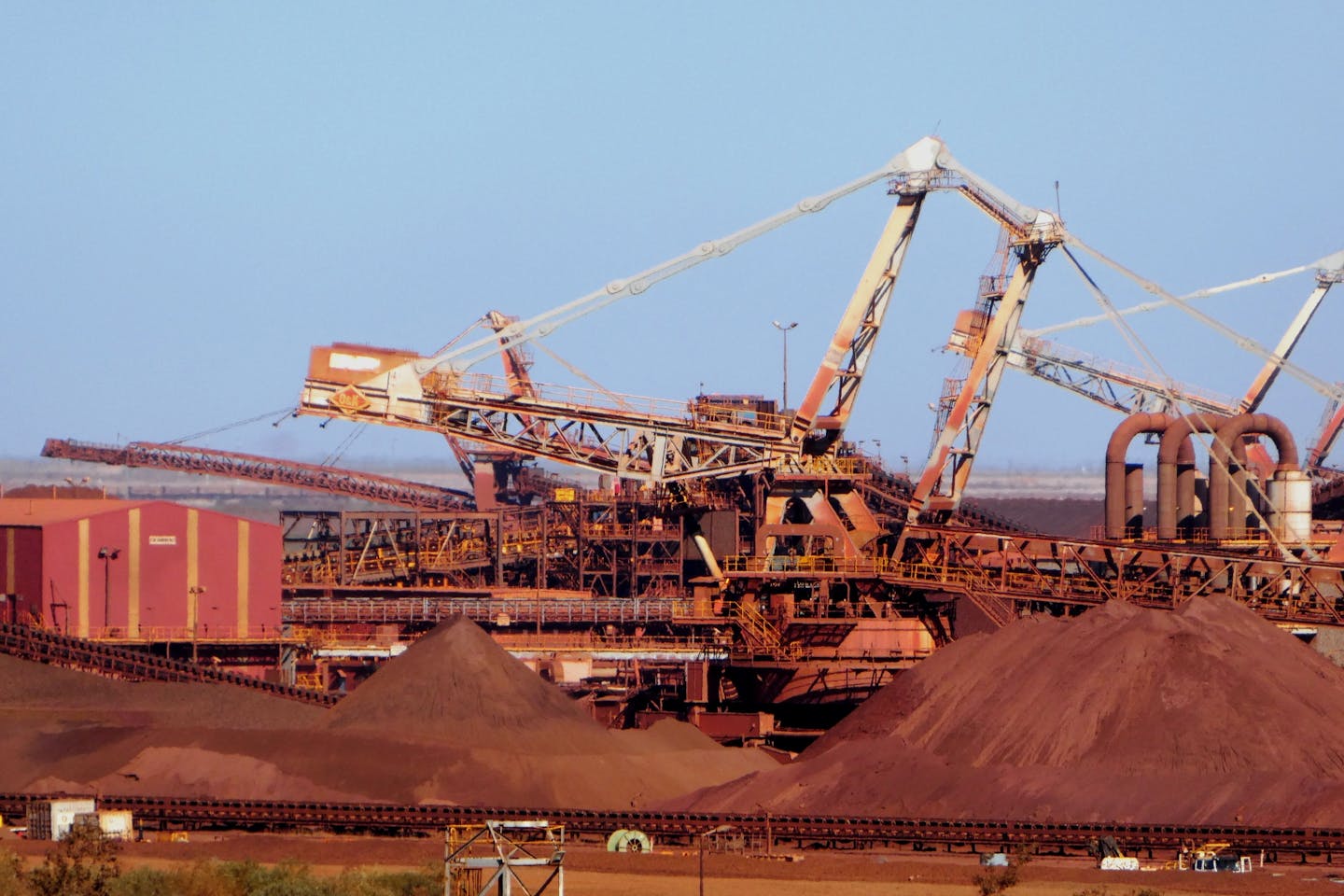
Australia has launched the world's first sustainable investment rulebook that defines eligible mining activities for green financing. Developed after two years of consultations, the taxonomy will be piloted by major banks and pension funds. It focuses on four key metals—copper, lithium, nickel, and iron ore—essential for the transition from fossil fuels. Mining operations can qualify as "green" by meeting specific emissions intensity thresholds, while captive coal-powered sites are excluded from sustainable financing. This initiative is attracting interest from other mining nations and aims to position Australia as a leader in global sustainable finance.
Australia | Financial services
Australia launches world’s first sustainable finance rulebook that includes mining

Freshwater systems are under severe pressure from climate change, pollution, and over-extraction, with demand expected to surpass supply by 40% in five years. Agriculture, consuming 70% of freshwater withdrawals, faces significant risks as food production must rise by 60% by mid-century. Innovation is essential, demonstrated by China’s ability to support 20% of the global population with limited freshwater and arable land, and the Middle East’s 40% share of global desalination. The report outlines 12 high-impact innovations needed in agriculture, water, and cross-sector technologies, emphasizing the necessity of collaborative public-private strategies for effective transformation.
Bangladesh | Financial services, Education, Health
From Scarcity to Solutions: Food-Water Innovation in Asia and the Middle East
The UK, highly vulnerable to trade disruptions due to reliance on global supply chains, is introducing an industrial strategy focused on "securonomics," championed by Chancellor Rachel Reeves. This strategy emphasizes domestic energy investment, supply chain security, and reducing dependence on single supplier nations like China. Initiatives include a £600 million investment in logistics, a national supply chain center, and measures to encourage reshoring of manufacturing. Additionally, strengthening the defence supply chain and enhancing cybersecurity in logistics are prioritized. Overall, while the strategy aims to bolster resilience, its effectiveness amidst fiscal constraints remains uncertain.
Australia, Canada, Chile, Colombia, Costa Rica, Egypt, Ethiopia, France, Germany, Ghana, Guatemala, Honduras, India, Ireland, Italy, Jamaica, Jordan, Kenya, Lithuania, Malawi, Malaysia, Mauritius, Mexico, Nepal, Netherlands, Norway, Pakistan, Paraguay, Peru, Philippines, Republic of Korea, Russian Federation, Rwanda, Saudi Arabia, Senegal, South Africa, Spain, Sri Lanka, Switzerland, Tanzania, Tunisia, Uganda, Ukraine, United Arab Emirates, United Kingdom | Financial services, Education, ICT
New industrial strategy brings Rachel Reeves’ securonomics to life – but will it protect Britain from more supply chain shocks?
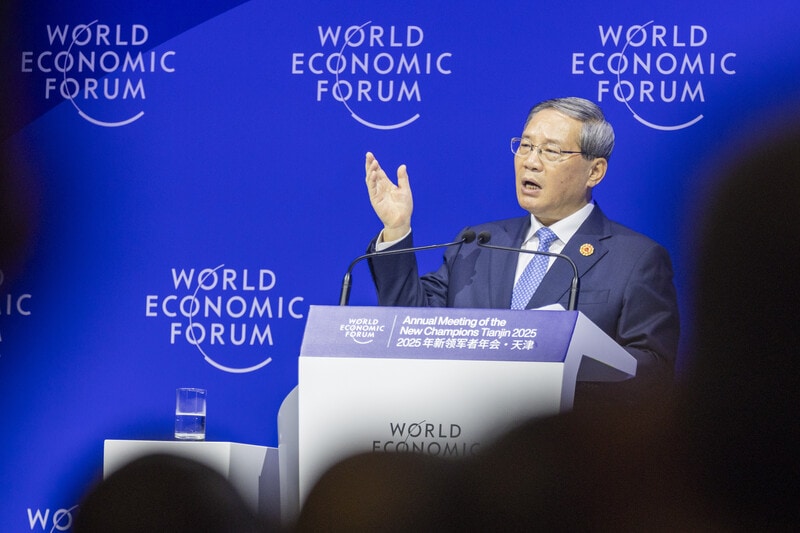
Day 2 of ‘Summer Davos’ 2025 in Tianjin focuses on Asia's economic growth and the energy transition. Key themes include climate finance, with discussions led by regional leaders such as Chinese Premier Li Qiang and Prime Ministers from Senegal, Singapore, and Vietnam. The importance of viewing clean energy as a long-term growth driver is emphasized, alongside discussions about AI's impact on workforces and the need for global cooperation in addressing challenges like funding gaps in emerging economies.
Financial services, Education, ICT
Day 2 at ‘Summer Davos’ 2025: Asia’s growth and future of energy in the spotlight

Supply chains must adapt to a shifting global landscape shaped by geopolitical tensions and economic uncertainty. Organizations need to build adaptive, digitally enabled networks that emphasize diversification, agility, and strategic readiness. The World Economic Forum and Kearney outline four potential future outlooks for supply chains, influenced by geopolitical fragmentation and global economic convergence. These scenarios highlight distinct operating environments and challenges, such as regulatory divergence and shifting partnerships. Businesses are encouraged to act decisively despite uncertainties, focusing on investments in digitalization and resilience to enhance supply chain performance.
Canada, Chile, Colombia, Egypt, Ethiopia, Germany, Guatemala, India, Jordan, Kenya, Malawi, Malaysia, Nepal, Pakistan, Paraguay, Peru, Philippines, Republic of Korea, Rwanda, Senegal, South Africa, Spain, Sweden, Switzerland, Tanzania, Tunisia, Uganda, United Arab Emirates, United Kingdom | Financial services, Education, Health, ICT
How supply chains need to adapt to a shifting global landscape

Indoor air pollution is a significant global health threat, responsible for an estimated 3.2 million premature deaths annually. It arises from common indoor activities like cooking and heating, particularly in poorly ventilated spaces. Despite spending 60–90% of their time indoors, people often overlook indoor air quality compared to outdoor pollution. Vulnerable populations, especially in low- and middle-income countries, experience the greatest exposure due to reliance on solid fuels. To address this, urgent action is needed on cleaner energy access, building infrastructure improvements, affordable monitoring tools, and regulatory focus on indoor air quality.
Why indoor air quality must be a global health priority

Artificial intelligence is transforming materials innovation by revolutionizing research and development. Through data-driven discovery and automated integration, AI platforms can quickly generate and screen millions of molecular structures, predict properties, and propose efficient synthesis pathways. This technology allows materials scientists to overcome traditional development challenges and creates breakthroughs essential for green technologies. Initiatives by leading technology companies and emerging startups are enhancing the scale and precision of materials research, fostering advancements in chemistry and materials science, ultimately aiming to accelerate the development of advanced materials necessary for achieving carbon neutrality.
How AI can help in materials innovation – from discovery to design