Publications

INSIGHT REPORT

Pioneering the Future: Space

Technologies Poised to Revolutionize

Exploration and Economy by 2035

September 2026

FACTSHEETS

Pioneering the Future: Space

Technologies Poised to Revolutionize Exploration and Economy by 2035

June 2026

WHITE PAPER

Future of Space Law:

Operationalizing Space Governance

March 2026

REPORT

Clear Orbit, Secure Future:

 A Call to Action on Space Debris

Jan 2026

WHITE PAPER

The Future of Space Law

Insights from the ATS, UNCLOS, and ITU Frameworks

December 2025

WHITE PAPER

The Future of Space Law: 

The Evolving Dynamics of Air and Space Regulation

 September  2025

The Future Of Space Law

News

Centre for Space Futures, Novaspace and SpaceTech Gulf  Sign Agreement to Develop Global Space Capability Mapping Dashboard

Riyadh, Saudi Arabia , 23 Jun 2026|  Press Release

Clear Orbit, Secure Future: A Call to Action on Space Debris

Riyadh, Saudi Arabia, 26 Jan 2026 | Press Release

Centre for Space Futures Holds Workshop with Participation of 40 Global Experts

Riyadh, Saudi Arabia, 05 Dec 2025 | Press Release

Centre for Space Futures Releases White Paper on 'The Future of Space Law'

Riyadh, Saudi Arabia, 12 Sep 2025 | Press Release

The Board of Directors of the Centre for Space Futures Endorses Its Strategic Direction

Riyadh, Saudi Arabia, 26 May 2025 | Press Release

Saudi Space Agency to Launch the Centre for Space Futures with the World Economic Forum

Riyadh, Saudi Arabia, 29 April | Press Release

5 ways we can tackle growing risks from rocket bodies in orbit

Dec 09, 2025 | Economic Growth, Stories

Read More

Forum Agenda

Forum Videos

VIDEO

Press Conference: Centre for Space Futures in Riyadh

The World Economic Forum's Special Meeting, April 29, 2024

VIDEO

The Purpose of Astronauts at Davos 2024

World Economic Forum , March 9, 2024

VIDEO

PortWatch: Monitoring Trade Disruptions from Space

World Economic Forum , Dec 18, 2023

VIDEO

India's Moon Mission Triumph: Ambassador Ruchira Kamboj's Insights

World Economic Forum , Aug 23, 2023

VIDEO

Space Exploration is Back at Davos 2023

World Economic Forum , Feb 16, 2023

Forum Publications

Strategic Intelligence Insights

Progress toward the Sustainable Development Goals (SDGs) is significantly off-track, with only 17% of targets expected to be achieved by 2030. The Global Financial Architecture (GFA) requires urgent reform to support sustainable development financing, as half the global population lives in nations hindered by debt and lack of capital. Key indicators show regressions in targets related to obesity, press freedom, and corruption, while some countries excel in basic service access. Barbados leads in multilateralism, whereas the U.S. ranks last, indicating a broader trend in international engagement and commitment.
Albania, Algeria, Angola, Azerbaijan, Bangladesh, Barbados, Botswana, Brunei Darussalam, Burkina Faso, Cambodia, Cape Verde, Chad, Democratic Republic of the Congo, Denmark, Dominican Republic, Egypt, El Salvador, Gabon, Georgia, Ghana, Guatemala, Guinea, Haiti, Honduras, Hungary, Iceland, Ireland, Jamaica, Kuwait, Lesotho, Madagascar, Malawi, Mali, Malta, Mauritania, Moldova, Mongolia, Montenegro, Namibia, New Zealand, Qatar, Senegal, Serbia, Seychelles, Singapore, Slovakia, Sweden, Trinidad and Tobago, Uganda | Health
Sustainable Development Report 2025
The World Economic Forum identifies ten emerging technologies for 2025 aimed at addressing global challenges through increased connectivity and collaboration. Key innovations include collaborative sensing, which enhances real-time coordination among vehicles, traffic systems, and emergency services to improve safety and reduce congestion. Additionally, generative watermarking aims to combat misinformation by tagging AI-generated content. The report emphasizes the importance of investment, infrastructure, and collaboration among businesses, governments, and the scientific community to ensure these technologies benefit the public good.
Ethiopia, Tanzania, United Arab Emirates, United Kingdom | Financial services, Health, Education, ICT
From Safer Cities to Healthier Lives: The Top 10 Emerging Technologies of 2025

China's recent advancements in generative AI, including models like DeepSeek and MiniMax, are rooted in a strategic national framework established over years of investment in technology, talent, and infrastructure. Despite US export restrictions on advanced chips, Chinese firms have adapted through innovation and open-source collaboration, showcasing resilience. Key factors include a supportive culture of techno-optimism, aligned public-private efforts, and significant STEM education. By 2024, Chinese models began outperforming Western counterparts, demonstrating the inevitable rise of a robust AI ecosystem cultivated through disciplined policy and regulatory support.
Taiwan, China, United Arab Emirates | Education
Why China’s AI breakthroughs should come as no surprise

Businesses face significant risks from climate change, with potential annual earnings losses of up to 7% by 2035. The World Economic Forum's report highlights various climate hazards affecting fixed assets and supply chains across industries, estimating global losses between $560 billion and $1.1 trillion annually by 2055. Investing in resilience strategies can yield notable returns, with $1 invested generating up to $19 in avoided losses. Countries like China are enhancing climate risk management through substantial public investments and advanced forecasting systems. Companies must integrate climate resilience into core business models to maintain competitiveness and foster innovation.
Nigeria | Financial services
The resilience imperative: Why companies must adapt to a +1.5 degrees world
Nitrogen fixation is essential for fertilizers and global food production but currently relies on energy-intensive processes, notably the Haber-Bosch method, contributing significantly to greenhouse gas emissions. Emerging technologies recognized by the World Economic Forum aim to enhance nitrogen fixation sustainability by leveraging natural processes, such as engineering nitrogen-fixing bacteria or utilizing duckweed as a sustainable feed and fertilizer source. Additionally, advancements like electrochemical nitrogen reduction and improving agricultural practices, such as rotating crops with legumes and precision farming, are proposed to reduce the environmental impacts of nitrogen fixation.
What is nitrogen fixation, and how can we make it more sustainable?

UOB's head of sustainable business, Melissa Moi, stated that the bank’s recent decision to adjust its climate target to below 2 degrees Celsius aims to encourage more regional banks to engage in decarbonisation efforts. The shift from the stricter 1.5 degrees Celsius goal reflects a pragmatic approach to inclusivity in sustainability commitments, especially in Southeast Asia, where economic growth remains linked to energy dependence. Despite geopolitical uncertainties, countries like Malaysia, Thailand, and Singapore continue to uphold their decarbonisation plans, recognizing the growing importance of energy security alongside renewable energy development.
Singapore | Financial services
Net-zero banking group's 'pragmatic reset' would open doors for once-sceptical lenders to join: UOB's Melissa Moi
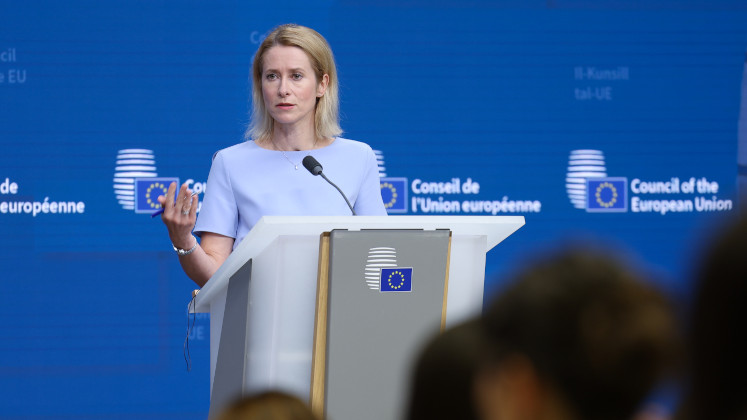
Defence spending among EU member states has risen significantly, over 30% since 2021, in response to Russia's invasion of Ukraine. Kamil Zwolski emphasizes the necessity of a coherent long-term security strategy to complement this increased spending. The war has unveiled Europe's over-reliance on NATO and the US, inadequate military readiness, and fragmented national defense policies. Key lessons include the importance of military preparedness, the limits of EU unity on sanctions, and the need to address hybrid warfare. Europe must navigate strategic pathways that balance deterrence with diplomatic efforts, addressing fundamental vulnerabilities and promoting cohesion among member states.
Ukraine
How Europe can rethink its security strategy towards Russia

Start-ups are driving global innovation, increasingly enabled by artificial intelligence and advanced research tools. However, while the geography of innovation is diversifying, essential support systems, including mentorship, policy access, and community networks, remain concentrated, creating disparities. Founders face isolation and need connections for support and perspective. Healthy innovation ecosystems promote not only funding but also emotional resilience and collaboration, ensuring that groundbreaking ideas from around the world receive the attention and resources they require to thrive. Initiatives like incubators and public-private partnerships are crucial for fostering these ecosystems.
Financial services, ICT, Education
Why we need to build support systems for founders everywhere

Collaboration among technology, policy, and clinical insights is essential to enhance China's healthcare system amid the rising prevalence of chronic diseases due to an aging population. With over 296 million people aged 60 and above, equitable access to early detection and care is increasingly critical. Innovations must focus on local needs, utilizing partnerships with healthcare professionals to identify care bottlenecks and co-develop solutions. Initiatives like helium-free MRI systems and tele-interventions demonstrate how technology can improve diagnostic access and patient care. Building collaborative healthcare ecosystems is vital for achieving sustainable, high-quality, and patient-centered care.
Singapore, Taiwan, China | ICT, Education, Health
Partnerships key to unlocking China's healthcare potential

Entrepreneurship plays a vital role in navigating current global challenges, including climate change, technological disruptions, and economic tensions. During turbulent times, effective leaders harness entrepreneurial spirit to innovate, build partnerships, and align profit with purpose. Entrepreneurs drive industrial reinvention, particularly in green technologies like electric vehicles, significantly contributing to decarbonization efforts. Additionally, technology offers opportunities for democratizing access to education but requires ethical oversight to prevent biases. Creative collaboration across various sectors is essential for creating sustainable solutions and driving progress toward the Sustainable Development Goals.
Burkina Faso, Cape Verde, Ethiopia, Ghana, Haiti, Indonesia, Nigeria, Rwanda, Senegal, Tanzania, United Kingdom | Financial services, Health, ICT, Education
Why entrepreneurship is key in shaping tomorrow’s world

Southeast Asia's oil and gas sector is unlikely to shift towards renewables despite recent market volatility driven by geopolitical tensions. EY-Parthenon’s Andy Brogan noted that fluctuations in oil and LNG prices are historically managed through trading houses, and significant price hikes would be needed to prompt a rapid transition to cleaner energy. While some argue for a pivot towards renewables to mitigate risks, think tanks caution that the economic impact of fossil fuel price volatility could strain government finances. Experts suggest local solar exports could support renewable goals in the region.
Afghanistan, Uzbekistan, Venezuela
Volatility in oil and gas prices unlikely to drive pivot to renewables in Southeast Asia: consulting firm
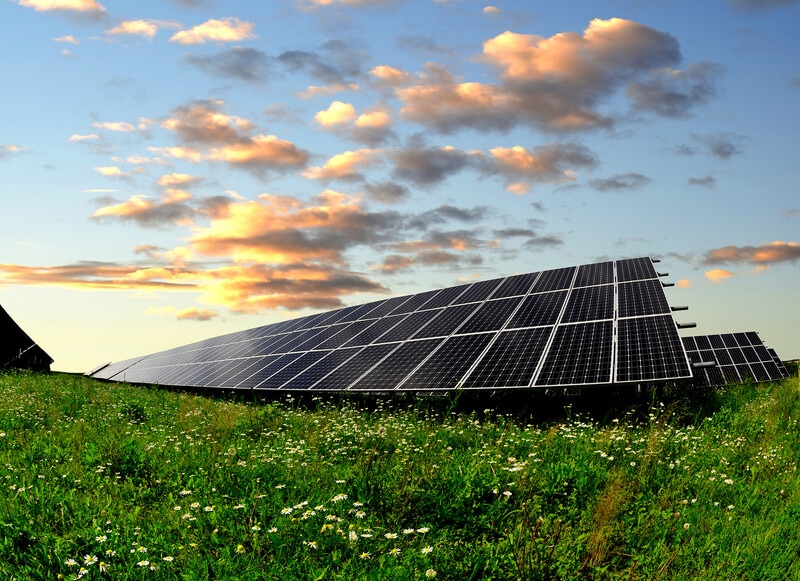
Energy infrastructure projects are increasingly integrating digital technologies and ecological planning, particularly in China, where they aim to protect land, water, and air quality while generating power. These projects foster industrial upgrades, restore landscapes, and build climate resilience, supporting a cleaner energy transition. In 2024, global renewable electricity capacity grew by 15.1%, majorly driven by China, where CO₂ emissions from power generation have plateaued. Innovative systems like agrivoltaics and solar-powered desertification control are enhancing ecological outcomes alongside energy production. Furthermore, advanced hydropower systems are improving water management and resilience against flooding and droughts.
Nigeria | Financial services, ICT, Education
These new energy solutions do more than generate power

The World Economic Forum's Top 10 Emerging Technologies of 2025 report highlights innovations emerging from the convergence of various technologies. Selection follows a rigorous methodology considering novelty, impact, and depth, evaluated through scientific assessments and ecosystem readiness analysis. Major trends include enhancing trust in digital content, advancing health with biotechnologies, promoting sustainability in industry, and integrating energy with materials. Notable technologies include generative watermarking for AI content verification, aimed at combatting misinformation. The report emphasizes the importance of addressing key societal challenges through these advancements.
Financial services, ICT, Education, Health
How our Top 10 Emerging Technologies are chosen – and what it says about the world today

The World Economic Forum's Top 10 Emerging Technologies of 2025 highlights key technologies poised for significant societal impact within the next three to five years. These include Structural Battery Composites, which integrate energy storage into building materials, and Osmotic Power Systems that generate electricity from saltwater differences. Advanced Nuclear Technologies are also advancing, focusing on cost reduction and efficiency, while Engineered Living Therapeutics aim to utilize modified bacteria for internal disease treatment. Four trends shaping these technologies include trust and safety in connectivity, next-generation biotechnologies, industrial sustainability, and the integration of energy and materials.
ICT, Education
These are the Top 10 Emerging Technologies of 2025

The Top 10 Emerging Technologies of 2025 highlight innovations poised to transform industries and societies. These include structural battery composites for improved energy storage, osmotic power systems for sustainable energy, and advanced nuclear technologies like small modular reactors. Engineered living therapeutics provide targeted treatments for chronic diseases, while GLP-1s show potential for neurodegenerative disease management. Other notable technologies are autonomous biochemical sensing, green nitrogen fixation for sustainable ammonia production, nanozymes in medicine, collaborative sensing for intelligent networks, and generative AI watermarking to verify content authenticity. Each technology faces challenges but presents significant opportunities for sustainable growth and innovation.
Top 10 Emerging Technologies of 2025
Geopolitical volatility and regulatory changes are set to reshape competitiveness by 2030, according to a World Economic Forum white paper created with Accenture. The document outlines four potential scenarios: Fortress Economics, where protectionism prevails; Negotiated Order, marked by stability and stronger regulations; Survival of the Fastest, characterized by volatility and opportunism; and Fluid Order, enabling rapid innovation through stability and reduced regulations. Each scenario presents distinct implications for various industries, with sectors like education and healthcare showing resilience to regulatory risks, while manufacturing and transportation face greater threats from geopolitical instability.
Albania, Algeria, Angola, Armenia, Austria, Azerbaijan, Bahrain, Barbados, Belgium, Benin, Bolivia, Bosnia and Herzegovina, Botswana, Brunei Darussalam, Bulgaria, Burkina Faso, Burundi, Cambodia, Cameroon, Cape Verde, Chad, Chile, Colombia, Costa Rica, Croatia, Cyprus, Czech Republic, Denmark, Dominican Republic, Ecuador, Egypt, El Salvador, Estonia, Eswatini, Ethiopia, Finland, Gabon, Georgia, Germany, Ghana, Greece, Guatemala, Guinea, Haiti, Honduras, Hungary, Iceland, Indonesia, Ireland, Israel, Jamaica, Japan, Jordan, Kazakhstan, Kenya, Kuwait, Kyrgyz Republic, Latvia, Lebanon, Lesotho, Lithuania, Luxembourg, Madagascar, Malawi, Malaysia, Mali, Malta, Mauritania, Mauritius, Moldova, Mongolia, Montenegro, Morocco, Mozambique, Namibia, Nepal, Netherlands, New Zealand, Nicaragua, Nigeria, Norway, Oman, Pakistan, Panama, Paraguay, Peru, Philippines, Poland, Portugal, Qatar, Republic of Korea, Romania, Russian Federation, Rwanda, Saudi Arabia, Senegal, Serbia, Seychelles, Singapore, Slovakia, Slovenia, South Africa, Spain, Sweden, Switzerland, Taiwan, China, Tajikistan, Tanzania, Thailand, Trinidad and Tobago, Tunisia, Uganda, Ukraine, United Arab Emirates, United Kingdom, Uruguay, Venezuela, Viet Nam, Yemen, Zambia, Zimbabwe | ICT, Education, Financial services, Health
Competitiveness in an age of uncertainty: what difference will a half-decade make?

The Global Economic Futures: Competitiveness in 2030 report, developed with Accenture, examines how geopolitics and regulations influence competitiveness. It outlines four potential future scenarios, assesses risks and opportunities across 12 sectors, and provides strategies for decision-makers in a dynamic global environment. Strategic agility, resilience, and foresight are emphasized as essential for future competitiveness. This second edition in the series utilizes scenario analysis to help leaders navigate future trends and vulnerabilities effectively.
Albania, Algeria, Angola, Argentina, Armenia, Australia, Austria, Azerbaijan, Bahrain, Barbados, Belgium, Benin, Bolivia, Bosnia and Herzegovina, Botswana, Brazil, Brunei Darussalam, Bulgaria, Burkina Faso, Burundi, Cambodia, Cameroon, Canada, Cape Verde, Chad, Chile, Colombia, Costa Rica, Croatia, Cyprus, Czech Republic, Democratic Republic of the Congo, Denmark, Dominican Republic, Ecuador, Egypt, El Salvador, Estonia, Eswatini, Ethiopia, Finland, France, Gabon, Georgia, Germany, Ghana, Greece, Guatemala, Guinea, Haiti, Honduras, Hungary, Iceland, India, Indonesia, Ireland, Israel, Jamaica, Japan, Jordan, Kazakhstan, Kenya, Kuwait, Kyrgyz Republic, Latvia, Lebanon, Lesotho, Lithuania, Luxembourg, Madagascar, Malawi, Malaysia, Mali, Malta, Mauritania, Mauritius, Moldova, Mongolia, Montenegro, Morocco, Mozambique, Namibia, Nepal, Netherlands, New Zealand, Nicaragua, Nigeria, Norway, Oman, Pakistan, Panama, Paraguay, Peru, Philippines, Poland, Portugal, Qatar, Republic of Korea, Romania, Russian Federation, Rwanda, Saudi Arabia, Senegal, Serbia, Seychelles, Singapore, Slovakia, Slovenia, South Africa, Spain, Sweden, Switzerland, Taiwan, China, Tajikistan, Tanzania, Thailand, Trinidad and Tobago, Tunisia, Türkiye, Uganda, Ukraine, United Arab Emirates, United Kingdom, Uruguay, Venezuela, Viet Nam, Yemen, Zambia, Zimbabwe | ICT, Education, Financial services, Health
Global Economic Futures: Competitiveness in 2030
Day 1 of the World Economic Forum's Annual Meeting of the New Champions, 'Summer Davos' 2025, focuses on the theme 'Entrepreneurship for a New Era' in Tianjin, China. Key discussions involve AI's impact on industries and labor markets, the global economic outlook amid geopolitical shifts, and climate resilience. Over 1,700 global leaders from various sectors participate, with the launch of the Top 10 Emerging Technologies report highlighting the convergence of existing technologies. The Global Gender Gap Report emphasizes the need for increased female workforce participation to enhance economic growth.
Tanzania, United Arab Emirates
Day 1 at ‘Summer Davos’ 2025: AI, trade and the global economy in focus
Financial products are becoming more complex, leading to challenges in managing money that can affect mental health. The current financial system, driven by the pursuit of profit, has contributed to environmental damage and social inequality. A new framework is proposed, drawing from diverse cultural and religious perspectives on money, emphasizing sustainability, morality, and community ties. Many cultures prioritize kinship and charity over wealth accumulation, and this approach can reshape finance to be more responsible and nurturing. To create a sustainable future, finance must return to its foundational values and focus on trust and community relationships.
Education, Financial services
I’ve studied faiths and cultures around the world. Here’s how finance can be made more inclusive and sustainable
Artificial intelligence is creating a significant global divide, with nations like the U.S., China, and the EU leading in computing power essential for advanced A.I. development. At the same time, countries with less infrastructure, such as Argentina, struggle to keep pace. This disparity is reshaping geopolitics and global economics, fostering new dependencies and fueling a race to harness A.I. technology that could transform economies and societies. Currently, only 32 nations possess the necessary large data centers, highlighting the unequal distribution of A.I. capabilities worldwide.
The Global A.I. Divide