Publications

INSIGHT REPORT

Pioneering the Future: Space

Technologies Poised to Revolutionize

Exploration and Economy by 2035

September 2026

FACTSHEETS

Pioneering the Future: Space

Technologies Poised to Revolutionize Exploration and Economy by 2035

June 2026

WHITE PAPER

Future of Space Law:

Operationalizing Space Governance

March 2026

REPORT

Clear Orbit, Secure Future:

 A Call to Action on Space Debris

Jan 2026

WHITE PAPER

The Future of Space Law

Insights from the ATS, UNCLOS, and ITU Frameworks

December 2025

WHITE PAPER

The Future of Space Law: 

The Evolving Dynamics of Air and Space Regulation

 September  2025

The Future Of Space Law

News

Centre for Space Futures, Novaspace and SpaceTech Gulf  Sign Agreement to Develop Global Space Capability Mapping Dashboard

Riyadh, Saudi Arabia , 23 Jun 2026|  Press Release

Clear Orbit, Secure Future: A Call to Action on Space Debris

Riyadh, Saudi Arabia, 26 Jan 2026 | Press Release

Centre for Space Futures Holds Workshop with Participation of 40 Global Experts

Riyadh, Saudi Arabia, 05 Dec 2025 | Press Release

Centre for Space Futures Releases White Paper on 'The Future of Space Law'

Riyadh, Saudi Arabia, 12 Sep 2025 | Press Release

The Board of Directors of the Centre for Space Futures Endorses Its Strategic Direction

Riyadh, Saudi Arabia, 26 May 2025 | Press Release

Saudi Space Agency to Launch the Centre for Space Futures with the World Economic Forum

Riyadh, Saudi Arabia, 29 April | Press Release

5 ways we can tackle growing risks from rocket bodies in orbit

Dec 09, 2025 | Economic Growth, Stories

Read More

Forum Agenda

Forum Videos

VIDEO

Press Conference: Centre for Space Futures in Riyadh

The World Economic Forum's Special Meeting, April 29, 2024

VIDEO

The Purpose of Astronauts at Davos 2024

World Economic Forum , March 9, 2024

VIDEO

PortWatch: Monitoring Trade Disruptions from Space

World Economic Forum , Dec 18, 2023

VIDEO

India's Moon Mission Triumph: Ambassador Ruchira Kamboj's Insights

World Economic Forum , Aug 23, 2023

VIDEO

Space Exploration is Back at Davos 2023

World Economic Forum , Feb 16, 2023

Forum Publications

Strategic Intelligence Insights

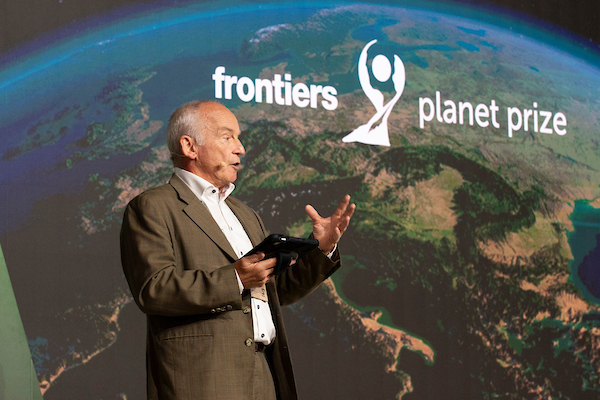
Jean-Claude Burgelman is the director of the Frontiers Planet Prize, a global competition established by the Frontiers Foundation to promote actionable scientific research for sustainability solutions. The prize, akin to a Nobel Prize for sustainability science, involves over 10,000 scientists and 610 research institutions from 62 countries. This year’s International Champions include Dr. Arunima Malik, Professor Zahra Kalantari, and Dr. Zia Mehrabi, recognized for their impactful research on international supply chains, urban sustainability, and agricultural practices, respectively. The prize fosters collaboration to address global sustainability challenges.
Financial services, Health
Interview Of The Week: Jean-Claude Burgelman, Frontiers Planet Prize Director

China's economic transformation over the past 40 years is rooted in a blend of foundational policies established during the Mao era and post-1978 reforms initiated by Deng Xiaoping. Key elements included the establishment of Special Economic Zones (SEZs), strategic state-led investments in infrastructure and education, and a dual-track approach to economic liberalization that avoided drastic shock therapy. These policies facilitated remarkable GDP growth, lifted hundreds of millions from poverty, and positioned China as a technological superpower. The leadership's foresight and careful management of privatization were crucial in maintaining social stability throughout this rapid transformation.
Australia, Bahrain, Bangladesh, Benin, Bolivia, Cambodia, Chad, Chile, Denmark, Egypt, Ethiopia, Georgia, Germany, Ghana, Hungary, India, Indonesia, Japan, Jordan, Kazakhstan, Kenya, Malaysia, Mongolia, Namibia, Nepal, Nigeria, Pakistan, Peru, Philippines, Poland, Republic of Korea, Russian Federation, Rwanda, Senegal, Seychelles, Singapore, South Africa, Sweden, Switzerland, Taiwan, China, Tajikistan, Tanzania, Thailand, Tunisia, Uganda, Ukraine, United Arab Emirates, United Kingdom, Viet Nam, Zambia, Zimbabwe | Financial services, Health, ICT, Education
How China got rich: a deep dive into China’s 40-year history of economic transformation

The circular economy is increasingly essential for businesses, driven by regulatory changes and consumer preferences for sustainable products. Companies must integrate circular principles into their strategies, focusing on business models, services, and product design simultaneously. Key regulations within the EU, such as the Ecodesign for Sustainable Products Regulation, support this transition. Successful examples include Philips, aiming for 25% revenue from circular solutions by 2025, and Houdini, which seeks a fully circular ecosystem by 2030. Both emphasize redesigning operations to create value through sustainability, customer relationships, and efficient resource use.
Education
How do you translate circular economy principles into a solid business development strategy?

Asia faces a $1.1 trillion annual investment gap to meet climate and nature goals, necessitating catalytic capital to unlock private investments. The region, responsible for 51% of global carbon emissions, requires a shift from fragmented initiatives to a cohesive investment ecosystem. Challenges include underfunded high-impact projects and isolated capital providers. The new GAEA and IST report outlines strategies for scaling investments, emphasizing the role of blended finance and philanthropic capital in driving systemic change. Highlighted initiatives, like Singapore's FAST-P and Indonesia's Just Energy Transition Partnership, showcase innovative finance models crucial for accelerating climate solutions.
Nigeria | Financial services, Health
Can catalytic capital scale climate solutions in Asia?
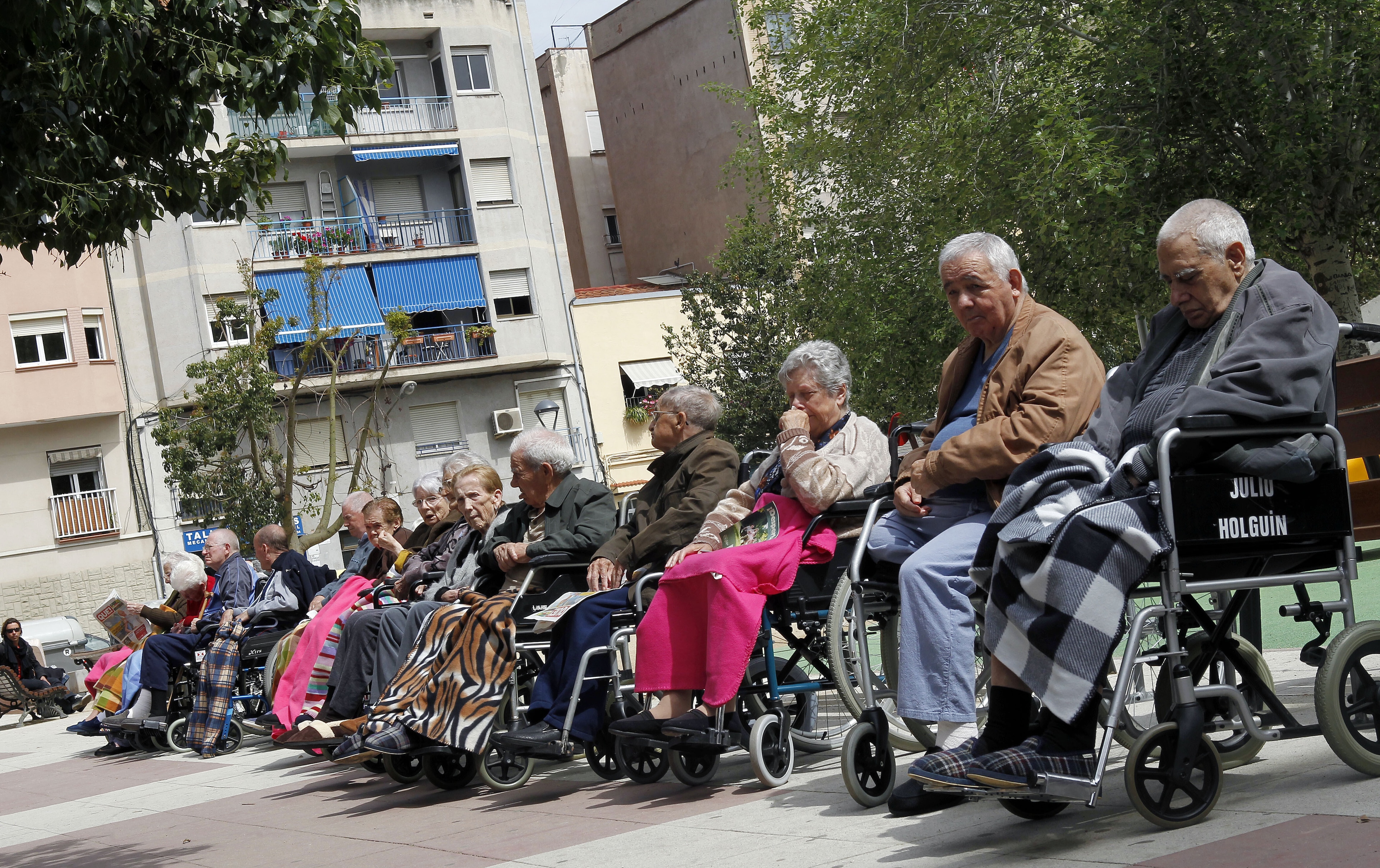
Societies are experiencing rapid aging, with life expectancy rising and the number of retirees set to double. This evolution necessitates changes in pension schemes and long-term investments to address extended retirement periods. The longevity economy emphasizes the need for flexible, multigenerational work, lifelong learning, and the integration of new technologies. Key challenges include ensuring financial security for seniors, maintaining social security sustainability, and enhancing living standards despite longer lifespans. Reforming pension systems and promoting diversified growth sources are essential strategies to harness the potential of aging populations for economic advancement.
Singapore | Health, Financial services, Education
How a longevity economy can make growth work for every generation
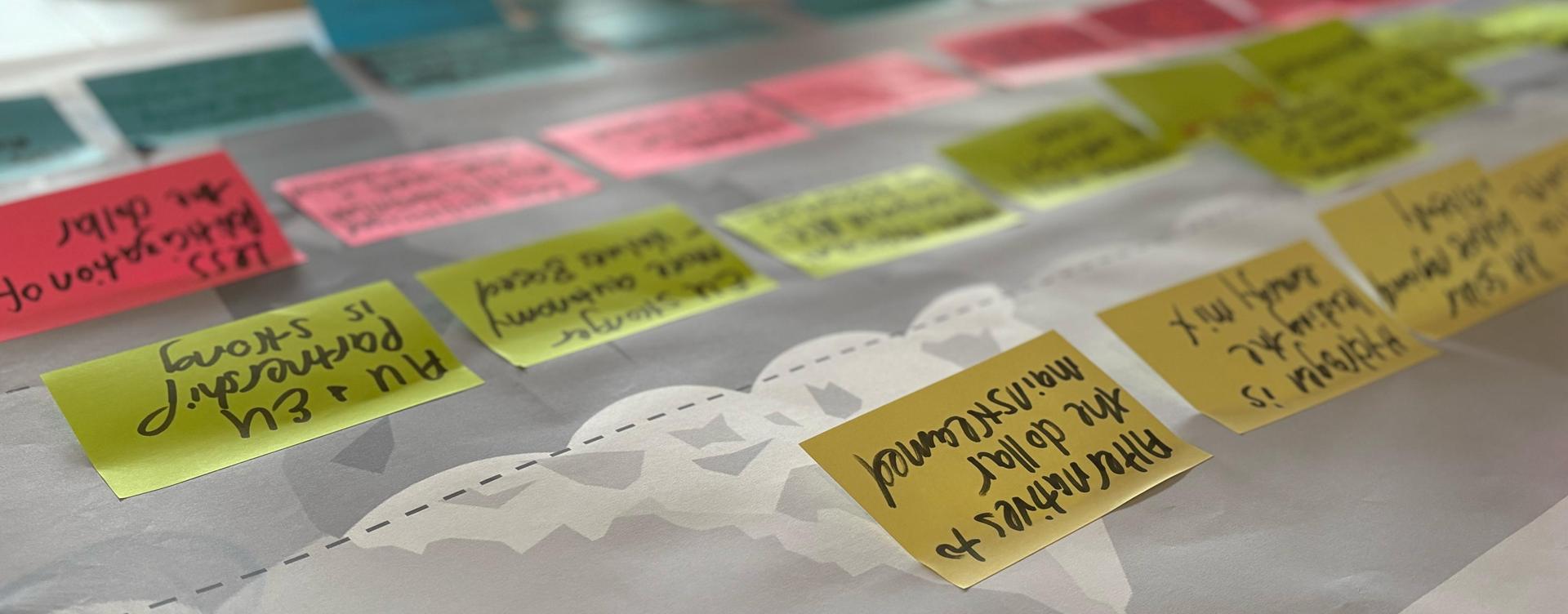
Climate diplomacy must evolve beyond traditional targets and funding, emphasizing honest exchange and co-creation. The Futures Dialogue between South Africa and the Netherlands highlighted the importance of understanding what "just transitions" truly mean for varying contexts and the need for adaptive, equitable collaboration that addresses Africa's development and energy challenges alongside Europe’s decarbonization goals. Engaging in imaginative diplomacy can reshape narratives and partnerships, turning climate challenges into opportunities for development. Meaningful progress requires confronting existing tensions rather than conforming to past models of interaction.
Nigeria, South Africa | Health
Why climate diplomacy needs more imagination

The Frontiers Planet Prize honors innovative research that leverages systems thinking to tackle interconnected global issues like climate change and food insecurity. It recognizes 19 national champions and awards $3 million annually to three international champions whose work promotes sustainable development within planetary boundaries. Research highlights include Dr. Arunima Malik’s exploration of international trade impacts on sustainable development, Professor Zahra Kalantari’s strategies for enhancing urban resilience through nature-based solutions, and Dr. Zia Mehrabi’s advocacy for diversified farming systems. Collectively, their work illustrates effective, interdisciplinary approaches toward a sustainable future.
Financial services, Health, ICT, Education
Frontiers Planet Prize: Breakthrough systems thinking powering environmental futures
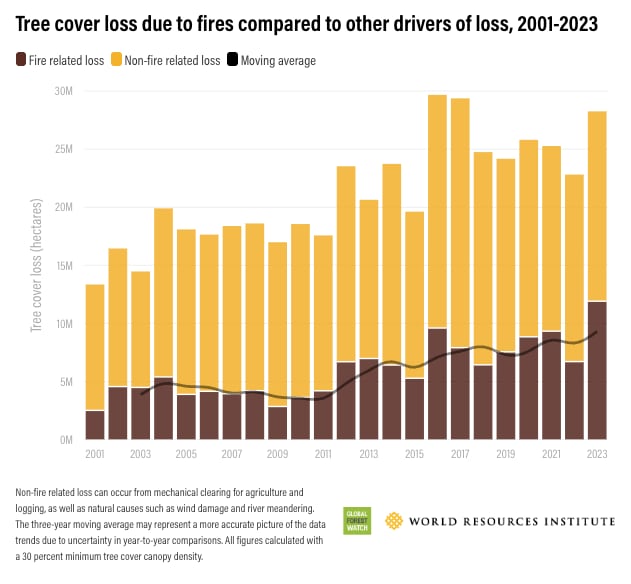
Over 200 wildfires are currently burning across Canada, with half out of control, potentially transforming its landscape from forests to grasslands or savannas due to increasing temperatures and drier conditions. This trend mirrors global wildfires, with Greece and the UK also facing severe fire risks. Additionally, the recent UN Ocean Conference yielded significant commitments for ocean conservation, including a $1.1 billion investment by the European Commission and plans for the world’s largest marine protected area by French Polynesia. Other notable environmental actions include China's cleanup of a national park and Indonesia's reduction of nickel mining permits.
Antarctica
Wildfires 'could transform' Canada's landscape, and other nature and climate news

Latin America's startup ecosystems are expanding, particularly in Argentina and Chile, despite only capturing 2% of global venture capital. The region's rich biodiversity and reliance on natural resources position it well for climate technology innovations. Successful examples include Kilimo, which utilizes AI for efficient agriculture irrigation, and Suncast, which enhances clean energy efficiency. Chile’s proactive public-private policies, like the Startup Chile accelerator and the upcoming StartupsLabs initiative, have bolstered innovation. In Argentina, fragmented yet thriving tech hubs have emerged through strong public education and support from private funds, though challenges remain in developing a robust ecosystem.
Antarctica, Argentina, Bolivia, Chad, Chile, Colombia, Ecuador, El Salvador, Nigeria, Paraguay, Peru, Philippines
How we bridge the gap in climate innovation and investment in Latin America

Cybersecurity jobs in the U.S. have surged by 12% over the past year, with over 514,000 positions sought by public and private employers amid global economic uncertainty. Significant investment in cybersecurity talent aims to address a persistent skills gap, with only 14% of organizations possessing the skilled personnel needed to meet their objectives. Cooperation through public-private partnerships (PPPs) is emphasized to strengthen the cybersecurity workforce, enhance skills development, and create sustainable talent pipelines. Rapid technological advancements, including the demand for artificial intelligence skills, have further complicated efforts to build these teams.
Africa, Latin America | Education, ICT
Cybersecurity jobs on the rise as US industries navigate economic uncertainty

Approximately US$1 million is required to develop and execute a blue carbon roadmap in the Philippines, according to the Zoological Society of London (ZSL). A previous grant of over US$450,000 from the UK's Blue Planet Fund supports initial efforts, but additional funding is crucial for ecosystem restoration and effective implementation of the roadmap. Plans also include legislative measures to mandate local execution and integration into the country's climate action plan under the Paris Agreement. The Philippines aims to submit updated nationally determined contributions (NDCs) by November, incorporating blue carbon ecosystems to enhance climate and biodiversity initiatives.
US$1 million needed to sustain blue carbon economy initiatives in the Philippines: UK conservation charity

Tan Thai Yong, chairperson of the Coastal Sustainability Alliance and CEO of PaxOcean Group, emphasizes the increasing pressure on the marine logistics sector to decarbonize, particularly regarding Scope 3 emissions. Singapore's Maritime and Port Authority has mandated all new harbour craft to be electric or net-zero fuel compatible by 2030. PaxOcean is set to trial Singapore's first fully electric supply boat for multi-stop deliveries, aiming to demonstrate tangible emissions reductions. He acknowledges challenges in transitioning to electric vessels amid geopolitical uncertainties and stresses the importance of proving business benefits for industry acceptance.
Malaysia, Singapore
From 'milk runs’ to e-boats, decarbonising marine logistics sector must bring tangible business benefits: PaxOcean CEO
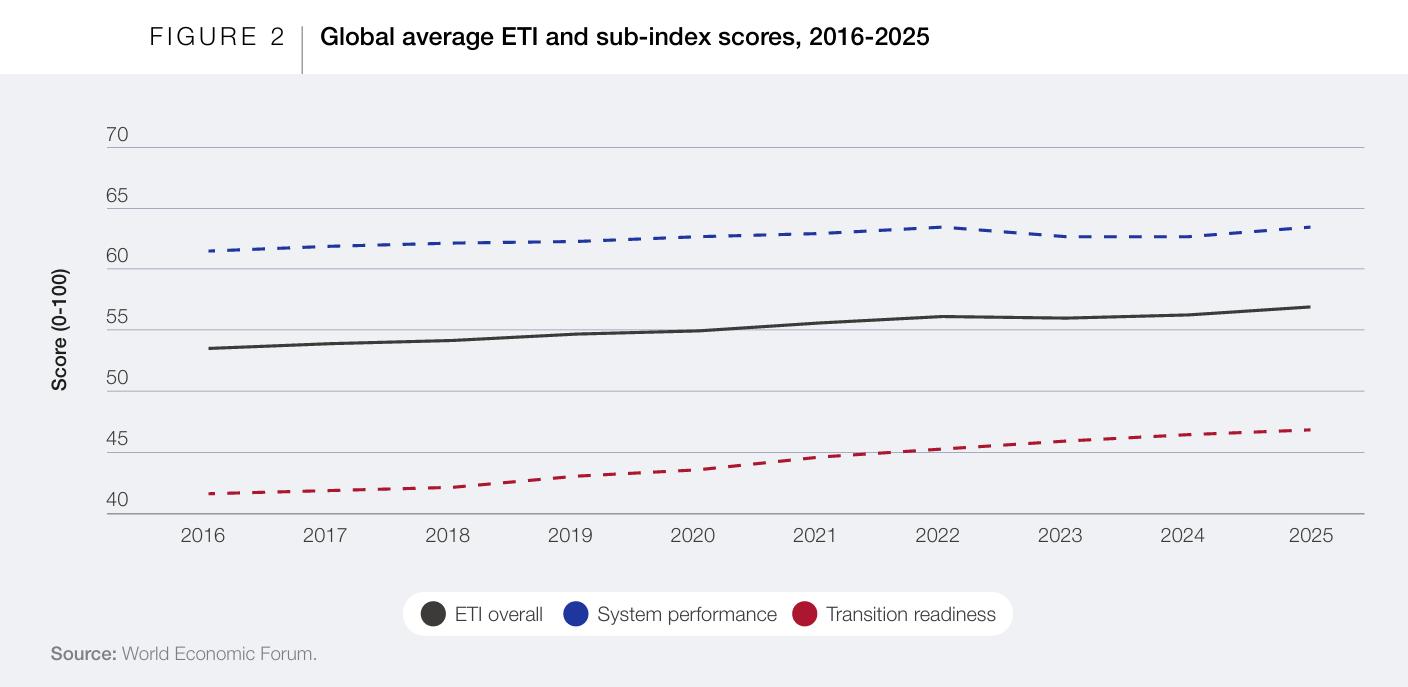
The 2025 Energy Transition Index indicates that while there is a global annual improvement in energy transition efforts, challenges persist in energy security, equity, and sustainability. The index reflects a 1.1% year-on-year increase but highlights vulnerabilities due to geopolitical issues and rising energy demand. To enhance resilience and competitiveness, five strategies are recommended: adopting stable policy frameworks, modernizing energy infrastructure (especially grids and storage), improving capital flow, leveraging emerging technologies, and fostering international collaboration. Progressive examples from countries like Luxembourg, Denmark, China, and India demonstrate effective pathways toward these goals.
Albania, Algeria, Angola, Austria, Azerbaijan, Barbados, Belgium, Benin, Bolivia, Botswana, Brunei Darussalam, Bulgaria, Burkina Faso, Cape Verde, Chad, Cyprus, Denmark, Egypt, El Salvador, Estonia, Eswatini, Ethiopia, Finland, Georgia, Germany, Ghana, Greece, Guatemala, Guinea, Haiti, Honduras, Hungary, India, Indonesia, Ireland, Israel, Jamaica, Japan, Jordan, Kenya, Kuwait, Kyrgyz Republic, Latvia, Lithuania, Luxembourg, Malaysia, Mali, Mauritius, Moldova, Mongolia, Montenegro, Namibia, Netherlands, New Zealand, Norway, Peru, Philippines, Poland, Qatar, Romania, Russian Federation, Rwanda, Senegal, Serbia, Seychelles, Singapore, Sweden, Switzerland, Taiwan, China, Tajikistan, Tanzania, Thailand, Trinidad and Tobago, Tunisia, Uganda, Ukraine, United Arab Emirates, United Kingdom, Venezuela, Yemen, Zambia, Zimbabwe | Financial services, ICT, Education
Energy Transition Index 2025: Five strategies for a more resilient and competitive energy system

Energy transition has gained momentum, with the World Economic Forum's Energy Transition Index (ETI) reporting a 1.1% improvement in 2025 across 118 countries. Key factors include enhanced energy equity and sustainability, aided by lower energy prices and subsidy reforms. However, energy security remains lagging, with only 28% of countries achieving progress in security, equity, and sustainability simultaneously. Transition readiness has slowed significantly to 0.8% year-on-year, raising concerns for future advancements. Advanced economies dominate the top rankings, while emerging regions like Europe and Asia show notable improvements through varied strategies.
Albania, Algeria, Angola, Armenia, Austria, Azerbaijan, Bahrain, Barbados, Belgium, Benin, Bolivia, Bosnia and Herzegovina, Botswana, Brunei Darussalam, Bulgaria, Burkina Faso, Burundi, Cambodia, Cameroon, Cape Verde, Chad, Cyprus, Democratic Republic of the Congo, Denmark, Dominican Republic, Ecuador, Egypt, El Salvador, Estonia, Eswatini, Ethiopia, Finland, Gabon, Georgia, Germany, Ghana, Greece, Guatemala, Guinea, Haiti, Honduras, Hungary, Iceland, India, Indonesia, Ireland, Israel, Jamaica, Japan, Jordan, Kazakhstan, Kenya, Kuwait, Latvia, Lebanon, Lesotho, Lithuania, Luxembourg, Madagascar, Malawi, Malaysia, Mali, Malta, Mauritania, Mauritius, Moldova, Mongolia, Montenegro, Morocco, Namibia, Nepal, Netherlands, New Zealand, Nicaragua, Norway, Oman, Peru, Philippines, Poland, Qatar, Romania, Russian Federation, Rwanda, Saudi Arabia, Senegal, Serbia, Seychelles, Singapore, Slovakia, Slovenia, South Africa, Spain, Sweden, Switzerland, Taiwan, China, Tajikistan, Tanzania, Thailand, Trinidad and Tobago, Tunisia, Türkiye, Uganda, Ukraine, United Arab Emirates, United Kingdom, Venezuela, Yemen, Zambia, Zimbabwe | Financial services
Fostering Effective Energy Transition 2025

Energy transition progress has accelerated, with the Energy Transition Index (ETI) showing that 65% of 118 countries improved their scores in 2025. Key advancements include a 1.2% rise in system performance, driven by increased energy equity (+2.2%) and sustainability (+1.2%). However, energy security showed minimal improvement, and transition readiness growth slowed to 0.8%. Advanced economies, particularly the Nordics, lead the rankings, while emerging regions demonstrated distinct pathways for readiness. The report emphasizes the need for adaptive policies, infrastructure modernization, and investment in clean technology to navigate ongoing geopolitical and climate challenges.
Albania, Algeria, Angola, Armenia, Austria, Azerbaijan, Bahrain, Barbados, Belgium, Benin, Bolivia, Bosnia and Herzegovina, Botswana, Brunei Darussalam, Bulgaria, Burkina Faso, Burundi, Cambodia, Cameroon, Cape Verde, Chad, Chile, Colombia, Cyprus, Democratic Republic of the Congo, Denmark, Dominican Republic, Ecuador, Egypt, El Salvador, Estonia, Eswatini, Ethiopia, Finland, Gabon, Georgia, Germany, Ghana, Greece, Guatemala, Guinea, Haiti, Honduras, Hungary, Iceland, India, Indonesia, Ireland, Israel, Jamaica, Japan, Jordan, Kazakhstan, Kenya, Kuwait, Kyrgyz Republic, Latvia, Lebanon, Lesotho, Lithuania, Luxembourg, Madagascar, Malawi, Malaysia, Mali, Malta, Mauritania, Mauritius, Moldova, Mongolia, Montenegro, Morocco, Mozambique, Namibia, Nepal, Netherlands, New Zealand, Nicaragua, Nigeria, Norway, Pakistan, Panama, Paraguay, Peru, Philippines, Poland, Portugal, Qatar, Republic of Korea, Romania, Russian Federation, Rwanda, Saudi Arabia, Senegal, Serbia, Seychelles, Singapore, Slovakia, Slovenia, South Africa, Spain, Sweden, Switzerland, Taiwan, China, Tajikistan, Tanzania, Thailand, Trinidad and Tobago, Tunisia, Türkiye, Uganda, Ukraine, United Arab Emirates, United Kingdom, Uruguay, Venezuela, Yemen, Zambia, Zimbabwe | Financial services, ICT, Education
Fostering Effective Energy Transition 2025
The 2025 Energy Transition Index (ETI) reveals a nuanced global shift towards net-zero energy systems, focusing on sustainability, security, and equity. The overall global ETI score improved by 1.1%, with advanced economies leading, particularly in the Nordic region. Emerging economies show varying progress; for example, Emerging Europe is making rapid advancements, while Sub-Saharan Africa faces significant barriers. Energy security remains a critical but slow-moving component of the transition, essential for economic stability. This evolving landscape underscores the need for tailored strategies to address local energy challenges and opportunities.
Albania, Algeria, Angola, Austria, Azerbaijan, Bahrain, Barbados, Belgium, Benin, Bolivia, Botswana, Brunei Darussalam, Burkina Faso, Cambodia, Cape Verde, Chad, Colombia, Denmark, Dominican Republic, Ecuador, Egypt, El Salvador, Estonia, Eswatini, Ethiopia, Finland, Gabon, Georgia, Germany, Ghana, Greece, Guatemala, Guinea, Haiti, Honduras, Hungary, Iceland, India, Indonesia, Ireland, Israel, Jamaica, Japan, Jordan, Kazakhstan, Kenya, Kuwait, Latvia, Lesotho, Luxembourg, Malawi, Malaysia, Mali, Malta, Mauritania, Mauritius, Moldova, Mongolia, Montenegro, Morocco, Namibia, Nepal, Netherlands, New Zealand, Nigeria, Norway, Pakistan, Peru, Philippines, Poland, Qatar, Republic of Korea, Romania, Russian Federation, Rwanda, Saudi Arabia, Senegal, Serbia, Seychelles, Singapore, Slovakia, South Africa, Sweden, Switzerland, Taiwan, China, Tajikistan, Tanzania, Thailand, Trinidad and Tobago, Tunisia, Türkiye, Uganda, Ukraine, United Arab Emirates, United Kingdom, Venezuela, Yemen, Zambia, Zimbabwe | Financial services, Health, ICT, Education
In charts: The energy transition in 2025

Accelerating the global energy transition requires modernizing electricity infrastructure, including grids and battery storage, to ensure energy security and resilience. Stable regulatory environments and credible investment pipelines are essential for deploying scalable solutions. The World Economic Forum's report highlights modest progress in energy access and clean technology adoption, but identifies slowing advancements in regulatory frameworks and capital investment, posing risks to system resilience. Experts emphasize the need for both supply-side innovations, like energy storage and integrated systems, and demand-side flexibility through smart technologies to achieve a sustainable energy future.
Egypt, India, Indonesia, Nigeria | Financial services, ICT, Education
‘More than ambition’: 6 experts on what's needed to accelerate the global energy transition

Hong Kong, Japan, and Malaysia are leading Asia in fully adopting the International Sustainability Standards Board (ISSB) rules, as revealed by the ISSB’s recent profiles. Among the 36 jurisdictions working towards these standards, 14 have finalized their approaches. Singapore and Australia currently focus solely on climate disclosures, while South Korea does not require industry-specific data. The ISSB is also considering easing Scope 3 reporting requirements, which cover indirect emissions, particularly for financial institutions. Other jurisdictions are evaluating their adoption strategies, with varying degrees of alignment with ISSB standards.
Bahrain, Barbados, Brunei Darussalam, Japan, Singapore | Financial services
Hong Kong, Japan and Malaysia lead Asia in fully aligning with ISSB rules

The third United Nations Ocean Conference (UNOC3) concluded in Nice, France, with over 15,000 participants, including 55 heads of state. The conference highlighted the urgent need for coordinated global action to protect oceans and achieve Sustainable Development Goal (SDG) 14. Despite the oceans' crucial role, SDG 14 remains the least funded, with less than 3% effectively protected. A political declaration was adopted, focusing on increasing ocean protection and addressing the ongoing ocean crisis. While progress was made towards the High Seas Treaty, 10 more ratifications are needed for its enforcement.
Antarctica
Is the tide turning for ocean protection? UN conference ends with record attendance and momentum for high seas treaty
The AI+ Expo in Washington, DC, showcases a divide in the peace and defense sectors. While defense companies like Palantir and Lockheed Martin promote AI for military use, startups like Anadyr Horizon advocate for “peace tech” aimed at conflict prevention. Arvid Bell, cofounder of Anadyr Horizon, highlights his AI software's potential to predict conflicts, a concept evolving from fiction to serious application. The U.S. State Department and the UN have explored AI for forecasting social unrest and violence, marking a shift towards using technology to prevent rather than engage in war.
The war over the peace business