Publications

INSIGHT REPORT

Pioneering the Future: Space

Technologies Poised to Revolutionize

Exploration and Economy by 2035

September 2026

FACTSHEETS

Pioneering the Future: Space

Technologies Poised to Revolutionize Exploration and Economy by 2035

June 2026

WHITE PAPER

Future of Space Law:

Operationalizing Space Governance

March 2026

REPORT

Clear Orbit, Secure Future:

 A Call to Action on Space Debris

Jan 2026

WHITE PAPER

The Future of Space Law

Insights from the ATS, UNCLOS, and ITU Frameworks

December 2025

WHITE PAPER

The Future of Space Law: 

The Evolving Dynamics of Air and Space Regulation

 September  2025

The Future Of Space Law

News

Centre for Space Futures, Novaspace and SpaceTech Gulf  Sign Agreement to Develop Global Space Capability Mapping Dashboard

Riyadh, Saudi Arabia , 23 Jun 2026|  Press Release

Clear Orbit, Secure Future: A Call to Action on Space Debris

Riyadh, Saudi Arabia, 26 Jan 2026 | Press Release

Centre for Space Futures Holds Workshop with Participation of 40 Global Experts

Riyadh, Saudi Arabia, 05 Dec 2025 | Press Release

Centre for Space Futures Releases White Paper on 'The Future of Space Law'

Riyadh, Saudi Arabia, 12 Sep 2025 | Press Release

The Board of Directors of the Centre for Space Futures Endorses Its Strategic Direction

Riyadh, Saudi Arabia, 26 May 2025 | Press Release

Saudi Space Agency to Launch the Centre for Space Futures with the World Economic Forum

Riyadh, Saudi Arabia, 29 April | Press Release

5 ways we can tackle growing risks from rocket bodies in orbit

Dec 09, 2025 | Economic Growth, Stories

Read More

Forum Agenda

Forum Videos

VIDEO

Press Conference: Centre for Space Futures in Riyadh

The World Economic Forum's Special Meeting, April 29, 2024

VIDEO

The Purpose of Astronauts at Davos 2024

World Economic Forum , March 9, 2024

VIDEO

PortWatch: Monitoring Trade Disruptions from Space

World Economic Forum , Dec 18, 2023

VIDEO

India's Moon Mission Triumph: Ambassador Ruchira Kamboj's Insights

World Economic Forum , Aug 23, 2023

VIDEO

Space Exploration is Back at Davos 2023

World Economic Forum , Feb 16, 2023

Forum Publications

Strategic Intelligence Insights

PeaceTech is an emerging field that leverages technology to prevent conflicts, de-escalate violence, and support post-conflict recovery. Despite its potential to save lives and stabilize communities, it remains significantly underfunded, receiving scant investment compared to defense technologies, which attracted over $34 billion in 2023. The cultural perception of peace as abstract undermines recognition of its complexity and importance. Addressing violence, which costs the global economy over $17 trillion annually, offers substantial economic incentives for PeaceTech development, including advanced predictive analytics and AI tools that could transform conflict prevention and peacekeeping efforts.
Why PeaceTech must be the next frontier of innovation and investment
The food industry employs extensive lobbying tactics to resist scientific recommendations aimed at reducing the environmental impacts of animal agriculture. A concept known as stranded assets underlies this resistance, referring to investments in harmful practices that lose value due to shifts in policy and market conditions. Investing heavily in meatpacking and processing infrastructure, the industry faces a challenge in transitioning to sustainable food production. Key actions needed include disclosing unsustainable investments, supporting firms through transitions, and addressing who bears the financial burden of stranded assets, with a call for strong political leadership to ensure accountability for polluters.
Financial services
Coal power plants were paid to close. Is it time to do the same for slaughterhouses?

Demographic aging poses significant challenges globally, with projections indicating that by 2050, the number of individuals over 65 will double to 1.6 billion. Key planning considerations for retirement involve understanding longevity and adjusting savings targets, as individuals now require substantially more assets than in the past to ensure financial security in retirement. Experts advocate shifting focus from merely extending lifespans to enhancing "healthspans"—the years lived without chronic diseases. Solutions include advancing geroscience, improving workplace health initiatives, and promoting healthier lifestyle choices through community and policy efforts.
Singapore | Health, Financial services, Education
The Future of Healthy Aging and Retirement
The European Commission's report evaluates the EU's progress in digital transformation, focusing on digital infrastructure, business digitalization, digital skills, and public service digitalization. While advancements have been made, issues remain, including slow deployment of connectivity infrastructure, insufficient adoption of AI and cloud technologies, and a significant skills gap with only 55.6% of Europeans possessing basic digital skills. The report highlights challenges like fragmented markets and regulatory complexity, suggesting that increased investment and improved access to venture capital are necessary for innovation and growth.
Albania, Algeria, Angola, Austria, Azerbaijan, Belgium, Botswana, Cape Verde, Chad, Estonia, Georgia, Germany, Guinea, Haiti, Ireland, Luxembourg, Mali, Serbia | Education, ICT
2025 State of the Digital Decade
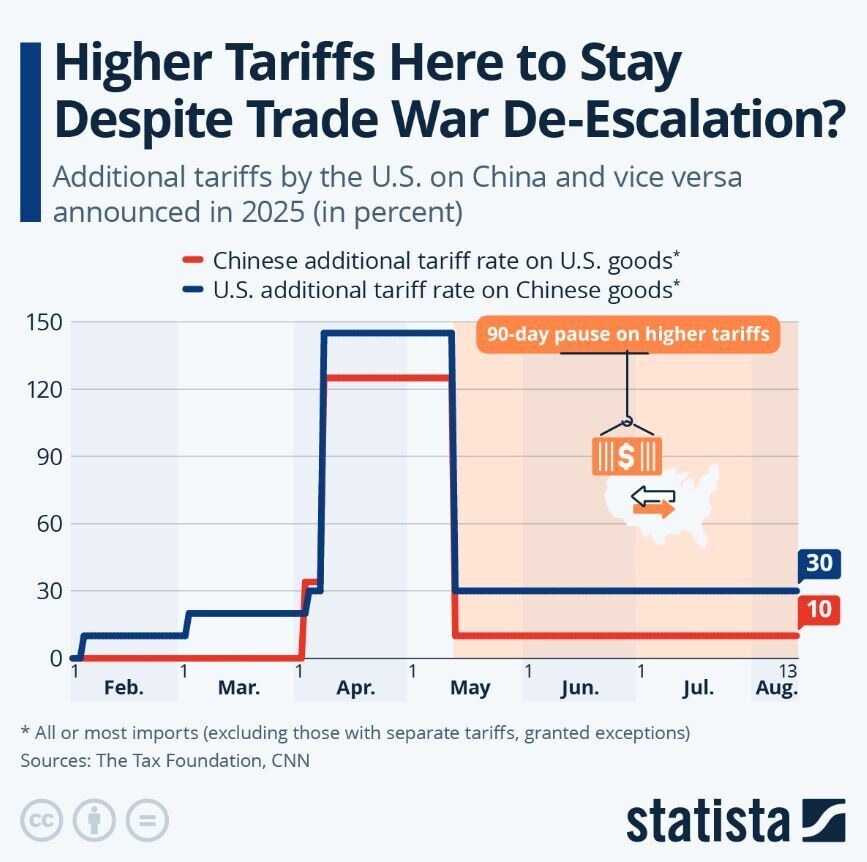
The US and China have reached a preliminary trade agreement, with President Trump announcing a 55% tariff on Chinese goods, while Chinese tariffs remain at 10%. This comes amidst significant declines in bilateral trade, with US imports from China dropping 28.5% year-over-year in May. The World Bank has revised its 2025 global growth forecast down to 2.3% due to ongoing trade tensions. Meanwhile, ASEAN has launched a five-year plan to enhance economic integration and aims to become the world's fourth-largest economy by 2045, promoting increased intra-regional trade and improved connectivity.
Afghanistan, Argentina, Armenia, Australia, Austria, Bahrain, Barbados, Belarus, Belgium, Benin, Bermuda, Bolivia, Brazil, Bulgaria, Burkina Faso, Burundi, Cambodia, Cameroon, Canada, Chile, Colombia, Cuba, Democratic Republic of the Congo, Denmark, Djibouti, Ecuador, Egypt, Estonia, Eswatini, Ethiopia, Finland, France, Gabon, Georgia, Germany, Ghana, Greece, Guatemala, Hungary, Iceland, India, Indonesia, Ireland, Israel, Italy, Jamaica, Japan, Jordan, Kazakhstan, Kenya, Latvia, Lebanon, Lesotho, Liberia, Luxembourg, Madagascar, Malawi, Malaysia, Malta, Mauritania, Mauritius, Moldova, Morocco, Mozambique, Myanmar, Namibia, Nepal, Netherlands, New Zealand, Niger, Norway, Oman, Panama, Papua New Guinea, Peru, Philippines, Poland, Portugal, Republic of Korea, Russian Federation, Rwanda, Saudi Arabia, Senegal, Seychelles, Singapore, South Africa, Sri Lanka, Sudan, Sweden, Syria, Taiwan, China, Tajikistan, Tanzania, Thailand, Togo, Trinidad and Tobago, Tunisia, Türkiye, Uganda, Ukraine, United Arab Emirates, United Kingdom, Uzbekistan, Venezuela, Viet Nam, Yemen, Zambia, Zimbabwe
US-China trade framework agreed and other international trade stories to know this month
One-third of the Earth's land surface is degraded, impacting over 2.6 billion people and costing countries up to $10.6 trillion annually due to diminished ecosystem services. Unhealthy soil contributes to biodiversity loss and affects food security and climate regulation. AI technologies, satellite remote sensing, and big data can monitor soil health and support farmers and governments in sustainable land management. The first global AI-powered map of soil salinisation predicts hotspots by 2100. Successful restoration projects in locations like China’s Loess Plateau and Ethiopia’s Tigray demonstrate the potential for scalable, AI-driven solutions to tackle soil degradation and improve livelihoods.
Declining soil health is a global concern – here’s how AI could help

Africa faces a worsening debt crisis, with external debt rising from under 13% to 25% of GDP between 2009 and 2023, driven by increased reliance on private and bilateral lenders. The debt-servicing burden has also surged from 3% to 10% of government expenditure. China has become a dominant creditor, accounting for 40% of Africa's bilateral debt. Many loans are used for unproductive purposes, leading to "ghost projects" and further economic fragility. This shift in creditor structure complicates assessments of debt sustainability and highlights the urgent need for fiscal reforms to ensure long-term growth.
Benin, Burkina Faso, Cameroon, Democratic Republic of the Congo, Ghana, Lesotho, Malawi, Mauritania, Nigeria, Senegal, South Africa, Zambia, Zimbabwe | Financial services, Health
Indebted and underfunded
The Energy and AI Observatory by the IEA delivers updated data and analysis on the relationship between the energy sector and artificial intelligence (AI). It focuses on both the energy required for AI and the applications of AI that enhance efficiency, innovation, resilience, and competitiveness in the energy sector. This unique platform, created by the IEA with collaboration from industry and tech partners, complements the IEA's Special Report on Energy and AI.
Energy and AI Observatory
Narratives that emphasize tangible benefits are crucial for mobilizing support for nature-positive initiatives. While traditional methods focused on facts and regulations have failed to inspire widespread change, innovative solutions from various sectors demonstrate that progress is possible. Effective storytelling can reshape public perceptions, helping to frame nature restoration as vital for economic stability. Successful examples, such as Costa Rica's deforestation reversal and sustainable agricultural practices, highlight potential pathways. Ultimately, bridging the gap between ecological realities and market perceptions is necessary for fostering genuine investment in a greener future.
Nigeria | Financial services, ICT, Education, Health
Changing the future of nature: 5 principles for shifting narratives

The Annual Meeting of the New Champions 2025 in Tianjin, China, will showcase how art, AI, and ecology intersect, featuring installations from Thijs Biersteker and Ronen Tanchum. Biersteker's "Fungal Faculty" combines AI with ecological themes, using mycelium networks to challenge perceptions of intelligence and sustainability. Tanchum's "Seeds of Tomorrow" employs generative AI and real-time motion tracking to create an interactive experience that explores the relationship between nature and technology. These exhibitions foster dialogue about the evolving dynamics of humanity with ecological and technological advancements.
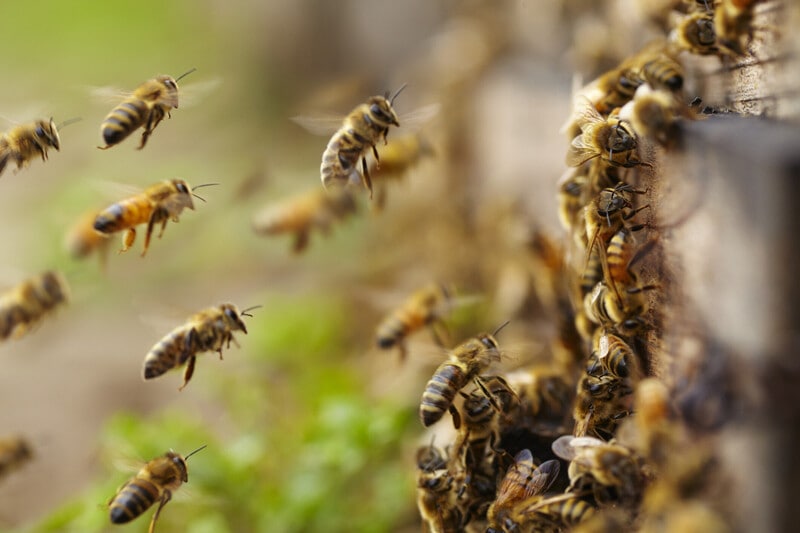
How art, AI and ecology will intersect at the Annual Meeting of the New Champions 2025
Natural capital is recognized as crucial infrastructure, with 85% of S&P Global 1200 companies reliant on nature. It may help combat geopolitical uncertainty, biodiversity loss, and economic instability, as 20% of countries face potential natural system collapse. Environmental risks, such as ecosystem degradation, threaten global stability and are increasingly tied to market risks. The importance of integrating natural capital into public policy, finance, and corporate strategies is underscored by initiatives in countries like China and corporate efforts from companies like Puma and Natura. Regulatory frameworks are evolving to support this transition, indicating a shift towards valuing nature in economic planning.
Nigeria, Senegal | Financial services
What is natural capital, and can it help economic resilience and global stability?

The longevity economy necessitates a shift in financial planning as retirement now spans up to 30 years, presenting challenges to traditional models. Fintech innovations, including robo-advisors and AI financial coaches, enhance financial resilience by providing personalized, adaptable tools for managing longer life spans. Collaborative efforts among fintechs, banks, and policymakers are crucial to making financial tools accessible. Dynamic income planning strategies, such as flexible withdrawal methods and access to alternative investments, help retirees adjust to market fluctuations and personal needs. Overall, technology plays a vital role in reshaping wealth management for longer lives.
ICT, Education, Financial services
Planning for 100-year lives: How fintech can reshape wealth for the longevity economy
Living on Mars and prison life share notable similarities, particularly in terms of isolation, confinement, structured routines, and psychological challenges. Both environments entail limited space, mandatory tasks, and poor dietary conditions, impacting health and morale. The rigid schedules in prisons mirror the timetables for astronauts, with both settings lacking personal privacy and exacerbating stress. Psychological effects from prolonged isolation are significant in both situations, as inmates and potential Martian explorers may experience similar challenges related to separation from loved ones and the outside world. Learning from prison conditions may aid in preparing for human life on Mars.
Living on Mars: are there lessons from prisons?
Living on Mars and life in prison share significant similarities, particularly in terms of long-term isolation, strict routines, and psychological challenges. Both environments impose rigid schedules, limited personal space, and poor food quality, impacting mental health and morale. Insights from prison conditions could inform strategies for supporting astronauts, highlighting the need for attention to well-being amidst confinement. The unique challenges of both settings necessitate a focus on improving conditions and addressing the psychological toll of isolation, which is critical for successful space exploration.
Living on Mars: are there lessons from the terrible conditions of prisons?
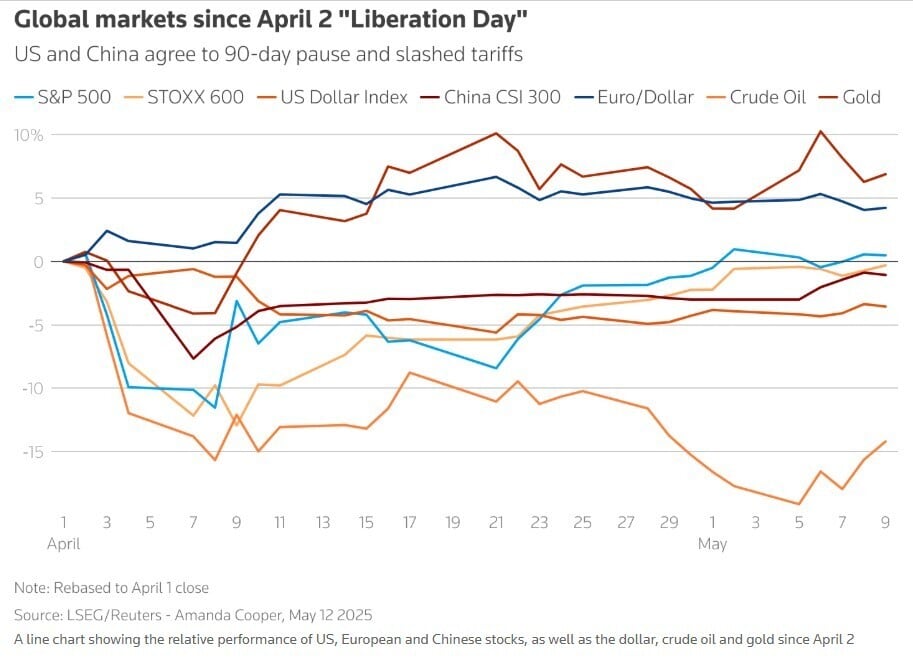
The US and China have agreed on a framework for trade discussions, easing tensions between the two economies, though markets remain cautious due to a lack of details. China's producer price index dropped 3.3% year-on-year amid deflation and economic challenges, prompting expectations for more stimulus. Meanwhile, US regulators delayed new data reporting rules for private fund advisers as investors pivot to silver and platinum amidst rising gold prices. Gold has now become the second-most important global reserve asset, surpassing the euro.
Ghana, Taiwan, China | Financial services
Markets cautious in wake of US-China trade framework, and other finance news to know

Human-caused aerosols absorb or reflect sunlight and influence cloud formation, resulting in lower temperatures. While improving air quality has reduced aerosol emissions and benefited health, it has also unmasked the warming effects of CO2 and other greenhouse gases. Currently, aerosols are masking about 0.5°C of potential warming, with significant contributions from reduced sulphur emissions globally. The decline in aerosols since 2005 has shifted from reducing to increasing the rate of warming. Future warming may accelerate if short-lived greenhouse gases do not decrease alongside ongoing aerosol reductions.
Antarctica
Explainer: How human-caused aerosols are ‘masking’ global warming

The Fraunhofer-Gesellschaft will showcase 21 exhibits from 10 institutes at the Paris Air Show, occurring June 16–22. The displays focus on advanced technologies for sustainability in the aerospace sector, aligning with the UN Sustainable Development Goals. Key exhibits include a thermoplastic fuselage section that reduces weight and costs by 10%, eco-friendly additive manufacturing for aircraft cabins, and satellite initiatives like GAIA for wildlife observation and CubEniK for secure quantum communication. These innovations demonstrate Fraunhofer's commitment to addressing global challenges through practical research solutions.
Fraunhofer to Showcase Exhibits for the Aerospace Industry
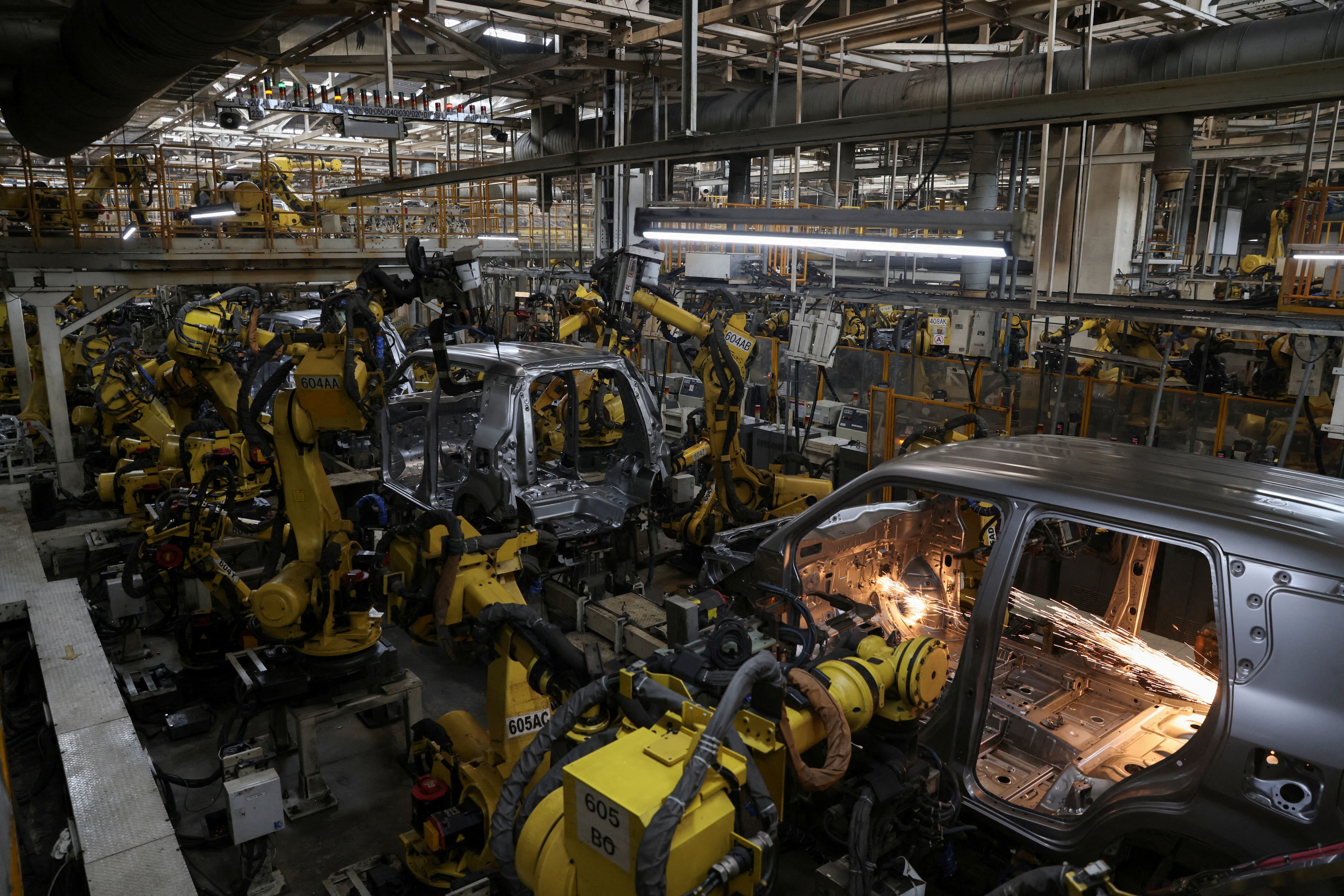
Manufacturing is undergoing critical transformations in technology, sustainability, and resilience. As geopolitical pressures rise and environmental issues escalate, leaders must integrate resilience into their strategies, equating it with digitization and sustainability. The industry is shifting from point and application solutions to systemic innovations that create exponential value. A coordinated "Twin Transformation" of digital advancements and sustainability efforts can enhance organizational efficiency, market differentiation, and return on investment. Adding resilience as a third pillar in operations allows manufacturers to adapt to volatility and optimize processes, positioning them competitively in a complex world.
Tanzania | ICT, Education, Financial services
This is the next stage in manufacturing’s evolution
Rising fiscal pressures globally are leading to increased concerns over public debt levels, with the US projected to face deficits reaching 6.9% of GDP and a debt burden of 125% by 2034 due to a proposed tax bill. The IMF predicts that global public debt will exceed 100% of GDP by the decade's end, heavily impacting developing nations facing declining aid and burgeoning debts. Bond markets are reacting, with yields increasing as risk perceptions rise, particularly in countries like Japan. Despite challenges, nations are adapting by enhancing regional ties and economic integration initiatives. Global GDP growth is expected to weaken to 2.3% this year, reflecting these economic shifts.
Bahrain, Barbados, Burkina Faso, Egypt, Georgia, Germany, Ghana, Greece, Japan, Nigeria, Singapore, South Africa, Taiwan, China, United Kingdom, Zimbabwe | Financial services, Health
Pressure on budgets starts to bite amid upheaval, and other key economic news to know
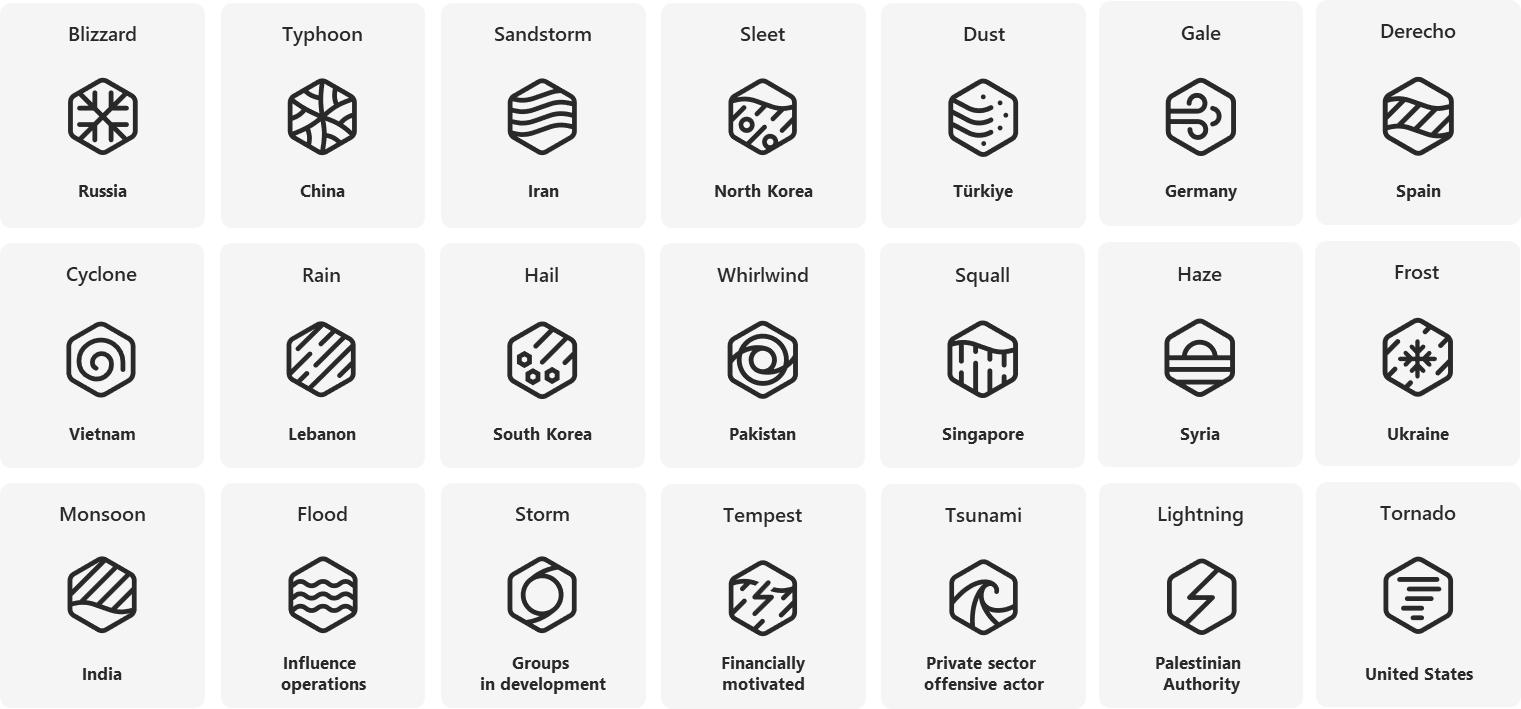
Four tech companies—Microsoft, Google, CrowdStrike, and Palo Alto—are collaborating to create a public glossary of cybercriminals and state-sponsored hacking groups, aiming to standardize naming conventions and enhance collective cybersecurity responses. The EU is also reinforcing its cybersecurity efforts, particularly in light of vulnerabilities exposed by recent incidents, with Microsoft offering free programs to bolster defenses. Japan has enacted the Active Cyber Defence Law to address threats, while luxury jewelry retailer Cartier has reported a data breach. Additionally, the U.S. has imposed sanctions on a company linked to cyber scams.
Financial services, ICT
Companies partner to create a who's who of hackers, and other cybersecurity news