
Publications

INSIGHT REPORT

Pioneering the Future: Space

Technologies Poised to Revolutionize

Exploration and Economy by 2035

September 2026

FACTSHEETS

Pioneering the Future: Space

Technologies Poised to Revolutionize Exploration and Economy by 2035

June 2026

WHITE PAPER

Future of Space Law:

Operationalizing Space Governance

March 2026

REPORT

Clear Orbit, Secure Future:

 A Call to Action on Space Debris

Jan 2026

WHITE PAPER

The Future of Space Law

Insights from the ATS, UNCLOS, and ITU Frameworks

December 2025

WHITE PAPER

The Future of Space Law: 

The Evolving Dynamics of Air and Space Regulation

 September  2025

The Future Of Space Law

News

Centre for Space Futures, Novaspace and SpaceTech Gulf  Sign Agreement to Develop Global Space Capability Mapping Dashboard

Riyadh, Saudi Arabia , 23 Jun 2026|  Press Release

Clear Orbit, Secure Future: A Call to Action on Space Debris

Riyadh, Saudi Arabia, 26 Jan 2026 | Press Release

Centre for Space Futures Holds Workshop with Participation of 40 Global Experts

Riyadh, Saudi Arabia, 05 Dec 2025 | Press Release

Centre for Space Futures Releases White Paper on 'The Future of Space Law'

Riyadh, Saudi Arabia, 12 Sep 2025 | Press Release

The Board of Directors of the Centre for Space Futures Endorses Its Strategic Direction

Riyadh, Saudi Arabia, 26 May 2025 | Press Release

Saudi Space Agency to Launch the Centre for Space Futures with the World Economic Forum

Riyadh, Saudi Arabia, 29 April | Press Release

5 ways we can tackle growing risks from rocket bodies in orbit

Dec 09, 2025 | Economic Growth, Stories

Read More

Forum Agenda

Forum Videos

VIDEO

Press Conference: Centre for Space Futures in Riyadh

The World Economic Forum's Special Meeting, April 29, 2024

VIDEO

The Purpose of Astronauts at Davos 2024

World Economic Forum , March 9, 2024

VIDEO

PortWatch: Monitoring Trade Disruptions from Space

World Economic Forum , Dec 18, 2023

VIDEO

India's Moon Mission Triumph: Ambassador Ruchira Kamboj's Insights

World Economic Forum , Aug 23, 2023

VIDEO

Space Exploration is Back at Davos 2023

World Economic Forum , Feb 16, 2023

Forum Publications

Strategic Intelligence Insights

Cities globally are implementing innovative mobility strategies to improve air quality. Key approaches include low emission zones (LEZs), electric city fleets, cycling infrastructure, and shared delivery micro-hubs. LEZs restrict high-polluting vehicles, significantly reducing air pollution, as seen in London's ULEZ. Electrification of city fleets has led to marked improvements in air quality, exemplified by Wellington’s increased electric bus presence. Expanding cycling networks in cities like Paris have doubled bike usage, contributing to substantial reductions in nitrogen dioxide and particulate matter. Finally, shared delivery micro-hubs are transforming freight logistics to reduce emissions and congestion.
4 schemes helping cities achieve clean air – and how to scale them globally
Digital transformation and artificial intelligence can drive inclusive growth in emerging economies, but success hinges on effective data usage rather than mere collection. Developing countries often struggle to implement existing data due to fragmented infrastructures. Governments like Zambia, Rwanda, and India succeeded by embedding data analysts in policy-making, addressing real issues through a demand-first approach. Machine learning can uncover patterns and inform decisions, but successful implementation requires granular data, human judgment, and long-term commitment. Sustainable data reform fosters public capital, enhancing governance and accountability while risking increased inequality if poorly executed.
Albania, Algeria, Angola, Bangladesh, Botswana, Burkina Faso, Chad, Egypt, Ethiopia, Georgia, Germany, Ghana, Haiti, India, Indonesia, Kenya, Mali, Rwanda, Senegal, Singapore, South Africa, Tanzania, Uganda, Zimbabwe | Financial services, Education, Health, ICT
How to navigate the data jungle in emerging economies
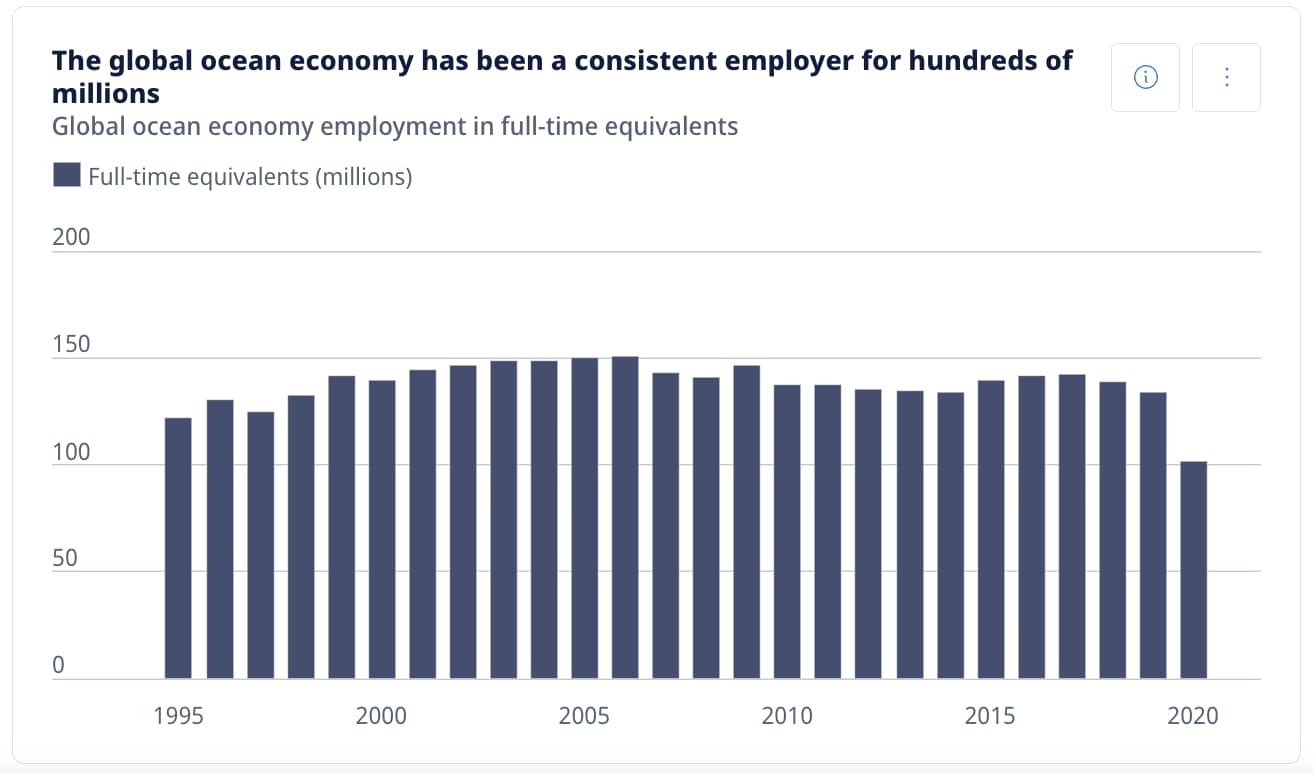
Prince William has urged global leaders to take immediate action to protect the world's oceans, highlighting issues such as rising sea temperatures, plastic pollution, and overfishing. He described the ocean's health crisis as unprecedented, emphasizing the urgent need for collective efforts to revive its ecosystems. Additionally, a report reveals that coastal cities worldwide are sinking at alarming rates, with local land subsidence affecting about 76 million residents. Atmospheric CO2 levels have also reached a record high, surpassing 430 parts per million, while AI companies' carbon emissions have surged significantly. The UK's Sellafield nuclear site may continue leaking radioactive water into the ground until the 2050s.
Antarctica, Nigeria
Prince William issues stark ocean warning, and other nature and climate news

A new nuclear arms race is emerging, as highlighted in the SIPRI Yearbook 2025, amidst the weakening of arms control regimes. All nine nuclear-armed states are modernizing their arsenals, leading to an estimated 12,241 warheads globally, with 9,614 in active military stockpiles. The trend of reducing stockpiles since the Cold War is reversing, as modernization accelerates while dismantlement slows. The USA and Russia hold around 90% of these warheads. China's nuclear arsenal is rapidly expanding, adding approximately 100 warheads annually, raising concerns over future strategic stability.
Nuclear risks grow as new arms race looms—new SIPRI Yearbook out now
The Global South faces unique challenges from global threats such as climate change and pandemics, highlighting the need for tailored solutions. The launch of the Global South Perspectives (GSP) publication emphasizes new funding models focused on South-South cooperation, gender inclusivity in research, and proactive agenda-setting in global governance. Key discussions featured calls for long-term, flexible funding, strategic partnerships to elevate women's roles, and strong links between Southern knowledge and global policy processes. These changes aim to ensure Global South perspectives are integrated into global discourse, ultimately fostering more equitable development.
South Africa | Financial services, Health
Rethinking Funding, Centering Equity, Setting the Agenda: Insights from the GSP Launch

The ocean is crucial for life on Earth, covering over 70% of the planet’s surface and regulating climate while providing food, livelihoods, and renewable energy potential. The upcoming 2025 UN Ocean Conference is a critical opportunity to accelerate global ocean governance amid climate change and human pressures. Effective, science-based policies and collective action are needed to protect marine ecosystems, foster public engagement, and invest in sustainable practices. Asia, particularly China, is emerging as a leader in this initiative. Urgent action is imperative to secure a resilient ocean for future generations.
Antarctica | Health
Why we must act now to ensure the future of the ocean and life on Earth

Clean-energy technologies, particularly solar and wind, thrive on reinforcing dynamics like learning by doing, economies of scale, and network effects, generating self-amplifying growth. However, increased renewable energy penetration can lead to economic challenges, such as falling prices and revenue volatility. Understanding non-linear thinking and feedback loops is essential for policymakers, as small changes can lead to significant impacts. Successful interventions in the early stages, such as feed-in tariffs, can kick-start these dynamics, while mature technologies require a focus on overcoming barriers and ensuring market integration.
Financial services, Education
How ‘feedback loops’ and ‘non-linear thinking’ can inform climate policy

Southeast Asia faces a growing plastic waste crisis exacerbated by urbanization and reliance on single-use plastics. Despite action plans, issues like plastic leakage, fragmented data systems, and informal waste dynamics persist. Transitioning to a circular economy demands improved visibility and accountability in the plastics value chain, aided by digital solutions like IoT, blockchain, and AI for better waste monitoring and stakeholder collaboration. Addressing data governance through structured policies ensures data integrity, transparency, accuracy, and compliance, fostering informed decision-making. Regional initiatives and technological adoption are vital for effective plastic waste management and sustainable practices.
Cambodia, Ghana, Indonesia, Moldova, Philippines, Republic of Korea, Senegal, Singapore, Thailand | Financial services, Education, ICT, Health
Designing an Effective Data Governance Framework for Plastic Waste Management

Artificial intelligence (AI) is revolutionizing finance by enhancing efficiency in credit risk assessment, economic tracking, and trade execution. However, these advancements introduce new vulnerabilities related to financial stability, equity, and governance, necessitating regulatory action. AI's ability to outperform traditional methods may improve access to credit but raises concerns over fairness and transparency. Furthermore, the reliance on opaque AI systems can amplify systemic risks, obscure vulnerabilities, and challenge existing governance frameworks. The report underscores the need for adaptive regulations that promote accountability, hybrid human-machine governance, and equitable access to information to mitigate potential risks while fostering innovation in the financial sector.
Financial services
How artificial intelligence is transforming finance
Europe's political and economic influence has diminished, necessitating urgent action to adapt to changing global conditions. The continent is struggling with technological leadership, highlighted by the lack of EU-based digital platforms. Institutional inefficiencies hinder foreign policy coherence and responsiveness to crises, eroding Europe’s moral authority. Public confidence is low, with significant pessimism about future prospects among young Europeans. Despite challenges, there is potential for Europe to emerge as a leader in a world devoid of US support if it innovates decision-making processes and empowers youth participation in governance.
Poland | Financial services, Health, Education
Europe is perfectly placed to lead a world abandoned by the US – but will it meet the moment?
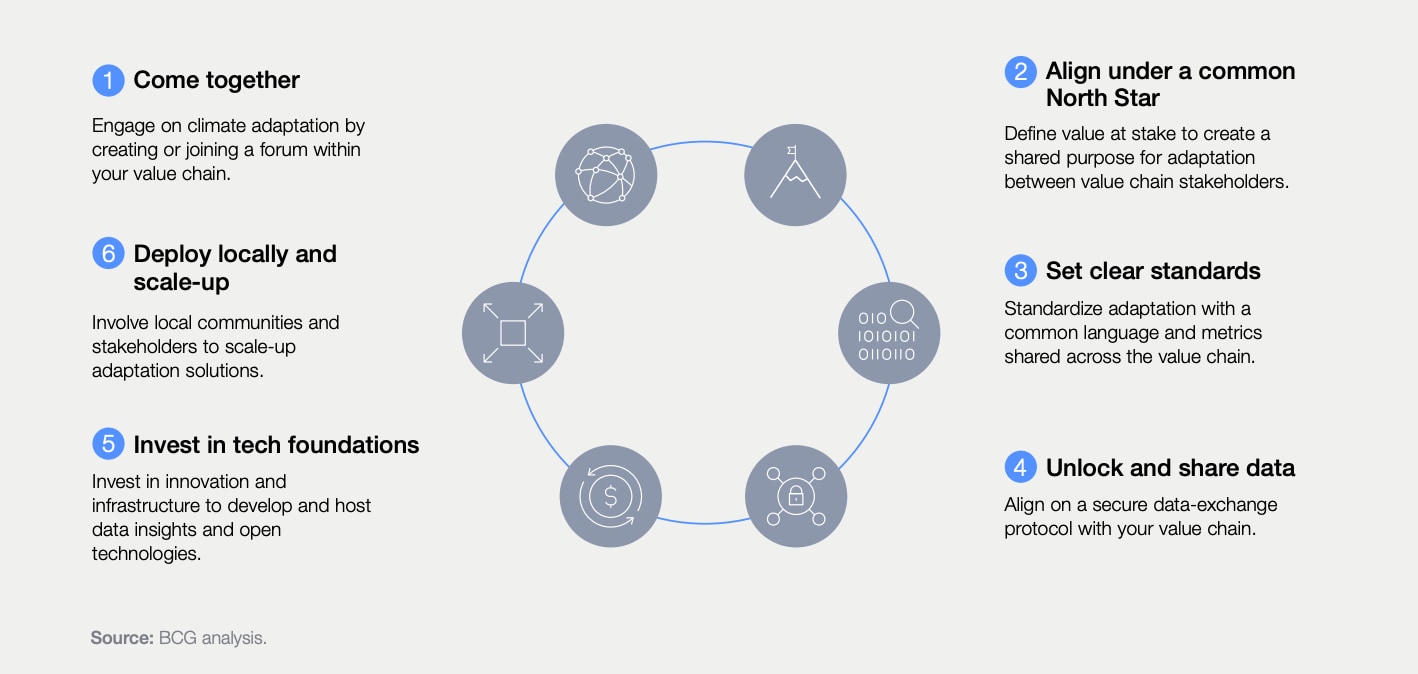
Scaling tech-enabled adaptation is essential for building climate-resilient value chains. Climate change disrupts economies and industries, with extreme weather projected to exceed 560 events per year by 2030, leading to potential profit declines. To combat these challenges, stakeholders must collaborate across sectors, utilizing technology like AI and satellite data to identify risks and develop solutions. Six key actions for resilience include fostering collaboration among all stakeholders, aligning on shared goals, setting standard measures, unlocking data access, investing in technological innovation, and deploying solutions locally while scaling them up.
Financial services
6 steps to building climate-resilient value chains through collaboration and tech-enabled adaptation
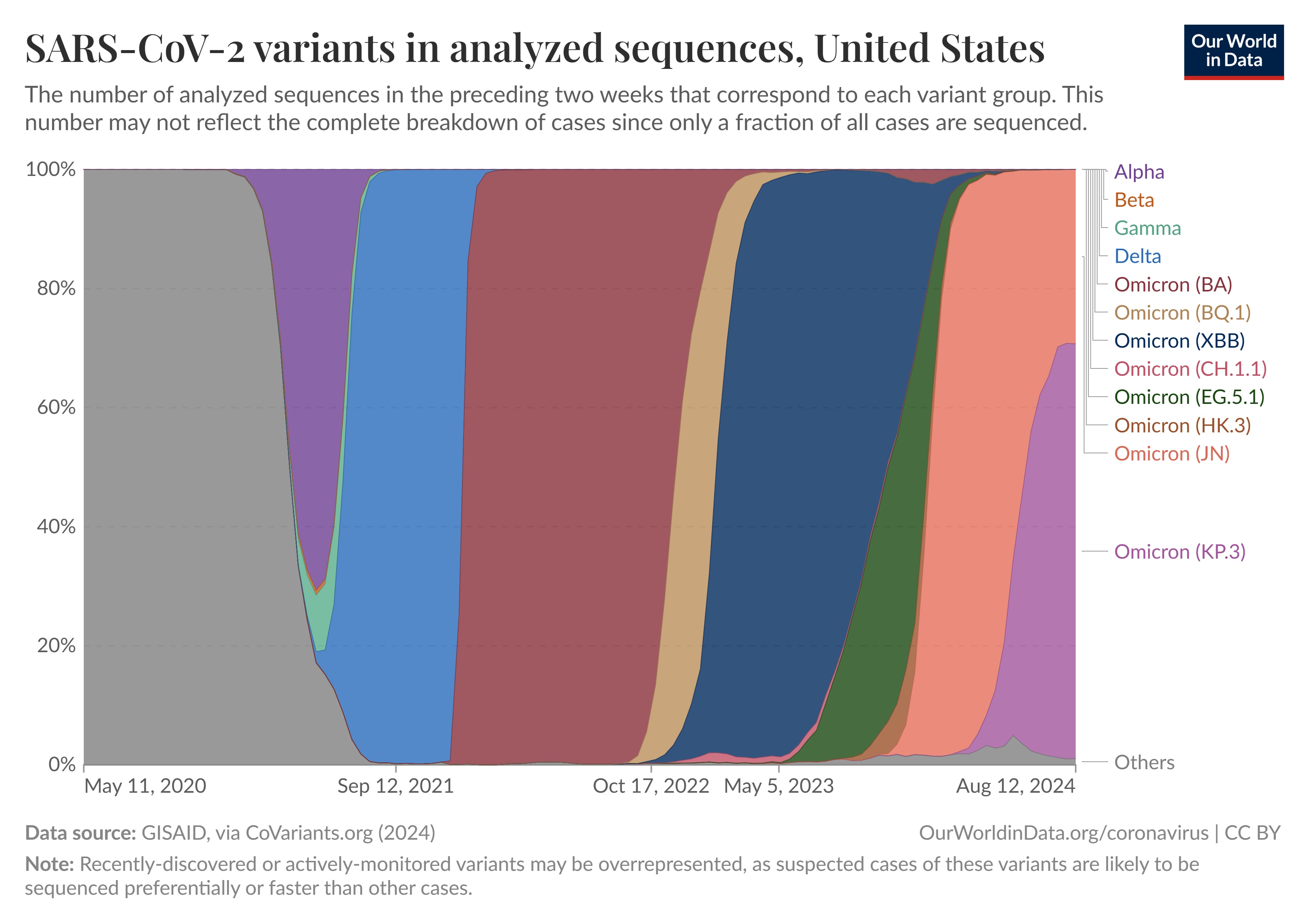
A new COVID-19 variant, NB.1.8.1, has been classified by the WHO as a "variant under monitoring," now accounting for over 10% of infections globally, particularly in China and Hong Kong. While it may spread more easily and partially evade some immune defenses, vaccines are still expected to provide strong protection against severe disease. The recent World Health Assembly (WHA78) resulted in agreements aimed at improving pandemic preparedness and health equity, including a new binding framework for future health emergencies. Lastly, emerging studies highlight dietary influences on cancer outcomes and the need for reform in global health financing.
Health
Uptick in global cases of new COVID-19 variant, and other health stories
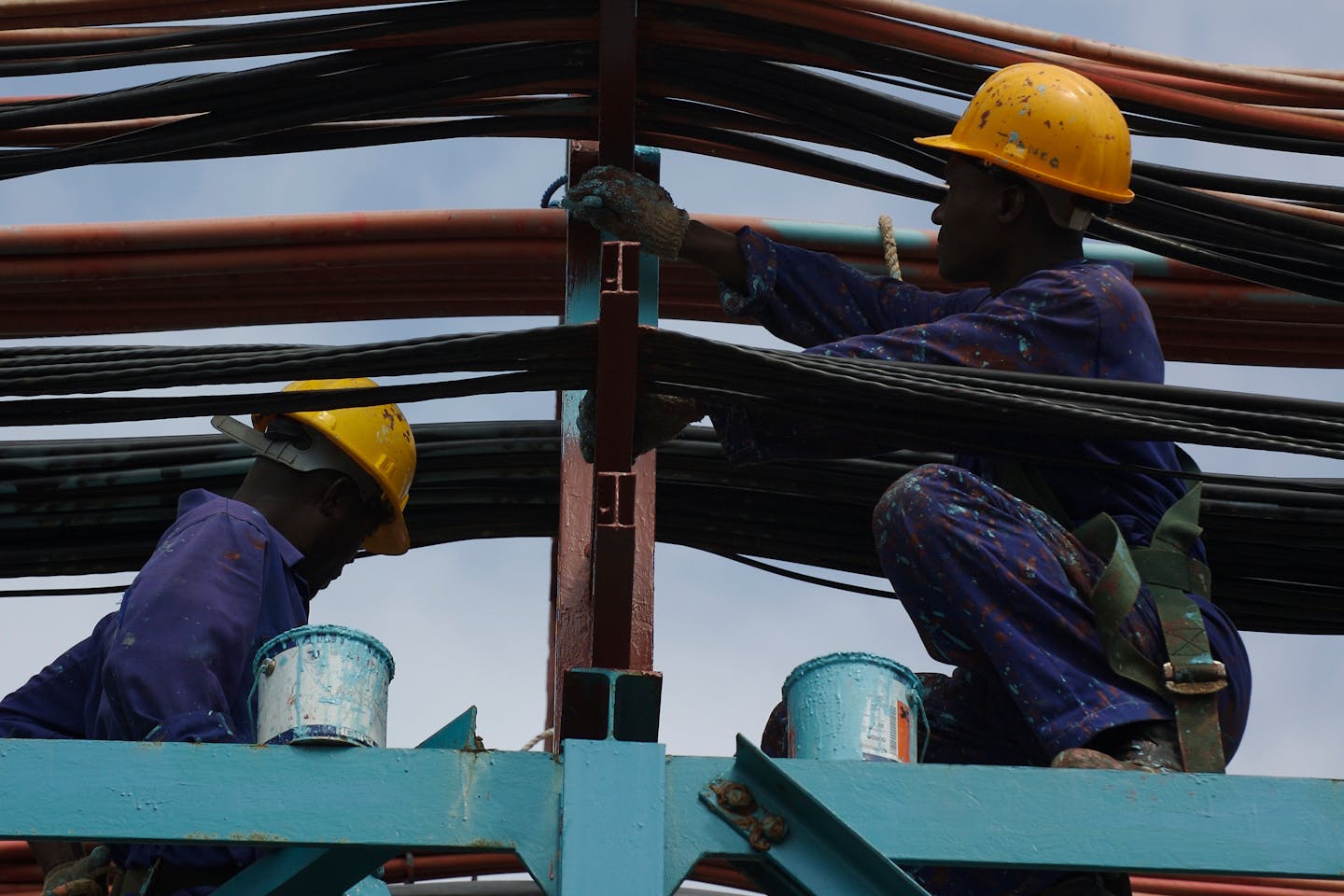
Latin America is increasingly vital for global supply of critical minerals like lithium and copper, essential for renewable energy technologies. Political scientist Thea Riofrancos highlights tensions between resource governance, territorial rights, and the demands for environmental protections as nations face pressures from global powers and local movements. Her research indicates a resurgence of resource nationalism and explores how these dynamics complicate the benefits of mineral exploitation, raising concerns over economic volatility and social inequality. The geopolitical competition among the US, China, and Europe further complicates the situation for Latin American countries in navigating their extraction policies.
Argentina, Australia, Belgium, Benin, Bolivia, Brazil, Burkina Faso, Cambodia, Cameroon, Canada, Chile, Colombia, Democratic Republic of the Congo, Ecuador, Egypt, El Salvador, Eswatini, Ethiopia, Finland, Gabon, Georgia, Germany, Ghana, Greece, Guatemala, Honduras, Hungary, India, Indonesia, Jamaica, Japan, Jordan, Kenya, Lesotho, Liberia, Malaysia, Mexico, Myanmar, Namibia, Nepal, Netherlands, Nigeria, Pakistan, Panama, Paraguay, Peru, Philippines, Poland, Republic of Korea, Russian Federation, Rwanda, Senegal, Seychelles, Singapore, South Africa, Sudan, Sweden, Taiwan, China, Tanzania, Thailand, Uganda, Ukraine, United Arab Emirates, United Kingdom, Uruguay, Venezuela, Viet Nam, Yemen, Zambia, Zimbabwe | Financial services, Health
Q&A: ‘The Global South is caught between powers trying to get their resources’
Urban spaces play a crucial role in promoting democratic engagement through meetings, discussions, and protests. The influence of generative AI, specifically ChatGPT-4o, on perceptions of these spaces was analyzed in Stockholm, Madrid, and Brussels. Findings indicate that AI-generated outputs often emphasize governmental and private organizations over public spaces like parks, thereby narrowing the understanding of democratic venues and favoring organized engagement. These outputs risk perpetuating powerful entities' visibility while obscuring broader opportunities for public engagement. The research advocates for a balanced approach, combining AI insights with other knowledge forms to protect urban spaces as vital democratic infrastructures.
Spaces for democracy with generative artificial intelligence: public architecture at stake

Skills intelligence leverages artificial intelligence and machine learning to analyze workforce data, creating actionable insights for effective skills development. It shifts focus from identifying skills gaps to empowering individuals and organizations, essential for building resilient economies. As 40% of core skills may change by 2030, and many employers cite skills gaps as barriers, integrating AI into existing frameworks can help adapt to rapid changes. This transition towards intelligent skills infrastructures enables real-time responses to workforce needs, enhancing job matching, reskilling, and workforce transformation on a global scale.
Angola, Egypt, Estonia, Ethiopia, Finland, Georgia, Germany, Indonesia, Ireland, Japan, Jordan, Kazakhstan, Kenya, Luxembourg, Mali, Mozambique, New Zealand, Republic of Korea, Russian Federation, Rwanda, Saudi Arabia, Senegal, Singapore, Slovakia, South Africa, Spain, Sweden, Tanzania, Tunisia, Uganda, Ukraine, United Arab Emirates, United Kingdom | Financial services, ICT, Education
What is 'skills intelligence' and how will it lead to economic resilience?

The United Arab Emirates has become a central player in the global arms economy, particularly through the export of drones to non-state actors in Africa and the Middle East. This arms supply network enables groups like Sudan's Rapid Support Forces (RSF) to conduct modern warfare using precision drones, leveling the battlefield against conventional military forces. The UAE utilizes a surrogate warfare model, providing drones in parts for local militias to assemble and operate, enhancing their strategic capabilities without direct involvement. This trend, alongside similar actions by Iran and Turkey, contributes to a regional drone arms race, transforming traditional conflict dynamics.
United Arab Emirates
UAE drones have given rise to a new arms economy

Coral reefs are vital ecosystems, contributing billions to the global economy and supporting millions of livelihoods. However, they are rapidly declining due to climate change, with living corals nearly wiped out in some areas. Since exceeding the 1.5°C warming threshold in July 2023, significant coral loss has occurred, with predictions indicating that 70% to 90% of reefs could vanish. Immediate, coordinated global efforts in restoration and conservation are essential. Utilizing existing technology and scientific solutions can enhance coral resilience, but this requires substantial financial resources and collaborative action. Delaying intervention risks irreversible damage to these critical marine habitats.
Antarctica
Why saving the world's coral reefs is a generational responsibility

The UK faces a security crisis due to increasing threats from nations like Russia and China. The latest strategic defense review emphasizes a pivot to high-intensity warfare, focusing on remote and autonomous technologies rather than counter-insurgency. It aims to enhance the UK's military capabilities with a unified digital targeting system and stronger ties between defense and tech industries. However, the review overestimates the role of AI and autonomy in warfare, neglecting the essential human element needed for effective military operations. There is a critical need for a strategy that incorporates the importance of mass in combat, as evidenced by the Ukrainian experience.
Ukraine, United Kingdom
The UK is gearing up for autonomous warfare – but missing the reality of war today
Buy now, pay later (BNPL) services have surged in popularity, enabling installment payments for purchases, but many consumers struggle with repayments due to inadequate financial education. Reports indicate that companies like Klarna are facing significant credit losses as a result of this trend. A systemic lack of financial literacy, especially regarding budgeting and responsible borrowing, is exacerbating consumer debt. To foster financial resilience, comprehensive education is essential, alongside initiatives from fintech and traditional financial institutions to provide guidance. Policymakers should also advocate for transparency and standards to equip consumers with necessary financial knowledge.
ICT, Financial services, Education
Buy now, pay later: How financial education can break the debt trap

The Iberian power outage on April 28 caused significant disruptions at major airports, like Madrid-Barajas and Barcelona El-Prat, resulting in 344 flight cancellations. Airports implemented contingency measures, including crisis committees and the use of backup generators, allowing 93% of commercial flights to proceed. The incident highlighted the importance of maintaining access routes, standardized communication, and effective scenario planning with external partners to mitigate future disruptions. Investment in resilience and contingency planning proved essential, preventing greater chaos and economic losses estimated at €1.4 billion.
What airports can learn from the Iberian power outage