Publications

INSIGHT REPORT

Pioneering the Future: Space

Technologies Poised to Revolutionize

Exploration and Economy by 2035

September 2026

FACTSHEETS

Pioneering the Future: Space

Technologies Poised to Revolutionize Exploration and Economy by 2035

June 2026

WHITE PAPER

Future of Space Law:

Operationalizing Space Governance

March 2026

REPORT

Clear Orbit, Secure Future:

 A Call to Action on Space Debris

Jan 2026

WHITE PAPER

The Future of Space Law

Insights from the ATS, UNCLOS, and ITU Frameworks

December 2025

WHITE PAPER

The Future of Space Law: 

The Evolving Dynamics of Air and Space Regulation

 September  2025

The Future Of Space Law

News

Centre for Space Futures, Novaspace and SpaceTech Gulf  Sign Agreement to Develop Global Space Capability Mapping Dashboard

Riyadh, Saudi Arabia , 23 Jun 2026|  Press Release

Clear Orbit, Secure Future: A Call to Action on Space Debris

Riyadh, Saudi Arabia, 26 Jan 2026 | Press Release

Centre for Space Futures Holds Workshop with Participation of 40 Global Experts

Riyadh, Saudi Arabia, 05 Dec 2025 | Press Release

Centre for Space Futures Releases White Paper on 'The Future of Space Law'

Riyadh, Saudi Arabia, 12 Sep 2025 | Press Release

The Board of Directors of the Centre for Space Futures Endorses Its Strategic Direction

Riyadh, Saudi Arabia, 26 May 2025 | Press Release

Saudi Space Agency to Launch the Centre for Space Futures with the World Economic Forum

Riyadh, Saudi Arabia, 29 April | Press Release

5 ways we can tackle growing risks from rocket bodies in orbit

Dec 09, 2025 | Economic Growth, Stories

Read More

Forum Agenda

Forum Videos

VIDEO

Press Conference: Centre for Space Futures in Riyadh

The World Economic Forum's Special Meeting, April 29, 2024

VIDEO

The Purpose of Astronauts at Davos 2024

World Economic Forum , March 9, 2024

VIDEO

PortWatch: Monitoring Trade Disruptions from Space

World Economic Forum , Dec 18, 2023

VIDEO

India's Moon Mission Triumph: Ambassador Ruchira Kamboj's Insights

World Economic Forum , Aug 23, 2023

VIDEO

Space Exploration is Back at Davos 2023

World Economic Forum , Feb 16, 2023

Forum Publications

Strategic Intelligence Insights

The European Space Agency (ESA), established in 1975, plays a crucial role in advancing space exploration and science in Europe, competing effectively with NASA. With 23 member states and a unique collaborative structure, ESA has achieved significant milestones, including the first probe landing on Titan and a comprehensive mapping of the Milky Way through the Gaia mission. It supports vital programs like Copernicus for Earth observation, aiding in climate monitoring and pollution management. Future plans include a Mars rover mission to search for life and new observatories for advanced astronomical studies.
Esa at 50: how the space agency helped keep Europe at the frontiers of science
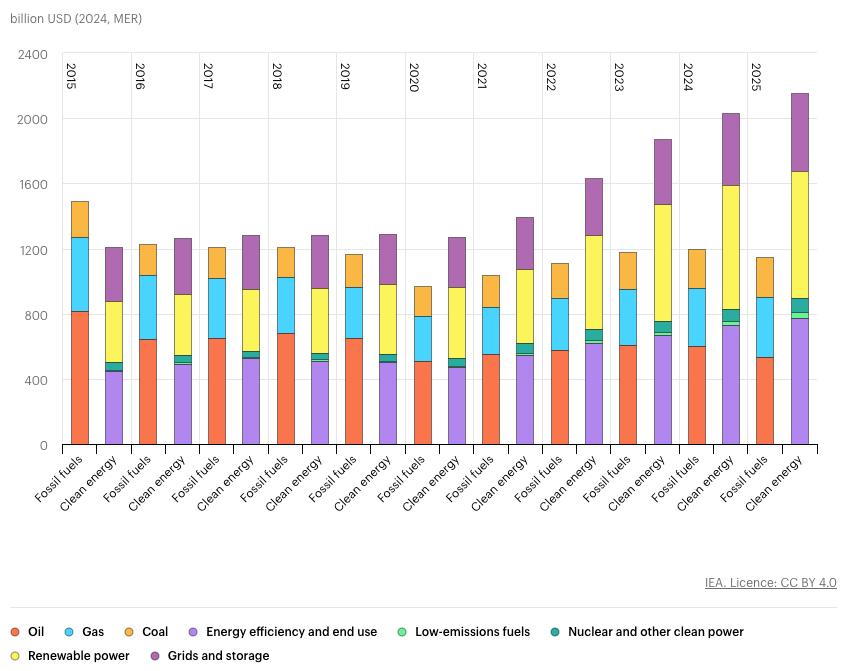
Global energy investment is projected to reach a record $3.3 trillion by 2025, with $2.2 trillion dedicated to clean energy technologies in 2023 despite economic uncertainty. Key technologies driving this energy transition include intelligent grid systems, renewable energy storage, and decentralized energy markets. The World Bank is investing $1 billion into a significant hydropower project in the Democratic Republic of Congo. Additionally, companies like Meta are expanding nuclear energy partnerships to support AI demands, highlighting a shift towards sustainable practices in energy production.
Afghanistan, Argentina, Bolivia, Canada, Denmark, Egypt, Ghana, India, Liberia, Nigeria, Norway, Pakistan, Papua New Guinea, Poland, Senegal, Sudan, Tunisia
Energy investment on track for record $3.3 trillion, and more top energy stories
The European Union faces significant geopolitical challenges from the assertive actions of Russia, China, and the United States, which threaten its foundational principles and stability. As tensions rise, neutrality emerges as a strategic trap, risking Europe’s position in global power dynamics. The EU must navigate complex trade wars and military threats while grappling with internal issues like low birth rates and defense spending shortfalls. Current strategies relying on sanctions may no longer suffice, highlighting the urgent need for a robust political and military response to these international crises.
Belgium, Chile, Colombia, Denmark, Egypt, Ethiopia, France, Georgia, Germany, India, Indonesia, Ireland, Japan, Kenya, Luxembourg, Paraguay, Peru, Philippines, Poland, Portugal, Russian Federation, Rwanda, Senegal, Seychelles, Singapore, South Africa, Spain, Switzerland, Taiwan, China, Tanzania, Thailand, Tunisia, Uganda, Ukraine, United Kingdom, Viet Nam | ICT
The European Union’s Most Dangerous Hour

Five disruptive trends are transforming industries in the Gulf Cooperation Council (GCC) region, bolstered by strategic positioning, a youthful demographic, and supportive innovation policies. Key trends include:

1. **Friendshoring**: Emphasizing trusted trade partnerships, Bahrain has attracted investments like Mondelēz's 'Factory of the Future' and Lenovo's Riyadh factory.
2. **AI-Powered Entrepreneurship**: GCC nations are embracing AI, with initiatives like Saudi Arabia's strategy to create 300 AI startups and educational reforms in STEM fields.
3. **Green Tech Investment**: Committing $100 billion to renewable energy, the GCC aims for a 20% emissions reduction by 2030, aligning regional standards and focusing on carbon neutrality efforts.
Algeria, Angola, Austria, Azerbaijan, Bahrain, Barbados, Belgium, Benin, Bolivia, Botswana, Brunei Darussalam, Burkina Faso, Cape Verde, Chad, Chile, Denmark, Dominican Republic, Egypt, Estonia, Ethiopia, Finland, Gabon, Georgia, Germany, Ghana, Guinea, Haiti, Iceland, Indonesia, Ireland, Israel, Jamaica, Japan, Jordan, Kenya, Kuwait, Kyrgyz Republic, Lebanon, Luxembourg, Malaysia, Mali, Mauritania, Mauritius, Morocco, Mozambique, Namibia, Netherlands, New Zealand, Nigeria, Oman, Philippines, Qatar, Republic of Korea, Rwanda, Saudi Arabia, Senegal, Seychelles, Singapore, Switzerland, Tajikistan, Tanzania, Thailand, Trinidad and Tobago, Tunisia, Uganda, Ukraine, United Arab Emirates, United Kingdom, Viet Nam, Yemen | Financial services, Education, Health, ICT
5 innovations disrupting industries in the GCC
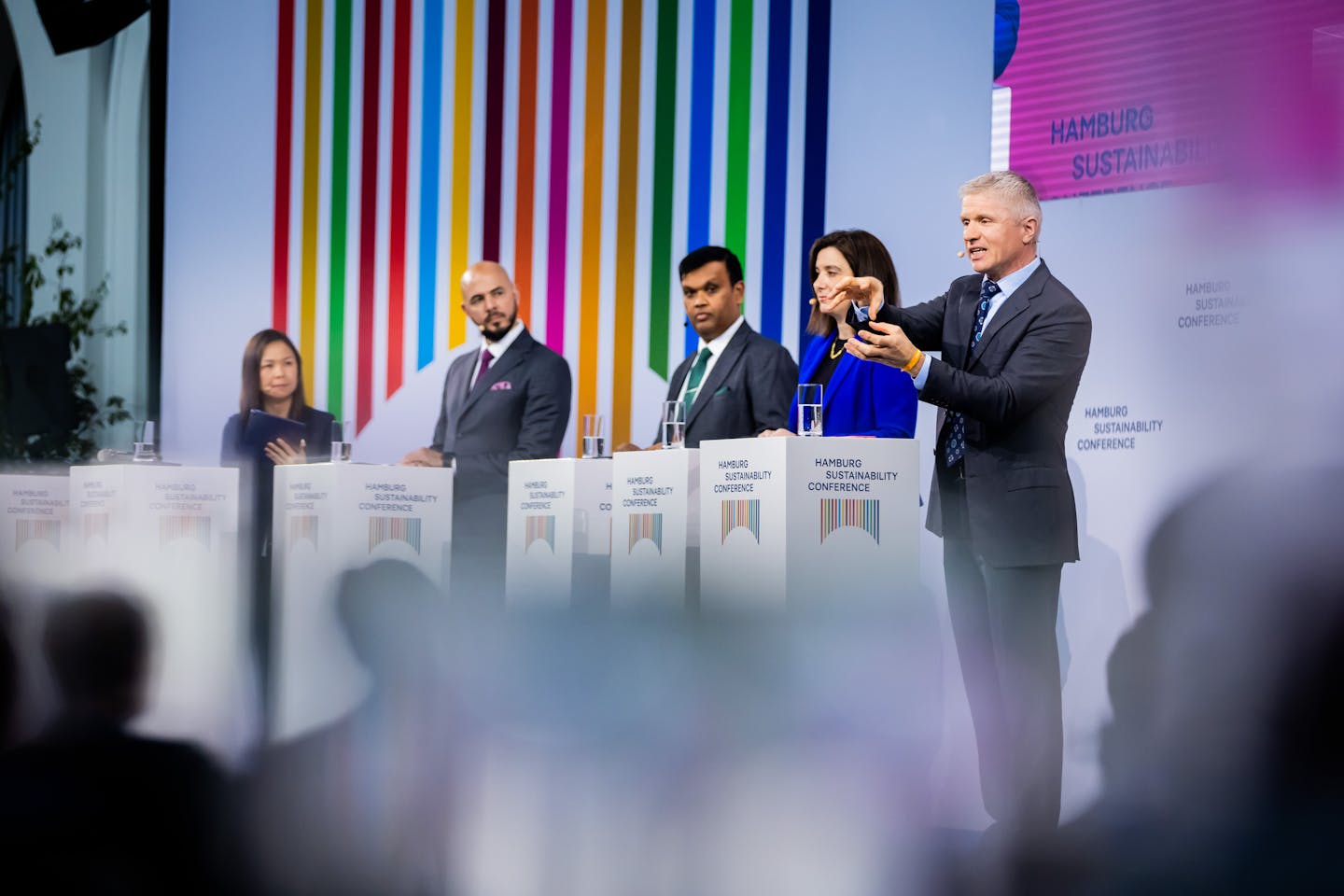
State leaders from Germany, Canada, and other countries, along with major institutional investors, are establishing a new company to standardize blended finance and enhance investment flows for sustainable development. Named Scaling Capital for Sustainable Development (SCALED), the initiative aims to address the $4.3 trillion annual funding gap for sustainable development goals. The company will focus on developing standardized investment vehicles and improving collaboration between public and private sectors, with plans for launch by the end of 2025. This move is crucial given the declining public contributions and the need for effective mobilization of private capital.
Africa, Latin America | Education, Financial services, Health
Setting personal politics aside: Governments, corporates to form new company aimed at 'fixing blended finance'

The UAE's Stargate project exemplifies the integration of AI into national infrastructure, positioning Abu Dhabi for a future reliant on sovereign AI capabilities. This initiative, a 1-gigawatt AI supercomputing cluster developed with OpenAI, aims to provide national AI infrastructure akin to essential utilities like roads and power grids. By building local AI capacity, countries can ensure equity, adapt global models to local contexts, and avoid dependency on foreign systems. The project also reflects broader geopolitical ambitions, with implications for emerging economies seeking to enhance inclusivity and control in the AI landscape.
Algeria, Angola, Ghana, Guinea, Haiti, Indonesia, Kenya, Mali, Rwanda, Senegal, Tanzania, United Arab Emirates | Education, Health, ICT
The UAE's Stargate project hints at how AI can be integrated into national infrastructure
The UK government is considering the introduction of military gap years for young people as a strategy to enhance recruitment amid rising geopolitical tensions and a shortage of soldiers. This initiative, inspired by a similar program in Australia, would allow individuals over 18 to experience military life for 12 months. The proposal aims to reconnect youth with the armed forces, promote understanding of military roles in schools, and increase youth cadet programs. While this approach may appeal to some due to economic pressures, it reflects broader societal issues, including national security concerns and youth employment challenges.
Education
UK looks to military gap years to boost recruitment in the face of growing geopolitical tension

Blended finance offers a solution to Asia's $2.5 trillion annual sustainable investment gap by leveraging concessional capital to attract private investment in sustainable development goals (SDGs). As traditional funding sources decline due to geopolitical changes and post-COVID finance challenges, innovative funding models are essential. With an estimated $4.5 trillion in private capital seeking investment, Asia’s financial ecosystems are primed for this approach. Opportunities in energy, infrastructure, agriculture, and financial inclusion highlight a $2 trillion potential, but scaling blended finance remains a challenge despite its proven concept.
Bangladesh | Health, Financial services
How blended finance could narrow Asia's $2.5 trillion annual sustainable investment gap
The UK government’s Advanced Research and Invention Agency (Aria) is funding 21 research teams with £56 million to investigate climate cooling methods, marking a significant step towards greater investment in geoengineering. Focused on solar radiation management (SRM), key projects include brightening marine clouds to reflect sunlight and experimenting with Arctic refreezing techniques to enhance ice accumulation. Additionally, research will explore the injection of particles into the atmosphere to block sunlight. Experts emphasize the importance of this funding for enhancing understanding of these techniques, though concerns over their feasibility and environmental impacts persist.
Antarctica
UK funds controversial climate-cooling research
The Vera C. Rubin Observatory, located in the Chilean Andes, will begin its Legacy Survey of Space and Time on June 23, 2025, capturing the southern hemisphere's sky every night for ten years. Equipped with a 3,200-megapixel digital camera, it aims to explore dark matter, dark energy, and monitor celestial phenomena, such as supernovae and asteroids, while creating the most comprehensive time-lapse of the universe. The observatory addresses challenges like light pollution from satellites, developing tools to mitigate interference. It honors Dr. Vera Rubin, a pioneer in dark matter research and advocate for women in science.
A new observatory is assembling the most complete time-lapse record of the night sky ever

Geopolitical shifts within NATO and the G7 could significantly influence Africa's future. Upcoming summits may reveal deep fractures in the Western alliance and a shift away from a unified bloc identity. As G7 nations collectively represent over half of the global economy and military expenditure, any realignment may lead to decreased aid and developmental support for Africa amidst rising defense budgets. The focus may narrow to security issues tied to migration and resources rather than a comprehensive African strategy, potentially resulting in more militarized interventions in African conflicts.
Burkina Faso, Ghana, Kenya, Namibia, Nigeria, South Africa | Health
NATO and the G7: global power fractures that Africa must watch

Faith communities are emerging as pivotal players in transforming ocean finance through the "blue moral economy," which integrates ethical values with sustainable practices. Traditional blue economy investments struggle to protect the oceans, with only 2.8% effectively safeguarded. Faith groups, controlling about $5 trillion in assets, advocate for values-based investment models aimed at protecting 30% of the oceans by 2030. Successful case studies from faith-based initiatives in Tanzania, Cambodia, and Brazil demonstrate higher compliance and sustainable funding. Key pathways for scaling this approach include faith-aligned financial instruments, leveraging sacred conservation, and enhancing community stewardship.
Financial services
How faith communities are transforming approaches to ocean finance
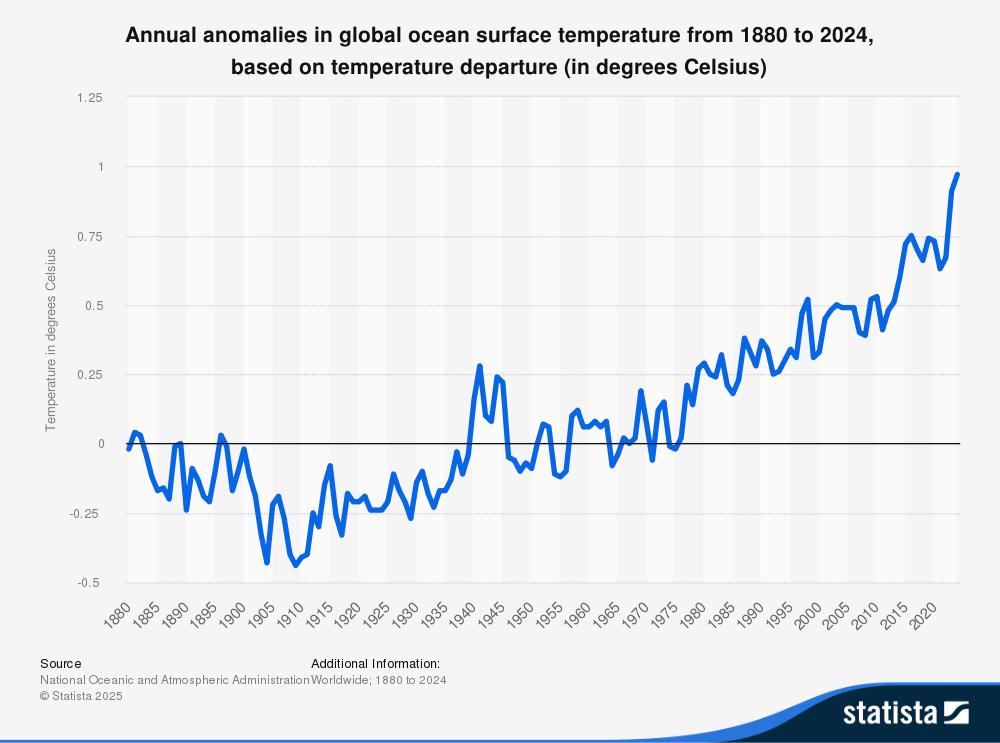
The ocean faces significant challenges, including rising temperatures, coral bleaching, and increased pollution. Innovations are emerging to combat these issues, such as the UN's Ocean Decade initiatives focused on marine restoration and sustainability, and the Seabed 2030 project aimed at mapping the ocean floor. The 1000 Ocean Startups initiative supports innovative enterprises to restore ocean health by 2030, while the Revive Our Ocean program targets local pollution and habitat restoration efforts. Additional initiatives include the Unlocking Blue Pacific Prosperity framework and the 'Around Africa' mission to enhance marine research and community involvement.
Antarctica | Health
7 ocean initiatives you need to know about
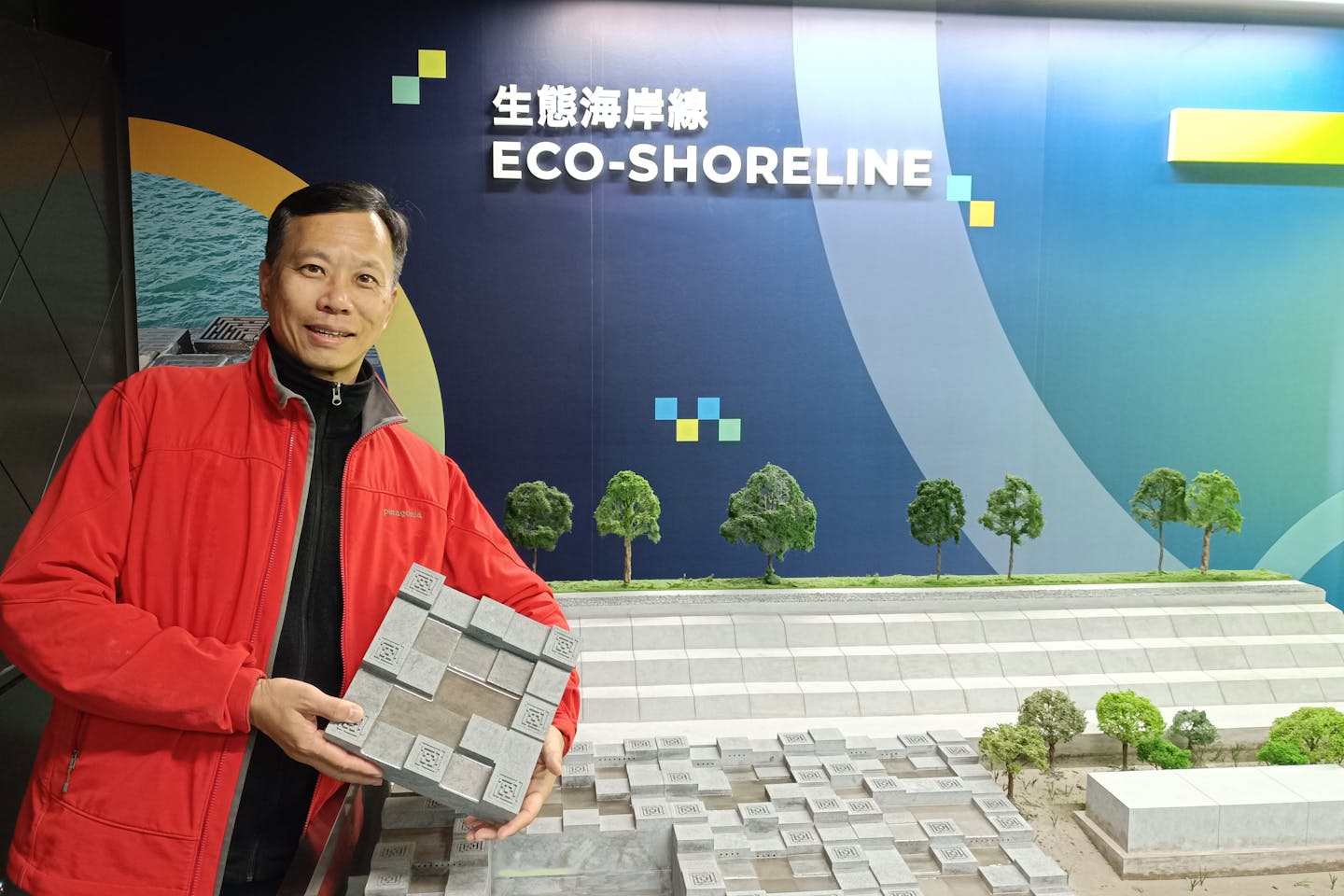
Hong Kong's built environment contributes approximately 60% of the city's carbon emissions and consumes 90% of its electricity. Frederick Leong emphasizes the urgent need for regulatory measures and greening incentives to achieve carbon neutrality by 2050. He advocates for stricter energy efficiency standards and greater use of renewable energy sources, like hydrogen, to reduce emissions. While initiatives like the BEAM Plus scheme and Gross Floor Area Concession exist, more comprehensive policies are required to transform existing buildings and support sustainable development.
Singapore
Regulation and green building incentives only way for Hong Kong to meet net zero: Frederick Leong
Hong Kong's built environment accounts for 60% of the city's carbon emissions and consumes 90% of its electricity. Fredrick Leong emphasizes that achieving net zero by 2050 requires stronger regulatory measures and incentives for sustainable practices. He advocates for enhanced energy efficiency standards for both new and existing buildings, especially given the large number of aging structures. Leong highlights the need for more green infrastructure policies and renewable energy adoption to effectively reduce emissions and protect the environment.
Singapore
Regulation and green building incentives only way for Hong Kong to meet net zero: Fredrick Leong
Europe is struggling to reduce its reliance on U.S. technology, particularly in critical sectors like cloud services, AI, and microchips. The European Commission's new International Digital Strategy acknowledges that complete decoupling from U.S. tech is unrealistic and emphasizes the importance of continued cooperation with the U.S. and other tech nations. Despite a push for European tech sovereignty, with initiatives like the Eurostack movement and the appointment of Finland’s Henna Virkkunen, the EU recognizes its challenges in innovation and market share, particularly in cloud services and AI. Solutions for breaking existing dependencies remain elusive.
Belgium, Estonia, Germany, Netherlands, United Kingdom | Financial services, Education, ICT
Europe’s dream to wean off US tech gets reality check
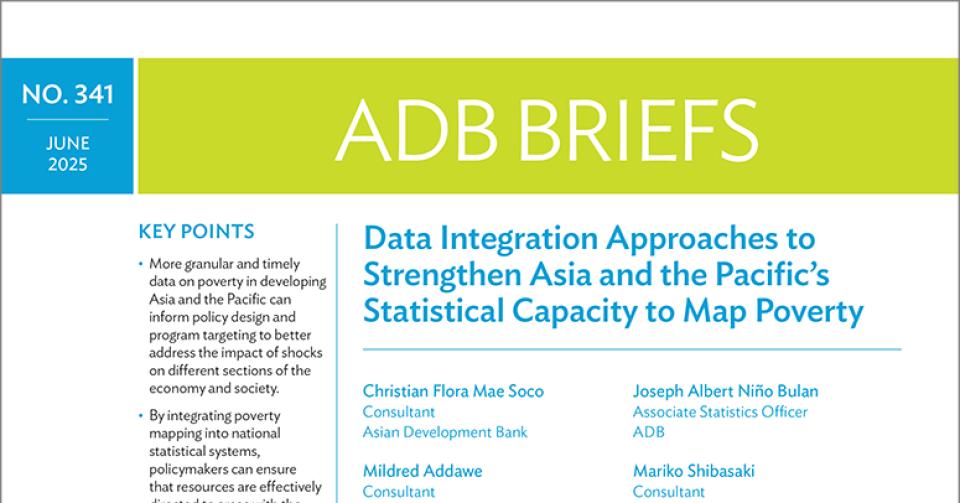
Innovative data sources can enhance poverty mapping in Asia and the Pacific, enabling quicker and more accurate estimations for targeted interventions. Techniques such as big data analytics, remote sensing, machine learning, and satellite imagery are highlighted for their potential to provide real-time, cost-effective insights. The brief emphasizes the importance of regional cooperation, investment in capacity building, strong public–private partnerships, and established data governance frameworks to overcome existing challenges.
Bangladesh, Indonesia, Philippines | Health
Data Integration Approaches to Strengthen Asia and the Pacific's Statistical Capacity to Map Poverty
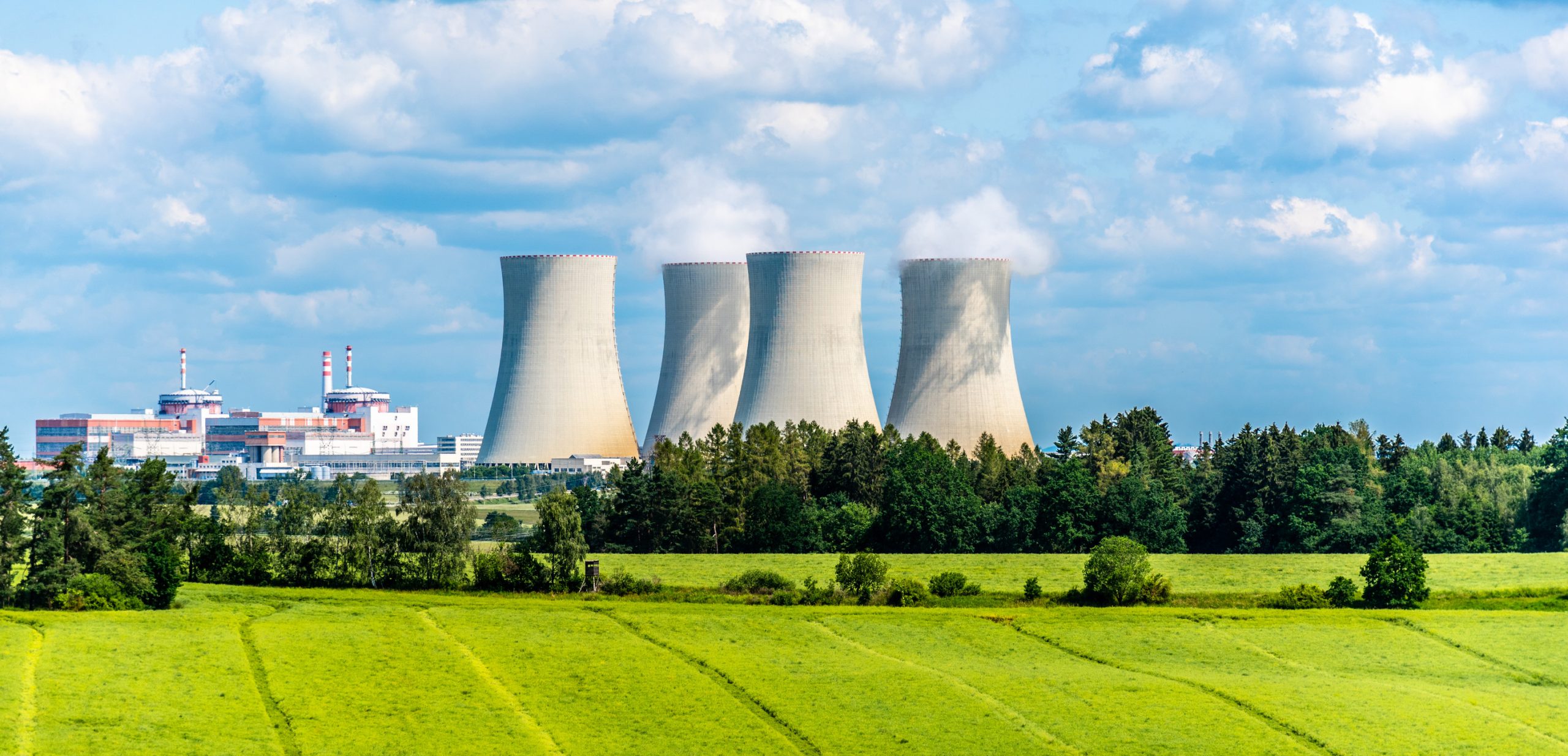
The integration of AI into civilizational development relies heavily on energy, particularly from nuclear sources. Despite its historical setbacks, nuclear power is viewed as the most efficient and reliable energy source, with China leading advancements by constructing new reactors and developing innovative technologies. The US aims to quadruple its nuclear capacity in the coming decades to support the growing energy demands of AI, projected to increase significantly by 2030. Companies like Amazon, Microsoft, and Alphabet are making moves in the nuclear sector to secure energy for AI workloads, positioning themselves to meet escalating needs.
Nuclear Meets AI: Which Companies Will Reflect Gains First?
Freight forwarders are rapidly digitalizing for increased efficiency but face heightened cybersecurity threats. Cyberattacks, such as the ransomware incident affecting JAS Worldwide, can cause significant disruptions in supply chains, particularly threatening small and medium-sized enterprises. The International Federation of Freight Forwarders Associations (FIATA) is enhancing cyber resilience through training, guidance, and secure digital solutions. Critical measures include implementing robust security protocols and fostering a culture of cybersecurity awareness. Collaboration among stakeholders is essential to mitigate risks and establish resilience within the interconnected logistics ecosystem.
Financial services, ICT
Why cyber resilience should be a top priority for freight forwarders
Europe affirmed its growing commitment to the Indo-Pacific during the 2025 Shangri-La Dialogue, a premier defense summit. High-level European representatives highlighted their dedication to international law and freedom of navigation amid challenges posed by China, notably in the South China Sea. Despite concerns over overstretching resources with simultaneous commitments to Eastern Europe, European nations plan to maintain a naval presence in the region. This is seen as essential for regional stability, especially by countries like the Philippines, despite criticism from others in ASEAN. The dialogue underscored Europe's evolving role in security dynamics in the Indo-Pacific.
France, Portugal, Singapore, Taiwan, China, Thailand
Europe’s Indo-Pacific Engagement at Shangri-La 2025: a Consistent and Growing Commitment