
Publications

INSIGHT REPORT

Pioneering the Future: Space

Technologies Poised to Revolutionize

Exploration and Economy by 2035

September 2026

FACTSHEETS

Pioneering the Future: Space

Technologies Poised to Revolutionize Exploration and Economy by 2035

June 2026

WHITE PAPER

Future of Space Law:

Operationalizing Space Governance

March 2026

REPORT

Clear Orbit, Secure Future:

 A Call to Action on Space Debris

Jan 2026

WHITE PAPER

The Future of Space Law

Insights from the ATS, UNCLOS, and ITU Frameworks

December 2025

WHITE PAPER

The Future of Space Law: 

The Evolving Dynamics of Air and Space Regulation

 September  2025

The Future Of Space Law

News

Centre for Space Futures, Novaspace and SpaceTech Gulf  Sign Agreement to Develop Global Space Capability Mapping Dashboard

Riyadh, Saudi Arabia , 23 Jun 2026|  Press Release

Clear Orbit, Secure Future: A Call to Action on Space Debris

Riyadh, Saudi Arabia, 26 Jan 2026 | Press Release

Centre for Space Futures Holds Workshop with Participation of 40 Global Experts

Riyadh, Saudi Arabia, 05 Dec 2025 | Press Release

Centre for Space Futures Releases White Paper on 'The Future of Space Law'

Riyadh, Saudi Arabia, 12 Sep 2025 | Press Release

The Board of Directors of the Centre for Space Futures Endorses Its Strategic Direction

Riyadh, Saudi Arabia, 26 May 2025 | Press Release

Saudi Space Agency to Launch the Centre for Space Futures with the World Economic Forum

Riyadh, Saudi Arabia, 29 April | Press Release

5 ways we can tackle growing risks from rocket bodies in orbit

Dec 09, 2025 | Economic Growth, Stories

Read More

Forum Agenda

Forum Videos

VIDEO

Press Conference: Centre for Space Futures in Riyadh

The World Economic Forum's Special Meeting, April 29, 2024

VIDEO

The Purpose of Astronauts at Davos 2024

World Economic Forum , March 9, 2024

VIDEO

PortWatch: Monitoring Trade Disruptions from Space

World Economic Forum , Dec 18, 2023

VIDEO

India's Moon Mission Triumph: Ambassador Ruchira Kamboj's Insights

World Economic Forum , Aug 23, 2023

VIDEO

Space Exploration is Back at Davos 2023

World Economic Forum , Feb 16, 2023

Forum Publications

Strategic Intelligence Insights

The private sector is increasingly recognizing the importance of sustainable ocean health, which is crucial for the blue economy. The ocean provides essential services, including carbon absorption, oxygen production, and food sustenance, but faces threats from pollution, overfishing, and climate change. The UN Ocean Conferences offer opportunities for business involvement in sustainable management efforts. Engagement has grown, with more companies taking voluntary actions for ocean conservation. Initiatives like the Smart Ocean – Smart Industry platform aim to enhance data collection and collaboration among stakeholders to promote ocean sustainability.
Antarctica | Health
Momentum for sustainable ocean health is growing in the private sector
Companies are intensifying efforts toward climate action despite political challenges. Durable carbon removal is becoming essential for effective net zero strategies, with demand surpassing supply. Major corporations are transitioning from public pledges to rigorous, long-term commitments focused on credible carbon dioxide removal, as emissions reductions alone are insufficient. Regulatory trends are tightening around carbon disclosure and removal mandates globally. Multi-year procurement agreements are critical for managing costs and ensuring supply in a growing market. The emphasis is now on quiet, actionable progress in corporate sustainability.
Net zero is entering an era of quiet progress

AI can significantly enhance digital inclusion, counteracting tech inequality and fostering economic growth. A 10% increase in broadband access can boost GDP in developing nations by 1.4%. However, nearly 2.6 billion people remain offline, missing out on AI's benefits. Digital inclusion not only supports productivity and innovation but also serves as a human right. Collaboration among governments, corporations, and non-profits is essential to build digital infrastructure and improve skills. While AI offers life-changing solutions, it also risks exacerbating inequalities if not managed correctly. Stakeholder cooperation is crucial for responsible AI deployment and preventing exploitation.
Africa | Financial services, Education, ICT
How AI can enhance digital inclusion and fight inequality
The Hamburg Declaration emphasizes the need for responsible development and deployment of Artificial Intelligence (AI) to support the Sustainable Development Goals (SDGs). While AI offers significant opportunities for sustainable development, it also poses risks such as widening inequalities, human rights violations, and environmental harm. These risks disproportionately affect low-income countries and vulnerable populations. The declaration calls for renewed commitment and safeguards throughout the AI value chain to mitigate these dangers amidst a backdrop of rapid global changes and geopolitical competition.
Bangladesh | Financial services, Education, Health, ICT
Hamburg Declaration on Responsible AI
The current journal publishing system in science is fundamentally broken and hinders the field's potential, as stated by Seemay Chou. Critiques of the scientific enterprise are necessary despite concerns about funding volatility. Conversations about improving the system are essential for rebuilding public trust in science. Chou advocates for a complete overhaul of science publishing rather than incremental fixes, calling for research funded by organizations to be released and reviewed more openly. This shift is already being implemented at Arcadia Science and Astera Institute, with efforts to create alternatives to traditional journals.
Scientific Publishing: Enough is Enough

Young people are increasingly anxious about the future, particularly regarding climate change, exacerbated by misinformation on social media. A significant percentage of youth feel that their concerns about climate negatively impact their daily lives, with many believing humanity is doomed. To combat this sense of despair, it's crucial to provide access to high-quality, solutions-focused science resources. Initiatives like the World Economic Forum's collaboration with Frontiers for Young Minds are connecting young people with scientists, enabling them to engage positively with climate solutions and develop critical thinking skills, which fosters empowerment and inspires action.
Health, ICT, Education
Young people feel anxious about the future. Here's how to inspire them instead

Shenzhen, a city of nearly 18 million, is leading China's low-carbon transition by becoming a model for "low-carbon cities." It has fully electrified its buses, taxis, and ride-hailing vehicles, with new-energy vehicles (NEVs) making up 77% of new car sales in 2024, surpassing the national average. The city has implemented a carbon emissions cap and developed a local emissions trading system and green bonds ahead of national efforts. Its proactive planning and government support have positioned Shenzhen, which produced 22% of China's NEVs, as a precursor for sustainable urban development, although replicating this model elsewhere poses challenges.
Singapore, Taiwan, China | Financial services
Explainer: What is China’s ‘Shenzen model’ for low-carbon transition in cities?

2.2 billion people lack access to safe drinking water, and 700 million may be forced to relocate due to water shortages by 2030. Agriculture consumes over 70% of global freshwater, often relying on inefficient irrigation methods. Digital technologies, including AI, IoT, and remote sensing, can improve agricultural water management by monitoring water availability, optimizing irrigation, guiding crop selection, and harvesting rainwater. The report provides actionable recommendations for policy-makers, business leaders, and water management practitioners to enhance sustainability and improve water efficiency, ensuring long-term water security.
Bangladesh | ICT
Harnessing Digital Technologies for Smarter Water Management in Agriculture
The Big Bang may not mark the universe's inception but could be the result of a gravitational collapse leading to a black hole, followed by a bounce. A new model, detailed in Physical Review D, challenges the traditional cosmological view that begins with a singularity. Instead, it posits that under certain conditions, the high-density matter can halt its collapse and rebound, creating a universe similar to ours, incorporating the accelerated expansion phases of inflation and dark energy as natural outcomes of this bounce. The model relies on known physics without requiring unobserved components, offering testable predictions.
What if the Big Bang wasn’t the beginning? Our research suggests it may have taken place inside a black hole

The ocean is vital for all life, providing oxygen, regulating climate, and supporting economies with a $2.5 trillion annual output. Sustainable management is crucial for protecting coastal resources and supporting local communities, particularly Indigenous Peoples and small-scale fishers who often suffer from overfishing and climate impacts. Investment in the blue economy is essential, yet it remains underfunded. Public subsidies should be redirected away from harmful practices. Initiatives like the SWIO Venture Builder aim to empower coastal communities in the South-West Indian Ocean by fostering sustainable enterprises. Prioritizing inclusive decision-making and responsible finance is necessary for achieving sustainability goals.
Antarctica, Nigeria
How the ocean rewards us when coastal communities take the lead
The UK government is funding five small-scale geoengineering trials focused on solar radiation management (SRM) to combat global warming. These projects aim to reflect more sunlight back into space as a potential emergency response to inadequate climate action. The trials include enhancing marine cloud reflectivity, investigating Arctic sea ice thickening, and exploring aerosol injection in the stratosphere. One project seeks to create reflective aerosols by turning seawater into mist, while another aims to pump seawater onto ice to increase thickness. The initiative aims to address ethical and practical concerns related to large-scale SRM deployment and evaluate its feasibility.
Antarctica
Five geoengineering trials the UK is funding to combat global warming
The integration of quantum technologies into AI necessitates stronger policy frameworks to uphold human rights and prevent inequality and environmental harm. Although these technologies can enhance encryption, privacy, and security, they also pose threats to freedoms like expression and access to information. A widening quantum divide risks exacerbating global inequalities, while the quantum gender divide highlights a significant lack of female representation in leadership roles. Recommendations include a human rights-centered governance model, promoting inclusivity and accountability among stakeholders to ensure equitable access and safeguard fundamental freedoms.
Financial services, Health, ICT, Education
Human rights centered global governance of quantum technologies: advancing information for all
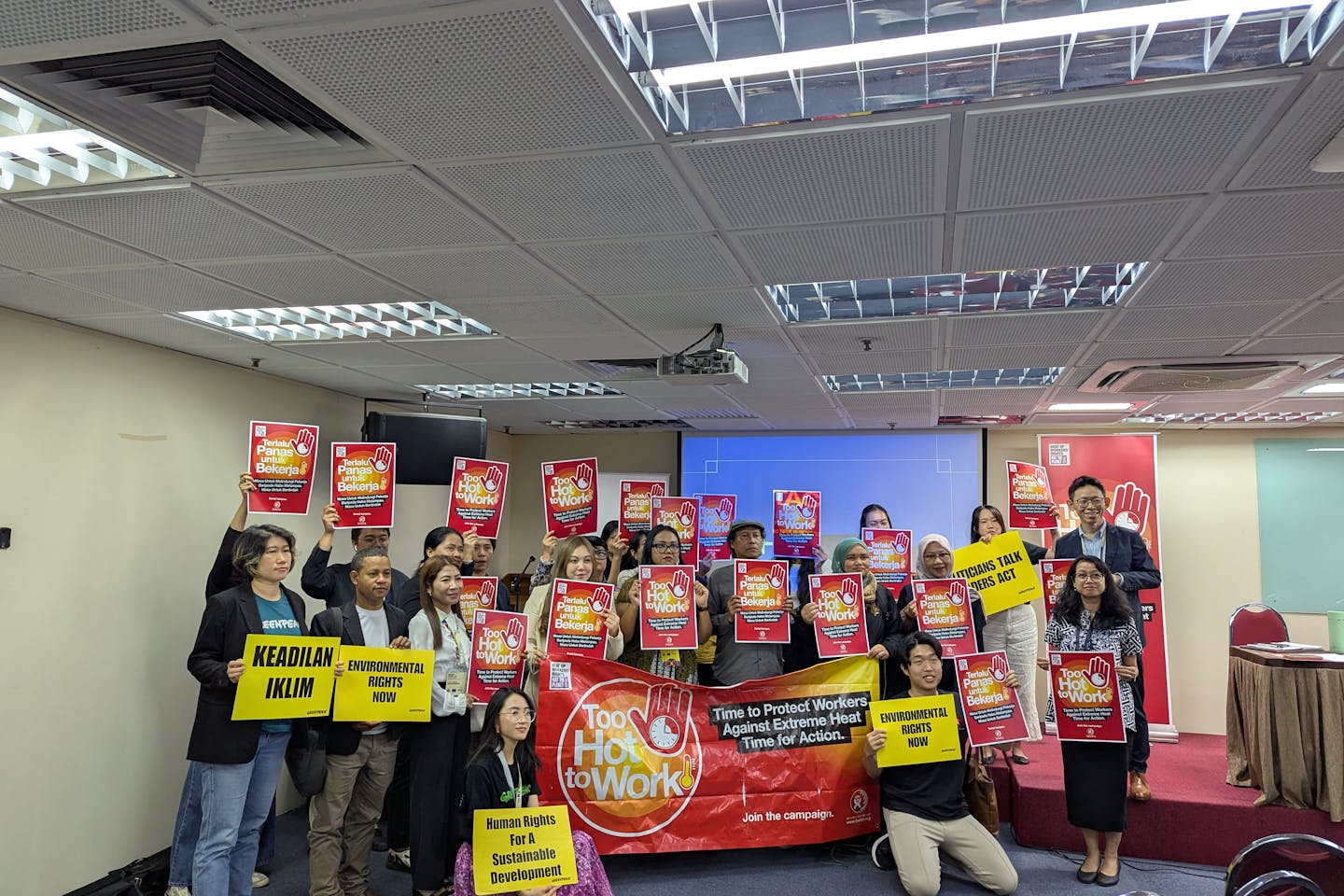
Civil society groups in ASEAN are calling for stronger environmental laws to hold businesses accountable for their negative impacts on the environment and public health. At the ASEAN Peoples Forum 2025, participants highlighted the urgent need for binding regulations to tackle issues like transboundary pollution from mining and agricultural burning. They cited ongoing environmental crises, such as haze affecting millions and contamination of water sources in the Mekong River Basin. Activists argue that current voluntary commitments are insufficient, urging leaders to adopt strict laws based on the "polluter pays" principle to protect ecosystems and communities.
Antarctica, Indonesia, Singapore, Thailand
Civil society groups urge Asean leaders to implement stronger laws to combat environmental destruction
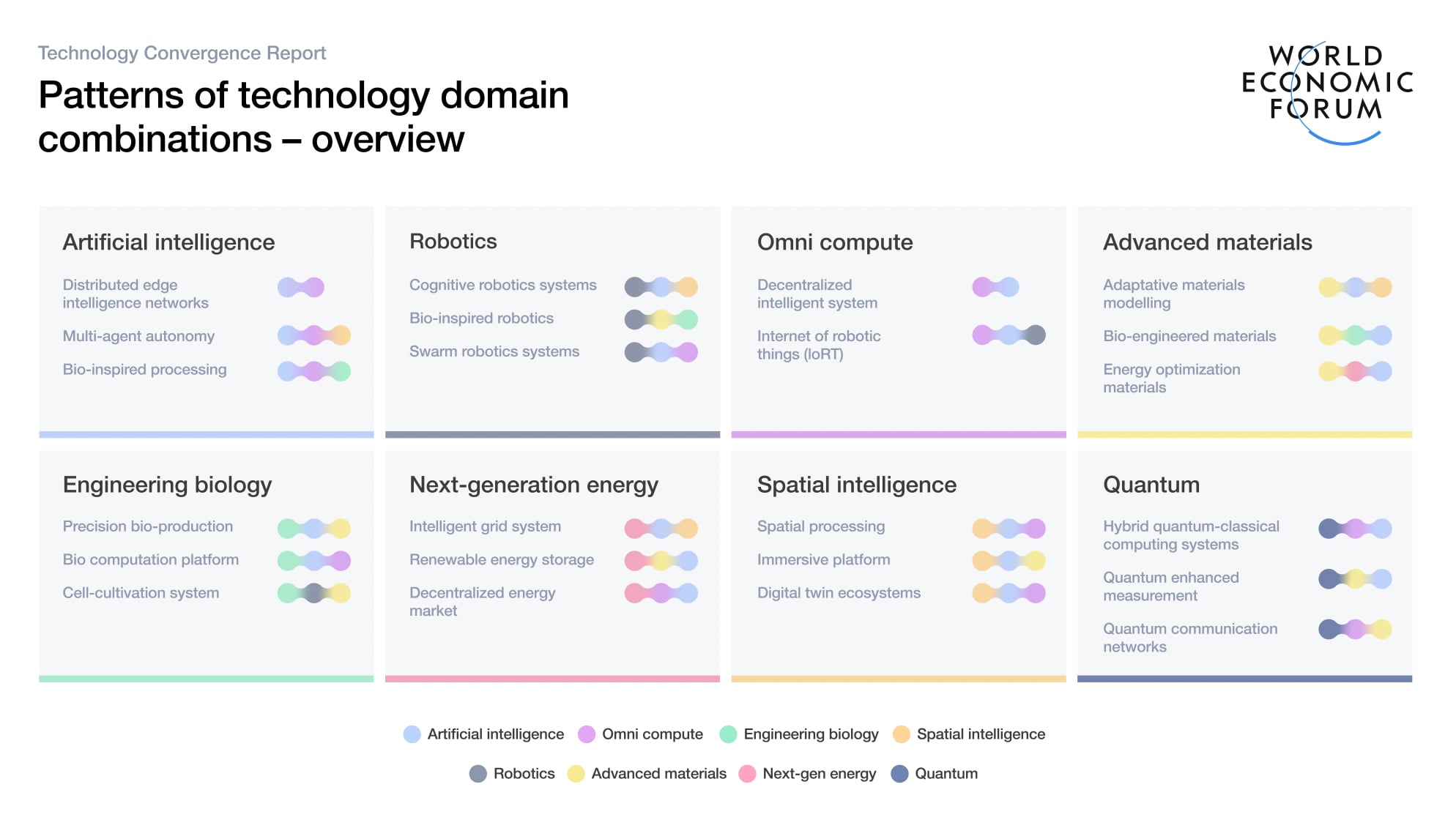
The Technology Convergence Report by the World Economic Forum explores the impact of eight foundational technologies—Artificial Intelligence, Omni Computing, Engineering Biology, Spatial Intelligence, Robotics, Advanced Materials, Next-generation Energy, and Quantum Technology—on creating new value chains. It introduces the 3C Framework, which helps organizations identify technology pairings for integration (Combination), participation in new value chains (Convergence), and exponential adoption (Compounding). Examples, such as electric vehicles and robotics, illustrate how firms are leveraging this convergence to drive innovation and operational efficiency across industries.
Tanzania | Education, ICT
8 technologies, '3Cs' and one new innovation paradigm: How converging tech is redefining value chains
Serbia and Israel are developing innovative bioeconomies through strategic investment and technological integration. Serbia focuses on digital infrastructure and biotechnology, highlighted by the BIO4 Campus, a future biotech hub. Israel prioritizes bioconvergence, merging biology, engineering, and computation. The collaborative white paper includes case studies demonstrating how regulatory innovation, talent cultivation, and market facilitation convert scientific advances into socioeconomic benefits. It provides insights into policy development and ecosystem building, serving as a roadmap for stakeholders aiming to foster a sustainable bio-based economy.
Bosnia and Herzegovina, Israel, Montenegro, Serbia | ICT
Pathways to Bioeconomy and Bioconvergence: Perspectives from Serbia and Israel
The collection of essays from the Carnegie Endowment for International Peace examines how local actors engage with the evolving digital landscape. Key topics include Lillian Nalwoga's analysis of Starlink's impact in Africa, stressing the importance of regulatory frameworks. Jonathan Corpus Ong and Dean Jackson address counter-disinformation funding discrepancies, advocating for better-aligned strategies. Janjira Sombatpoonsiri discusses local involvement in foreign influence operations in Southeast Asia, highlighting financial incentives and power dynamics. The essays delve further into digital repression, national strategies, and pressing tech policy questions.
Angola, Egypt, Ethiopia, Kenya, Mali, Senegal, South Africa, Tanzania, Uganda | Financial services, Health, ICT
Digital Democracy in a Divided Global Landscape

Governance of frontier technologies is crucial as emerging tech rapidly evolves, influenced by geopolitical tensions and trade conflicts. Unregulated technologies pose risks, such as algorithmic errors and dual-use applications, potentially leading to crises. Current governance efforts, like the Political Declaration on Responsible Military Use of Artificial Intelligence, remain voluntary and insufficient. The private sector drives innovation, yet regulation lags, leaving gaps in accountability. Effective governance can enhance global trust, resilience, and strategic advantage, emphasizing that regulation is essential for market access and long-term stability in an increasingly fragmented world.
Financial services, Health, ICT, Education
Why frontier technology governance is essential in an increasingly fragmented world
Ukrainian forces executed a successful drone strike, Operation Spiderweb, on June 1 against five Russian airbases, damaging or destroying over 40 aircraft. The operation, planned over 18 months, involved the use of adapted first-person-view drones launched from within Russia. It revealed systemic vulnerabilities in air defense, demonstrating how low-level drone attacks can exploit gaps in surveillance and response capabilities. The attack's effectiveness hinged on meticulous planning and flexibility rather than the drones' individual capabilities, underscoring a significant shift in threats to airspace security that requires a reevaluation of defense strategies.
Ukraine drone strikes on Russian airbase reveal any country is vulnerable to the same kind of attack
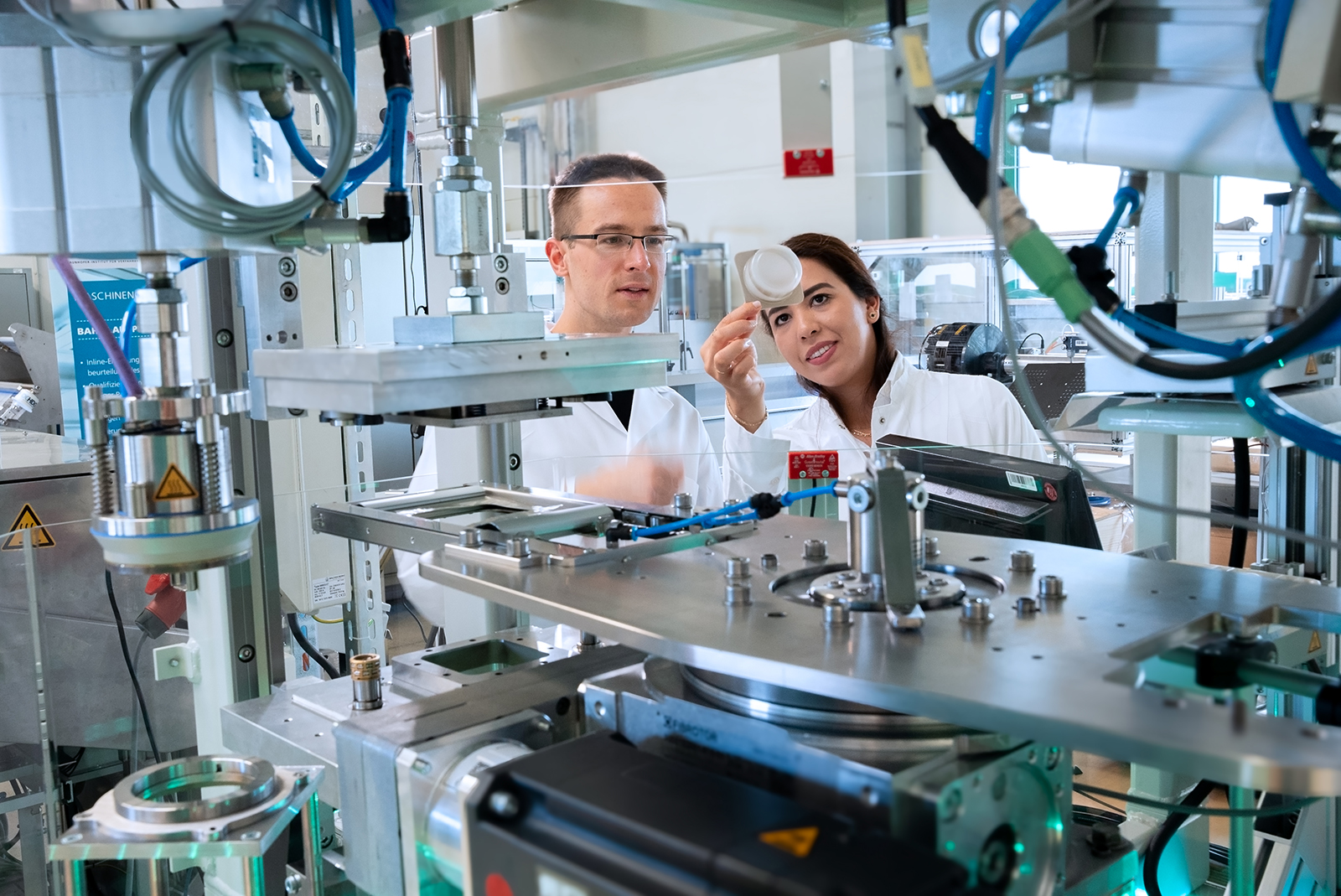
Researchers at the Fraunhofer Institute's KIOptiPack lab, along with 51 industry partners, are developing AI-driven tools and a interconnected data space to optimize plastic packaging recycling. The initiative aims to enhance sustainability and minimize environmental impact by creating packaging that incorporates up to 35% recycled materials by 2030. AI tools will analyze and improve the quality of recycled plastics, facilitate systematic data sharing across the industry, and ensure optimal packaging designs. This collective effort seeks to address the projected 30% gap between the supply and demand for recycled plastics by 2030.
AI: A Game Changer for Plastic Packaging
Satellite-based electro-optical (EO) sensors are essential for enhancing missile attack detection and response times in the evolving security landscape of Europe and NATO. These sensors detect missile launches via infrared signals, enabling faster countermeasure initiation. The Fraunhofer Institute is developing these technologies with a focus on optimizing sensor design for various environmental conditions. Successful sensor operation requires careful consideration of factors like the infrared wavelength and background signal strength. Existing EO sensors have been implemented, such as in the ERNST research satellite, set to demonstrate missile detection capabilities from orbit.
Improved Protection Against Missile Attacks