Publications

INSIGHT REPORT

Pioneering the Future: Space

Technologies Poised to Revolutionize

Exploration and Economy by 2035

September 2026

FACTSHEETS

Pioneering the Future: Space

Technologies Poised to Revolutionize Exploration and Economy by 2035

June 2026

WHITE PAPER

Future of Space Law:

Operationalizing Space Governance

March 2026

REPORT

Clear Orbit, Secure Future:

 A Call to Action on Space Debris

Jan 2026

WHITE PAPER

The Future of Space Law

Insights from the ATS, UNCLOS, and ITU Frameworks

December 2025

WHITE PAPER

The Future of Space Law: 

The Evolving Dynamics of Air and Space Regulation

 September  2025

The Future Of Space Law

News

Centre for Space Futures, Novaspace and SpaceTech Gulf  Sign Agreement to Develop Global Space Capability Mapping Dashboard

Riyadh, Saudi Arabia , 23 Jun 2026|  Press Release

Clear Orbit, Secure Future: A Call to Action on Space Debris

Riyadh, Saudi Arabia, 26 Jan 2026 | Press Release

Centre for Space Futures Holds Workshop with Participation of 40 Global Experts

Riyadh, Saudi Arabia, 05 Dec 2025 | Press Release

Centre for Space Futures Releases White Paper on 'The Future of Space Law'

Riyadh, Saudi Arabia, 12 Sep 2025 | Press Release

The Board of Directors of the Centre for Space Futures Endorses Its Strategic Direction

Riyadh, Saudi Arabia, 26 May 2025 | Press Release

Saudi Space Agency to Launch the Centre for Space Futures with the World Economic Forum

Riyadh, Saudi Arabia, 29 April | Press Release

5 ways we can tackle growing risks from rocket bodies in orbit

Dec 09, 2025 | Economic Growth, Stories

Read More

Forum Agenda

Forum Videos

VIDEO

Press Conference: Centre for Space Futures in Riyadh

The World Economic Forum's Special Meeting, April 29, 2024

VIDEO

The Purpose of Astronauts at Davos 2024

World Economic Forum , March 9, 2024

VIDEO

PortWatch: Monitoring Trade Disruptions from Space

World Economic Forum , Dec 18, 2023

VIDEO

India's Moon Mission Triumph: Ambassador Ruchira Kamboj's Insights

World Economic Forum , Aug 23, 2023

VIDEO

Space Exploration is Back at Davos 2023

World Economic Forum , Feb 16, 2023

Forum Publications

Strategic Intelligence Insights

The landscape of international relations (IR) is influenced by seven interdependent forces, including technological advancements, non-state actors, new strategic domains, collective risks, transcultural historical tensions, and economic interdependence. A fundamental aspect is human nature, which traditional IR theories have speculated about without explicit understanding. This paper proposes Symbiotic Realism, integrating life sciences with realist IR theory. It emphasizes the need for national interests to align with transnational and transplanetary goals through pragmatic, symbiotic, and non-conflictual approaches, fostering sustainable and peaceful relations amid changing global dynamics.
Indonesia, Jordan, Russian Federation, Singapore | Health
Symbiotic Realism: a transdisciplinary approach to understanding international relations
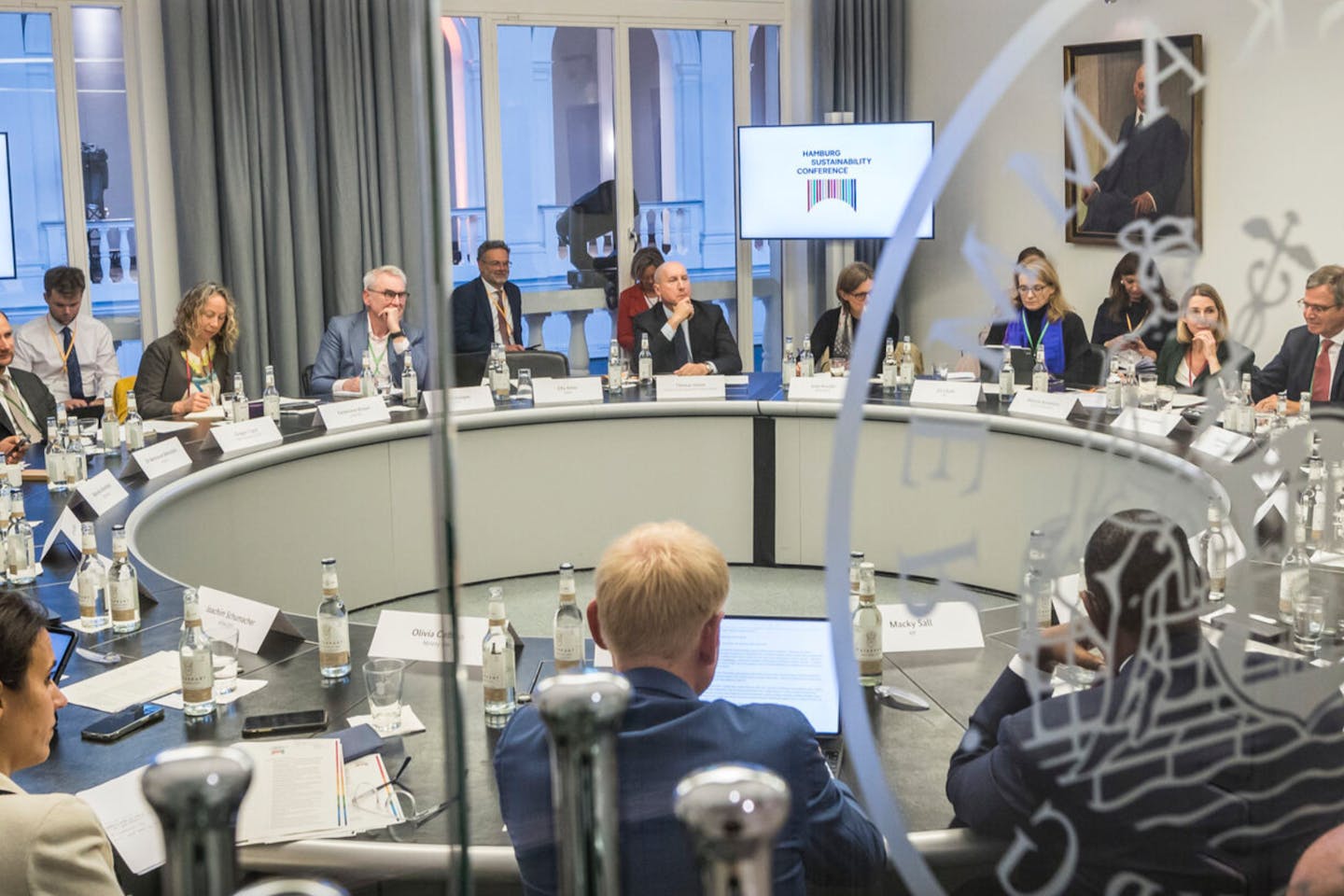
Henry Alt-Haaker, managing director of the Hamburg Sustainability Conference, emphasizes the urgent need for structural reform in blended finance due to declining development aid, which threatens the ability to de-risk projects. To address this, a new Asia-Pacific Blended Finance Community of Practice will launch, aimed at enhancing collaboration and deal origination in the region. Despite macroeconomic challenges, blended finance volumes remain stable, but diminishing foreign aid, especially from USAID, puts pressure on future initiatives. The conference will explore innovative financing mechanisms and advance discussions on systemic barriers in blended finance.
Germany | Financial services, Education, Health
Blended finance must evolve to do more with less: Hamburg Sustainability Conference head
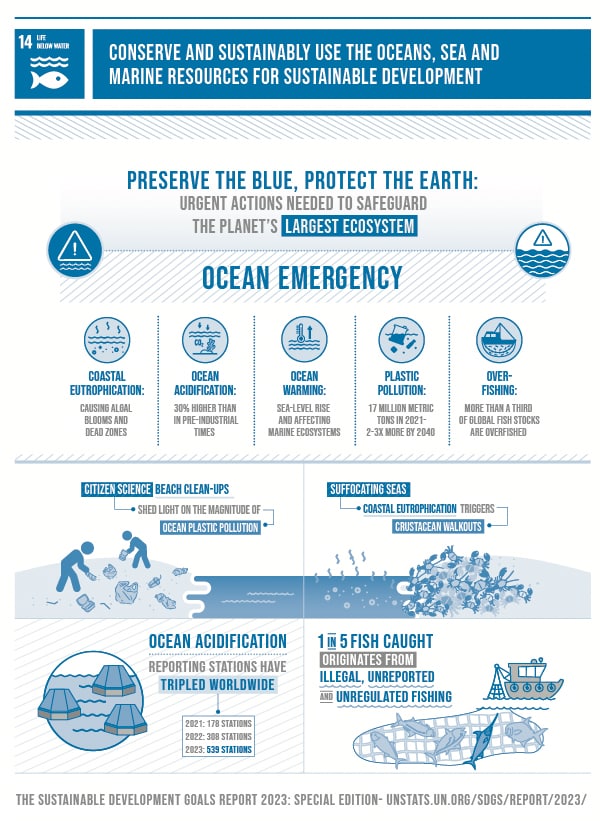
The ocean, the largest ecosystem on Earth, is facing urgent threats like overfishing, plastic pollution, and ocean acidification. The upcoming UN Ocean Conference in June 2025 aims to address these issues under Sustainable Development Goal 14, focusing on the ocean's conservation and sustainable use. Protecting ocean health is crucial for global food security, trade, and employment, with over 100 million jobs linked to the ocean economy. The sector's growth risks reversal without proactive policies that ensure marine ecosystem sustainability, highlighting the ocean's vital role in both environmental and economic wellbeing.
Antarctica | Health
This is why saving the ocean isn’t just an environmental imperative

Global trade disruptions and sustainability pressures are driving the demand for resilient, bio-based industries. Over 50 national bioeconomy strategies exist, but many lack actionable implementation plans, leading to a gap between technological advancement and commercialization. The report "From Policy to Practice" outlines 14 actionable recommendations across four pillars: regulation, incentives, financing, and education, tailored for regional adaptation. It includes case studies from Zambia to Japan, demonstrating how governments can stimulate private investment, enhance domestic manufacturing, and develop skilled workforces, ultimately leveraging bio-innovation for economic growth and national competitiveness.
Bangladesh, Barbados, Belgium, Benin, Bolivia, Botswana, Brunei Darussalam, Burkina Faso, Cape Verde, Ethiopia, Germany, Ghana, Indonesia, Japan, Kenya, Nigeria, Paraguay, Rwanda, Senegal, Tanzania, United Kingdom, Viet Nam | Financial services, Health, ICT, Education
From Policy to Practice: Actionable Recommendations for a Commercial Bioeconomy

Global trade disruptions and sustainability pressures necessitate resilient, bio-based industries. Despite over 50 national bioeconomy strategies, many lack actionable implementation plans. This report identifies a disconnect between rapid technological innovation and slow commercialization. It offers 14 policy recommendations across regulation, incentives, financing, and education, aimed at transforming a technology-push to a market-pull bioeconomy. Case studies demonstrate how governments can stimulate private investment, enhance domestic manufacturing, and create future-ready workforces, leveraging bio-innovation to foster economic growth and national competitiveness.
Financial services, ICT, Education
From Policy to Practice: Actionable Recommendations for a Commercial Bioeconomy

AI technology significantly impacts the environment through high energy and water consumption, contributing to greenhouse gas emissions. While its energy demands are escalating, particularly in data centers, AI also presents opportunities to aid in the shift towards a lower carbon economy. Various organizations, including Google and Microsoft, are taking measures to align operations with sustainability goals by investing in renewable energy and improving efficiency. With AI’s projected energy consumption poised to increase substantially in the coming years, it is crucial for businesses to adopt actionable strategies to mitigate its environmental footprint while continuing to innovate.
How AI use impacts the environment and what you can do about it

South Korea is the world's most productive industrial society, excelling in manufacturing and automation despite a declining birth rate, which poses a risk to future productivity. The country produces more per capita than larger nations, yet its fertility rate is critically low, suggesting a future population collapse. This trend reflects broader patterns in industrialized nations, impacting economies reliant on growing populations. While some argue advancements in automation and AI can replace human labor, these technologies serve as force multipliers rather than replacements. Without sufficient human labor, the potential for societal progress and ambitious goals may diminish.
Republic of Korea
The Megaproject Economy

NBS's May 2025 compilation highlights recent business sustainability research, focusing on in-press articles from the Financial Times Top 50 journals and other publications. Featured topics include entrepreneurship, ESG disclosure, gender inequality, and algorithmic management. Key book reviews discuss critical thinking in education, the implications of AI, and climate action strategies. The compilation serves as a comprehensive resource for the latest developments in sustainability research.
Financial services
Table of Contents: May 2025

Japan's small and medium-sized enterprises (SMEs), which constitute 99.7% of businesses and employ around 70% of the workforce, are facing significant labor shortages and high turnover rates. In response, the government is implementing initiatives to improve talent acquisition and retention through digital tools and subsidies. These tools aim to enhance HR management, streamline training, and expand skill development opportunities. Additionally, a five-year JPY 60 trillion investment plan has been announced to promote wage growth and productivity improvements. Public-private collaboration is essential for SMEs to effectively address workforce challenges.
Japan, Republic of Korea, Singapore | Education
How Japan’s SMEs can secure talent and build economic resilience
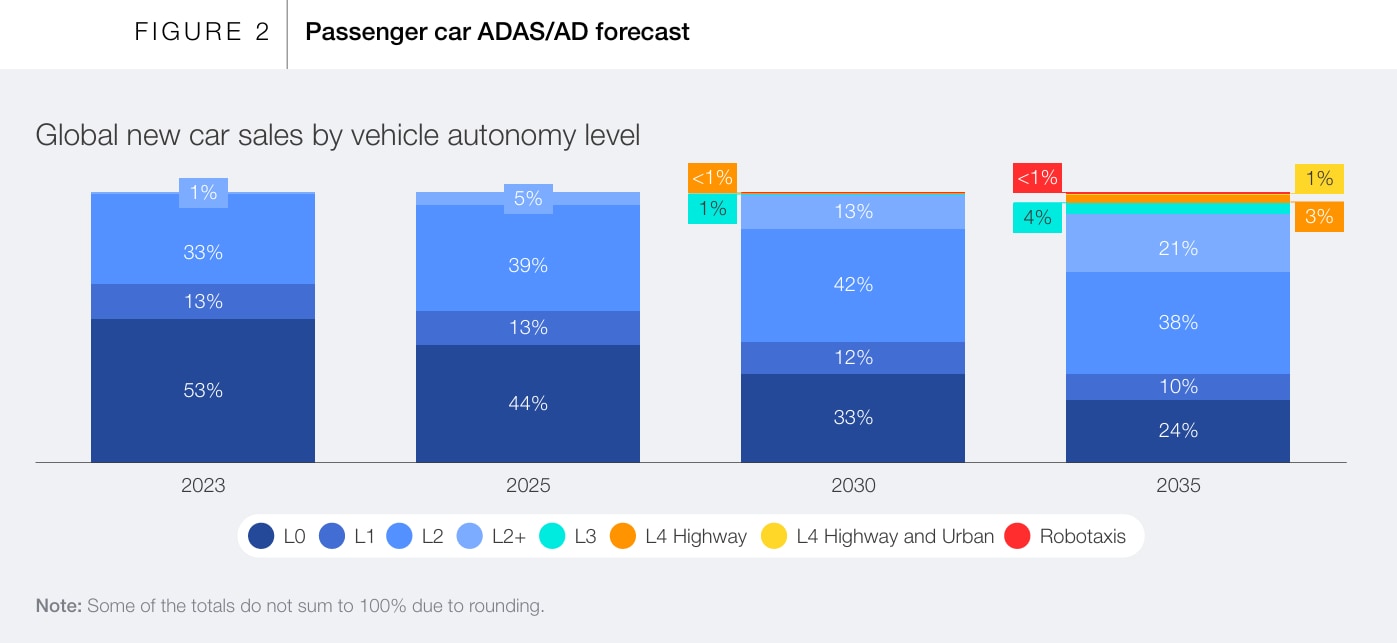
The United States and China are leading the global autonomous vehicle race, with advancements in personal vehicles, robotaxis, and autonomous trucks. The US government is expediting autonomous vehicle deployment by proposing regulations that relax certain safety requirements. According to a World Economic Forum white paper, personal vehicles will likely see incremental automation, mainly at levels L2 and L2+, with full autonomy not expected until after 2030. Robotaxis are expected to operate in 40 to 80 cities by 2035, predominantly in the US and China. Autonomous trucks promise efficiency improvements, particularly on fixed routes, with significant adoption anticipated in both regions.
ICT
Which countries are ahead in the global autonomous vehicle race?

Sustainability data has become as crucial as financial data for organizations, driving agility, competitive edge, and stakeholder trust. A recent survey found that 85% of executives are committed to sustainability disclosures, emphasizing the shift from compliance to strategic imperative. This evolving landscape necessitates a partnership between chief financial officers (CFOs) and chief sustainability officers (CSOs) to integrate sustainability into core business strategies. Key focus areas include sustainable business integration, aligning growth strategies with sustainability objectives, and leveraging technology for enhanced reporting. Companies that embrace this approach are better positioned for resilience in an uncertain market.
Financial services
Why sustainability data is as strategically important as financial data
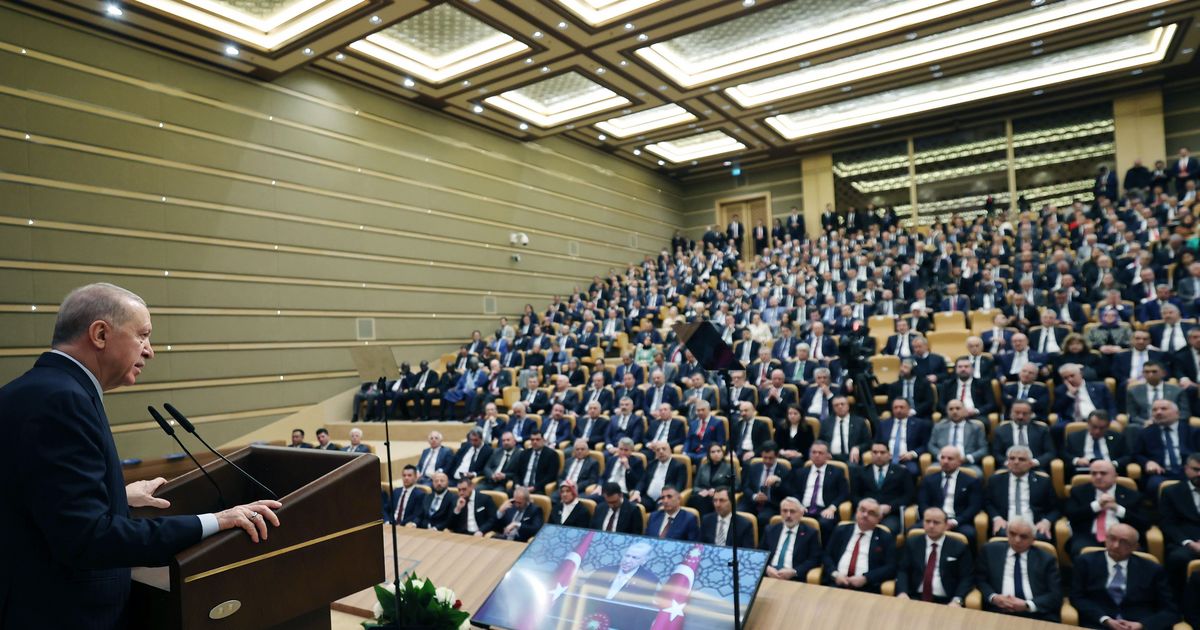
Turkey's "techno-nationalist" policies aim to establish the country as a leader in 21st-century innovation. Notable advancements include progress in the defense industry, the launch of a domestic electric vehicle (EV) brand, and plans for a space mission. However, Turkey struggles to create "native and national" alternatives in key technology sectors like AI and semiconductors, relying on international partners for development. The geopolitical landscape complicates these ambitions, particularly under U.S. trade policies, as Turkey navigates dependencies on American, Chinese, and EU technologies. The nation's historical desire for technological autonomy has resurfaced with the ruling AKP's initiatives and aspirations for strategic self-sufficiency in technology.
Egypt, Georgia, Germany, Indonesia, Taiwan, China, Tajikistan, Tanzania, Tunisia, Türkiye | Financial services, ICT, Education
The Trilemma of Turkish Techno-Nationalism

A new report by Ember reveals that Southeast Asia's data centres could fulfill 30% of their electricity demand with wind and solar by 2030. The surge in digital services is increasing power demand, yet fossil fuels dominate current energy sources. Key countries like Indonesia, Malaysia, and Singapore have significant renewable potential, while policies like renewable energy certificates (RECs) and power purchase agreements (PPAs) can facilitate clean energy adoption. However, with rising electricity needs driven by AI, additional measures, including battery storage and energy efficiency, are crucial to fully support the region's energy demands.
Singapore
A third of Southeast Asia’s data centres could be powered by renewable energy by 2030: study
Global temperatures have consistently exceeded the 1.5°C limit above pre-industrial levels for almost two years, primarily due to record-high greenhouse gas emissions. The World Meteorological Organization predicts temperatures will remain above this threshold for the rest of the decade, nearly reaching the Paris Agreement’s lower limit. Recent climate patterns, such as El Niño and La Niña, have been insufficient to cool the planet, with January 2025 marking the hottest on record. Projections suggest Earth could warm by 2.7°C by 2100 if emissions goals are met, raising concerns about humanity's ability to adapt to increasingly extreme climate conditions.
Climate change: no reprieve from heat this decade as globally agreed 1.5°C limit looms
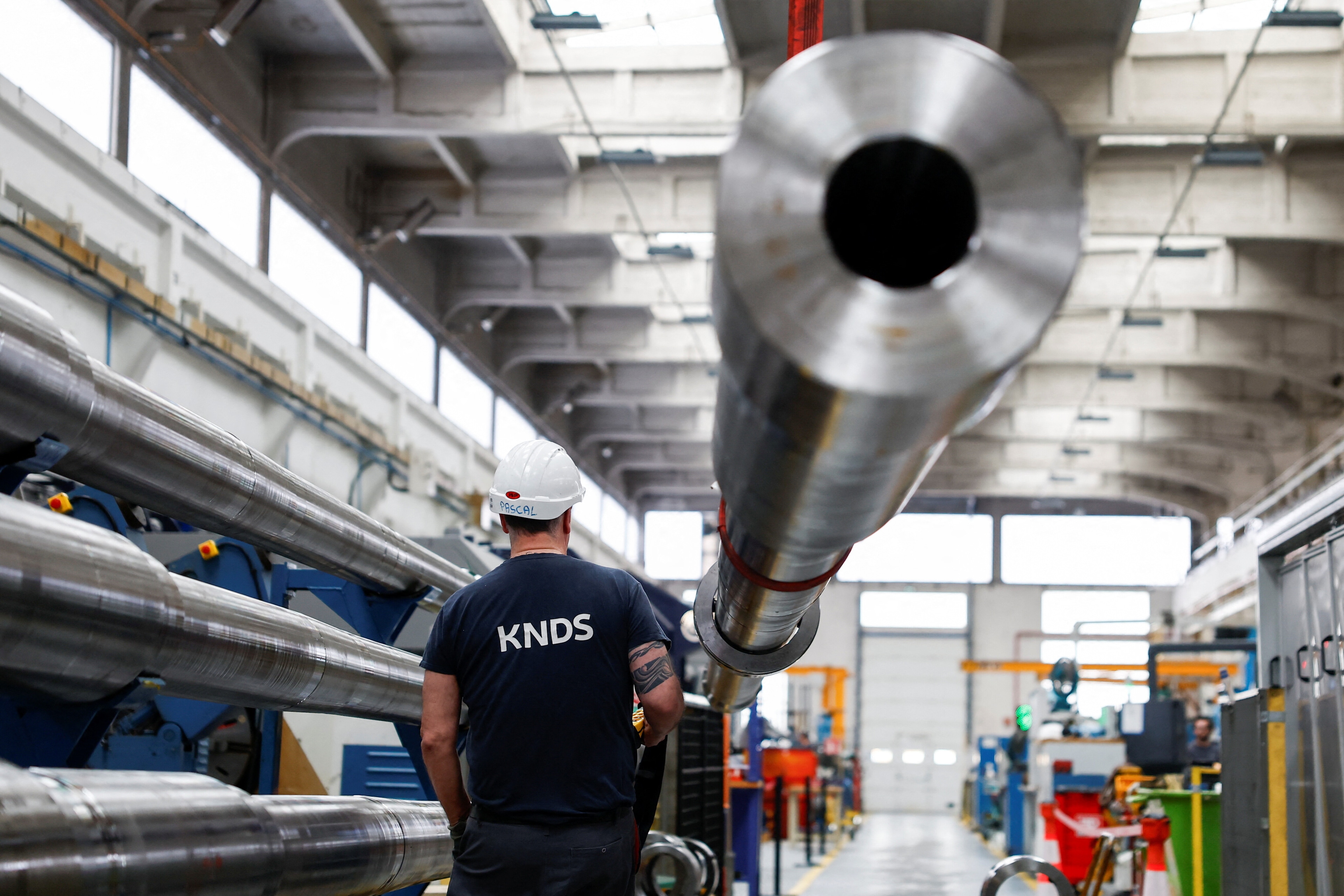
Global military spending has surged, drawing comparisons to Cold War levels, driven by rising geopolitical threats and faltering alliances. Economists suggest that governments will largely finance this defense spending increase through borrowing, with 86% of respondents to a recent survey anticipating more public debt, as opposed to tax increases. This trend comes amid warnings of public debt nearing 100% of GDP, exacerbated by high interest rates. European nations, significantly increasing their military budgets, face inevitable fiscal challenges, with projections suggesting that increased defense spending could yield broader economic benefits if aligned with domestic manufacturing and infrastructure.
Belgium, Germany, Russian Federation, South Africa, Switzerland, Ukraine, United Kingdom | Financial services, Health
Countries want to spend a lot more on defence, and these economists think they’ll pile up debt to do it
The Global Data Barometer (GDB) 2nd edition reveals that data is essential for societal functions and addressing global challenges but is increasingly hampered by constraints on access and quality. It tracks data governance across 43 countries, highlighting significant gaps between policy and implementation, underinvestment in skills and infrastructure, and the rapid pace of AI advancements outstripping governance frameworks. Open data efforts struggle due to resource limitations, while transparency tools and inclusive practices are lacking. Interoperability issues further hinder effective data use and policy impact evaluation.
Algeria, Angola, Bangladesh, Barbados, Belgium, Bolivia, Botswana, Burkina Faso, Chad, Colombia, Egypt, Ethiopia, Georgia, Germany, Ghana, Guinea, Indonesia, Ireland, Jordan, Kenya, Mali, Paraguay, Qatar, Republic of Korea, Rwanda, Senegal, Tanzania, Tunisia, United Arab Emirates, United Kingdom | Financial services, ICT, Health
The Global Data Barometer 2nd edition: A Shared Compass for Navigating the Data Landscape

Fabien Curto Millet, Google's Chief Economist, discusses the transformative impact of AI on the global economy, highlighting job disruption, energy demands, and increasing inequality. He emphasizes the need for organizations to prepare for uncertainties through proper scenario planning. Millet claims AI is the most significant technological shift of his lifetime, boosting productivity in various sectors. While AI adoption remains low, forecasts predict substantial GDP increases from its integration. He counters concerns about AI globally widening economic disparities, noting enthusiasm for AI in developing nations and its potential benefits in education. Additionally, he stresses advancements in data center efficiency to address rising energy demands.
Absolutely formidable: Google’s chief economist on the impact of AI

A major blackout that occurred on April 28 affected much of the Iberian Peninsula, with investigations identifying Granada as the primary failure point causing a loss of 2.2 gigawatts. The outage disrupted numerous services and events, though cyberattacks were ruled out as a cause. Meanwhile, global electric vehicle sales surged by 30% in April, indicating a strong market shift toward EV adoption, despite challenges in regulations and supply chains. Other developments include ongoing airport expansions in Singapore and Casablanca, protests against overtourism in the Canary Islands, and severe flooding in Argentina.
Burkina Faso, Egypt, Ghana, Spain, United Arab Emirates | Financial services, Health
Iberian Peninsula blackout – and other urban transformation stories to read this month

Global challenges such as climate change, conflict, and disease require collective solutions that transcend national boundaries. International cooperation is vital to reconcile national and global interests, despite often being subject to polarized debates. The inaugural edition of Global South Perspectives provides a platform for researchers from the Global South to propose actionable, locally grounded solutions to these global issues, contributing to the restructuring of international cooperation.
Ethiopia, Ghana, Nigeria, Republic of Korea, South Africa, United Kingdom | ICT, Financial services, Education, Health
Global South Insights for a changing World
The search for extraterrestrial life is marked by cautious optimism, highlighted by recent claims of strong evidence for life on the exoplanet K2-18 b. Scientists detected gases in its atmosphere, including compounds produced exclusively by living organisms on Earth. However, the scientific community urges caution, emphasizing the distinction between detection and attribution. The methods used to identify these gases are sophisticated but not infallible, subject to potential misinterpretation. The rigorous scrutiny seen in fields like climate science underscores the necessity for repeated observations and thorough analysis before declaring evidence of alien life.
Is the bar higher for scientific claims of alien life?