
Publications

INSIGHT REPORT

Pioneering the Future: Space

Technologies Poised to Revolutionize

Exploration and Economy by 2035

September 2026

FACTSHEETS

Pioneering the Future: Space

Technologies Poised to Revolutionize Exploration and Economy by 2035

June 2026

WHITE PAPER

Future of Space Law:

Operationalizing Space Governance

March 2026

REPORT

Clear Orbit, Secure Future:

 A Call to Action on Space Debris

Jan 2026

WHITE PAPER

The Future of Space Law

Insights from the ATS, UNCLOS, and ITU Frameworks

December 2025

WHITE PAPER

The Future of Space Law: 

The Evolving Dynamics of Air and Space Regulation

 September  2025

The Future Of Space Law

News

Centre for Space Futures, Novaspace and SpaceTech Gulf  Sign Agreement to Develop Global Space Capability Mapping Dashboard

Riyadh, Saudi Arabia , 23 Jun 2026|  Press Release

Clear Orbit, Secure Future: A Call to Action on Space Debris

Riyadh, Saudi Arabia, 26 Jan 2026 | Press Release

Centre for Space Futures Holds Workshop with Participation of 40 Global Experts

Riyadh, Saudi Arabia, 05 Dec 2025 | Press Release

Centre for Space Futures Releases White Paper on 'The Future of Space Law'

Riyadh, Saudi Arabia, 12 Sep 2025 | Press Release

The Board of Directors of the Centre for Space Futures Endorses Its Strategic Direction

Riyadh, Saudi Arabia, 26 May 2025 | Press Release

Saudi Space Agency to Launch the Centre for Space Futures with the World Economic Forum

Riyadh, Saudi Arabia, 29 April | Press Release

5 ways we can tackle growing risks from rocket bodies in orbit

Dec 09, 2025 | Economic Growth, Stories

Read More

Forum Agenda

Forum Videos

VIDEO

Press Conference: Centre for Space Futures in Riyadh

The World Economic Forum's Special Meeting, April 29, 2024

VIDEO

The Purpose of Astronauts at Davos 2024

World Economic Forum , March 9, 2024

VIDEO

PortWatch: Monitoring Trade Disruptions from Space

World Economic Forum , Dec 18, 2023

VIDEO

India's Moon Mission Triumph: Ambassador Ruchira Kamboj's Insights

World Economic Forum , Aug 23, 2023

VIDEO

Space Exploration is Back at Davos 2023

World Economic Forum , Feb 16, 2023

Forum Publications

Strategic Intelligence Insights

The May 2025 Chief Economists Outlook analyzes global economic trends, focusing on growth, inflation, and monetary and fiscal policy amidst significant volatility and uncertainty. The report indicates a deteriorating growth outlook, with North America facing weak prospects, Asia-Pacific displaying resilience, and Europe showing cautious optimism due to shifts in the geoeconomic landscape. It further explores the ongoing AI revolution, emphasizing its potential to foster growth while also presenting serious risks. Organizations are encouraged to integrate technological advancements with an understanding of broader economic dynamics for sustained resilience and expansion.
Australia, Bolivia, Chile, Egypt, Ethiopia, Germany, Ghana, India, Indonesia, Japan, Kenya, Malaysia, Nigeria, Paraguay, Peru, Philippines, Republic of Korea, Russian Federation, South Africa, Switzerland, Tanzania, Thailand, Ukraine, United Arab Emirates, United Kingdom | Financial services, ICT
Chief Economists Outlook: May 2025
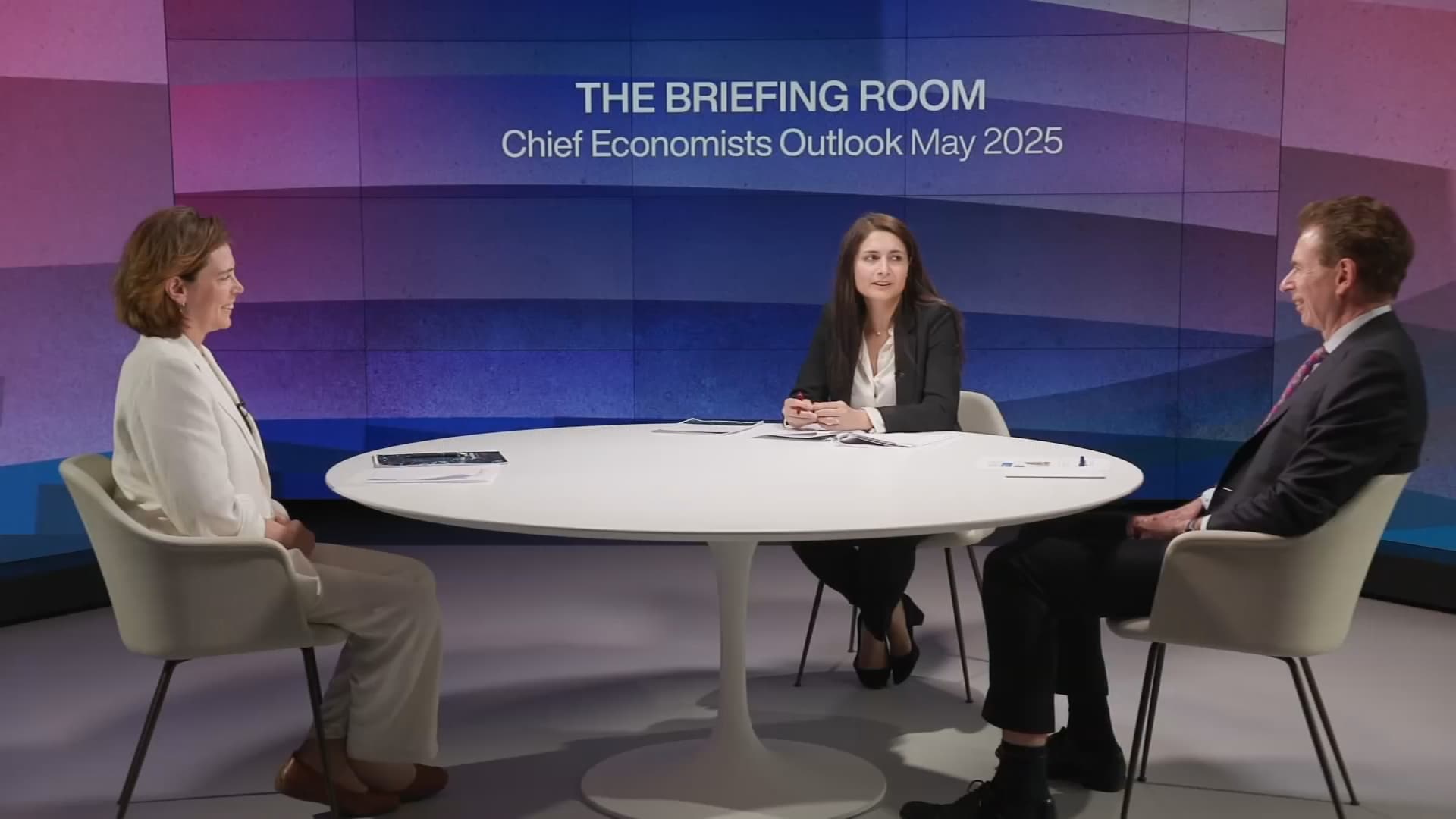
Chief economists predict a weaker global economy, with all surveyed anticipating long-term changes in US trade policies. Shifting superfundamentals, such as increasing tariffs and technological disruptions, heighten economic uncertainty. Notably, 79% of economists view recent US policy changes as structural rather than temporary, leading to concerns about investment and consumption due to erratic economic conditions. While Europe and China show signs of improvement, rising inflation and a weakening dollar are expected in the US. An overarching theme of uncertainty, including in legal and democratic realms, complicates future economic predictions.
Burkina Faso, Colombia, Djibouti, Egypt, Ethiopia, Germany, Ghana, India, Indonesia, Japan, Jordan, Kenya, Malaysia, Pakistan, Peru, Philippines, Republic of Korea, Russian Federation, Rwanda, South Africa, Switzerland, Taiwan, China, Tanzania, Thailand, Tunisia, Ukraine, United Arab Emirates, United Kingdom | ICT, Financial services, Education
When the foundations shift and the outlook darkens: The briefing room

Uncertainty is currently the dominant theme in the global economy, with 82% of chief economists reporting very high levels of uncertainty, primarily due to recent trade policy disruptions. While there are weak growth prospects in North America, resilience is noted in Asia-Pacific, and cautious optimism exists for Europe. Artificial intelligence is expected to stimulate growth, yet nearly half of the economists foresee net job losses related to it. Most anticipate businesses will delay strategic decisions, which may further increase recession risks. The report suggests a significant structural shift in the global economy necessitating proactive adaptation and strategic agility amidst these challenges.
Chile, Egypt, Ethiopia, Germany, Ghana, India, Indonesia, Ireland, Japan, Jordan, Kenya, Malaysia, Peru, Philippines, Russian Federation, Switzerland, Tanzania, Thailand, Tunisia, Ukraine, United Arab Emirates, United Kingdom | Financial services, ICT
‘Uncertainty’ is the watchword as chief economists assess the state of the global economy

Business leaders must advocate for science-aligned climate policies to counter misinformation and support the transition to sustainable practices. As climate change poses risks, businesses are shifting to greener models, realizing both climate and financial benefits. Policy incentives such as subsidies are critical for these transitions. Yet, misinformation from vested interests hampers effective policymaking. Collaboration between businesses, civil society, and scientific experts is vital to promote accurate information and advocate for robust, science-based policies. By doing so, businesses can mitigate risks and foster a transition to a low-emission economy, ensuring long-term prosperity.
Nigeria | Financial services, ICT, Health
Why business leaders should advocate for science-aligned climate policy

Japan, South Korea, and Taiwan have integrated startups as fundamental components of both economic growth and national security. Robyn Klingler-Vidra and Ramon Pacheco Pardo highlight how these countries foster collaboration between startups and large firms through sustained government support. This critical integration contrasts with Europe’s disjointed approach, where startups are often treated as peripheral to security and economic policies. To enhance its strategic autonomy and resilience, Europe should embrace a whole-of-system strategy that embeds startups in national security frameworks, drawing lessons from Northeast Asia’s methods of fostering dual-use innovation.
Finland, Germany, Indonesia, Japan, Kenya, Philippines, Republic of Korea, Russian Federation, Rwanda, Senegal, Ukraine, United Kingdom | Financial services, ICT, Education
Startups and national security – lessons from Northeast Asia for Europe

Southeast Asian countries are advancing the ASEAN Power Grid, highlighted by a recent agreement involving Malaysia, Singapore, and Vietnam to explore undersea renewable energy cables. However, the growing demand for energy-intensive data centres driven by AI is altering electricity consumption patterns and complicating load forecasting. For example, while data centres consume under 2% of total power in China, they have caused a 50% load increase in Laos. With Southeast Asia's data centre electricity demand expected to more than double by 2030, technology firms like Google are focused on securing renewable energy sources for their operations to reduce costs and support sustainability.
Egypt, Ghana, India, Indonesia, Malaysia, Senegal, Thailand | Financial services
Data centres are reshaping the ASEAN Power Grid's forecasts, say global financiers
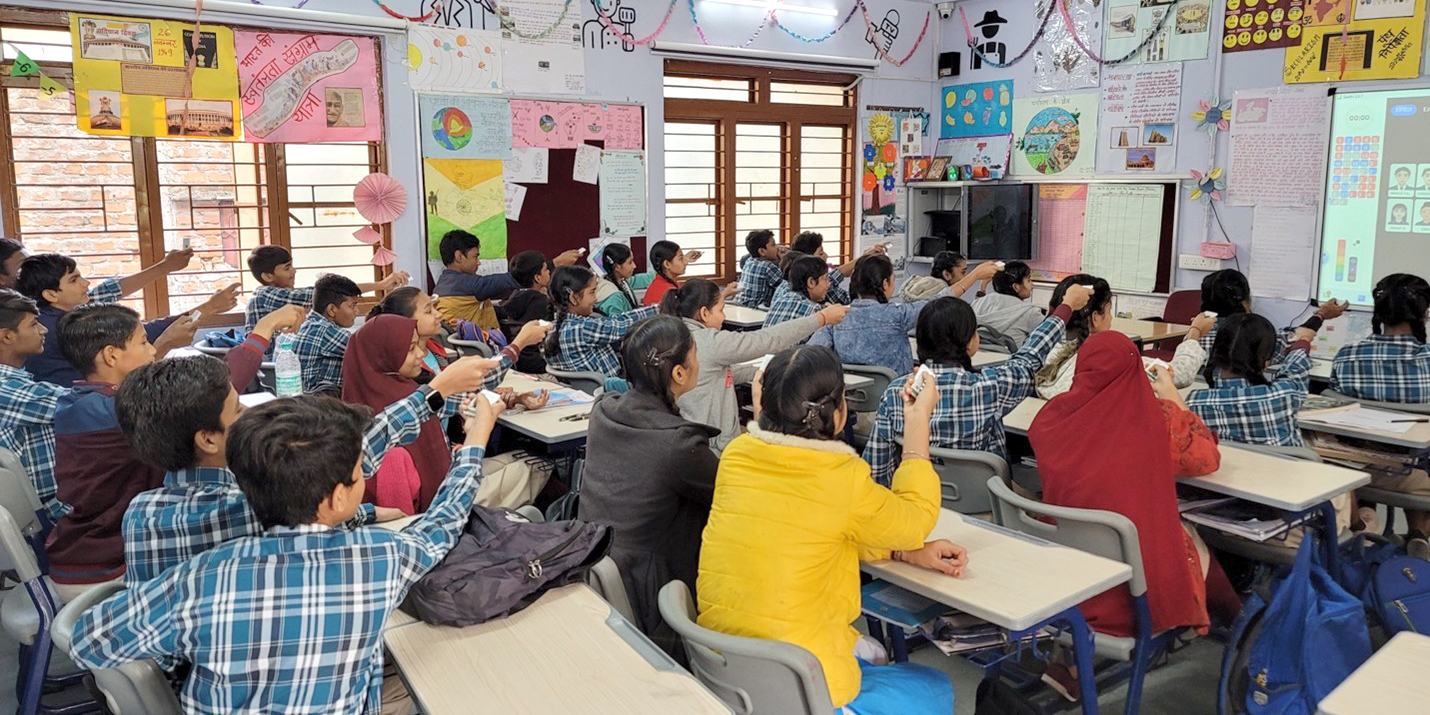
Education is hindered by significant challenges, especially in low-income regions, where access to quality learning remains limited. Over 85% of early-grade students in sub-Saharan Africa struggle with basic literacy. Solutions include interactive and student-centered teaching methods, adaptive assessments, and government partnerships that tailor content to local contexts. Successful initiatives like Pratham's Read India and Kenya's Tusome project highlight the effectiveness of engaging students and employing technology. To overcome barriers, investments in infrastructure, educator training, and collaborative efforts are essential for a resilient and inclusive educational framework.
Bangladesh, South Africa | Financial services, Health, Education
Closing Learning Gaps Through Scalable and Innovative Solutions
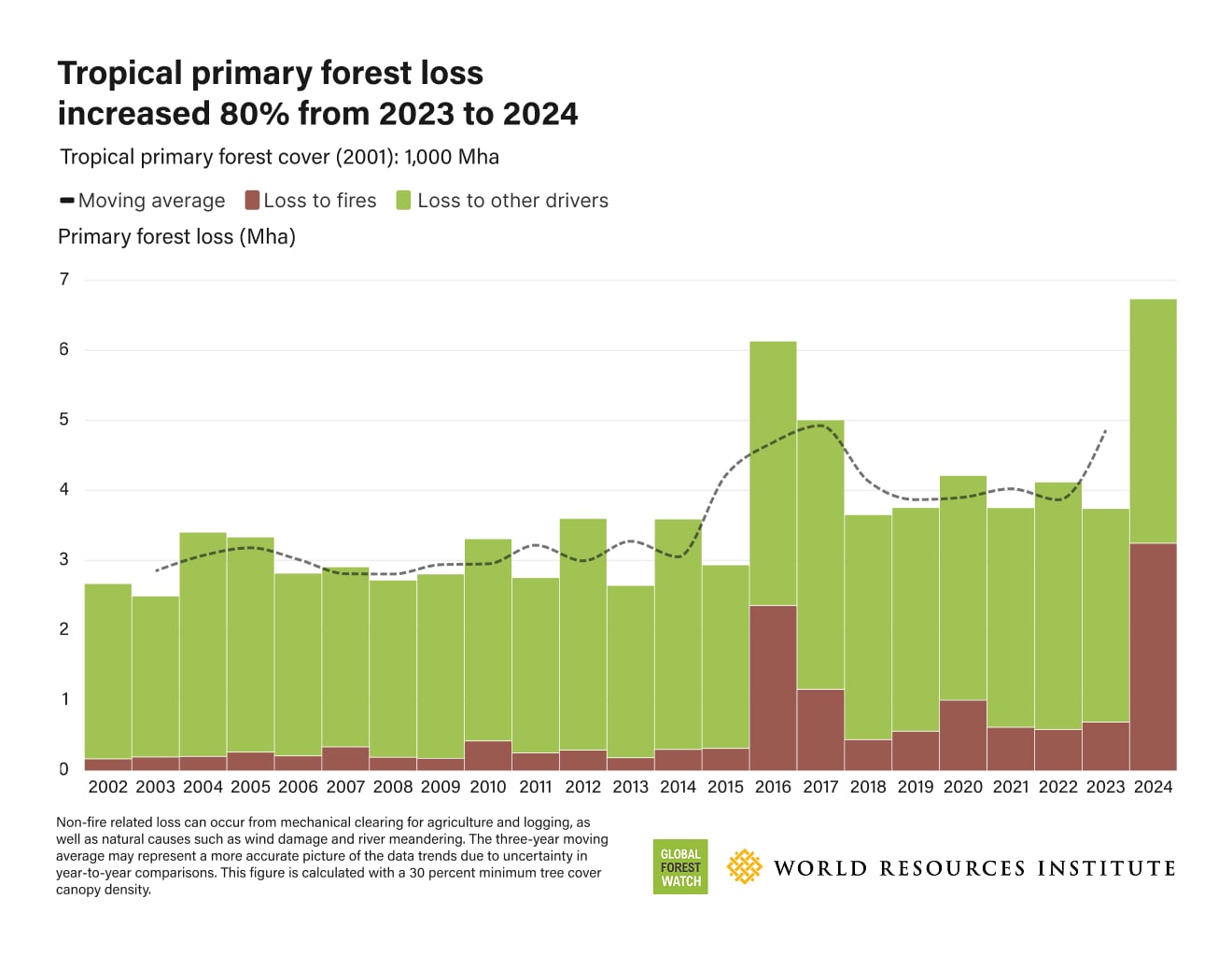
Tropical forests experienced unprecedented loss in 2024, with 6.7 million hectares destroyed, largely due to human-caused fires, resulting in significant greenhouse gas emissions. This loss is nearly double the rate seen in 2023 and emphasizes the urgent need for tailored solutions to combat forest degradation. Additionally, rising sea levels, driven largely by the melting of ice sheets, threaten significant inland migration and could exceed 1cm annually, asking for improved coastal defenses. Other updates include China's financial support for agricultural disaster relief and a warning about extreme weather impacts on EU agriculture.
Nigeria
Tropical forest loss at record rate in 2024, and other nature and climate news
AI is rapidly transforming industries, underscoring the necessity for effective regulation to address safety, privacy, and ethical concerns. Global leaders face challenges in creating a unified regulatory framework amid diverse approaches, such as the EU’s comprehensive rules, the US’s self-regulation, and China’s government-led initiatives. While AI enhances sectors like healthcare and finance, unchecked development risks social inequality and diminished trust. Effective regulation must balance innovation with oversight, promoting responsible use without hindering economic growth. The UK aims for a flexible regulatory approach to foster investment while maintaining ethical standards in AI development.
Financial services, ICT, Education
Regulating AI seems like an impossible task, but ethically and economically, it’s a vital one
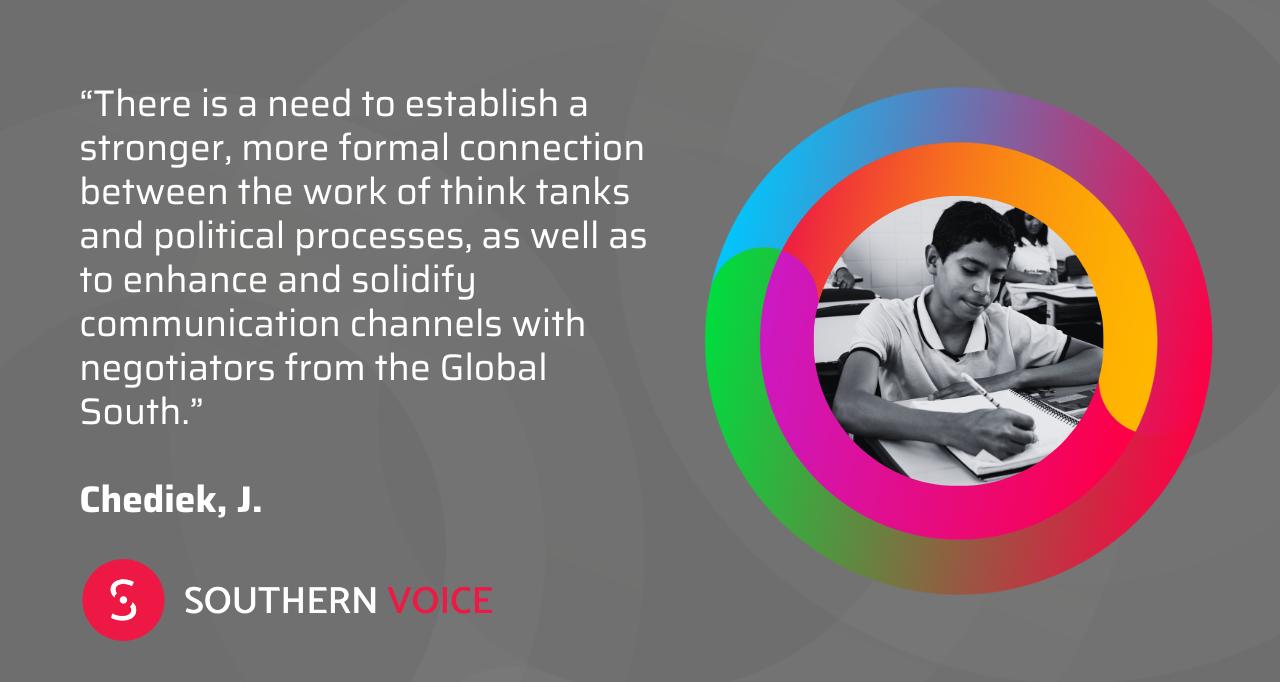
The multilateral development agenda faces increasing complexity, requiring updated responses to interconnected challenges like finance, climate change, and technology. Think tanks from the Global South play a vital role by conducting targeted research, enhancing connections with negotiators, and advocating for innovative proposals beyond existing frameworks. Strengthening funding mechanisms and leveraging existing networks are crucial for effective contributions that benefit communities in the Global South.
South Africa, Tanzania | Financial services, Education, Health
Think Tanks from the Global South: Opportunities to make a difference to the Global Agenda

Africa faces a significant challenge in achieving economic growth and industrialization without relying on carbon-intensive resources, as expected by global climate agreements and donor conditionalities. Despite contributing only 4-5% of global emissions, Africa is tasked with lifting a vast population out of poverty while struggling with energy poverty and outdated infrastructure. Historical data shows that developed nations grew wealthy through fossil fuels, creating an inequity in expectations for Africa to leap directly to low-carbon development. The African Common Position on Climate Change emphasizes the continent's rights to development and equitable access to financing and technology. Without substantial international support, expecting Africa to decouple growth from emissions is deemed unrealistic.
Burkina Faso, Canada, Denmark, Egypt, Ethiopia, France, Germany, Ghana, India, Indonesia, Ireland, Jordan, Kenya, Mauritius, Morocco, Mozambique, Nigeria, Norway, Portugal, Republic of Korea, Rwanda, Senegal, South Africa, Tanzania, Tunisia, Ukraine, United Kingdom | Financial services
Too dirty to fund and too poor to leap: Africa’s decarbonisation dilemma
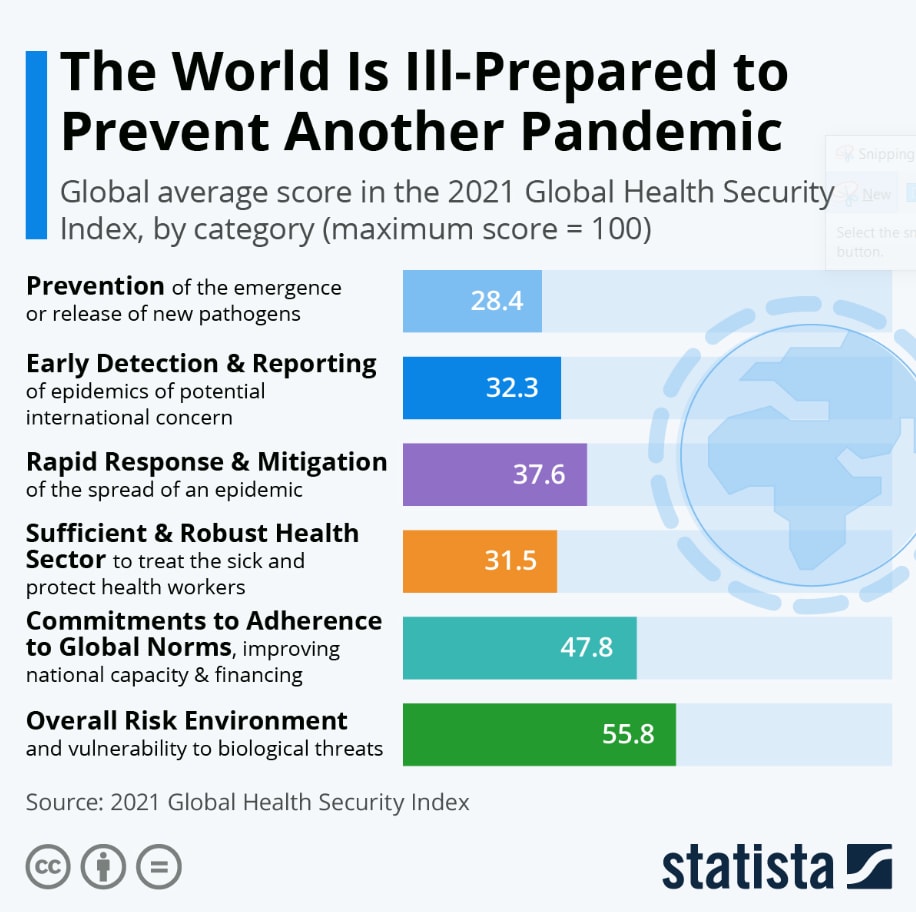
124 countries have adopted a World Health Organization (WHO) pandemic agreement aimed at enhancing international cooperation for pandemic prevention and equitable access to health resources. The United States opted out, raising concerns about the pact’s global effectiveness. The agreement includes commitments for sharing pathogens and ensuring rapid distribution of vaccines, particularly to developing nations. Additionally, the Lancet Commission highlighted alarming trends in adolescent health, emphasizing urgent action needed to address threats from climate change, conflict, and funding cuts. Key findings indicate potential severe health impacts on future generations.
Africa | Financial services, Education, Health
124 countries adopt WHO pandemic agreement, US opts out, and other health stories

Extreme weather events and environmental shifts significantly impact mental health, leading to eco-anxiety and related disorders. Sadly, mental health receives limited funding, constituting only 2.1% of health budgets globally. Five organizations are addressing this gap through local initiatives: 

1. United for Global Mental Health advocates for integrating mental health into climate policies.
2. The Eco-Anxiety Africa Project supports African youth facing climate-related stress through community-building sessions.
3. The International Neuro Climate Working Group focuses on brain health and resilience by involving communities and experts in research and intervention. 

Such efforts aim to enhance wellbeing in the face of climate challenges.
Nigeria | Financial services, Health
Environmental shifts are shaping mental health. Here’s what five organizations are doing about it

Scientists and entrepreneurs are exploring the idea of sinking agricultural plant waste into ocean 'dead zones' as a method for carbon storage. This approach, termed Marine Anoxic Carbon Storage (Macs), aims to sequester carbon in a way that avoids some pitfalls of previous geoengineering attempts. Although proponents see potential in the ocean's vast capacity for carbon storage, concerns persist regarding environmental impacts and the permanence of sequestered carbon. Critics argue that geoengineering could distract from essential emissions reductions. The establishment of standards and carbon credit markets may play a significant role in developing this approach.
Geoengineers eye up ocean ‘dead zones’ for carbon storage
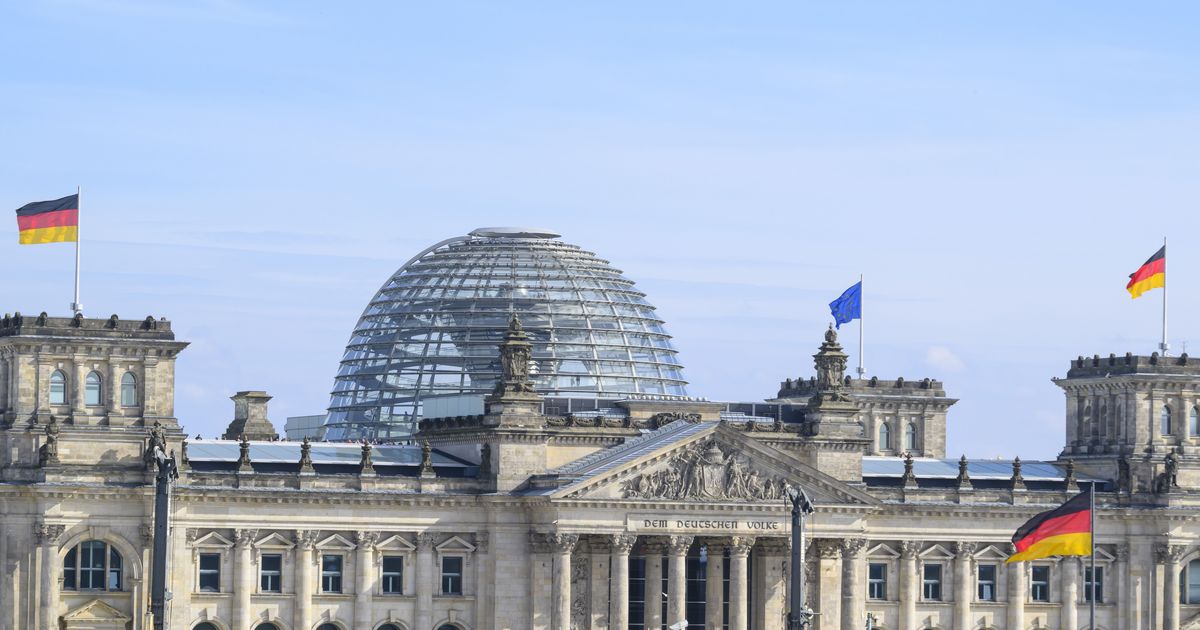
Germany’s international and European policy is undergoing significant change, necessitating a reorientation towards a stronger European Union (EU) that enhances economic and security cooperation. The new governing coalition aims to assert Germany’s leadership in European policy, focusing on pragmatic strategies to ensure EU self-determination and solidarity among member states. The collapse of transatlantic certainties and ongoing threats, particularly from Russia, require Germany to rethink its approach to security and cooperation. Investment in common public goods and a commitment to strategic autonomy are essential for reinforcing the EU’s role in global governance amid rising Euroscepticism across member states.
Germany, Poland, Switzerland, Ukraine, United Kingdom | Financial services, Health, Education
Turning the EU into a Life Insurance Policy
Gamification can enhance citizen engagement in micro-mobility data sharing, addressing gaps in the European Strategy for Data. While existing frameworks support technical interoperability, citizen-driven initiatives and collaborative governance are often lacking. The article highlights how gamification incentivizes citizens to share mobility data, fostering cooperation among private companies, local governments, and academics. Through a case study in Tallinn, Estonia, it demonstrates how this approach improves data collection and emphasizes the importance of citizen participation in urban planning. Ultimately, successful collaborative models are essential for achieving the EU's data space goals and sustainable urban innovation.
ICT
Using Gamification to Engage Citizens in Micro-Mobility Data Sharing

The future of infrastructure by 2100 will hinge on balancing resilience, equity, and control amid climate challenges. Existing fossil fuel-based infrastructures are inadequate for climate extremes, and a decarbonization gap persists. Key issues include delayed adaptation, societal demands for transformative services, a widening investment gap, and shortages of strategic materials. Five possible scenarios envision a shift toward sustainable practices through renovation, regional collaboration for energy and resource distribution, and AI-driven urban planning. However, failure to adapt may lead to systemic financial losses and increased reliance on fossil fuels.
Ghana, Nigeria, Rwanda | ICT, Health, Education, Financial services
5 futures of infrastructure: What will we build by 2100?

Space technology is transforming supply chains and mobility by providing real-time visibility and data analytics that enhance efficiency and insights for businesses. This technology, increasingly integral to supply chain infrastructure, supports rapid data transfer and optimizes the movement of goods and people globally through advancements in satellite communications and Earth observation. The global space economy is projected to reach $1.8 trillion by 2035, with significant growth in the supply chain, transportation, and mobility sector. By 2035, over 6.4 billion space-connected devices and nearly 140 billion IoT sensors are anticipated to revolutionize supply chain management.
ICT
Space technology is revolutionizing supply chains and mobility. This is how it will impact companies and consumers

Carbon dioxide emissions from agricultural machinery in China have surged nearly seven-fold since 1985, increasing by around 6% annually. Projections indicate that by 2050, mechanization could contribute 21% to China’s total emissions, challenging the nation's net-zero goals. However, switching to renewable energy-powered machinery could reduce these emissions by 65-70%. In 2020, the total emissions from farm equipment reached approximately 160 million tonnes, comparable to the annual emissions of entire countries. The study also highlights significant regional disparities in emissions across various Chinese provinces, providing insights for targeted policy interventions.
Rising emissions from farm equipment could ‘hinder’ China’s net-zero goals
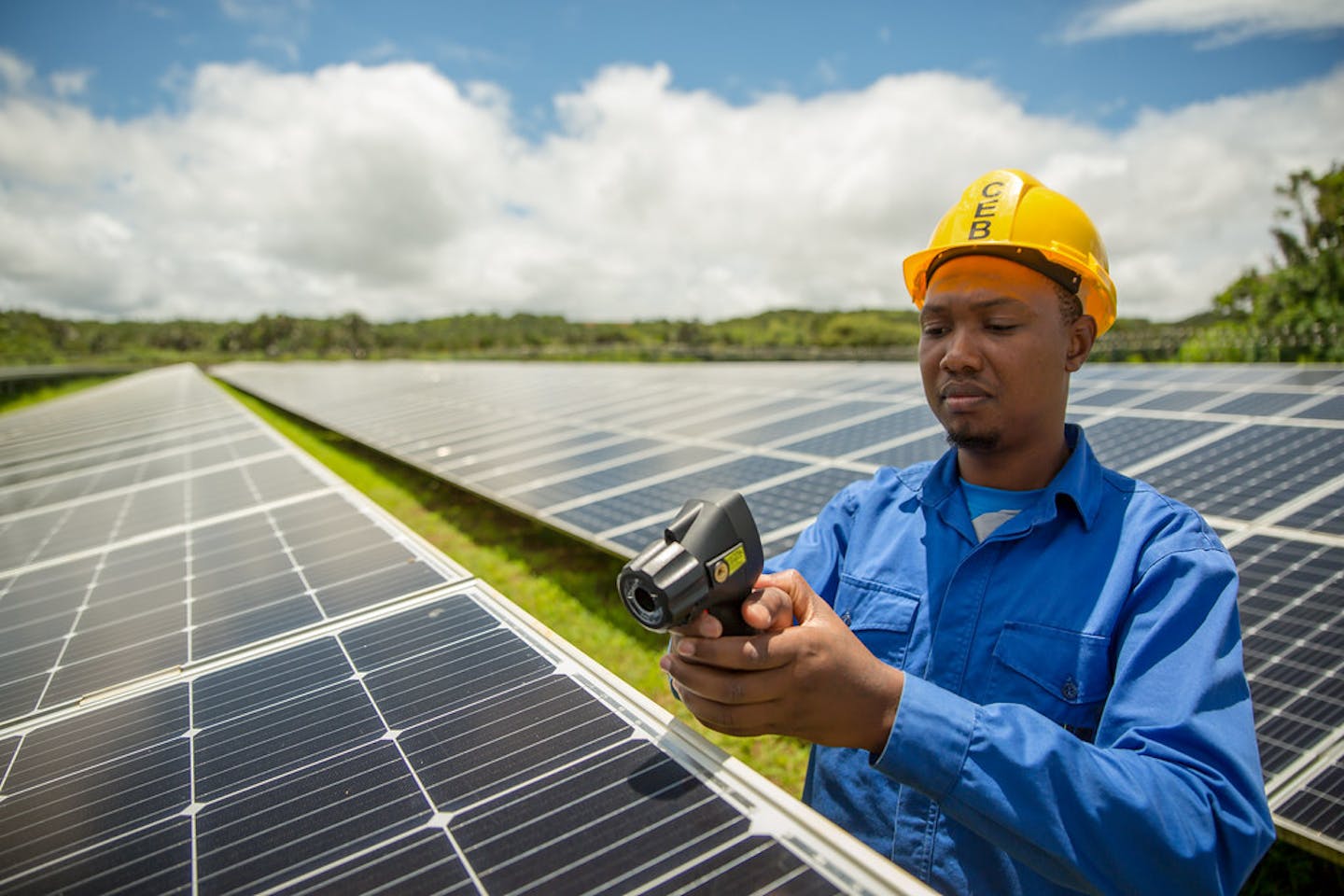
The emergence of new climate politics reflects heightened economic power shifts and geopolitical tensions, particularly between the US and China. Record-breaking temperatures and extreme weather events highlight the urgency of climate action, yet the discourse increasingly revolves around national interests, tariffs, and supply chain security, sidelining multilateral cooperation. China's strategic maneuvering, including rerouting low-carbon technology production through Southeast Asia and a proposed “Marshall Plan” for clean tech, underscores its dominance in the green sector. Investments are shifting towards greener initiatives in the Global South, aligning economic and environmental goals amidst a fragmented global order.
Australia, Bolivia, Cambodia, Canada, Chile, Colombia, Egypt, Ethiopia, Ghana, India, Indonesia, Japan, Jordan, Kenya, Malaysia, Mexico, Mozambique, Myanmar, Nigeria, Pakistan, Papua New Guinea, Peru, Philippines, Portugal, Republic of Korea, Russian Federation, Rwanda, Senegal, South Africa, Sudan, Taiwan, China, Tanzania, Thailand, Tunisia, Türkiye, Ukraine, United Arab Emirates, United Kingdom, Uzbekistan, Viet Nam | Financial services, Health
The shape of a new climate politics emerges