
Publications

INSIGHT REPORT

Pioneering the Future: Space

Technologies Poised to Revolutionize

Exploration and Economy by 2035

September 2026

FACTSHEETS

Pioneering the Future: Space

Technologies Poised to Revolutionize Exploration and Economy by 2035

June 2026

WHITE PAPER

Future of Space Law:

Operationalizing Space Governance

March 2026

REPORT

Clear Orbit, Secure Future:

 A Call to Action on Space Debris

Jan 2026

WHITE PAPER

The Future of Space Law

Insights from the ATS, UNCLOS, and ITU Frameworks

December 2025

WHITE PAPER

The Future of Space Law: 

The Evolving Dynamics of Air and Space Regulation

 September  2025

The Future Of Space Law

News

Centre for Space Futures, Novaspace and SpaceTech Gulf  Sign Agreement to Develop Global Space Capability Mapping Dashboard

Riyadh, Saudi Arabia , 23 Jun 2026|  Press Release

Clear Orbit, Secure Future: A Call to Action on Space Debris

Riyadh, Saudi Arabia, 26 Jan 2026 | Press Release

Centre for Space Futures Holds Workshop with Participation of 40 Global Experts

Riyadh, Saudi Arabia, 05 Dec 2025 | Press Release

Centre for Space Futures Releases White Paper on 'The Future of Space Law'

Riyadh, Saudi Arabia, 12 Sep 2025 | Press Release

The Board of Directors of the Centre for Space Futures Endorses Its Strategic Direction

Riyadh, Saudi Arabia, 26 May 2025 | Press Release

Saudi Space Agency to Launch the Centre for Space Futures with the World Economic Forum

Riyadh, Saudi Arabia, 29 April | Press Release

5 ways we can tackle growing risks from rocket bodies in orbit

Dec 09, 2025 | Economic Growth, Stories

Read More

Forum Agenda

Forum Videos

VIDEO

Press Conference: Centre for Space Futures in Riyadh

The World Economic Forum's Special Meeting, April 29, 2024

VIDEO

The Purpose of Astronauts at Davos 2024

World Economic Forum , March 9, 2024

VIDEO

PortWatch: Monitoring Trade Disruptions from Space

World Economic Forum , Dec 18, 2023

VIDEO

India's Moon Mission Triumph: Ambassador Ruchira Kamboj's Insights

World Economic Forum , Aug 23, 2023

VIDEO

Space Exploration is Back at Davos 2023

World Economic Forum , Feb 16, 2023

Forum Publications

Strategic Intelligence Insights

France aims to achieve a 90% reduction in greenhouse gas emissions by 2040 while maintaining its industrial interests. The government advocates for sectoral flexibilities and recognition of nuclear power in its energy mix, proposing up to 7% reliance on international carbon credits to mitigate pressures on industry. However, this heavy dependence on outsourcing emissions reductions could undermine EU climate ambitions and delay necessary domestic investments in low-carbon technology. Ultimately, France's strategy is a critical decision point between maintaining the status quo or investing in a sustainable industrial future amidst rising global competition and climate challenges.
France | Financial services, Education
2040 Decarbonization Target: France’s Strategy and the Risk of Inaction

Technology practitioners play a crucial role in promoting environmental stewardship through responsible innovation. Key strategies include optimizing code efficiency to reduce energy consumption, choosing renewable-powered infrastructure, and fostering community collaboration for sustainable practices. The energy demands of data centers and digital infrastructure highlight the necessity for clean energy transitions. Initiatives like the Green Software Foundation support sustainable coding practices. Engaging the developer community through open-source projects and sustainability education cultivates a culture of environmental responsibility in technology.
Education
Responsible innovation: How technology practitioners can drive environmental stewardship

Recycling rates in Latin America and the Caribbean are approximately 4%, significantly lower than in Europe. Key barriers include limited recycling infrastructure, emerging circular economy public policies, and the dominance of the informal economy. Around 50% of recovered materials come from informal recyclers, contributing to large amounts of uncollected waste. 

To improve recycling, increasing citizen engagement and awareness is essential, supported by tailored communication campaigns. Investments in local, context-specific technologies and infrastructures are crucial, as demonstrated by startups like Ecolana and DETRASH, which focus on improving recycling systems and formalizing grassroots recyclers' roles.
Latin America
Why has recycling not scaled in Latin America and what can be done?

Space technology is essential for services like telecommunications, GPS, and finance, but as the sector digitalizes, it faces growing cyber risks that could have severe consequences. The global space economy is rapidly expanding, projected to reach $1.8 trillion by 2035, while satellite systems support critical operations worldwide. However, incidents, such as cyberattacks on GPS and Viasat, highlight vulnerabilities and the complexities of achieving cyber resilience in space. Key challenges include the physical inaccessibility of satellites, reliance on outdated technology, and a fragmented operational landscape, necessitating increased collaboration and strategic cybersecurity measures across the space industry.
Financial services, Education, ICT
Securing space tech: Why we need to address cyber risks in orbit

Biodiversity loss in sub-tropical countries, particularly Brazil, is driven by extensive cattle farming and agricultural expansion, especially in ecosystems like the Cerrado. This growth, fueled by global trade demand, threatens species and food security, with significant implications for local economies and ecosystems. Sustainable practices and stronger environmental protections could generate substantial economic benefits, estimated at $72 billion, while supporting biodiversity. Financial institutions have a crucial role in promoting nature-positive investments, which could unlock trillions in value and millions of jobs by 2030, contingent on improved data and incentives for sustainability initiatives.
Argentina, Bangladesh, Bolivia, Brazil, Burkina Faso, Colombia, Ethiopia, Nigeria, Peru, Senegal, South Africa, Tanzania | Financial services
How biodiversity loss is threatening the economic future of sub-tropical countries

Integrating younger generations into corporate governance enhances competitive advantage, particularly amidst technological advancements and environmental concerns. Despite the benefits, most boards remain dominated by older members, hindering resilience and innovation. Research indicates that age-diverse boards outperform in financial metrics and are better at navigating social responsibility and sustainability. Younger directors possess digital fluency and entrepreneurial insights, making them vital for adapting strategies in the digital era. Intergenerational leadership is essential for fostering innovation and enhancing corporate performance, necessitating more meaningful engagement with younger generations in decision-making processes.
Health
Why intergenerational leadership is redefining business performance, innovation and resilience

The UN Ocean Conference aims to enhance global efforts to achieve Sustainable Development Goal 14 (SDG14) focused on ocean conservation. Despite several treaties and agreements, compliance issues and inadequate implementation have hindered progress, with overfishing and climate change exacerbating the crisis. With only a fraction of pledged funding delivered, progress towards conserving 30% of marine areas by 2030 is lagging. The conference will provide a critical platform for delegates to reassess commitments, address obstacles, and revitalize essential agreements like the High Seas Treaty and the Agreement on Fisheries Subsidies.
Antarctica | Health
Turning the tide on ocean conservation

Africa faces significant challenges from rising debt, climate shocks, and joblessness, necessitating a shift towards green industrialization—this strategy aims to enhance economic growth through low-carbon manufacturing while safeguarding natural resources. A high-level roundtable discussed leveraging innovative financing, like blended finance and debt-for-climate swaps, to support this transition amidst economic constraints. The focus should also shift from raw material exports to domestic processing of critical minerals, fostering regional supply chains through the African Continental Free Trade Area (AfCFTA). Key actions include enhancing development bank roles, ensuring policy coherence, and prioritizing job creation in green industries.
Angola, Bangladesh, Benin, Burkina Faso, Djibouti, Egypt, Ethiopia, Germany, Ghana, India, Indonesia, Kenya, Mozambique, Nigeria, Pakistan, Peru, Rwanda, Senegal, South Africa, Tanzania, Tunisia, Uganda, United Kingdom | Financial services, Health, Education
Toward Green Industrialization in Africa: A New Chapter for Climate and Economic Transformation

Only 10% of the low-emissions technologies required for the global energy transition have been implemented. Significant innovation is essential to enhance existing technologies and fundamentally transform the energy system. Current low-emissions options face performance challenges compared to fossil fuels, especially in heavy-duty applications and high-temperature industrial processes. While advancements are being made, such as improvements in battery energy density and the introduction of innovative production methods, systemic rethinking is necessary. Successful integration of these technologies is crucial to achieving sustainability targets and addressing approximately half of the energy system's carbon emissions.
Financial services, Education
Advancing the energy transition will require innovation with a capital 'I'
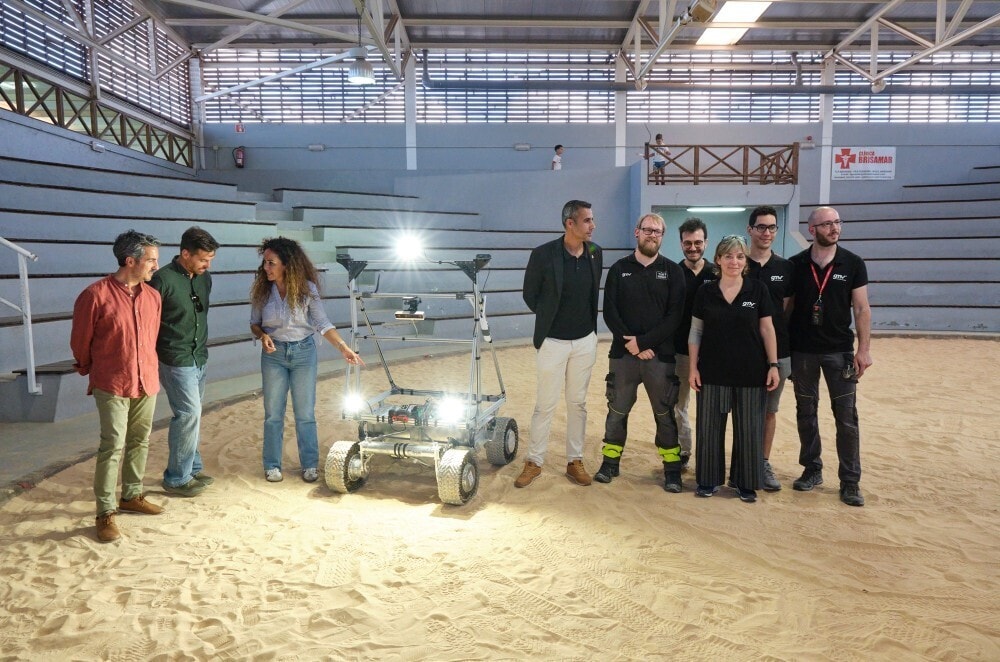
A Spanish company has developed LUPIN, a GPS-like navigation system for the moon, designed to improve lunar travel for astronauts and rovers by using signals from moon-orbiting satellites, which enhances accuracy. The European Union is urged to increase its semiconductor budget from $5 billion to $22 billion to support its goal of capturing 20% of the global chip market by 2030. Additionally, Amazon's new Vulcan robot, capable of sensing touch, will assist in item sorting, while China introduces a lightweight robot for disaster rescue. Other tech highlights include advances in nuclear reactor technology and UK investments in electric vehicle battery manufacturing.
Lunar navigation launched, and other technology news you need to know

Geopolitical tensions, particularly between India and Pakistan, hinder South Asia's economic growth and technological advancement. The region, home to nearly 2 billion people, struggles with fragmented policies, limiting cross-border collaboration in digital infrastructure and climate innovation. Despite this, advancements in digital finance, automation, and climate solutions show potential for growth. For sustained progress, a unified approach to regional cooperation and learning from middle powers' successes is crucial. Platforms like the Astana International Forum can facilitate essential dialogue and collaboration to shape a more integrated and resilient South Asian economy.
Bangladesh, Bolivia, Colombia, Egypt, Ethiopia, Ghana, India, Indonesia, Kenya, Malaysia, Nepal, Pakistan, Paraguay, Philippines, Republic of Korea, Rwanda, South Africa, Sri Lanka, Tanzania, Thailand | Financial services, ICT, Health, Education
Regional collaboration could unlock South Asia’s economic potential
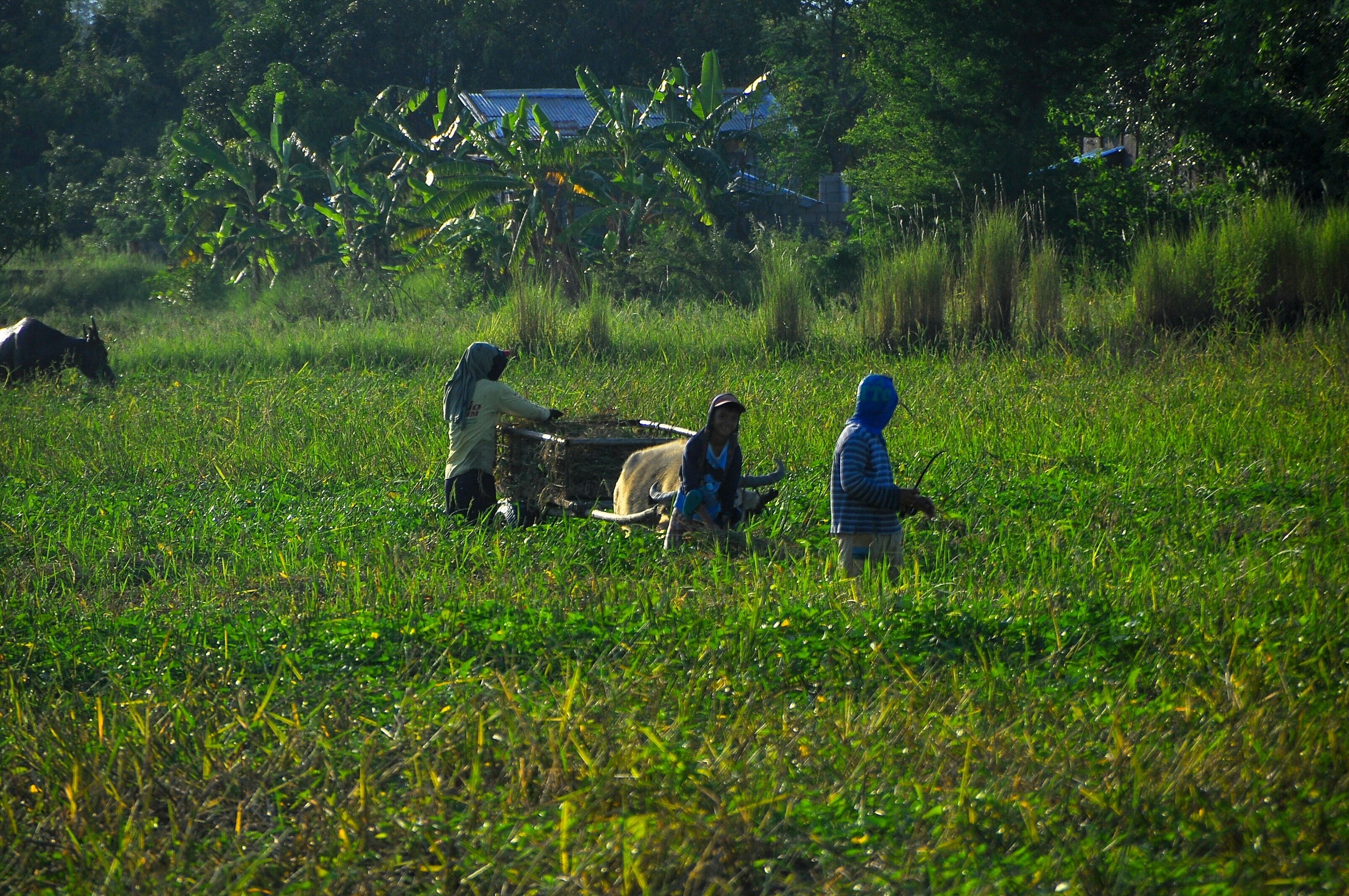
Governments, especially in developing countries, are grappling with financial constraints and the urgent need for sustainable food security. The CGIAR report emphasizes the necessity of science-based evidence to guide localized decision-making for effective resource allocation. It presents actionable solutions to combat malnutrition, such as integrating nutrition into health systems and biofortifying crops, along with climate adaptation measures like bundling climate information services for smallholder farmers. By bridging the gap between scientific research and policy implementation, the report aims to support nations in addressing challenges like nutrient deficiencies and water management while adapting to climate change.
Bangladesh, Nigeria | Financial services, ICT, Education, Health
With aid shrinking, governments need clear evidence to navigate tough choices for food security
Vulnerable low- and middle-income countries, disproportionately affected by climate change despite minimal historical emissions, require urgent adaptation strategies to address increasing global temperatures and frequent disasters. However, major donor nations are cutting development aid and focusing on emergency relief, compromising long-term resilience efforts. Proactive strategies, such as cash-plus programs that support diversified livelihoods and safe relocation, are crucial for enhancing community resilience. As climate-related crises escalate, the necessity for sustained investment in adaptive measures becomes paramount to prevent forced displacement and ensure communities can prepare for future challenges.
Bangladesh, Nigeria | Financial services, Health
How aid cuts could make vulnerable communities even less resilient to climate change
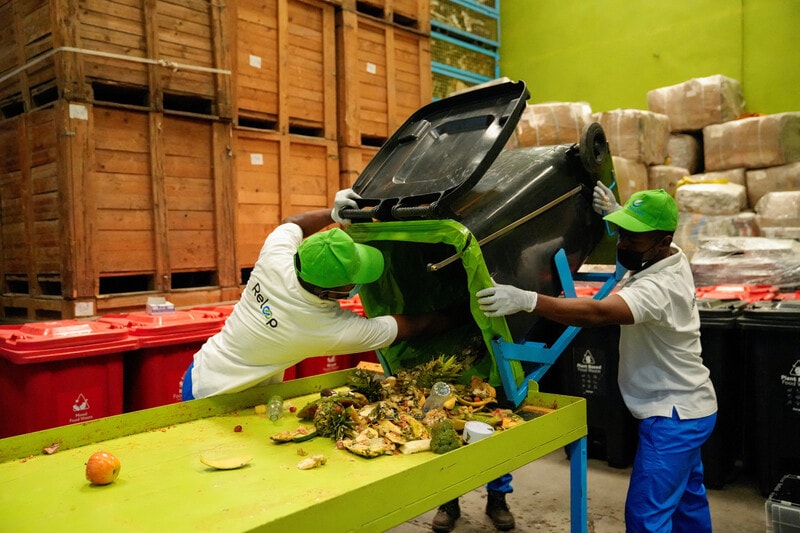
One-third of global food production, approximately 1.3 billion tonnes, is lost or wasted annually, impacting economies, hunger, and the environment. Enhanced food traceability, integrated with emerging technologies, can significantly reduce food loss and waste (FLW) by identifying inefficiencies throughout the supply chain. FLW costs the global economy $1 trillion each year and contributes to substantial greenhouse gas emissions. Effective traceability not only ensures food safety and transparency but also promotes accountability across the food system, driving efforts to create a more sustainable and efficient food supply aimed at meeting global demand.
How traceability can unwrap our food systems to give visibility on loss and waste

Public assurance systems are essential for enhancing the credibility of Environmental, Social, and Governance (ESG) disclosures amidst growing concerns over ESG washing. As global ESG investments increase, inconsistencies in reporting standards and legal frameworks expose investors to misleading practices. External assurance obligations are being adopted in various countries, but challenges remain regarding the credibility of assurance providers. To mitigate greenwashing risks and improve investor trust, establishing a public entity for ESG assurance or oversight is recommended. This would facilitate accurate disclosures and support sound investment decisions during the current transitional phase.
Financial services
How Public Assurance Systems Improve ESG Disclosure and Investor Trust

The Iberian Peninsula experienced Europe's largest blackout in two decades, impacting millions and highlighting society's reliance on electricity. The April power outage was caused by a combination of generator loss events leading to grid instability, which resulted in the collapse of both the Spanish and Portuguese power grids. Factors contributing to the vulnerability of current power systems include rising electricity demand, the integration of decentralized renewable energy sources, and increased climate hazards. Enhancing grid resilience through updated infrastructure and preparedness strategies is essential to prevent future disruptions.
Nigeria | Financial services, Education, Health
What we can learn about building a resilient energy grid from the Iberian power outage
67% of US enterprises experienced a data breach in the past two years, highlighting a persistent disconnect between security investments and effective risk management. Despite organizations managing an average of 75 security solutions, the reliance on automated pentesting is increasing, with only half testing annually. UK retailers including M&S and Co-op suffered significant cyberattacks, prompting calls for stronger security measures. Governments, such as the UK, are preparing for heightened cyber threats linked to AI developments, stressing the need for multi-factor authentication and robust account monitoring.
Financial services, ICT
Majority of US enterprises breached in past two years despite security spend, and other cybersecurity news

Indigenous communities are challenging conflicting interpretations of the bioeconomy as global interest, particularly from the G20, grows. The bioeconomy, valued at $4 trillion and projected to reach $38.5 trillion by 2050, has the potential to create sustainable alternatives for Indigenous peoples in the Pan-Amazon, but misaligned definitions threaten ecological and social integrity. The G20 Initiative on Bioeconomy proposes collaboration but lacks clear definitions. Tensions arise between predatory practices and sustainable development, highlighting the need for principles prioritizing people and the environment over profit. Structural challenges hinder the competitiveness of Indigenous-led initiatives, despite their potential contributions.
Bangladesh, Bolivia, Brazil, Burkina Faso, Colombia, Ethiopia, Ghana, Indonesia, Kenya, Mozambique, Nigeria, Paraguay, Peru, Senegal, Tanzania | Financial services
Indigenous communities challenge the bioeconomy’s capitalist underpinnings
Large amounts of brown seaweed, sargassum, wash ashore in the Caribbean each year, causing ecological and economic crises by damaging marine life and impacting tourism. Climate change is intensifying sargassum growth, leading to over 20 million tonnes expected on beaches in 2024. This influx disrupts fishing and poses health risks due to toxic fumes. However, local entrepreneurs are developing solutions: producing biofuels, plant tonics, and innovative harvesting techniques. While there are opportunities for economic growth through sargassum, scaling up these initiatives faces challenges, including funding and ensuring local benefits.
How a toxic seaweed choking Caribbean beaches could become a valuable resource

Global funding cuts from the US and possible declines from the EU necessitate a transformation of African Union (AU) peace support operations (PSOs). Traditional funding sources are waning, and the AU must adopt innovative strategies to ensure efficiency and sustainability. Future PSOs should focus on limited, clearly defined objectives with a set timeframe, avoiding long-term engagements. Key principles include political clarity, selective troop contributions, and a tailored, multidisciplinary approach. A reimagined model emphasizes rapid deployment and withdrawal to support stable political processes, rather than state-building or societal cohesion efforts.
Global uncertainty calls for an overhaul of AU peace support operations