Publications

INSIGHT REPORT

Pioneering the Future: Space

Technologies Poised to Revolutionize

Exploration and Economy by 2035

September 2026

FACTSHEETS

Pioneering the Future: Space

Technologies Poised to Revolutionize Exploration and Economy by 2035

June 2026

WHITE PAPER

Future of Space Law:

Operationalizing Space Governance

March 2026

REPORT

Clear Orbit, Secure Future:

 A Call to Action on Space Debris

Jan 2026

WHITE PAPER

The Future of Space Law

Insights from the ATS, UNCLOS, and ITU Frameworks

December 2025

WHITE PAPER

The Future of Space Law: 

The Evolving Dynamics of Air and Space Regulation

 September  2025

The Future Of Space Law

News

Centre for Space Futures, Novaspace and SpaceTech Gulf  Sign Agreement to Develop Global Space Capability Mapping Dashboard

Riyadh, Saudi Arabia , 23 Jun 2026|  Press Release

Clear Orbit, Secure Future: A Call to Action on Space Debris

Riyadh, Saudi Arabia, 26 Jan 2026 | Press Release

Centre for Space Futures Holds Workshop with Participation of 40 Global Experts

Riyadh, Saudi Arabia, 05 Dec 2025 | Press Release

Centre for Space Futures Releases White Paper on 'The Future of Space Law'

Riyadh, Saudi Arabia, 12 Sep 2025 | Press Release

The Board of Directors of the Centre for Space Futures Endorses Its Strategic Direction

Riyadh, Saudi Arabia, 26 May 2025 | Press Release

Saudi Space Agency to Launch the Centre for Space Futures with the World Economic Forum

Riyadh, Saudi Arabia, 29 April | Press Release

5 ways we can tackle growing risks from rocket bodies in orbit

Dec 09, 2025 | Economic Growth, Stories

Read More

Forum Agenda

Forum Videos

VIDEO

Press Conference: Centre for Space Futures in Riyadh

The World Economic Forum's Special Meeting, April 29, 2024

VIDEO

The Purpose of Astronauts at Davos 2024

World Economic Forum , March 9, 2024

VIDEO

PortWatch: Monitoring Trade Disruptions from Space

World Economic Forum , Dec 18, 2023

VIDEO

India's Moon Mission Triumph: Ambassador Ruchira Kamboj's Insights

World Economic Forum , Aug 23, 2023

VIDEO

Space Exploration is Back at Davos 2023

World Economic Forum , Feb 16, 2023

Forum Publications

Strategic Intelligence Insights

In February 2022, as Russia advanced toward Ukraine, Elon Musk provided critical support by deploying Starlink terminals to maintain Internet connectivity, earning acclaim for keeping Ukraine online. However, Musk's refusal to extend coverage for a military operation raised concerns about the influence of private technology leaders over national security. This situation exemplifies "technopolarity," where powerful tech figures challenge traditional state authority and reshape global dynamics. The emergence of major tech companies as significant geopolitical actors has transformed the global order, historically defined by state power.
The Technopolar Paradox
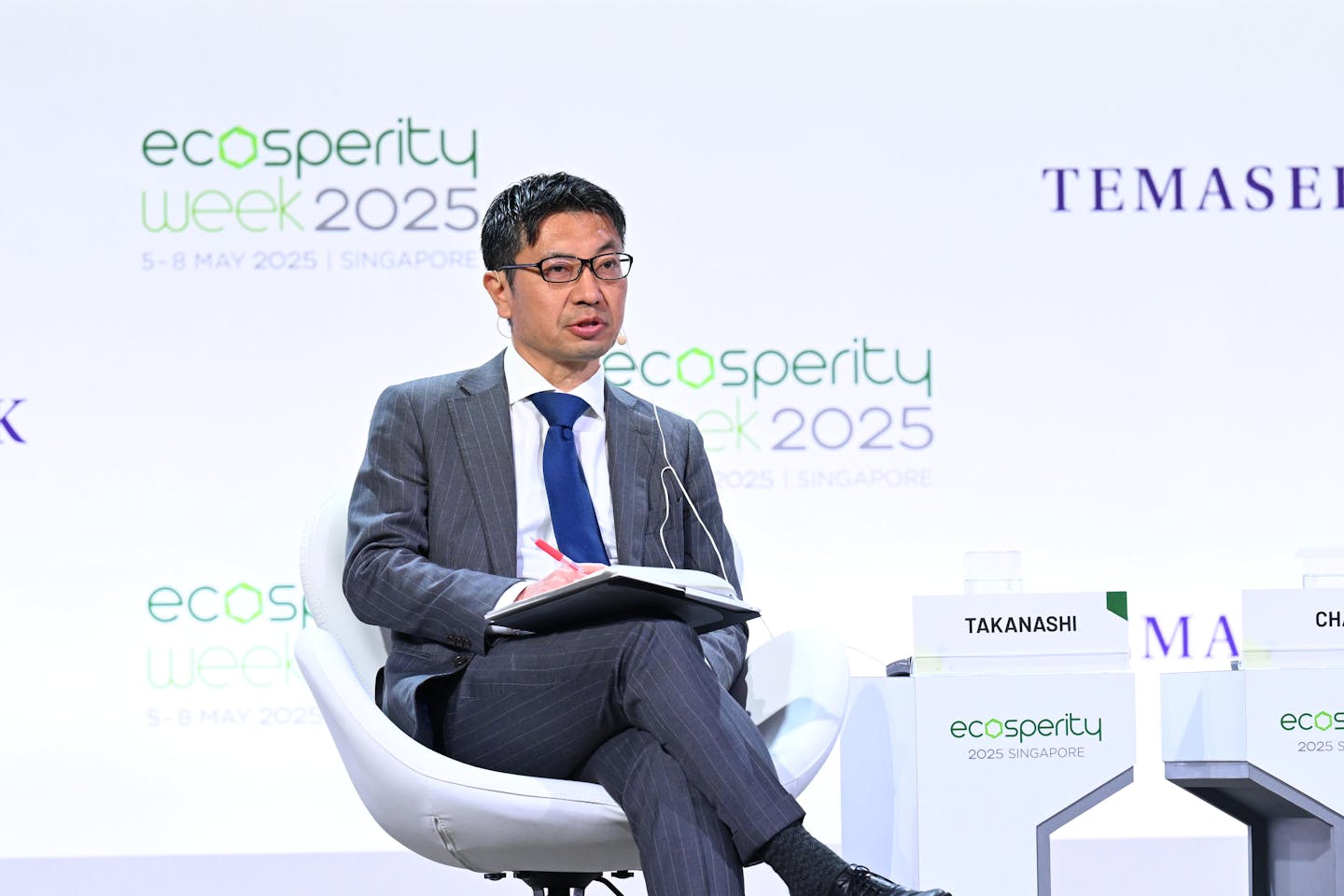
Japan remains committed to low-carbon hydrogen despite rising production costs and project suspensions. SMBC’s sustainability chief, Masayuki Takanashi, emphasized hydrogen's versatility in sectors like power, mobility, chemicals, and steel, essential for decarbonizing fossil-based thermal power, which will supply a significant portion of Japan's electricity by 2040. The Japanese government's definition of low-carbon hydrogen is less stringent than that of the EU or UK. A recent study predicts hydrogen will contribute 4% to Asia's carbon abatement by 2050, primarily as green hydrogen. However, experts caution against overreliance on hydrogen where electrification is feasible.
Japan
Japan ‘does not have the luxury’ to give up hydrogen: SMBC sustainability head
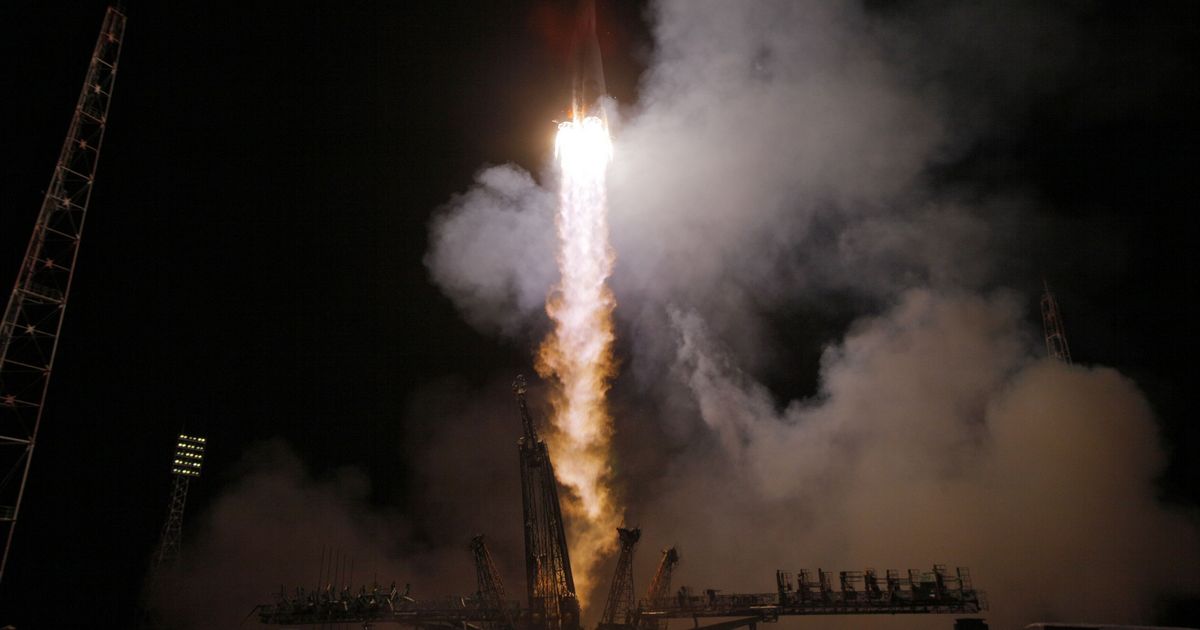
Russia is reportedly developing a program to arm some satellites with nuclear warheads, potentially allowing it to destroy civilian satellite infrastructure and weaken US military capabilities in space. This development could violate the Outer Space Treaty and exacerbate military tensions on Earth, particularly in the context of the Ukraine conflict. The US is monitoring the situation closely, notably regarding the Russian satellite Cosmos 2553, suspected of harboring a dummy nuclear warhead. The implications of Russia's nuclear satellite capabilities remain uncertain, raising concerns about threats to Western reliance on space-based technology amid rising dependencies and vulnerabilities.
Russian Nuclear Weapons in Space?
Society is undergoing a transformation driven by artificial intelligence (AI), necessitating a focus on maximizing its benefits while minimizing risks. Effective AI deployment requires three key elements: robust infrastructure, a supportive ecosystem, and sound governance. Infrastructure must accommodate edge computing and high-speed networks to facilitate real-time data processing and decision-making. Additionally, sustainable power solutions and model efficiency are critical due to AI's substantial energy demands. The ecosystem should aim for inclusivity, ensuring access to AI benefits for all, thereby addressing the digital divide.
ICT, Education
­­Ask not what AI can do for you – ask what you can do for AI
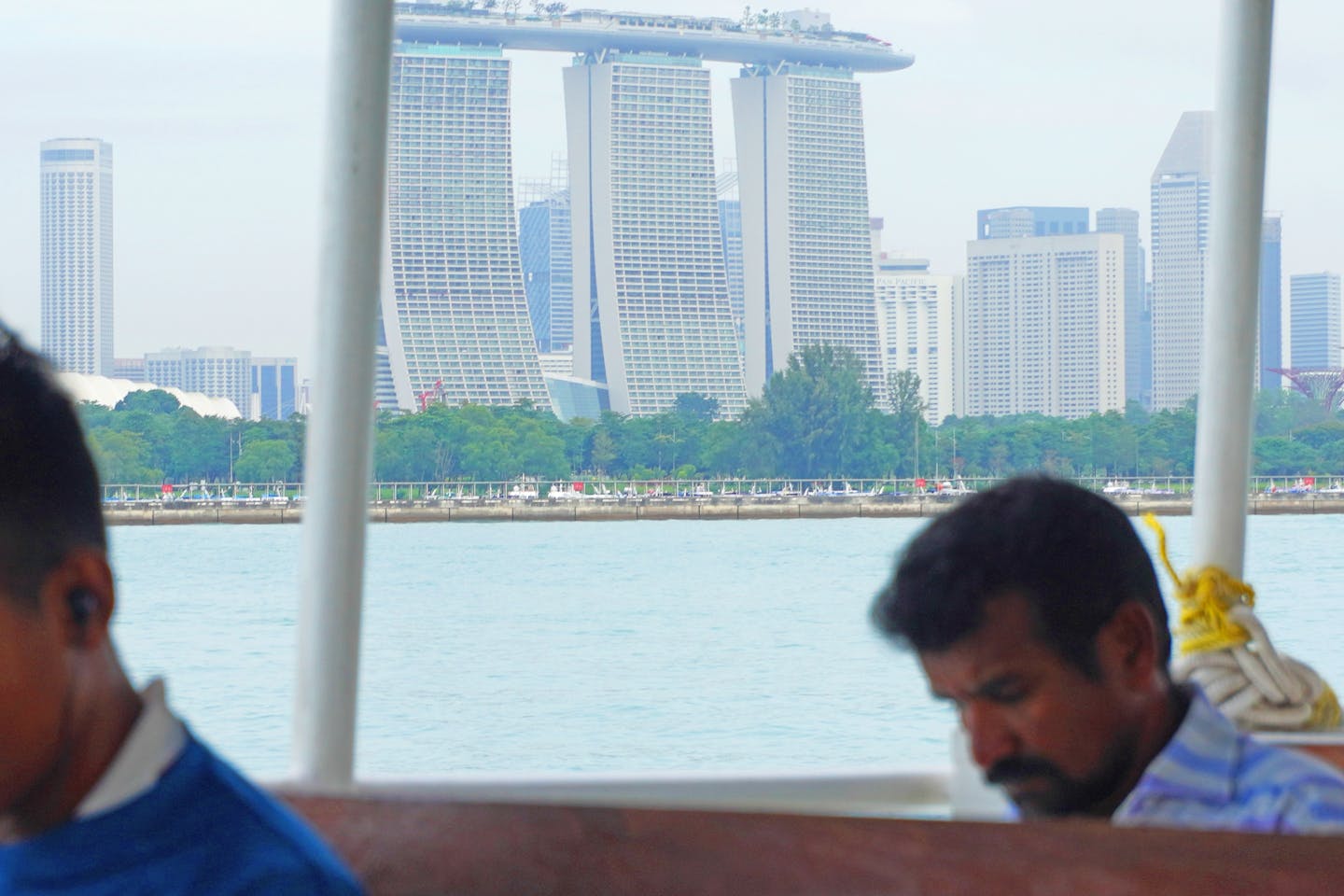
Blended finance is essential for scaling sustainable development in Asia by addressing investment risks that deter private capital. Jessica Cheam emphasizes its role in de-risking sustainable projects through the combination of public, philanthropic, and private funding. Despite a current blended finance total of approximately US$213 billion, challenges remain in project standardization and transparency. Initiatives like Singapore's FAST-P platform aim to raise US$5 billion for green financing, showcasing effective collaboration among various sectors. The need for action is urgent to meet the Sustainable Development Goals in high-risk markets.
Financial services, Health
On blended finance, bold leadership and Asia's green future
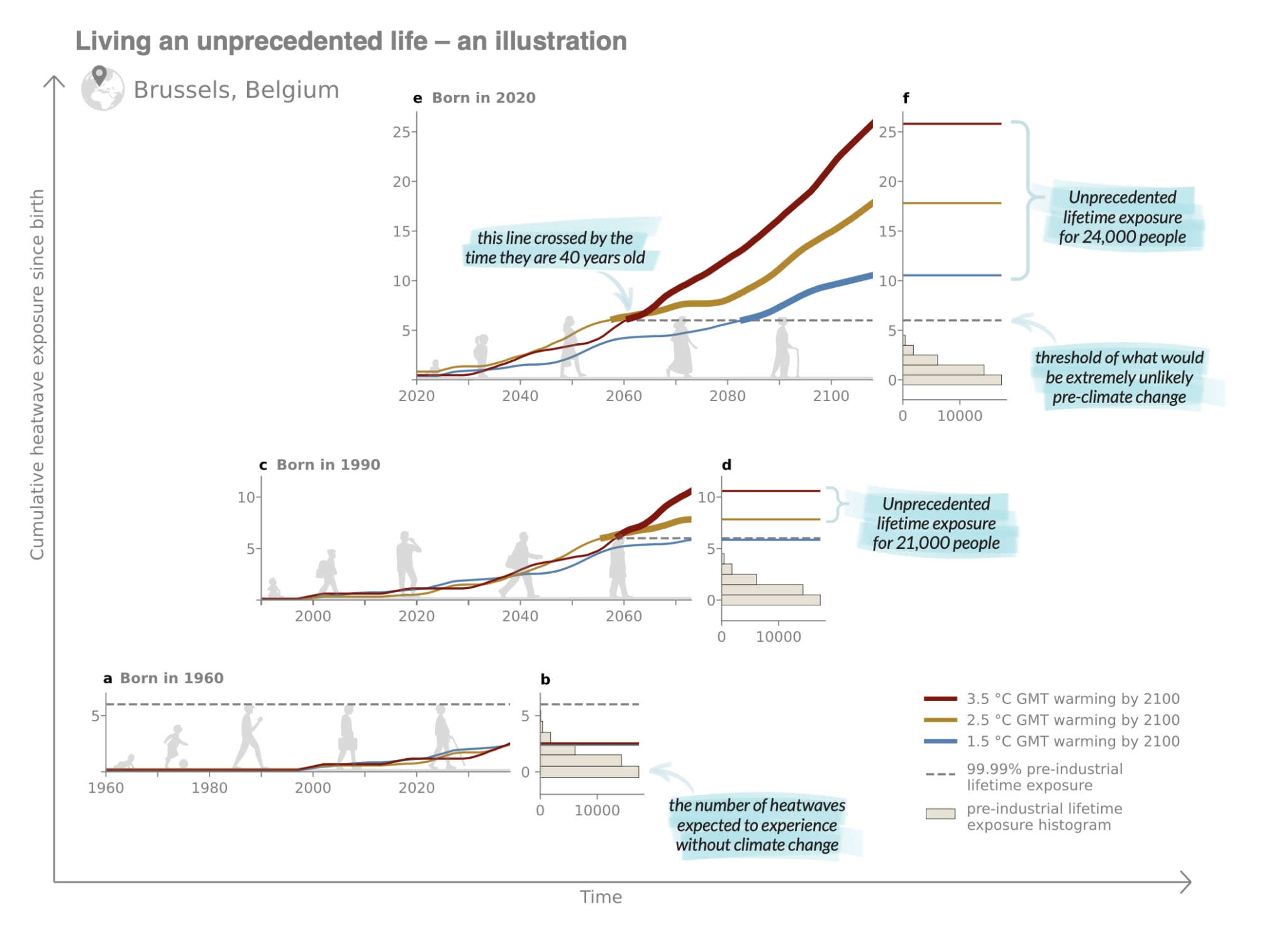
Children born in 2020 will experience unprecedented lifetime exposure to climate extremes, including heatwaves, droughts, and wildfires, even if global warming is limited to 1.5°C. Research indicates that over half will face 11 heatwaves in their lifetime, compared to just three for those in a pre-industrial era. Additionally, Hawaii plans to implement a 'green fee' by raising tourist taxes to fund climate relief efforts. Other notable findings include the potential negative impact of dying satellites on ozone recovery and increased climate-related flooding and wildfires linking to human-induced climate change.
Children born in 2020 will face 'unprecedented lifetime exposure' to climate extremes, and other nature and climate news
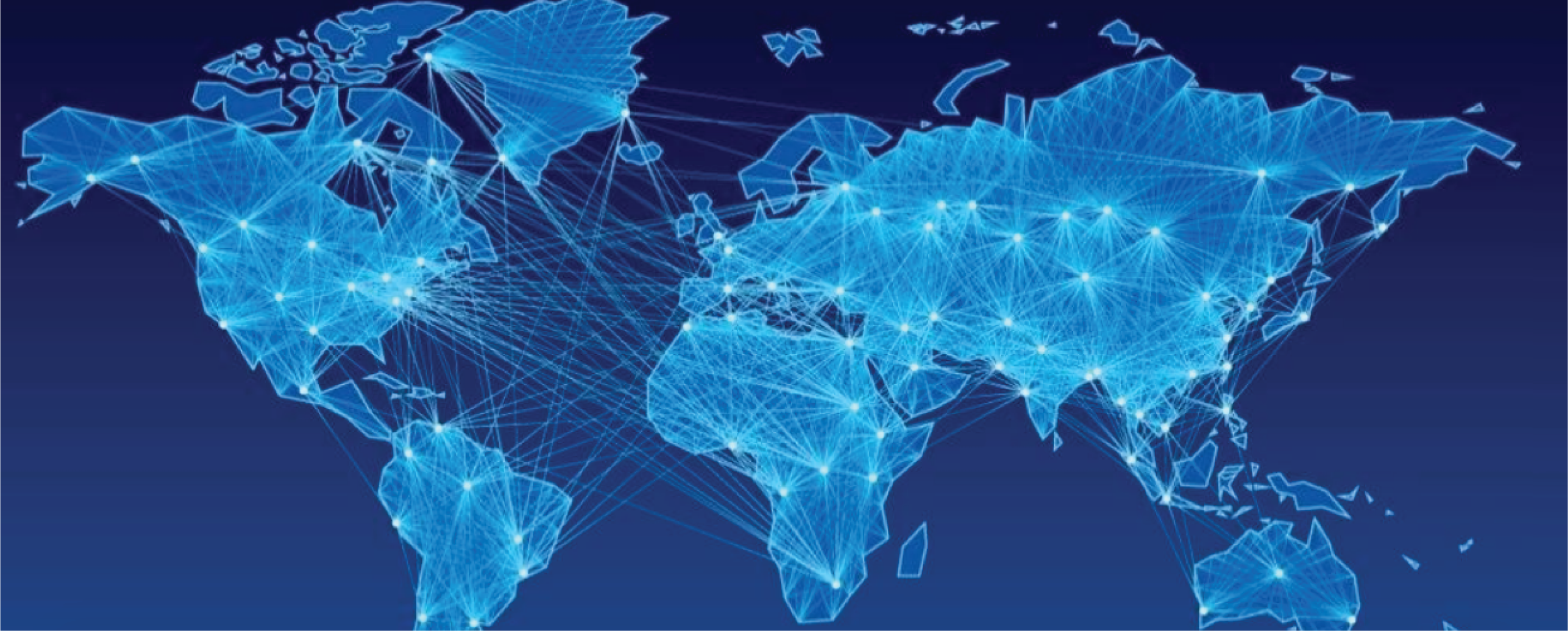
The Blue Economy is rapidly growing, projected to reach $3 trillion by 2030, driven by sectors such as shipping, offshore renewable energy, fisheries, aquaculture, and coastal tourism. While it promises economic growth and improved livelihoods, this expansion raises the risk of conflicts among sectors, marine life, and communities dependent on ocean resources. Potential conflicts stem from increased demands for goods and services, especially in crowded areas like continental shelves and Exclusive Economic Zones. Recommendations for conflict mitigation emphasize the need to manage growth sustainably and equitably within the Blue Economy.
Antarctica, Australia, Bolivia, Chile, France, Jordan, Mauritius, Norway, Oman, Panama, Philippines, Portugal, Thailand, Türkiye | Health
Surging blue economy, increasing conflict risks and mitigation strategies
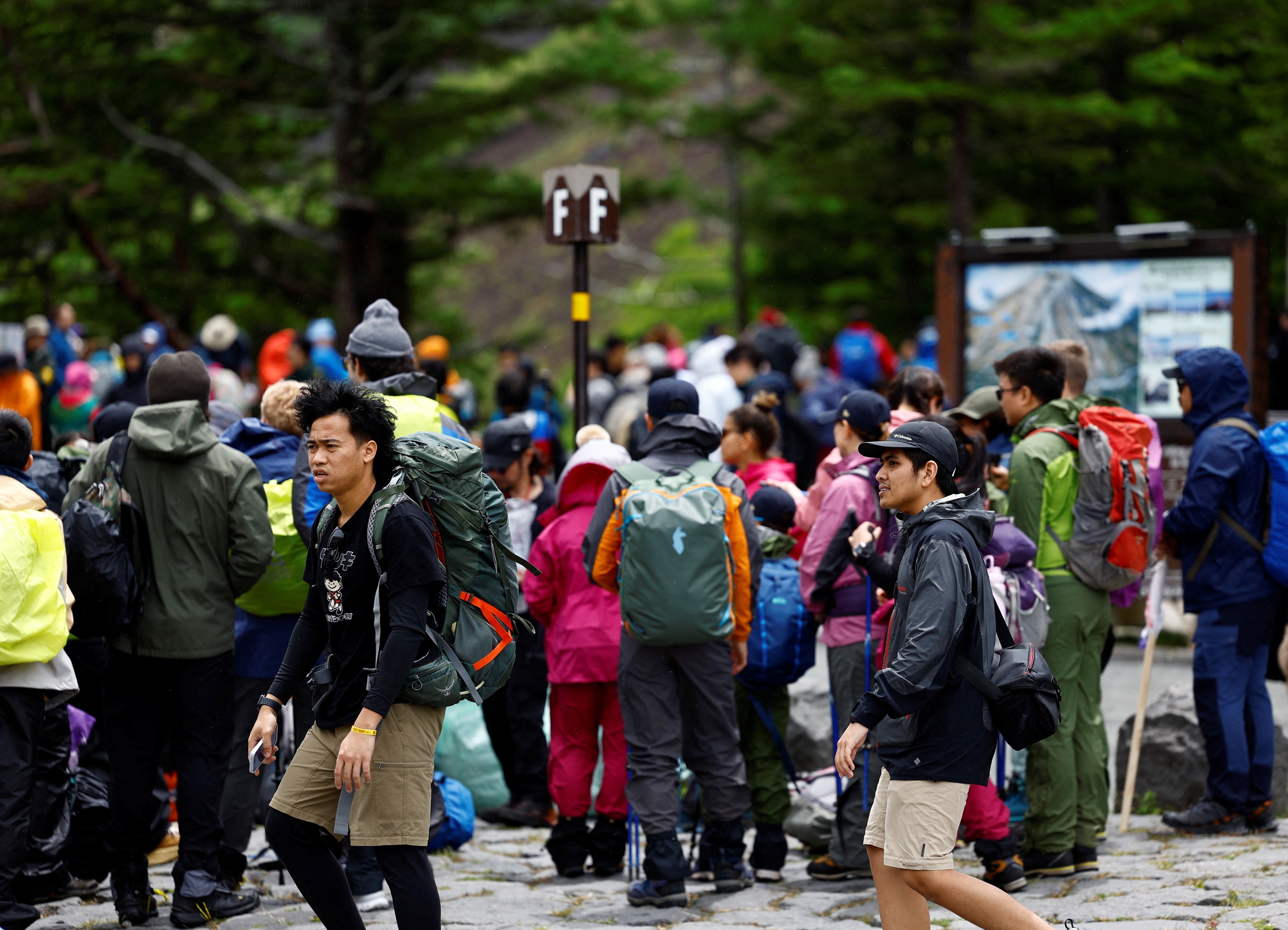
Japan is addressing overtourism by promoting regional tourism and directing visitors away from five heavily visited prefectures. Technologies like AI and real-time digital signage are being utilized to inform tourists about overcrowding. With a record 36.87 million international visitors in 2024, the government aims for 60 million by 2030 while implementing initiatives to disperse tourists and improve local conditions. Collaborations, such as Japan Airlines’ promotion of lesser-known regions and the development of apps to forecast crowd levels, target a more sustainable tourism model. Government funding supports these efforts, emphasizing the need for balance between tourism growth and community well-being.
Japan
How Japan is redesigning tourism to benefit local communities
Lim Cosmic Rhapsody is a piano concerto by Manu Martin, premiered at the Barbican Centre, aiming to narrate climate change and humanity's quest for solutions beyond Earth. Featuring celebrated pianist Jean-Yves Thibaudet and a large orchestra, the performance began with ominous piano chords and culminated in a rock-inspired finale celebrating human-alien hybrids. Although it weaves story and music effectively, the absence of visual elements makes the narrative difficult to follow. The piece reflects hope amid global crises, inspired by moments like SpaceX’s Crew Dragon flight during the pandemic.
Lim Cosmic Rhapsody: this orchestral journey to outer space aims to deliver hope amid global crisis – but falls short
The 2025 Global AI Summit in Kigali, Rwanda, showcased Africa's confidence in leading the AI revolution, with over 2,000 participants from 90 countries. Key priorities included education and skills development, AI applications in healthcare, and sustainable financing, emphasizing the importance of youth engagement and localized AI solutions. Infrastructure development is crucial, highlighted by ECONET's partnership with NVIDIA to enhance computing capacity and support linguistic diversity. The African Declaration on AI aims to mobilize capital and coordinate governance with a proposed $60 billion fund. The summit's outcomes call for inclusive, sustainable AI, focusing on equity and local relevance.
Rwanda | Education
Integrating Africa’s AI Ambitions into the Global Development Agenda

72% of businesses report increasing cybersecurity risks, with almost half identifying the malicious use of generative AI as a primary concern. Notable cyber threats include the infiltration of US critical infrastructure by Salt Typhoon and a $1.5 billion cryptocurrency heist by Lazarus. Geopolitical tensions have influenced cybersecurity strategies, with 60% of organizations adjusting their approaches. Harvard University’s Belfer Center highlights that effective national strategies vary and should focus on infrastructure protection, workforce development, partnerships, and policy adaptation. A significant skills gap persists, with two-thirds of organizations lacking essential cybersecurity capabilities, disproportionately affecting smaller firms.
Africa | Financial services, Health, ICT, Education
72% of cyber leaders say risks are rising. Here's how states and businesses are responding
China's White Paper on National Security outlines a comprehensive approach to national security, emphasizing the concept introduced by Xi Jinping that integrates various sectors such as politics, economy, and technology. The document elevates "political security" as essential for preserving the socialist system and CPC leadership, while also focusing on ideological security. It underscores a balance between national security and development, proposing structural priorities like risk monitoring and resilient infrastructure. Additionally, China positions itself as a source of stability amid global turmoil, particularly in the context of U.S.-China tensions.
Reading China’s White Paper on National Security in the New Era

The Gulf Cooperation Council (GCC) is enhancing global cooperation amid rising geopolitical tensions by forming new alliances and expanding trade partnerships. The GCC emphasizes economic integration and diversification efforts to reduce oil dependency, exemplified by projects like Saudi Arabia’s logistics hub with China and Oman’s Duqm Port. Technological collaboration is fostered through initiatives like Bahrain's FinTech Bay and the UAE’s AI strategy. Climate action is prioritized with ambitious projects to transition away from fossil fuels, while advancements in healthcare, such as Qatar’s pharmacogenomics initiatives, further solidify GCC’s role in global cooperation.
Algeria, Bahrain, Barbados, Egypt, Gabon, Georgia, Ghana, Guatemala, Guinea, Jordan, Kazakhstan, Kenya, Kuwait, Lebanon, Malaysia, Morocco, Mozambique, Netherlands, Oman, Philippines, Qatar, Republic of Korea, Saudi Arabia, Senegal, Singapore, Spain, Switzerland, Tanzania, United Arab Emirates, United Kingdom, Yemen | Health
5 ways the GCC is supporting global cooperation
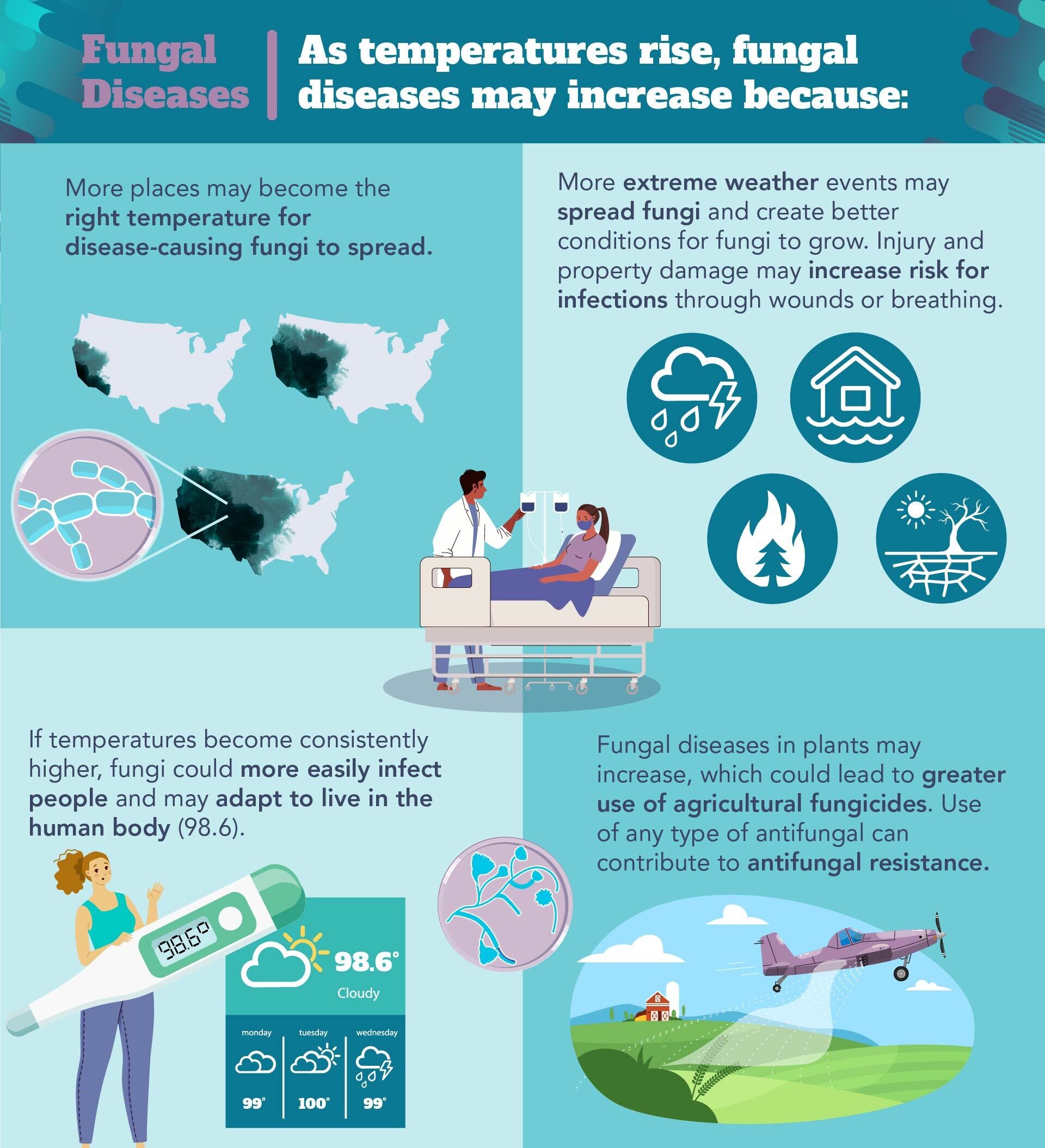
Rising global temperatures are projected to increase the spread of the fungus Aspergillus fumigatus, responsible for millions of infections and deaths annually. This fungus could expand its range by 77% by 2100, endangering up to 9 million additional people in Europe. Climate change may also allow A. flavus to affect a larger area. Additionally, a UK review highlights a gender imbalance in clinical research, with significantly more male-only studies. Urgent reforms are needed to address this disparity, which impacts the safety and effectiveness of treatments for women.
Africa | Education, Health
Rising temperatures could spread deadly fungus, experts warn, and other health stories
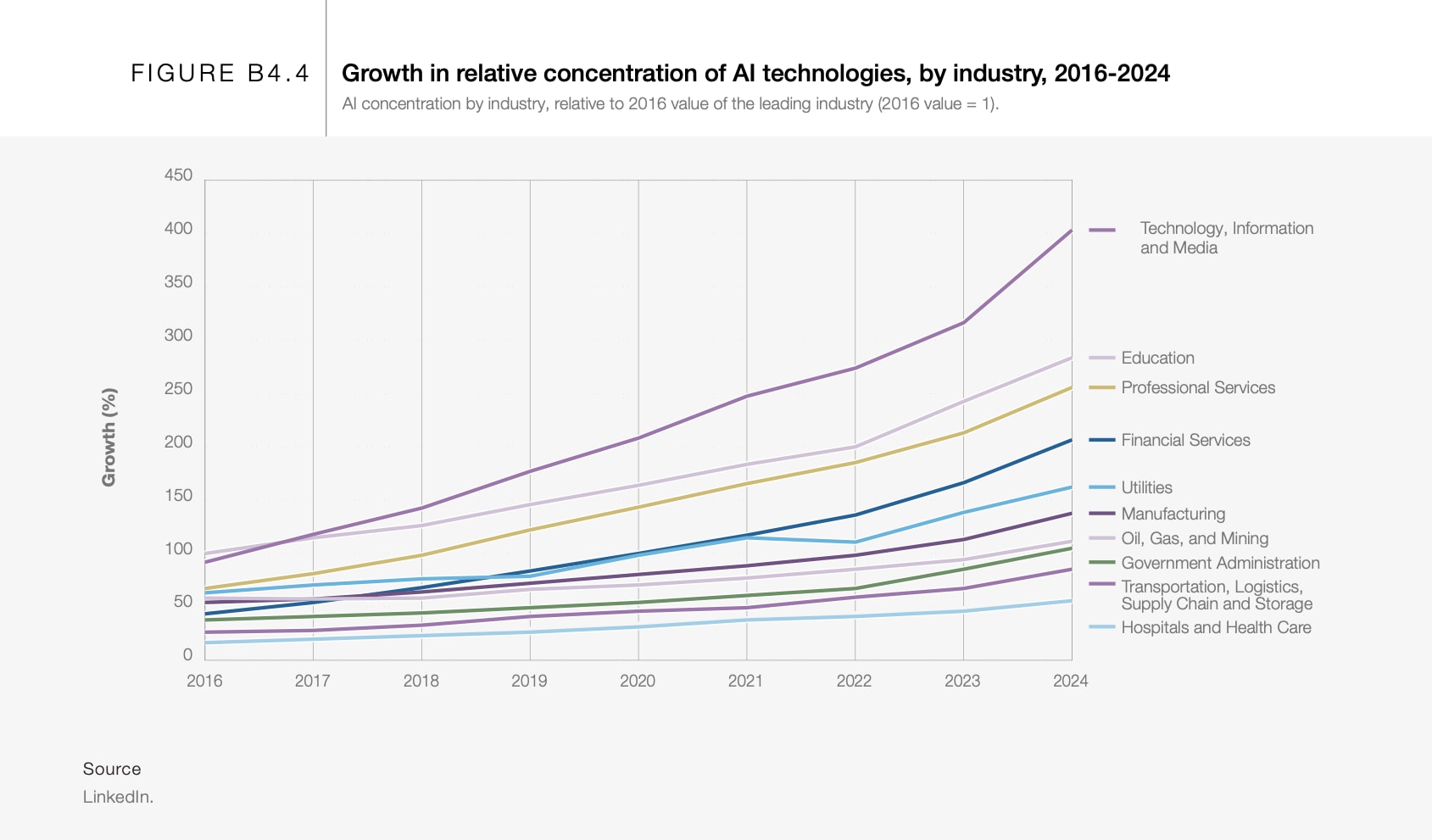
The manufacturing sector is evolving significantly, adopting AI technologies and focusing on sustainability and inclusiveness. Industry leaders debunk five misconceptions about manufacturing: 

1. It is not just assembly lines; technology has transformed the workforce into a mix of skilled experts.
2. Modern manufacturing environments are clean and high-tech, contrary to outdated views of dirty factories.
3. Manufacturing is dynamic and continuously adapting to technological advancements.
4. Sustainability efforts are integral to manufacturing, challenging the notion that it is environmentally harmful.
5. The industry offers diverse, innovative opportunities for the next generation, moving beyond traditional perceptions.
ICT, Education
5 misconceptions about manufacturing that belong in the past
Scenarios developed in 2018 regarding cybersecurity futures for 2025 highlighted that rapid technological changes, particularly in AI and semiconductors, were correctly anticipated. However, key omissions included the implications of global talent movement and the evolution of ransomware. Efforts to establish global quantum computing non-proliferation regimes failed as technology spread uncontrollably, while the internet split into two governance models: one favoring tech firms and the other embracing state control. Significant advancements in generative AI have exacerbated security challenges, particularly regarding digital identity and synthetic media. The intricate dynamics of government-corporate partnerships and economic incentives were underestimated, revealing gaps in earlier strategic foresight.
Africa | Financial services, Health, Education, ICT
Cybersecurity futures 2025: What the scenarios got right, and what we learned

AI infrastructure is advancing rapidly, outpacing necessary governance frameworks, particularly concerning energy and resource consumption. The growth of AI models necessitates significant compute power, raising environmental concerns regarding energy use, e-waste, and reliance on non-renewable resources. Asia, particularly Singapore, exemplifies efforts to align AI infrastructure with sustainable governance, addressing mismatches in functionality, spatial coordination, and timing. The transition to advanced cooling technologies in data centers is vital to manage increased thermal loads efficiently. Effective governance must establish clear sustainability standards and practices that evolve alongside AI systems to ensure environmental accountability.
ICT, Education
Greening intelligence: Why AI infrastructure and governance must evolve together
Chasing economic growth at all costs can lead to significant environmental and wellbeing harms, as exemplified by the Heathrow airport expansion debate. Tourism contributes to 8% of global CO2 emissions, escalating even with technological advancements. Overcrowding and reduced quality of life in popular destinations necessitate a rethinking of tourism that prioritizes community wellbeing and environmental sustainability. Approaches like "degrowth" and "doughnut economics" offer models beyond mere economic gain, advocating for lower-carbon travel and improved local quality of life. Cities like Amsterdam and Copenhagen are implementing measures to mitigate the impact of overtourism, yet these often fall short without broader governmental support.
Governments shouldn’t chase growth at all costs. The harms of over tourism show why
The tourism sector significantly contributes to global economic growth, generating 337.7 million jobs and representing 10.5% of global GDP in 2024. This growth relies on public investment, yet challenges such as geopolitical shifts and climate change hinder effective resource allocation. Traditional data sources often lag, limiting policymaking. To address this, the World Bank collaborated with Visa to utilize anonymized credit card spending data in the Caribbean, alongside tools like satellite mapping and AI, enabling better analysis of demand patterns, visitor satisfaction, and socio-economic impact.
Barbados, Canada, Costa Rica, Egypt, Georgia, Ghana, Jamaica, Panama, Republic of Korea, Spain, Switzerland, Taiwan, China, Tajikistan, Tanzania, Tunisia | Financial services
New data tools enhance the development effectiveness of tourism investment

Economic growth projects that harm nature can lead to significant financial repercussions for individuals and societies, affecting livelihoods and costs associated with food, healthcare, and insurance. Nature destruction increases food prices due to declining pollinator populations and collapsing fish stocks, impacting millions reliant on these resources. Natural ecosystems also provide essential climate resilience, with loss leading to increased disaster costs and insurance rates. Investing in nature could yield considerable economic benefits, generating $9 trillion by 2030 through restoring ecosystems. Despite this, funding for nature conservation is declining, highlighting the urgent need to prioritize environmental health as integral to economic stability.
Financial services
Is there a hidden tax to nature’s destruction?